

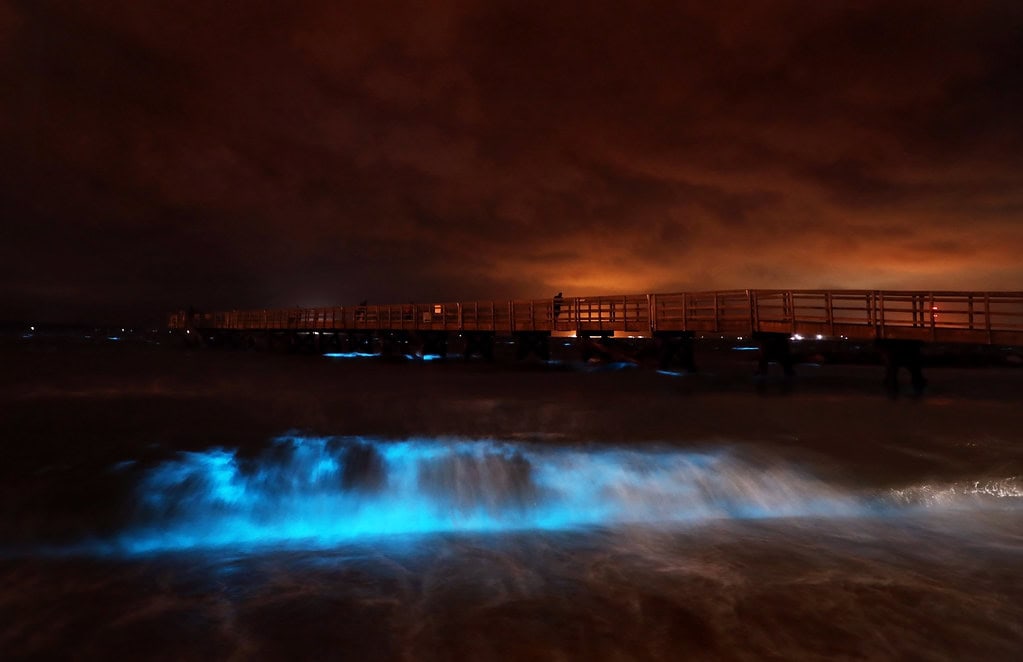
Picture this: you’re walking along a moonlit beach when suddenly, every footstep in the wet sand erupts into electric blue sparkles. The waves crash and leave trails of liquid starlight behind them. You’re not dreaming – you’re witnessing one of nature’s most spectacular light shows, where microscopic plankton transform ordinary water into a galaxy of living stars.
This phenomenon, called bioluminescence, happens when tiny marine organisms called dinoflagellates get disturbed and release bursts of blue-green light. It’s like nature’s own disco ball, except instead of mirror fragments, we’re talking about creatures so small you’d need a microscope to see them individually. Yet when billions of them light up together, they create a display that rivals any fireworks show.
The Science Behind the Magic
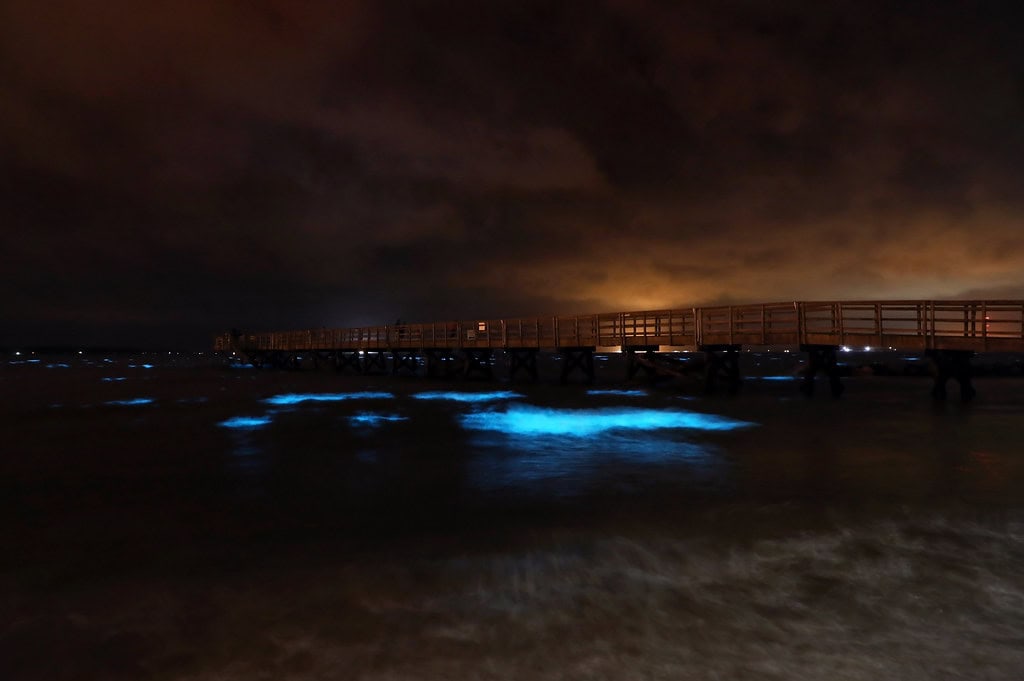
Bioluminescent plankton produce light through a chemical reaction involving luciferin and luciferase – the same compounds that make fireflies glow. When these tiny organisms sense movement or pressure, they trigger this reaction as a defense mechanism. The light serves as a burglar alarm, potentially startling predators or attracting larger predators to eat whatever is threatening them.
The blue-green color isn’t random either. This wavelength travels furthest through water, making it the most efficient color for underwater communication. Scientists have discovered that different species of bioluminescent plankton can produce slightly different shades, from deep sapphire to bright turquoise.
Where to Find These Glowing Waters
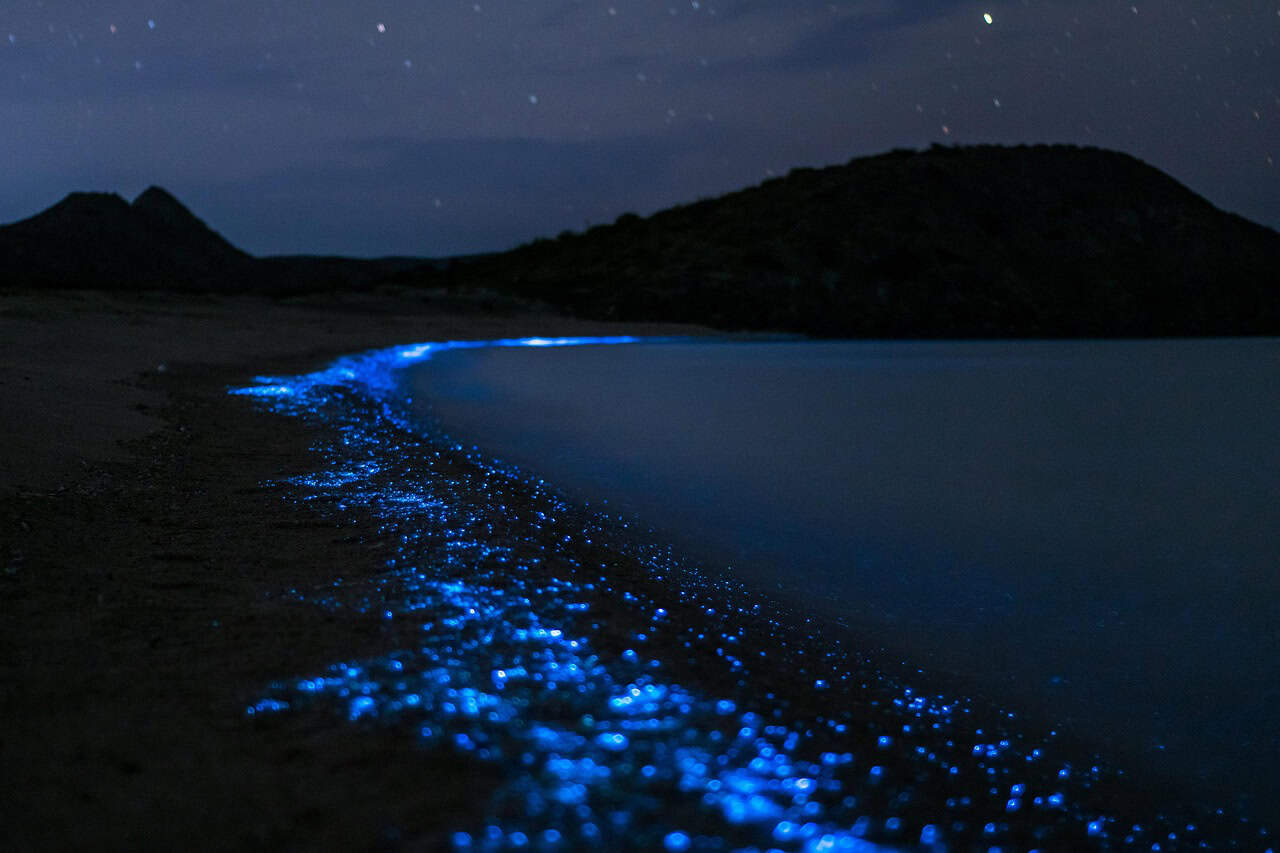
Mosquito Bay in Vieques, Puerto Rico, holds the Guinness World Record for the brightest bioluminescent bay. The water here contains up to 720,000 dinoflagellates per gallon, creating an otherworldly glow that’s visible even on cloudy nights. The bay’s unique geography and minimal light pollution make it a perfect sanctuary for these light-producing organisms.
The Maldives offers another incredible bioluminescent experience, particularly around Vaadhoo Island. Here, the phenomenon occurs seasonally, typically from July to February. The contrast between the pristine white sand beaches and the electric blue water creates an almost surreal landscape that looks like something from a fantasy movie.
California’s coastline occasionally lights up with bioluminescent red tide events, though these are less predictable. When conditions are right, surfers ride waves that look like they’re made of liquid lightning, creating some of the most photographed natural phenomena in recent years.
The First Moment of Discovery
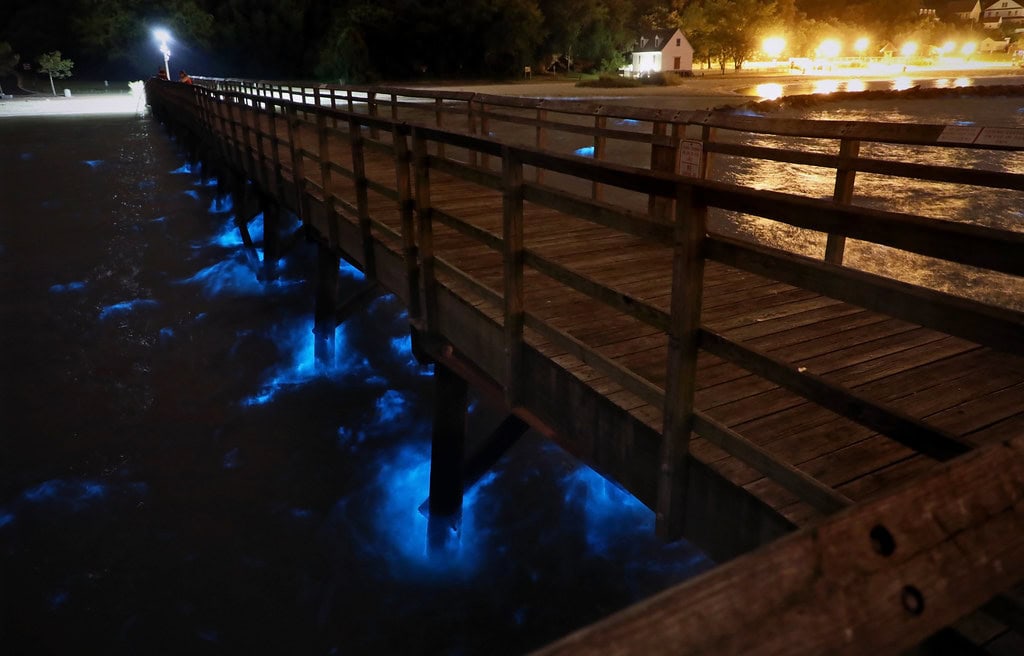
Most people’s first encounter with bioluminescent plankton happens by accident. You might be taking a late-night swim and notice sparkles around your hands, or walking barefoot on wet sand when your footprints suddenly start glowing. The initial reaction is often disbelief – many people think they’re seeing things or that someone has added glitter to the water.
The intensity of the light depends on several factors, including the concentration of plankton, water temperature, and how much disturbance they experience. On peak nights, simply dragging your hand through the water can create trails of light that last for several seconds. It’s like having superpowers, watching your movement create constellations in the water.
Swimming Through Liquid Stars
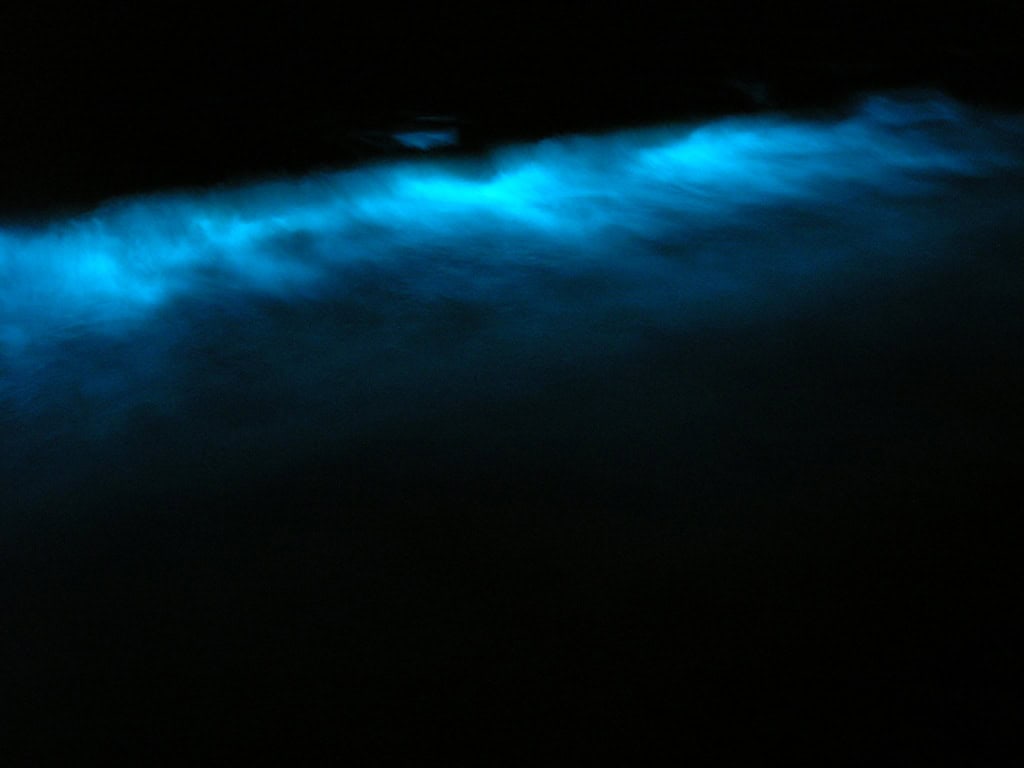
Taking a dip in bioluminescent water is an experience that defies description. Every stroke of your arms creates spiraling galaxies of light, and when you move your legs, it’s like kicking through a universe of tiny stars. The sensation is both peaceful and exhilarating – you’re literally swimming through living light.
The water feels normal to the touch; there’s no special temperature or texture that indicates the presence of these microscopic light factories. This makes the visual spectacle even more surprising. You’re sharing the water with billions of tiny organisms, yet they’re so small that you can’t feel them at all.
Some swimmers report that the light seems to respond to their emotions – moving quickly creates intense bursts of light, while gentle movements produce softer, more subtle glows. It’s as if the plankton are dancing partners, responding to your every gesture with their own choreographed light show.
The Colors and Patterns You’ll See

While most bioluminescent plankton produce blue-green light, the exact shade can vary dramatically. In some locations, the glow appears as a brilliant electric blue, while in others, it’s more of a greenish-turquoise. The intensity can range from subtle sparkles that require darkness to see, to bright flashes that are visible even under moonlight.
The patterns created by disturbed plankton are equally varied. Footsteps might create perfect oval shapes that fade slowly, while waves produce long streaks of light that ripple across the shore. Fish swimming through bioluminescent water leave comet-like trails, and even rain can create thousands of tiny light bursts on the surface.
Best Times to Witness the Phenomenon
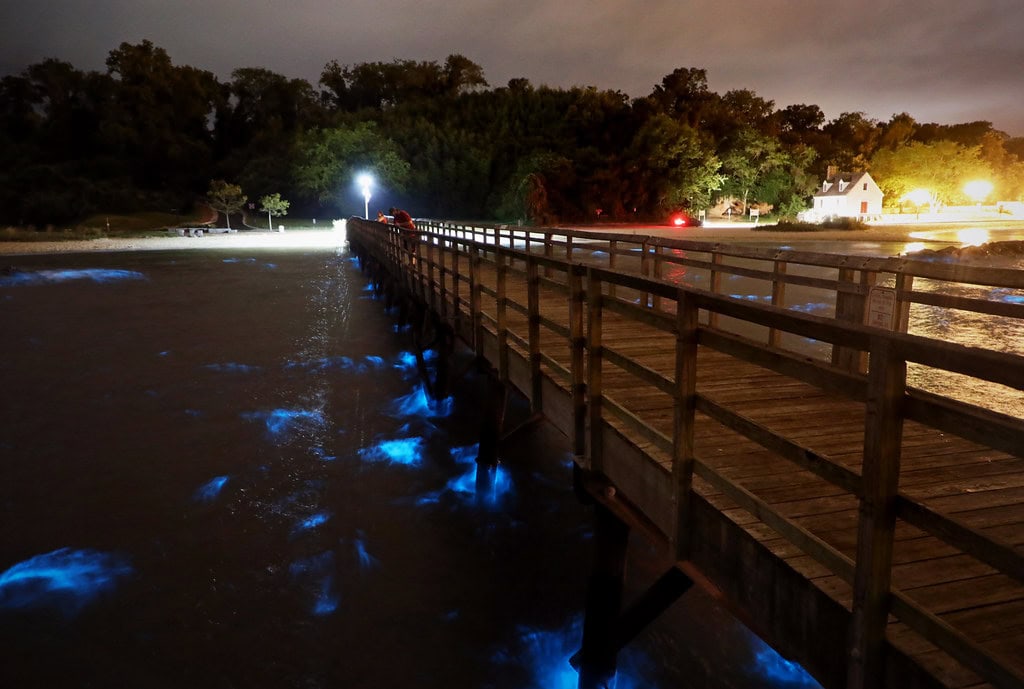
Bioluminescent displays are typically strongest during warm months when plankton populations are at their peak. The darkest nights of the lunar cycle provide the best viewing conditions, as moonlight can wash out the subtle glow. Many coastal areas experience seasonal blooms, with spring and summer offering the most reliable sightings.
Weather conditions play a crucial role in visibility. Calm, warm evenings with minimal wind create ideal conditions for plankton to accumulate near the surface. Storms can actually enhance the display by churning up more organisms, but they also make it dangerous or impossible to enjoy the phenomenon safely.
The golden hour for bioluminescence viewing is typically between 10 PM and 2 AM, when tourist activity dies down and the water settles. This is when the plankton are most active and the natural light pollution is at its minimum.
Equipment and Photography Tips

Photographing bioluminescent plankton requires patience and the right equipment. A camera with manual controls and high ISO capabilities is essential, as these light displays are quite dim compared to typical photography subjects. Tripods are crucial for the long exposure times needed to capture the glow effectively.
Most successful bioluminescence photos use exposure times between 15-30 seconds, with ISO settings of 1600 or higher. The key is experimenting with different settings while someone disturbs the water to create the light patterns. Many photographers use red-filtered flashlights to preserve their night vision while adjusting camera settings.
Video capture can be even more challenging, requiring specialized low-light cameras or significant post-processing enhancement. However, the effort is worth it – watching the footage later allows you to relive the magic and share it with others who might not believe your descriptions.
The Role of Water Temperature

Water temperature significantly affects both the presence and intensity of bioluminescent displays. Most bioluminescent plankton species thrive in water temperatures between 68-77°F (20-25°C). When temperatures drop below this range, plankton activity decreases dramatically, and the light production becomes much dimmer.
Tropical and subtropical waters provide the most consistent bioluminescent experiences because they maintain optimal temperatures year-round. In temperate regions, the phenomenon is often seasonal, appearing during summer months when coastal waters warm up sufficiently to support large plankton populations.
Interestingly, sudden temperature changes can trigger more intense bioluminescent responses. When warm and cool water layers mix, the resulting stress on the plankton can cause them to produce brighter, more sustained light displays.
Environmental Factors That Enhance the Experience
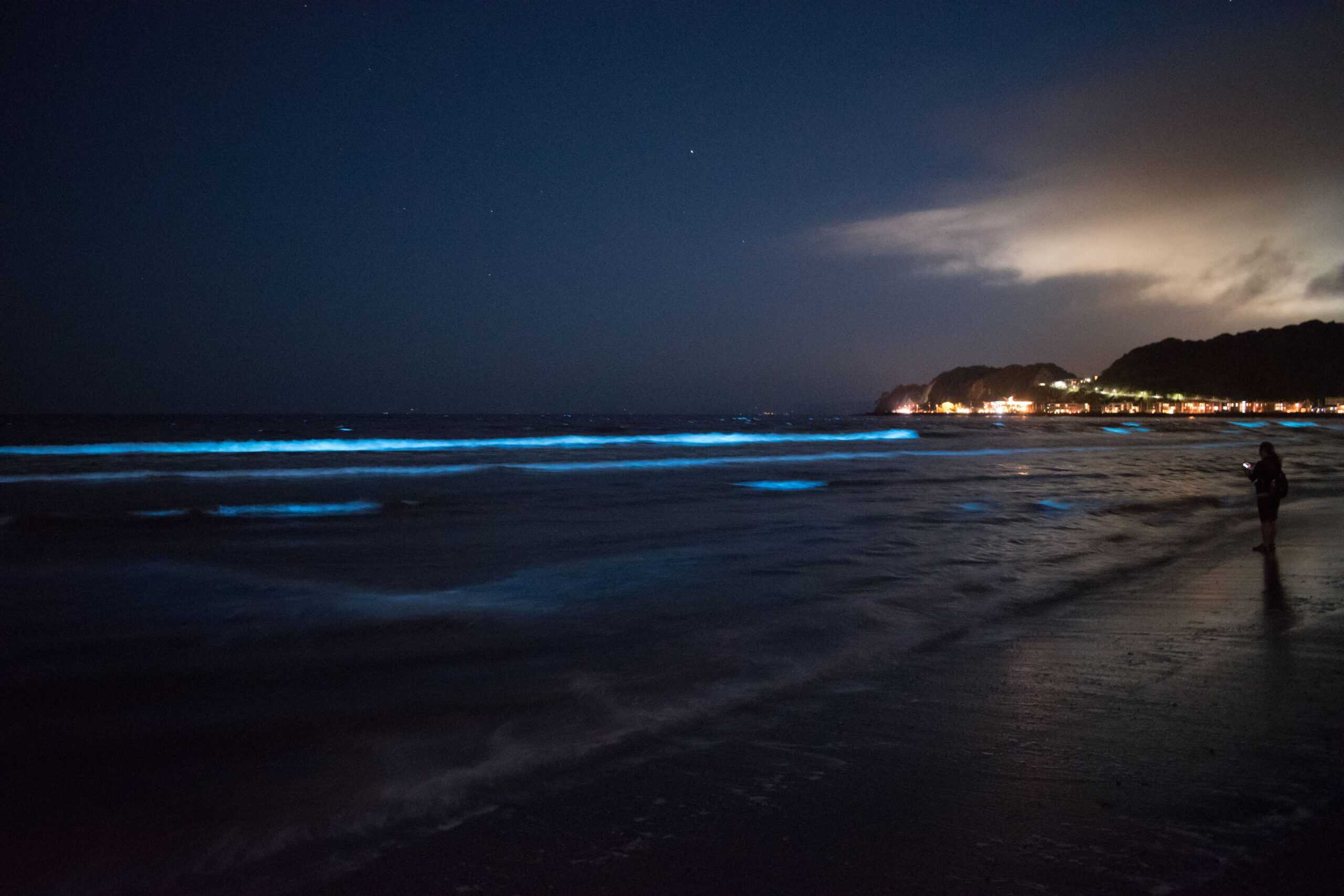
Light pollution is the enemy of bioluminescence viewing. Areas with minimal artificial lighting provide the best conditions for seeing these subtle natural displays. Remote beaches, protected marine areas, and islands far from major cities offer the darkest skies and most vivid bioluminescent experiences.
Nutrient levels in the water also play a crucial role. Areas with natural upwelling or where rivers meet the ocean often have higher plankton concentrations due to increased nutrients. However, excessive nutrients from pollution can create harmful algal blooms that actually reduce bioluminescent activity.
Tidal conditions can affect the concentration of plankton near shore. Incoming tides often bring more organisms from deeper waters, while outgoing tides can concentrate them in tidal pools and shallow areas where they’re easier to observe.
Safety Considerations for Bioluminescent Swimming

While bioluminescent plankton themselves are generally harmless, the conditions that create their blooms can sometimes pose risks. Red tide events, which can cause bioluminescence, may also produce toxins that irritate skin and respiratory systems. Always check local health advisories before swimming in glowing water.
Swimming at night in any natural body of water carries inherent risks. Strong currents, marine life, and reduced visibility can create dangerous situations. It’s always best to explore bioluminescent waters with a companion and to stay close to shore where you can easily exit the water.
Some bioluminescent displays occur in tropical waters where other marine life may be present. Jellyfish, sea urchins, and other creatures can pose risks to nighttime swimmers. Wearing protective footwear and avoiding areas with known hazards is essential for a safe experience.
The Duration and Intensity of Light Shows
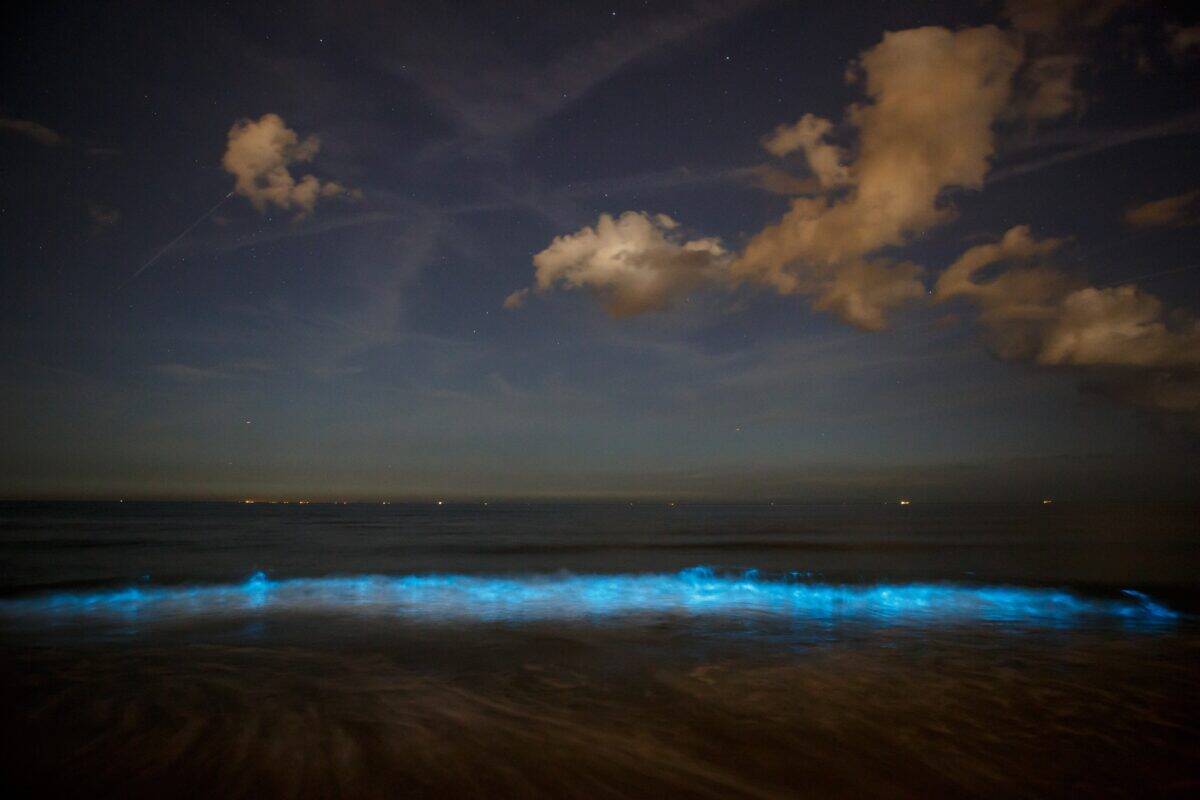
Bioluminescent displays can last anywhere from a few seconds to several hours, depending on the species and environmental conditions. Individual light flashes typically last 1-3 seconds, but in areas with high plankton concentrations, the constant disturbance can create seemingly continuous illumination.
The intensity of the light varies greatly between locations and seasons. During peak blooms, the glow can be bright enough to read by, while during weaker displays, you might only see faint sparkles. The most spectacular shows often occur during massive plankton blooms that can cover several square miles of ocean.
Weather conditions can dramatically affect both duration and intensity. Calm nights allow the light to be more visible, while rough seas can create more disturbance and brighter displays, but also make them harder to observe safely.
Different Species Create Different Effects
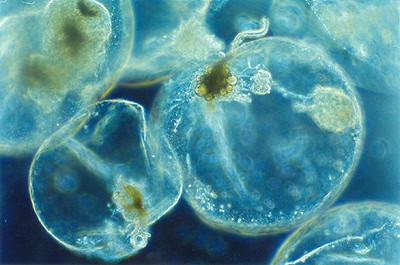
Pyrodinium bahamense, the dominant species in Puerto Rico’s bioluminescent bays, creates a steady, blue-green glow that can persist for several seconds after disturbance. This species is particularly sensitive to pollution and climate change, making these locations increasingly rare and precious.
Noctiluca scintillans, commonly found in temperate waters, produces brilliant flashes of light that appear and disappear quickly. This species often creates the spectacular bioluminescent waves seen along California’s coast, where each wave crest lights up like a string of Christmas lights.
Alexandrium minutum can create some of the most intense bioluminescent displays, with light bright enough to illuminate your entire body underwater. However, this species is also associated with harmful algal blooms, so swimming in these displays requires extra caution.
Historical and Cultural Significance

Bioluminescent waters have fascinated humans for thousands of years. Ancient sailors reported “burning seas” and “liquid fire” in their ship logs, often attributing the phenomenon to supernatural causes. These accounts helped inspire myths and legends about sea spirits and underwater kingdoms.
Indigenous peoples in various coastal regions have long recognized and respected bioluminescent waters. In some cultures, these glowing seas are considered sacred or magical, with traditional stories explaining the lights as the tears of sea gods or the spirits of ancestors.
Modern scientific understanding of bioluminescence has only emerged in the past century. The discovery that living organisms create this light revolutionized our understanding of marine ecosystems and led to important advances in biochemistry and medical research.
Conservation Challenges and Threats

Bioluminescent ecosystems are incredibly fragile and face numerous threats from human activities. Pollution, particularly from sunscreen chemicals and sewage runoff, can devastate plankton populations and eliminate bioluminescent displays. Climate change is also affecting water temperatures and ocean chemistry, disrupting the delicate balance these organisms require.
Light pollution from coastal development interferes with the natural cycles of bioluminescent organisms. Many species are sensitive to artificial light, and excessive illumination can disrupt their feeding and reproduction patterns. This creates a cruel irony – the development that brings tourists to see these displays often destroys them.
Tourism itself can be a double-edged sword. While it brings economic benefits and awareness, heavy foot traffic and swimming can damage shallow-water habitats where bioluminescent plankton concentrate. Some locations have implemented restrictions on nighttime activities to protect these sensitive ecosystems.
The Emotional Impact of the Experience
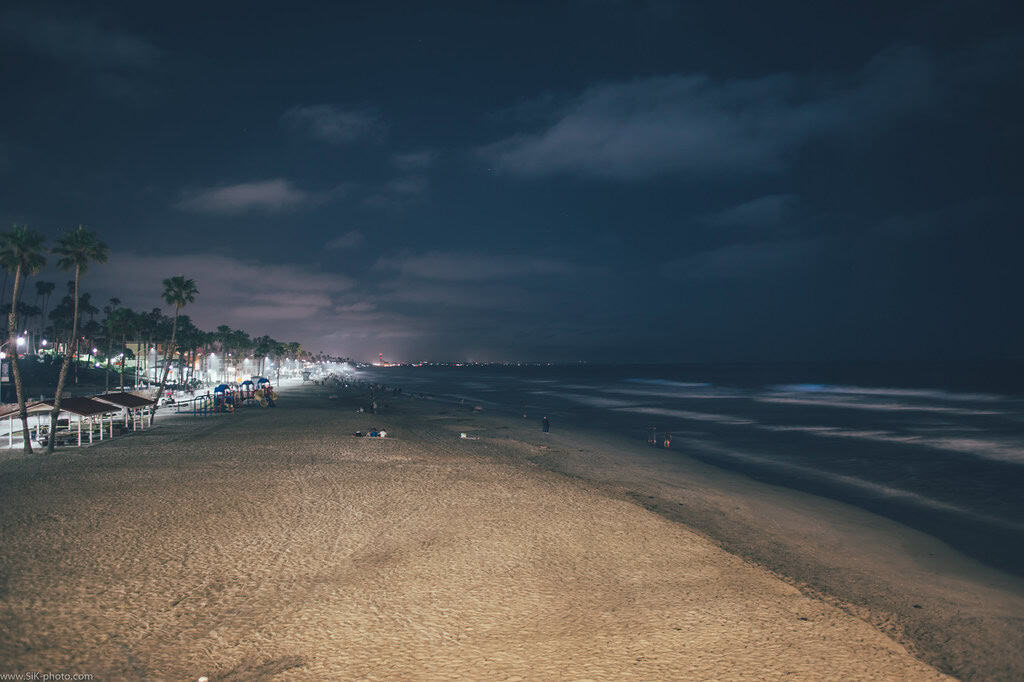
Witnessing bioluminescent plankton creates emotional responses that many people struggle to describe. The combination of natural beauty, scientific wonder, and rarity often leaves observers feeling humbled and connected to the natural world. Many describe it as a spiritual experience that changes their perspective on marine conservation.
Children often have the most uninhibited reactions to bioluminescence, laughing with delight as they create light with their movements. Adults frequently report feeling childlike wonder returning as they splash through glowing water, temporarily forgetting the stresses of daily life.
The ephemeral nature of bioluminescent displays adds to their emotional impact. Knowing that you’re witnessing something rare and potentially fleeting makes the experience more precious and memorable.
Scientific Research and Discoveries

Bioluminescent plankton have contributed to numerous scientific breakthroughs. The green fluorescent protein (GFP) originally discovered in jellyfish has become an essential tool in medical research, allowing scientists to track biological processes in living organisms. This discovery led to a Nobel Prize in Chemistry in 2008.
Research on bioluminescent organisms has revealed fascinating details about evolution and adaptation. Scientists have discovered that bioluminescence evolved independently at least 40 times in different species, suggesting it provides significant survival advantages in marine environments.
Current research focuses on understanding how climate change affects bioluminescent ecosystems and whether these organisms might serve as indicators of ocean health. Some studies suggest that changes in bioluminescent displays could provide early warnings about environmental degradation.
Seasonal Variations and Patterns
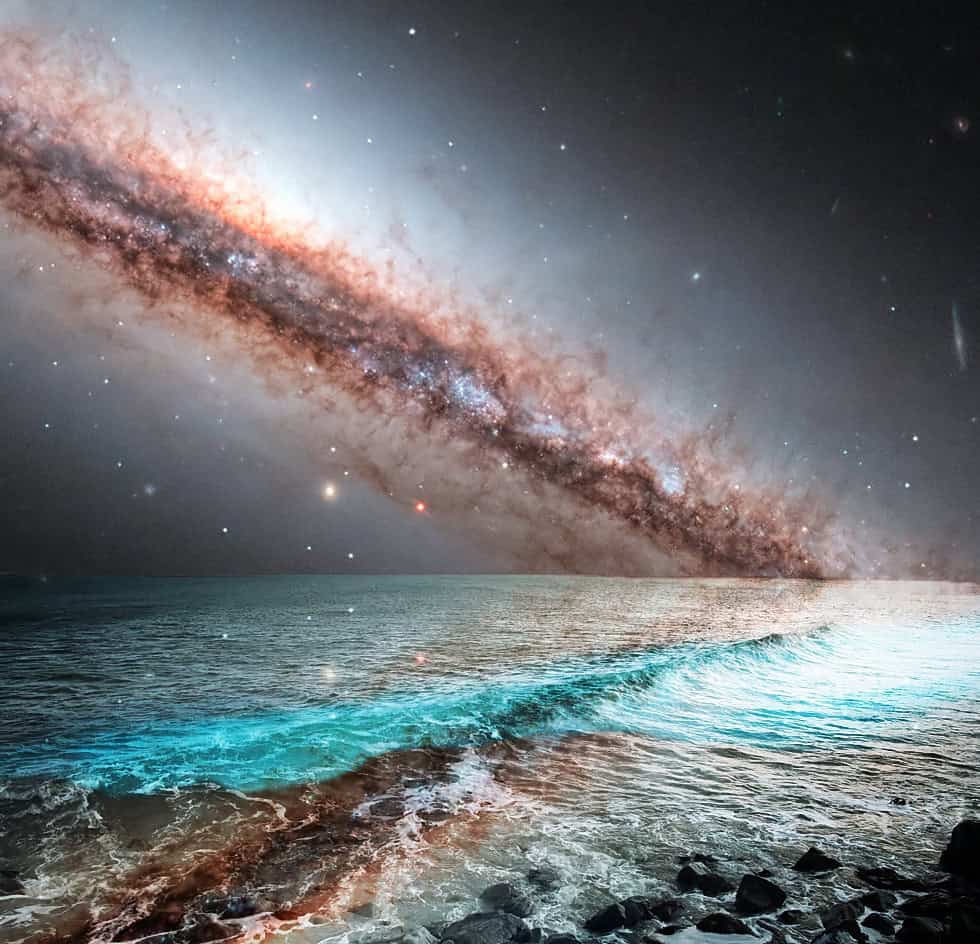
Bioluminescent displays follow predictable seasonal patterns in many locations. In tropical regions, the phenomenon often peaks during warmer months when water temperatures and nutrient levels are optimal. Temperate regions may see displays only during specific seasons, typically late spring through early fall.
Weather patterns significantly influence the timing and intensity of bioluminescent blooms. El Niño and La Niña events can shift the timing of peak displays by several weeks or months. Long-term climate patterns also affect the geographic distribution of bioluminescent hotspots.
Some locations experience predictable annual cycles, while others have more irregular patterns. Understanding these variations helps visitors plan their trips and increases the likelihood of witnessing spectacular displays.
Comparing Different Global Locations

Each bioluminescent location offers unique characteristics and experiences. The Maldives provides the most pristine setting, with crystal-clear water and minimal light pollution creating ideal viewing conditions. The contrast between the white sand beaches and electric blue water creates photographs that look almost too beautiful to be real.
Puerto Rico’s bioluminescent bays offer the most reliable year-round displays, with Mosquito Bay holding the record for brightness. The protected status of these areas ensures minimal human impact, but also means access is carefully regulated and guided tours are often required.
California’s bioluminescent events are less predictable but often more dramatic when they occur. The phenomenon here is typically associated with red tide events that can stretch along hundreds of miles of coastline, creating some of the most spectacular displays ever recorded.
Conclusion
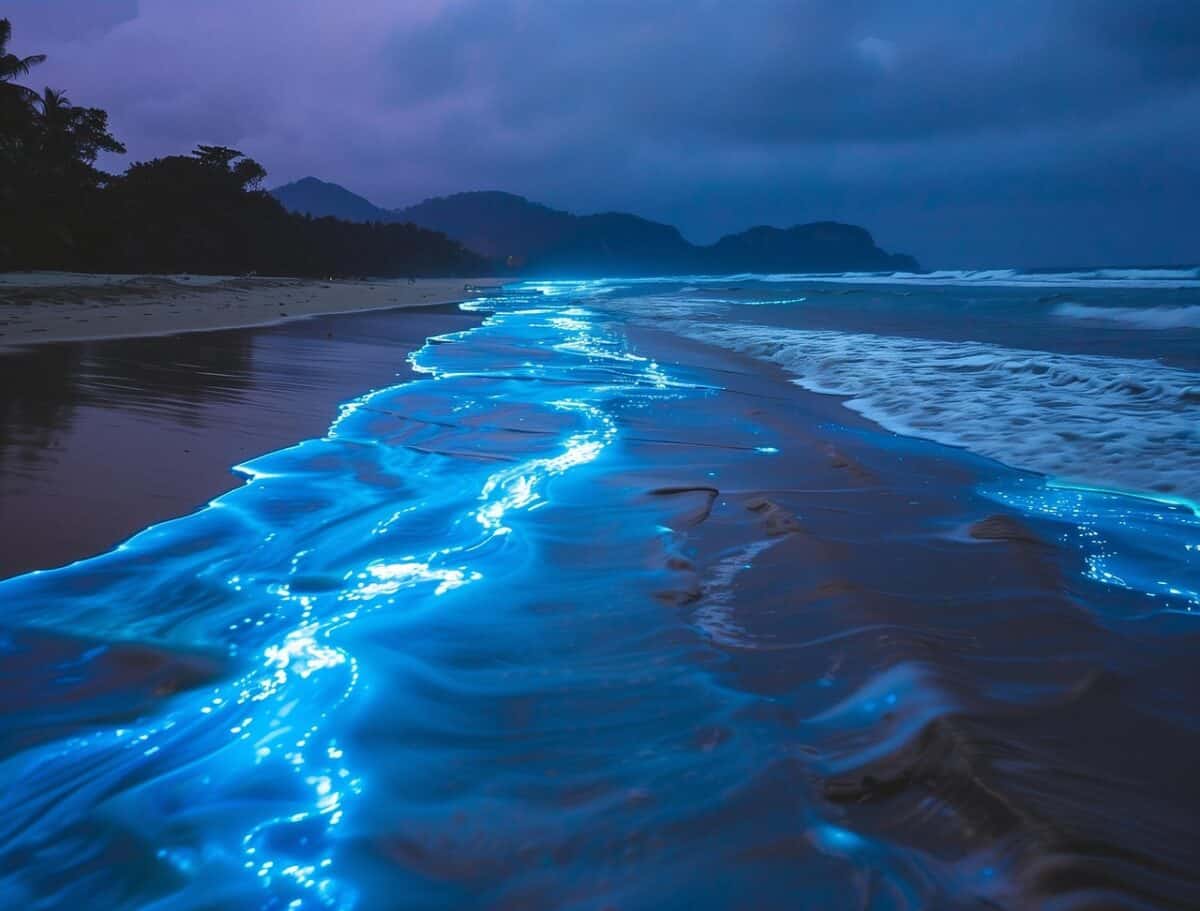
The magic of seeing plankton glow in real life goes beyond simple observation – it’s a reminder of the incredible complexity and beauty of our oceans. These tiny organisms, invisible to the naked eye individually, come together to create one of nature’s most spectacular light shows. Whether you’re swimming through liquid stars in the Maldives or watching waves light up along California’s coast, witnessing bioluminescence connects us to the mysterious world beneath the waves. As these fragile ecosystems face increasing threats from human activities, each glowing display becomes more precious, a fleeting glimpse of oceanic magic that future generations may not have the chance to experience. Have you ever wondered what other secrets the ocean holds that we haven’t discovered yet?

- 12 Eagle Habits That Impress (And 3 That Surprise) Scientists - July 17, 2026
- Barry the St. Bernard: The Original Rescue Dog - July 17, 2026
- 10 Things Komodo Dragons Use Their Tongue For — And 3 Myths That Aren’t True - July 16, 2026