


In the treacherous, snow-covered peaks of the Swiss Alps, where countless travelers have met their fate in howling blizzards and bone-chilling cold, one remarkable dog changed the very definition of heroism. Long before modern search and rescue teams existed, there was Barry – a St. Bernard whose legendary courage and unwavering dedication to saving human lives would forever cement his place in history. This extraordinary canine didn’t just rescue people; he revolutionized the entire concept of mountain rescue operations and became the inspiration for countless generations of rescue dogs that followed.
Barry’s story isn’t just another feel-good tale about a loyal pet. It’s a testament to the incredible bond between humans and animals, and how one dog’s natural instincts and training transformed him into a living legend. Between 1800 and 1812, this remarkable St. Bernard is credited with saving over 40 lives in some of the most dangerous mountain conditions imaginable. But what makes Barry’s story even more fascinating is how his legacy continues to influence modern rescue operations and dog training programs around the world today.
The Hospice of Great St. Bernard: Where Legends Are Born
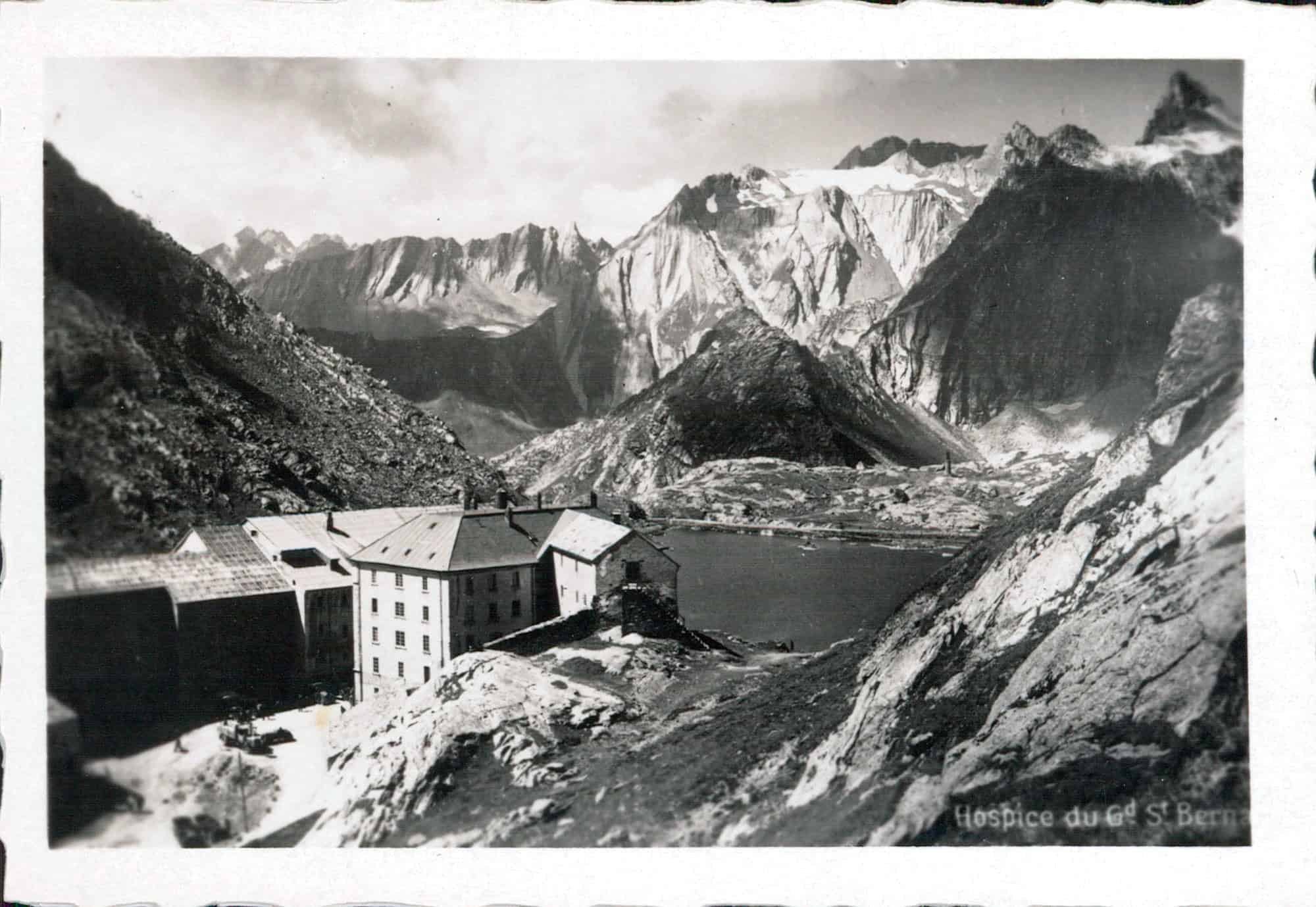
High in the Swiss Alps, at an elevation of 8,100 feet, stands the Hospice of Great St. Bernard – a monastery that has served as a refuge for travelers crossing the treacherous Alpine passes for over 1,000 years. The Augustine monks who established this sanctuary in 1049 quickly realized that the harsh mountain conditions claimed far too many lives. What started as a simple shelter for pilgrims and merchants soon evolved into something much more significant: the world’s first organized mountain rescue operation.
The monks didn’t initially plan to use dogs for rescue work. The St. Bernard breed, originally called “Barry Dogs” in honor of our hero, was first brought to the hospice around 1660 to serve as guard dogs and companions. These massive, powerful dogs proved perfectly adapted to the extreme alpine environment, with their thick double coats providing insulation against sub-zero temperatures and their large paws acting like natural snowshoes.
It wasn’t until the early 1700s that the monks began training these dogs for search and rescue missions. The dogs’ incredible sense of smell, combined with their ability to detect humans buried under avalanches, made them invaluable partners in saving lives. The hospice became the birthplace of organized canine rescue operations, setting the standard for mountain rescue teams worldwide.
Barry’s Early Life and Training
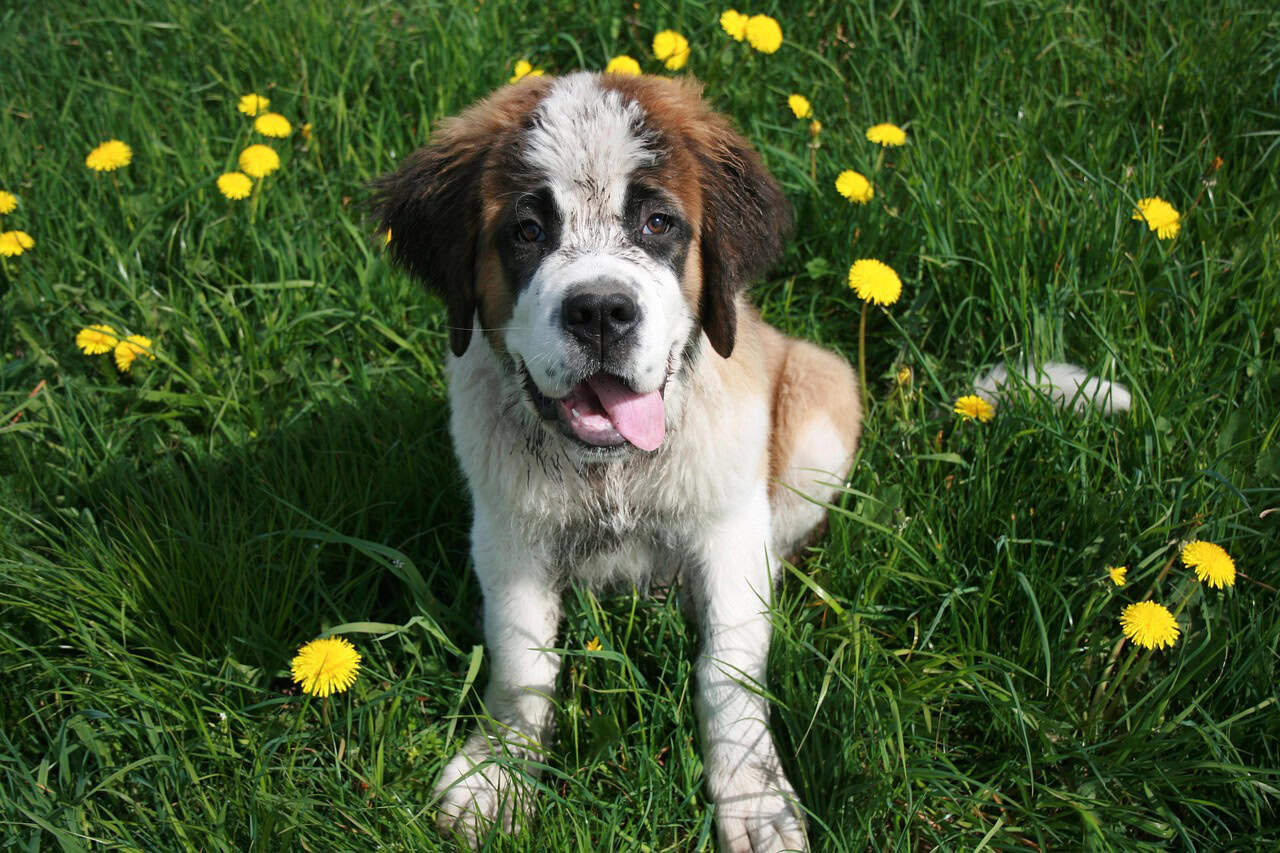
Born around 1800 at the Hospice of Great St. Bernard, Barry was no ordinary puppy. From his earliest days, he displayed an unusual intelligence and an almost supernatural ability to sense danger and locate people in distress. The monks noticed that Barry seemed to possess an innate understanding of the mountain’s treacherous moods and weather patterns. While other dogs required extensive training, Barry appeared to instinctively know what was expected of him in rescue situations.
The training process for St. Bernard rescue dogs was rigorous and methodical. Young dogs like Barry learned to navigate through deep snow, resist the urge to play in powder that could mean life or death for buried travelers, and most importantly, to work independently when searching for victims. Barry excelled in every aspect of his training, showing remarkable problem-solving abilities that set him apart from his littermates.
What made Barry truly exceptional was his ability to work alone for extended periods. Unlike other rescue dogs who typically worked in pairs or groups, Barry often ventured out solo during the worst weather conditions. His trainers recognized this unique trait and allowed him greater independence than was typical for rescue dogs of that era. This decision would prove crucial in many of his most famous rescues.
The Anatomy of a Perfect Rescue Dog
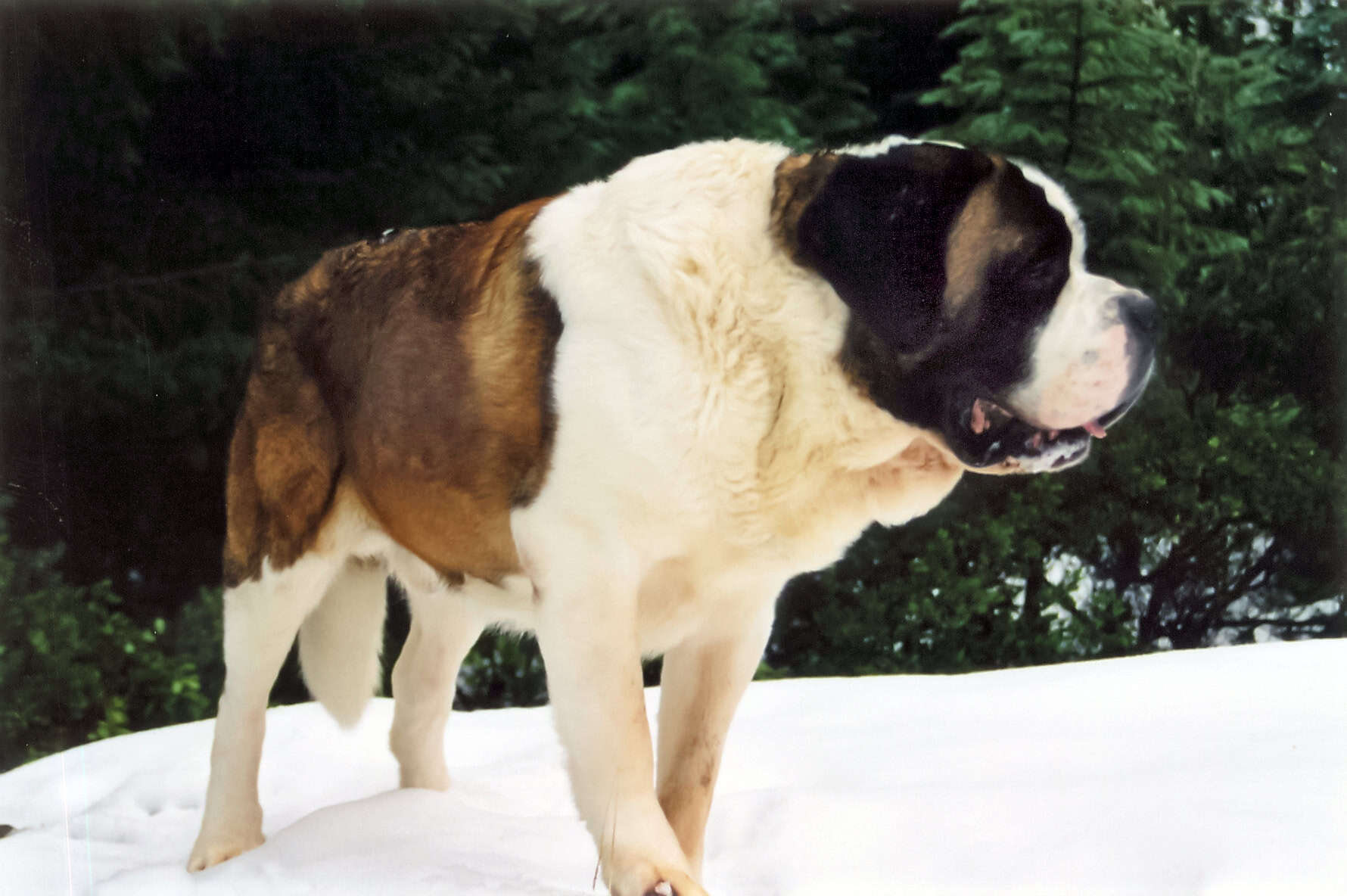
Barry’s physical characteristics made him ideally suited for alpine rescue work. Standing about 27 inches tall and weighing approximately 140 pounds, he possessed the perfect combination of size, strength, and agility needed for mountain rescues. His broad chest provided ample lung capacity for working in the thin mountain air, while his powerful hindquarters gave him the strength to dig through snow and navigate treacherous terrain.
The St. Bernard’s distinctive coat served multiple purposes in rescue operations. Barry’s thick, weather-resistant double coat not only protected him from extreme cold but also provided warmth to rescued victims. Many survivors reported that Barry would lie down next to them, sharing his body heat until human rescuers arrived. His coat color – typically white with reddish-brown markings – made him highly visible against the snow, allowing both victims and rescuers to spot him from considerable distances.
Perhaps most importantly, Barry possessed an extraordinary sense of smell that could detect human scent even when buried under several feet of snow. Scientists estimate that a St. Bernard’s sense of smell is approximately 1,000 times more sensitive than a human’s, allowing dogs like Barry to locate victims that would be impossible for human rescuers to find. This incredible olfactory ability, combined with his determination and intelligence, made Barry the ultimate rescue machine.
Revolutionary Rescue Techniques
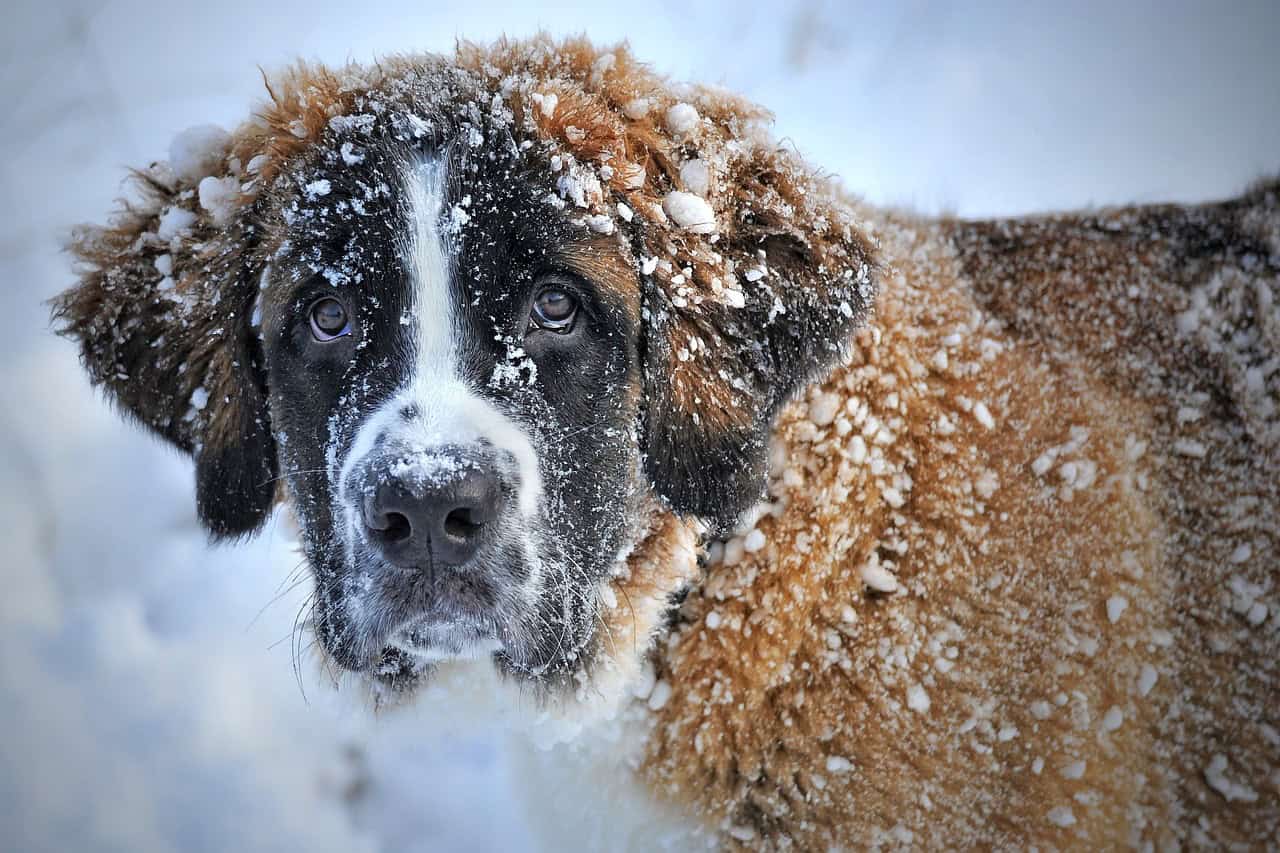
Barry pioneered several rescue techniques that are still used by modern search and rescue teams today. One of his most famous methods involved using his powerful claws and snout to dig precise holes in the snow, creating air pockets for buried victims while he worked to free them completely. This technique prevented victims from suffocating while ensuring they received fresh air during the often lengthy rescue process.
When Barry located a victim, he would first assess their condition by gently pawing at them and listening for breathing. If the person was conscious, he would encourage them to grab onto his thick collar or fur while he slowly pulled them to safety. For unconscious victims, Barry developed a unique technique of lying down next to them to provide warmth while simultaneously howling to alert the monks at the hospice of his location.
Perhaps Barry’s most innovative contribution to rescue work was his ability to judge weather conditions and anticipate dangerous situations. The monks reported that Barry would often become restless and agitated hours before major storms hit, as if he could sense the approaching danger. This early warning system allowed the hospice to prepare for rescue operations and sometimes even prevent travelers from venturing out into deadly conditions.
The Famous Rescue at the Great St. Bernard Pass
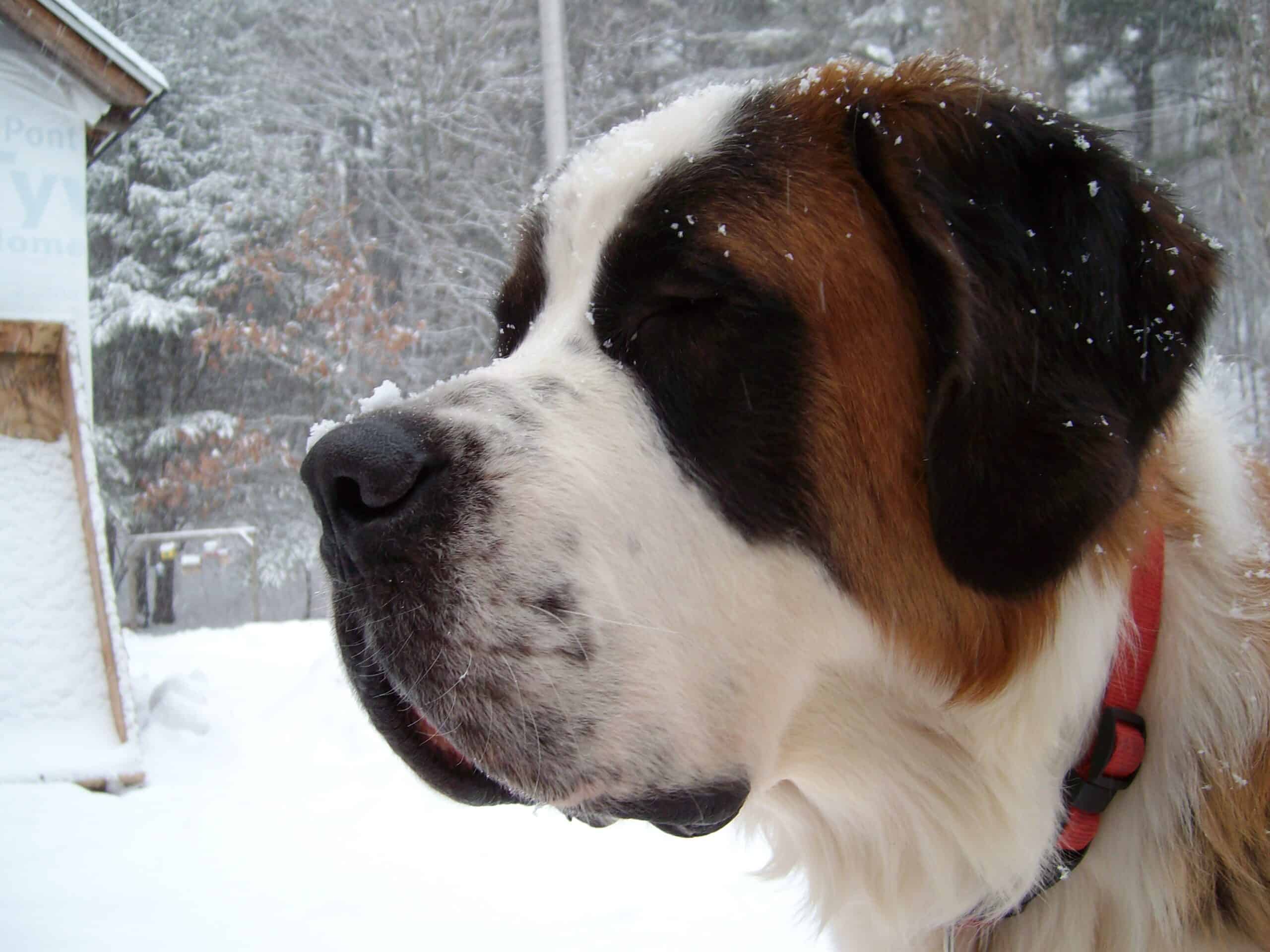
Barry’s most legendary rescue occurred during a particularly brutal winter storm in 1807. A young boy traveling with his mother had become separated from their group during a blizzard and was trapped in a snow cave, barely alive from cold and exhaustion. The child’s mother had made it to the hospice, but rescue teams were unable to locate the boy in the whiteout conditions that had persisted for three days.
Despite the dangerous weather, Barry ventured out alone when human rescuers had given up hope. Using his incredible sense of smell, he tracked the boy’s scent through the storm for over six hours, following a trail that led him nearly two miles from the hospice. When Barry finally located the child, the boy was unconscious and barely breathing, buried under a snowdrift in a small cave.
Barry immediately began the delicate process of freeing the child without causing an avalanche. He carefully dug around the boy, creating an air pocket while warming him with his body heat. The remarkable St. Bernard then managed to rouse the child to consciousness and convinced him to climb onto his back. Carrying the boy through the treacherous storm, Barry navigated back to the hospice, delivering the child safely to his frantic mother. This rescue became the stuff of legend and was immortalized in numerous paintings and stories throughout Europe.
Record-Breaking Rescue Statistics

Throughout his twelve-year career at the hospice, Barry’s rescue record was simply extraordinary. Official monastery records credit him with saving 40 lives, though some historians believe the actual number may have been higher, as not all rescues were necessarily documented. What makes these statistics even more impressive is that Barry accomplished this feat during an era when the Alpine passes were far more dangerous than they are today, with primitive weather forecasting and no modern safety equipment.
Barry’s success rate was remarkable not just in terms of numbers, but also in the variety of rescue situations he handled. He saved everyone from lost children to experienced mountaineers, from pilgrims to merchants, demonstrating an incredible adaptability in his rescue techniques. The monastery’s records show that Barry successfully located and rescued victims in conditions ranging from avalanches to blizzards, from simple snow entrapments to complex multi-victim scenarios.
The statistical impact of Barry’s work extended beyond individual rescues. His success inspired the training of dozens of other St. Bernard rescue dogs, creating a network of canine rescuers that collectively saved hundreds of additional lives. By the time Barry retired in 1812, the hospice had established the world’s first systematic canine rescue program, with Barry serving as both the model and the trainer for future generations of rescue dogs.
The Brandy Barrel Myth: Separating Fact from Fiction
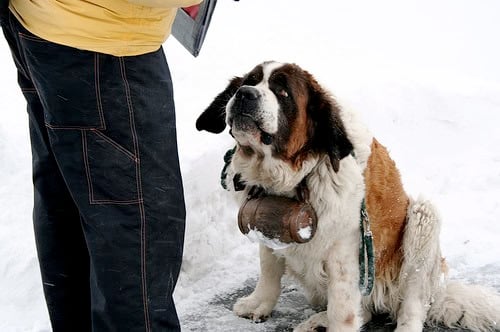
One of the most persistent legends surrounding Barry and St. Bernard rescue dogs is the image of these noble animals carrying small barrels of brandy around their necks to revive rescued victims. While this romantic notion has captured the public imagination for centuries, historical evidence suggests that Barry and his fellow rescue dogs never actually carried brandy barrels during their missions.
The brandy barrel myth appears to have originated from a painting by Sir Edwin Landseer in 1820, titled “Alpine Mastiffs Reanimating a Distressed Traveler.” This dramatic artwork depicted St. Bernard dogs with small barrels attached to their collars, and the image became so popular that it cemented the association between rescue dogs and brandy in popular culture. However, monastery records from Barry’s era make no mention of dogs carrying alcoholic beverages, and modern medical knowledge confirms that alcohol would actually be harmful to hypothermic victims.
The truth about Barry’s equipment is far more practical and impressive than the mythical brandy barrel. The real Barry carried a small pack containing basic first aid supplies, including bandages and herbs used by the monks for treating injuries. Some historical accounts suggest he also carried a whistle that victims could blow to alert rescuers to their location. This practical approach to rescue equipment demonstrates the monks’ sophisticated understanding of mountain rescue techniques, even in the early 1800s.
Barry’s Most Dangerous Rescues

Among Barry’s most perilous rescues was his encounter with three French soldiers who had become lost during Napoleon’s campaign in 1800. The soldiers had been trapped in a crevasse for over 24 hours when Barry located them during a fierce snowstorm. Two of the men were unconscious, while the third was delirious from cold and exhaustion. Barry faced the enormous challenge of alerting rescuers to the location of multiple victims while providing immediate assistance to keep them alive.
Barry’s solution was both ingenious and dangerous. He positioned himself at the edge of the crevasse and began a continuous howling pattern that the monks had learned to recognize as his “multiple victim” signal. Meanwhile, he repeatedly descended into the crevasse to provide warmth to the unconscious soldiers, risking his own safety with each trip. The rescue operation took over eight hours, with Barry maintaining his vigil throughout the entire ordeal until human rescuers could reach the soldiers.
Another harrowing rescue involved a merchant who had fallen into a hidden crevasse and was trapped on a narrow ledge 30 feet below the surface. Barry spent nearly six hours at the site, first alerting the hospice to the emergency, then maintaining communication with the trapped man by barking encouragement and dropping small items down to him. The merchant later reported that Barry’s presence and continuous barking were the only things that kept him from giving up hope during the lengthy rescue operation.
Training Methods and Techniques

The training methods used to develop Barry’s exceptional rescue abilities were revolutionary for their time and formed the foundation of modern search and rescue dog training. The monks at the hospice developed a comprehensive program that combined physical conditioning, scent training, and psychological preparation for high-stress rescue situations. Barry’s training began when he was just a few months old, with simple exercises designed to build his confidence and problem-solving abilities.
The scent training component was particularly sophisticated, involving the use of human clothing and personal items buried at various depths in the snow. Barry learned to distinguish between different human scents and to follow trails that were hours or even days old. The monks created increasingly complex scenarios, sometimes burying training aids in avalanche-prone areas or during severe weather conditions to simulate real rescue situations.
What set Barry’s training apart was the emphasis on independent decision-making. Unlike many working dogs that are trained to follow specific commands, Barry was taught to assess situations and make judgment calls on his own. This training proved invaluable during his solo rescue missions, where he often had to determine the best course of action without human guidance. The monks recognized that in life-or-death situations, a dog’s natural instincts combined with proper training could be more effective than rigid obedience to commands.
The Science Behind Barry’s Success

Modern scientific research has provided fascinating insights into why Barry and other St. Bernard rescue dogs were so successful in their mountain rescue work. The breed’s unique physiological adaptations make them ideally suited for high-altitude rescue operations. Their large lung capacity allows them to work effectively in the thin mountain air, while their efficient cardiovascular system helps them maintain stamina during long rescue missions.
The St. Bernard’s exceptional sense of smell is now understood to be the result of both anatomical and neurological specializations. Their large nasal cavities contain millions of scent receptors, while their brains dedicate a proportionally larger area to processing olfactory information than most other dog breeds. This combination allows dogs like Barry to detect human scent even when it’s been dispersed by wind or masked by other odors.
Research into canine psychology has also revealed why Barry was so effective at working independently. St. Bernards possess a unique combination of intelligence, problem-solving ability, and emotional stability that makes them exceptional working dogs. Their natural empathy and protective instincts, combined with their physical capabilities, create the perfect rescue animal. Scientists studying Barry’s documented rescues have noted that his behavior patterns demonstrate advanced cognitive abilities, including the ability to plan complex rescue strategies and adapt to changing conditions.
Barry’s Retirement and Later Years

After twelve years of dedicated service, Barry retired from active rescue duty in 1812. By this time, the legendary St. Bernard had become something of a celebrity throughout Europe, with his rescue stories spreading far beyond the Alpine region. The monks at the hospice recognized that Barry had earned a peaceful retirement, and they were also concerned about his safety, as he had begun to show signs of age and the accumulated wear of years of dangerous rescue work.
Barry’s retirement was spent at the hospice, where he took on a new role as a trainer and mentor for younger rescue dogs. His experience and instincts proved invaluable in teaching the next generation of St. Bernard rescuers. The monks observed that Barry seemed to understand his teaching role, demonstrating remarkable patience with younger dogs and displaying an almost human-like ability to convey complex rescue techniques.
During his retirement years, Barry received visitors from across Europe who came to meet the famous rescue dog. Kings, nobles, and common travelers alike sought audiences with the legendary St. Bernard, and Barry seemed to enjoy the attention. He remained active and alert well into his retirement, often accompanying the monks on their daily rounds and continuing to show interest in rescue activities, though he was no longer allowed to participate in dangerous missions.
The End of an Era

Barry passed away in 1814 at the age of 14, marking the end of an extraordinary life dedicated to saving others. His death was mourned not only at the hospice but throughout Europe, where his legend had spread far beyond the Alpine region. The monks at the Great St. Bernard Pass held a special ceremony to honor their beloved rescue dog, and Barry’s body was carefully preserved to ensure that future generations could learn from his example.
The impact of Barry’s death extended far beyond the emotional loss felt by those who knew him. His passing marked the end of the first era of organized canine rescue operations and the beginning of a new chapter in search and rescue history. The monks had documented Barry’s techniques and training methods so thoroughly that they were able to continue his work through the dogs he had trained and the systems he had helped develop.
Barry’s legacy was immediately recognized as something special, even by the standards of his time. The hospice began collecting stories and testimonials from people Barry had rescued, creating what would become one of the most comprehensive records of a working dog’s career ever assembled. These records would prove invaluable for future rescue dog training programs and would help establish the scientific foundation for modern search and rescue operations.
Preserving Barry’s Legacy
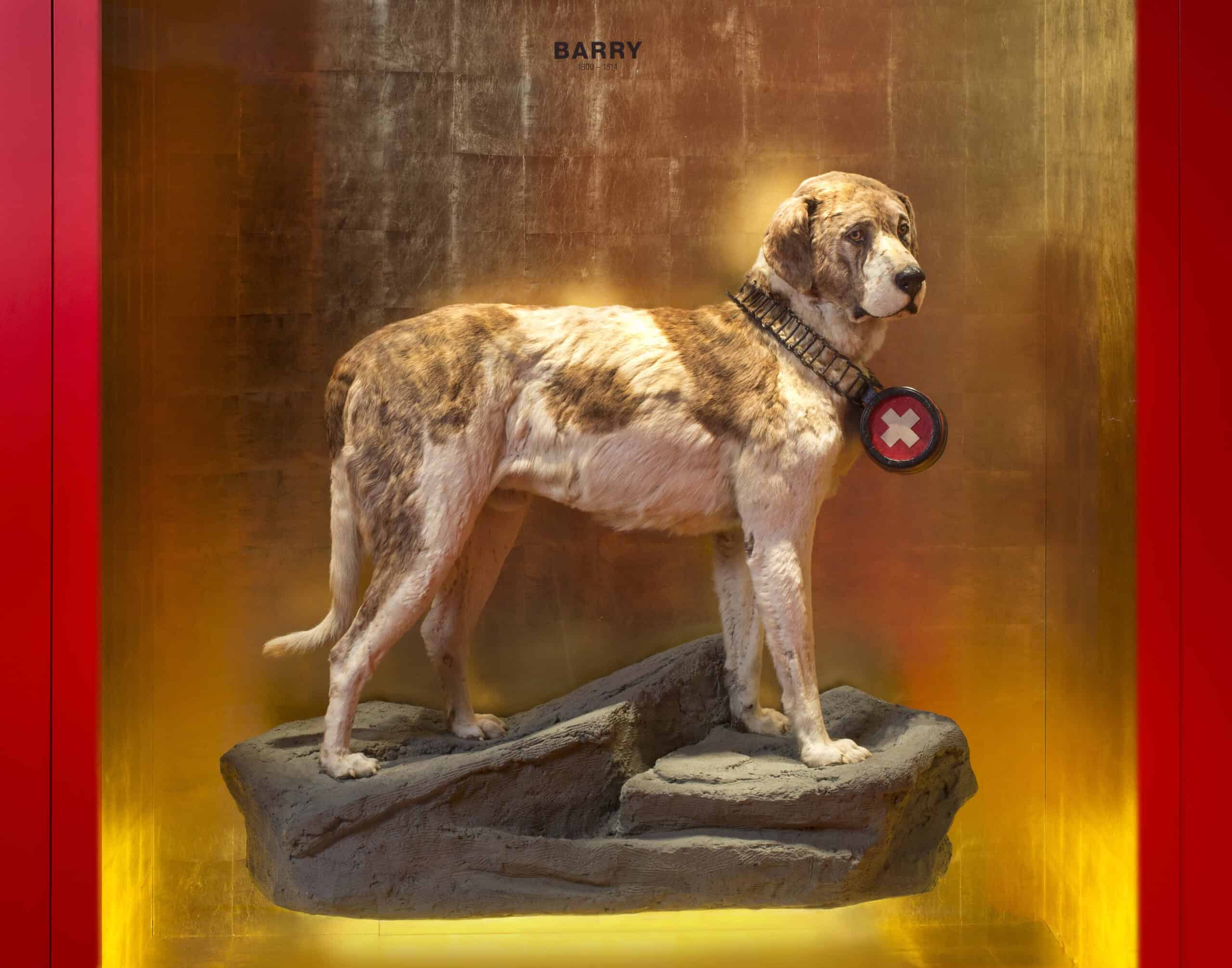
Recognizing the historical significance of Barry’s contributions, the monks at the Great St. Bernard Pass took extraordinary steps to preserve his legacy for future generations. Barry’s body was carefully taxidermied and placed in a position of honor at the hospice, where visitors could see the famous rescue dog and learn about his remarkable career. This preservation effort was unusual for its time and demonstrated the profound respect the monks had for their canine partner.
The Natural History Museum in Bern, Switzerland, eventually acquired Barry’s preserved remains, where they remain on display today. The museum has created an extensive exhibit dedicated to Barry’s life and work, including artifacts from his rescue missions, training equipment used at the hospice, and detailed documentation of his most famous rescues. The exhibit serves as both a memorial to Barry and an educational resource for understanding the history of search and rescue operations.
Barry’s legacy has been further preserved through the establishment of the Barry Foundation, which continues to breed and train St. Bernard rescue dogs using methods derived from Barry’s original training program. The foundation maintains detailed breeding records and ensures that the genetic lines of the original hospice dogs continue to this day. Modern St. Bernard rescue dogs are still sometimes referred to as “Barry Dogs” in honor of their legendary ancestor.
Barry’s Influence on Modern Rescue Operations
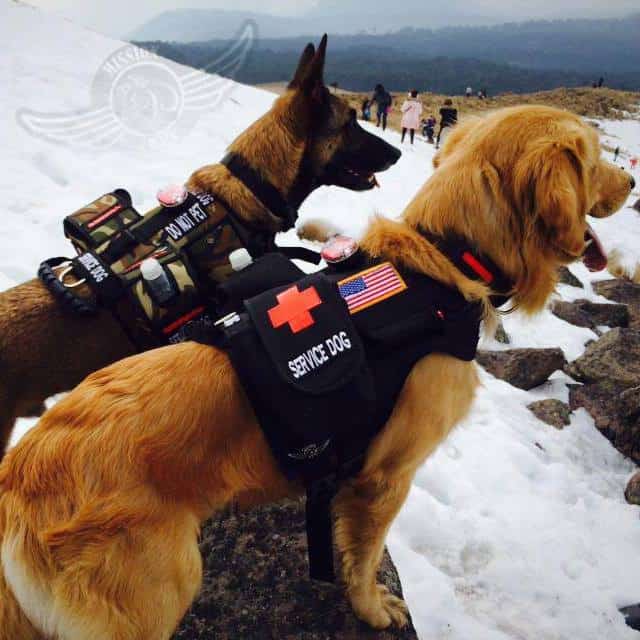
The techniques and training methods developed during Barry’s career have had a profound impact on modern search and rescue operations worldwide. Many of the fundamental principles of canine search and rescue – including scent tracking, independent decision-making, and victim assessment – can be traced directly back to Barry’s work at the Great St. Bernard Pass. Modern rescue dog training programs still incorporate many of the same basic elements that made Barry so successful.
Today’s search and rescue teams use sophisticated technology, including GPS tracking, thermal imaging, and advanced communication systems, but the basic relationship between human and canine rescuers remains unchanged from Barry’s era. The bond of trust and cooperation that Barry established with the monks at the hospice continues to serve as the model for modern handler-dog teams. The psychological principles of rescue dog training – building confidence, encouraging independent thinking, and maintaining high motivation – are direct descendants of Barry’s training program.
International rescue organizations have adopted many of Barry’s techniques for use in diverse environments, from earthquake disaster zones to wilderness areas. The International Association of Canine Professionals recognizes Barry as the foundational figure in professional rescue dog training, and his methods continue to be taught in rescue dog programs around the world. The effectiveness of these time-tested techniques demonstrates the enduring value of Barry’s contributions to the field of search and rescue.
The Genetic Legacy

Modern genetic research has revealed fascinating insights into Barry’s exceptional abilities and their inheritance in subsequent generations of St. Bernard rescue dogs. DNA analysis of Barry’s descendants has identified specific genetic markers associated with enhanced scent detection, cold weather adaptation, and the temperament traits that made him such an effective rescue dog. This research has helped breeders develop even more effective rescue dogs while maintaining the essential characteristics that made Barry legendary.
The Barry Foundation maintains detailed genetic records of all St. Bernard dogs descended from the original hospice breeding program, creating one of the most comprehensive canine genetic databases in existence. This information has been invaluable for medical research, as it has helped scientists understand genetic factors that contribute to various health conditions in large dog breeds. The foundation’s work ensures that Barry’s genetic legacy continues to benefit both dogs and humans.
Genetic studies have also revealed that Barry’s exceptional intelligence and problem-solving abilities were likely the result of a rare combination of genetic factors that occur infrequently in the general St. Bernard population. This discovery has led to more targeted breeding programs designed to produce dogs with similar cognitive abilities. While no single dog has matched Barry’s legendary rescue record, several of his descendants have demonstrated comparable intelligence and rescue instincts.
Cultural Impact and Popular Culture

Barry’s story has transcended the world of search and rescue to become part of popular culture throughout Europe and beyond. His legend has inspired countless books, paintings, sculptures, and films, making him one of the most famous dogs in history. The image of the heroic St. Bernard rescuing travelers in the Alps has become an iconic symbol of courage and loyalty that continues to resonate with people worldwide.
Artists throughout the 19th and 20th centuries have created numerous works depicting Barry and his rescue missions. These artistic representations, while not always historically accurate, have helped keep Barry’s story alive in popular culture and have introduced new generations to his remarkable achievements. The Swiss government has issued commemorative stamps and coins featuring Barry, recognizing his importance to Swiss cultural heritage.
Barry’s influence extends beyond art and literature into modern media and entertainment. His story has been featured in documentaries, television programs, and children’s books, ensuring that his legacy continues to educate and inspire people of all ages. The enduring popularity of Barry’s story demonstrates the universal appeal of tales about the bond between humans and animals and the power of courage and dedication to save lives.
Barry’s Training Philosophy

The training philosophy developed around Barry’s natural abilities emphasized the importance of working with a dog’s instincts rather than against them. The monks at the hospice observed that Barry’s most successful rescues occurred when he was allowed to follow his natural problem-solving instincts rather than rigid training protocols. This observation led to the development of a more flexible training approach that encouraged creativity and independent thinking in rescue dogs.
Barry’s training program was based on positive reinforcement and building confidence through successful experiences. Rather than using punishment or harsh corrections, the monks rewarded Barry’s successful behaviors and gradually increased the difficulty of training scenarios. This approach helped Barry develop the confidence and self-reliance that would prove crucial during his solo rescue missions in dangerous conditions.
The psychological aspects of Barry’s training were as important as the physical skills he developed. The monks recognized that rescue work requires not only physical ability but also emotional stability and mental resilience. Barry was exposed to a variety of stressful situations in a controlled environment, allowing him to develop calmness under pressure and a strong bond of trust with his human partners. This holistic approach to training – focusing on mind, body, and instinct – became a cornerstone of modern search and rescue dog programs and remains influential to this day.

- Barry the St. Bernard: The Original Rescue Dog - July 17, 2026
- 10 Things Komodo Dragons Use Their Tongue For — And 3 Myths That Aren’t True - July 16, 2026
- 12 Places Gray Wolves Roam — And 3 They Avoid at All Costs - July 16, 2026
Leave a comment
You must be logged in to post a comment.