

You know that look your pet gives you when you’ve had a rough day? The way they seem to understand, without words, exactly what you need? It’s hard to explain, but it feels almost magical. The connection between humans and their pets goes far beyond simple companionship or basic care.
There’s something profound happening beneath the surface when we interact with our four-legged friends. Scientists have been digging into what creates this unique bond, and the answers are fascinating. From the chemistry in our brains to the way we communicate without speaking, the relationship between pets and their humans is built on layers of complexity that most of us never realize. Let’s explore what really transforms a pet from just an animal in your home into a cherished member of your family.
The Chemistry of Connection Through Oxytocin

Here’s the thing: when you lock eyes with your dog or stroke your cat, something remarkable happens in both your brains. Mutual gazing between humans and dogs triggers the release of oxytocin, often called the love hormone, and this effect transfers between species. It’s the same biological mechanism that bonds mothers to their infants.
Honestly, I find it crazy that dogs who spent the most time gazing into their owners’ eyes experienced a 130% rise in oxytocin, while their owners saw a 300% increase. That’s a massive chemical response just from eye contact. The interaction creates what researchers describe as a positive feedback loop, where each participant’s oxytocin release encourages more bonding behavior from the other.
What’s even more interesting is that wolves, who rarely engage in eye contact with their human handlers, seem resistant to this effect. This suggests dogs may have evolved specifically to connect with us on this neurochemical level. When humans interact with living animals, our bodies release oxytocin, which reduces stress and creates feelings of safety.
Cats work a bit differently, though they’re not immune to the oxytocin effect. Cats showed an increase of as much as 12 percent in oxytocin levels after ten minutes of play with their owners, significantly less than the 57.2 percent seen in dogs, but still indicating that contact with humans has a similar effect. The bond exists, even if it manifests differently.
Interacting with animals can lower cortisol levels, a hormone associated with stress, and increase oxytocin, which promotes feelings of relaxation and bonding. This dual action creates both immediate comfort and long-term attachment. Your pet isn’t just making you feel better in the moment – they’re literally changing your brain chemistry.
Think about how powerful this is. Every cuddle session, every playful moment, every quiet evening together is reinforcing this chemical bond. It’s biology working in perfect harmony with emotion, creating something that feels like love because, neurologically speaking, it actually is.
Time Together and Meaningful Interactions Build Stronger Bonds
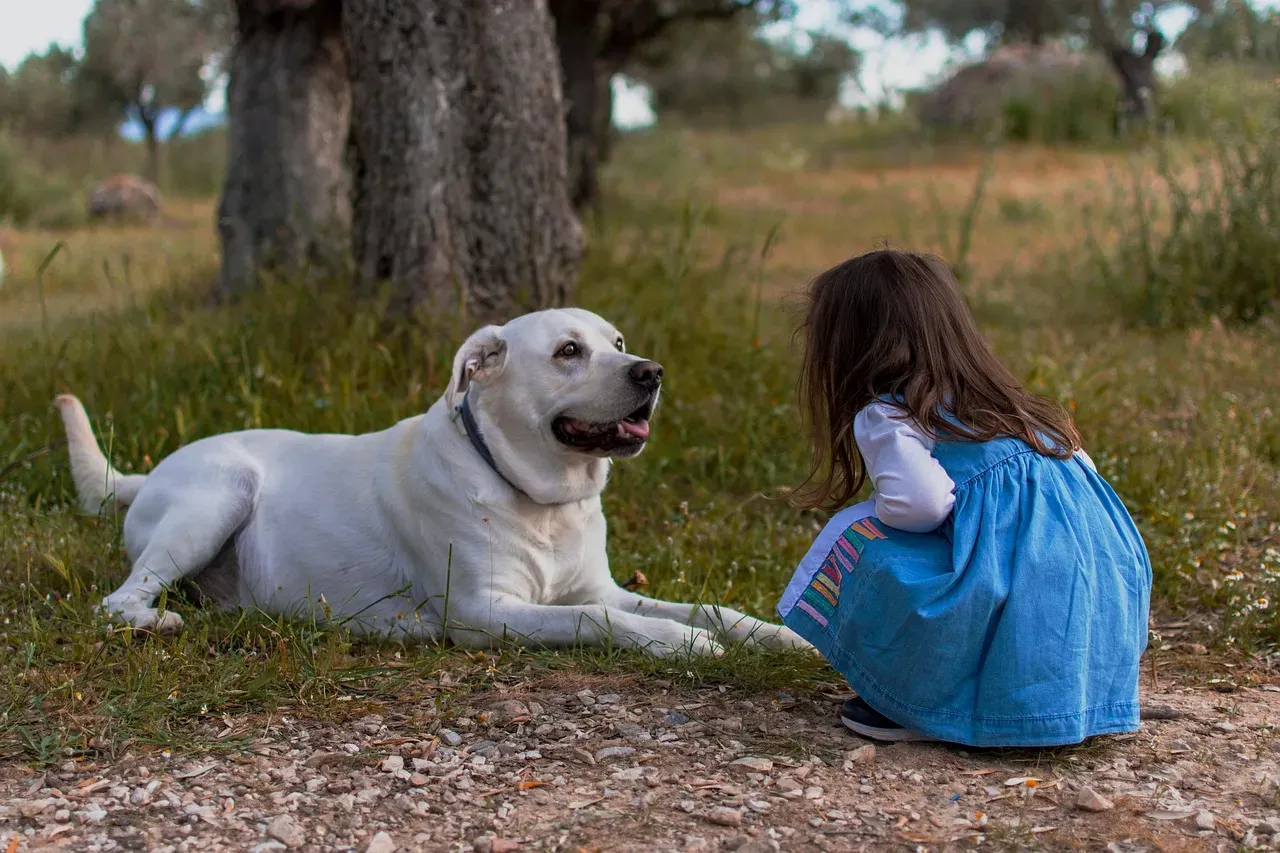
Research shows that the more time participants spent engaging with their pets, the more likely they were to rate that interaction as meaningful, suggesting that both stronger attachment and frequency of interaction contribute to increased well-being. It’s not just about having a pet – it’s about actively spending quality time with them.
Let’s be real: a pet you barely interact with won’t form the same deep connection as one you engage with daily. Research participants reported they stroked their pets regularly, played with them frequently, talked to them often, and walked them consistently. These repeated positive interactions create a foundation of trust and familiarity.
The type of interaction matters too. Merely acquiring a pet does not automatically foster empathy; instead, it is the depth of emotional connection with the pet that may nurture empathetic caregiving. You can’t just expect the bond to happen automatically – you have to invest in it.
I think this explains why some people seem to have incredibly close relationships with their pets while others don’t. It’s about showing up consistently, being present, and genuinely engaging with your animal companion. Physical presence alone isn’t enough; emotional availability creates the real magic.
Consider how you interact with your pet during stressful times. Do you seek them out for comfort? Do they come to you when they’re anxious? Interacting with pets can reduce stress hormones, boost feel-good chemicals in the brain, offer emotional support, reduce loneliness, and encourage healthy routines. These benefits compound over time.
The daily rituals you create together – morning greetings, evening walks, bedtime routines – become the threads that weave your lives together. Each moment of connection, no matter how small, strengthens the bond between you.
Understanding Your Pet’s Personality and Behavior Patterns
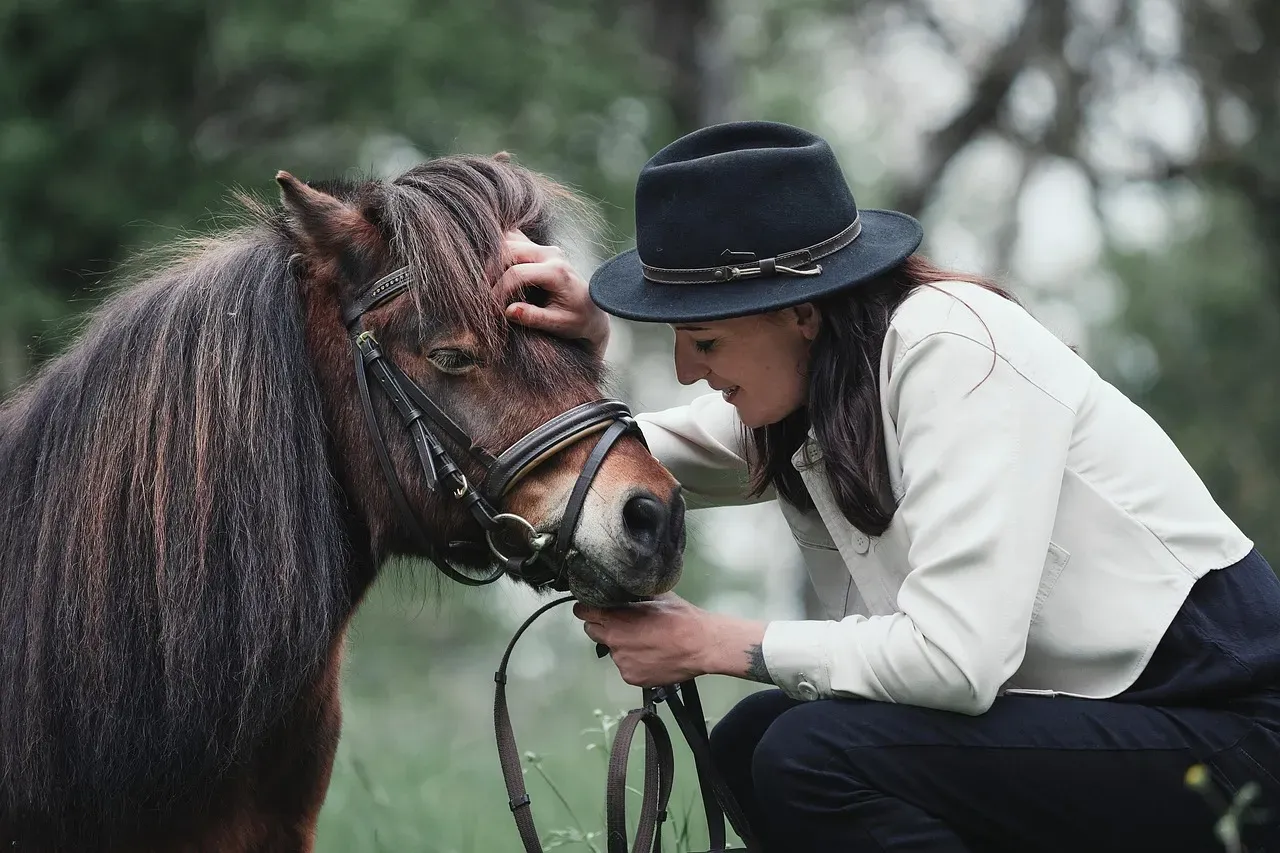
Not all pets are created equal when it comes to forming connections. Research reveals that owner neuroticism and poor mental well-being are linked to anxious pet attachment, while pet characteristics such as unwanted behavior and lower human sociability are associated with avoidant attachment. The personalities on both sides of the relationship matter tremendously.
Your pet’s individual temperament shapes how deeply they can bond with you. Some dogs are naturally more social and affectionate, while others are more independent. Same goes for cats – some are velcro kitties who follow you everywhere, while others prefer their space. Recognizing and respecting these differences is crucial.
Human-pet attachment can impact the life of both parties, and identifying underlying characteristics related to attachment style can improve human-pet relationships and enhance the well-being of both pets and their owners. Understanding what makes your specific pet tick helps you connect more authentically.
Behavioral problems can strain the bond, honestly. If your pet exhibits unwanted behaviors, it creates friction in the relationship. Addressing these issues through training, patience, and understanding can transform a difficult relationship into a rewarding one.
The compatibility between your personality and your pet’s matters more than most people realize. Are you an active person with a high-energy dog? A quiet introvert with a calm, gentle cat? When personalities align, the connection flourishes naturally. When they clash, you have to work harder to bridge the gap.
Learning to read your pet’s body language, moods, and communication signals deepens understanding. The more you tune into their needs and preferences, the more they trust you, and trust is the foundation of any meaningful bond.
Emotional Security and Attachment Theory in Pet Relationships
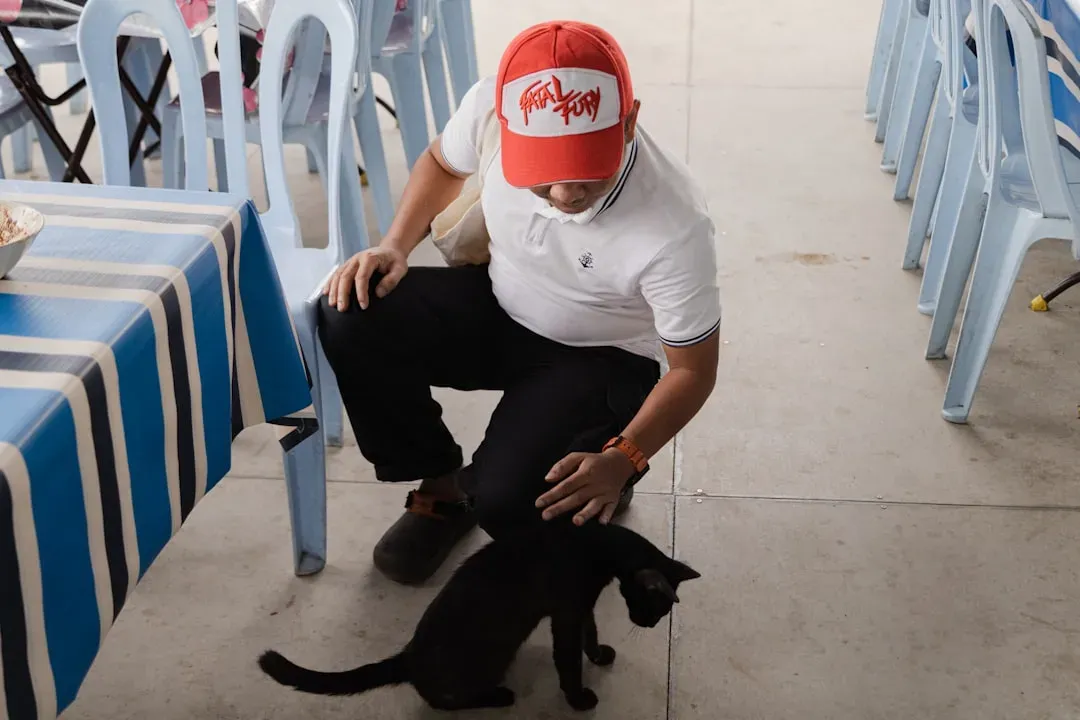
The presence of an attachment figure is comforting and provides security that allows an individual to more confidently navigate their world, creating motivation for the relationship to continue. Your pet can serve as this kind of secure base in your life, just as you do for them.
Attachment theory, originally developed to explain parent-child bonds, applies remarkably well to pet relationships. Humans with an insecure attachment style form a particularly strong emotional attachment to their companion animals, while secure attachment to humans is associated with superior mental health. For some people, pets fill an emotional void that human relationships haven’t satisfied.
From a developmental perspective, the link between insecure attachment to humans and stronger emotional attachment to pets might reflect a compensatory attachment strategy for people who were not able to establish secure relationships during childhood, as they may build close relationships with pets that are perceived as more reliable and less threatening. Pets don’t judge, betray, or abandon us in the ways humans sometimes do.
This isn’t necessarily a bad thing, though it does complicate the picture. Your pet can provide genuine emotional support and security, even if that attachment stems from difficulties with human relationships. The comfort is real, regardless of its origins.
Research suggests that child-pet relationships may be especially impactful for children who do not have stable or secure attachments to their human caretakers. Pets can serve as emotional anchors during turbulent times, offering consistency when everything else feels uncertain.
The mutual nature of this attachment creates a beautiful reciprocity. You provide safety and care for your pet; they provide unconditional acceptance and emotional stability for you. It’s a relationship built on mutual need and genuine affection.
Social Factors and Life Circumstances That Deepen Pet Bonds
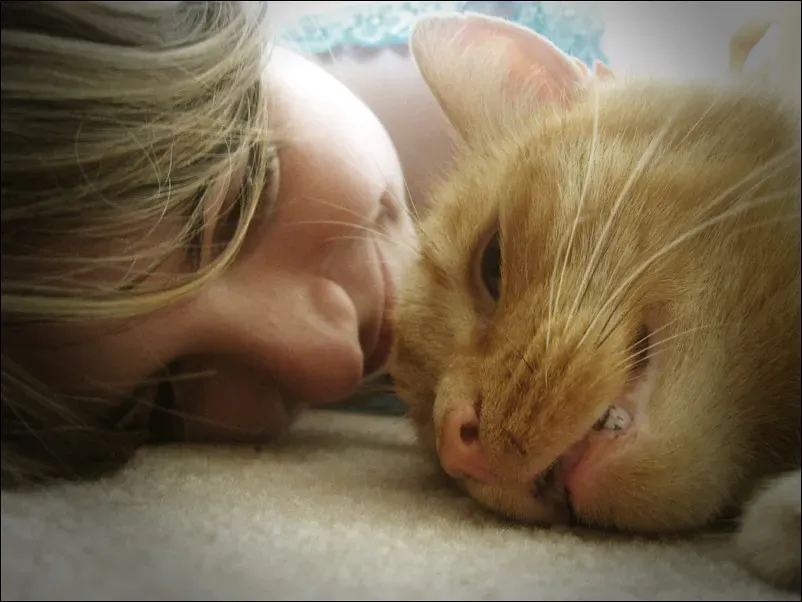
Social factors play a much larger role in the depth of the human-companion animal bond than do other demographics such as income, education level or geographic location. Who you are socially and emotionally matters more than what you have materially.
People who live alone, for instance, often form exceptionally strong bonds with their pets. People living alone are more likely to form strong emotional bonds with their pets. When your pet is your primary companion, the relationship naturally intensifies. They become your confidant, your entertainment, your reason to maintain routines.
Age plays a fascinating role too. Younger adults aged 19 to 25 are most likely to attribute human qualities to their pets, consider them family members, form strong emotional bonds and refer to them as children, which may be related to the growing child-free trend among younger generations. The way we conceptualize our pets reflects broader shifts in how we structure our lives and families.
More than 90% of pet owners agree that their dogs or cats are true family members and that they have strong emotional bonds with their pets. This isn’t a fringe perspective – it’s become the mainstream view of pet ownership. Pets aren’t just animals we keep; they’re family we choose.
Gender differences emerge in how people bond with pets. Women tend to humanize their pets more than men, form stronger emotional bonds with animals, and are more likely to celebrate pets’ birthdays, give gifts and want items associated with their animals. Cultural conditioning and caregiving tendencies may explain these patterns.
Life transitions and crises can strengthen pet bonds tremendously. During divorce, job loss, illness, or grief, pets provide unwavering companionship. They’re constants in an otherwise chaotic world, and that reliability creates profound attachment.
Beyond Words: How Pets Increase Empathy and Prosocial Behavior
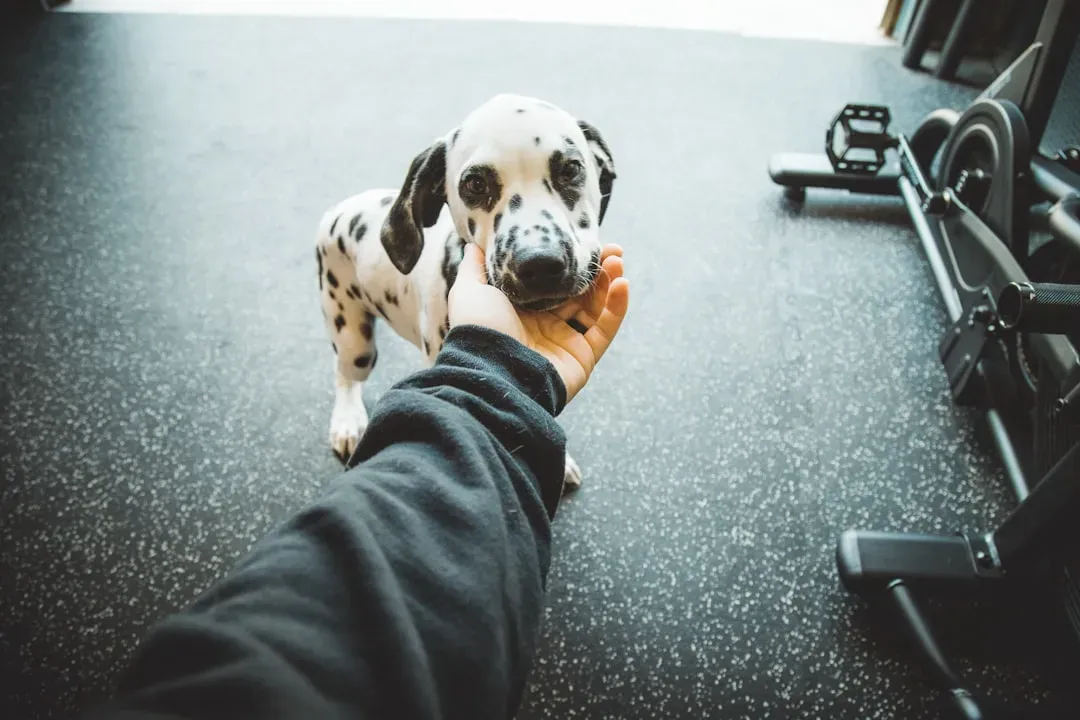
The connection with your pet doesn’t just affect you – it changes how you relate to the entire world. Stronger pet attachment correlates positively with heightened animal empathy, subsequently leading to elevated levels of prosocial attitudes. Loving your pet makes you more compassionate toward others, both human and animal.
Engaging with pets was linked to increased dispositional empathy, which in turn correlated with enhanced prosocial behavior among children, and this connection was evident specifically when the animal was regarded as a companion rather than merely a recipient of basic caretaking. The quality of the relationship determines its broader impact on your character.
I think this is one of the most underrated benefits of pet ownership. Learning to read your dog’s subtle body language or understand your cat’s moods hones your ability to perceive and respond to others’ emotions. You become more attuned to non-verbal communication, more patient with needs that aren’t verbally expressed.
Interacting with pets allows people to experience a supportive emotional environment, which helps them face and express their emotions more effectively, while pets’ needs and behaviors can teach emotional regulation. Your pet becomes an inadvertent emotional intelligence coach.
The empathy you develop through caring for your pet extends outward. People who are deeply bonded with their animals often demonstrate greater compassion for vulnerable populations, stronger environmental consciousness, and increased willingness to help others. The love doesn’t stay contained – it radiates.
This creates a beautiful cycle: your bond with your pet deepens your capacity for empathy, which improves your relationships with other humans, which enhances your overall well-being, which in turn strengthens your connection with your pet. It’s all interconnected.
Conclusion: The Multi-Layered Nature of Deep Pet Connections

The bond between a pet and their human isn’t one single thing – it’s a complex tapestry woven from biology, behavior, personality, life circumstances, and consistent emotional investment. It’s a mutually beneficial relationship, and the stronger the bond, the more it supports both pets’ and owners’ well-being.
From the oxytocin flooding your brain when your dog gazes at you, to the empathy you develop through understanding your cat’s moods, to the security you both provide each other during difficult times – every layer contributes to something greater than the sum of its parts. The connection feels magical because it operates on so many levels simultaneously.
What makes a pet truly connect with their human on a deeper level? Consistent presence, genuine engagement, mutual understanding, emotional availability, and time. Lots of time spent together, building trust and creating shared experiences. The chemistry helps, the compatibility matters, but ultimately it’s the daily choice to show up for each other that transforms a simple pet-owner relationship into something transcendent.
Your pet can’t tell you in words what you mean to them. They show you through their excitement when you return home, their comfort-seeking when they’re scared, their choice to sleep beside you instead of anywhere else. And you show them through your care, your attention, your willingness to adjust your life to accommodate theirs. That’s where the real connection lives – in those countless small moments of choosing each other, again and again.
Does your pet give you that look that says they understand you completely? What’s the moment when you realized your bond had become something truly special? The answers to those questions reveal the heart of what makes these connections so powerful and irreplaceable.

- 8 Incredible Ways Animals Have Helped Humans in Times of Crisis - July 28, 2026
- Why America’s Biggest River Could Dry Up by 2050 - July 28, 2026
- 6 Common Plants That Are Essential for Backyard Wildlife - July 28, 2026