
The relationship between humans and animals has evolved dramatically over the past century, with one of the most profound shifts occurring alongside the rise of the fast food industry. What began as a convenience-driven revolution in how we consume food has fundamentally transformed our perception of animals, particularly those raised for consumption. Fast food giants have reshaped not just our eating habits but our entire value system regarding animal life, creating a disconnect between the living creature and the neatly packaged product that appears on our plates. This article explores the multifaceted ways in which the industrialization of food production, spearheaded by the fast food industry, has altered humanity’s relationship with animals and redefined them as commodities in a global production system.
The Birth of Fast Food and the Beginning of Disconnect
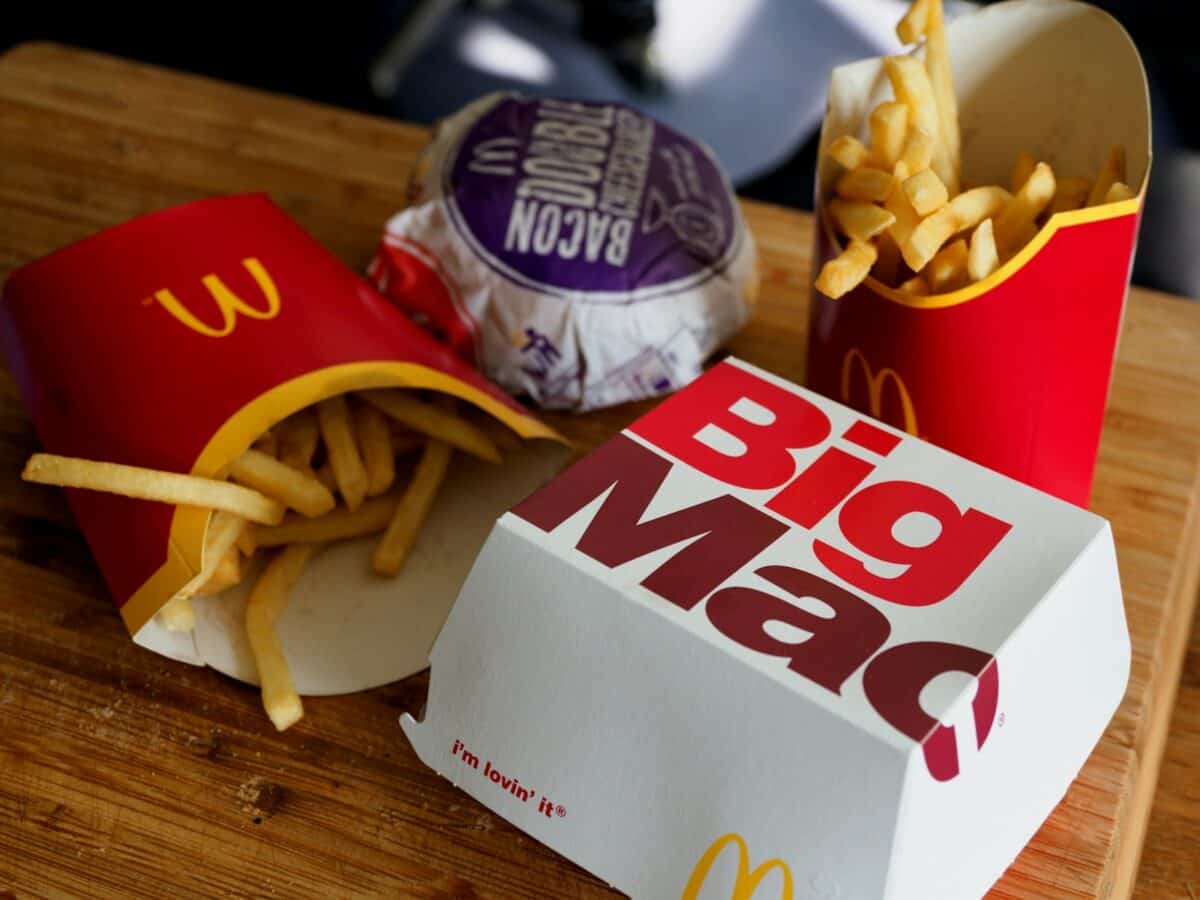
The fast food revolution began in earnest in the 1950s with the expansion of chains like McDonald’s, fundamentally changing not just how we eat but how food is produced. Before this era, most Americans had direct connections to food sources—they either raised animals themselves or purchased meat from local butchers who sourced from nearby farms. The animals’ lives and deaths were visible parts of the community experience. With the explosive growth of fast food, however, came a new requirement: standardization. Chains needed meat that looked and tasted identical across thousands of locations, leading to the development of industrialized animal agriculture far removed from public view. This physical and psychological distance created the first major disconnect between consumers and the animals that became their food, making it easier to consume without considering the living beings involved.
Rebranding Animals as Products
Fast food marketing has masterfully rebranded animals as products rather than sentient beings. The industry’s advertising rarely acknowledges that hamburgers come from cows or nuggets from chickens, instead presenting meat as a manufactured product no different from soda or fries. This deliberate linguistic and visual separation helps consumers avoid confronting the reality of animal slaughter. Terms like “beef” and “pork” replace “cow” and “pig,” while cartoon mascots like the happy California cows or cheerful chickens present idealized, anthropomorphized versions of farm animals that bear no resemblance to their industrially raised counterparts. This rebranding extends to packaging, with products wrapped in bright, clean containers that completely obscure their origins, allowing consumers to purchase and consume animal products without considering the animal itself.
The Economics of Speed and Scale
The fast food business model demands three things: speed, consistency, and low cost. This economic reality has forced the development of a meat production system that values efficiency above all else, including animal welfare. To meet the enormous demand of fast food chains, which serve billions of customers annually, industrial farms have evolved to raise more animals in less space with minimal labor costs. In 1950, it took 84 days to raise a chicken to slaughter weight; today, selective breeding and growth-promoting feeds have reduced that time to just 45 days. Similarly, pigs and cattle are bred for rapid weight gain, often at the expense of their skeletal and cardiovascular health. This acceleration of growth and processing has redefined animals as production units measured in terms of “feed conversion ratio” and “daily weight gain” rather than as living beings with inherent value and natural behaviors.
The Industrialization of Life
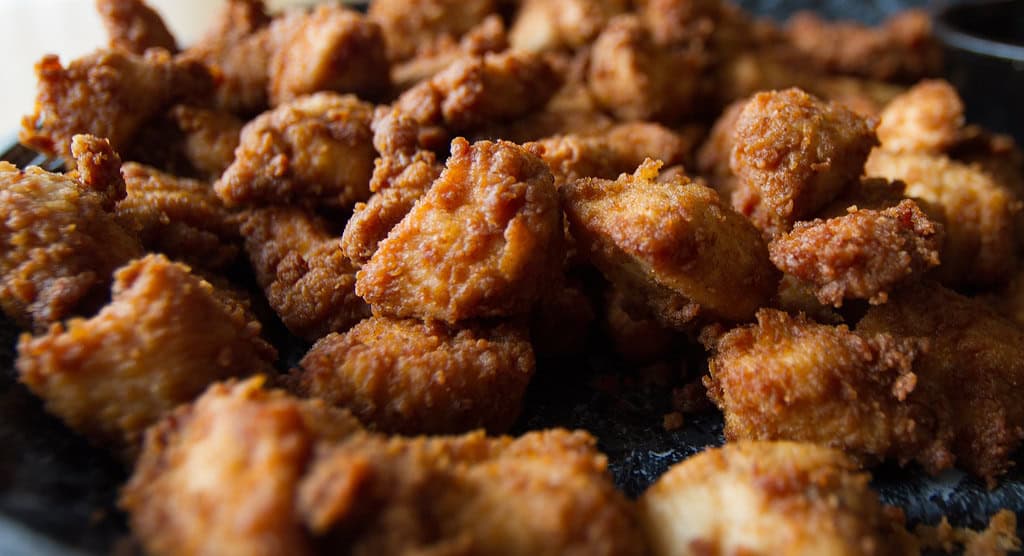
The fast food industry’s need for uniformity has transformed animal agriculture into an assembly-line process that mirrors factory production. Modern concentrated animal feeding operations (CAFOs) house tens of thousands of animals in confined spaces, where every aspect of their existence is controlled to maximize output. Chickens raised for meat typically live in warehouses containing 20,000 or more birds, with each chicken allotted space roughly equivalent to the size of a sheet of paper. Breeding sows spend most of their reproductive lives in gestation crates so narrow they cannot turn around. This industrialization has redefined animals as biological machines in a production line rather than as individual creatures with species-specific needs and behaviors. The language of this system reveals its mechanical nature, with animals referred to as “production units” and their natural behaviors considered “inefficiencies” to be engineered out of the system.
The Price Competition and Race to the Bottom
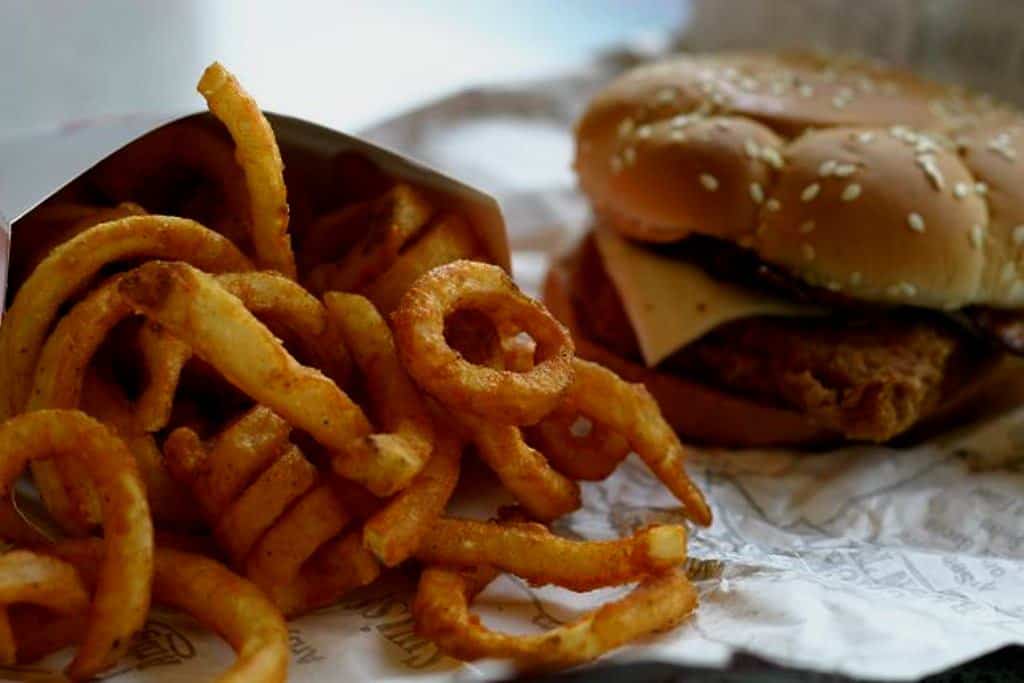
Perhaps no aspect of fast food has more dramatically impacted animal welfare than price competition. The “dollar menu” concept, pioneered by major chains in the 1990s, created unprecedented pressure to reduce costs throughout the supply chain. When companies compete to sell hamburgers for as little as $1, the animals that become those burgers inevitably suffer the consequences. Farmers contracted to raise animals for fast food suppliers must continuously cut costs to remain viable, often at the expense of animal welfare. Space per animal, veterinary care, environmental enrichment, and time to reach market weight have all been sacrificed in the name of price efficiency. This race to the bottom has created a system where animals are valued purely in economic terms, with welfare improvements implemented only when they contribute to profitability or when consumer pressure makes them necessary for public relations.
Selective Visibility and Constructed Ignorance
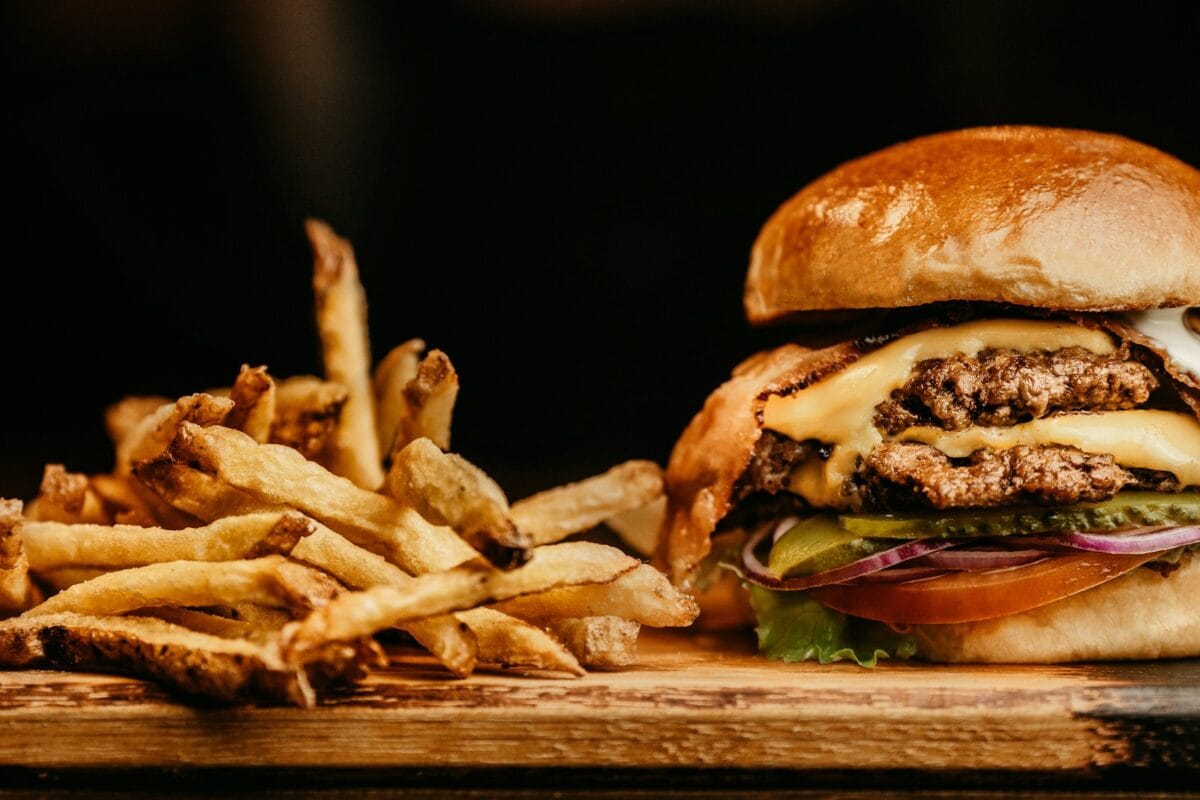
The fast food industry has played a significant role in creating what sociologists call “constructed ignorance” about meat production. While the industry celebrates certain aspects of its food—the sizzle of the grill, the perfect cheese melt, the crispy coating—it carefully hides the realities of how animals are raised and slaughtered. This selective visibility is no accident but a carefully crafted strategy. Fast food advertising depicts idealized farm scenes with happy animals in pastoral settings that bear no resemblance to the industrial facilities where most meat is produced. Meanwhile, agricultural lobby groups have successfully pushed for “ag-gag” laws in many states that criminalize undercover investigations and whistleblowing at animal production facilities. This manufactured ignorance allows consumers to enjoy animal products without confronting ethical questions about how those animals lived and died, effectively severing the moral connection between eater and eaten.
The Chicken Transformation
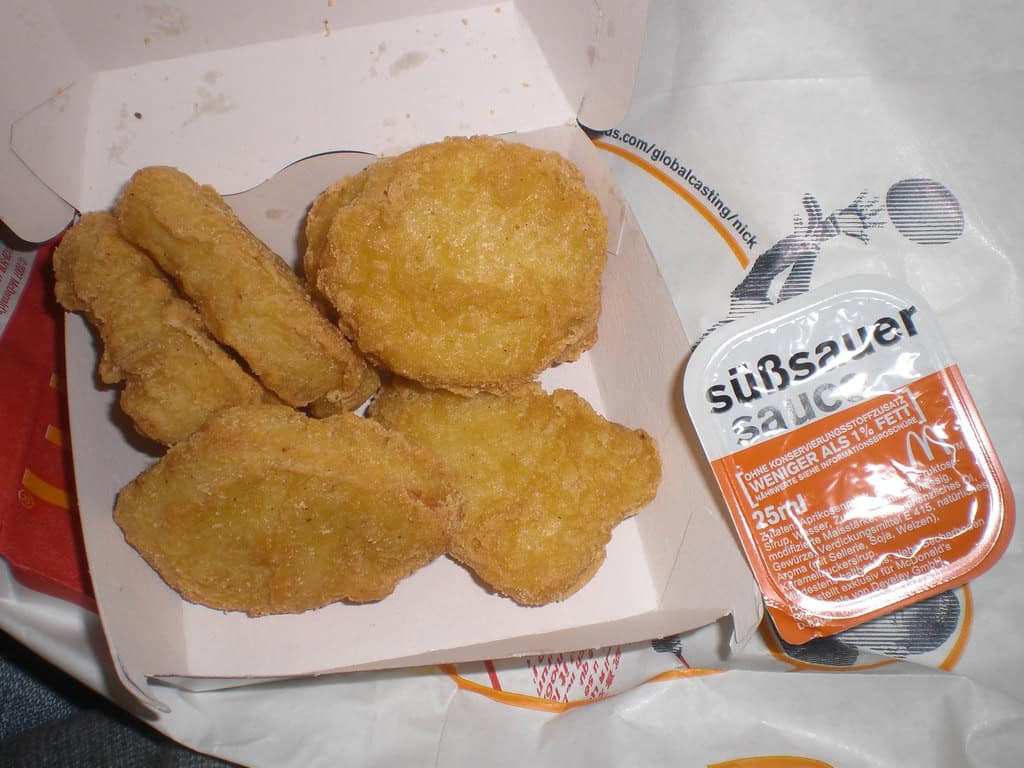
No animal exemplifies the fast food industry’s transformative power more than the chicken. When McDonald’s introduced the Chicken McNugget in 1983, it created unprecedented demand for standardized, boneless chicken pieces that could be processed mechanically. This led to the complete redesign of the chicken itself through selective breeding. Today’s broiler chicken grows more than twice as fast and is more than twice as large as chickens from the 1950s, with 80% of its body weight concentrated in breast meat—the most valuable part for fast food production. These birds grow so rapidly that their skeletons cannot support their weight, leading to lameness and heart failure. The modern broiler chicken represents perhaps the most dramatic example of how fast food has literally reshaped animals to fit industrial needs, prioritizing production traits over the animal’s basic welfare and natural behaviors.
Global Impact on Animal Diversity
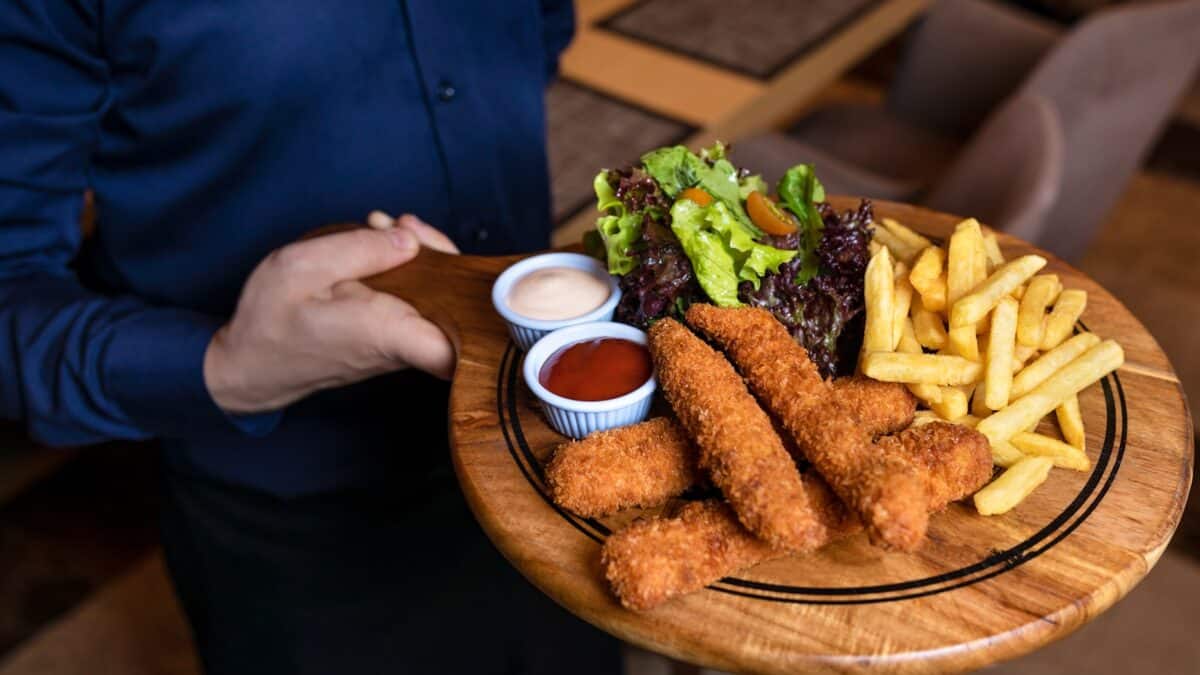
As fast food chains have expanded globally, they’ve exported not just American eating habits but American-style industrial animal agriculture. This global spread has had profound implications for animal diversity worldwide. Local livestock breeds, adapted to regional conditions over centuries, are being replaced by high-production varieties that can meet fast food specifications. Of the approximately 8,000 livestock breeds that existed a century ago, the UN Food and Agriculture Organization reports that nearly 1,500 are at risk of extinction, while many have already disappeared. The chicken raised for KFC in Beijing is genetically identical to the one raised for the same chain in Boston, creating a monoculture of animal genetics vulnerable to disease and unable to adapt to local conditions. This homogenization represents a significant loss of biodiversity and cultural relationships with animals that evolved over thousands of years of localized agriculture.
The Pet Paradox
One of the most striking contradictions in modern society is what might be called the “pet paradox”—the stark contrast between how we treat companion animals versus those raised for fast food. Americans spend over $100 billion annually on pet care, with specialized medical treatments, organic foods, and even therapy available for dogs and cats. Meanwhile, the animals that become fast food receive minimal individualized care and are subjected to painful procedures without anesthesia. This moral inconsistency is sustained partly through the distance and invisibility created by the fast food system. Few people who would never consider causing pain to a dog or cat make the connection to the suffering of equally intelligent animals like pigs in industrial farming operations. The fast food industry has helped normalize this compartmentalization, allowing consumers to express deep compassion for some animals while remaining detached from the welfare of others.
Cultural Shifts and Changing Awareness

Despite the fast food industry’s efforts to maintain the disconnect between consumers and animal agriculture, cultural attitudes are gradually shifting. The past two decades have seen increasing public concern about animal welfare in food production, driven partly by exposés from animal protection organizations and food writers. This awakening has pressured some fast food companies to adopt limited animal welfare policies. McDonald’s, for instance, has committed to sourcing eggs from cage-free systems by 2025, while Burger King has made commitments regarding gestation crates for pigs. However, these changes represent incremental improvements to a fundamentally problematic system rather than transformative reform. The very business model of fast food—built on high volume, low cost, and speed—remains fundamentally at odds with animal welfare. Nevertheless, the growing awareness represents a countercurrent to the decades-long trend of devaluing farm animals, suggesting that consumers are beginning to reconnect with questions about how their food choices affect animal lives.
Alternative Proteins and the Future
Perhaps the most significant development in the relationship between fast food and animals is the recent embrace of plant-based alternatives by major chains. Burger King’s introduction of the Impossible Whopper, White Castle’s Impossible Slider, and KFC’s Beyond Fried Chicken represent a potential paradigm shift. These products aim to replicate the taste and texture of animal products without animal ingredients, potentially decoupling fast food from animal agriculture altogether. Beyond these plant-based options, companies are developing cultured meat grown from animal cells without requiring slaughter. Fast food chains, with their massive distribution networks and cultural influence, could play a pivotal role in normalizing these alternatives. If technological advances and scale allow these products to match or beat conventional meat on price, convenience, and taste, they could potentially reduce animal suffering on an unprecedented scale. This would represent a full-circle moment: the industry that industrialized animal agriculture potentially helping to move society beyond it.
Conclusion: Reconsidering Our Relationship with Animals
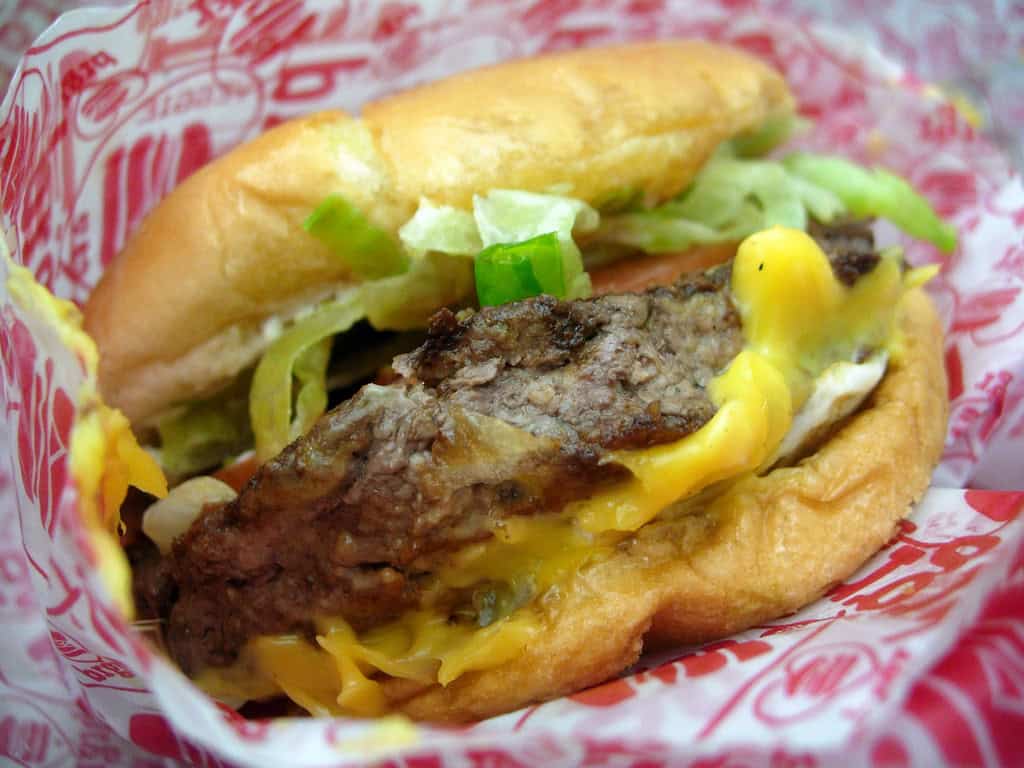
The fast food revolution has fundamentally altered humanity’s relationship with animals, transforming them from respected living beings into standardized production units in a global food system. This shift represents one of the most profound ethical transformations in human history, occurring so gradually over decades that most consumers barely noticed the change. As society grapples with the environmental, ethical, and health implications of industrial animal agriculture, the fast food industry stands at a crossroads, capable of either reinforcing the commodification of animals or helping to pioneer new food systems that cause less harm. For consumers, understanding this history offers an opportunity to make more informed choices about the values embedded in their meals. The future relationship between humans and animals may well be determined by whether we can create food systems that acknowledge the full worth of animals beyond their utility as food sources.

- Unbelievable! These 14 Animals Are Smarter Than You Think - July 28, 2026
- Why Puffins Are Using Trash in Their Nesting Materials - July 28, 2026
- Why This Fish Walks on Land and Breathes Air - July 27, 2026