
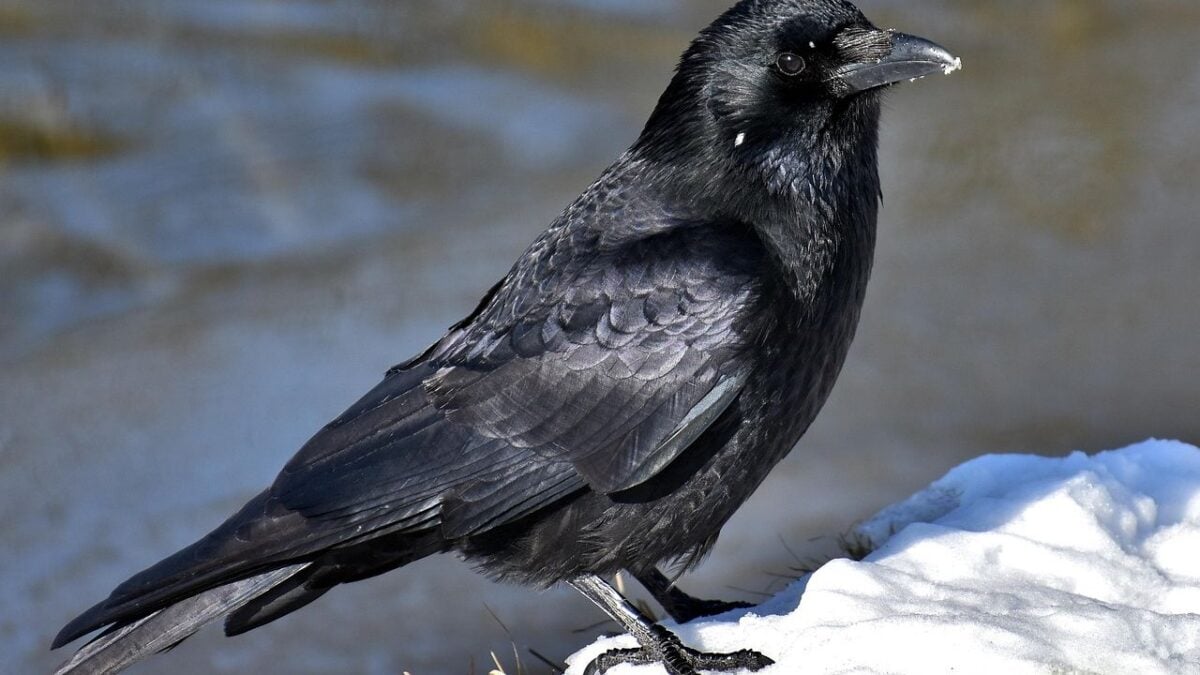
There’s a moment, if you spend enough time watching crows, where the bird seems to be watching you right back. Not the passive, instinctive glance of most animals, but something more deliberate. More evaluating. It’s an unsettling and oddly fascinating experience, and it turns out that feeling isn’t entirely misplaced.
Corvids, including ravens and crows, are often considered the most intelligent birds and are among the most intelligent animals in general. Science has spent decades trying to understand exactly why, and the findings have consistently surprised even the researchers conducting the studies.
A Brain Built for Thinking, Not Just Surviving
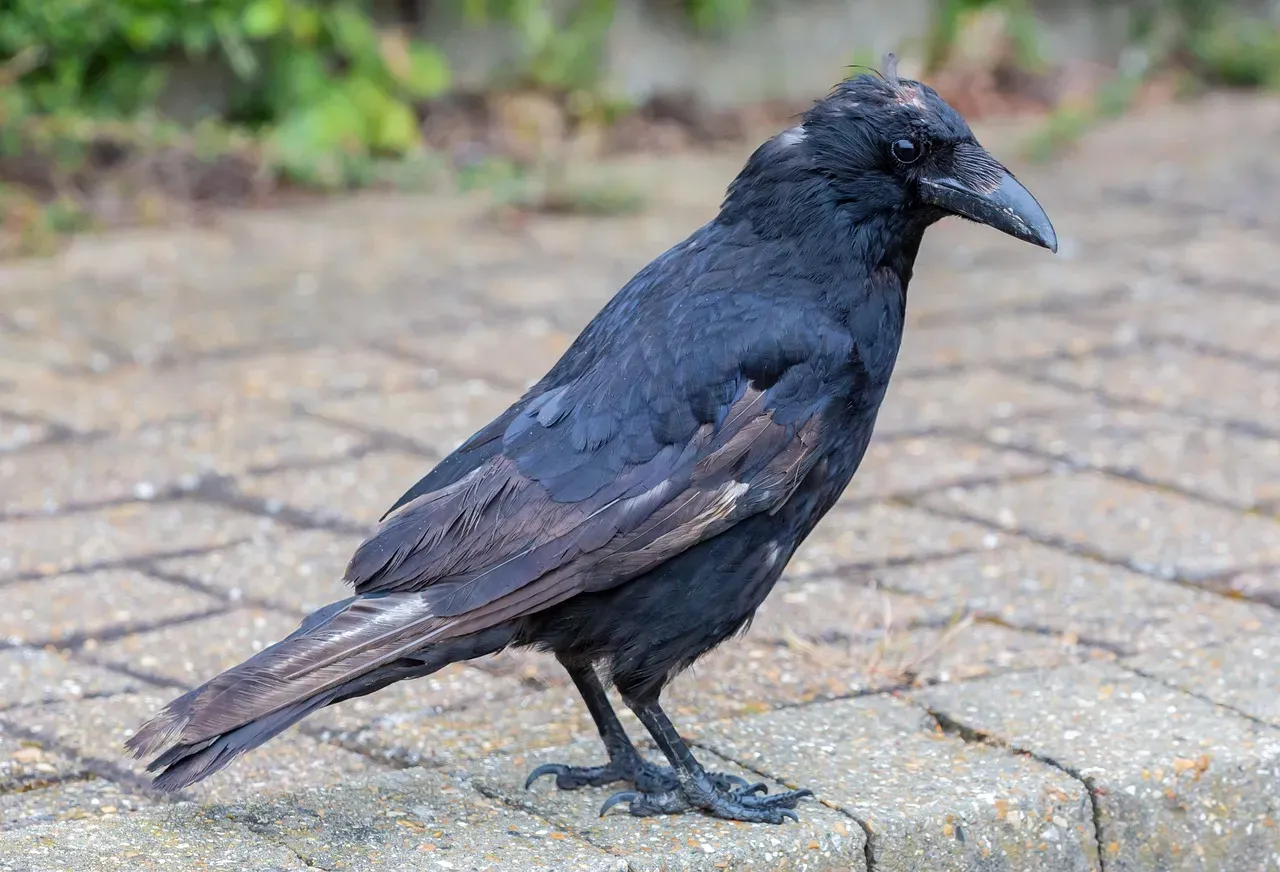
The first assumption most people make is that brain size determines intelligence. Crows are small birds, so the logic goes, they can’t possibly rival larger-brained mammals. That assumption doesn’t hold up.
The crow brain has roughly twice as many neurons as a primate brain of equal mass. While small compared to many mammals, it’s incredibly densely packed with neurons. That density turns out to matter far more than raw size.
Crows possess a highly developed forebrain known as the pallium, which is responsible for higher cognitive functions. Neurobiological investigations have shown that this region is crucial for the birds’ problem-solving abilities and complex cognitive tasks.
Because bird brains appear to be less developed than primate brains, scientists long believed birds were incapable of high-level functions like problem-solving, decision making, and maintaining a working memory. What research now suggests is that, in the 320 million years since birds and primates split, each has developed different brain structures, but those differently composed brains have developed similar cognitive capabilities.
Birds in the crow family as well as parrots have been shown to live socially, have long developmental periods, and possess large forebrains, all of which have been hypothesized to allow for greater cognitive abilities. It’s a convergence of factors, not a single structural quirk, that makes them so capable.
Tool Use That Goes Well Beyond Instinct
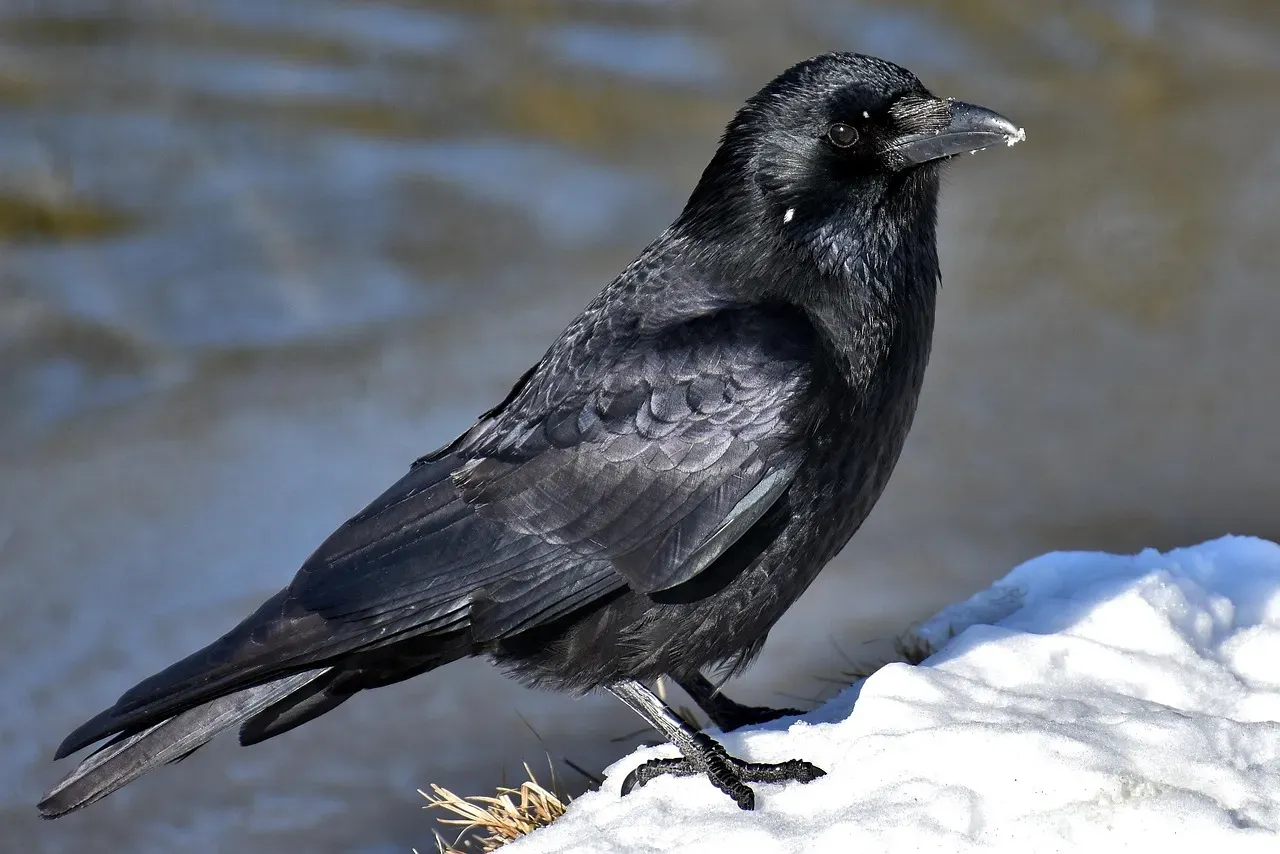
Crows and other corvids exhibit remarkable intelligence, including tool use, problem-solving, memory, and even social awareness, challenging long-held assumptions that such cognitive abilities are exclusive to humans or primates.
New Caledonian crows have been observed in the wild using sticks with their beaks to extract insects from logs. While young birds in the wild normally learn this technique from elders, a laboratory crow named Betty improvised a hooked tool from a wire with no prior experience, the only known species other than humans to do so.
Crows also fashion their own tools, the only bird that does so, out of the leaves of pandanus trees. Researchers have discovered that New Caledonian crows don’t just use single objects as tools; they can also construct novel compound tools through assemblage of otherwise non-functional elements.
They not only select the right materials for tool-making but also improve their designs over time. In more recent studies, New Caledonian crows have exhibited meta-tool use, using one tool to retrieve another, and have demonstrated causal reasoning in experiments like the Aesop’s Fable test, where they raised water levels with stones to access food.
In Japan, Carrion Crows drop hard-to-crush nuts on the roadway at intersections so that moving traffic will crush them open. The crows also wait for the traffic light to change to red and then walk out in front of the stopped traffic to gather the pieces. That’s not just clever behavior. That’s planned, sequential reasoning about cause and effect.
Memory, Faces, and Long-Held Grudges
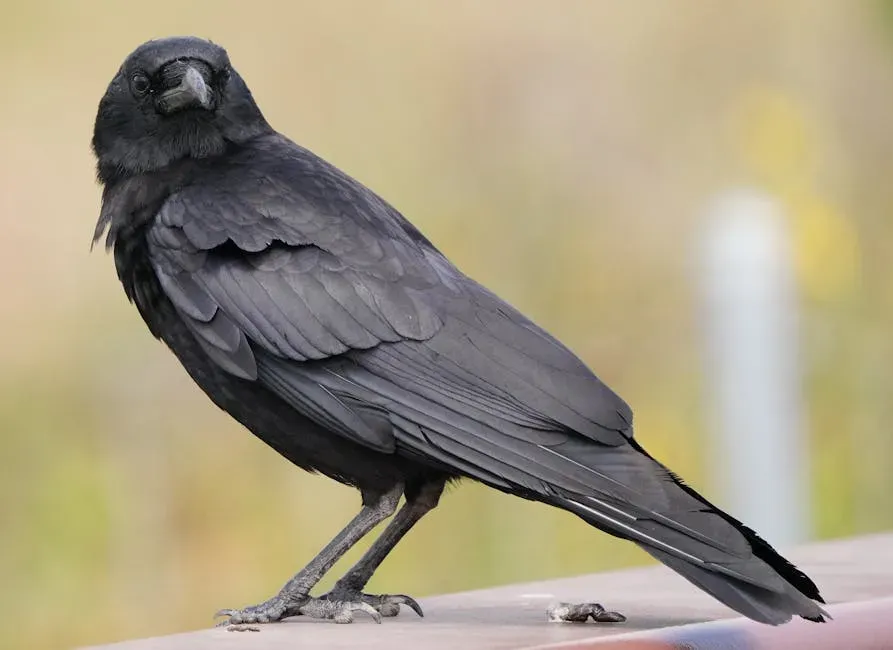
One of the more striking capabilities crows possess isn’t about objects at all. It’s about people, specifically their ability to recognize and remember individual human faces with remarkable precision.
The American crow is widely recognized for its impressive problem-solving skills and remarkable memory. One of the most famous studies from the University of Washington demonstrated that American crows can recognize human faces, remembering individuals who have posed a threat and even passing this information on to other crows. This ability highlights their sophisticated social learning and long-term memory.
In a well-known study published in 2015 in the journal Animal Behaviour, researchers donned masks and, while holding dead, taxidermied crows, laid out food in areas frequented by crows in Washington State. Almost universally, the crows responded by scolding the people and even alerting other crows in the vicinity. When the researchers returned weeks later wearing the same masks but empty-handed, the crows continued to harass them and were wary of the area for days after.
Crows can recognize dozens of individual conspecifics and maintain long-term social relationships, remembering past interactions and using this information to guide future behaviors. This kind of social tracking is a hallmark of intelligence in the animal kingdom, shared by very few species outside of primates.
Problem-Solving, Planning, and Something Close to Consciousness
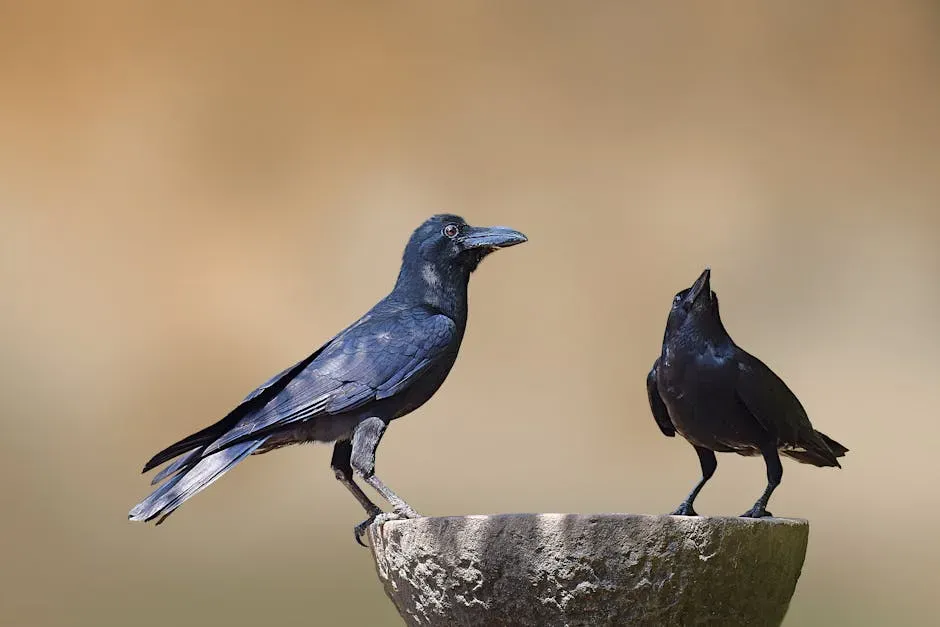
What separates crows from most animals isn’t just that they solve problems. It’s how they solve them. There’s a quality of forethought involved that researchers have found genuinely difficult to explain away.
Researchers presented New Caledonian crows with a series of metatool problems where each stage was out of sight of the others, and the crows had to avoid distractors. Crows were able to mentally represent the sub-goals and goals of metatool problems, keeping in mind the location and identities of out-of-sight tools and apparatuses while planning and performing a sequence of tool behaviors.
Researchers have reported that these clever birds are able to understand recursion, the process of embedding structures in other similar structures, which was long thought to be a uniquely human ability. Recursion is a key feature of language. The implications of that finding are still being debated across the scientific community.
Researchers have begun to explore the striking cognitive abilities of crows and their relatives, with a recent study demonstrating that crows may possess a form of consciousness. That claim warrants caution, as consciousness is notoriously hard to define or measure. Still, the underlying neural evidence is difficult to dismiss entirely.
Scientific research and experiments, some inspired by popular fables about clever crows, show that these birds understand cause and effect, plan for the future, and adapt their behavior based on context, environment, and who’s watching.
Social Intelligence and the Culture of Crows
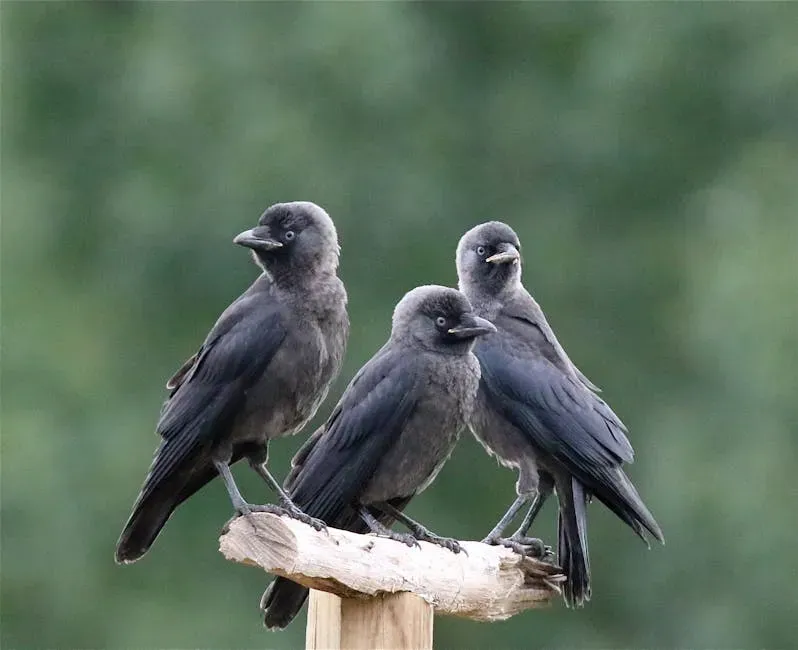
Crow intelligence doesn’t exist in isolation. Much of what makes them exceptional is how they operate within a group, learn from each other, and pass knowledge across generations.
Crows live in highly structured family groups comprising several generations. They readily team up to mob predators, knowing there is strength in numbers. That kind of cooperative awareness requires a level of social reasoning that most animals simply don’t demonstrate.
Once they leave the nest, crows create groups with members of their own age to hang out, much like teenagers in their social circles. They love to have fun together, and people have seen crows sliding through snow on a roof over and over again just for fun. Play behavior in animals is widely regarded as a marker of cognitive complexity.
These birds comfort victims after an act of aggression, including touching beaks or bodies, perching near the victim, and grooming. Crows are able to show empathy, understand the situation, and then adjust their behavior toward the victim.
One study suggests crows are so intelligent because of their high neuronal density and brain structure. As a result, crows solve complex problems, make and use tools, have great memory, communicate and learn from each other, and may even have their own cultures. The idea of crow culture, meaning socially transmitted behaviors unique to a population, is still an active area of research, though early evidence leans toward it being real.
Conclusion: Rethinking What It Means to Be Smart
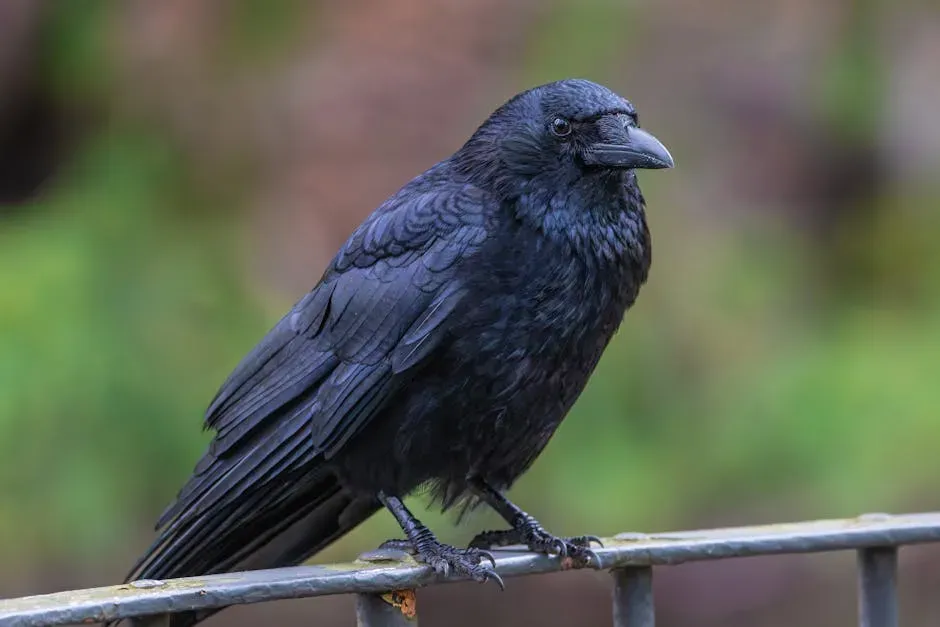
The crow sitting on a telephone wire outside your window may look unremarkable. Routine, even. The science tells a different story entirely.
Crows are second only to humans in intelligence. Their brain-to-body weight ratio equals that of the great apes and cetaceans. Crows can reason, understand causality and the concept of zero, vocally count up to four, remember human faces, and make customized tools.
In the intelligence stakes, crows are not just keeping up with the primates. Understanding how birds like crows engage in complex cognitive tasks not only challenges long-standing assumptions about the uniqueness of human or primate cognition but also opens up new avenues for conservation biology and urban ecology.
What crows ultimately reveal is that intelligence isn’t a single ladder with humans at the top. It evolved independently, in multiple lineages, shaped by the demands of each animal’s world. The crow solved its problems with a brain the size of a walnut and ended up, by nearly every meaningful measure, as one of the most cognitively capable creatures alive. That’s worth pausing on the next time one watches you from a fence post.

- 6 Exotic Bird Species You Can Spot in U.S. National Parks - July 19, 2026
- 11 Iconic American Birds Facing New Challenges and How You Can Help - July 19, 2026
- 10 Friendliest Animals in the World - July 19, 2026