

Alaska is renowned for its breathtaking landscapes dominated by majestic glaciers, which play a critical role in the state’s ecology, economy, and culture. However, these icy giants are under significant threat from the warming global climate. Understanding the implications of melting glaciers is paramount for Alaska’s future and the global environment.
Glaciers: The Lifeblood of Alaska’s Ecosystem
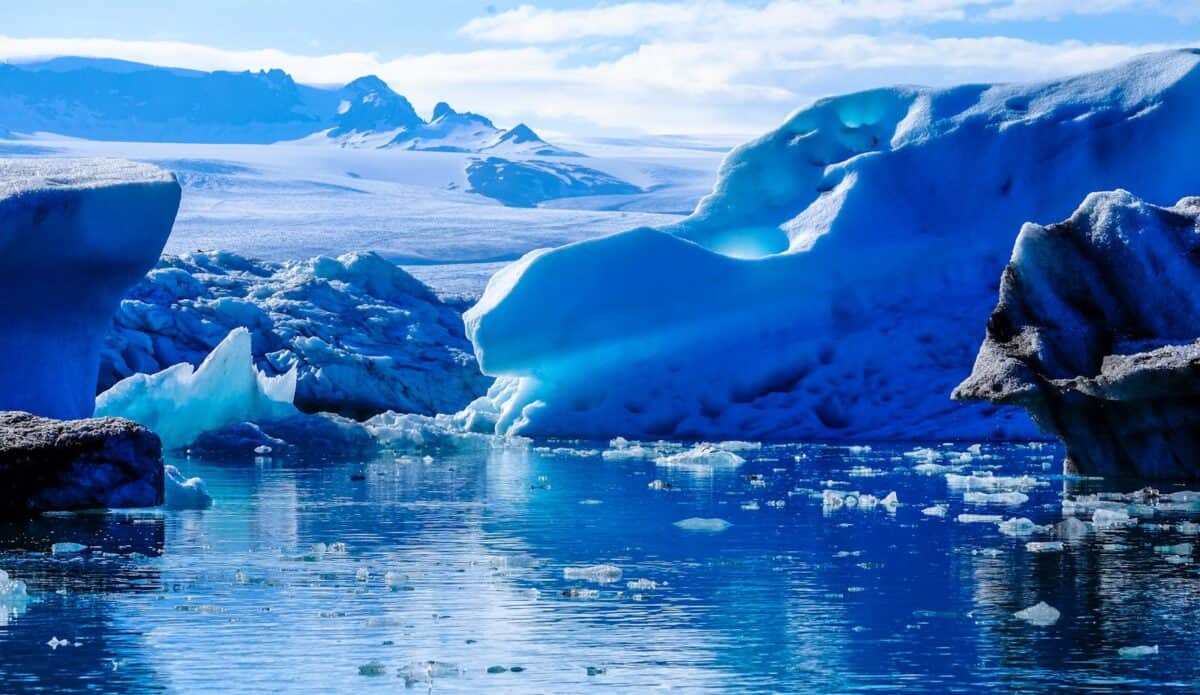
Glaciers in Alaska are crucial for maintaining regional ecosystems. They act as freshwater reservoirs, feeding rivers and lakes that support diverse plant and animal life. As they melt, the change in freshwater availability and temperature can disrupt these delicate ecosystems.
The Science of Glacier Melting

Glacial melting is primarily driven by rising global temperatures due to increased greenhouse gas emissions. Glaciers melt when their rate of melting surpasses the rate of snowfall that forms them. This imbalance is a visible indicator of climate change, representing irreversible alterations to natural patterns.
Impact on Marine Life

Melting glaciers contribute significantly to sea level rise, affecting marine habitats. The influx of freshwater alters ocean salinity and temperatures, threatening species like salmon, which depend on specific conditions for spawning. The ripple effects impact biodiversity and food chains across marine and coastal ecosystems.
Threats to Indigenous Communities

For many Indigenous communities in Alaska, glaciers are a source of cultural heritage and livelihood. As glaciers retreat, traditional hunting and fishing practices are disrupted. Additionally, these communities face increased risk from natural hazards like flooding and erosion.
Economic Consequences

Alaska’s economy is intricately tied to its natural environment. Melting glaciers pose challenges for industries like tourism, fishing, and hydroelectric power. The loss of iconic landscapes can lead to diminished tourism, while changes in freshwater availability affect fishing yields and energy production.
Tourism at a Crossroad

Tourism in Alaska thrives on its pristine wilderness and glacial vistas. As these landscapes change, so does their allure. Efforts are increasingly focusing on sustainable tourism practices to adapt to these changes, emphasizing ecological preservation and the promotion of cultural heritage.
Increased Natural Hazards

Glacial melt increases the risk of natural hazards such as glacial lake outburst floods (GLOFs). These sudden floods can devastate communities and infrastructure. Understanding and preparing for these potential disasters is critical for public safety and developing resilient communities.
Adaptation Strategies and Policy Implications
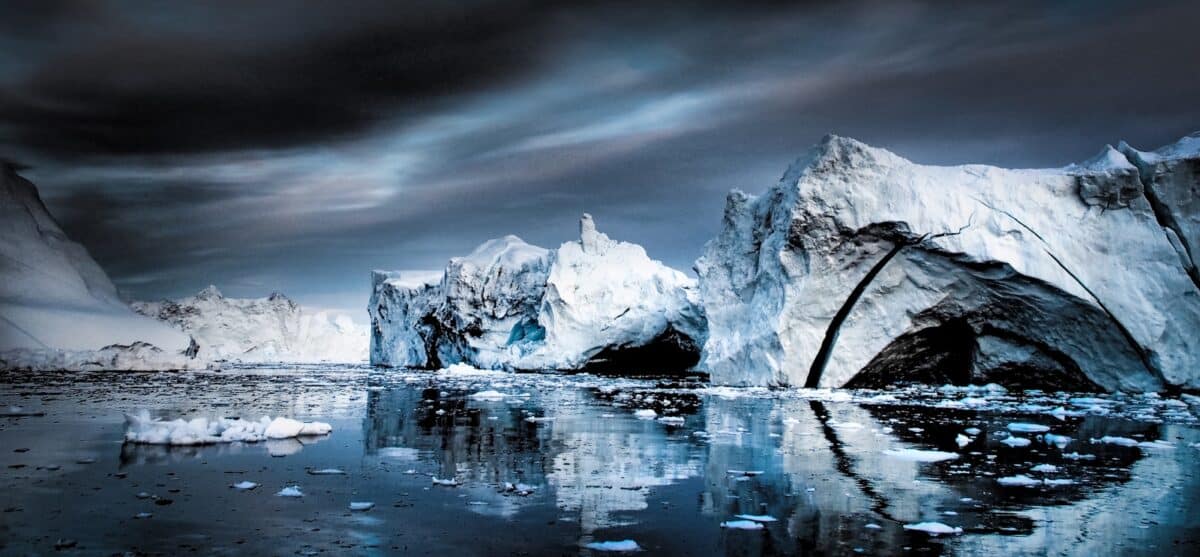
Addressing the consequences of glacier melting requires robust policy measures. This includes investing in climate research, enacting environmental regulations, and fostering community-based adaptation plans. Collaborative efforts between government bodies, scientists, and local communities are essential.
Technological Innovations and Research

Advancements in satellite technology and climate modeling provide new insights into glacier dynamics. Continuous research is vital for understanding melting patterns and predicting future changes. These innovations equip policymakers and communities with the tools needed to mitigate impacts.
Engaging Global Perspectives

While Alaska bears the brunt of glacial melting, it is a global issue requiring international cooperation. Shared research, resources, and policy frameworks on climate action are vital in addressing the wider implications of glacial melt on global sea levels and ecosystems.
Summary: Navigating a Changing Landscape
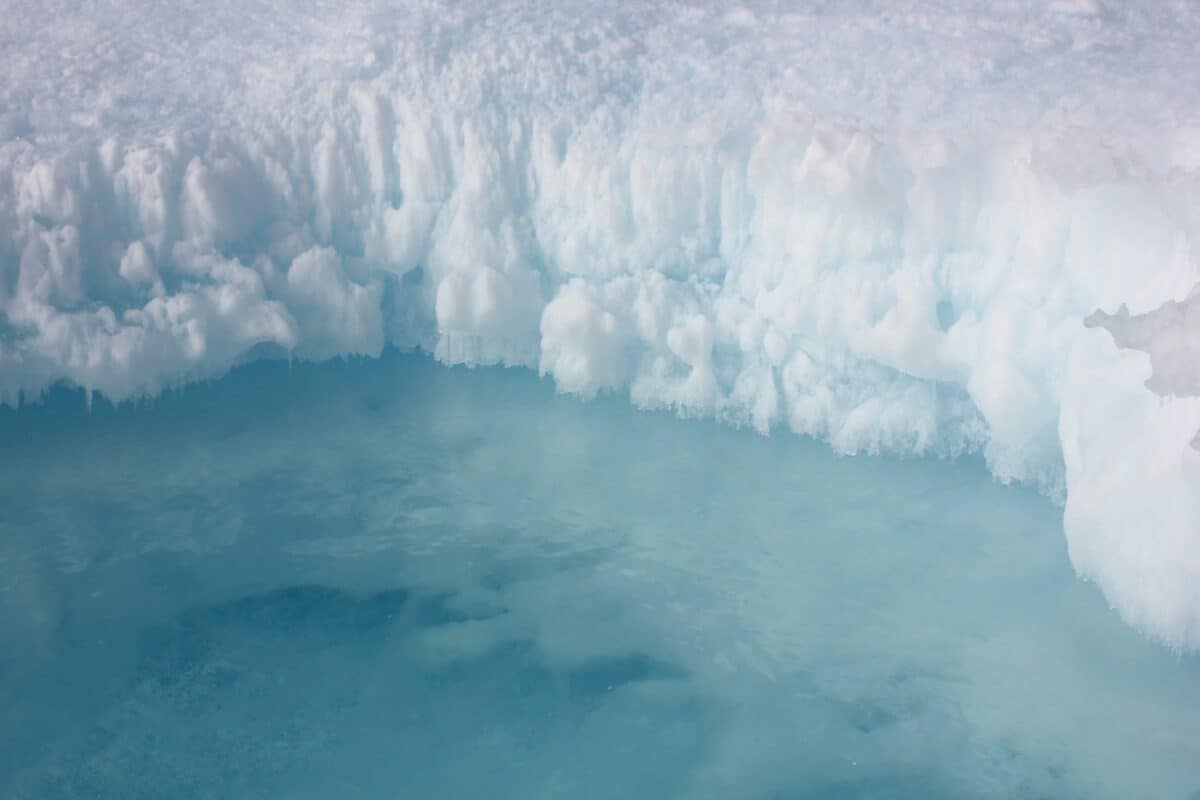
As the glaciers of Alaska continue to melt, the state faces profound changes across its environment, economy, and society. Proactive strategies that combine scientific research, policy innovation, and community engagement are crucial for navigating this transformative period. Understanding and addressing the impacts of melting glaciers not only secures Alaska’s future but also contributes to global efforts in climate adaptation and sustainability.

- Beginner’s Guide to Ethical Wildlife Safaris - July 19, 2026
- The Truth About Dolphins and Human Friendships - July 19, 2026
- The Smallest Bird in the World Is So Tiny It Can Fit in a Teaspoon - July 19, 2026