

Ever wondered why certain Pokémon look so familiar? There’s actually a fascinating world of real-life inspiration behind many of our favorite pocket monsters, especially when it comes to canines and birds of prey. You might think you’re just battling cute creatures, but you’re actually engaging with digital versions of some nature’s most remarkable predators and companions.
The relationship between Pokémon and the natural world runs deeper than many fans realize. Pokémon was the brainchild of Satoshi Tajiri, who was an avid insect collector as a child – this is cited as inspiration for the “gotta catch ’em all” concept of the game. This connection has extended far beyond insects to include wolves, foxes, and owls that roam our forests and skies.
The Classic Fire Fox – Vulpix and Its Nine-Tailed Evolution
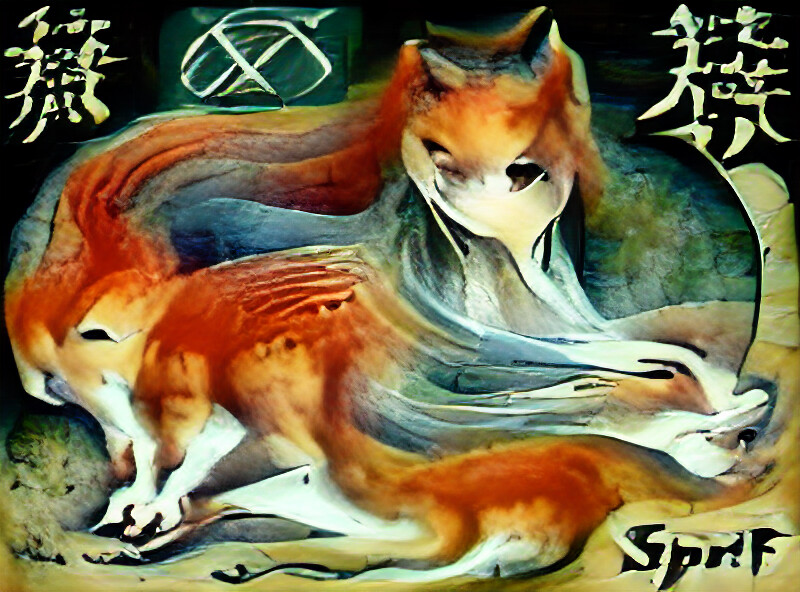
One of the first fox Pokemon introduced to the franchise is Vulpix. It is an adorable Fire-type creature that received attention in the anime thanks to Brock, who takes care of one for Suzie. This charming little fox doesn’t just look cute by accident – it’s actually drawing from real-world inspiration.
Ninetales is likely inspired by the kitsune of Japanese mythology, which is a shape-shifting fox that is said to have up to nine tails. The connection goes even deeper when you consider how foxes behave in nature. Foxes are rather shy animals that survive on omnivorous diets and are found in various environments, including forests and tundras. In myths and folklore, foxes are often depicted as cunning tricksters.
The Alolan Ice Foxes – A Stunning Regional Transformation
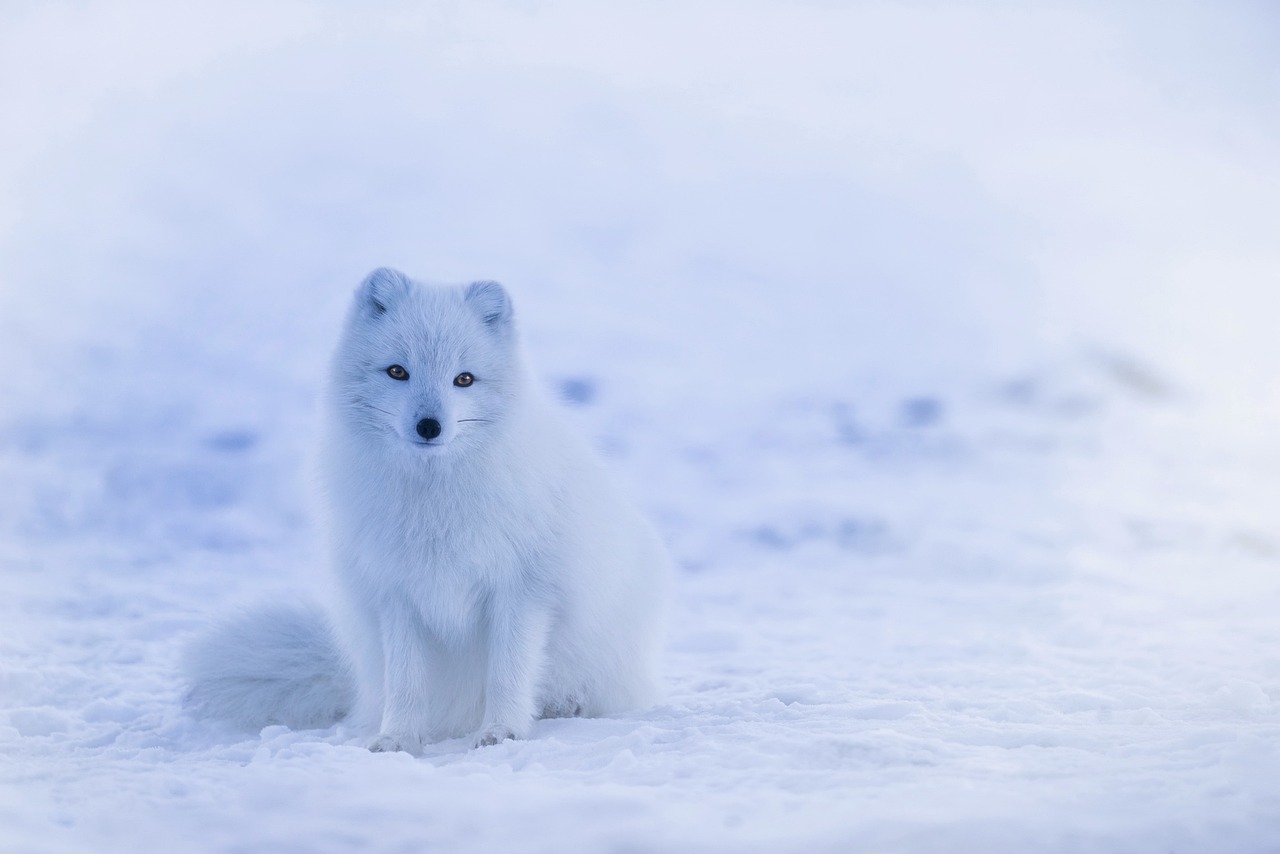
The Vulpix evolutionary line got the spotlight once again in Pokemon Sun and Moon, which introduced Alolan Vulpix and Alolan Ninetales. The Alolan regional variants have beautiful whitish-blue fur, with Alolan Vulpix being an Ice-type and Alolan Ninetales being an Ice/Fairy dual-type. These stunning variants showcase how the same animal inspiration can be adapted for different environments.
These regional variants manage to make the already regal-looking creatures appear even more spectacular. The arctic fox inspiration becomes clear when you see their pristine white coats, perfectly adapted for snowy mountain environments rather than the warm climates their Fire-type counterparts prefer.
The Fennec Fox Connection – Fennekin’s Desert Heritage
Gen 6 also introduced Fennekin, the cute Fire-type fox. As its name suggests, the Pokemon is inspired by the similarly large-eared fennec fox. The connection becomes crystal clear when you look at both creatures side by side.
Fennekin is a Fennec fox (Vulpes zerda) and can vent fire from its ears similar to the way this species of fox expel heat through theirs to stay cool. This clever design detail shows how Game Freak transforms real animal adaptations into fantastical abilities that make sense within the Pokémon world.
The Shape-Shifting Trickster – Zorua and Zoroark
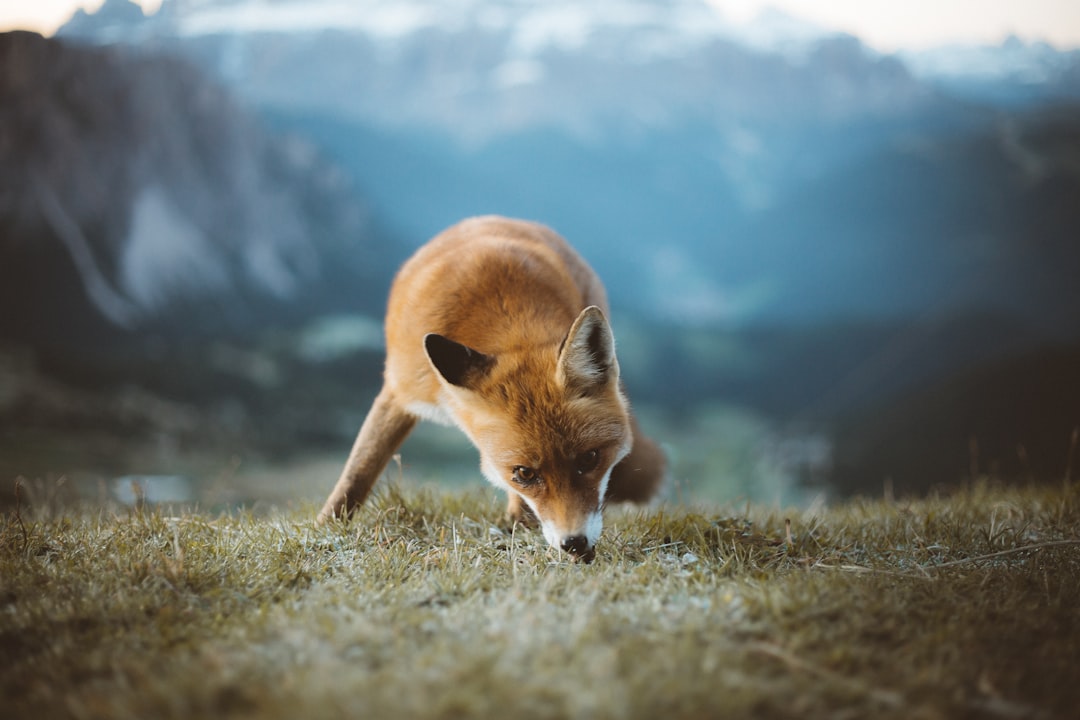
Zorua is a Dark-type fox, and the Pokedex reveals that it enjoys surprising people by transforming into other forms. This mischievous behavior perfectly captures the folklore reputation of foxes as cunning tricksters. Many of the fox-like Pokemon are also mischievous and sneaky, though some are simply elegant.
The illusion abilities of Zorua and its evolution Zoroark tie directly into the mythological reputation of foxes. In many cultures, foxes are seen as magical creatures capable of shapeshifting and deceiving humans, making these Pokémon a perfect digital representation of those ancient stories.
The Masked Bandit – Nickit’s Striking Design
Nickit has one of the most striking designs of all the fox Pokemon. The small, quadrupedal creature has red fur with black markings around its eyes that make it look like it has a mask on. This design choice isn’t just aesthetic – it’s pulling from real fox behavior and appearance.
Many fox species have natural facial markings that can appear mask-like, and their reputation as sneaky nighttime hunters makes the “thief with a mask” design incredibly fitting. Nickit embodies both the physical appearance and behavioral reputation of its real-world counterparts.
The Legendary Wolf Pack – Lycanroc’s Three Forms
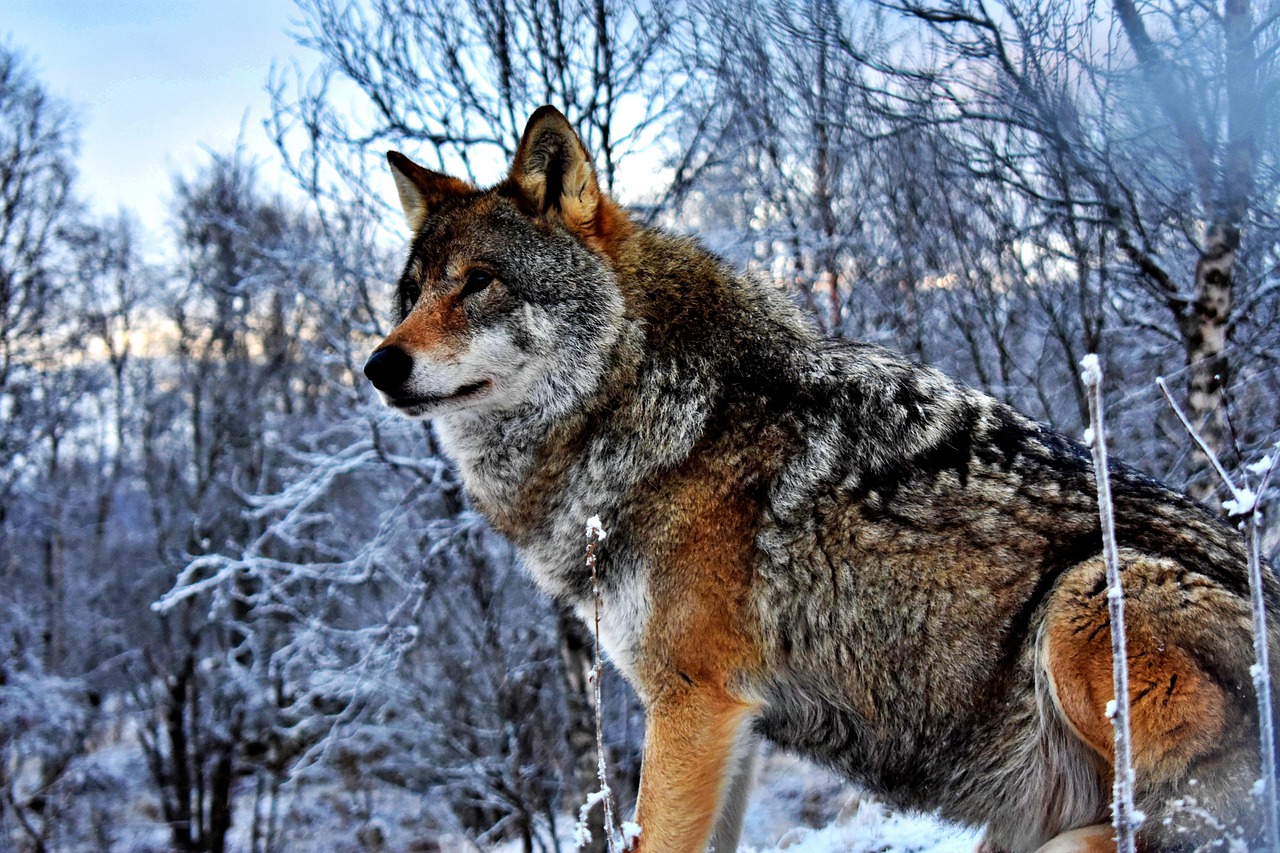
All of the forms of Lycanroc appear to be based on the extinct Japanese wolf which was associated with rocks and mountains. Wolves are also sometimes referred to as “yamainu” in Japan, which translates to “mountain dog”. Its Midday form is based on regular wolves, especially the Japanese wolf.
This connection is particularly poignant because it references an extinct species. In its Midday Form, Lycanroc resembles a quadrupedal, light brown wolf. It has a white underbelly that extends up around its muzzle and eyes in a mask-like marking. The design honors the memory of these lost creatures while bringing them back to life in digital form.
The Werewolf Transformation – Midnight Lycanroc
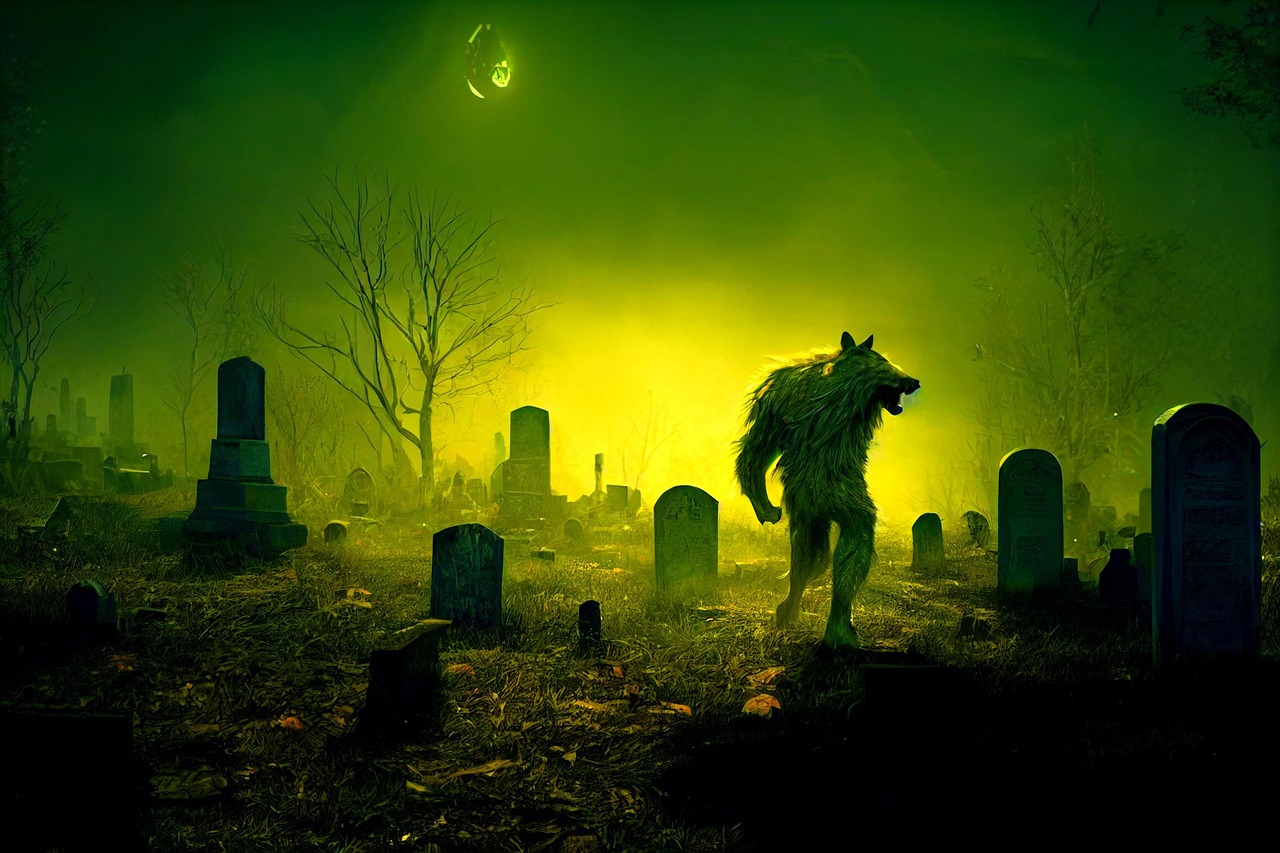
Its Midnight form is based on werewolves. Its appearance of red eyes, bared teeth and folded ears resembling a stereotypical “mad dog”. This form represents the darker side of wolf mythology, drawing from centuries of folklore about humans transforming into fierce beasts.
In its Midnight Form, Lycanroc instead resembles a slouched, bipedal wolf or werewolf. It has short red fur with white on its lower legs and a white streak that covers its face, underbelly, and tail. The transformation from a regular wolf to a werewolf-like creature perfectly captures the duality found in wolf mythology across cultures.
The Guardian Lions – Growlithe and Arcanine’s Mythological Roots
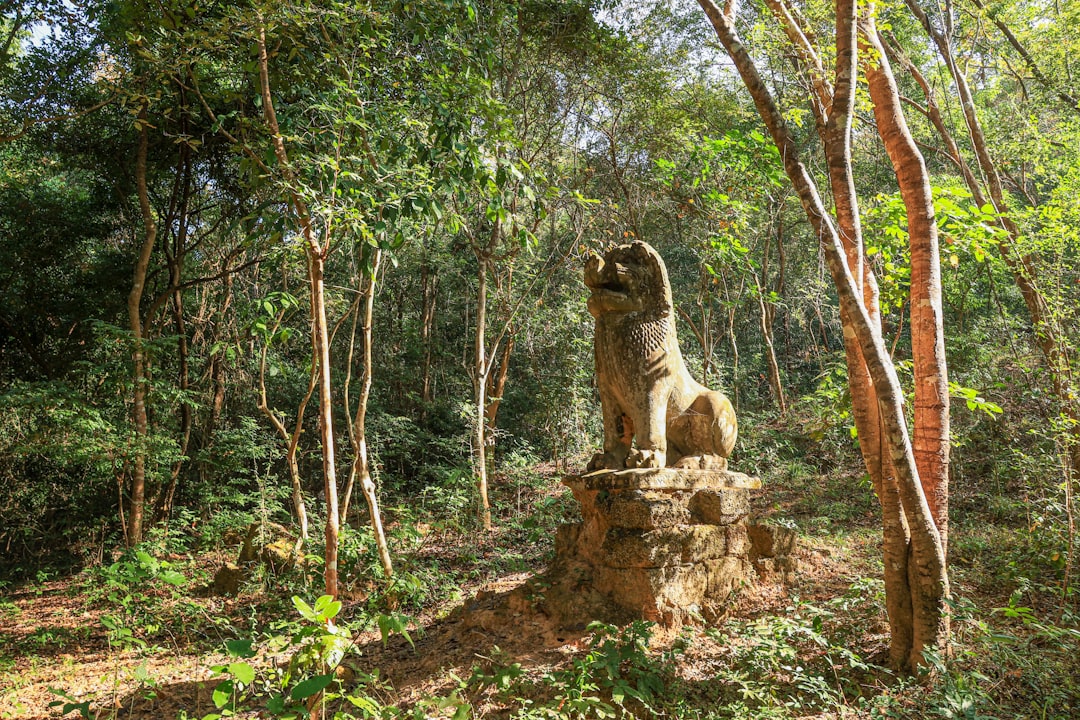
He’s more clearly based (at least visually) on a Shisa – a guardian deity that’s a cross between a lion, a dog, and sometimes a tiger. They seem to pop up a lot as stone statues in eastern Asian countries not completely unlike how gargoyles show up a lot in continental Europe.
Coupled with its protective nature, Growlithe and Arcanine are likely based off of prominent mythological creatures: the shī in China, or the shisa/komainu in Japan. These aren’t just based on regular dogs – they’re drawing from powerful mythological guardians that have protected temples and homes for centuries.
The Legendary Beasts – Cats, Dogs, or Something Else?
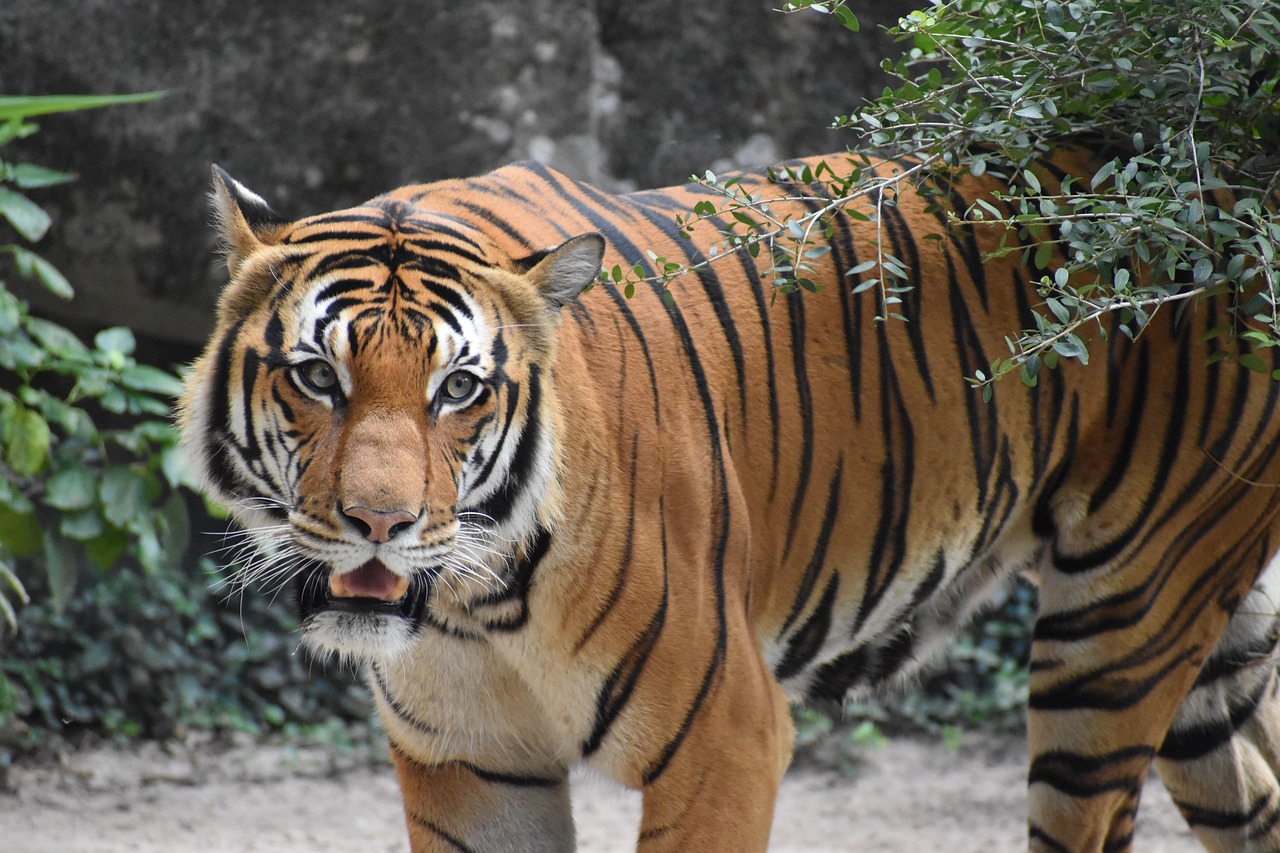
The debate around Entei, Raikou, and Suicune has raged for decades. Raikou’s physique resembles that of a tiger due to its body shape, bright yellow color and pattern of black stripes on its body. Even though tigers are more of an orange color, yellow could be conceived as the next best thing for tiger-based Pokemon with regards to the color coding used to represent Electric-type Pokemon.
Entei more closely resembles a lion. It is based on a shishi guardian liondog and is shown to be very protective in the anime adaptions. Meanwhile, Suicune is believed to be based on the kirin, a legendary beast which is a mix of a dragon, deer, big cats and unicorns.
The Night Hunter – Noctowl’s Owl Inspiration
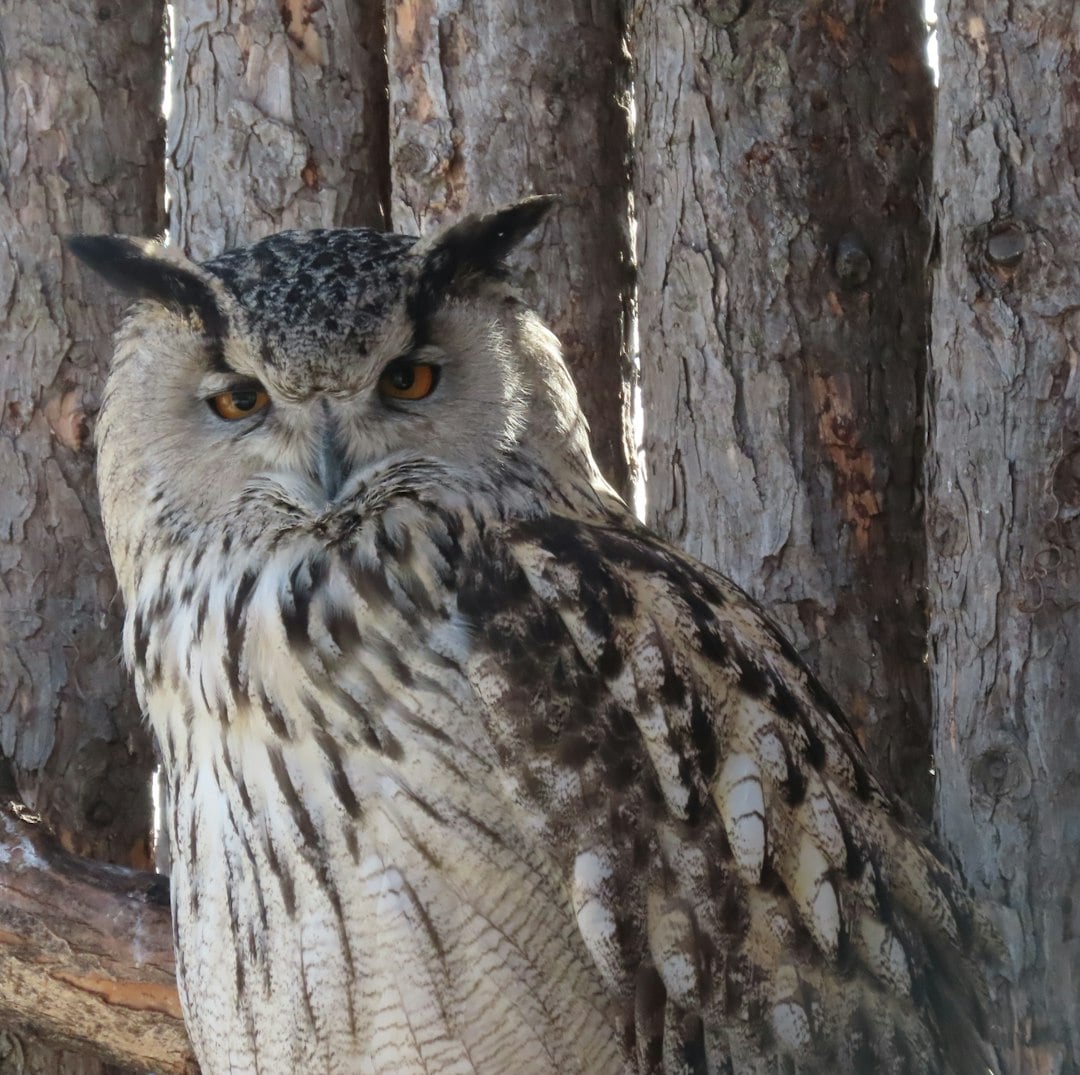
Noctowl seems to be based on a horned owl, particularly the Eurasian eagle-owl due to its red eyes. The feathers that make up its “horns” also resemble a pair of large, bushy eyebrows, which can be interpreted as a sign of age and wisdom, traits that are sometimes associated with owls.
The design brilliantly captures what makes owls such effective nocturnal predators. It has exceptional eyes that concentrate the faintest light and give it night vision, supple wings capable of silent flight, and it can twist its head up to 270 degrees to increase its range of vision. These abilities mirror exactly what real owls do in nature.
The Extinct Hawaiian Owl – Decidueye’s Tragic Inspiration
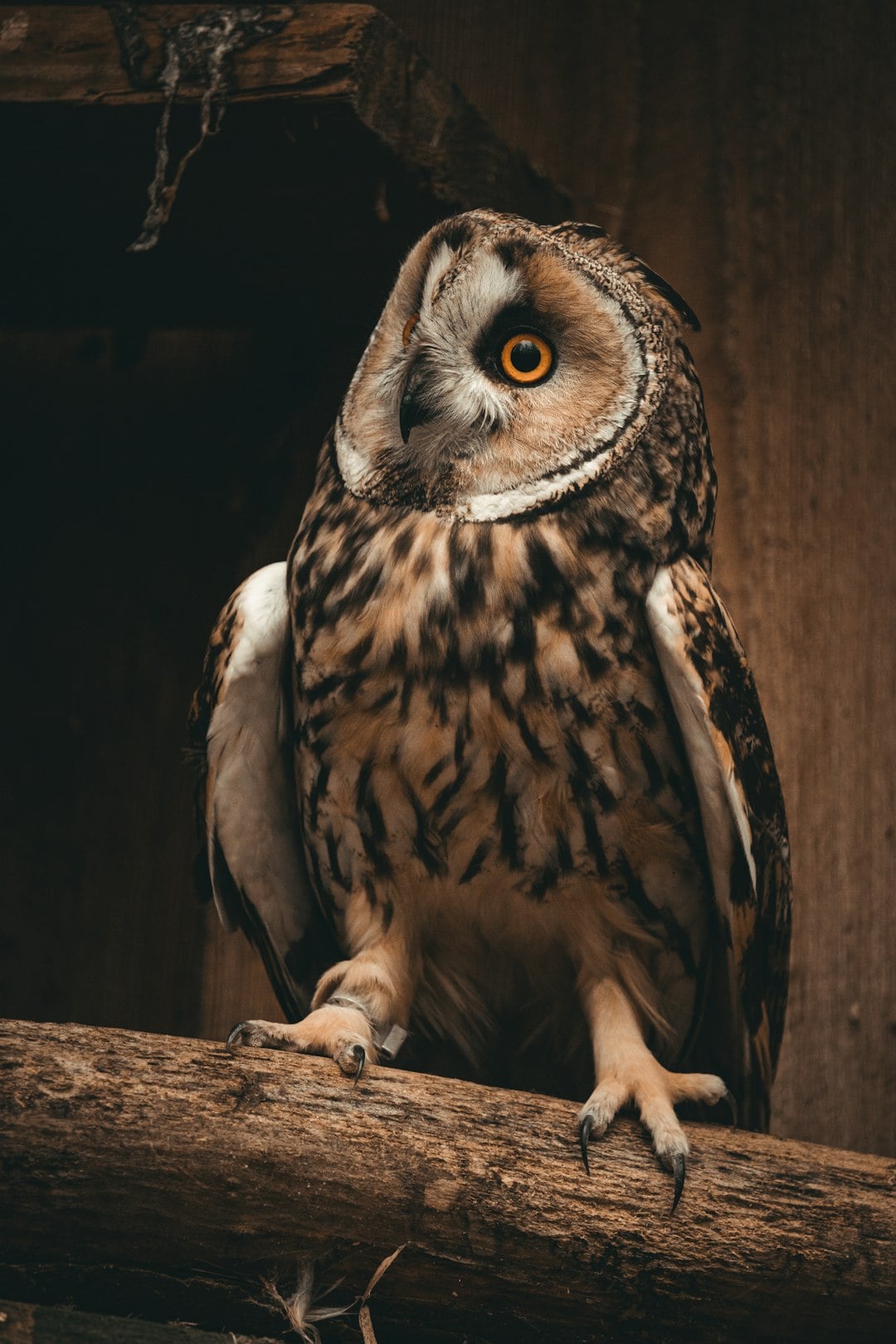
Decidueye is based on the Stilt-owl, an extinct Hawaiian owl, which its Ghost typing possibly alludes to. It may also take inspiration from the folklore character Robin Hood, a legendary outlaw who was known for his skill in archery and stealing from the rich and giving to the poor, or the Marvel superhero Hawkeye & DC Comics Superhero Green Arrow, archers with a predatory bird motif.
Decidueye could also draw inspiration from the extinct stilt-owls (Grallistrix). Grallistrix lived in Hawaii and had long legs – like Decidueye – leading scientists to assume it may have been terrestrial in some manner, evolving this habit due to lack of mammalian predators.
The Island Connection – Hawaiian Owls and Alolan Starters
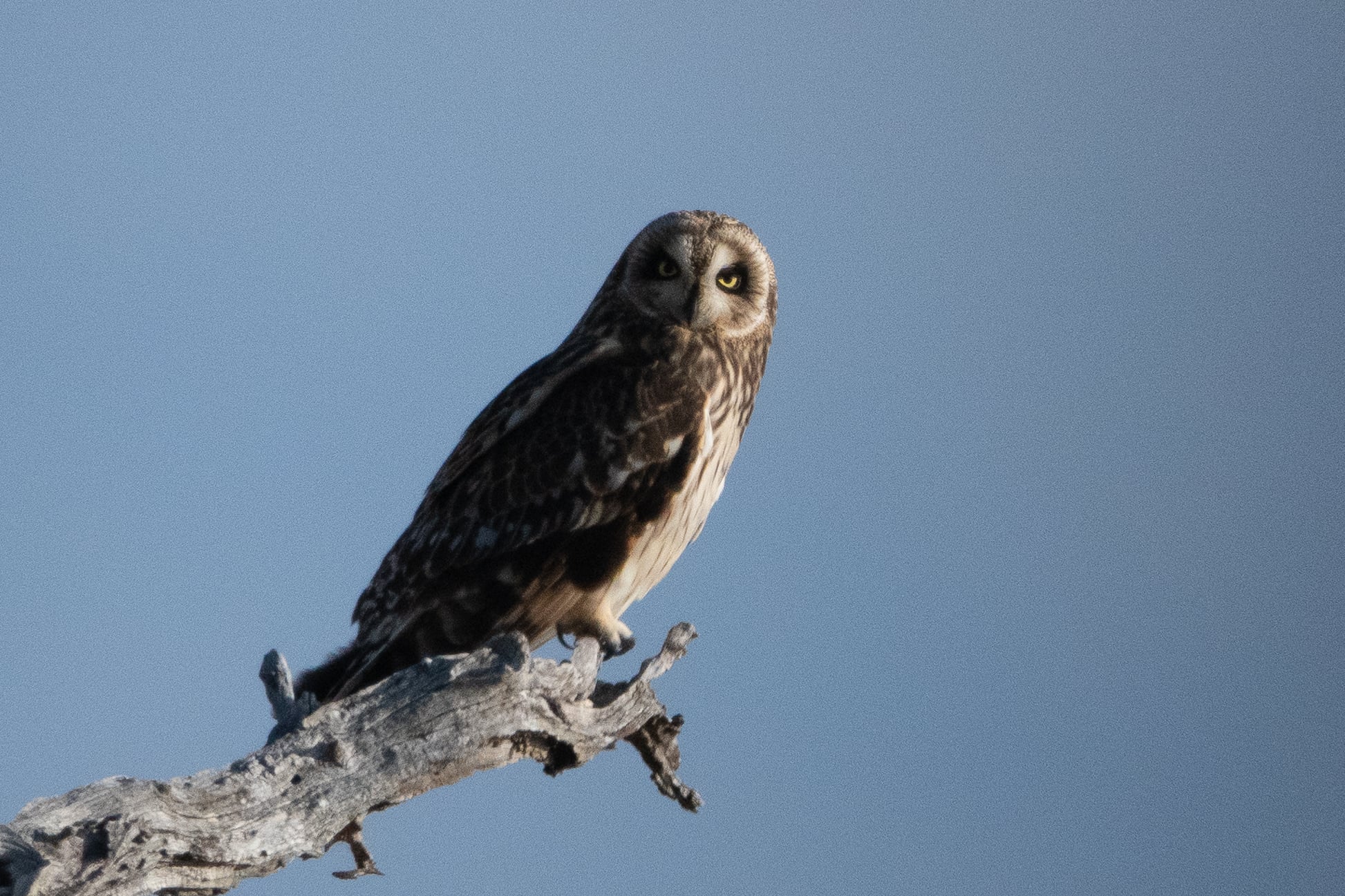
Generation VII region, Alola, is based on the Hawaiian islands, which points us to another owl – the endemic Hawaiian owl called Pueo. Pueo lives in the forests and grasslands, which matches the Grass typing of Rowlet, Dartrix, and Decidueye.
The entire Rowlet evolution line draws from Hawaiian culture and wildlife. Rowlet, Dartrix, and Decidueye are owl-like Pokemon, also inspired by one of the forms of ʻaumākua (ancestor spirits) in Hawaiian culture. This connection between real Hawaiian owls and spiritual beliefs adds layers of meaning to these beloved starters.
These Pokémon represent more than just cute digital creatures – they’re living bridges between our modern gaming world and the ancient natural world that inspired them. From the playful foxes that have charmed humans for millennia to the wise owls that have watched over our nights, these designs honor both the beauty and the mystery of the animals that share our planet.
Who would have thought that catching them all meant connecting with thousands of years of human fascination with the wild creatures around us?

- 10 Ways to Create a Wildlife-Friendly Backyard Habitat - July 16, 2026
- Which Zodiac Signs Feel the Deepest Connection to Big Cats - July 16, 2026
- 10 Most Dangerous Hikes in The US - July 16, 2026