
Worried about unexpected vet bills?
Pet insurance can cover thousands in unexpected vet costs. Get a free quote from Lemonade in under 2 minutes.
Get My Free Quote →Sponsored · Opens Lemonade.com
Have you ever looked into the eyes of a monkey at the zoo and felt a strange kinship? Maybe watched a group of chimpanzees playing and thought “that reminds me of someone I know”? There’s something deeply fascinating about the parallels between our zodiac personalities and the behaviors we see in our primate cousins. While humans separated from other primates millions of years ago, we still share remarkable behavioral patterns that seem to mirror the classic traits astrologers have been describing for centuries.
The animal kingdom offers us a mirror to understand ourselves better, especially when we look at our closest evolutionary relatives. Each zodiac sign carries distinct personality traits that can be beautifully reflected in the behaviors, social structures, and temperaments of different primate species. From the bold leadership of an alpha chimpanzee to the playful curiosity of a capuchin monkey, these remarkable creatures embody the essence of astrological archetypes in ways that might surprise you.
Aries: The Alpha Chimpanzee
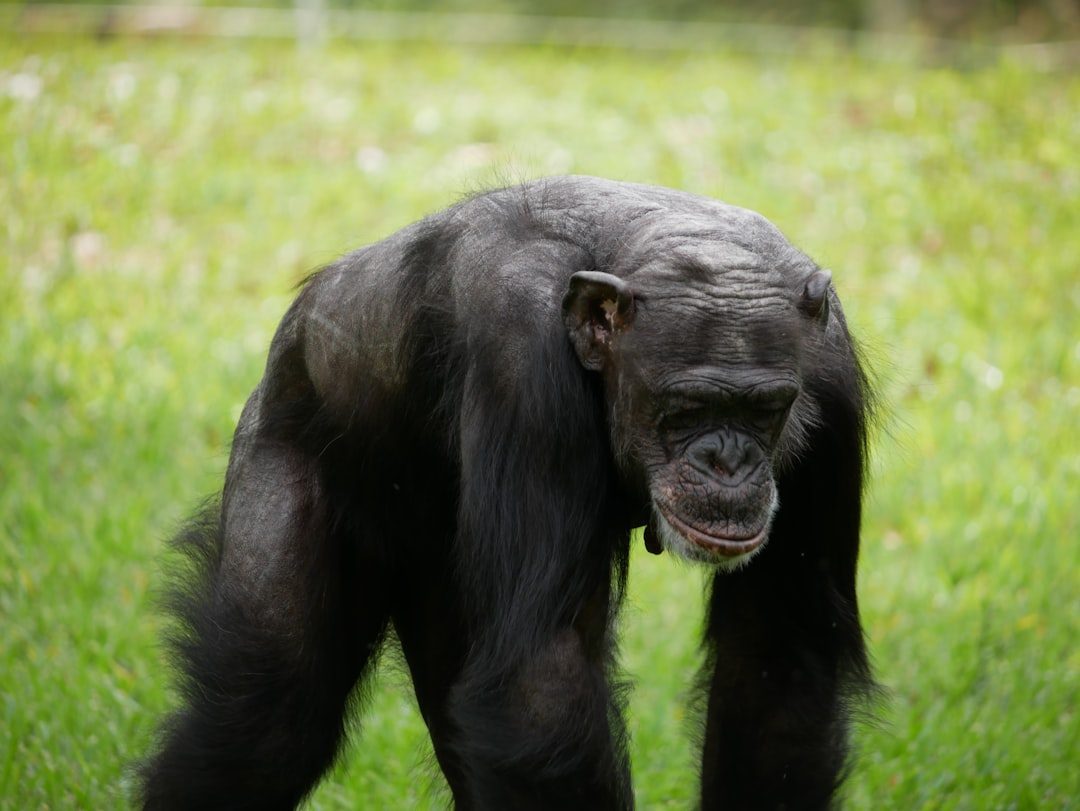
Bold, energetic, and competitive – these words perfectly describe both Aries individuals and the alpha chimpanzees that dominate their troops. Higher-ranking males and older, presumably more knowledgeable females were more likely to initiate group movements in a particular direction, showing the natural leadership that Aries people embody.
Just like an Aries charging headfirst into new adventures, alpha chimps don’t hesitate to make decisions for their entire group. Various more advanced, human-like manifestations of dominance have been observed in great apes, and chimpanzees display that same fearless approach to challenges that makes Aries natives such natural pioneers. The intensity and determination you see in these powerful primates mirrors the ram’s unstoppable drive.
Their protective instincts run deep, much like how Aries individuals fiercely defend their loved ones. When an alpha chimp sees a threat to their family, they react with the same immediate, passionate response that characterizes this fire sign.
Taurus: The Steady Mountain Gorilla
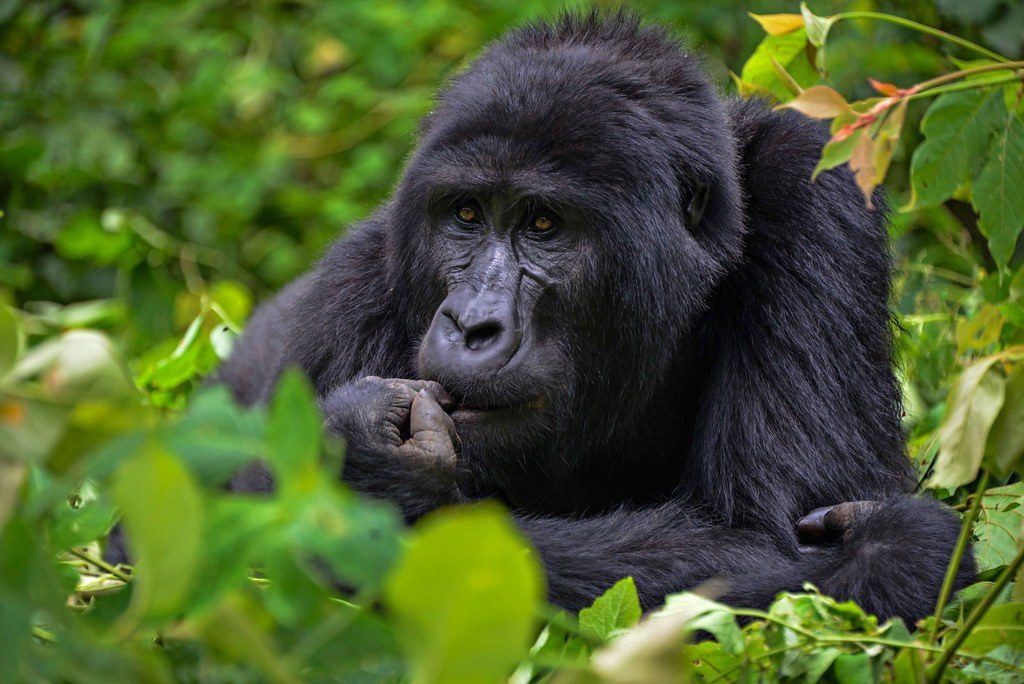
Practical, reliable, and sensual – if any primate embodies the steady bull, it’s the magnificent mountain gorilla. These gentle giants spend their days methodically foraging, taking their time to select the choicest vegetation, much like how Taurus individuals savor life’s pleasures. They prefer to take their time with things, and once they make a decision, they rarely have doubts about it.
Gorillas are incredibly patient creatures who can sit peacefully for hours, perfectly content in their routine. This matches the Taurus need for stability and comfort in familiar surroundings. When they do move, it’s with purpose and deliberation, never rushed or hasty.
The silverback’s protective nature over his family group reflects the loyalty that Taurus people are famous for. They value good food, cozy spaces, and a sense of loyalty that feels like home. When they welcome someone into their inner circle, that person becomes part of their family. Like the steadfast bull, these primates create safe havens where their loved ones can thrive.
Gemini: The Chattering Capuchin Monkey
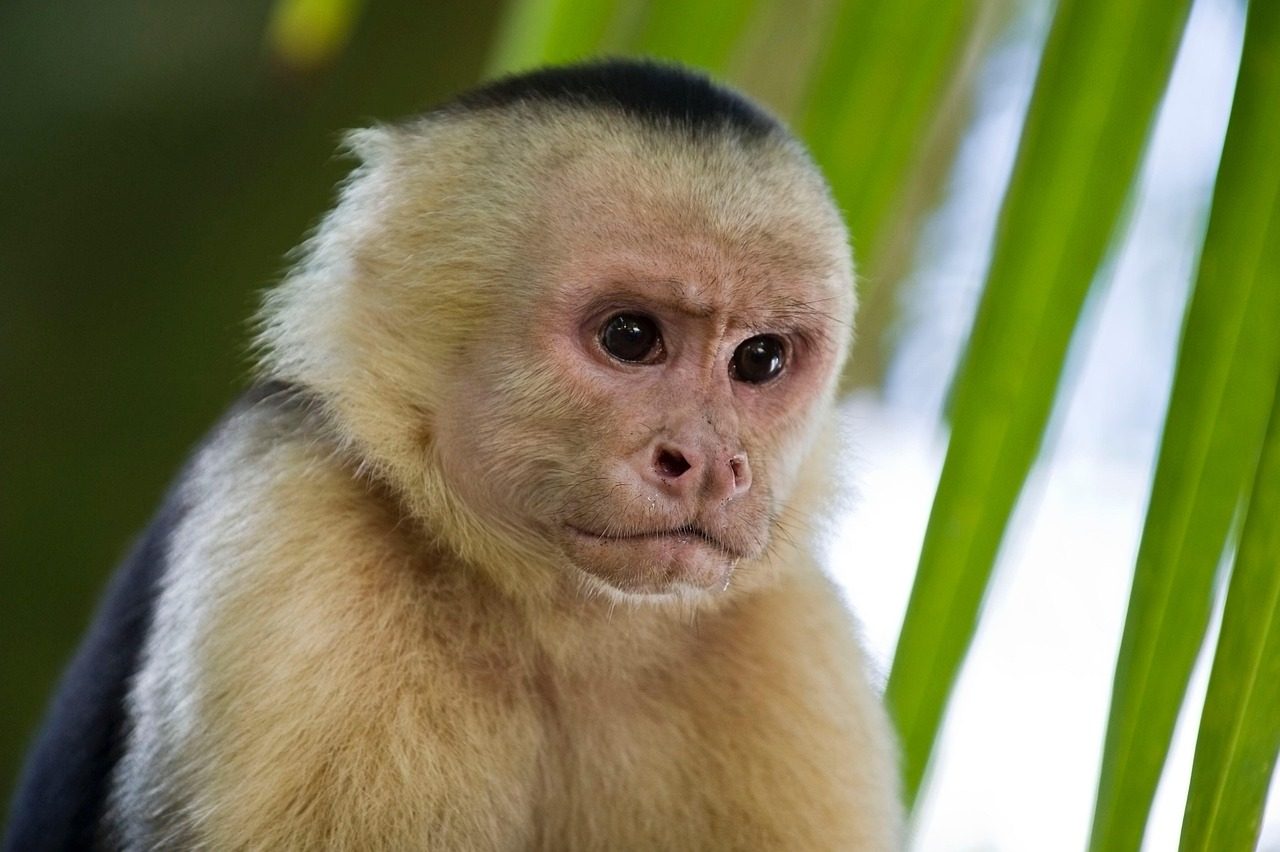
Curious, adaptable, and communicative Geminis find their perfect match in the endlessly chattering capuchin monkeys. These small, intelligent primates are constantly vocalizing with their troop members, much like how Geminis need constant conversation and mental stimulation. This is learned behavior and adolescents learn how to perform this feat by observing adults that are highly proficient.
Capuchins are incredibly adaptable, switching between different activities throughout the day with the same restless energy that defines the Twins. They’re naturally curious about everything in their environment, investigating new objects and situations with the same enthusiasm a Gemini shows for new ideas and experiences.
Capuchin monkeys provide another demonstration that human tool use is not exceptional and that other primates, indeed other animals, have a type of learned tool use “culture”. Their ability to learn and share knowledge within their groups perfectly mirrors the Gemini love for gathering and spreading information. Just like the twins of the zodiac, these monkeys seem to have endless energy for social interaction and learning.
Cancer: The Nurturing Bonobo
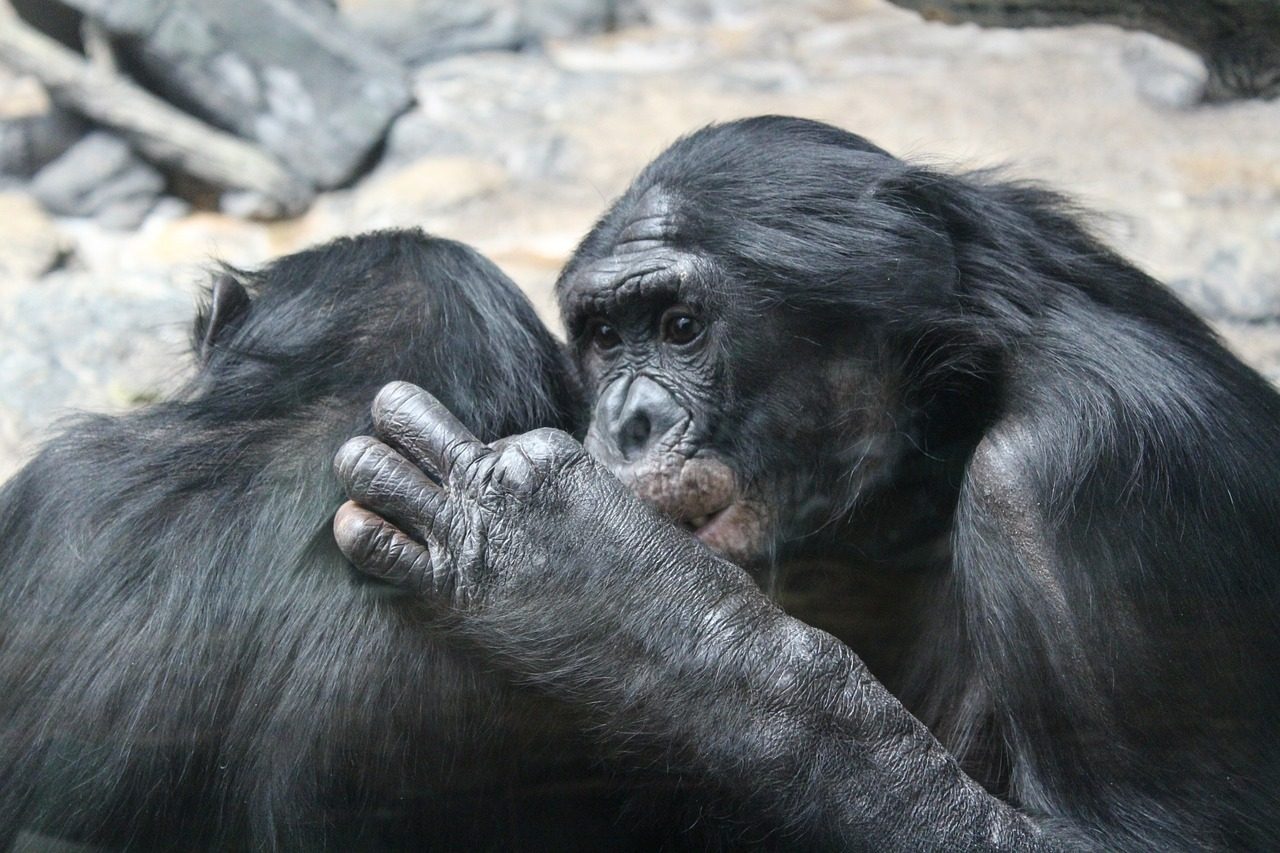
Emotional, nurturing, and protective – no primate species embodies these Cancer traits quite like the gentle bonobo. Bonobos live in a more egalitarian society and exhibit more frequent and diverse affiliative behaviors towards social partners than do chimpanzees. Their society prioritizes emotional connections and peaceful conflict resolution, perfectly matching Cancer’s desire for harmony.
These remarkable primates are known for their empathetic responses to others’ distress, often comforting upset family members with gentle touches and embraces. This mirrors how Cancer individuals instinctively know when their loved ones need emotional support. Cancers are deeply emotional and have an intuitive understanding of what their loved ones need.
The strong mother-infant bonds in bonobo communities reflect the Cancer archetype’s deep connection to family and home. Like the protective crab, bonobos create safe spaces where vulnerability is accepted and emotional expression is encouraged.
Leo: The Magnificent Orangutan
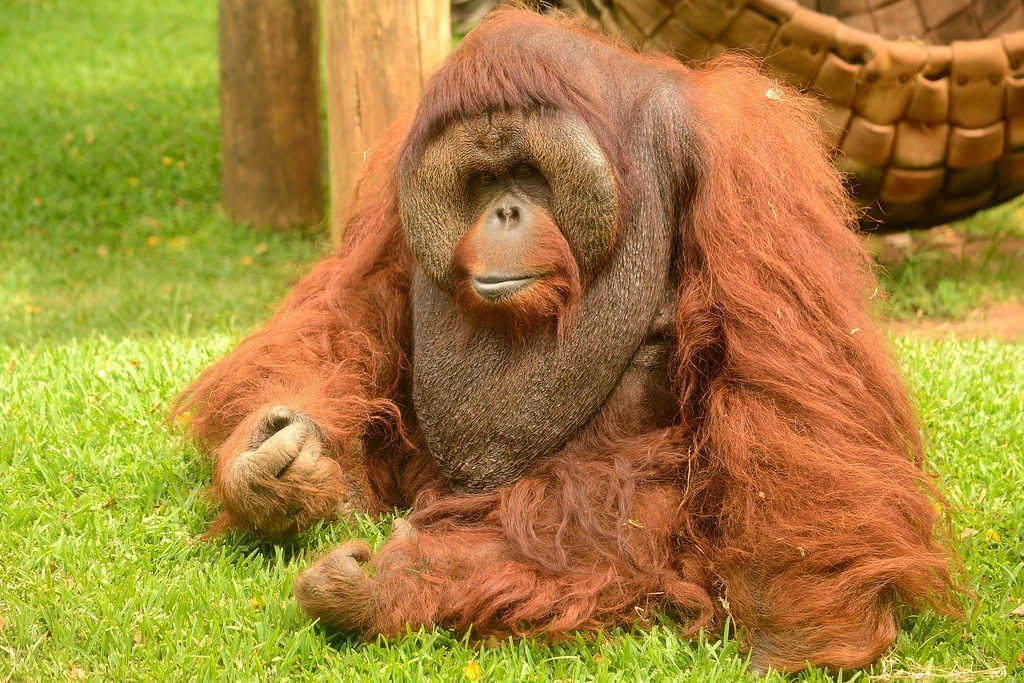
Confident, generous, and charismatic Leos share striking similarities with the regal orangutan, particularly the impressive males with their distinctive cheek pads that command attention wherever they go. These solitary great apes possess an undeniable presence that draws the eye, much like how Leos naturally become the center of attention in any room.
Orangutans are incredibly creative problem-solvers, using tools in innovative ways that showcase their intelligence. This reflects the Leo’s natural creativity and desire to express themselves uniquely. When they do interact with others, it’s with a confident grace that speaks to their self-assured nature.
The fastest-reproducing primates will produce offspring about every six months, while the slowest, the orangutan, reproduces only once every six to eight years. This gives orangutans one of the slowest reproductive rates among all mammals. Like true royalty, they don’t rush into anything, preferring quality over quantity in all aspects of life, just like Leo’s appreciation for the finer things.
Virgo: The Meticulous Macaque
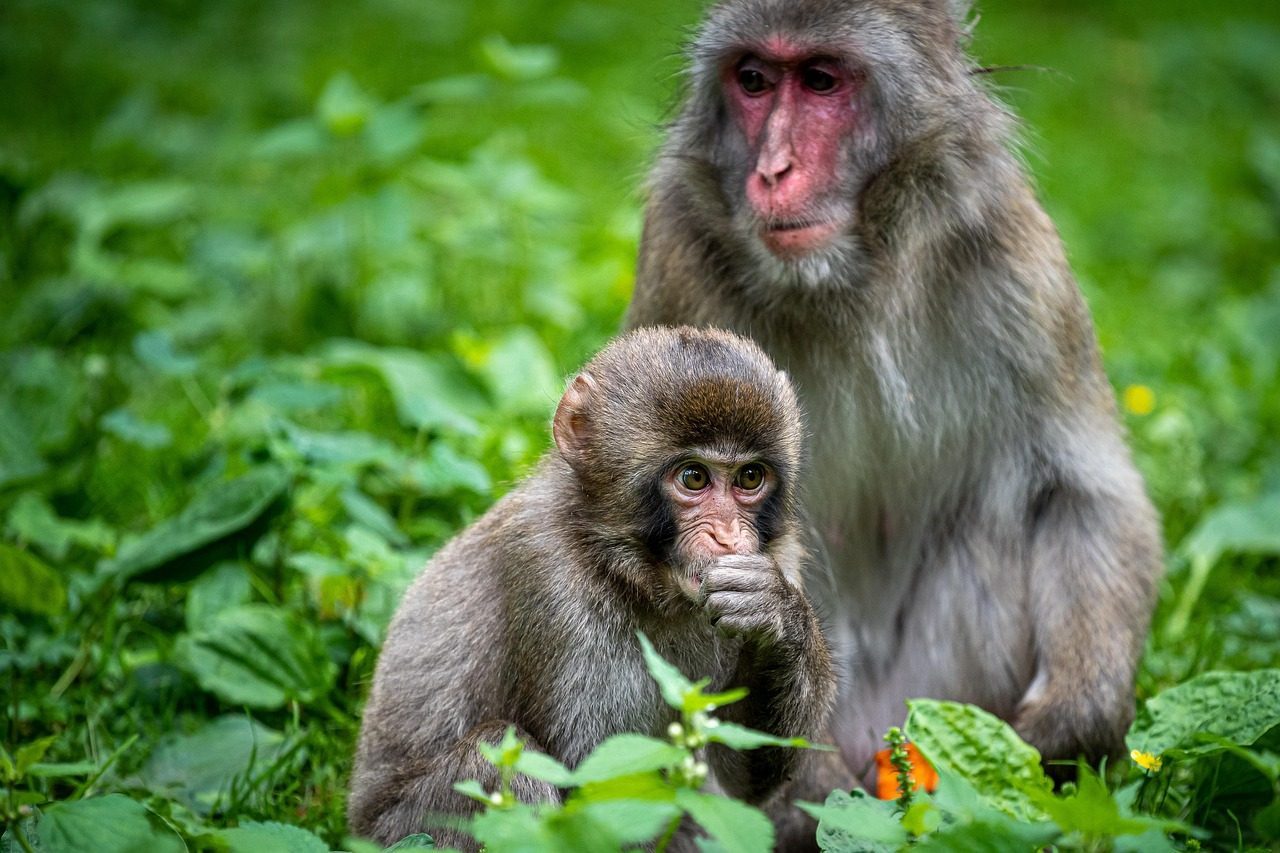
Analytical, detail-oriented, and hardworking Virgos find their primate counterpart in the methodical macaques, particularly the Japanese macaques known for their complex social behaviors and attention to detail. Both humans and Japanese macaques use natural hot springs. Research on these monkeys indicates that sitting in hot springs reduces stress and helps keep them warm, showing their practical problem-solving approach.
These intelligent primates spend considerable time grooming themselves and their family members, ensuring everyone looks their best. In primates it is commonly a major social activity that helps animals living in close proximity to bond and reinforce social structures, family links, and build companionships. It is used in conflict resolution in some species. This meticulous attention to cleanliness and order perfectly mirrors Virgo’s need for everything to be just right.
Macaques are also known for their systematic approach to foraging, carefully examining each potential food source before making a decision. Like Virgos, they don’t act impulsively but prefer to analyze situations thoroughly before committing to a course of action.
Libra: The Diplomatic Lemur
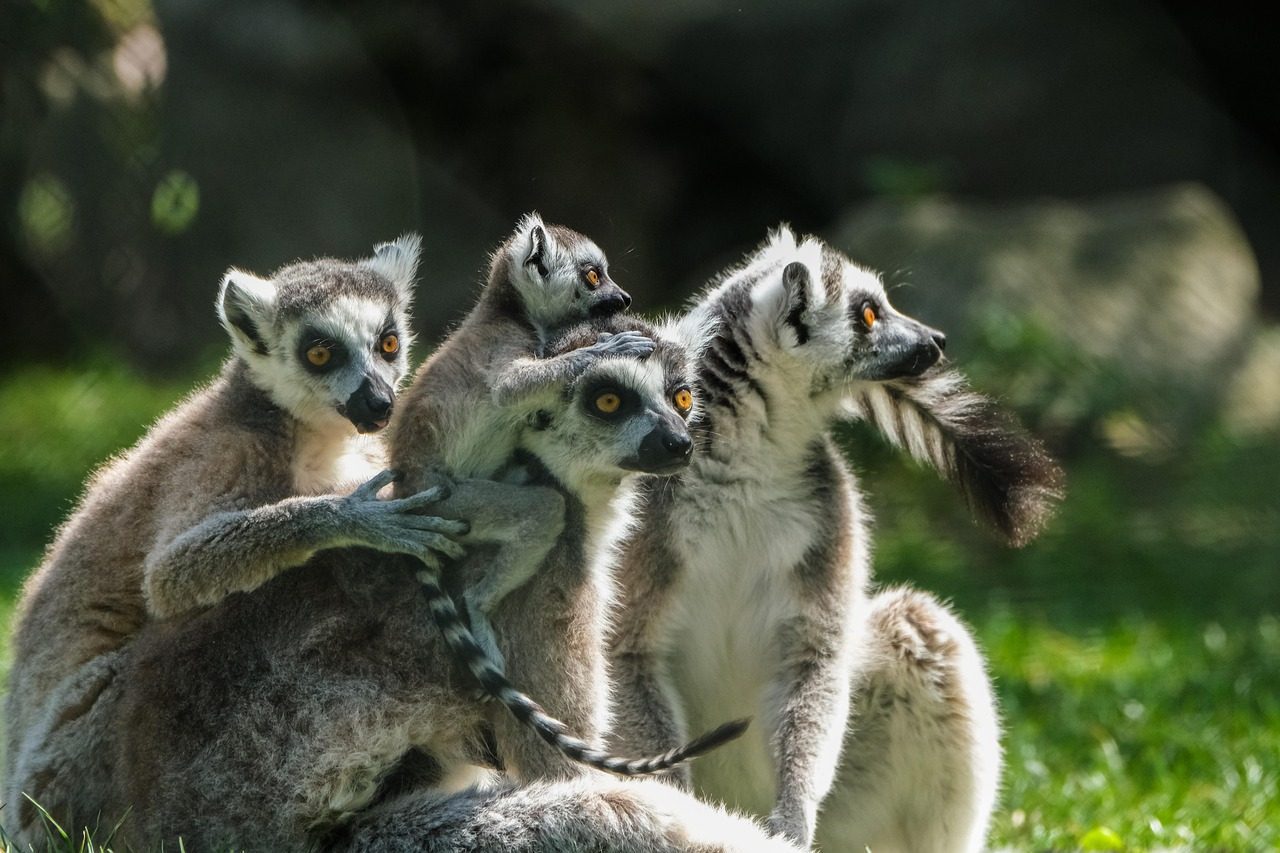
Diplomatic, social, and fair-minded Libras share remarkable similarities with ring-tailed lemurs, particularly in their approach to group harmony and social balance. Strepsirrhines are more commonly nocturnal and female-dominant, and lemur societies are indeed matriarchal, with females making most of the important group decisions through consensus rather than aggression.
Ring-tailed lemurs have complex social structures that require constant negotiation and compromise to maintain group cohesion. They use various vocalizations and scent-marking to communicate their intentions peacefully, much like how Libras prefer to resolve conflicts through discussion rather than confrontation.
These beautiful primates with their distinctive black and white striped tails literally embody the Libra symbol of balance and harmony. They spend considerable time maintaining relationships within their troop, ensuring that everyone feels included and valued, reflecting the Libra desire for fairness and social justice.
Scorpio: The Intense Baboon
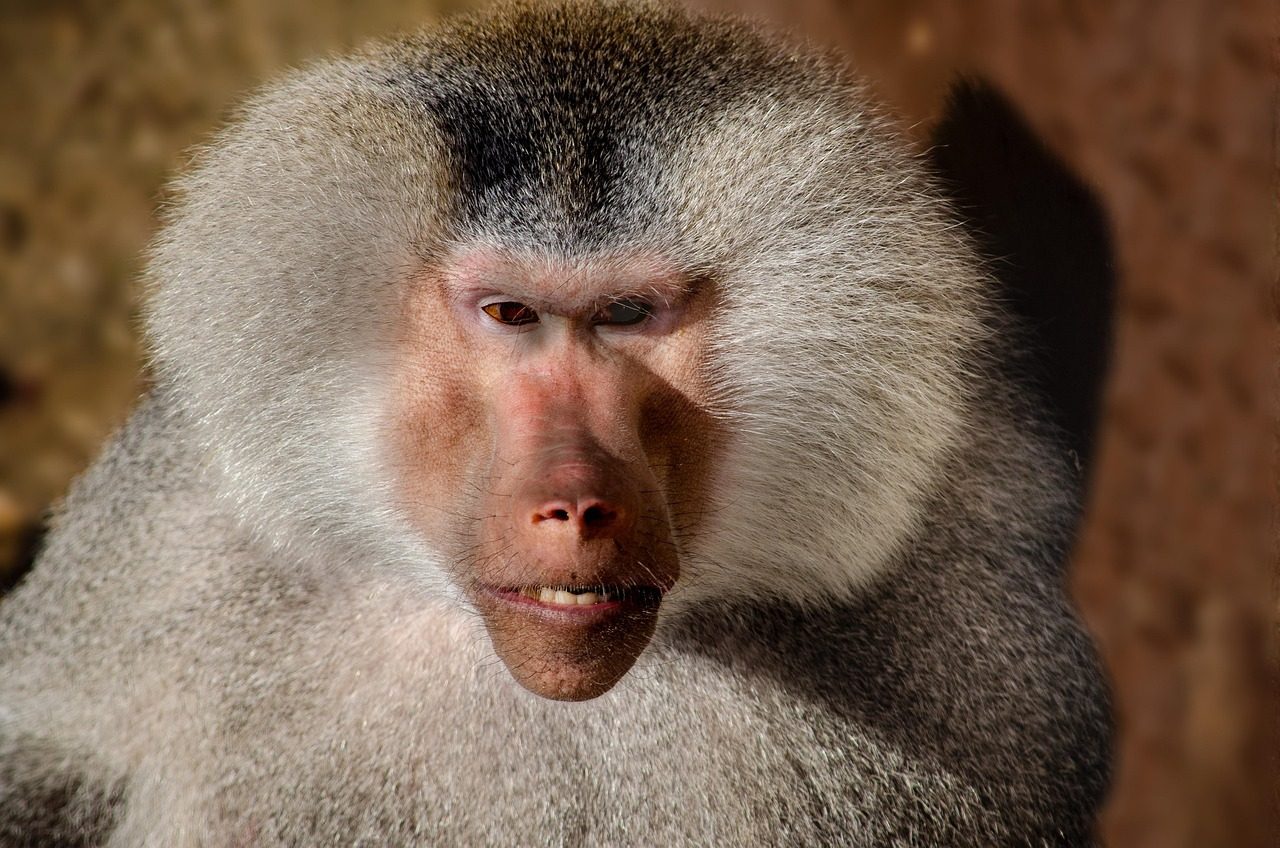
Passionate, mysterious, and determined Scorpios resonate strongly with the complex and intense baboons, particularly the formidable males who command respect through sheer presence. Primatologist Jane Goodall noted fission-fusion societies in chimpanzees. There is fission when the main group splits up to forage during the day, then fusion when the group returns at night to sleep as a group, and baboons follow similar patterns, constantly reading social dynamics and power structures.
Baboons are incredibly perceptive about social hierarchies and hidden tensions within their groups, much like how Scorpios seem to instinctively understand the undercurrents in any social situation. They can detect deception and insincerity from a distance, protecting themselves and their allies with strategic thinking.
These powerful primates form intense, lasting bonds with select individuals while maintaining a certain mysterious distance from others. Like Scorpios, they reveal their true nature only to those who prove themselves trustworthy, and their loyalty, once earned, is absolute and transformative.
Sagittarius: The Adventurous Spider Monkey
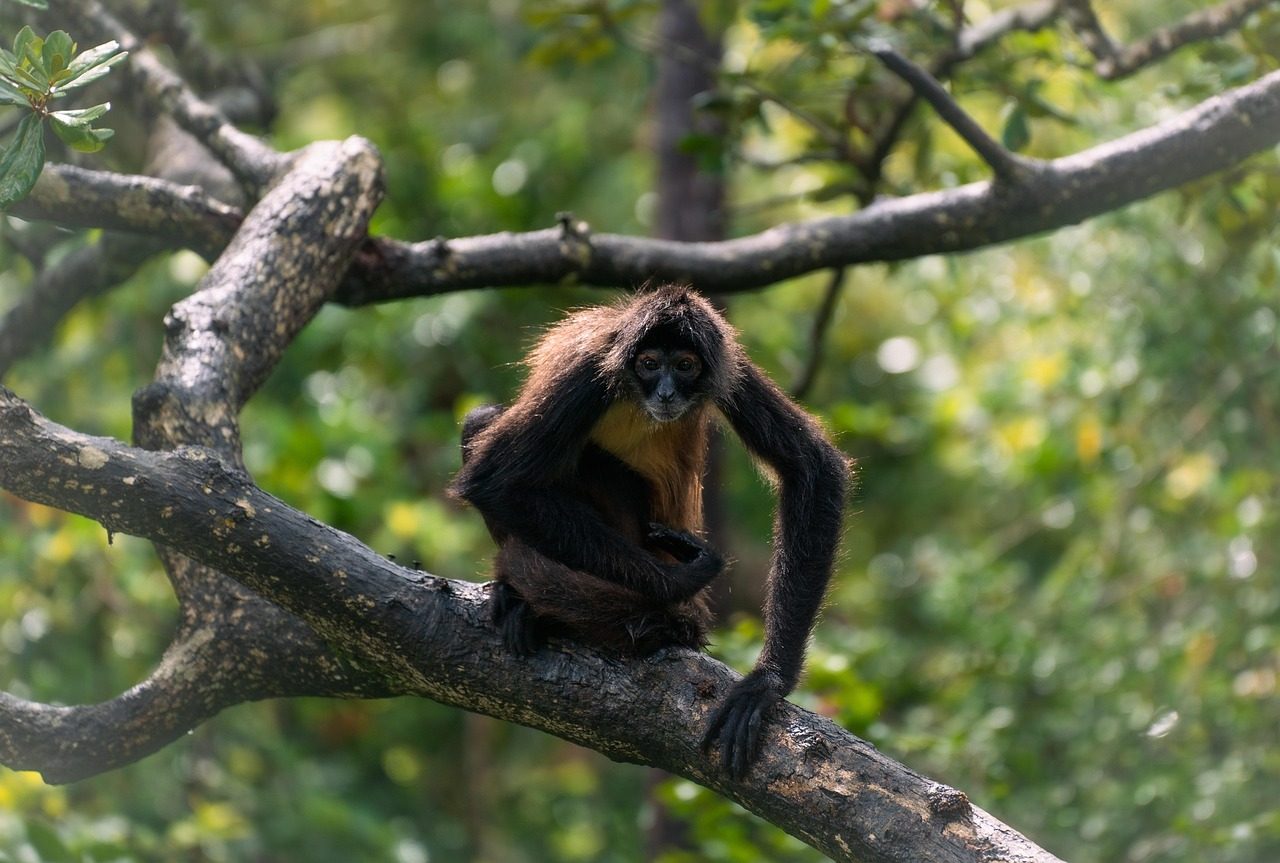
Adventurous, optimistic, and freedom-loving – no primate captures the Sagittarius spirit quite like the acrobatic spider monkey swinging effortlessly through the forest canopy. These long-limbed athletes of the primate world embody the archer’s love for movement, exploration, and pushing boundaries. This social structure can also be observed in the hamadryas baboon, spider monkeys and the bonobo, showing their flexible approach to social organization.
Spider monkeys are natural explorers, constantly searching for new food sources and territories with an enthusiasm that matches Sagittarius’s wanderlust. They move with incredible grace and confidence through their three-dimensional world, taking leaps of faith that would terrify more cautious primates.
Their social groups are fluid and dynamic, with individuals coming and going as they please – perfect for the Sagittarius need for freedom and independence. Like the centaur archer, they’re always aiming for the next adventure, whether it’s a new fruit tree to discover or an unexplored section of forest to investigate.
Capricorn: The Ambitious Mandrill
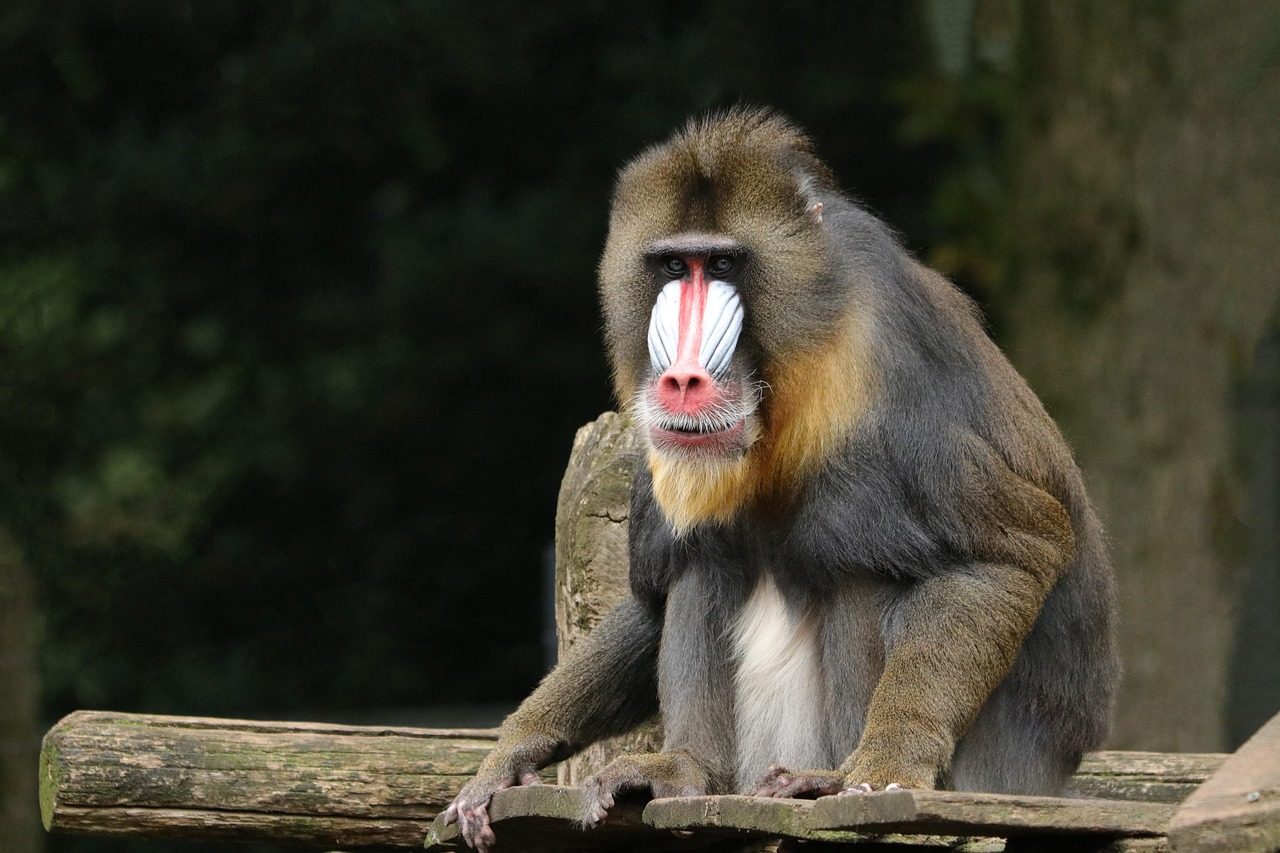
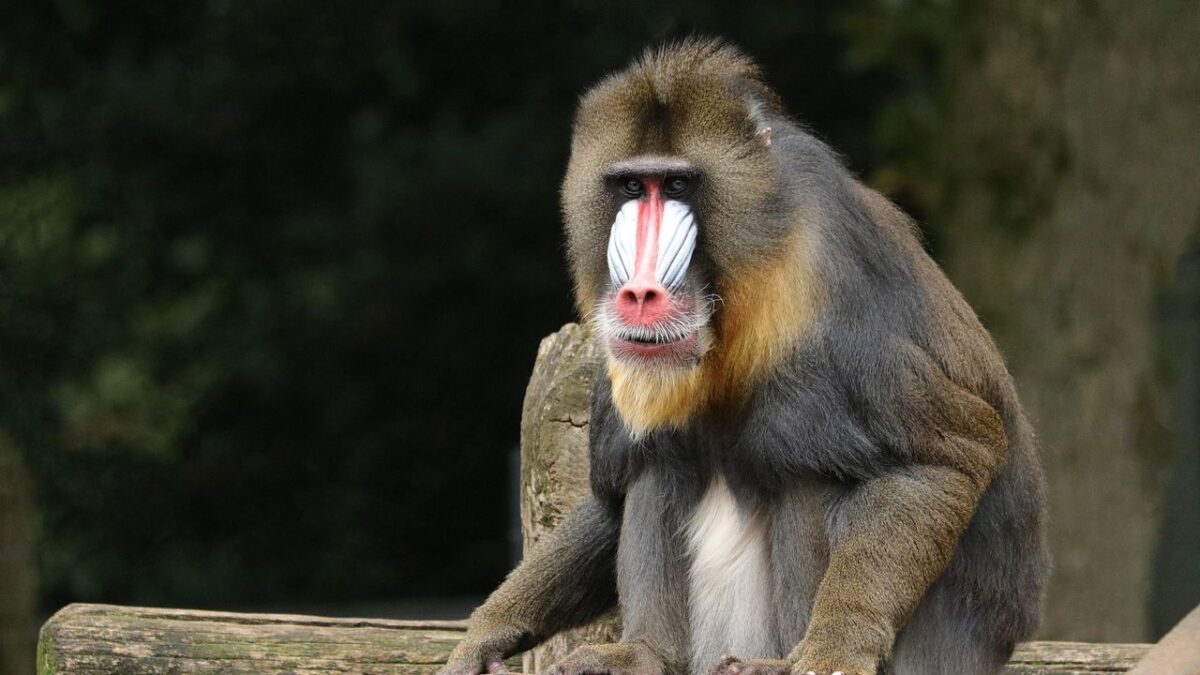
Capricorn is the mountain goat, sure-footed in its determined ascent to the summit. Your trajectory is upwards, striving towards accomplishment and a position of respect. The magnificent mandrill, with its distinctive colorful face that becomes more vibrant with higher social status, perfectly embodies the Capricorn drive for achievement and recognition.
Male mandrills literally wear their success on their faces – the more dominant they become, the brighter and more impressive their coloration grows. This visual representation of status mirrors how Capricorns often display their achievements through material success and social position.
Dominance traits are seen in virtually all primate species, and these dimensions reflect how adept an individual is at ascending within a social hierarchy. Mandrills climb their social hierarchies through a combination of patience, strategic thinking, and persistent effort – exactly the approach that makes Capricorns such successful achievers. They understand that true leadership comes from earning respect through consistent performance rather than flashy displays.
Aquarius: The Innovative Orangutan
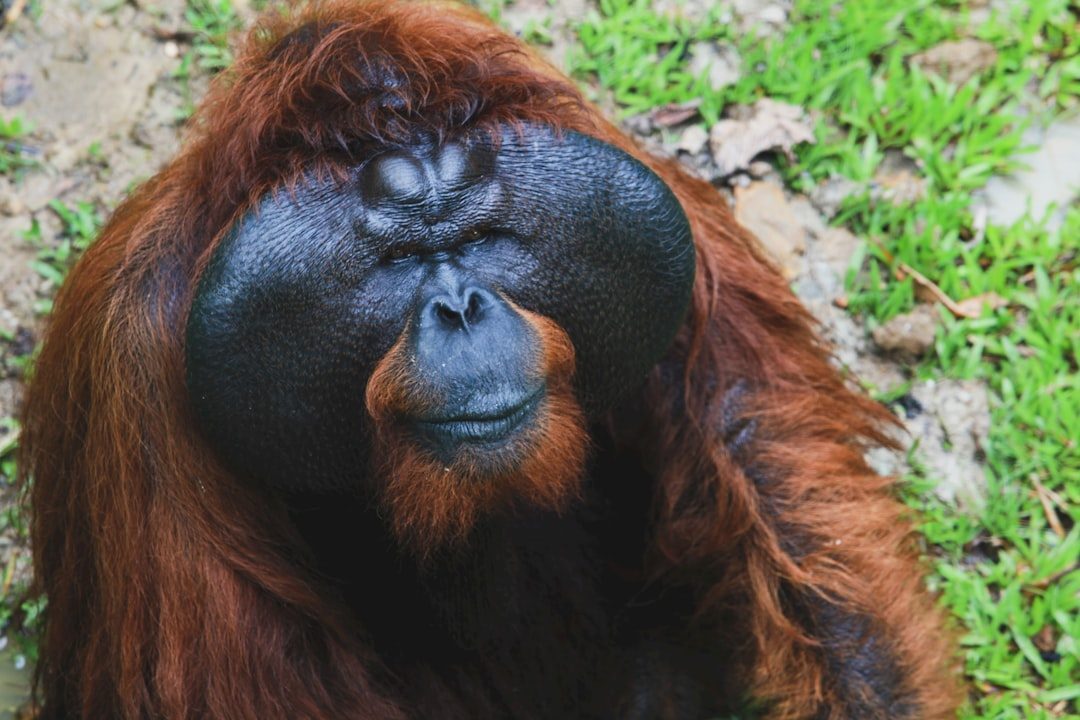
Aquarius is the sign of the water bearer, a curious image since Aquarius is an air sign. The water pouring so generously from the jar is a symbol of knowledge acquired, thoughtfully processed, and then poured forth in a never-ending stream for the benefit of others. The brilliant orangutan, with its remarkable tool use and problem-solving abilities, embodies this innovative spirit perfectly.
Orangutans are among the most intelligent primates, constantly inventing new ways to use tools and solve problems. They’ve been observed creating sophisticated leaf “gloves” to handle thorny fruits and fashioning complex nest-building techniques that vary by region – showing the same inventive thinking that characterizes Aquarius individuals.
Primates are also the most cognitively advanced animals, with humans capable of creating complex languages and sophisticated civilizations, while non-human primates have been recorded using tools. Like Aquarians, orangutans often work alone, preferring independence while still contributing valuable innovations that benefit others. Their unique approaches to common problems reflect the water-bearer’s gift for seeing solutions others miss.
Pisces: The Empathetic Gibbon
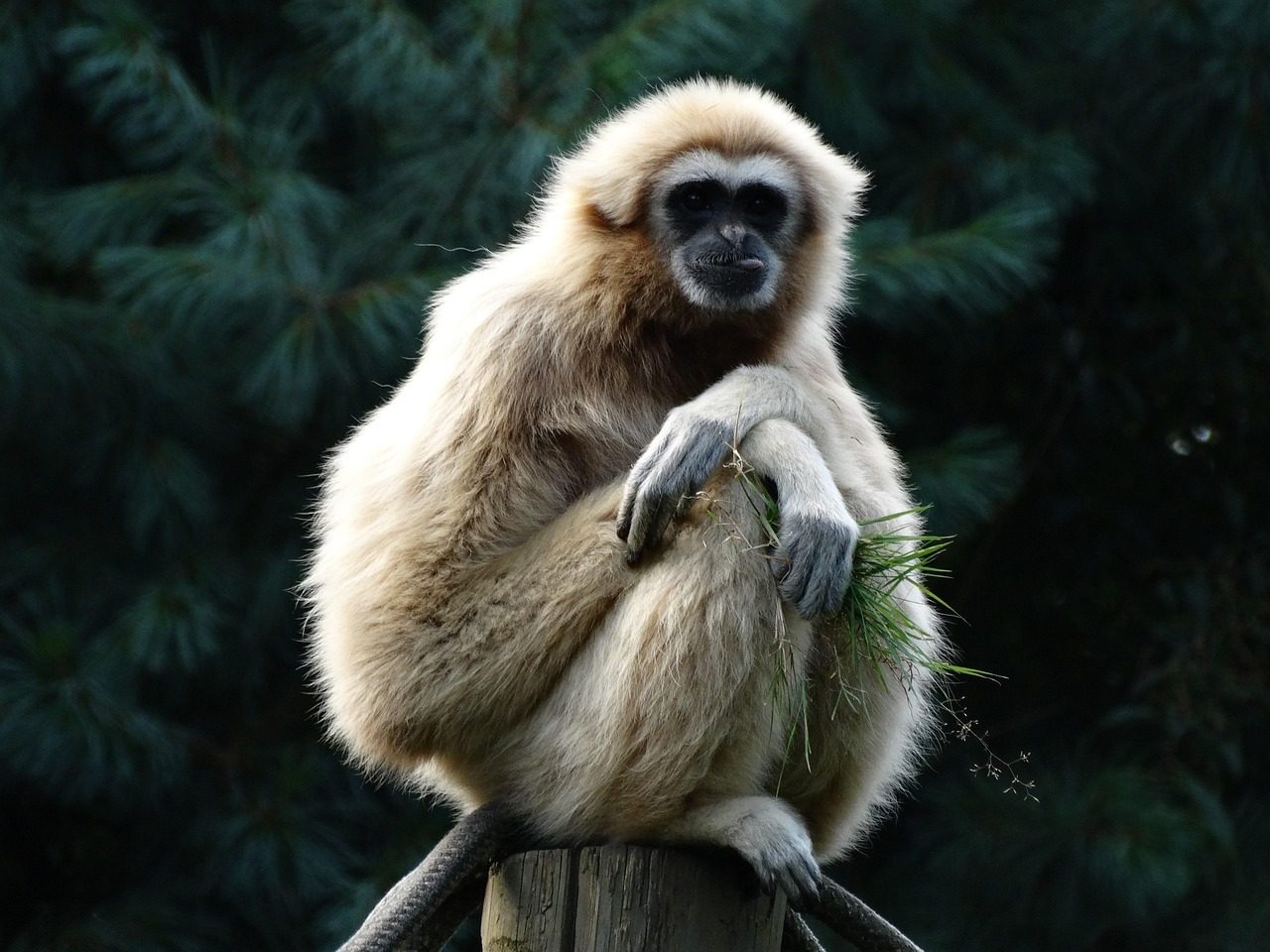
Pisces is the sign of the fishes, bound to each other by a cord. In the constellation, as in the astrological glyph, the fish are swimming in opposite directions, one upwards from the ecliptic and the other along it. In this image is the dilemma of Pisces: knowing that one must live in the world, but always longing to escape from it. The ethereal gibbon, with its hauntingly beautiful songs that echo through the forest, captures this otherworldly Pisces energy perfectly.
Gibbons are the most musical of all primates, creating complex duets with their mates that serve as both territorial markers and expressions of emotional bonding. They may communicate using facial and hand gestures, smells and vocalizations, and gibbons use their voices like poets use words, creating beauty that transcends mere survival needs.
These graceful primates move through the trees with an almost supernatural fluidity, seeming to float between branches rather than simply swing. Like Pisces individuals, they appear to exist partially in the physical world and partially in some more mystical realm, connected to rhythms and patterns that others barely notice.
Their strong pair bonds and gentle nature reflect the Pisces capacity for deep, unconditional love and emotional understanding. When gibbons sing together at dawn, it’s as if they’re channeling the universe’s deeper harmonies.
Conclusion
Looking at these remarkable parallels between zodiac signs and primate behaviors offers us a unique lens through which to understand both ourselves and our evolutionary cousins. Primates are among the most social of all animals, forming pairs or family groups, uni-male harems, and multi-male/multi-female groups, just as humans create complex social structures that reflect our astrological tendencies.
Whether you’re a bold Aries charging ahead like an alpha chimpanzee or a dreamy Pisces floating through life like a musical gibbon, these connections remind us that personality traits transcend species boundaries. We share many of our physical and genetic characteristics with primates, but we also recognize similarities in behavior, sociality, and survival strategies. These similarities and the variation within the primate order can shed light on how human physiology and behavior came to be.
The next time you observe your own behavior patterns or those of friends and family, remember that you’re witnessing millions of years of evolutionary development playing out in modern form. What primate do you see reflected in your zodiac mirror?
Worried about unexpected vet bills?
Pet insurance can cover thousands in unexpected vet costs. Get a free quote from Lemonade in under 2 minutes.
Get My Free Quote →Sponsored · Opens Lemonade.com
