
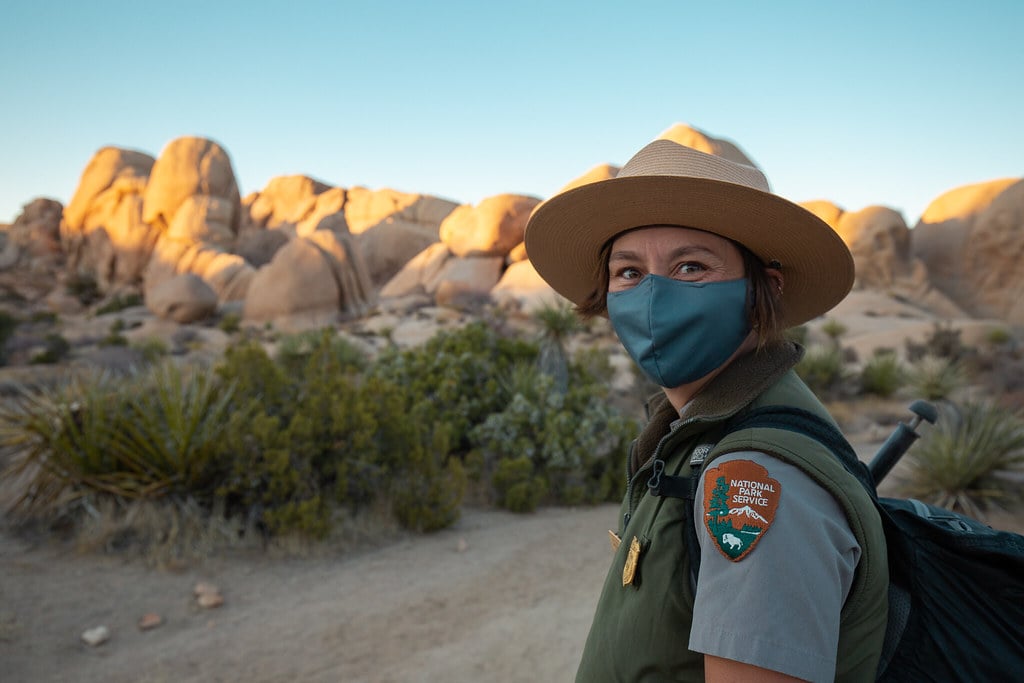
Everyone pictures the same national park: a packed overlook, a line of cars waiting for a parking spot, a ranger waving traffic through like a school crossing guard. That image is real – but it’s only half the system. In the parks almost nobody visits, the job looks so different that longtime rangers from busy units sometimes struggle to adjust when they transfer in.
Out there, the rulebook barely changes, but the mindset does. Rangers in these forgotten corners have quietly developed habits, instincts, and even philosophies that most visitors never notice – because there’s almost nobody around to notice them. Here are 18 of those quiet practices, and why they matter more than they look.
#1 – They Guard Silence Like It’s an Endangered Species
🔥 Would you like to save this?
We'll email this post to you, so you can come back to it later!
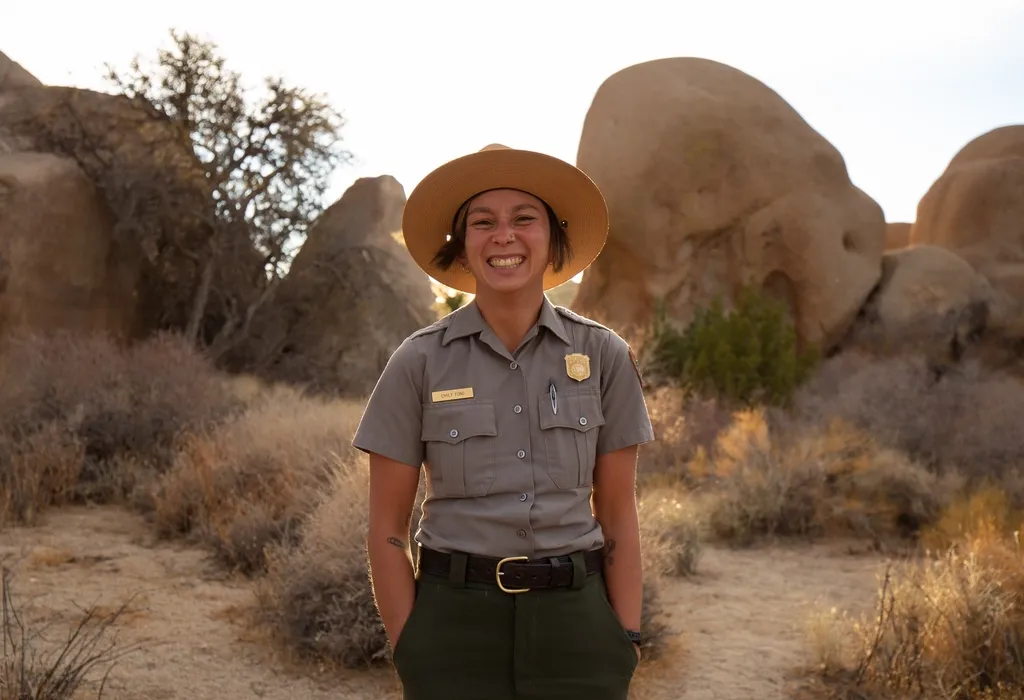
In popular parks, noise is just background static – car engines, shuttle buses, generators, the low hum of crowds. In remote units like Gates of the Arctic or Great Basin, rangers actually track sound levels the way a doctor tracks vitals. To them, quiet isn’t a nice bonus; it’s a measurable resource that changes wildlife behavior and defines the entire experience of the place.
That’s why they’ll push back on scenic flights, new roads, or even certain maintenance schedules. They route traffic away from quiet canyons, limit after-hours events, and time noisy work around the dawn and dusk hours when animals are most active. In these parks, the soundscape isn’t ambiance. It’s data.
#2 – They Plan Rescues as if No One Is Coming
🔥 Would you like to save this?
We'll email this post to you, so you can come back to it later!
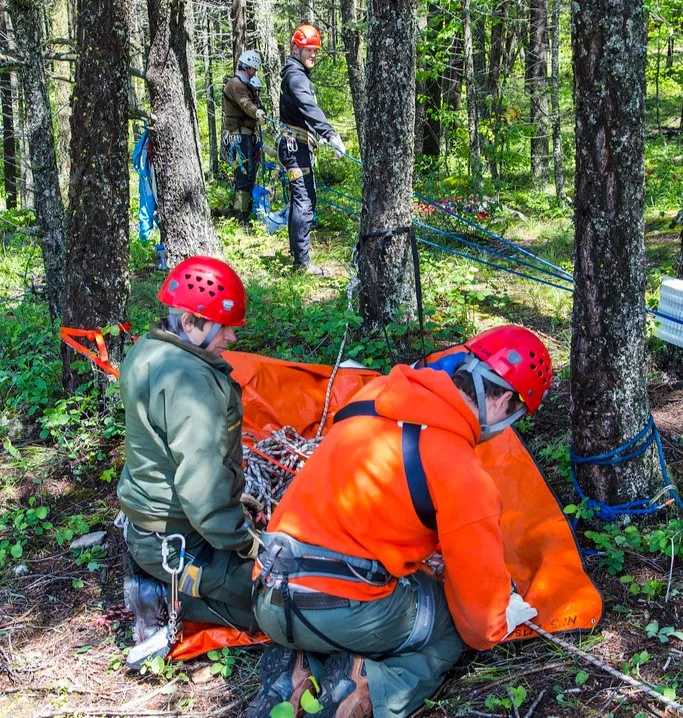
In crowded parks, search and rescue can look almost routine – radios buzzing, multiple teams, maybe a helicopter on standby. In America’s least visited parks, rangers plan as if they might be the only responder for hundreds of miles, and that changes everything from how they pack their day bags to how they talk to visitors at the trailhead.
Many carry backcountry medical kits closer to what a wilderness EMT would carry than what you’d expect from a typical park employee. Because evacuation can take hours or days, they’ll quietly log your vehicle, your license plate, and your expected return time – not out of nosiness, but because that scribbled note might be the only rescue lead anyone ever gets.
Fast Facts
- Many remote park units have no full-time search-and-rescue team stationed on-site
- Cell service often disappears within minutes of leaving the trailhead
- Trailhead registers can become the only clue if a hiker doesn’t return
- Some rangers carry wilderness-level medical kits instead of standard first-aid gear
#3 – They Use Discomfort as a Conservation Tool
🔥 Would you like to save this?
We'll email this post to you, so you can come back to it later!
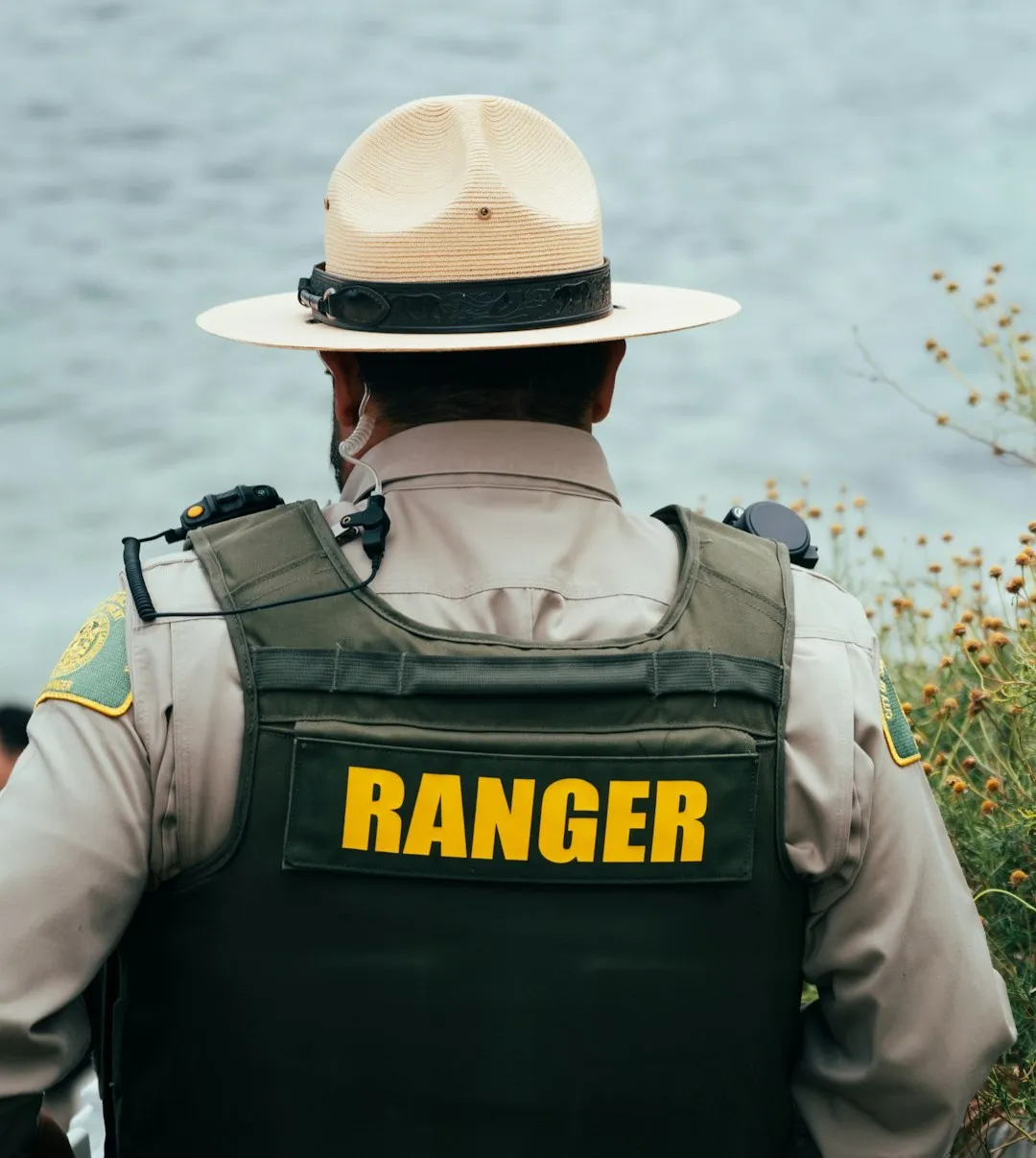
Most people assume every ranger wants smoother roads, easier access, and bigger crowds. In low-visitation parks, you’ll often find the opposite: rangers deliberately leave things a little bit hard. Rough roads, long approaches, no glossy signage at every junction – these aren’t oversights. They’re filters.
A trail fifteen miles from the nearest gas station will never draw busloads of tourists, and rangers quietly count on that. They choose primitive campsites over paved lots, backcountry permits over drive-up access, and seasonal closures over widened trails. Less convenience means less erosion, less trash, and wildlife that still behaves like wildlife instead of a zoo exhibit.
#4 – They Accept That Doing Nothing Is Sometimes the Whole Job
🔥 Would you like to save this?
We'll email this post to you, so you can come back to it later!
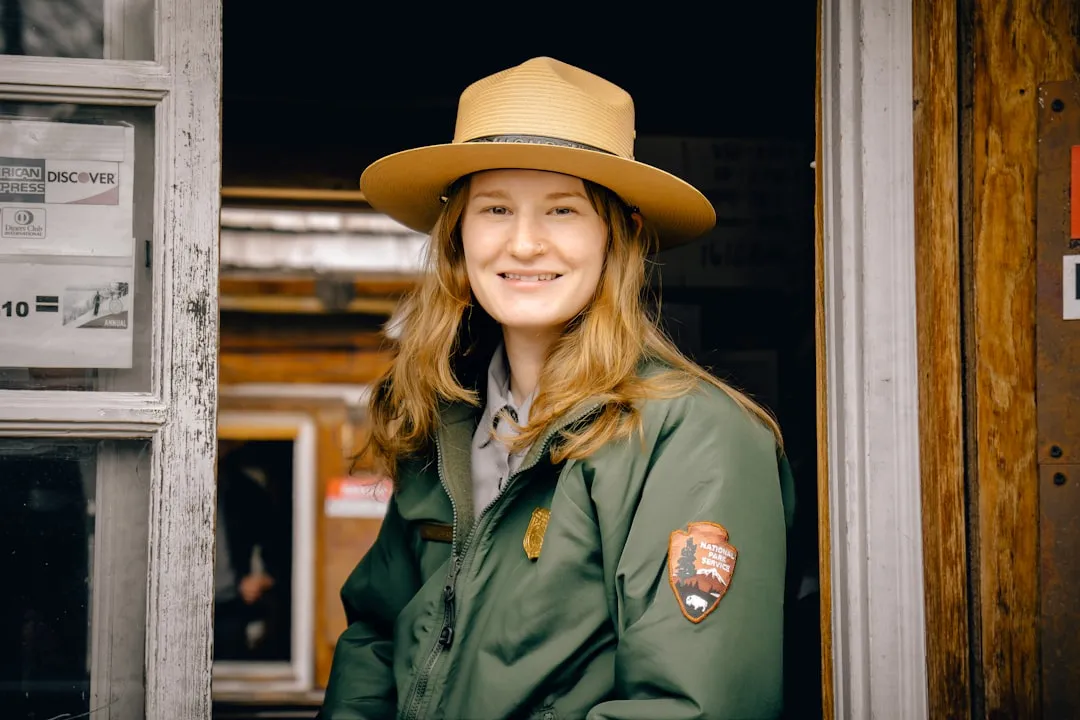
In busy parks, rangers are constantly pushed to add something – new programs, new amenities, new infrastructure. In the least visited parks, some of the most important decisions are the ones where they choose to leave everything exactly as it is. In a country obsessed with upgrades, that’s a strange thing to be proud of.
They may argue against rebuilding a washed-out road that only served convenience, or against adding cell coverage to a valley where the silence is the whole point. Every overlook, every shuttle, every “small” addition chips away at solitude. What looks like neglect to an outsider is often restraint – arguably the hardest skill in the entire job.
#5 – They Read Tracks and Scat the Way Analysts Read Spreadsheets
🔥 Would you like to save this?
We'll email this post to you, so you can come back to it later!
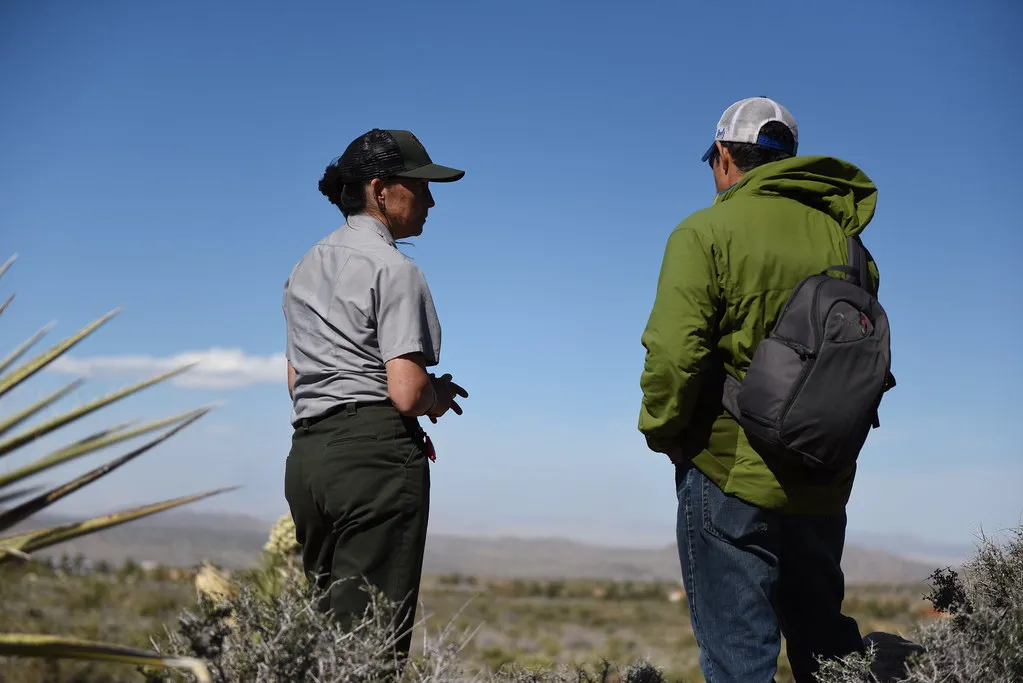
In a park with millions of visitors, rangers lean on cameras, sensors, and survey data. In low-use parks, the tech is sparse and the sample sizes are tiny, so rangers fall back on something older: fieldcraft. A single set of bear prints, a clutch of feathers, or a faint boot path where no trail should exist can reshape how they patrol for weeks.
This observation is surprisingly systematic. They’ll mentally log species, direction of travel, and how fresh the sign is, along with human traces that hint at shortcutting or illegal camping. A ranger who spots a new social trail in its first week can prevent a full-blown erosion scar a year later – no dashboard required.
#6 – They Train Visitors for Self-Reliance, Not Service
🔥 Would you like to save this?
We'll email this post to you, so you can come back to it later!
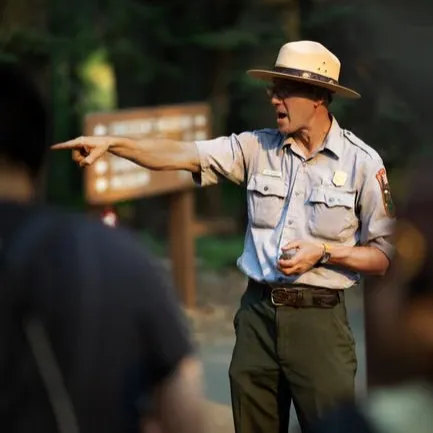
In big parks, visitors are subtly trained to expect help at every turn – shuttle buses, staffed visitor centers, signage on every corner. In the least visited parks, rangers do almost the opposite. They teach you to stop expecting the park to bail you out.
Instead of “Have fun,” you’re more likely to hear, “What’s your turnaround time? Who knows where you’re going?” Trailhead signs are quietly blunt about hypothermia risk and realistic rescue times. Some travelers call it fear-mongering. Rangers call it honesty – the kind that gets people to carry extra layers and real maps instead of relying on a signal that will never come.
#7 – They Use Fire as a Tool, Not Just a Threat
🔥 Would you like to save this?
We'll email this post to you, so you can come back to it later!
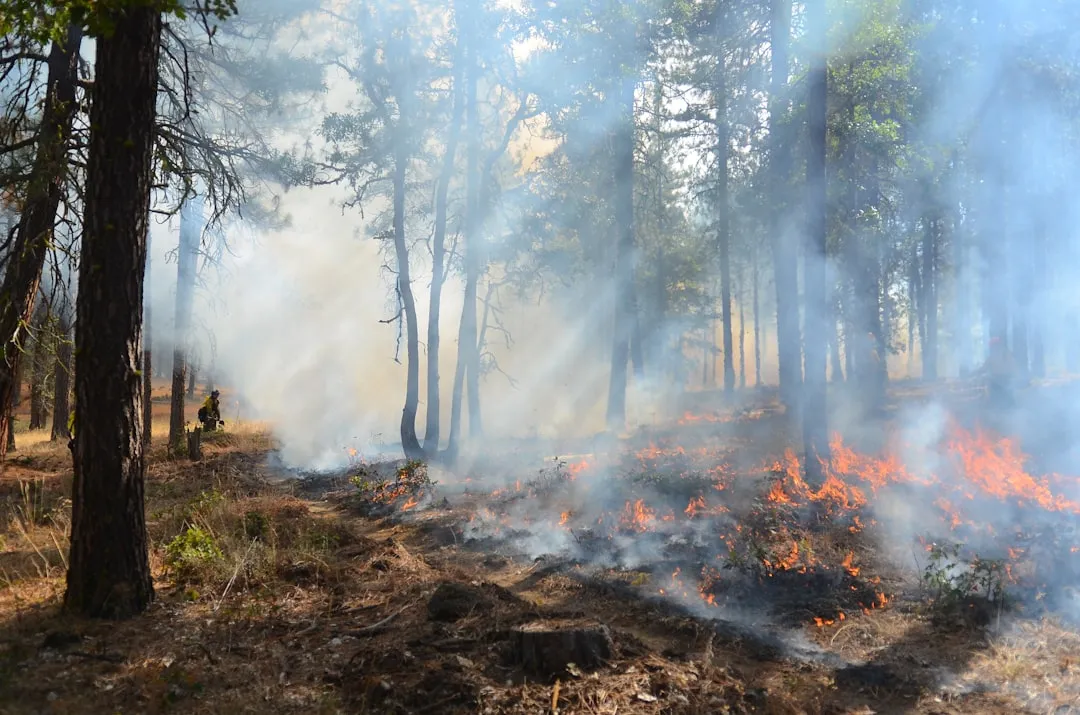
In America’s quieter parks, fire isn’t only something rangers fight – it’s something they sometimes deliberately allow. While crowded parks face enormous pressure to extinguish every wisp of smoke, remote units can still run carefully managed “let burn” or prescribed fire programs that mimic natural cycles.
That freedom exists because there are fewer structures to protect and fewer angry social posts about hazy views. Fire managers weigh fuel loads, weather, and historical burn patterns, and sometimes let a remote lightning strike simply run its course. It’s controversial, but the payoff is real: a landscape that never burns is often a landscape that’s quietly dying.
Quick Compare
- Crowded parks: Fast suppression, minimal smoke tolerance, structures to protect
- Remote parks: Managed “let burn” policies that treat fire as a natural cycle
- Crowded parks: Public pressure often drives rapid, cautious action
- Remote parks: Fewer structures and fewer complaints allow more ecological flexibility
#8 – They Obsess Over Species You’ll Never See on a Postcard

🔥 Would you like to save this?
We'll email this post to you, so you can come back to it later!
In marquee parks, attention gravitates toward bears, wolves, bison, and elk. In low-visitation parks, rangers spend a surprising amount of time protecting deeply unglamorous species – rare desert snails, fragile alpine plants, obscure bats, tiny fish in isolated pools. None of them will ever land on a brochure, but losing them can unravel an entire ecosystem.
Because visitor numbers are low, small disturbances hit harder. A handful of people wading into a spring for photos can crush a population found nowhere else on Earth. That’s why you’ll see fences around puddle-sized pools and “Stay Out” signs that seem harsh – until you learn what’s actually living in there.
#9 – They Let Darkness Win

🔥 Would you like to save this?
We'll email this post to you, so you can come back to it later!
Light pollution barely gets a mention in most travel brochures, but in America’s least visited parks, rangers treat dark skies like a crown jewel. A single unshielded security light at a maintenance shed can wreck an entire valley’s night sky, so they fight for full cut-off fixtures, motion sensors, and warm-spectrum bulbs wherever possible.
That’s not just about stargazing. Excessive artificial light disrupts migrating birds, insects, bats, and even plant cycles. Rangers schedule dark-sky programs not as a fun extra, but as direct advocacy for something they know is disappearing almost everywhere else.
Wilderness is not a luxury but a necessity of the human spirit.
Edward Abbey
#10 – They Trust Their Gut More Than a Dashboard
🔥 Would you like to save this?
We'll email this post to you, so you can come back to it later!
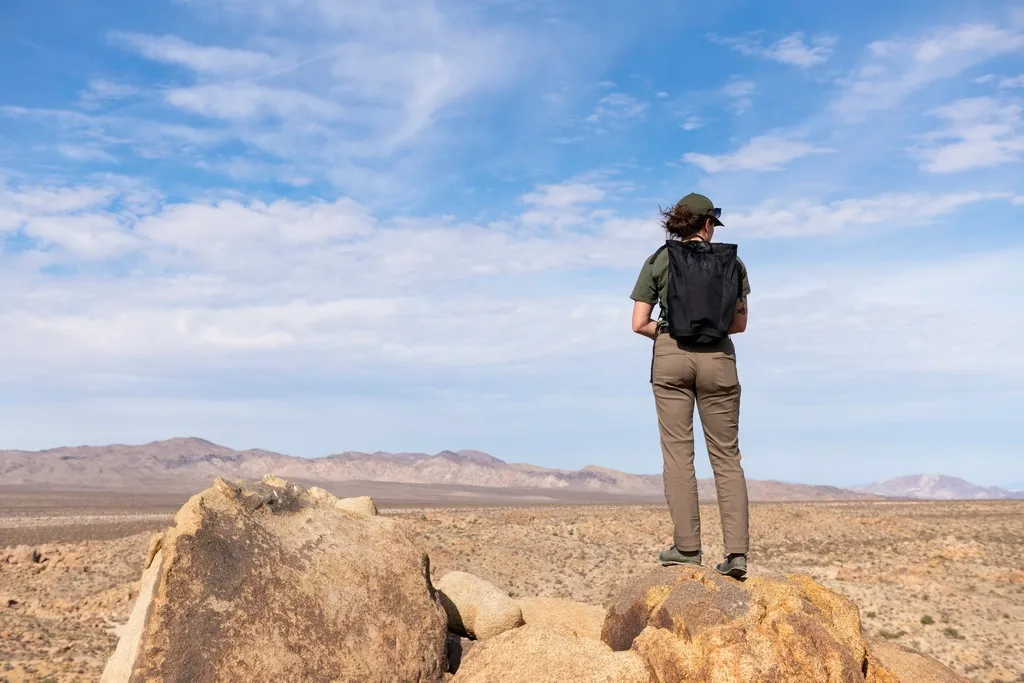
Even the quietest parks now run sensors, remote cameras, and GIS mapping. But the rangers who actually live there will admit that their own long-term memory often drives the big calls. They notice a creek running lower every June, or storms arriving a week earlier than a decade ago, long before any formal report catches up.
In small, remote units, the same ranger might be part law enforcement, part biologist, part maintenance tech – a cross-training that builds an unusually holistic view. When a backcountry site starts showing more trampled vegetation, they won’t wait for a study. They’ll move the tent pads themselves, based on decades of on-the-ground memory no spreadsheet fully captures.
#11 – They Build Relationships Instead of Just Issuing Rules
🔥 Would you like to save this?
We'll email this post to you, so you can come back to it later!
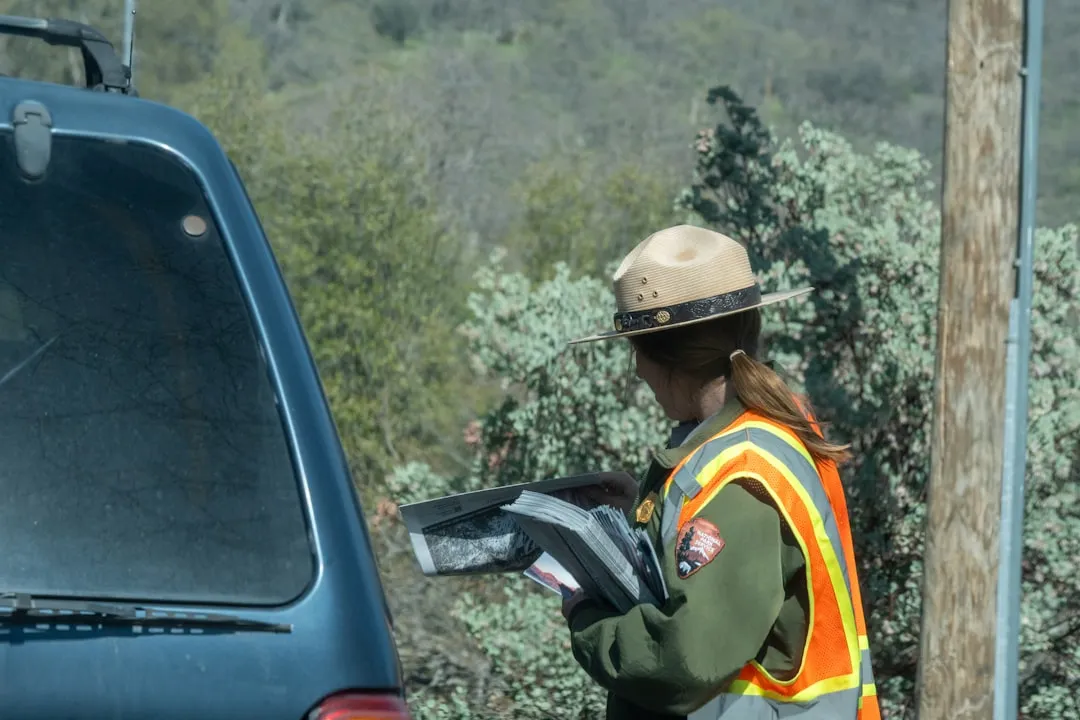
In high-traffic parks, rangers can feel like traffic cops – wave people through, enforce the obvious, move on. In the least visited parks, they often know repeat visitors, local outfitters, and nearby residents by name, and management leans heavily on trust instead of paperwork.
That might mean coordinating seasonal routes with a hunting guide, or working with a tiny gateway town on where to put an ATV trail so it doesn’t funnel illegal use into the park. Local pilots, river guides, and birders become informal allies. Without that trust, rangers argue, the rulebook is just paper across thousands of remote acres.
#12 – They Deliberately Keep Some Places Off the Map
🔥 Would you like to save this?
We'll email this post to you, so you can come back to it later!
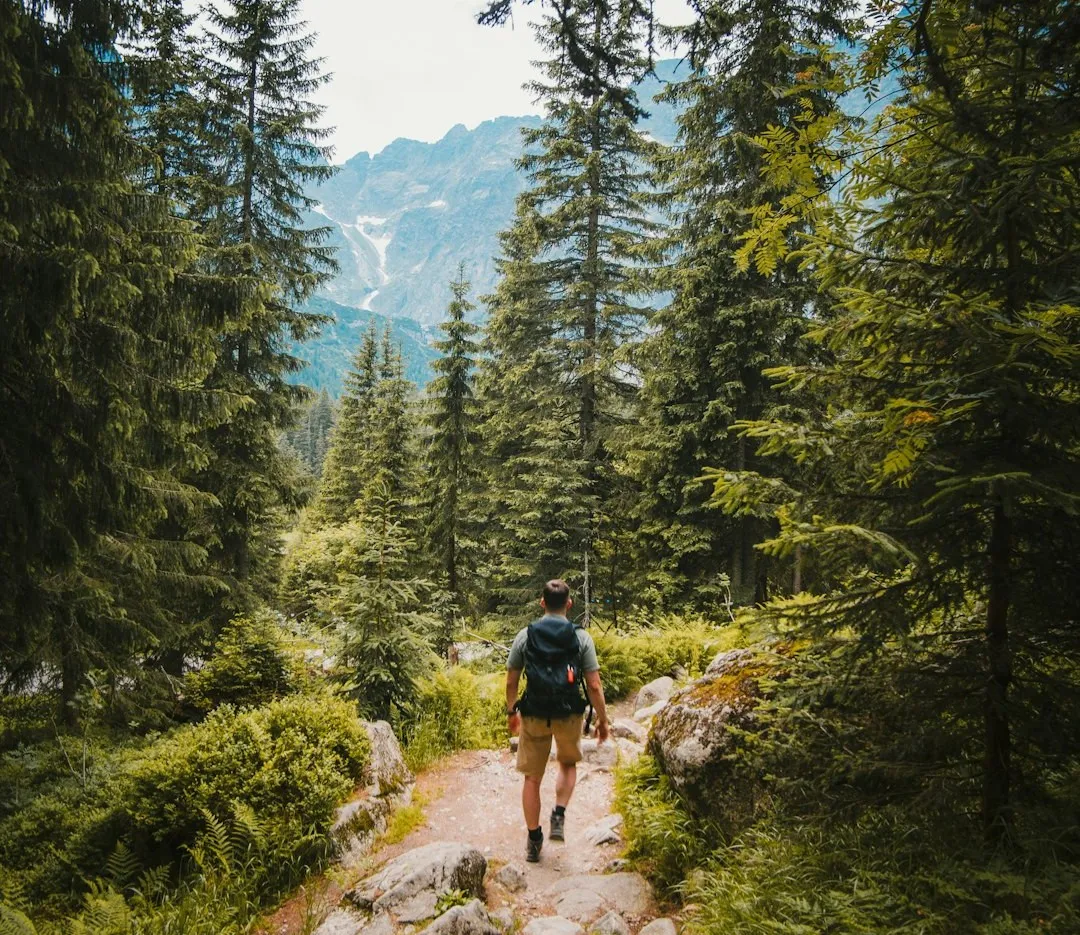
Most visitors assume that if a trail isn’t on the official map, it doesn’t exist. Rangers in low-visitation parks know that some of the best places are deliberately unpublicized – not out of elitism, but triage. Official brochures highlight the resilient areas; the fragile ones stay quiet on purpose.
If you ask a backcountry office where the “secret view” is and get a hesitant pause, that pause is protection, not stinginess. They’ve watched one viral post turn a silent canyon into a maze of social trails and trash almost overnight. Some travelers find that frustrating, but it’s one of the few levers rangers still control in the algorithm era.
Worth Knowing
- Unpublicized trails usually aren’t secrets kept for fun – they’re a protection strategy
- A single viral post can turn a quiet canyon into a heavily trafficked trail almost overnight
- Brochures often steer visitors toward resilient landscapes on purpose
- Asking directly about a “secret spot” may get you a deliberate non-answer
#13 – They Guard Cultural Sites as Fiercely as Scenic Ones
🔥 Would you like to save this?
We'll email this post to you, so you can come back to it later!
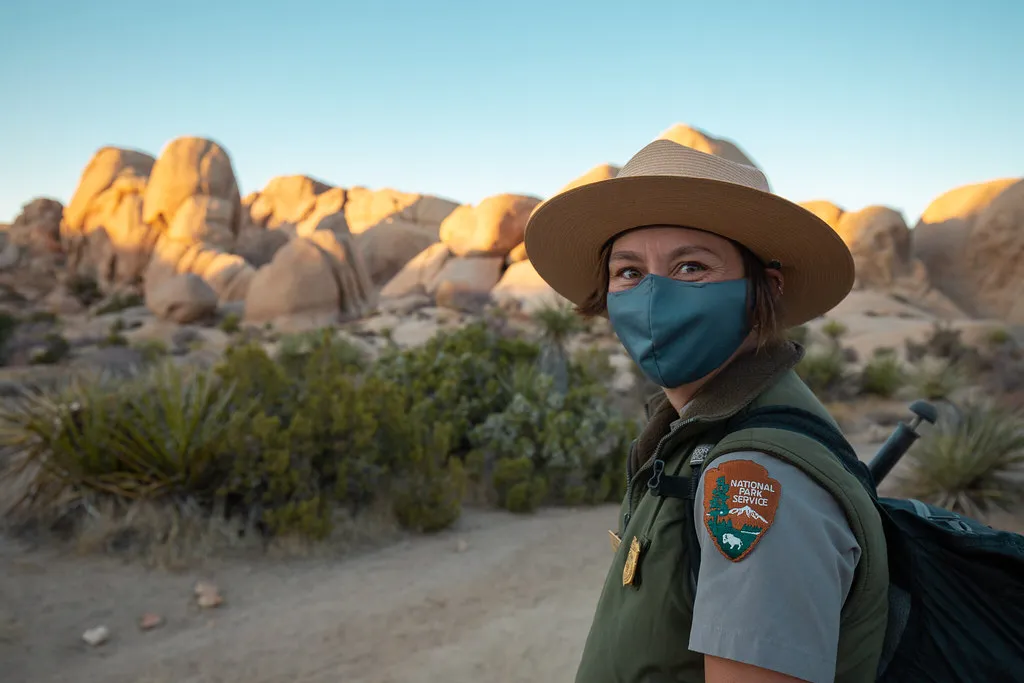
In glamorous parks, the calendar fills with sunrise tours and wildlife safaris. In the least visited units – especially across Alaska, the Southwest, and parts of the Southeast – rangers put equal energy into protecting cultural and Indigenous heritage sites that can look unremarkable to an untrained eye.
A low stone wall or a faint rock art panel can carry thousands of years of story, and one person pocketing pottery sherds can do damage no budget will ever fix. Rangers often speak in deliberately vague terms about “sensitive cultural sites,” working with tribal partners to decide what gets interpreted and what stays essentially invisible to the public.
#14 – They Think in Decades, Not Visitor Seasons
🔥 Would you like to save this?
We'll email this post to you, so you can come back to it later!
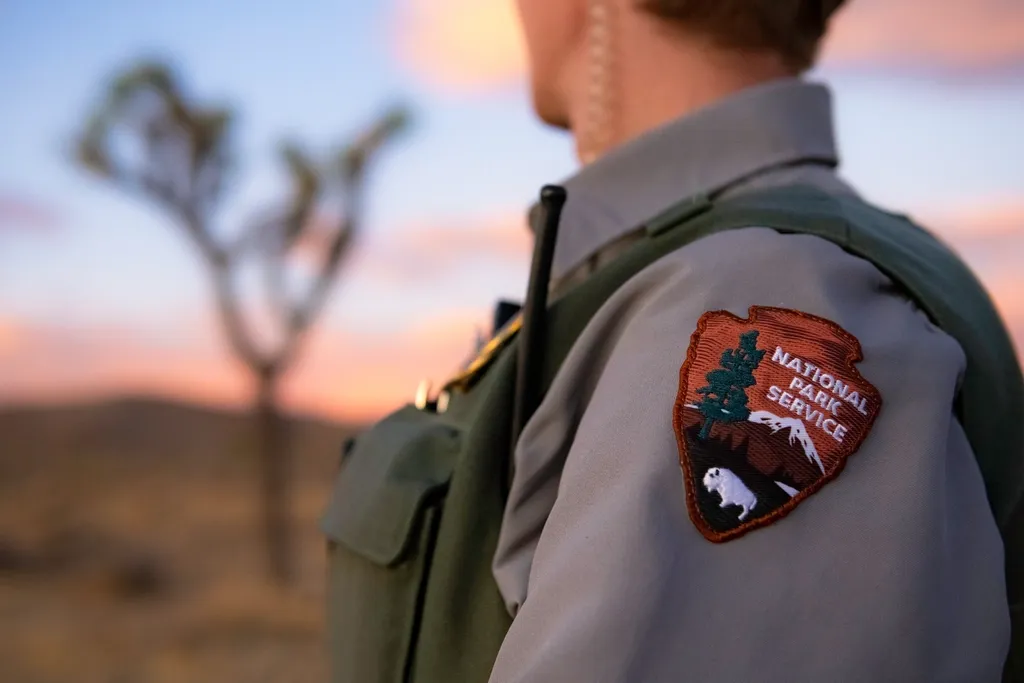
Popular parks chase yearly visitation numbers the way a business watches quarterly earnings. In America’s least visited parks, rangers think on ten-, twenty-, even fifty-year horizons, painfully aware that climate shifts and invasive species will reshape these landscapes regardless of this summer’s camping reservations.
That long view changes decisions on the ground. They might restore a high-elevation wetland today not because it photographs well, but because migratory birds will need it in 2040. They can point to the exact rock where a glacier used to reach, or the creek that once ran year-round – not as abstraction, but as memory.
#15 – They Believe Some Places Aren’t Meant for Everyone
🔥 Would you like to save this?
We'll email this post to you, so you can come back to it later!
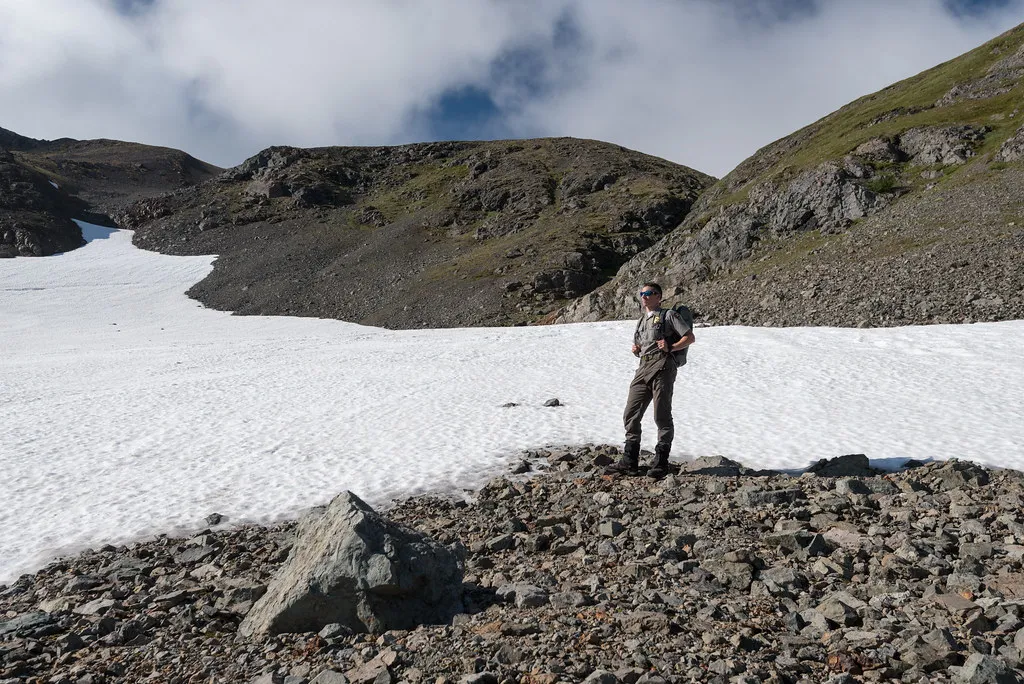
This is the opinion that sparks the most arguments. Many rangers in low-visitation parks quietly believe that not every landscape should be universally accessible – not by excluding people, but by accepting exclusion by difficulty. Steep, route-finding terrain far from help simply can’t be made “easy for all” without erasing what it is.
So they push hard to improve accessibility where it makes sense – visitor centers, key viewpoints, front-country trails – while defending the right of some backcountry zones to stay brutally hard. Critics call it gatekeeping. Insiders counter that a world where everything is easy is a world with no true wilderness left.
#16 – They Treat Boredom as a Feature, Not a Bug
🔥 Would you like to save this?
We'll email this post to you, so you can come back to it later!
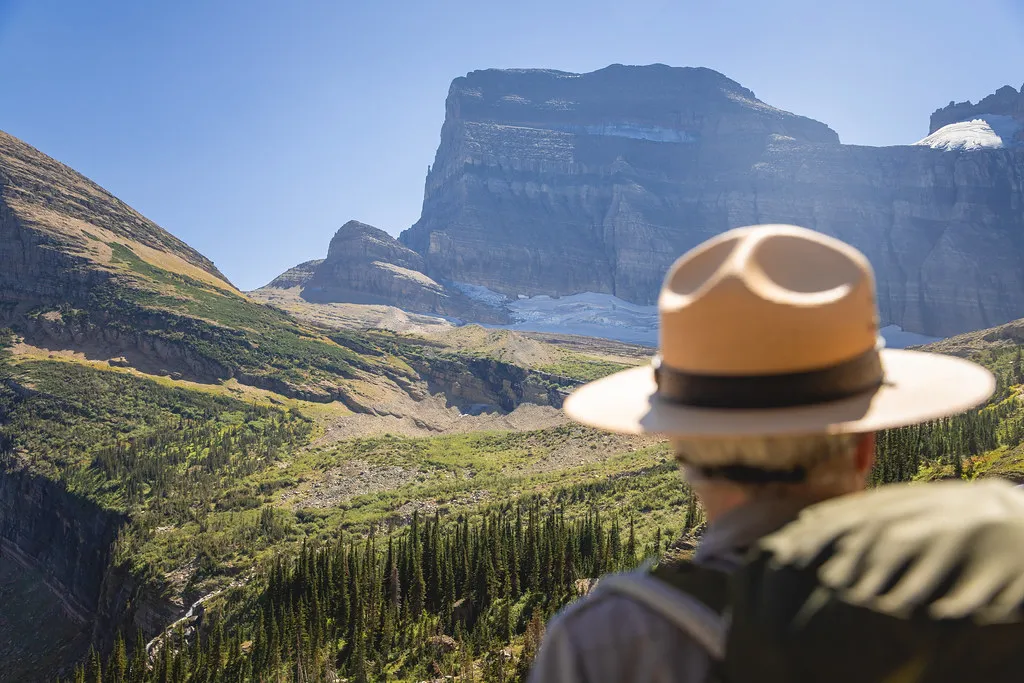
In busy parks, programming never stops – junior ranger activities, guided hikes every hour, evening shows. In the quietest parks, long stretches of nothing happening are by design, and rangers will tell you bluntly: if you’re bored, the park is probably working exactly as intended.
They resist the pressure to schedule every minute, offering one evening talk or a single slow all-day hike instead. Some travelers complain online that “there was nothing to do.” Rangers read those reviews and quietly smile, because that empty space is exactly what let a visitor finally notice the insect songs and the color shifting at dusk.
At a Glance
- Programming in quiet parks is intentionally minimal – sometimes just one evening talk a week
- Empty schedules are designed to slow visitors down, not to neglect them
- Reviews complaining about “nothing to do” are often read by rangers as a sign of success
- Stillness and silence are treated as part of the experience, not a gap in it
#17 – They Prepare for Climate Extremes Long Before Visitors Notice
🔥 Would you like to save this?
We'll email this post to you, so you can come back to it later!
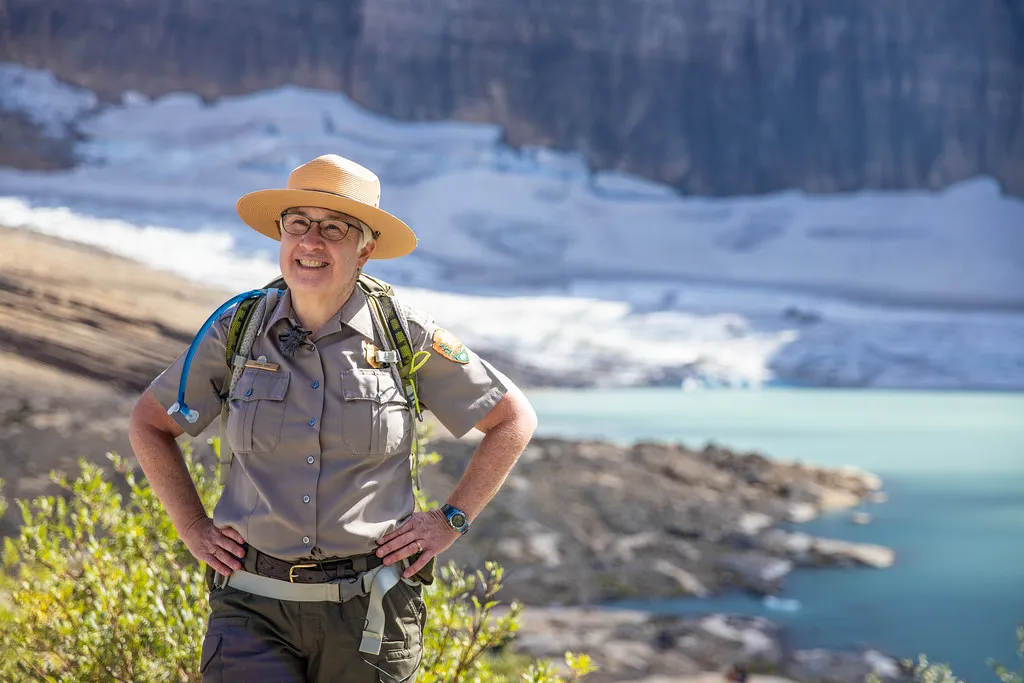
In low-visitation parks, rangers feel climate change first as a logistics problem, not a headline. They’re the ones who notice the snowpack melting weeks earlier or a once-reliable spring running dry, years before it becomes a talking point anywhere else.
So they adapt quietly: trail crews reroute away from thawing permafrost, campsites shift off flood-prone benches, and briefings change from “cross by noon” to “you may not cross at all after 10 a.m. in July.” By the time casual visitors notice a shrinking glacier, rangers have often been living with the consequences for a decade.
#18 – They Choose These Parks on Purpose, Not by Accident
🔥 Would you like to save this?
We'll email this post to you, so you can come back to it later!
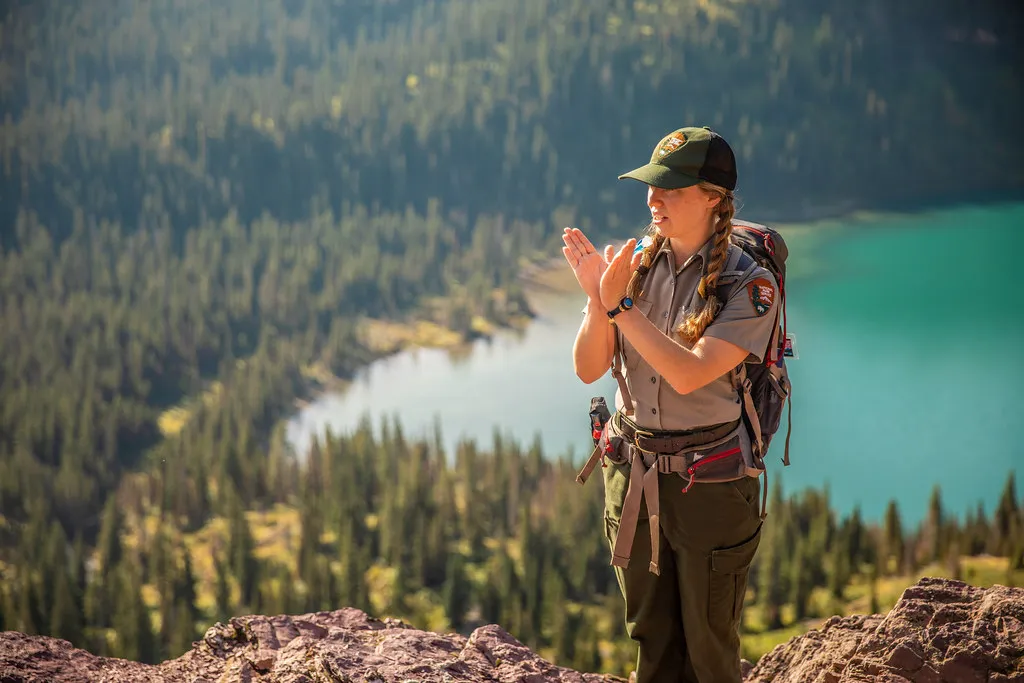
Here’s what most outsiders get wrong: they assume rangers in low-visitation parks are just waiting to “graduate” to the big names. In reality, plenty fight hard to land and stay in these remote, overlooked units – where the nearest grocery store might be hours away and social life can feel microscopic – precisely because the work feels more honest to why they became rangers.
They trade crowds for complexity: fewer visitors, but far more hats to wear in a single week. They’ll never trend on travel TikTok, and their parks rarely make a “Top 10 Bucket List.” If you’ve ever walked into an almost-empty visitor center and met a ranger who seemed oddly delighted you were there, you’ve seen exactly why they stayed.
The Bottom Line
🔥 Would you like to save this?
We'll email this post to you, so you can come back to it later!
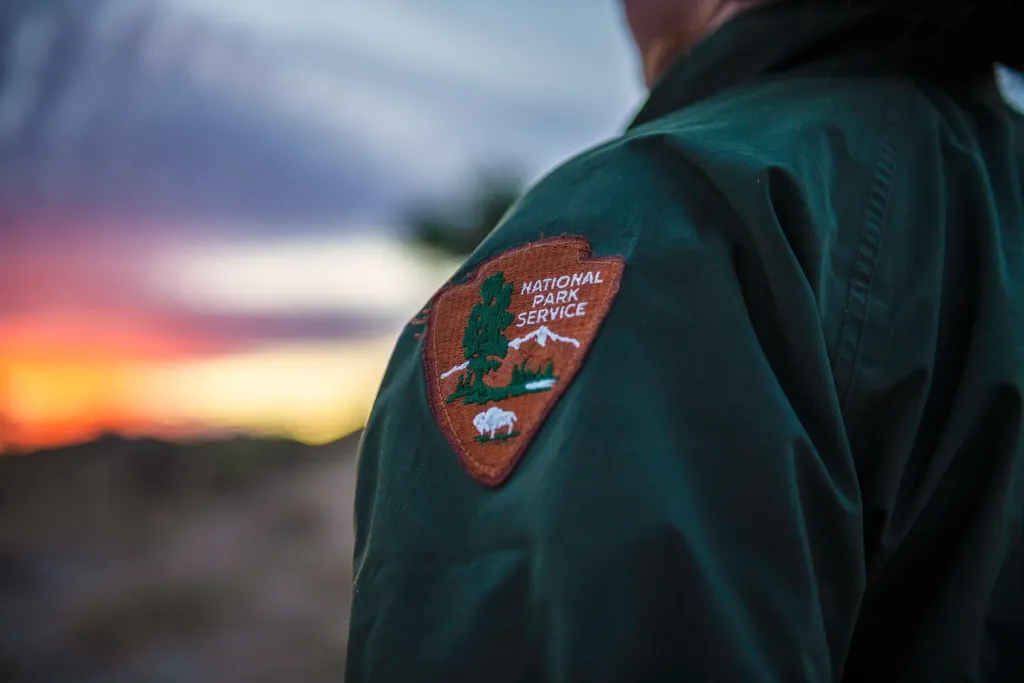
America’s least visited parks aren’t empty versions of the famous ones. They’re run on a different philosophy entirely – one that values silence, difficulty, restraint, and long timelines over convenience and instant gratification. Rangers there keep roads rough, places secret, and comforts absent on purpose, because that’s what it actually takes to keep real wildness on the map.
That will rub plenty of people the wrong way; we’re used to being accommodated, not challenged. But the same practices that annoy an impatient visitor today are the ones that might leave a genuinely dark sky, a truly silent valley, or an untamed trail still standing for your grandkids. So here’s the real question worth sitting with: should these parks stay hard and quiet, or get made easier for everyone – no matter what gets lost in the trade?

- 23 Warm Corners an Elderly Cat Keeps Returning To All Winter - October 29, 2026
- 16 Behaviours Showing a Cat Considers a House Permanent Now - October 29, 2026
- 15 Wildlife Programmes a Lifetime Pass Holder Over 62 Can Join Free - October 29, 2026