


Every pet deserves a safe, loving home. Yet across neighborhoods everywhere, animals suffer behind closed doors while concerned neighbors wrestle with difficult questions. Should you intervene when you hear constant barking, see an emaciated dog, or notice other troubling signs? The truth is, your awareness and action could save a life. Animal abuse affects millions of pets annually, and witnesses often hold the key to rescue. While the situation feels delicate, knowing how to respond properly can make all the difference between continued suffering and a second chance at happiness.
Recognizing Physical Signs of Animal Abuse
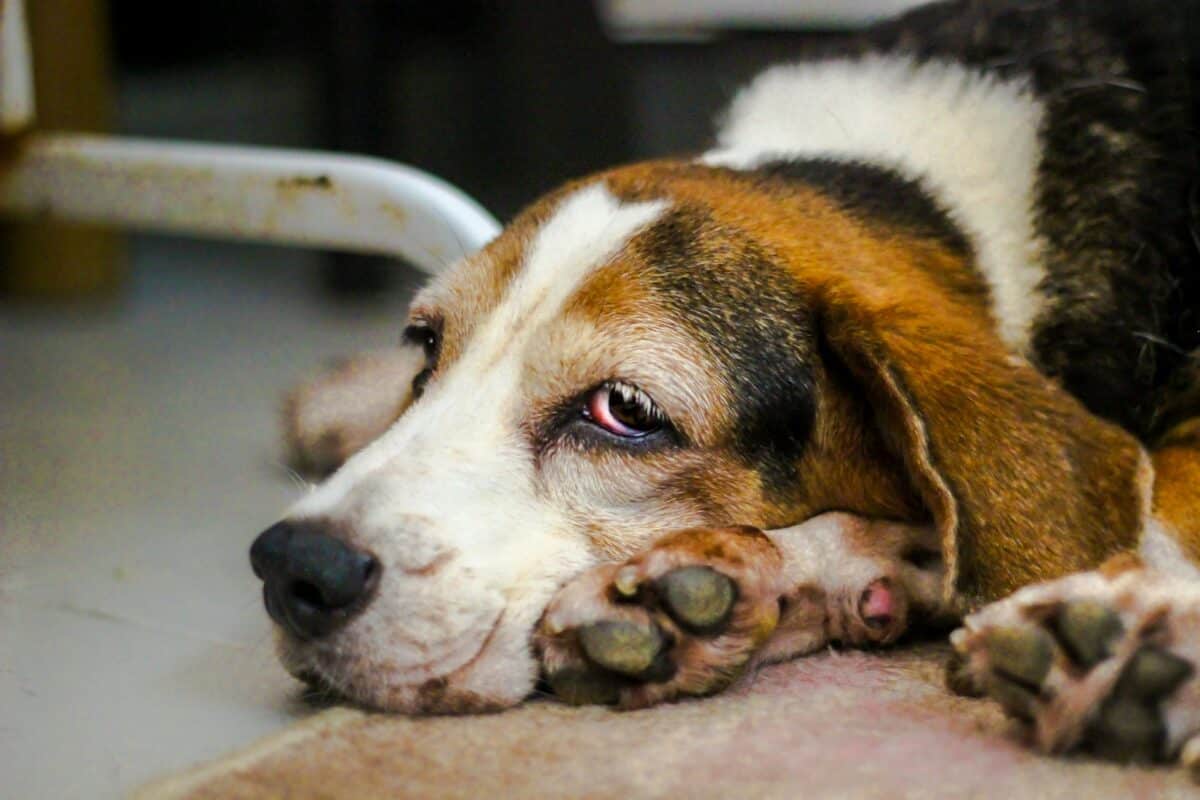
Physical indicators of animal abuse are often the most obvious warning signs that something is seriously wrong. An abused animal may show visible injuries like cuts, bruises, burns, or untreated wounds that seem to persist over time. You might notice an animal that appears severely underweight, with ribs, spine, or hip bones clearly visible through their coat.
Open sores, patches of missing fur, or skin infections that go untreated for extended periods signal neglect or abuse. Animals may also display obvious signs of pain, such as limping, difficulty moving, or reluctance to put weight on certain limbs. These physical symptoms become particularly concerning when they appear repeatedly or seem to worsen over time.
Behavioral Red Flags That Indicate Distress

Behavioral changes in animals can reveal emotional trauma just as clearly as physical abuse. A previously friendly pet that suddenly becomes aggressive, fearful, or extremely withdrawn may be experiencing abuse at home. Dogs might bark excessively, whine constantly, or show signs of extreme anxiety when their owners approach.
Cats may hide continuously, refuse to eat, or display destructive behaviors that weren’t present before. Some abused animals become overly submissive, cowering when humans approach or flinching at sudden movements. These behavioral shifts often develop gradually but become more pronounced as the abuse continues.
Environmental Conditions That Signal Neglect

The living conditions surrounding an animal can speak volumes about their treatment. Animals forced to live in filthy conditions, without adequate shelter from weather, or tied up for extended periods are likely experiencing neglect. You might observe pets left outside in extreme temperatures without proper protection or access to clean water.
Overcrowded living spaces, accumulation of waste, or animals confined to spaces too small for their size all indicate problematic care. Sometimes you’ll notice animals that appear to have no access to food or water bowls, or containers that remain empty for days at a time.
Documenting Evidence Before Taking Action

Before reporting suspected abuse, careful documentation strengthens your case significantly. Take photographs or videos of visible injuries, poor living conditions, or concerning behaviors whenever safely possible. Keep a detailed log of dates, times, and specific observations you’ve made about the animal’s condition.
Record any sounds of distress, like prolonged crying or yelping, noting the frequency and duration. If you witness actual abuse occurring, document it immediately but prioritize your safety. This evidence becomes crucial when authorities investigate the situation, as it provides concrete proof of ongoing problems.
Understanding Legal Definitions of Animal Abuse

Animal abuse laws vary significantly between states and localities, but generally fall into categories of neglect, physical abuse, or abandonment. Neglect typically involves failing to provide basic needs like food, water, shelter, or medical care. Physical abuse encompasses intentional harm, torture, or killing of animals.
Many jurisdictions also recognize emotional abuse or psychological trauma as forms of animal cruelty. Understanding these legal definitions helps you communicate more effectively with authorities and ensures your concerns are taken seriously. Some areas have specific laws regarding tethering, temperature exposure, or minimum space requirements for different types of animals.
Contacting Local Animal Control Services

Animal control services typically serve as the first line of defense against animal abuse in most communities. These agencies have trained officers who can investigate reports, assess animal welfare, and take appropriate enforcement action. When contacting animal control, provide specific details about what you’ve observed, including dates, times, and locations.
Many animal control departments have 24-hour hotlines for reporting urgent situations. Be prepared to provide your contact information, though some agencies accept anonymous tips. Follow up on your report if you don’t see action within a reasonable timeframe, as some cases require multiple complaints before the investigation begins.
Working with Local Police Departments

In severe cases of animal abuse, local police may need to get involved, especially if the situation involves criminal activity or immediate danger to the animal. Police officers can respond more quickly to emergency situations and have broader authority to enter properties and make arrests when necessary. Many police departments now have officers specifically trained in animal cruelty investigations.
When calling police, emphasize any immediate danger to the animal and provide clear, factual information about what you’ve witnessed. If you see active abuse occurring, police can respond as an emergency situation. Remember that police involvement often leads to more serious legal consequences for the abuser.
Reaching Out to Animal Welfare Organizations
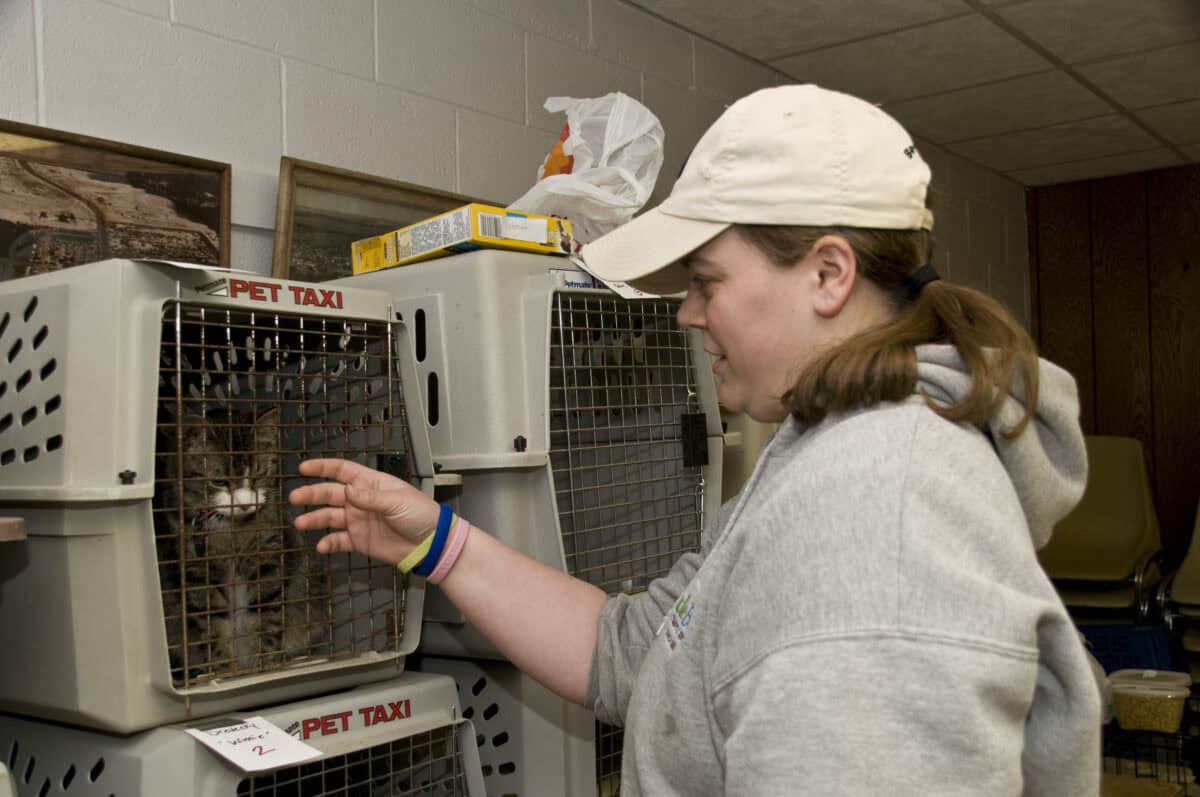
National and local animal welfare organizations offer resources, support, and sometimes direct intervention in abuse cases. Organizations like the ASPCA, Humane Society, or local rescue groups often have experienced investigators who understand animal abuse cases intimately. These groups can provide guidance on how to proceed and may offer assistance with evidence collection or legal support.
Many animal welfare organizations maintain databases of reported abuse cases and can identify patterns of behavior across multiple reports. They often work closely with law enforcement agencies and can help coordinate comprehensive investigations. Some organizations also offer temporary housing for animals removed from abusive situations.
When to Call Emergency Services

Certain situations require immediate emergency intervention to save an animal’s life. If you witness someone actively beating, torturing, or severely injuring an animal, call 911 immediately. Animals left in hot cars, especially during summer months, constitute life-threatening emergencies that require immediate response.
Severe injuries that appear to need immediate medical attention, such as profuse bleeding, obvious broken bones, or signs of severe distress, warrant emergency calls. Animals that appear to be dying or in extreme distress shouldn’t wait for regular business hours or scheduled investigations.
Approaching Your Neighbor Directly

Sometimes a direct, respectful conversation with your neighbor can resolve the situation without involving authorities. Many cases of apparent abuse actually stem from ignorance about proper animal care rather than malicious intent. Approaching your neighbor with genuine concern and offering helpful information might prevent further harm to the animal.
However, use caution when deciding whether to approach directly, as some people become defensive or hostile when confronted about their pet care. Consider your relationship with the neighbor and their likely reaction before deciding on this approach. If you sense any potential for conflict or retaliation, it’s better to work through official channels instead.
Protecting Yourself During the Reporting Process

Taking action against suspected animal abuse can sometimes put you at risk of retaliation from the animal’s owner. Consider the potential consequences before making reports, especially if you must provide identifying information. Some people become extremely angry when investigated for animal abuse and may target the person they believe reported them.
If possible, encourage other neighbors who share your concerns to report the situation as well, as multiple complaints carry more weight and distribute any potential backlash. Document any threats or harassment you receive after making a report, as this behavior may constitute additional criminal activity.
Understanding the Investigation Process

Animal abuse investigations typically follow a structured process that can take time to complete thoroughly. Initial reports trigger an assessment by trained investigators who evaluate the animal’s condition and living situation. Investigators may need to make multiple visits to gather sufficient evidence and document any changes in the animal’s condition.
The investigation process often involves coordination between multiple agencies, including animal control, law enforcement, and sometimes veterinary professionals. Complex cases may require weeks or months to resolve, especially if legal proceedings become necessary. Understanding this timeline helps set realistic expectations about how quickly you might see results.
Following Up on Your Report

After filing a report, staying engaged with the process helps ensure your concerns receive proper attention. Contact the investigating agency if you don’t receive updates within a reasonable timeframe, typically 5-7 business days for initial contact. Continue monitoring the situation and report any additional incidents or changes in the animal’s condition.
Some cases require multiple reports before authorities can take action, especially in borderline situations where evidence is limited. Persistence often makes the difference between a case that gets overlooked and one that receives proper investigation. Keep detailed records of all your interactions with authorities for reference.
Supporting Animals During the Investigation

While investigations proceed, you might wonder how to help the animal in distress. Avoid taking direct action like feeding, treating injuries, or removing the animal yourself, as this could interfere with the investigation or constitute trespassing. Instead, focus on continuing to document the situation and providing investigators with updated information.
If the animal appears to be in immediate life-threatening danger, contact emergency services rather than attempting intervention yourself. Your role as a concerned neighbor is to alert authorities and provide them with information, not to take matters into your own hands.
What Happens After Animals Are Removed

When authorities determine that an animal requires removal from an abusive situation, the process typically involves immediate medical evaluation and temporary placement in a shelter or foster home. Veterinary professionals assess the animal’s health and provide necessary treatment for injuries or neglect-related conditions. The animal’s recovery process depends on the severity of abuse and may take considerable time.
Legal proceedings often determine the animal’s long-term future, including whether they can be adopted into new homes or if they require ongoing specialized care. Some animals recover completely and find loving new families, while others may need extended rehabilitation or permanent sanctuary care.
Legal Consequences for Animal Abusers

Animal abuse convictions can result in significant legal penalties, including fines, jail time, and prohibition from owning animals in the future. Many states have enhanced penalties for repeat offenders or cases involving severe cruelty. Animal abuse convictions also create permanent criminal records that can affect employment, housing, and other opportunities.
Civil penalties may include restitution for veterinary costs, boarding fees, and other expenses related to the animal’s care and recovery. Some jurisdictions also require completion of anger management or animal care education programs as part of sentencing.
Supporting Your Community’s Animal Welfare
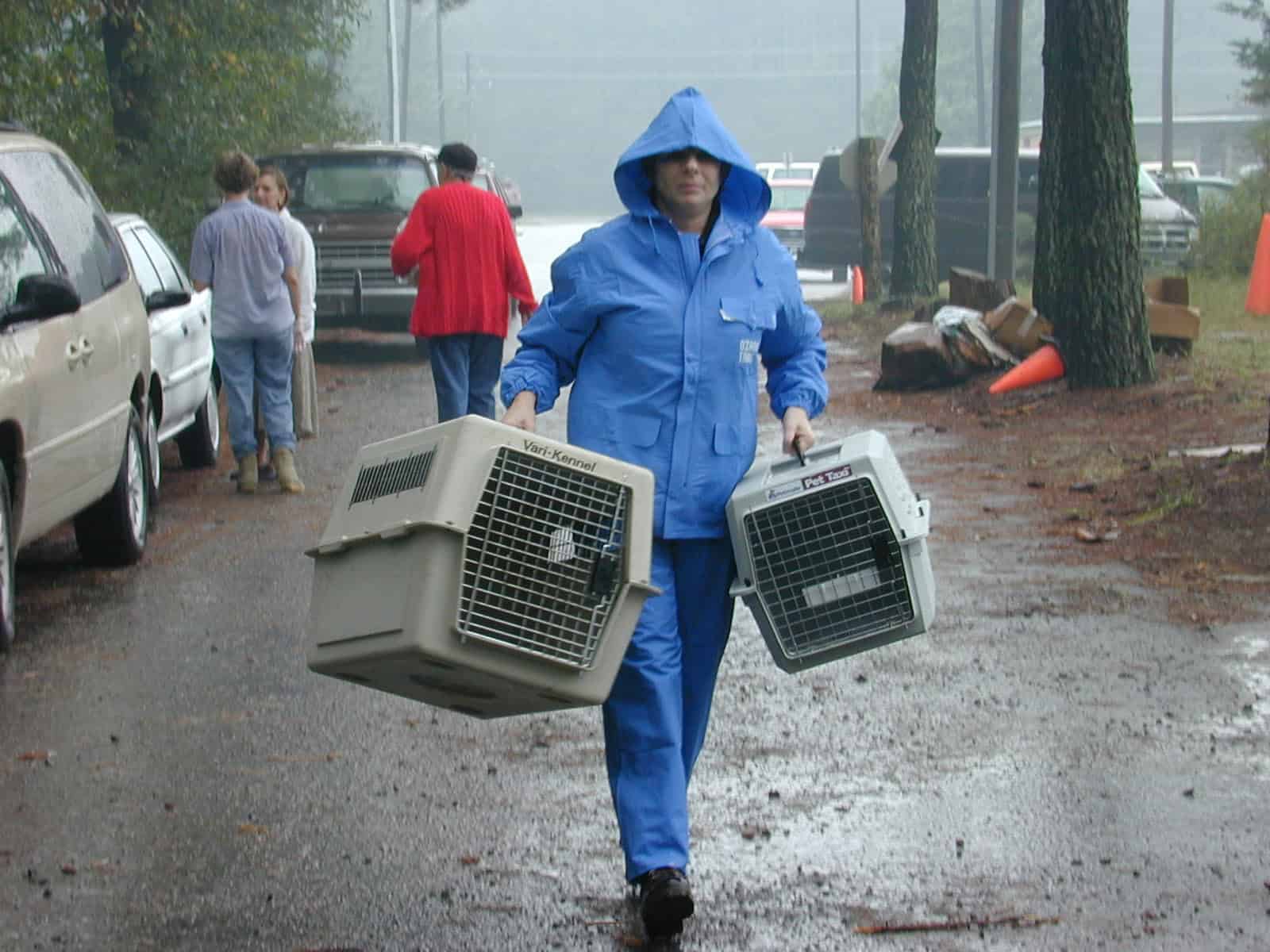
Beyond individual cases, you can contribute to broader animal welfare efforts in your community. Volunteer with local animal shelters, support spay/neuter programs, or advocate for stronger animal protection laws. Educational outreach helps prevent abuse by teaching proper animal care and responsibility.
Many communities benefit from neighborhood watch programs that include animal welfare monitoring. Building relationships with neighbors who share your concerns creates a network of advocates who can work together to protect vulnerable animals.
Teaching Others About Animal Abuse Recognition

Share your knowledge about recognizing animal abuse signs with friends, family, and neighbors to create a more aware community. Many people want to help animals but don’t know what to look for or how to respond appropriately. Educational conversations can multiply your impact by creating additional advocates.
Consider organizing community presentations about animal welfare or sharing information through social media and neighborhood communication channels. The more people who understand these issues, the better protected animals become in your community.
Long-term Prevention Strategies

Preventing animal abuse requires ongoing community commitment and education rather than just responding to individual cases. Support organizations that provide low-cost veterinary care, pet food banks, and other resources that help struggling pet owners provide proper care. Many cases of apparent abuse actually stem from financial hardship or lack of knowledge about proper animal care.
Advocate for stronger animal protection laws in your community and support candidates who prioritize animal welfare issues. Long-term change requires systemic approaches that address root causes of animal abuse and provide support for both animals and their owners.
Conclusion

Taking action when you suspect animal abuse requires courage, compassion, and careful consideration of the best approach for each situation. Your willingness to speak up for animals who cannot speak for themselves can literally save lives and prevent ongoing suffering. While the process may feel overwhelming, remember that trained professionals are available to help investigate and address these situations appropriately.
The most important step is simply taking action rather than hoping someone else will handle the situation. Every animal deserves safety, proper care, and freedom from abuse. By staying vigilant, documenting concerns, and working through appropriate channels, you become part of the solution to animal cruelty in your community. What difference could your voice make for an animal in need?

- Why Adopting a Shelter Pet Saves More Than One Life - July 20, 2026
- Spider Web Types Explained—Not All Webs Are the Same - July 20, 2026
- 12 Eagle Habits That Impress (And 3 That Surprise) Scientists - July 17, 2026