


Owning a lizard can be a rewarding experience, offering a glimpse into a fascinating world of reptiles. However, it’s not as simple as bringing a puppy home. Lizards have unique needs that must be met to ensure their health and well-being. Below, you’ll find a comprehensive guide on what U.S. veterinarians recommend for anyone considering bringing a lizard into their home for the first time. By understanding these essential aspects, you can ensure a happy, healthy life for your new scaly friend.
Selecting the Right Species
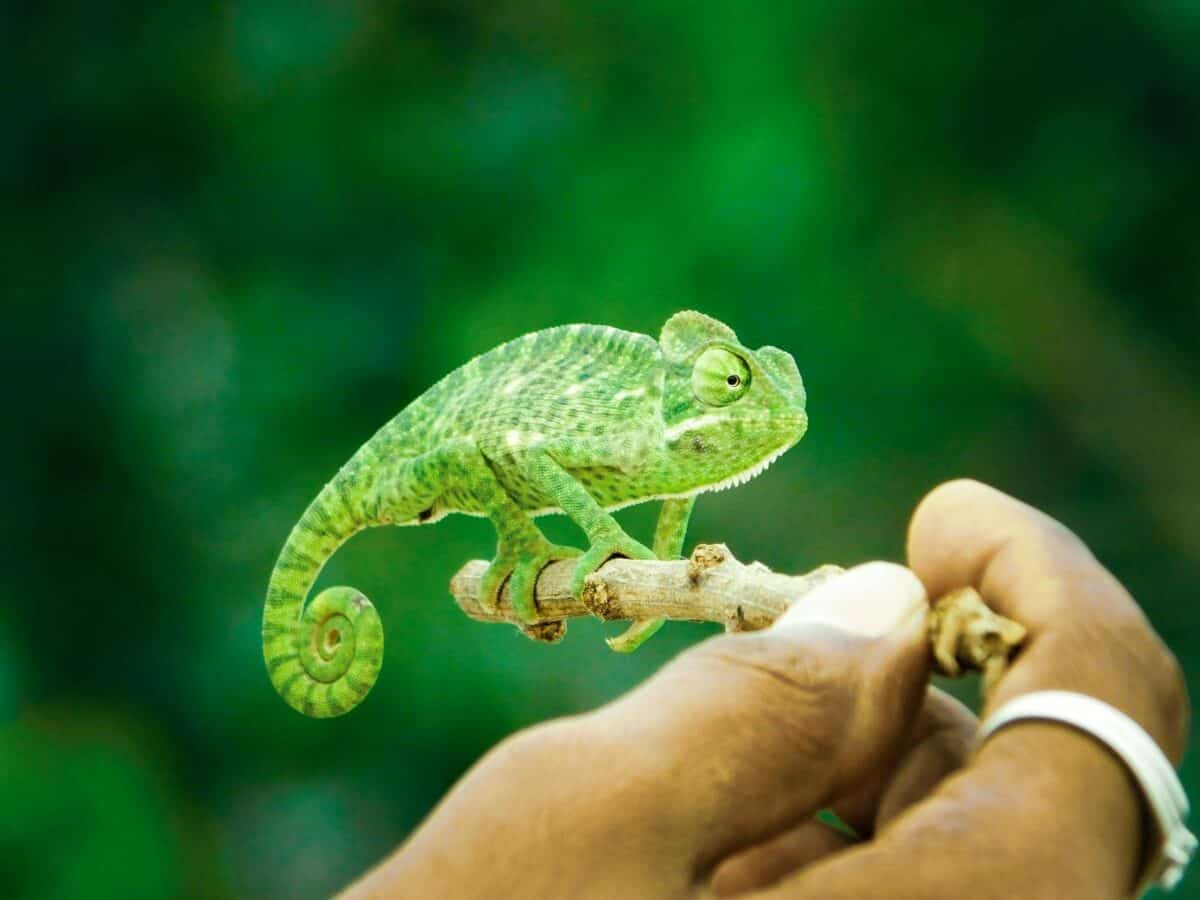
First-time lizard owners should opt for species that are easier to care for and more adaptable to captive environments. Common recommendations include the leopard gecko, bearded dragon, and crested gecko. Each of these species is known for their docile nature and manageable care requirements.
Understanding Habitat Requirements

Your lizard’s home should replicate its natural habitat as closely as possible. This includes providing the correct temperature, humidity, and lighting conditions. For desert species, a dry, warm environment is necessary, while tropical species require higher humidity and temperature levels.
The Importance of Enclosure Size

It’s essential to choose an adequately sized enclosure for your lizard, allowing them enough space to move and explore. A general guideline is to provide at least 10 gallons of space per inch of lizard length, but this can vary based on activity levels and the specific needs of the species.
Optimal Temperature and Lighting

Lizards are ectothermic, meaning they rely on external heat sources to regulate their body temperature. Ensure your enclosure has a temperature gradient with a basking area. Most lizards require UVB lighting to synthesize vitamin D3, which is crucial for calcium metabolism.
Nutrition and Diet Needs
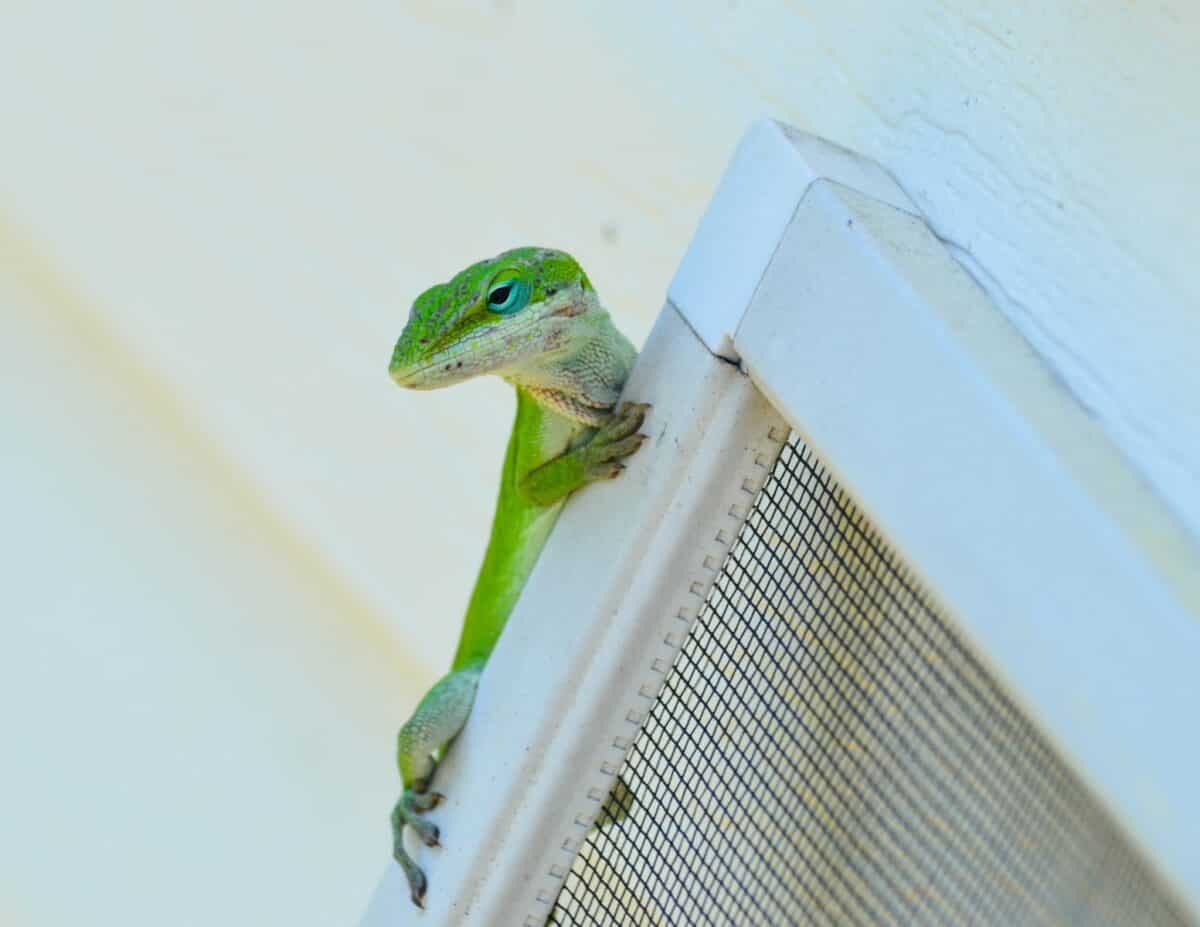
A well-rounded diet is critical for your lizard’s health. Insectivorous lizards like leopard geckos primarily eat crickets and mealworms, while omnivorous species like bearded dragons require a mix of insects, vegetables, and fruits. Always ensure that food is appropriately sized to prevent choking hazards.
Hydration and Water Sources

Even desert lizards require access to fresh water. Some lizards drink from standing water, while others may need to be misted or provided with water droplets on leaves, mimicking their natural drinking habits in the wild.
Recognizing Signs of Health and Illness

Staying vigilant about your lizard’s health is crucial. Signs of a healthy lizard include clear eyes, regular feeding, and active behavior. Conversely, symptoms like lethargy, lack of appetite, or swollen limbs may indicate illness, necessitating a vet visit.
Creating a Safe and Stimulating Environment

Lizards benefit from an environment that offers mental stimulation. Rocks, logs, and branches can encourage climbing and exploration, enhancing physical activity and reducing stress for your pet.
The Role of Regular Veterinary Checkups
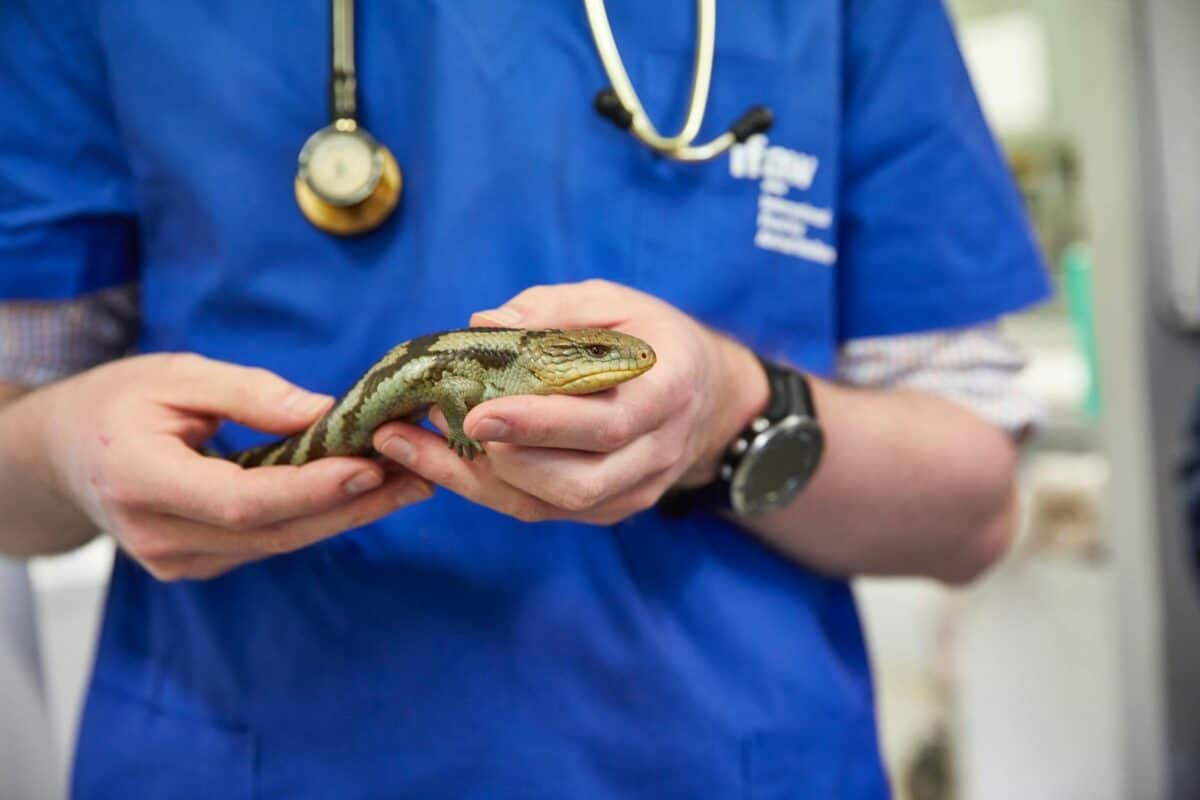
A routine vet visit can preemptively catch health issues and ensure your lizard’s wellness. Many vets specializing in exotic animals can offer insights into improvements for diet, habitat, and general care.
Handling and Bonding Techniques

Lizards generally appreciate low-stress handling. Start by gently handling your lizard for a few minutes a day, gradually increasing duration as they become more comfortable. Always support your lizard’s body, and avoid sudden movements to prevent stress.
Common Mistakes to Avoid

New lizard owners often make mistakes due to misinformation. Overfeeding, mismanaging temperature gradients, and inadequate UVB lighting are common errors. Always thoroughly research the specific species requirements before bringing a lizard home.
The Joy of Lizard Ownership

With proper care and attention, lizards can be fascinating pets that offer beautiful displays of behavior and a unique opportunity to learn about reptilian life. Their low-maintenance nature compared to traditional pets makes them suitable companions for dedicated and informed individuals.
Owning a lizard is an enriching experience that fosters a deep appreciation for the natural world. By adhering to these expert recommendations, first-time owners can enjoy a successful and fulfilling relationship with their new reptilian companions. Always remember to stay informed and consult with professionals when needed, ensuring both you and your pet can thrive together.

- The Story Behind the Red Panda’s Endangered Status - July 18, 2026
- Are You Really Swallowing Spiders in Your Sleep? - July 18, 2026
- Why Japanese Macaques Love Hot Springs - July 17, 2026