

The Arizona bark scorpion, scientifically known as *Centruroides sculpturatus*, is one of the most infamous arachnids in the southwestern United States. Noted for its slender body, poisonous sting, and tan color, this scorpion has permeated popular imagination, often eliciting fear and fascination. But beyond the myths and the media hype, it is a creature integral to its ecosystem. While they are a significant concern in certain regions, there’s an array of states within the U.S. where residents can breathe a sigh of relief, free from the scorpion’s creeping presence.
Understanding the Habitat and Behavior of the Arizona Bark Scorpion

Before identifying which states are free from the Arizona bark scorpion, it is essential to understand their natural habitat and behavior. These scorpions thrive in warm, arid environments typical to deserts. They are nocturnal, meaning they spend their days hiding under rocks, tree bark, and within crevices, and hunt at night. The Arizona bark scorpion is found in parts of the United States where the climate supports such lifestyles, primarily in the Sonoran Desert which spans across Arizona, California, and Mexico.
Characteristics Confining the Scorpion’s Range
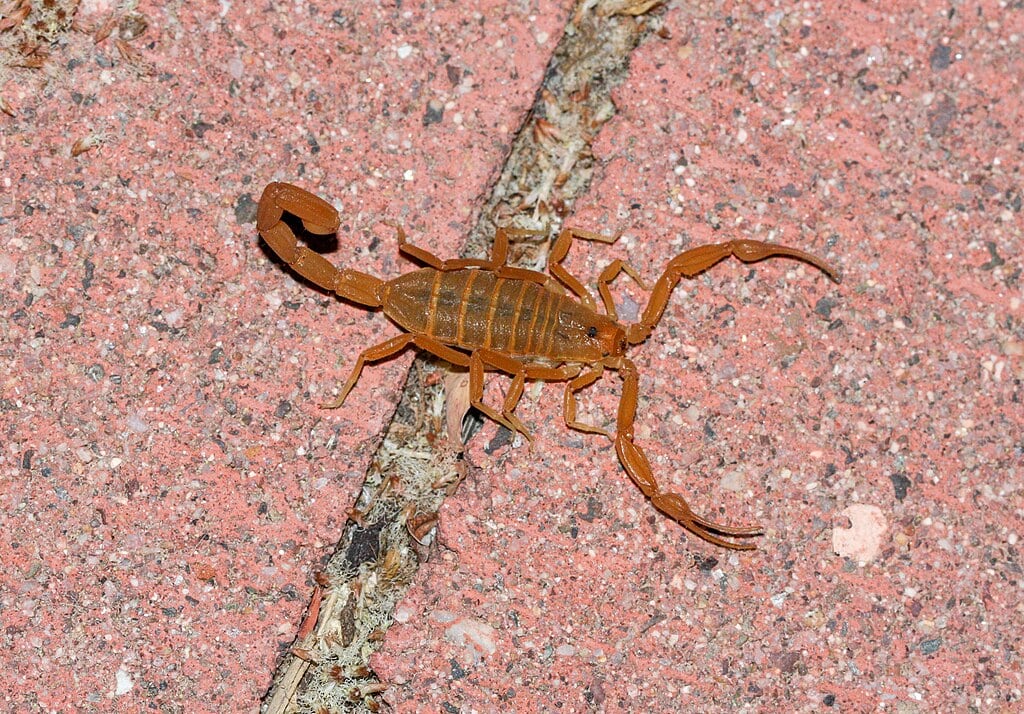
Several factors contribute to the geographic limitations of the Arizona bark scorpion. For one, they are highly sensitive to cold, and extreme cold can be fatal, thereby limiting their northward expansion. They also prefer East to West facing slopes, areas that can provide the warmth and shelter needed to thrive. This preference generally confines them to areas closer to the equator within the United States.
US States Free from the Arizona Bark Scorpion

There’s no doubt that residents of certain states need not worry about the presence of the Arizona bark scorpion. States that do not support the warm climates and desert conditions favorable for these scorpions include most of the northern and eastern parts of the country. Let’s take a closer look at these safe havens.
Northern States
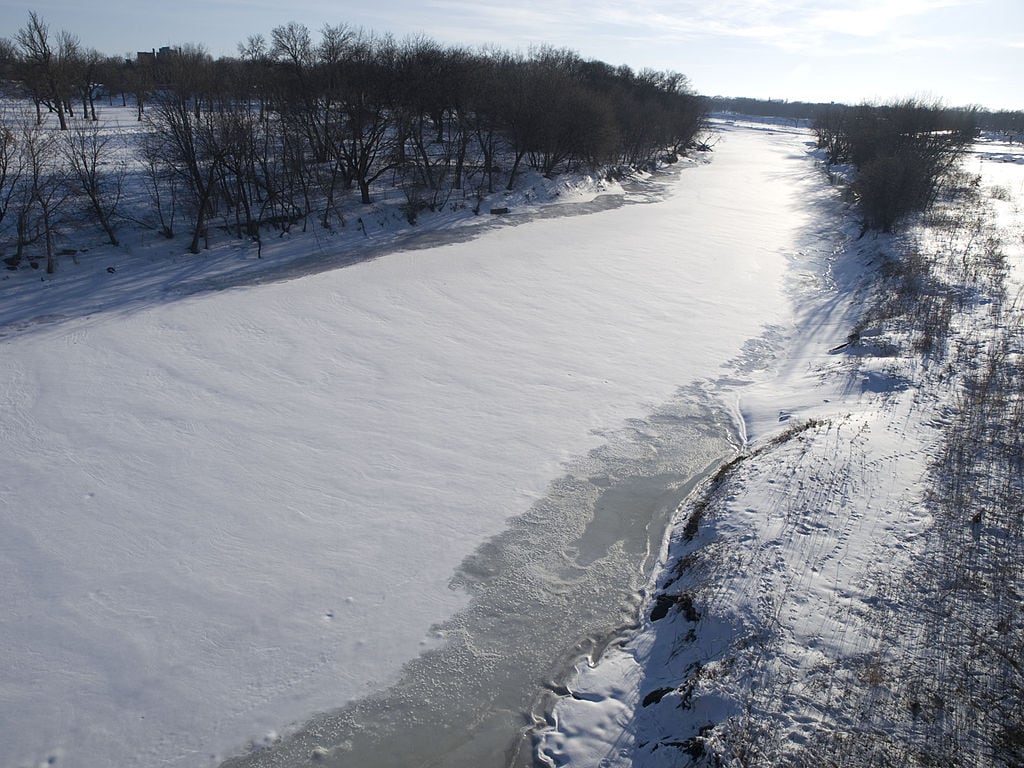
The colder climates north of the United States, including states such as North Dakota, Minnesota, Wisconsin, and Michigan, serve as a natural barrier against the Arizona bark scorpion. The harsh winters and cooler summers in these areas are inhospitable to these warmth-loving creatures. Scorpions generally do not survive extreme cold, and such climates can act as an effective deterrent to their migration.
Eastern States

Similarly, the Eastern U.S., with its humid climate and abundant precipitation, does not attract the Arizona bark scorpion. States like New York, Pennsylvania, and Maine, among others in the New England region, possess dense forests and seaside climates that are unsuitable for this desert inhabitant. The environment here is diametrically opposed to what supports the life of a bark scorpion.
Midwestern States
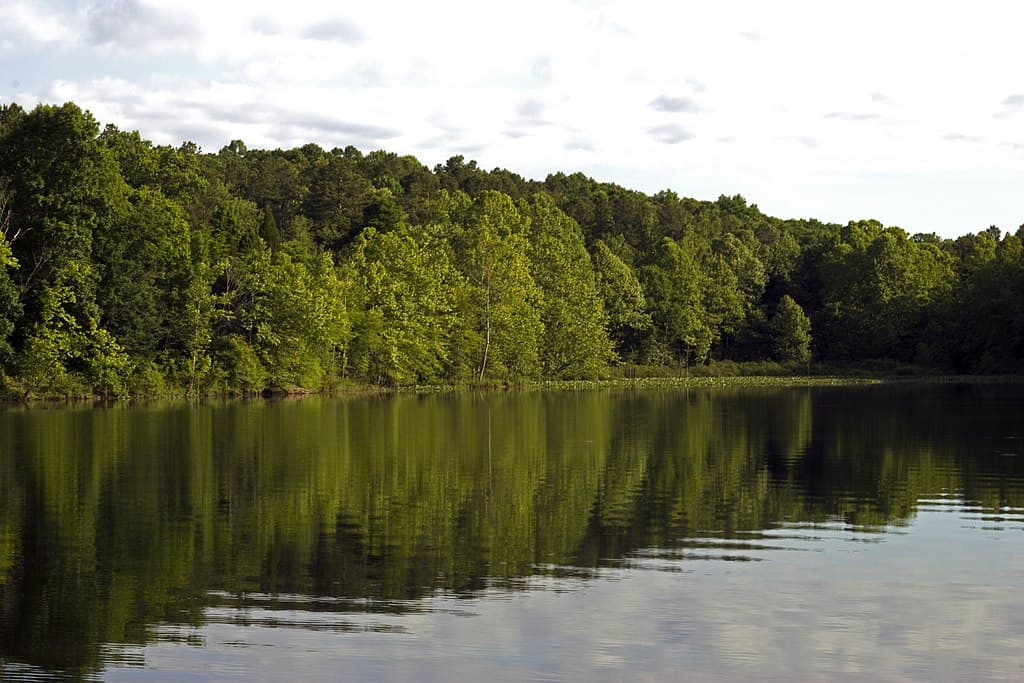
The Midwest, which includes states like Ohio, Illinois, and Indiana, experiences a combination of humid continental and humid subtropical climates. With wetter and cooler conditions, these environments deter the establishment of the Arizona bark scorpion populations, offering a reprieve from these arachnids.
Conclusion

While the Arizona bark scorpion has carved out a niche in the arid Southwest, many states remain unoccupied by this venomous creature. The Arizona bark scorpion’s preference for warm, dry deserts ensures it is largely excluded from colder and wetter climates. Thus, for those living in the northern, eastern, and parts of the midwestern U.S., these natural climatic defenses offer comfort against the potential threat of this iconic desert resident.
Educating oneself about these creatures and appreciating their role in the ecosystem can enhance our understanding and coexistence with the natural world. Whether you’re within their range or in a scorpion-free state, awareness is key to minimizing fear and maximizing appreciation of the biodiversity around us.

- The Deadliest Floods That Wiped Out Entire Cities - July 17, 2026
- How a Fisherman’s Shocking Discovery Led to a Scientific Breakthrough - July 16, 2026
- The Largest Bobcat Ever Spotted in U.S. Woods - July 15, 2026