
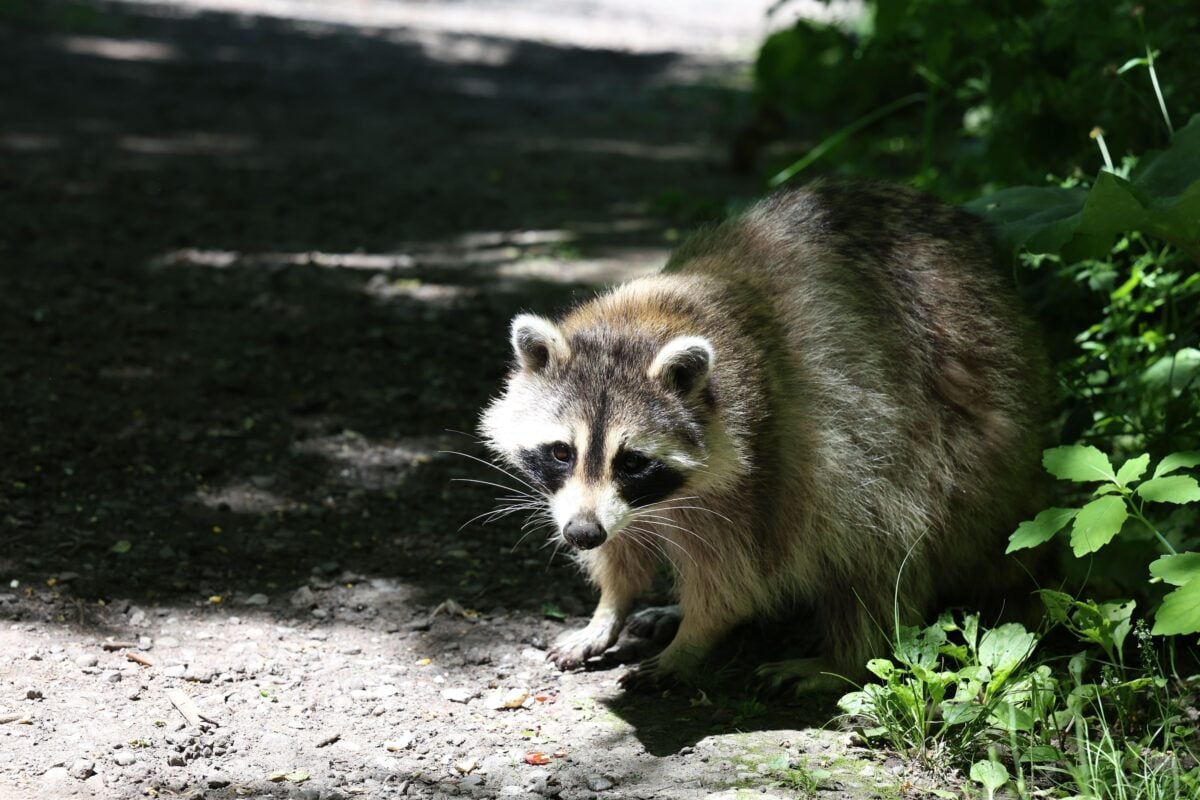
Most people picture raccoons as trash pandas – clumsy little bandits who get lucky with a loose lid and a bag of leftovers. That image is comfortable. It’s also falling apart fast.
Biologists tracking city raccoons with GPS collars and night-vision cameras keep running into the same problem: these animals aren’t behaving like random scavengers at all. They’re running routes, reading human schedules, and solving problems in ways that look a lot less like instinct and a lot more like planning. Some researchers now wonder if urban raccoons are quietly turning into a different kind of animal – one built entirely around us. Here are 13 after-dark behaviors that make that theory hard to dismiss.
#1 – They Run Fixed “Night Routes” Like Delivery Drivers
🔥 Would you like to save this?
We'll email this post to you, so you can come back to it later!
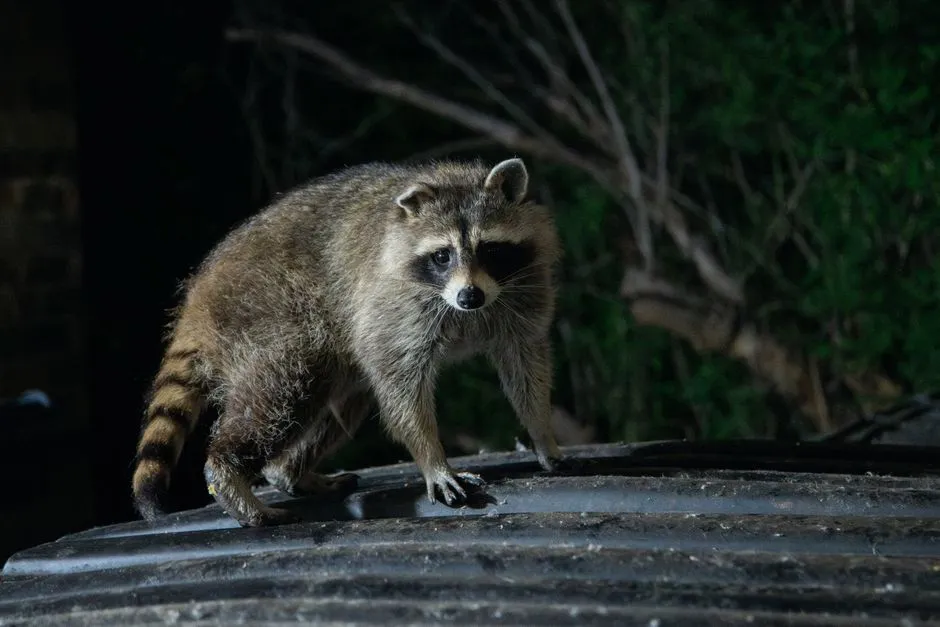
You’d expect a raccoon to wander from can to can, chasing whatever smell hits it first. Instead, urban studies keep catching them running the exact same loop through a neighborhood – same yards, same alleys, same dumpsters, hit in the same order, night after night.
Once a raccoon locks in three or four reliable spots, it stops exploring and starts commuting. Homeowners with security cameras often notice the same raccoon showing up within the same 10 to 20 minute window every single night, almost like it’s punching a clock. That’s not lucky foraging. That’s a memorized route, built to save energy and minimize risk.
#2 – They Remember Your Trash Schedule Better Than You Do
🔥 Would you like to save this?
We'll email this post to you, so you can come back to it later!
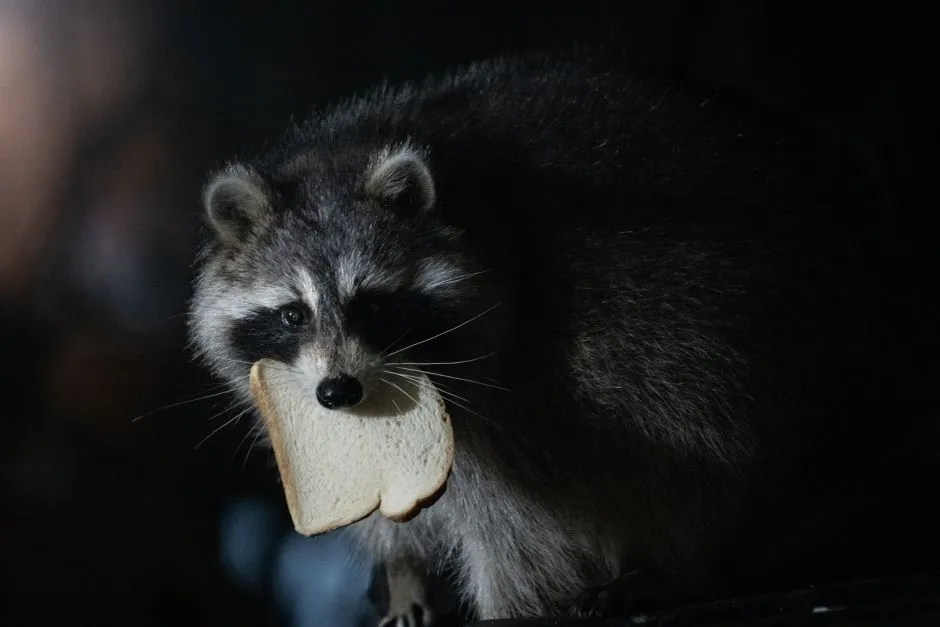
Here’s the part that feels a little too personal: raccoons don’t just remember places, they memorize you. Put your bins out at 10 p.m. sharp for a few weeks, and don’t be shocked to find a raccoon already waiting nearby, like a regular at a food truck window.
Change your schedule – new shift, new pickup day – and many raccoons adjust within about a week. In some condo complexes, maintenance crews report raccoons showing up right after the dumpster gets emptied, not before, as if they’ve cracked the collection truck’s weekly rhythm. That’s not coincidence stacked on good hearing. That’s a raccoon quietly building a model of how you live, and slotting itself into the gaps.
Fast Facts
- Raccoons often show up within a consistent 10-20 minute window on trash night.
- Many adjust to a new pickup schedule in about a week.
- Some appear right after dumpsters are emptied, not before – timed to the truck’s cycle.
- Repeat visits suggest raccoons track routine, not just smell.
#3 – They Coordinate “Team Raids” On Stubborn Bins
🔥 Would you like to save this?
We'll email this post to you, so you can come back to it later!
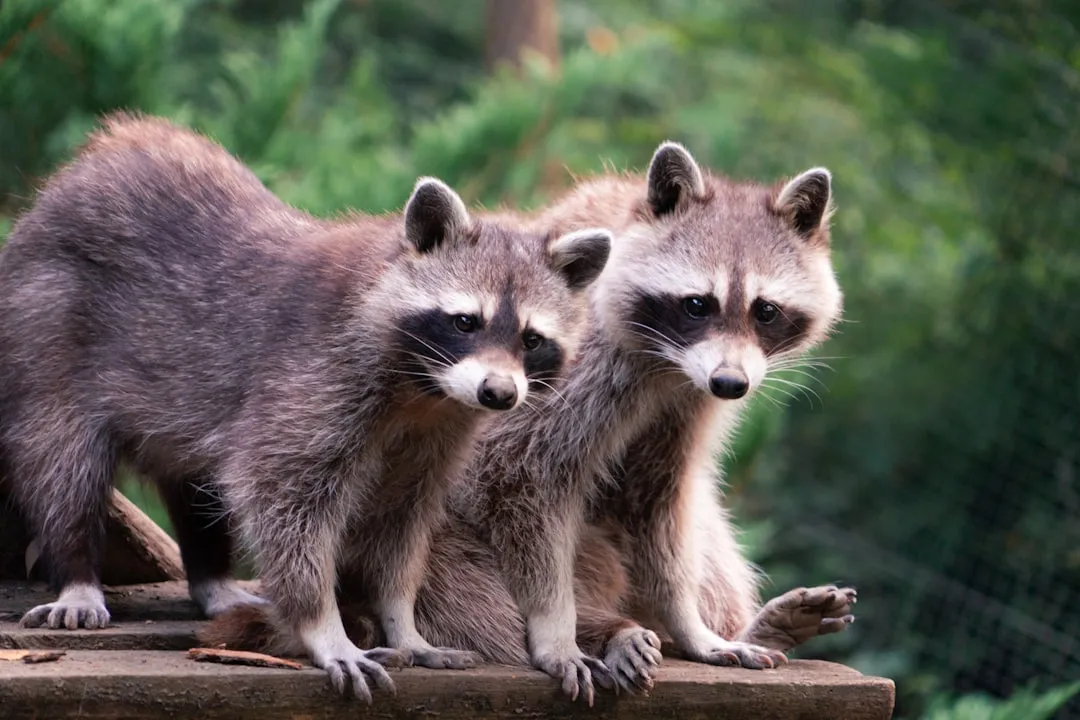
Raccoons aren’t wolves and they’re not primates, but camera traps keep catching small groups working the exact same problem together – usually a heavy lid, a bungee-corded bin, or a stubborn compost latch. One tugs, one wedges a paw in the gap, one exploits the opening the second it appears.
To a groggy homeowner flipping on a porch light, it looks like pure chaos. Slowed-down footage tells a different story: turn-taking that’s a little too efficient to be accidental. More raccoons consistently show up at the harder targets, and they stick around longer, trying new angles as a group. Some observers have even caught younger raccoons hanging back and watching until an older one solves the puzzle first – which is its own quiet kind of unsettling.
#4 – They Crack Mechanical Puzzles Most House Pets Would Fail
🔥 Would you like to save this?
We'll email this post to you, so you can come back to it later!
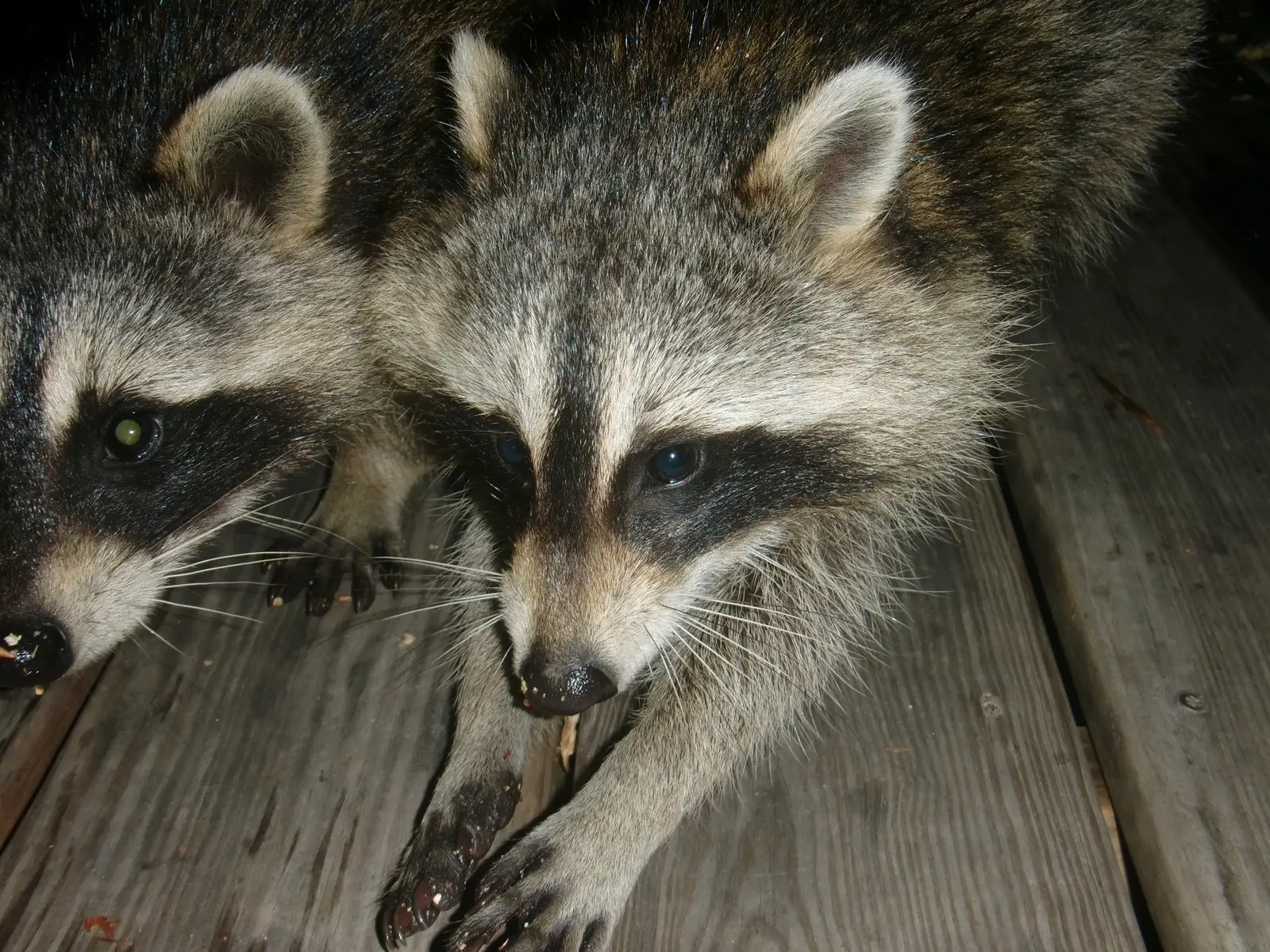
Raccoons aren’t just good with their hands – they might be too good. Lab tests and zoo observations show them learning to open latches, unhook clips, and recall the solution months later, long after any reward is gone.
In real backyards, that translates into raccoons untying knots, popping lid clips, and even testing door handles like they’re checking for weak spots. Once one raccoon in a neighborhood figures out a specific bin design, residents often start reporting copycat break-ins nearby. Nobody’s proven direct teaching is happening – but multiple animals cracking the same lock in the same season is hard to write off as coincidence.
#5 – They Manage Risk Like Tiny Nighttime Accountants
🔥 Would you like to save this?
We'll email this post to you, so you can come back to it later!
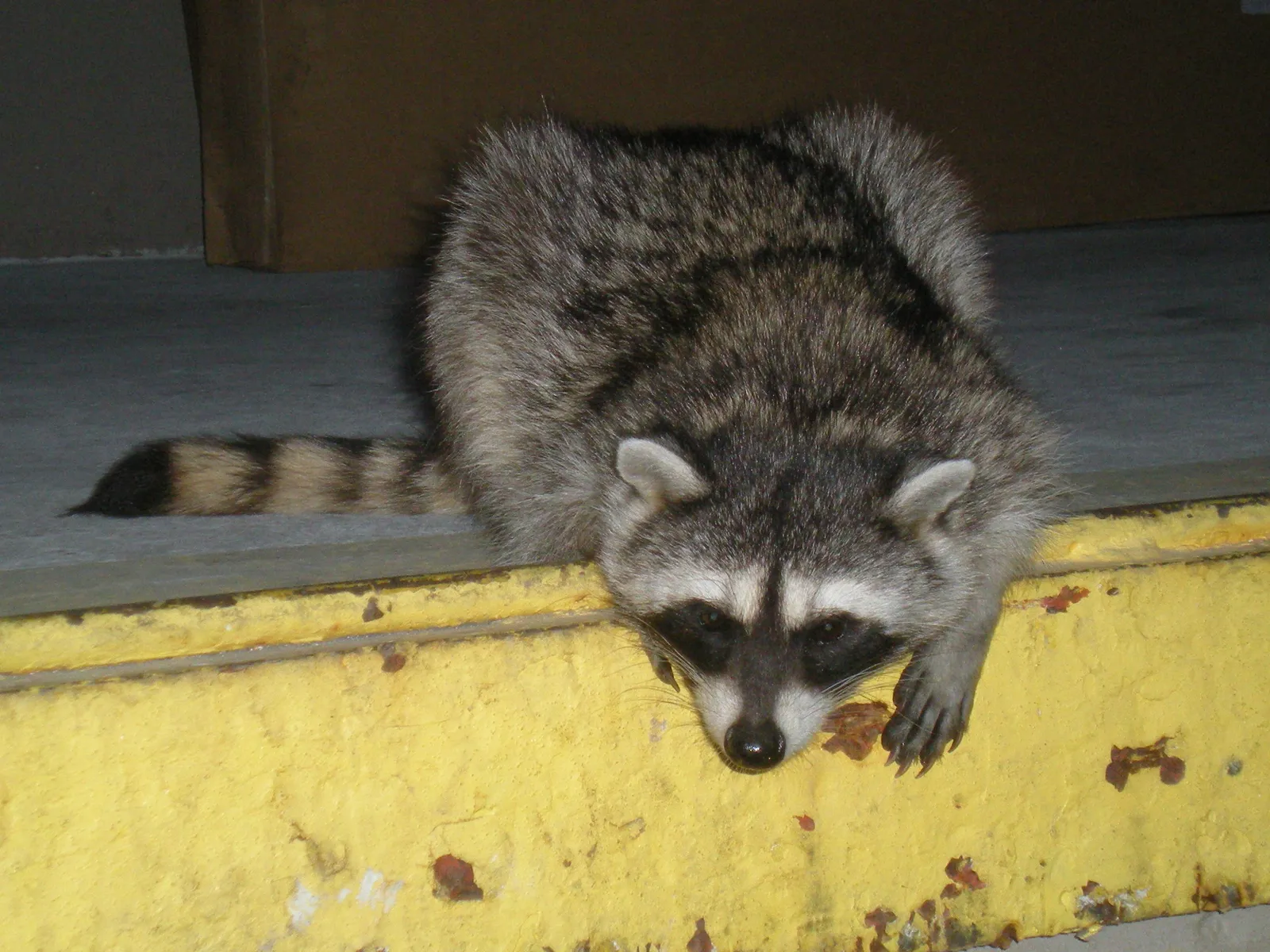
Here’s a behavior almost nobody talks about: raccoons budget their risk across the whole night. High-reward, high-danger spots – bright restaurant dumpsters, camera-covered loading docks – get hit fast and early, in short intense bursts, then get abandoned for hours.
Safer, lower-reward spots, like a quiet compost pile or a fruit tree, get slower, longer visits closer to dawn, when the risk of running into a human drops. In neighborhoods with coyotes or loose dogs, they lean harder on fences, roofs and garages, cutting down time spent exposed on open ground. Urban ecologists have started describing this in the same language used for financial portfolios: spread the risk, diversify the stops, don’t overexpose at one hotspot.
Quick Compare
- High-risk spots: bright dumpsters and loading docks – hit fast, in short bursts, early in the night.
- Low-risk spots: compost piles and fruit trees – visited slowly, closer to dawn.
- Predator zones: more time on rooftops and fences, less time on open ground.
#6 – They Turn Rooftops And Power Lines Into Their Own Private Highway
🔥 Would you like to save this?
We'll email this post to you, so you can come back to it later!
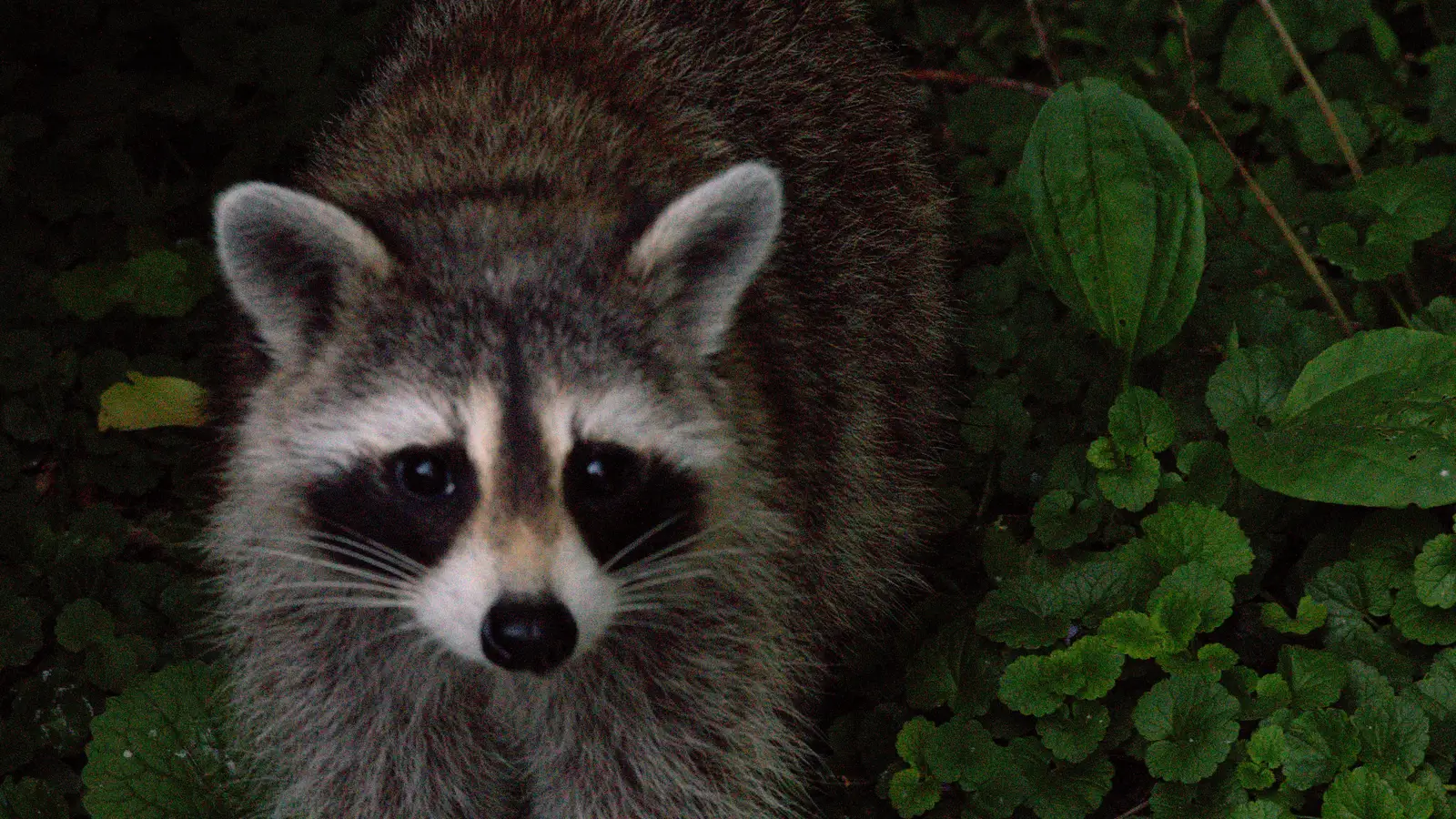
You look at a city and see walls, fences and dead ends. A raccoon looks at the same block and sees ramps, bridges and off-ramps. After dark, they run fence tops, balcony railings, garage roofs, power lines and AC units like a stacked, three-dimensional road system built just for them.
This isn’t showing off – it’s a deliberate way to dodge cars, dogs and people while staying close to food below. What’s genuinely strange is how consistent these aerial routes get. A raccoon might cross the same garage roof every single night, then drop into the same alley through the same downspout. Block that path with spikes or barriers, and within days it often reroutes across a nearby tree or cable instead. That’s not luck – that’s a mental transit map, and a backup plan.
#7 – They Run “Training Nights” With Their Young
🔥 Would you like to save this?
We'll email this post to you, so you can come back to it later!
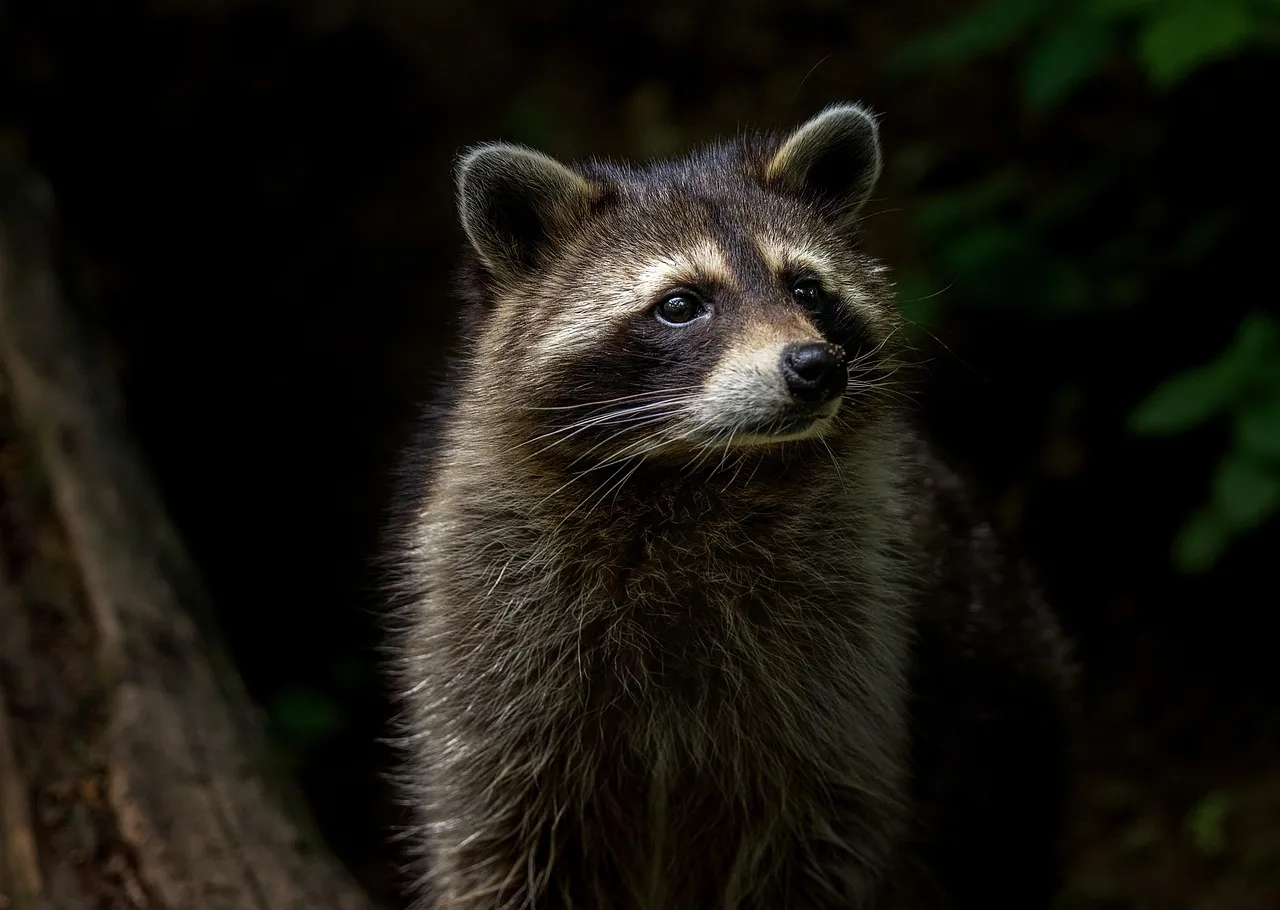
One of the clearest signs of forward thinking shows up the moment kits are old enough to travel. Mothers don’t throw their babies straight into high-risk food raids. Instead, they lead short, careful circuits through quiet backyards and sheltered alleys, sticking to low-conflict food like spilled birdseed or forgotten pet food on a deck.
It looks almost exactly like a parent choosing a quiet playground over a busy intersection. Over successive nights, those routes expand – louder streets, brighter lights, trickier obstacles, but almost always in stages. Observers regularly see a mother pause while her kits experiment with a trash lid or fence gap, then regroup the whole family before moving on. That’s not proof of a lesson plan, but it’s hard to look away from the pattern.
#8 – They Learn From Our Attempts To Stop Them
🔥 Would you like to save this?
We'll email this post to you, so you can come back to it later!
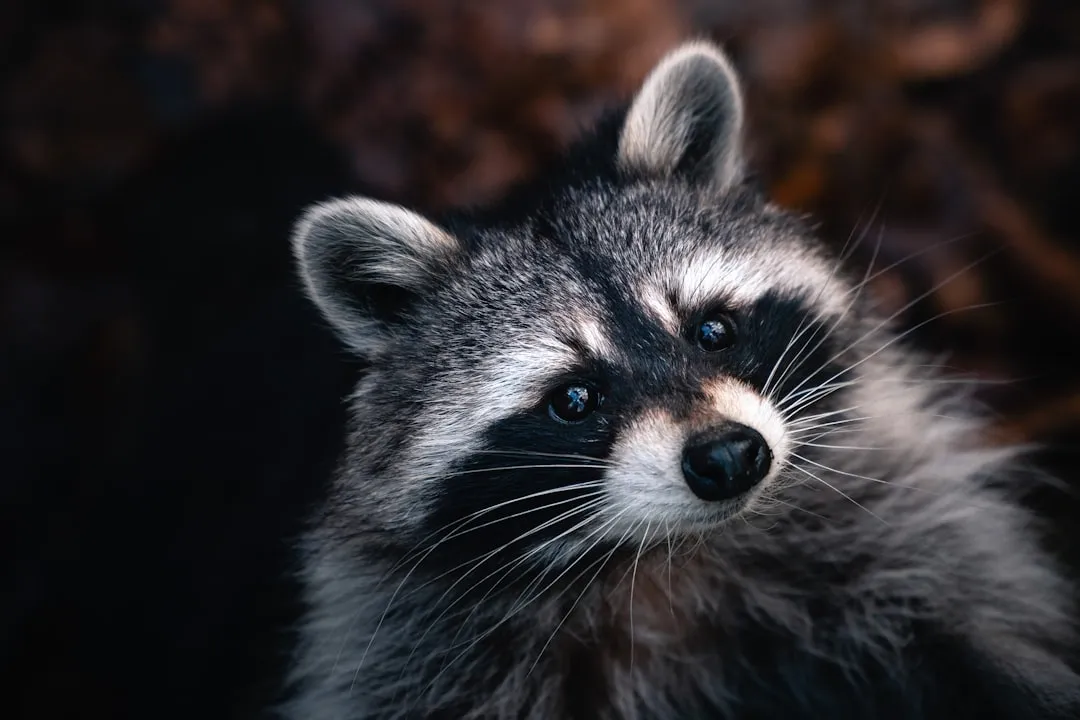
Here’s the uncomfortable part: raccoons are studying our defenses. Motion lights get timed out – they learn the exact delay before the bulb kicks on fully. Cheap ultrasonic pest devices get ignored after a handful of exposures. Camera flashes get worked around, with some raccoons approaching from angles that dodge direct light or lingering in frame for only a split second.
Pet doors are the clearest case. Plenty of homeowners discover raccoons slipping through cat or dog flaps just to steal food. Move the bowl, lock the flap, and the same raccoon frequently comes back several nights in a row, checking for changes. They don’t quit after one failure. They re-audit the whole setup – which is trial-and-error problem solving, running in real time, aimed directly at us.
Worth Knowing
- Motion-activated lights: raccoons learn the delay before the bulb fully triggers.
- Ultrasonic deterrents: often ignored after just a few exposures.
- Camera flashes: some raccoons approach from angles that dodge direct light.
- Pet doors: repeat visits continue even after bowls are moved or flaps are locked.
#9 – They Time Their Movements To Human Noise And Traffic
🔥 Would you like to save this?
We'll email this post to you, so you can come back to it later!
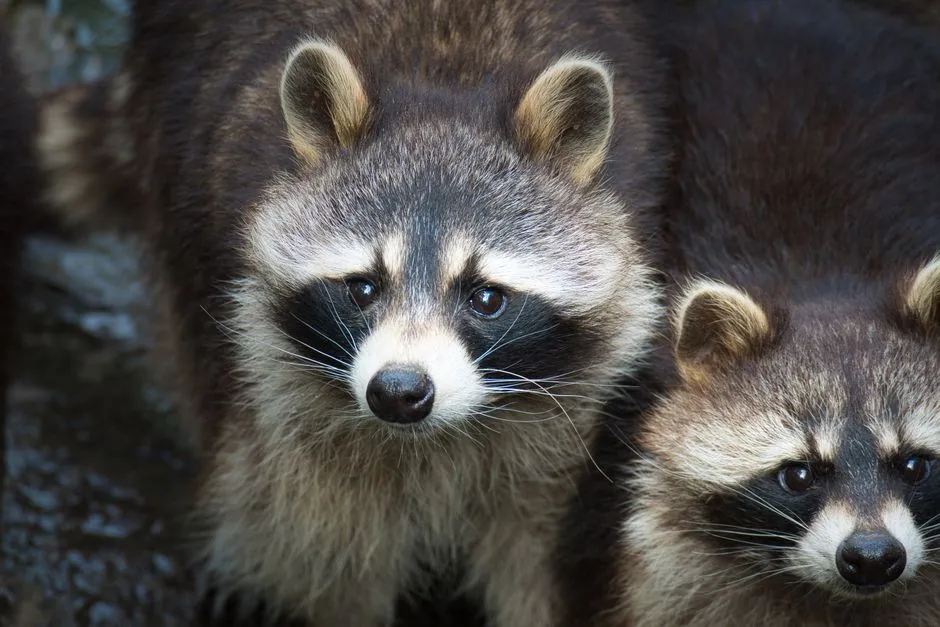
Not all darkness is equal to a raccoon. They quickly learn that 9:30 on a Friday night is chaos and 3:30 in the morning is a ghost town. Camera-trap studies keep showing spikes in raccoon activity during the quietest hours – usually between midnight and dawn – especially near busy roads.
Some suburban raccoons get even more precise. They’ll avoid a driveway during evening dog-walk rush hour, then cross the same spot half an hour after house lights start switching off. Near bars or late-night bus stops, you’ll often see a lull while people spill into the street, then a sudden surge of raccoon movement once the noise finally dies down. Nothing mystical about it – noise and light mean danger, silence means opportunity, and they’ve clearly figured out the math.
#10 – They Stash Food Like Furtive Little Preppers
🔥 Would you like to save this?
We'll email this post to you, so you can come back to it later!
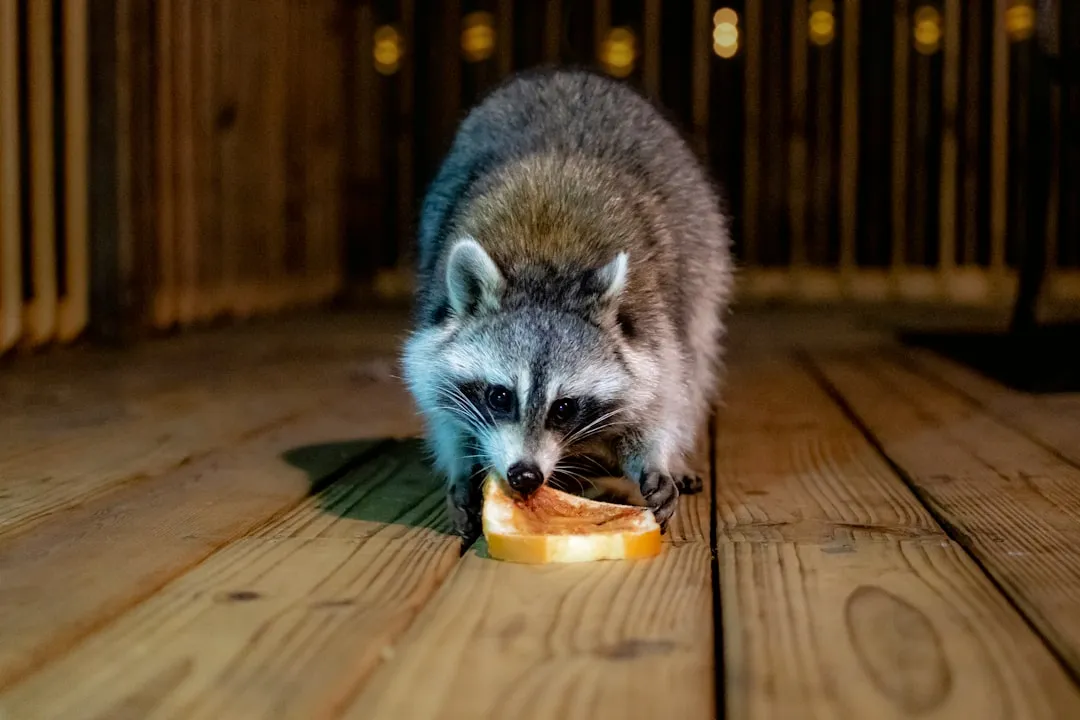
We assume raccoons eat everything on the spot, but plenty of them act more like squirrels after dark, dragging extra food under decks, into attic gaps, or behind shrubs to save for later. City observers have watched raccoons leave a stash and come back for it hours after the fact.
In a city, that habit gets even smarter. A raccoon that hits a great dumpster haul might grab portable items – chicken, bread, fruit – and stash them closer to its den, so it doesn’t have to cross open, dangerous ground again while hungry. The next night, it might skip the riskier restaurant zone entirely and go straight for the stash instead. Planning doesn’t always look dramatic. Sometimes it’s just, “I’ll leave this where tomorrow-me can grab it safely.”
#11 – They Redraw Their Territory When Construction Changes The City
🔥 Would you like to save this?
We'll email this post to you, so you can come back to it later!
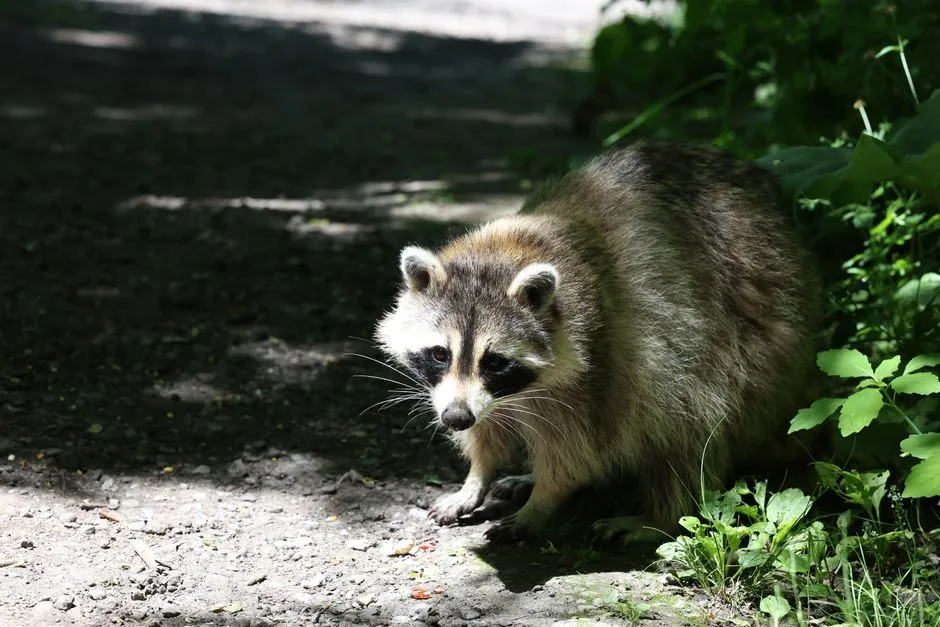
A new condo goes up, a restaurant closes, a lot gets demolished – and raccoons don’t sit around clinging to old habits. GPS tracking shows they abandon dead zones fast and drift toward new areas with better garbage or cover, essentially redrawing their own map in real time.
Weather pushes them to adapt too. During heatwaves, they shift activity deeper into the night once pavement and rooftops finally cool down. In cold months, they tighten their routes to avoid long exposed stretches, clustering near warm exhaust vents or the backs of laundromats. Whether you call that instinct or planning, the result is the same: they treat the city as a puzzle that keeps rearranging itself, and they keep solving it.
At a Glance
- Construction changes: raccoons abandon dead zones and relocate toward better food or cover.
- Heatwaves: activity shifts later into the night as pavement cools.
- Cold months: routes tighten, clustering near warm exhaust vents or laundromats.
- Result: the city map gets redrawn, and raccoons keep adapting to it.
#12 – They Take Calculated Social Risks, Not Just Food Risks
🔥 Would you like to save this?
We'll email this post to you, so you can come back to it later!
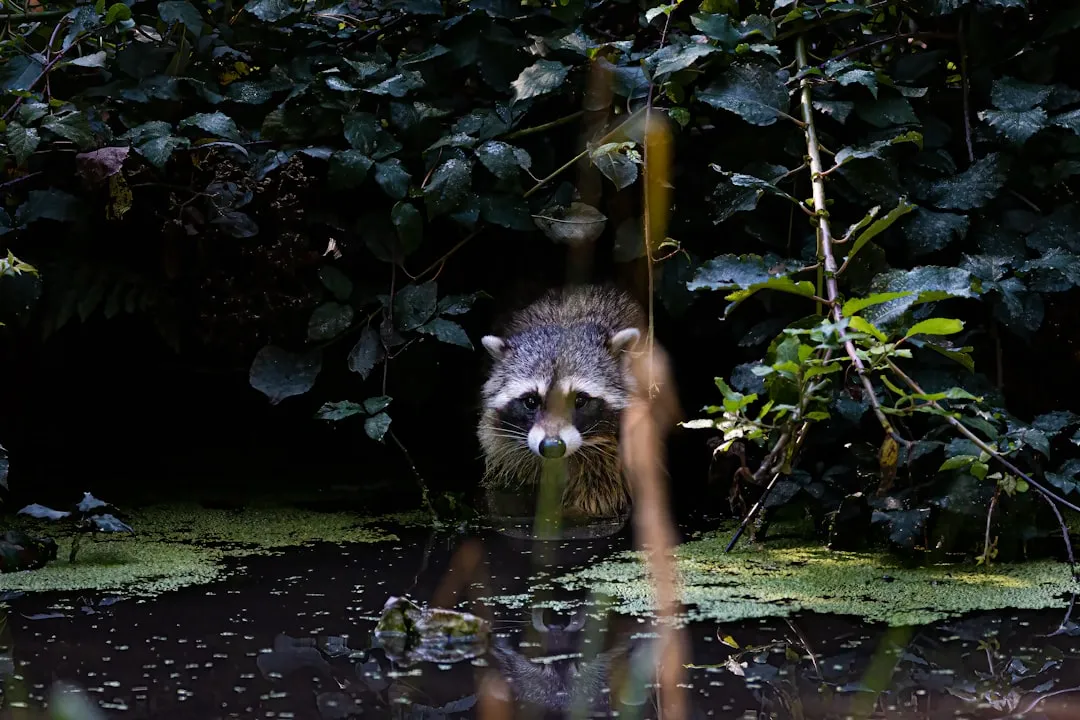
One thing urban raccoons definitely do after dark: negotiate with each other. City density means constant run-ins with neighbors, so instead of fighting over every dumpster, raccoons often settle into loose, shifting overlaps, especially where the food is good enough to share without a full-blown turf war.
You can actually see the scheduling play out. Dominant raccoons often hit the best spots earlier in the night, while subordinate ones slip in later to avoid a confrontation. Some people report something close to turn-taking around a single bowl of cat food or a knocked-over bird feeder. They’re not signing treaties, but tolerating certain neighbors, avoiding others, and timing routes to dodge conflict is its own quiet form of social planning.
#13 – They’re Learning From Us, Generation After Generation
🔥 Would you like to save this?
We'll email this post to you, so you can come back to it later!
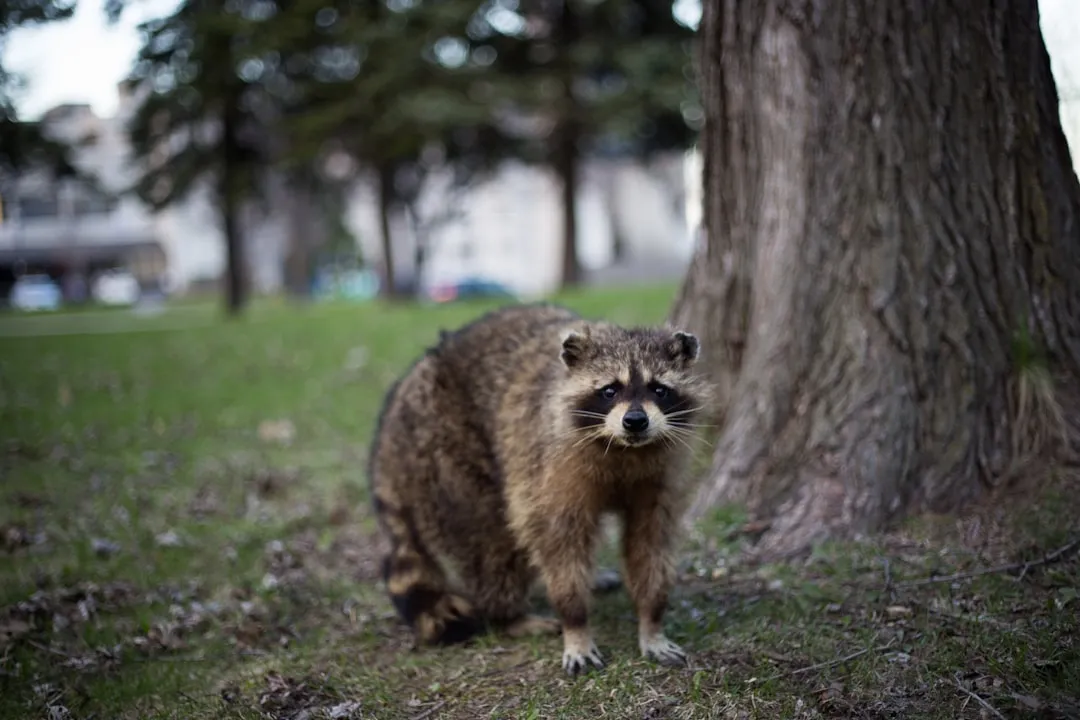
Here’s the part nobody really wants to sit with: urban raccoons are evolving around us in real time, and our own behavior is the lesson plan. Every time we change trash day, swap out a bin, add a lock, or move pet food indoors, raccoons get a new data point to work with. The ones flexible enough to adjust are the ones that survive.
Over generations, that likely tilts the population toward raccoons that are sharper at problem-solving, faster at spotting patterns, and better at planning ahead. Call that intelligence or call it ruthless selection pressure – the label barely matters. What matters is that the raccoons who anticipate our moves, who wait for the lights to go dark, exploit our routines, and reroute around new fences over multiple nights, are the ones passing on their genes. That’s not a cartoon mastermind. It’s something quieter and stranger: a city-shaped animal getting better, year after year, at using us as its main resource.
The Bottom Line
🔥 Would you like to save this?
We'll email this post to you, so you can come back to it later!
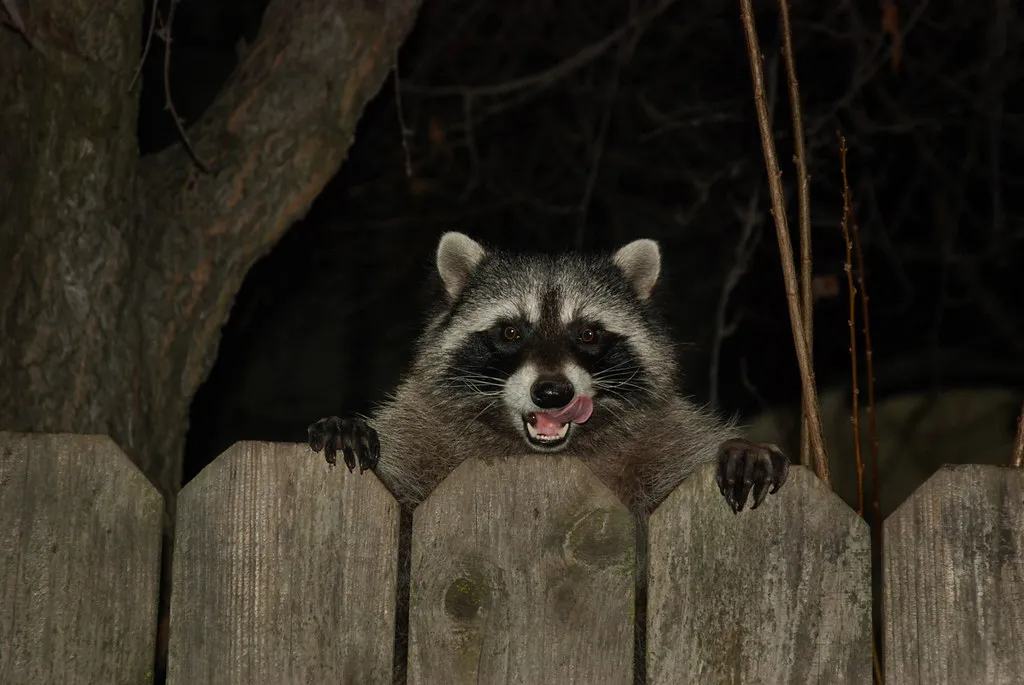
Urban raccoons aren’t running Ocean’s Eleven-style heists in your backyard. But they’re also nowhere close to the clumsy trash-diggers most people still picture. Night after night, they build and revise mental maps, hedge their risks, raise their young through carefully staged training routes, and adapt to our tech and schedules faster than most of us would like to admit.
Pretending it’s all random chaos is just wishful thinking at this point. The honest take? We built the perfect evolutionary boot camp for a smart, flexible omnivore, and then acted surprised when it graduated. Raccoons are simply doing what we rewarded – planning around our trash, our patterns, and our blind spots. Whether that strikes you as impressive, creepy, or both probably says more about us than it does about them.
Got a raccoon story from your own street that beats any of these? Drop it in the comments and prove me wrong.

- 7 Everyday Habits That Can Make Your Senior Dog Happier - November 5, 2026
- 10 Enigmatic Structures That Continue to Puzzle Scientists Today - November 5, 2026
- 10 Strange Ruins in the Americas That Challenge What We Know About Early History - November 5, 2026