
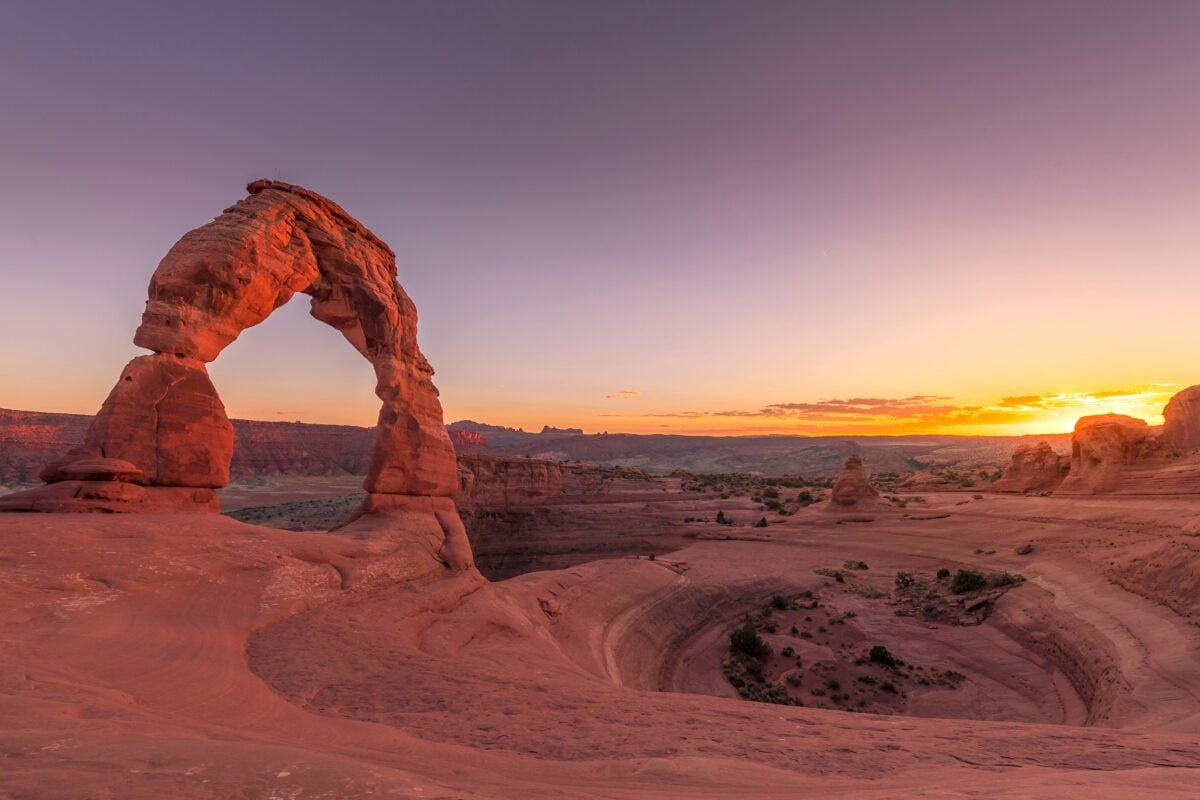
Most people assume the secret to a great national park trip is picking the right season, snagging the right permit, or booking the perfect campsite. Rangers will tell you that’s mostly noise. The real variable comes down to something almost embarrassingly simple: the clock.
In park after park, wildlife sightings, empty parking spots, soft light on red rock, and even whether you get through the gate at all depend on one thing – are you moving before sunrise, or rolling in with everyone else at 10 a.m.? The gap between an early arrival and a late one isn’t subtle. In some parks, it’s the difference between a front-row seat to something extraordinary and a three-hour standstill in a lot that filled before you finished breakfast. Here’s what rangers actually say, park by park, starting with the ones where the sun itself becomes the enemy.
#25 – White Sands National Park, New Mexico
🔥 Would you like to save this?
We'll email this post to you, so you can come back to it later!
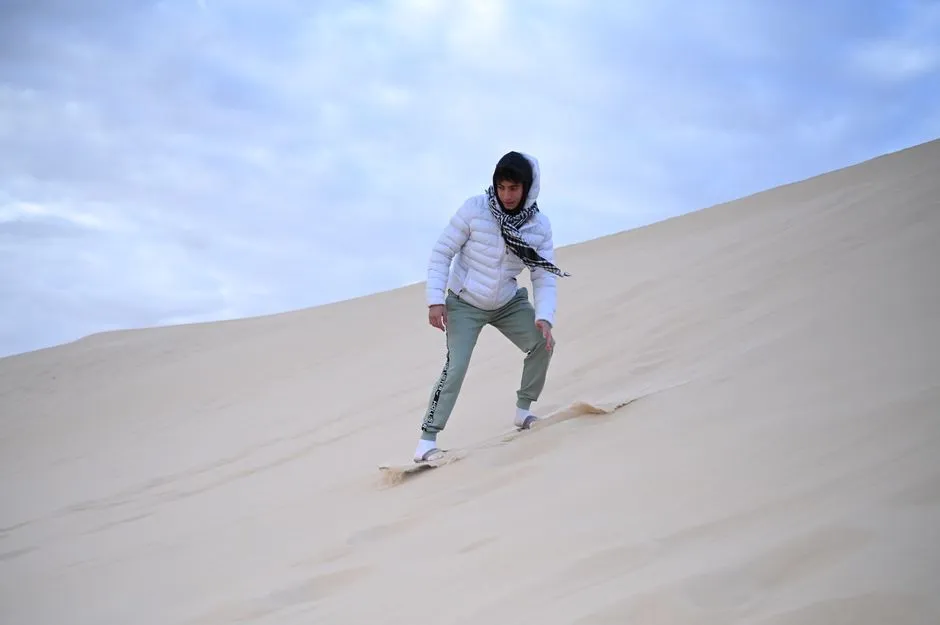
An ocean of gypsum dunes that turns into a convection oven by 10 a.m.
White Sands looks soft and cool in photos, but the white gypsum sand reflects sunlight so intensely that surface temperatures spike fast once the sun climbs. Most visitors don’t realize the same dunes that feel pleasant at 7 a.m. can be nearly unwalkable barefoot by midday. Sledding, hiking the Alkali Flat Trail, and photographing the rippled dune fields are all dramatically better in the first two hours after gates open.
- Early light turns the white gypsum a soft pink instead of a blinding glare.
- Afternoon heat radiates off the sand even when the air temperature seems moderate.
But #24 cranks the heat up even more.
#24 – Great Sand Dunes National Park, Colorado
🔥 Would you like to save this?
We'll email this post to you, so you can come back to it later!
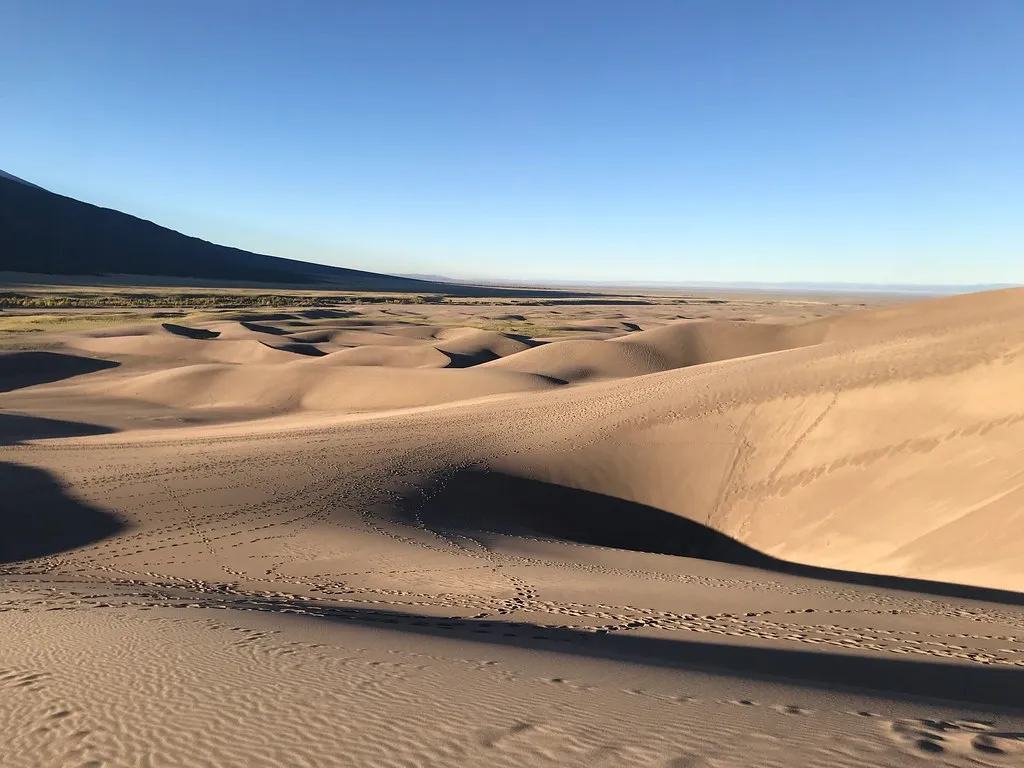
North America’s tallest dune field turns into a literal hotplate by early afternoon.
Rangers routinely warn that the dune surface can become dangerously hot to bare feet once the sun is high, making an early climb to High Dune or Star Dune far more comfortable than a midday attempt. The sand itself heats up faster than the surrounding air, so the “feels like” temperature on top of a dune is often far worse than the forecast suggests.
Early risers also get to watch the Sangre de Cristo peaks catch first light while the dune field is still cool and mostly empty. By 11 a.m., families are trudging up soft sand in full sun with nowhere to hide from the heat.
Still, nothing beats what’s waiting at #23.
#23 – Badlands National Park, South Dakota
🔥 Would you like to save this?
We'll email this post to you, so you can come back to it later!
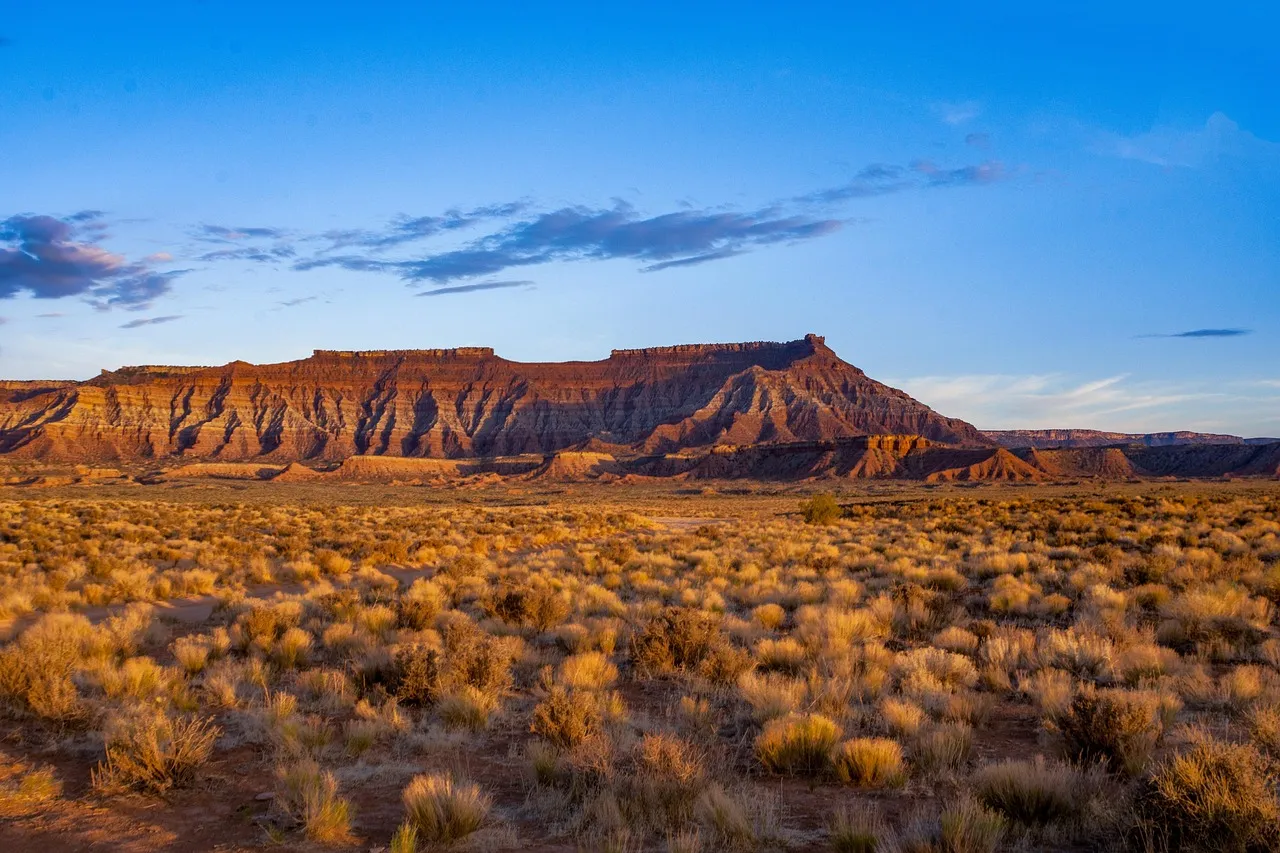
The rock formations here don’t just look different at sunrise – they change color entirely.
The layered buttes and pinnacles of the Badlands shift from flat gray to deep gold and rust the moment the sun clears the horizon. Most day-trippers arrive after 9 a.m. and completely miss the window when the formations look their most dramatic. Wildlife tells the same story.
Bison, pronghorn, and the park’s famous prairie dog towns are almost all more active in the cool morning hours before the plains heat up. The Badlands Loop Road is nearly empty at dawn, giving early visitors pullouts and overlooks that are jammed with tour buses by lunchtime.
Fast Facts
- The park protects 242,756 acres (379.3 sq mi) of sharply eroded buttes and pinnacles, plus the largest undisturbed mixed-grass prairie in the country.
- Badlands National Park was established as a national monument in 1939 and redesignated as a national park on November 10, 1978.
- The Badlands Loop Road runs 31 miles with 14 interpretive overlooks along the park’s north unit.
- Approximately 1,200 bison roam freely in the Sage Creek Wilderness Area, one of the reasons dawn drives feel like a wildlife safari.
Rangers say #22 is where sunrise turns into a full-on competition.
#22 – Canyonlands National Park, Utah
🔥 Would you like to save this?
We'll email this post to you, so you can come back to it later!
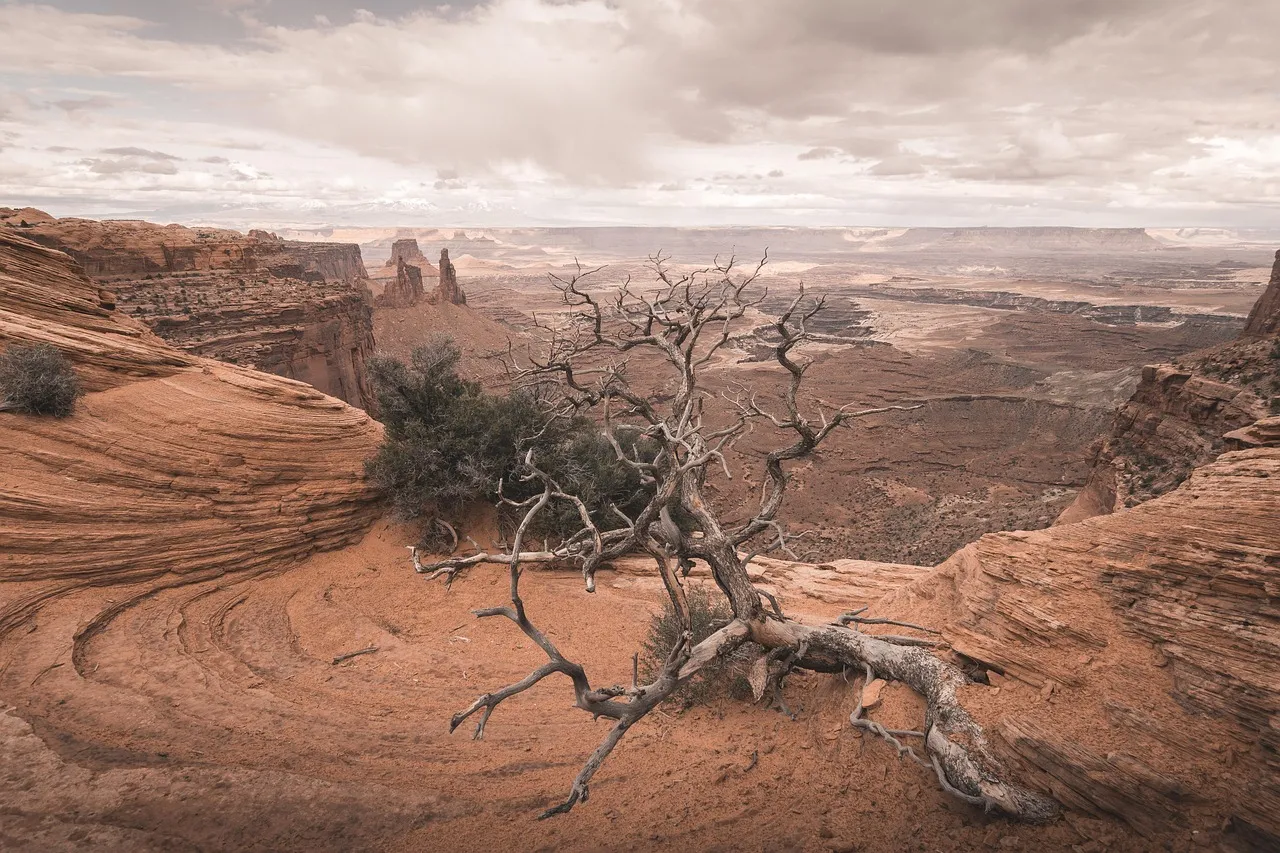
One single arch has turned sunrise into a competitive sport.
Mesa Arch is one of the most photographed spots in the entire national park system specifically because the rising sun lights the underside of the arch in a fiery orange glow for a few minutes each morning. The tiny parking area near the trailhead genuinely fills before dawn during peak season, forcing latecomers to walk from far down the road in the dark.
Skip the arch entirely and the rest of Canyonlands still rewards an early start – the Island in the Sky mesa stays cool and shadowed for hours after sunrise, long after the afternoon sun turns the exposed rock into a furnace.
That’s tame compared to the fog show at #21.
#21 – Shenandoah National Park, Virginia
🔥 Would you like to save this?
We'll email this post to you, so you can come back to it later!
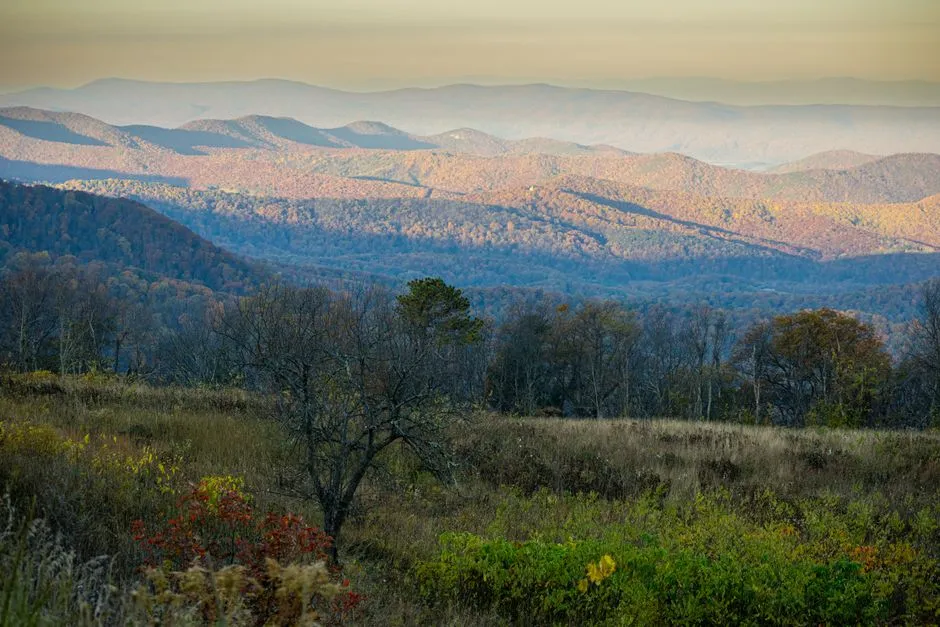
Skyline Drive at dawn feels like a completely different park than Skyline Drive at noon.
Morning fog often pools in the valleys below the ridgeline, burning off slowly as the sun rises, which creates a layered, almost otherworldly view from overlooks that are jammed with cars by mid-morning in fall foliage season. Black bears and white-tailed deer are dramatically more visible along the road’s edge in the first hour after sunrise, before traffic picks up and pushes them back into the trees.
Early drivers also avoid the slow parade of foliage-season traffic that turns the 105-mile drive into a bumper-to-bumper crawl by late morning on October weekends.
Keep reading – #20 packs three parks’ worth of payoff into one.
#20 – Olympic National Park, Washington
🔥 Would you like to save this?
We'll email this post to you, so you can come back to it later!
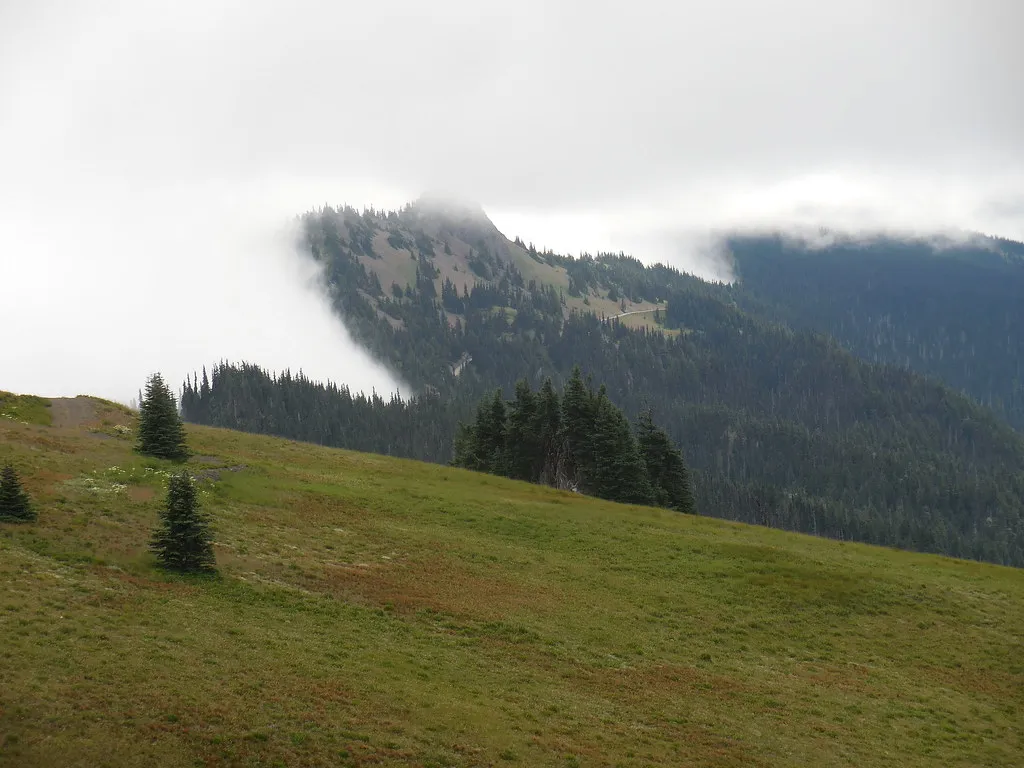
This park packs rainforest, coastline, and alpine ridge into one loop – and each one has its own early-morning payoff.
Hurricane Ridge frequently sits under clear skies at sunrise before clouds build up and roll in later in the day, burying the mountain views that drew visitors there in the first place. Arrive after 10 a.m. on a summer day and there’s a real chance the ridge you drove an hour to see is already fogged out.
The Hoh Rainforest tells a similar story: its small parking lot fills quickly on summer weekends, and the moss-draped trails feel genuinely quiet and misty only in the earliest hours before tour groups arrive.
Even that pales next to the giants waiting at #19.
#19 – Sequoia & Kings Canyon National Parks, California
🔥 Would you like to save this?
We'll email this post to you, so you can come back to it later!
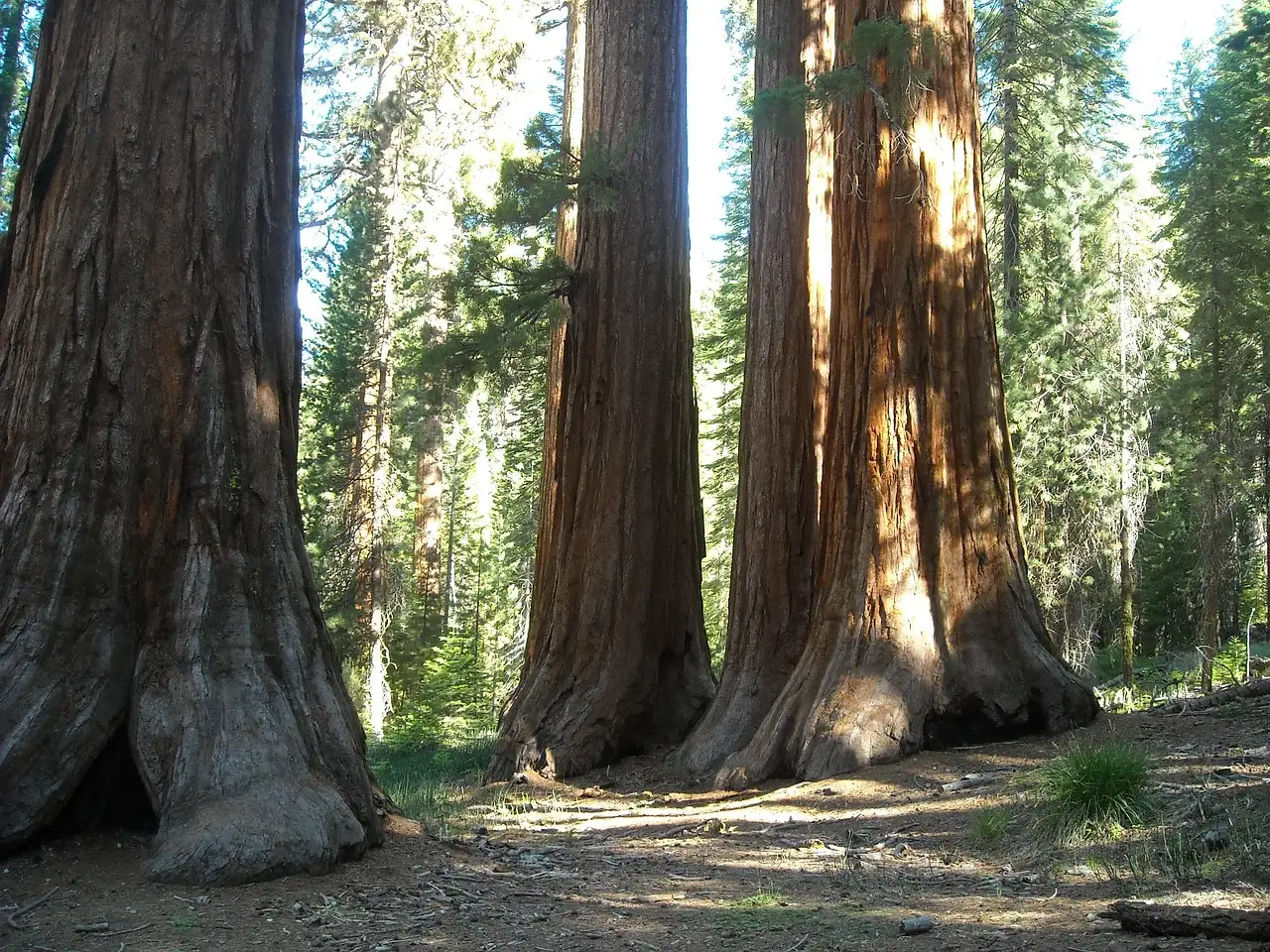
The world’s largest trees don’t care what time it is – but the crowds around them absolutely do.
The parking area near the General Sherman Tree, the largest tree on Earth by volume, fills quickly once the day-trip crowd arrives from nearby towns. Rangers point out that the giant sequoia groves feel almost cathedral-quiet in the first hour of daylight, a stark contrast to the shuffling foot traffic that builds by mid-morning.
Mountain mornings here are also simply cooler and more comfortable for hiking the steep switchbacks around the Giant Forest, before the Sierra sun turns exposed granite sections into a slow, sweaty climb.
But #18 is where the stakes stop being about comfort and start being about survival.
#18 – Death Valley National Park, California/Nevada
🔥 Would you like to save this?
We'll email this post to you, so you can come back to it later!
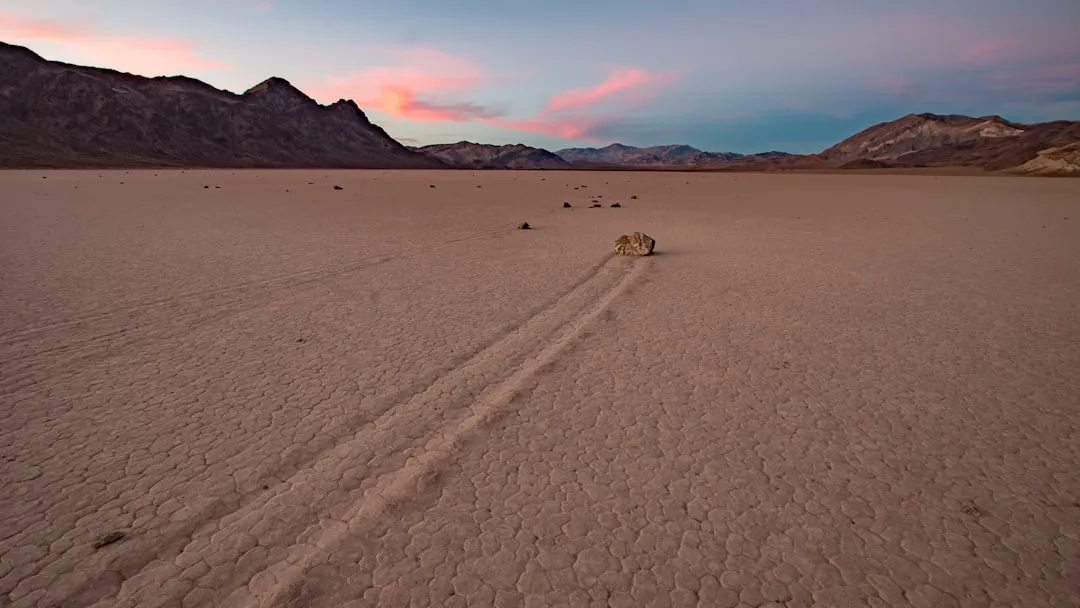
This is the hottest, driest, lowest national park in the country – and the clock genuinely becomes a safety issue here.
Rangers routinely advise that any real hiking in Death Valley needs to happen before mid-morning during the warmer months, since ground temperatures can climb into dangerous territory by 10 or 11 a.m. What feels like a manageable desert walk at 7 a.m. can turn into a heat emergency by lunchtime.
Beyond safety, the early light on features like Zabriskie Point and the Mesquite Flat Sand Dunes is simply better – softer, more colorful, and far less hazy than the shimmering heat distortion that sets in later in the day.
Compared to #17, that’s practically mild.
#17 – Joshua Tree National Park, California
🔥 Would you like to save this?
We'll email this post to you, so you can come back to it later!
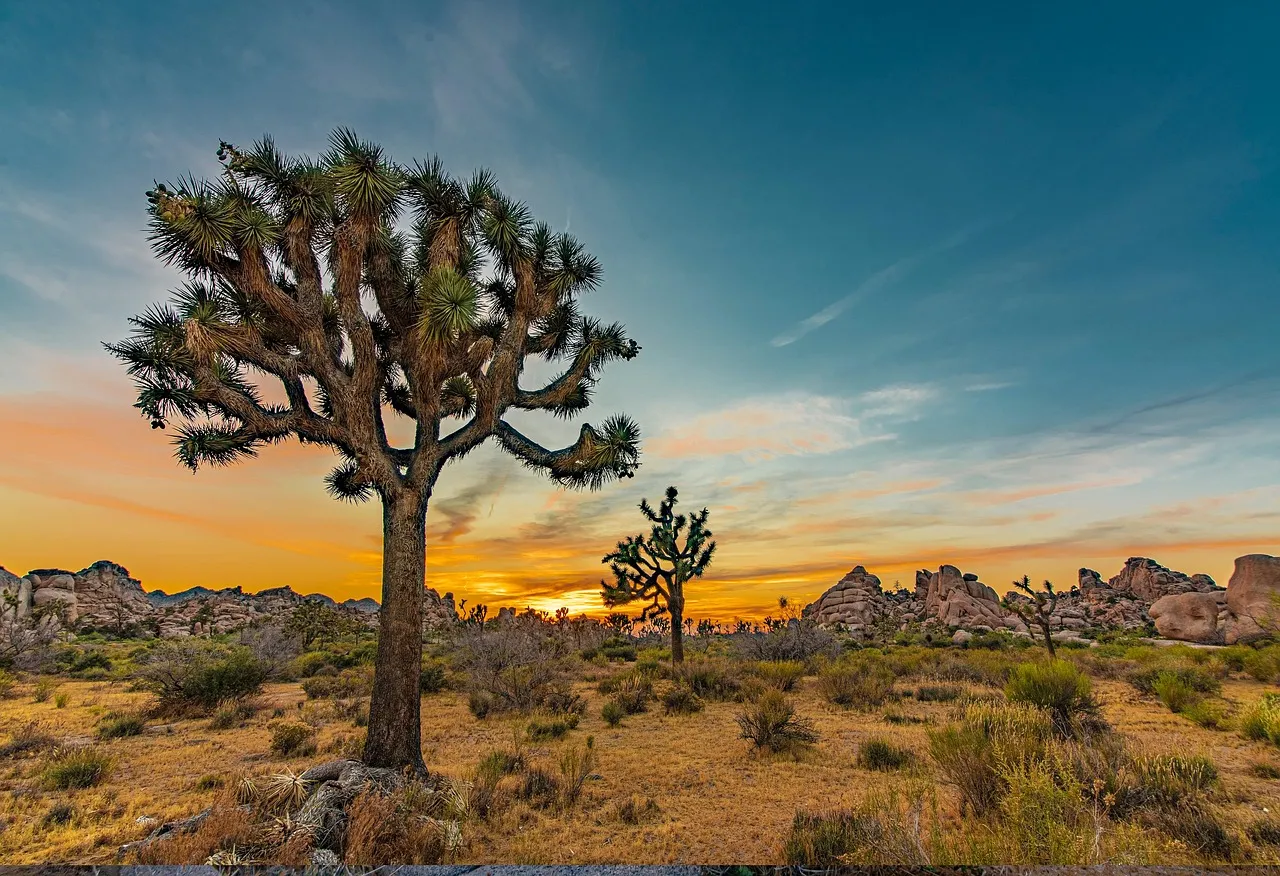
A desert park famous for two things: bizarre rock formations and brutal midday sun.
Rock climbers here have long known that the granite formations hold shade and cooler temperatures only in the early hours, making routes that are pleasant at 8 a.m. genuinely uncomfortable by noon. The park’s iconic Joshua trees and boulder piles also photograph dramatically better in the low, golden light of early morning than in the flat glare of midday.
- Popular formations like Skull Rock and Arch Rock draw crowds that thin out fast after 9 a.m. in summer.
- Wildlife like desert bighorn sheep are far easier to spot before the heat pushes them into hiding.
#16 runs on a completely different clock than anything so far.
#16 – Everglades National Park, Florida
🔥 Would you like to save this?
We'll email this post to you, so you can come back to it later!
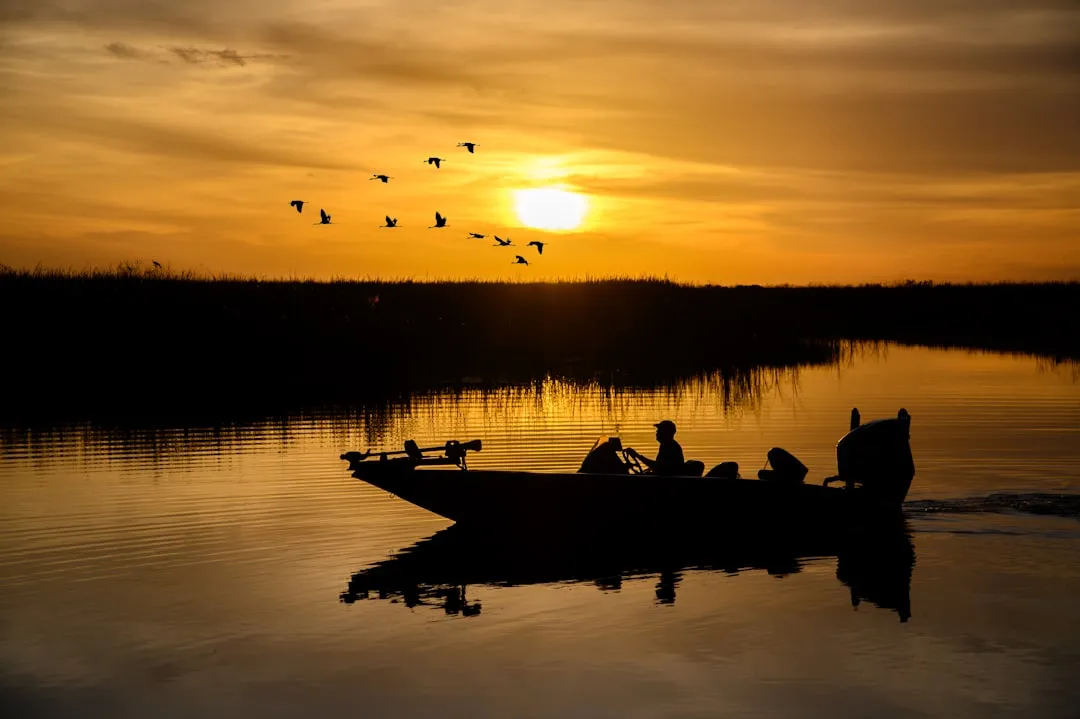
Florida’s “river of grass” runs on a completely different clock than most parks – heat and bugs, not crowds, set the schedule.
Alligators, wading birds, and other wildlife are consistently more visible and active during the cooler morning hours, before the heat and humidity climb and push animals into shaded cover. Most guided airboat and canoe operators deliberately schedule their earliest tours for exactly this reason.
Mosquito activity also tends to be worse later in the day during wet season, making an early start not just the best wildlife strategy but genuinely the more comfortable way to experience the park.
Few visitors ever even get close to what happens at #15.
#15 – Glacier Bay National Park, Alaska
🔥 Would you like to save this?
We'll email this post to you, so you can come back to it later!
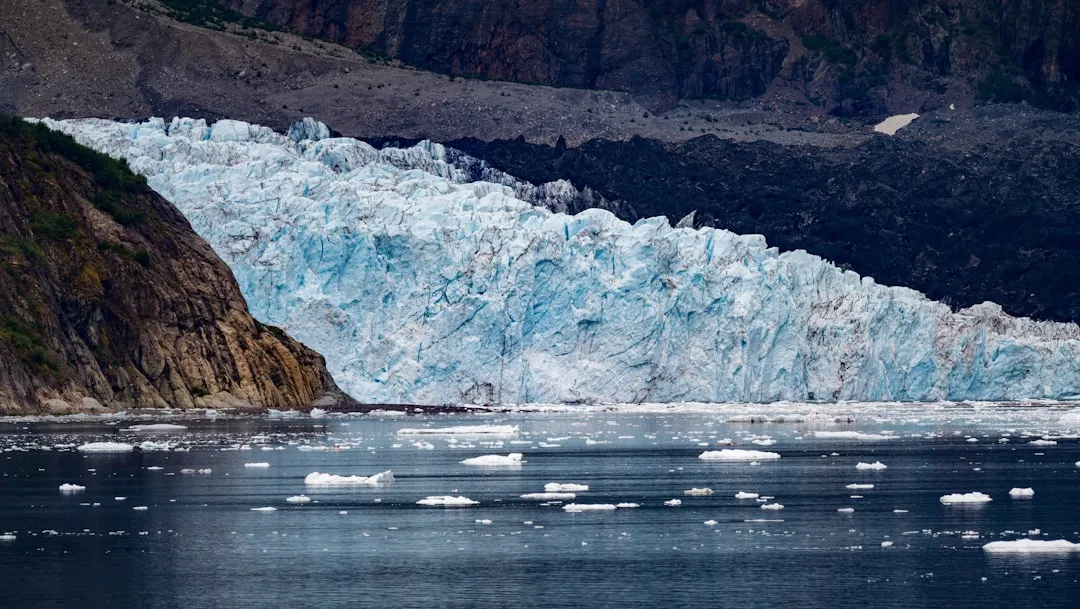
A park most visitors only see from the deck of a cruise ship – and timing still matters enormously.
Tidewater glaciers here are most active with visible calving in the cooler early hours, and the still morning water makes for far calmer wildlife viewing than the choppier conditions that often develop later in the day. Whales, seals, and seabirds tend to be more visible in the quieter, glassier water of early morning before boat traffic picks up.
For the smaller number of visitors who arrive independently by kayak or small boat, mornings offer genuinely calmer paddling conditions before afternoon winds funnel down the fjord.
But the mountain at #14 hides better than anything else on this list.
#14 – Denali National Park, Alaska
🔥 Would you like to save this?
We'll email this post to you, so you can come back to it later!
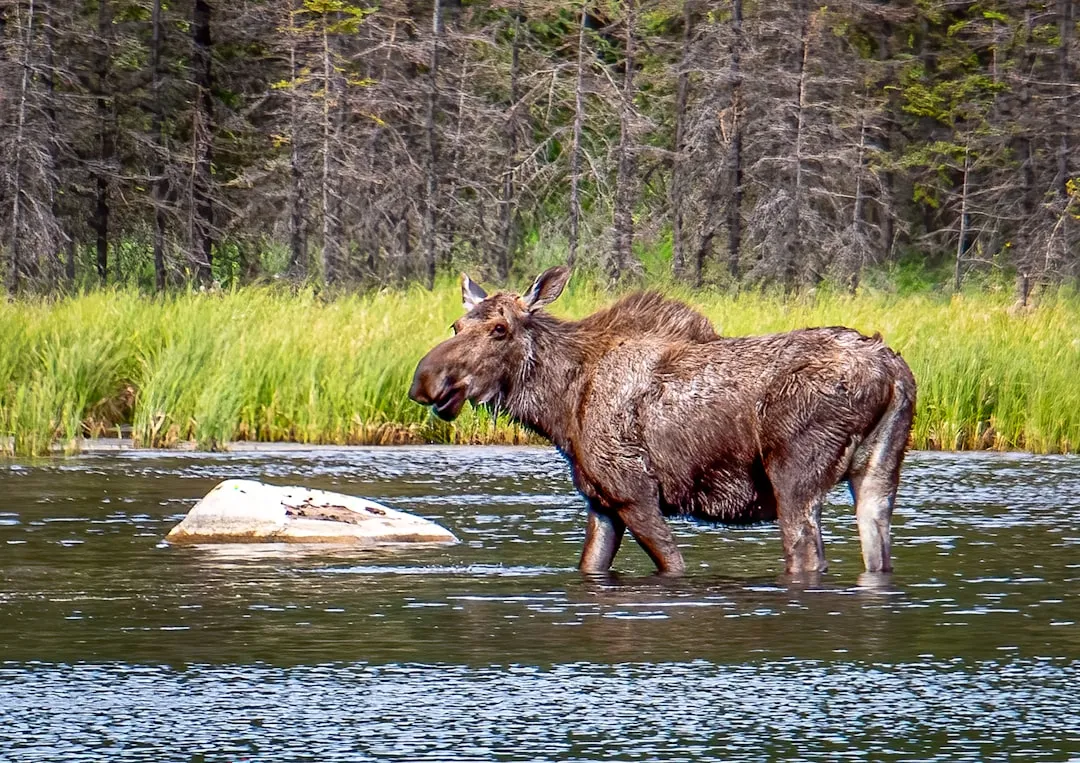
The mountain that gives this park its name is famously shy – and it hides best in the afternoon.
Denali’s summit is so often wrapped in cloud that longtime visitors joke about never actually seeing “the mountain” during their trip, but clear morning skies genuinely offer the best odds before afternoon cloud buildup rolls in. Wildlife along the park’s single access road – moose, caribou, and grizzly bears – is also consistently easier to spot in the cool early hours before the day’s shuttle buses fill up.
Because there’s only one road in and out, and shuttle seats are limited, an early departure also means a far better shot at getting on the bus you actually want.
Nothing quite prepares you for the color show at #13.
#13 – Bryce Canyon National Park, Utah
🔥 Would you like to save this?
We'll email this post to you, so you can come back to it later!
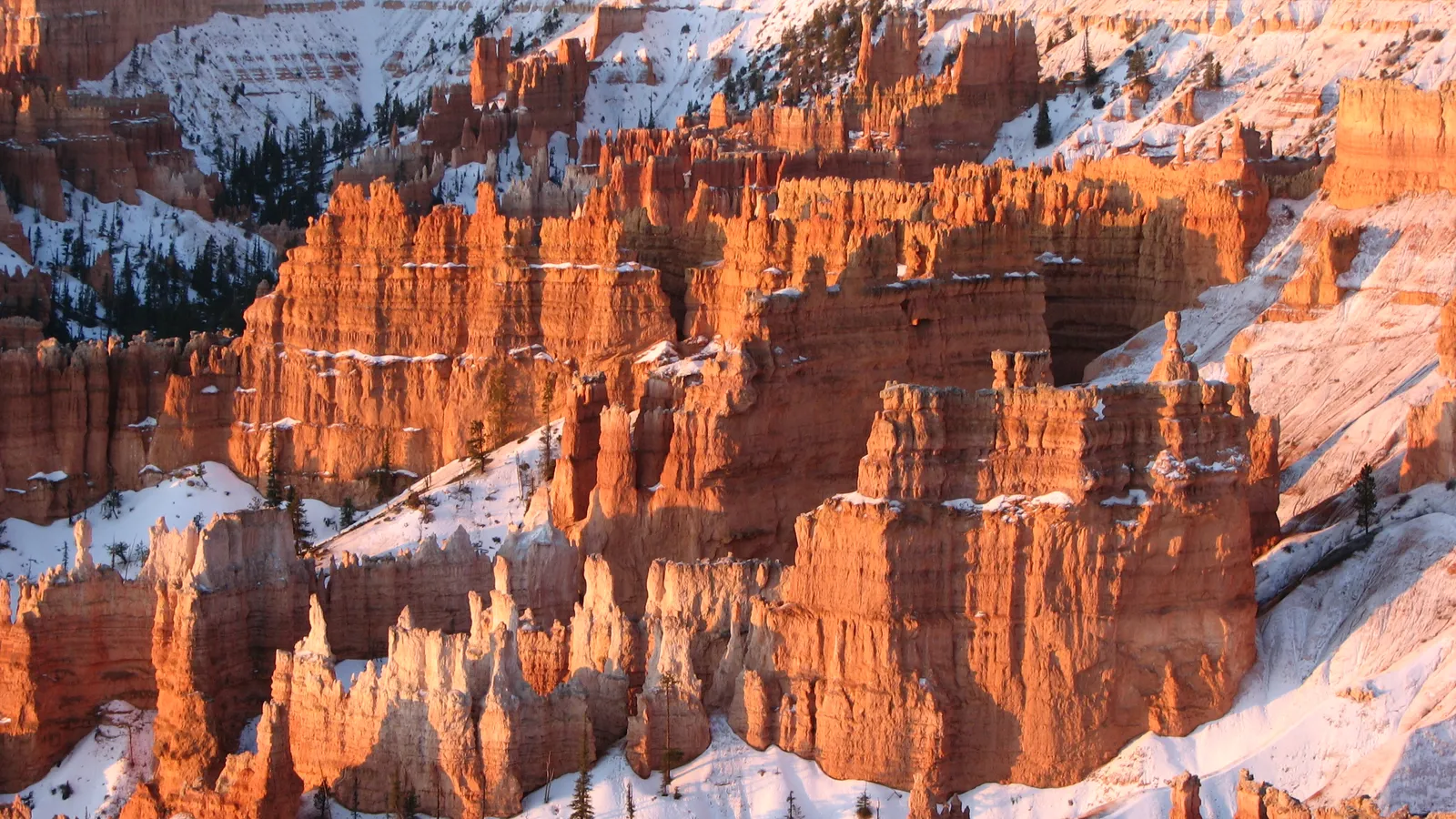
The hoodoos here don’t just look pretty at sunrise – they look completely different than at any other hour.
Bryce sits at high elevation, so mornings are noticeably cool even in summer, and the low sun angle lights the pink and orange spires of the amphitheater in a way that flattens out by midday. The Rim Trail and Sunrise Point are genuinely far less crowded before 8 a.m., before tour buses and day-trippers arrive from nearby towns.
The cooler morning temperatures also make the descent into the amphitheater on trails like Navajo Loop far more comfortable than the same hike in the thin, hot air of early afternoon.
Still, #12 is one of the most brutal midday traps in the entire system.
#12 – Grand Canyon National Park, Arizona
🔥 Would you like to save this?
We'll email this post to you, so you can come back to it later!
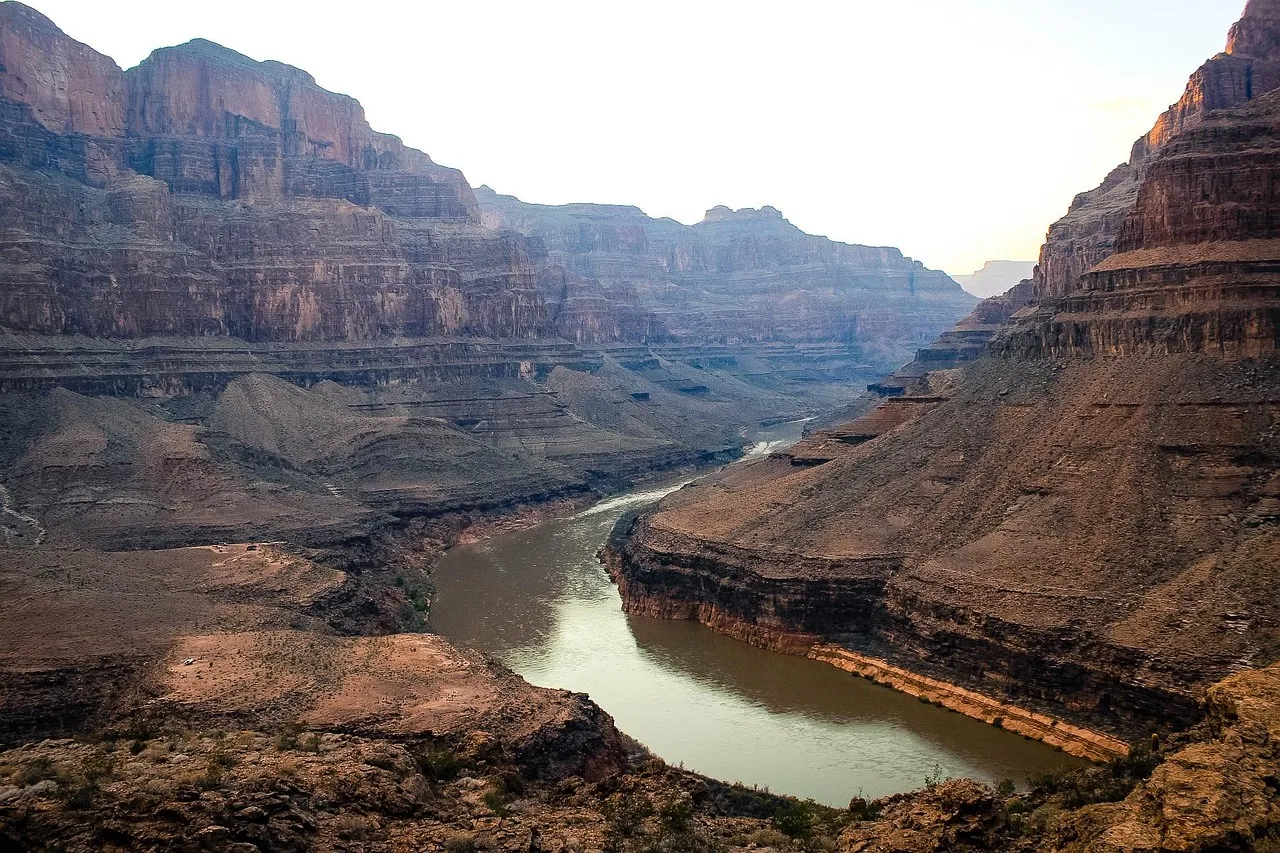
The most famous view in the American park system – and one of the most brutal midday hikes.
Sunrise at overlooks like Mather Point and Yaki Point on the South Rim draws far smaller crowds than the same spots at midday, when tour buses arrive in waves. Deeper in the canyon, rangers repeatedly warn hikers on trails like Bright Angel not to attempt the climb back up during the hottest hours, since inner-canyon temperatures can run dramatically hotter than the rim.
- Shuttle buses and parking areas near the visitor center fill far faster once the day-trip crowd arrives.
- Wildlife like elk and mule deer are more commonly seen near the rim in early morning.
Rangers say #11 just got even trickier.
#11 – Glacier National Park, Montana
🔥 Would you like to save this?
We'll email this post to you, so you can come back to it later!
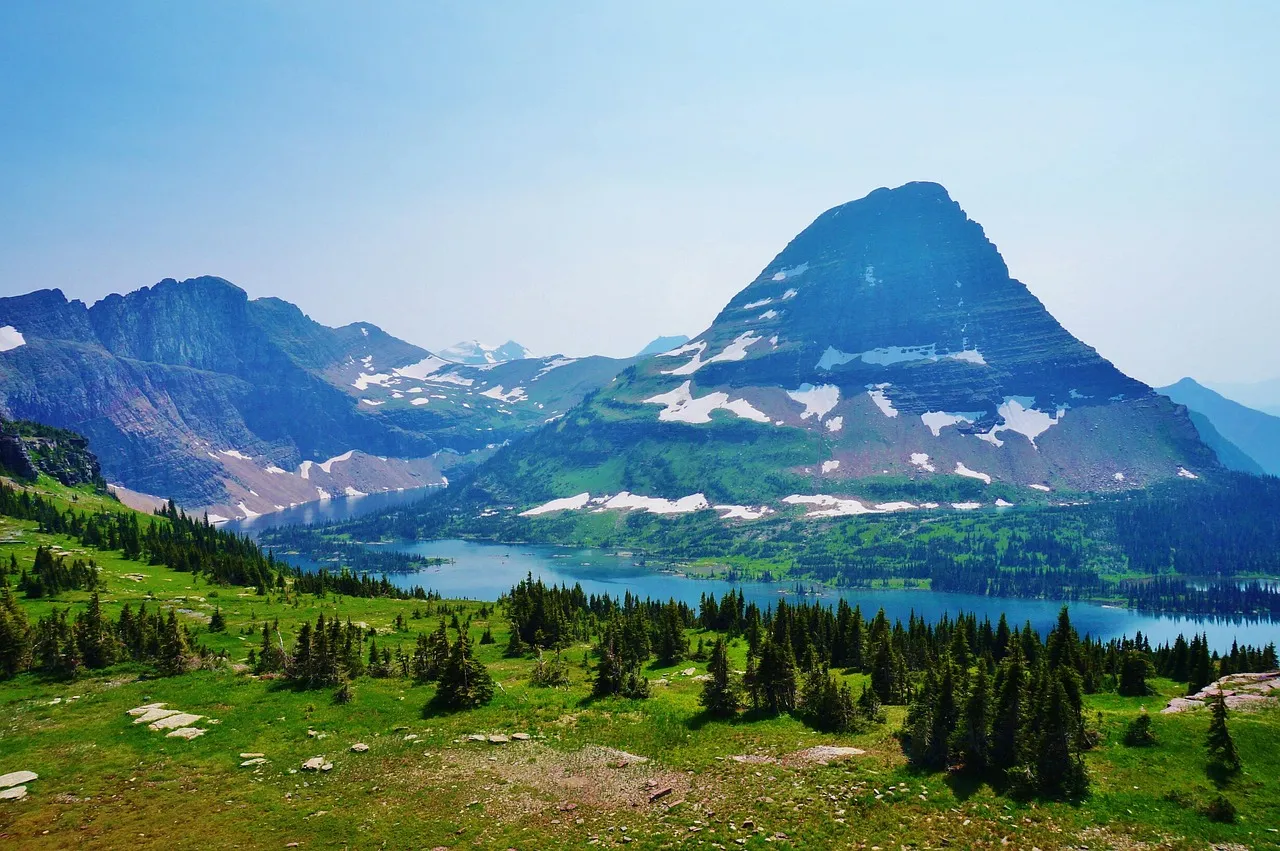
Glacier dropped its long-running vehicle reservation system, but that didn’t make the crowding problem disappear.
Starting in 2026, no vehicle reservation is required anywhere in the park, and that includes Going-to-the-Sun Road, Many Glacier, Two Medicine, and the North Fork. But rangers can still turn cars away entirely once popular corridors reach capacity, since the park continues active management of Going-to-the-Sun Road, parking limits at Logan Pass, and temporary vehicle diversions if safety thresholds are reached.
Losing the reservation system actually raised the stakes for early arrivals: without a guaranteed timed entry, the only reliable way into Logan Pass or Many Glacier during peak season is beating everyone else to the gate before the lot fills.
That’s nothing compared to the single trailhead at #10.
#10 – Great Smoky Mountains National Park, Tennessee/North Carolina
🔥 Would you like to save this?
We'll email this post to you, so you can come back to it later!
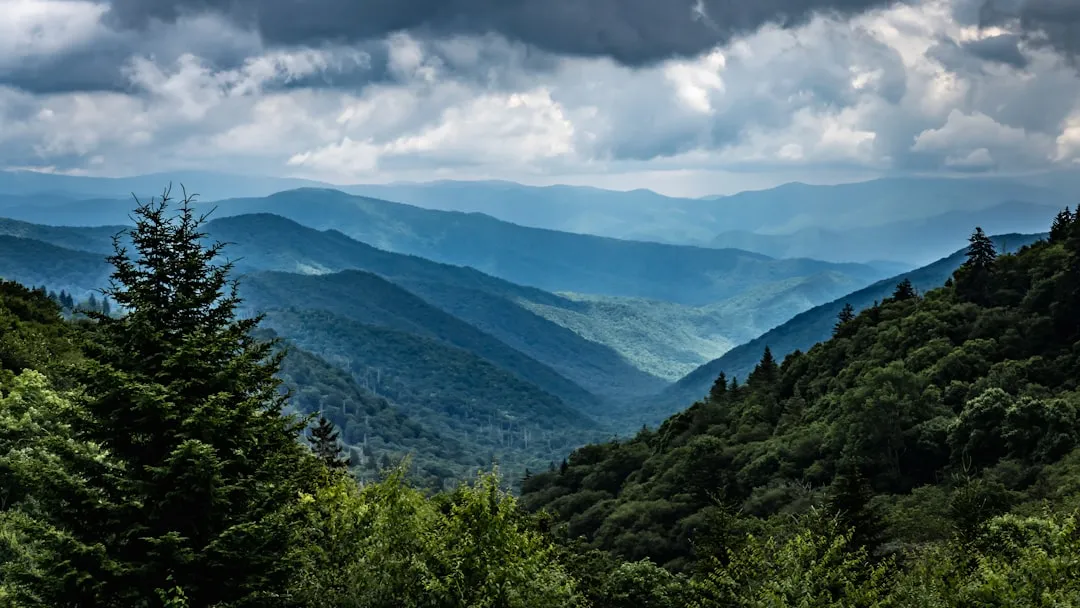
America’s single most-visited national park has one trailhead that has practically become a case study in why rangers push an early start.
The Alum Cave Trailhead is one of the most popular hikes in the entire national park system, and its lots fill faster than almost anywhere else in Tennessee – typically by 7 to 8 a.m. on summer and fall weekends, and by 9 a.m. even on quieter weekdays.
Rangers describe arriving between 5 and 6 a.m. as essentially the only guaranteed way to land a spot. Miss that window, and the honest answer from rangers is that there isn’t a reliable backup plan – you simply try another trail instead.
At a Glance
- Great Smoky Mountains remains America’s most-visited national park, once again claiming the top spot in recent counts.
- The park logged more than 12 million recreational visits in 2024 alone.
- It sits within a day’s drive for more than 60 percent of Americans, which helps explain the crowding.
- Covers 522,427 acres split almost evenly between Tennessee and North Carolina.
But #9 requires planning weeks, not hours, in advance.
#9 – Acadia National Park, Maine

🔥 Would you like to save this?
We'll email this post to you, so you can come back to it later!
Watching the sunrise from the highest point on the U.S. Atlantic coast now requires planning weeks in advance – and rangers say it’s worth it.
From May 20 through October 25, 2026, the National Park Service requires advanced vehicle reservations to access the Cadillac Summit Road, with a specific sunrise slot beginning at 4:30 a.m., or one of the various daytime slots available every half-hour from 6:30 a.m. until 8 p.m.
Most visitors don’t realize how tight the sunrise cap really is: each vehicle is allowed only one Cadillac Summit Road sunrise reservation every seven days. Hikers willing to climb the summit trails on foot skip the reservation requirement entirely – the permit only controls who can drive up, not who can walk up.
Even that doesn’t compare to the hard cap rangers enforce at #8.
#8 – Haleakalā National Park, Hawaii
🔥 Would you like to save this?
We'll email this post to you, so you can come back to it later!
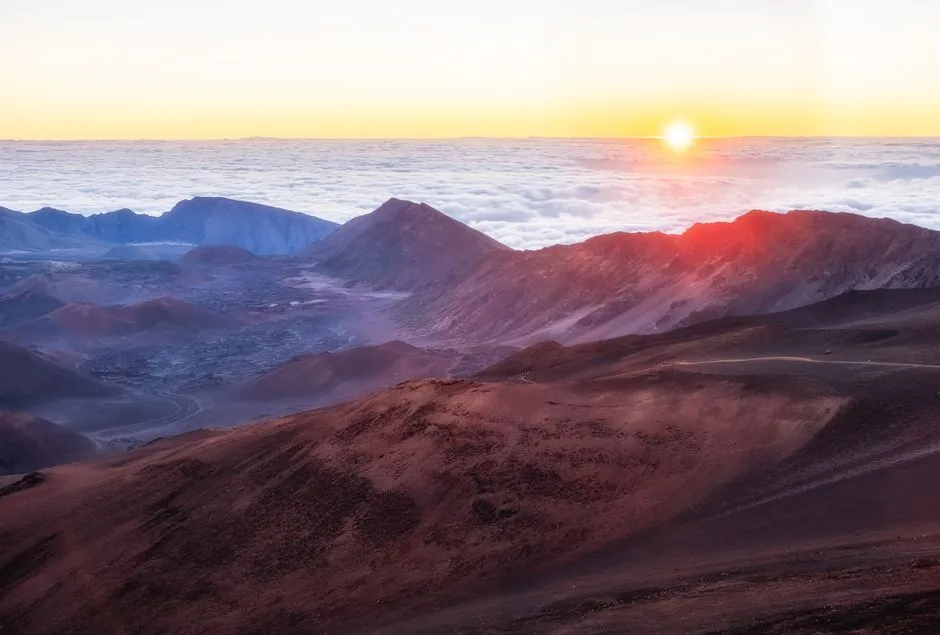
This is the only park in the country where watching the sunrise legally requires a government reservation.
Because the summit experience is so popular, you must make a reservation in advance to enter the park early enough to watch the sunrise, and these reservations allow entry between the hours of 3 a.m. to 7 a.m. The scarcity is real – only 150 vehicles are allowed into the park for sunrise viewing, period, no matter how badly you want to see the sun break over the crater rim.
Miss the reservation window entirely and rangers say sunset is the fallback – no permit needed, and arguably just as spectacular above the clouds.
Rangers are practically begging visitors to show up early at #7.
#7 – Mount Rainier National Park, Washington
🔥 Would you like to save this?
We'll email this post to you, so you can come back to it later!
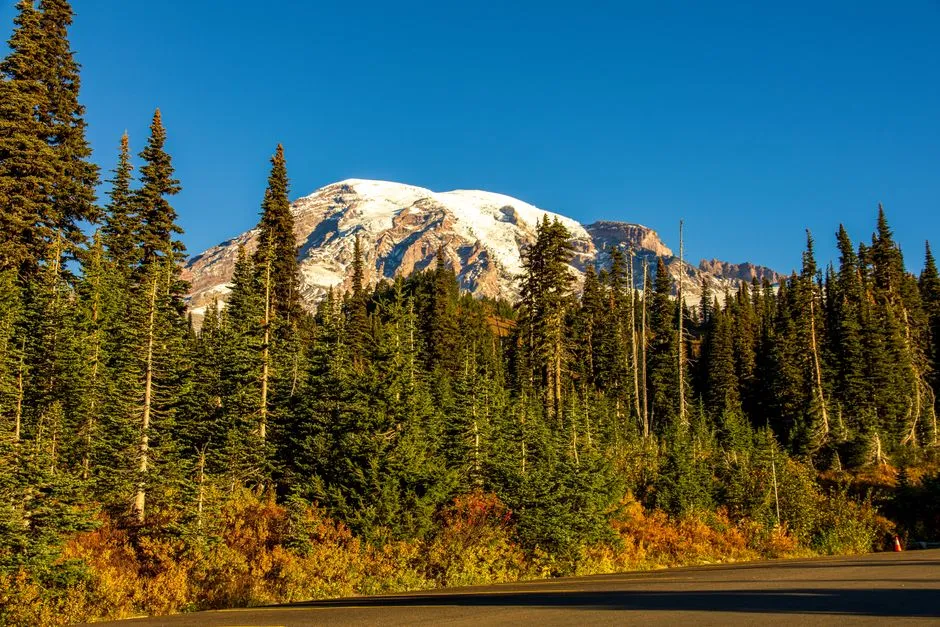
Rangers here have started publicly begging visitors to “get here early” – and the numbers back them up.
On a typical summer Sunday, by sunrise, two-thirds of the roughly 200 parking stalls in the upper parking lot at Paradise were already taken. By 6:30 a.m., the situation is already critical: cars were turning, filling nearby overflow lots, and the latecomers arriving at 7 a.m. were left prowling the aisles hoping to find a spot just wide enough to squeeze in.
The park’s own guidance confirms the pattern isn’t a one-off: on weekends, the Paradise and Sunrise parking lots are filled by late morning, and once they close, entrance-station wait times stretch into hours.
Worth Knowing
- Two-thirds of Paradise’s upper lot stalls are gone by sunrise on a typical summer Sunday.
- By 6:30 a.m., overflow lots are already filling and cars are being turned away.
- Once Paradise and Sunrise lots close on weekends, entrance-station waits can stretch into hours.
- There is no reservation system here – the only real “permit” is beating the sunrise.
#6 runs on a schedule wildlife itself won’t break.
#6 – Grand Teton National Park, Wyoming
🔥 Would you like to save this?
We'll email this post to you, so you can come back to it later!
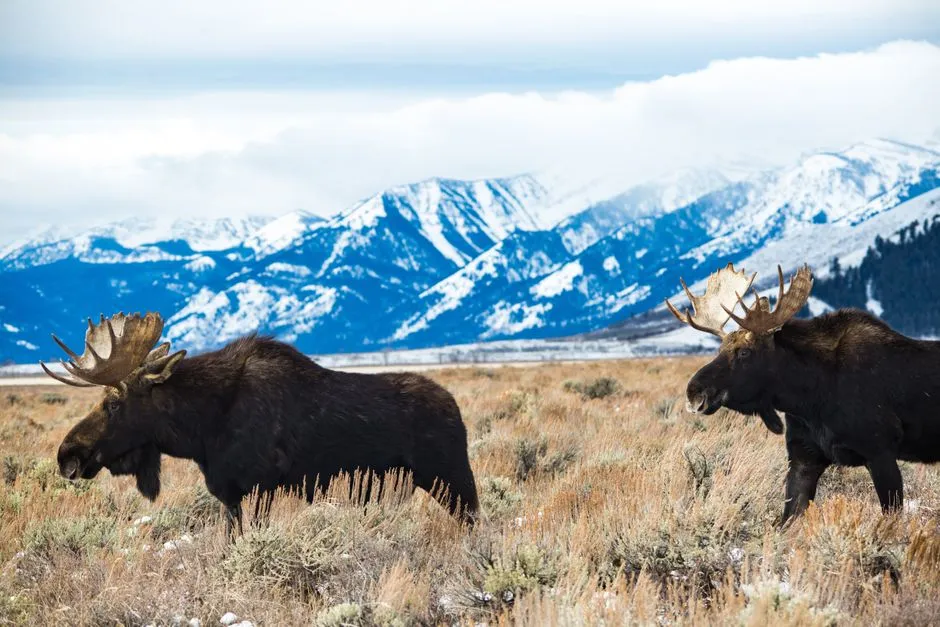
This park’s most photographed wildlife spots operate on a strict biological clock rangers can’t override.
Wildlife biologists and rangers agree on the pattern: cooler temperatures in early morning and evening push animals out into the open, while the heat of a summer afternoon sends them back into the trees. Most casual visitors show up mid-morning and simply miss the show entirely.
Oxbow Bend and Willow Flats are the clearest examples. The willows there draw moose and black bears at dawn and dusk, while foxes – including the park’s striking red foxes – are most often spotted in that same narrow early-morning window before the crowds arrive.
Still, nothing beats the valley that shuts its curtain by mid-morning at #5.
#5 – Yellowstone National Park, Wyoming
🔥 Would you like to save this?
We'll email this post to you, so you can come back to it later!
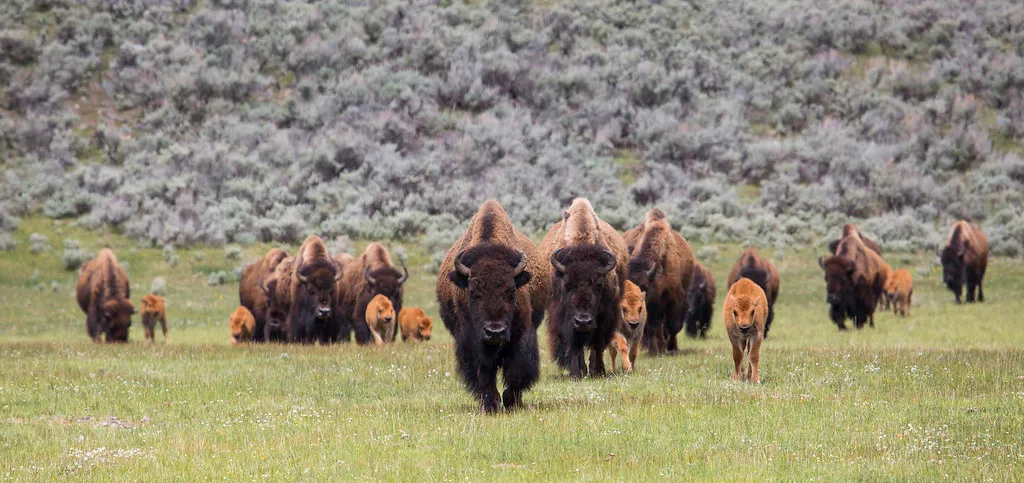
The park’s most legendary wildlife valley essentially shuts its curtain by mid-morning.
Guides who run dedicated wildlife tours here build their entire schedule around one fact: dawn is when the animals actually show up. That’s why tours leave in the dark to reach Lamar Valley, often called the best wildlife-viewing stretch of road in the entire park system.
Wolves, grizzlies, and bison are consistently more visible in the first hours of daylight than at any other point in the day, before the heat of a summer afternoon pushes animals into shade and cover. Visitors who sleep past sunrise routinely arrive to find the valley’s best sightings already over.
#4 built an entire reservation system around this exact problem.
#4 – Rocky Mountain National Park, Colorado
🔥 Would you like to save this?
We'll email this post to you, so you can come back to it later!
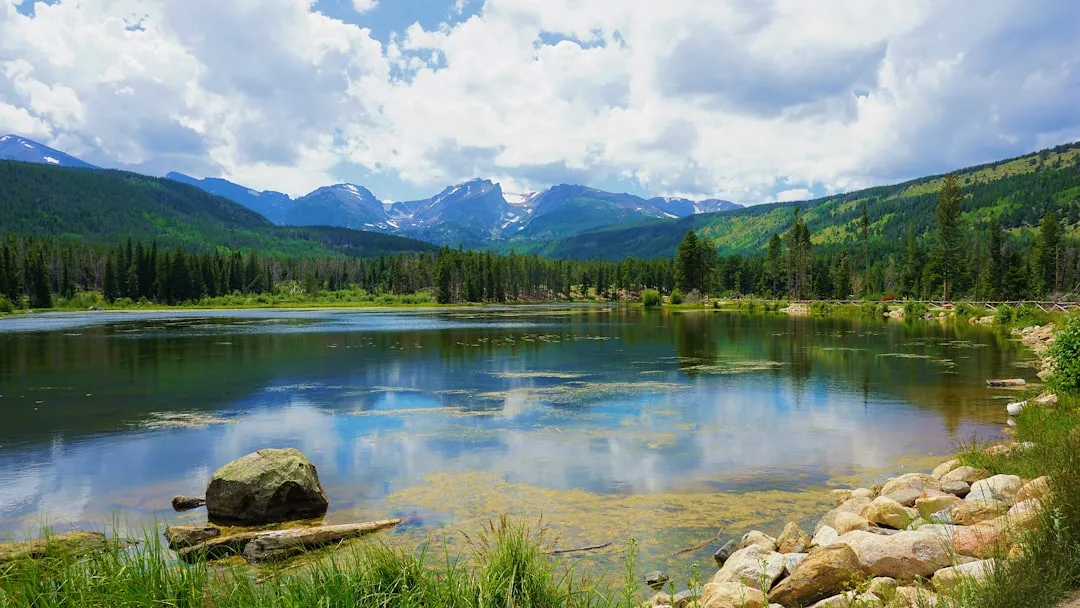
This park built an entire reservation system around the fact that mornings are the only time some roads stay usable.
Timed entry reservations are needed to enter the park between 9 a.m. and 2 p.m. daily, but visitors can enter before 9 a.m. or anytime after 2 p.m. without a reservation. That means the entire morning window is functionally the free, unrestricted way into the park – no permit required.
Trailhead parking backs this up directly: popular hiking trailhead parking lots often fill very early in the day, including Glacier Gorge Trailhead, Bear Lake Trailhead, and Wild Basin, so rangers advise hiking early or hiking late, prior to 9 a.m. or after 4 p.m.
But #3 just proved that removing a permit doesn’t remove the crowd.
#3 – Arches National Park, Utah
🔥 Would you like to save this?
We'll email this post to you, so you can come back to it later!
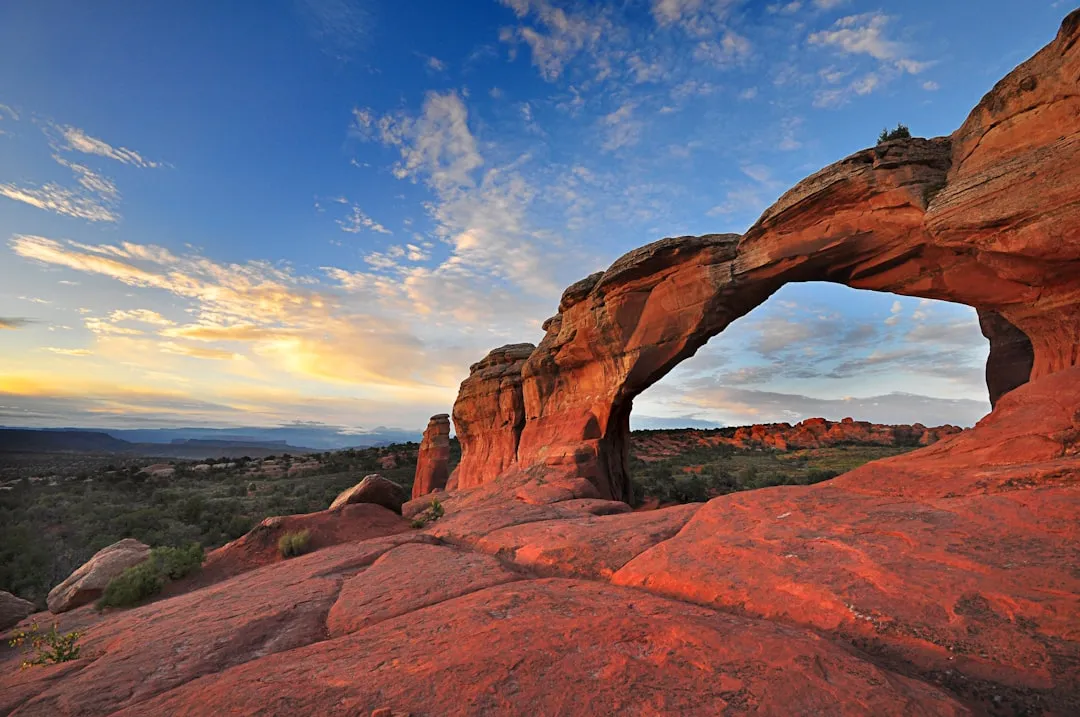
Arches just dropped its reservation system entirely – and rangers say that made an early start more important, not less.
Arches National Park will not implement a timed entry reservation system in 2026, and visitors are encouraged to arrive early and be flexible. But removing the reservation didn’t remove the crowding: rangers can still temporarily close the roads to popular trailheads such as Devils Garden, the Windows, and the Delicate Arch trailhead once those specific lots reach capacity, and those closures have been known to last three to five hours.
A three-to-five-hour road closure over a single full parking lot is a brutal price for sleeping in. Rangers add that visitors are asked not to wait in the roadway for a spot to open, and arriving by seven or eight a.m. beats the lots that fill first, at Delicate Arch and the Windows. As a bonus, Arches is also an International Dark Sky Park, so visitors out before true dawn get a sky largely free of light pollution.
Rangers say #2 is almost too predictable to believe.
#2 – Zion National Park, Utah
🔥 Would you like to save this?
We'll email this post to you, so you can come back to it later!
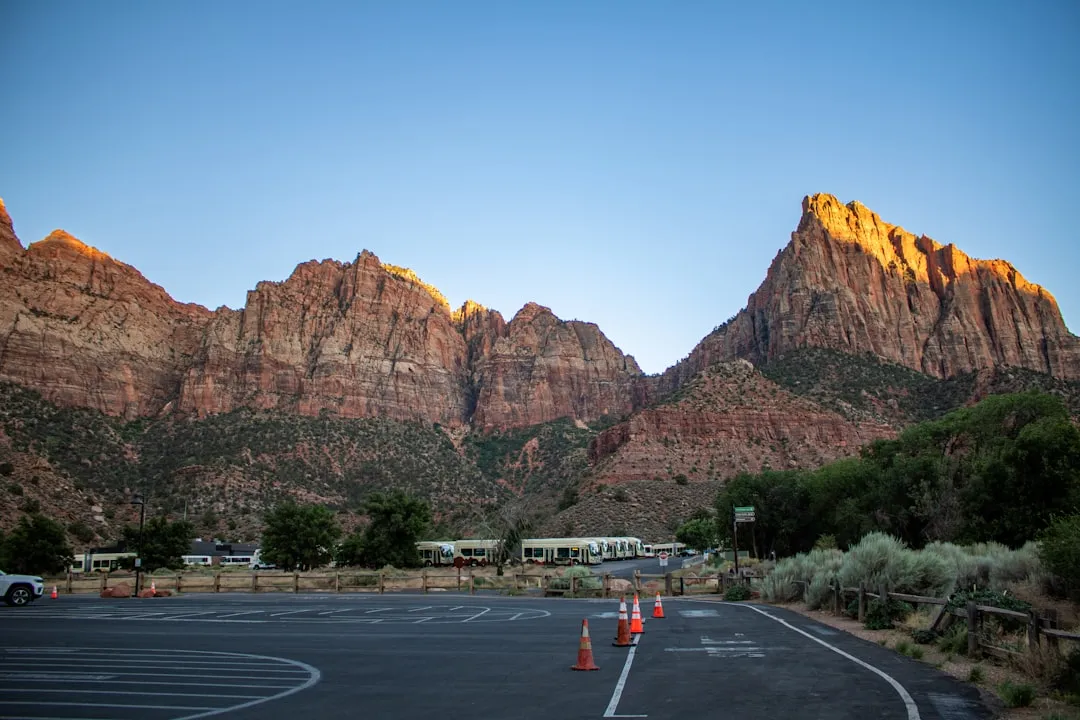
Zion’s crowding problem is so predictable that rangers can practically set a watch by it.
Parking at the visitor center and the nearby lots typically fills between eight and nine a.m., even on weekdays in peak season. Once those lots are gone, the backup options aren’t actually faster – the town of Springdale’s shuttle route does not start running until eight a.m., an hour after the park shuttle, so it saves a parking headache without saving any time.
In practice, that means anyone arriving after the 8 a.m. cutoff has already lost the morning to logistics, while early risers walk straight onto the shuttle and into the canyon before the lines even form.
And #1 saved the biggest irony for last.
#1 – Yosemite National Park, California
🔥 Would you like to save this?
We'll email this post to you, so you can come back to it later!
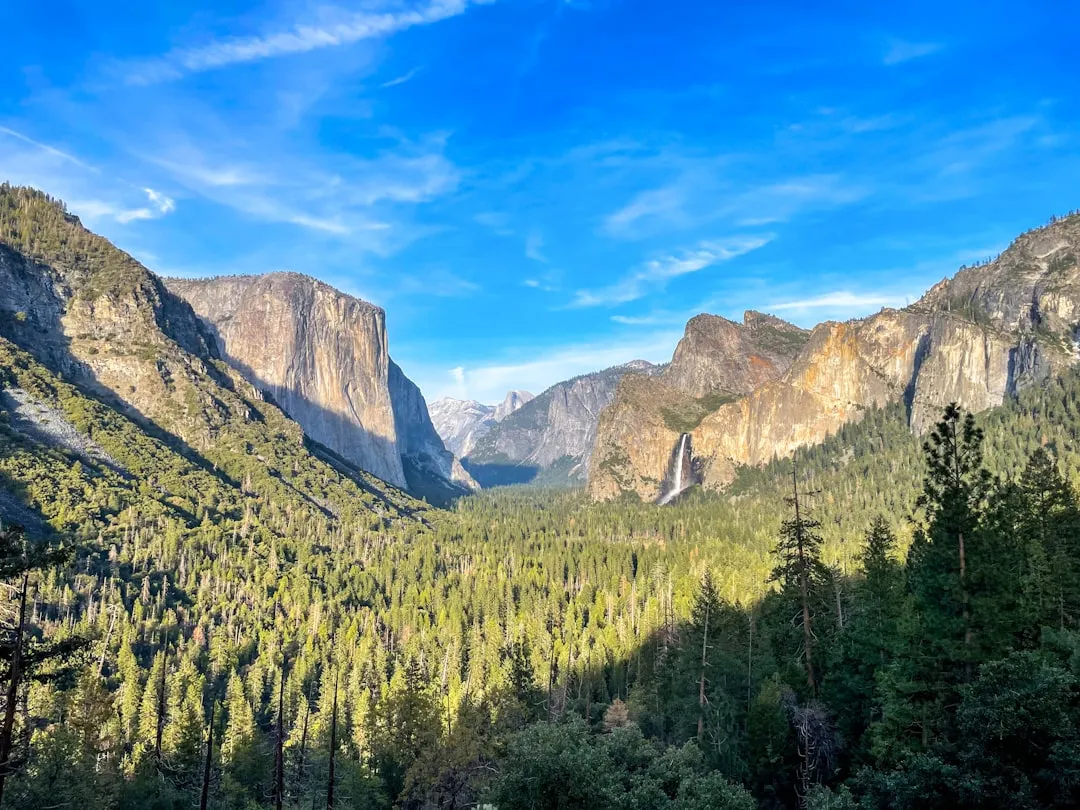
The most famous valley in the American park system just made its early-morning payoff even bigger.
Yosemite will no longer use a timed entry reservation system in 2026, following a comprehensive evaluation of traffic and visitation during the 2025 season. That sounds like good news for spontaneous travelers – until you hear what rangers say actually happened on the ground.
Valley parking lots have reportedly filled before 7:30 a.m. on the busiest spring and summer days, which one report noted makes an early start more important, not less, since there’s no longer a permit system limiting how many cars try to squeeze into the same handful of Valley lots at once.
Quick Compare
- 2025 and earlier: Seasonal timed-entry reservations capped how many cars could enter Yosemite Valley on peak days.
- 2026: No reservation system, and no cap on how many cars try their luck.
- Result: Valley lots now fill before 7:30 a.m. on the busiest days – earlier than under the old permit system.
- Bottom line: the real “reservation” is simply being awake before sunrise.
That single fact sums up almost every park on this list: removing a reservation doesn’t remove a crowd, it just moves the deadline back to sunrise.
The Bottom Line
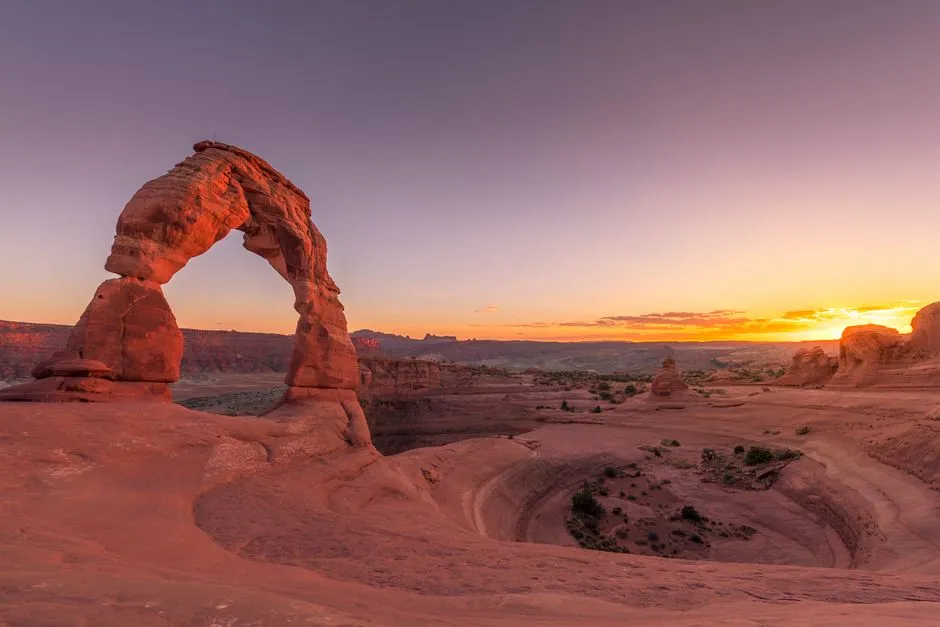
Across all 25 parks, the pattern repeats over and over: parking lots fill before breakfast, wildlife disappears into the shade by mid-morning, and the softest, most dramatic light shows up before most visitors even leave their hotel. From Yosemite’s Valley floor to Haleakalā’s capped-at-150-vehicles summit, rangers keep pointing to the same window – the hour before and after sunrise – as the real dividing line between a trip that felt rushed and one that felt earned.
If there’s one lesson worth stealing from every ranger quoted here, it’s this: sleep is the most overrated part of a national park trip. You can nap in the car at noon, when the trail is empty and the light is already gone. You cannot get the hour before sunrise back once it’s gone – and neither can the parking lot, the trailhead, or the animal that already slipped back into the trees.
Which of these parks actually got you out of bed before sunrise – and was it worth it? Drop your early-morning national park story in the comments.

- 7 Everyday Habits That Can Make Your Senior Dog Happier - November 5, 2026
- 10 Enigmatic Structures That Continue to Puzzle Scientists Today - November 5, 2026
- 10 Strange Ruins in the Americas That Challenge What We Know About Early History - November 5, 2026