


When we think of human architecture and construction, we often overlook our greatest teachers: the animal kingdom. For millions of years before humans built their first structures, animals have been designing, constructing, and maintaining sophisticated homes that perfectly suit their needs and environments. From the precision engineering of honeybee hives to the climate-controlled termite mounds that inspired sustainable building designs, animal architecture offers valuable lessons in efficiency, sustainability, and adaptation. This article explores the remarkable ways animals build their homes and what human designers, architects, and everyday homeowners can learn from these natural builders. By understanding animal construction techniques, we gain insights not only into innovative building methods but also into sustainable living practices that have been refined through millions of years of evolution.
The Master Architects of the Animal Kingdom

Animals have evolved remarkable building skills without the benefit of formal education or advanced tools. Beavers construct dams that can span over 500 meters, creating wetland ecosystems that benefit countless other species. Termites build massive mounds that can reach heights of 9 meters, complete with sophisticated ventilation systems that maintain stable internal temperatures despite extreme external conditions. These animal architects work with the materials available in their environments and harness natural principles of engineering and physics. The precision and functionality of these structures often rival or surpass human construction in efficiency and sustainability. Unlike human buildings, which frequently require extensive maintenance and energy inputs, animal structures typically work with natural processes rather than against them. This fundamental difference represents perhaps the most important lesson we can learn from animal builders: successful architecture cooperates with nature rather than attempting to dominate it.
Sustainable Material Selection and Usage

Animals are masters of using locally available, biodegradable materials for construction. Birds gather twigs, grass, moss, and even repurpose human-made materials like string or plastic when available. Beavers utilize nearby trees and mud for their impressive dams and lodges. What’s remarkable is how animals instinctively choose materials suited for specific functions—flexible fibers for binding, waterproof materials for outer layers, and insulating materials for interior comfort. They also practice remarkable resource efficiency, using only what they need and often recycling materials from previous structures. Humans can apply these principles by prioritizing local, renewable building materials, designing for specific performance needs rather than aesthetic excess, and embracing the circular economy concept where materials are reused and recycled. The growing fields of biomimicry and sustainable architecture are increasingly looking to animal builders for inspiration in creating more environmentally responsible human structures.
Climate Adaptation and Energy Efficiency
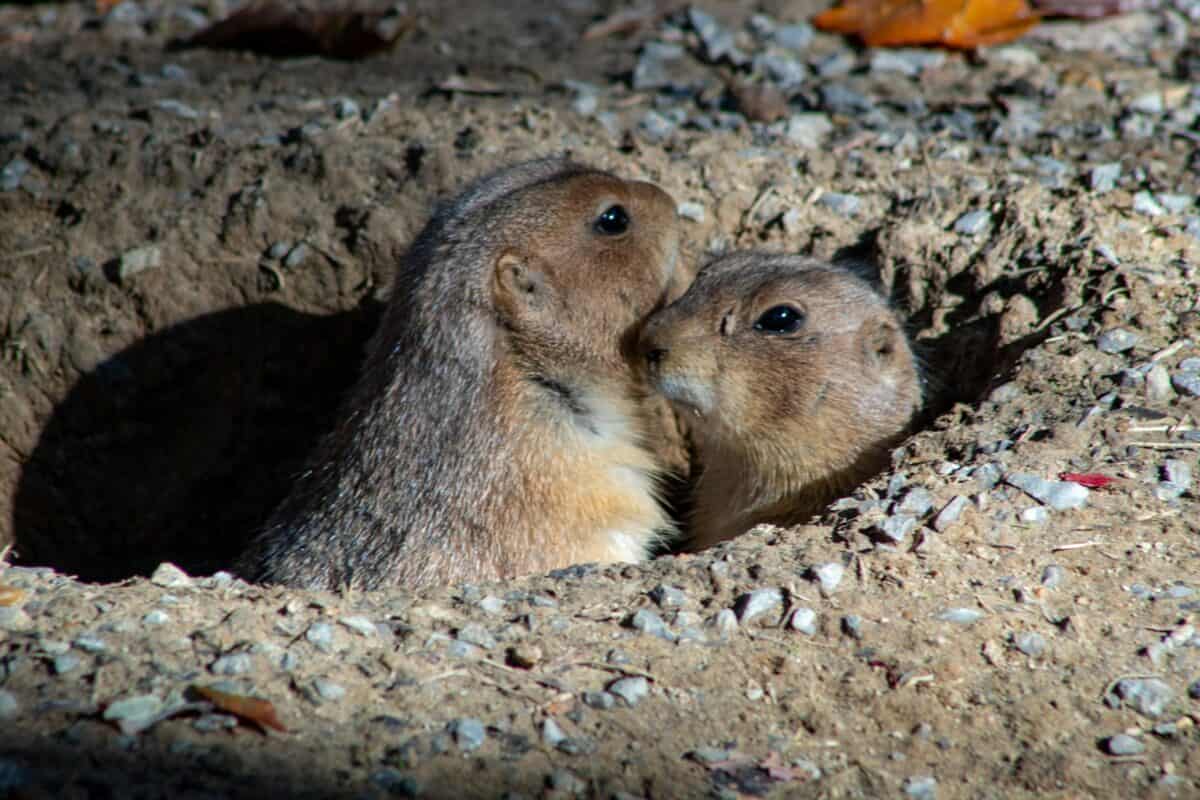
Perhaps the most impressive aspect of animal homes is their passive climate control. Termite mounds maintain steady internal temperatures of around 30°C (86°F) despite external temperatures fluctuating between 3°C (37°F) at night and 42°C (108°F) during the day in African savannas. They achieve this through intricate ventilation systems that harness convection currents. Similarly, prairie dogs construct burrows with multiple entrances at different heights to create air circulation that ventilates and cools their underground homes. Honeybees maintain optimal hive temperatures through collective behaviors and strategic design. These natural systems have inspired human innovations like the Eastgate Centre in Harare, Zimbabwe, which uses termite-inspired passive cooling principles to reduce energy consumption by 90% compared to similar buildings. As climate change intensifies, these animal strategies for passive heating, cooling, and ventilation offer valuable models for reducing energy consumption in human architecture.
Collaborative Construction Techniques
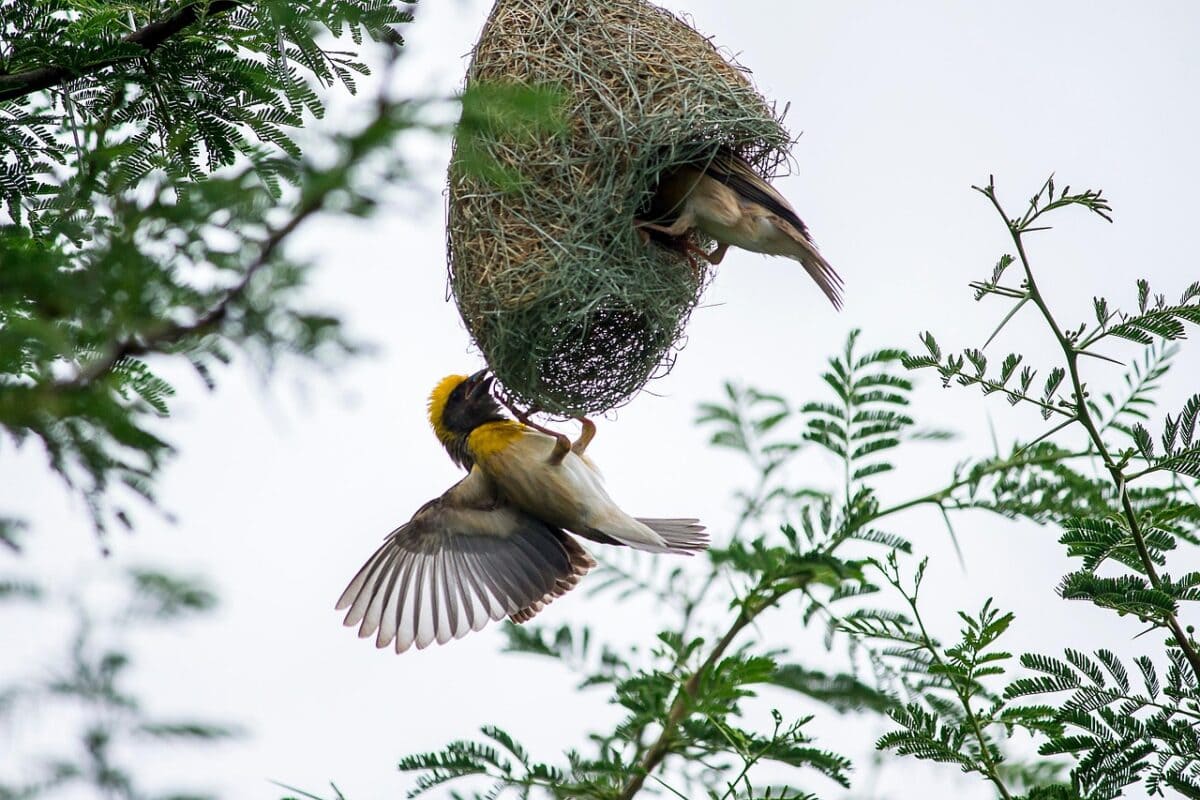
Many animal species demonstrate remarkable social organization during construction projects. Weaver birds work together to build massive communal nests that can house over 100 breeding pairs, with specialized roles for different members of the colony. Termite colonies function as superorganisms, with millions of individuals working in perfect coordination to construct and maintain their complex mounds. Beavers often work as family units, with different members handling specific tasks like tree cutting, transport, or placement. These collaborative approaches ensure efficient use of labor and resources. Human construction has become increasingly specialized, but often lacks the seamless integration seen in animal building teams. The coordination displayed by animal builders offers insights for improving human construction management, particularly in areas like lean construction, integrated project delivery, and collaborative design. By studying how animals naturally divide labor and communicate during building processes, we can identify ways to reduce waste and improve efficiency in human construction projects.
Adaptability and Resilience in Design

Animal homes demonstrate remarkable adaptability to changing conditions. Beavers constantly maintain and modify their dams in response to water flow changes, reinforcing areas under stress. Ant colonies can quickly repair damage from floods or predator attacks by mobilizing workers to restore compromised sections. Many bird species adjust their nest designs based on available materials and local climate conditions. This adaptability ensures survival in unpredictable environments. Human architecture often lacks this flexibility, with buildings designed for specific conditions that may change over time. The growing field of resilient design seeks to create human structures that can adapt to changing circumstances, particularly climate change impacts like rising sea levels, extreme weather events, and shifting temperature patterns. By incorporating flexibility and redundancy into our buildings—principles that animal builders have refined through natural selection—we can create structures better suited to an uncertain future.
Structural Engineering Lessons from Nature
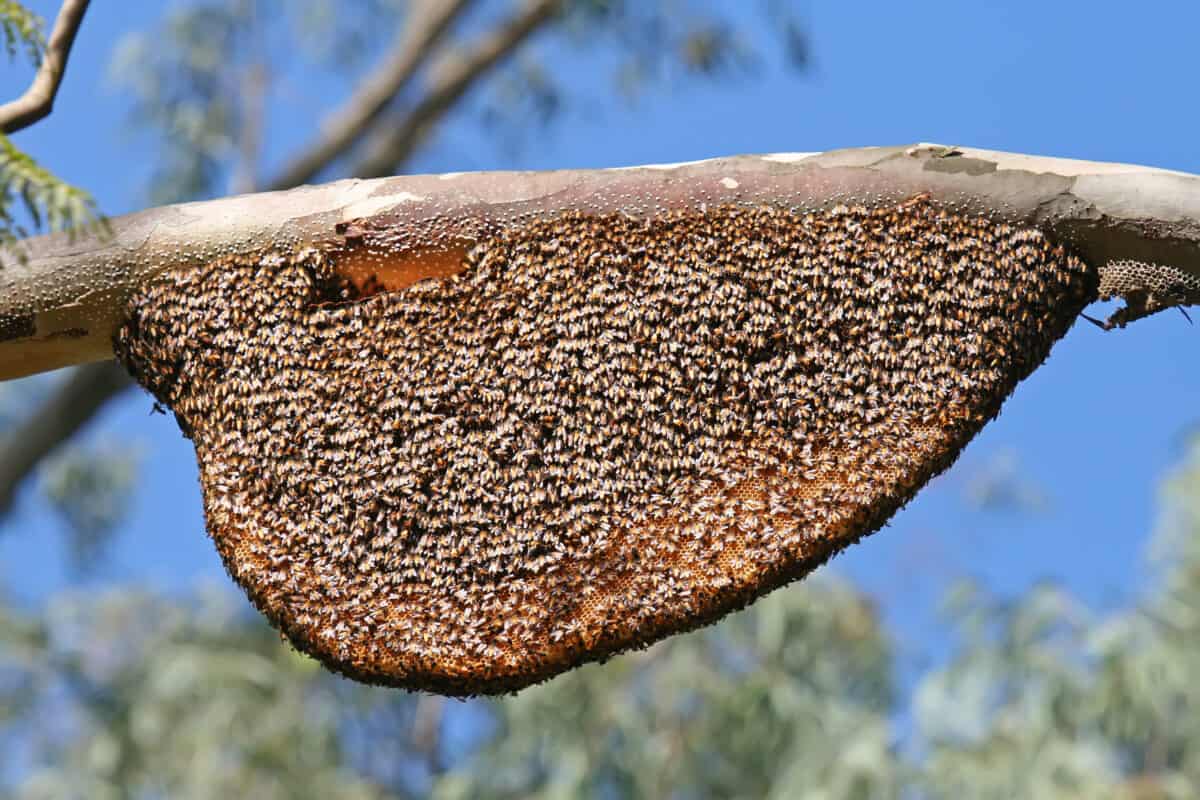
The structural integrity of animal-built homes offers valuable engineering lessons. Spider webs combine extraordinary strength with minimal material usage—some spider silk is five times stronger than steel of the same diameter. Honeycomb structures in beehives create maximum storage space with minimal material while providing remarkable structural stability. The arching tunnels of ant colonies efficiently distribute weight loads to prevent collapse. These natural designs have influenced human engineering innovations like tensegrity structures, honeycomb materials in aircraft, and optimized load distribution in architecture. Modern computational design tools now allow architects and engineers to employ generative design approaches that mimic evolutionary processes to discover optimal structural solutions. By applying structural principles from animal builders, human engineers can create stronger, lighter, more material-efficient structures that reduce environmental impact while maintaining safety and functionality.
Multi-functional Design Solutions

Animal homes typically serve multiple functions beyond mere shelter. Beaver dams create ecosystems that provide food, protection from predators, and easy access to building materials. Termite mounds function as homes, defensive structures, food production facilities (through fungus gardens), and climate control systems. Bird nests serve as secure breeding sites, protection from predators, and thermal regulation for eggs and chicks. This multi-functionality maximizes the return on investment for the energy expended in construction. Human architecture often segregates functions into different spaces or buildings, creating inefficiencies. The concept of integrated design—where spaces serve multiple purposes and systems perform several functions—has gained traction in sustainable architecture. By studying how animals create multi-functional spaces, human designers can develop more efficient buildings that require fewer resources to construct and operate while better meeting occupants’ diverse needs.
Defense and Security Strategies

Animal builders incorporate sophisticated security features into their homes. Prairie dog towns include complex tunnel systems with multiple escape routes and specialized chambers that can be sealed off to protect against predators or flooding. Wasps build nests with narrow entrances that are easily defended against intruders. Burrowing owls line their underground homes with animal dung, which attracts insects that serve as food while deterring predators with the smell. These defense strategies are integrated into the overall design rather than added as afterthoughts. Human security design often feels imposed and intrusive, detracting from aesthetic and functional qualities of spaces. The growing field of Crime Prevention Through Environmental Design (CPTED) attempts to integrate security features more naturally into human environments. By studying how animals balance openness with protection, human designers can create spaces that feel welcoming while maintaining appropriate security levels without resorting to obvious barriers and surveillance systems that diminish quality of life.
Community Planning and Social Organization
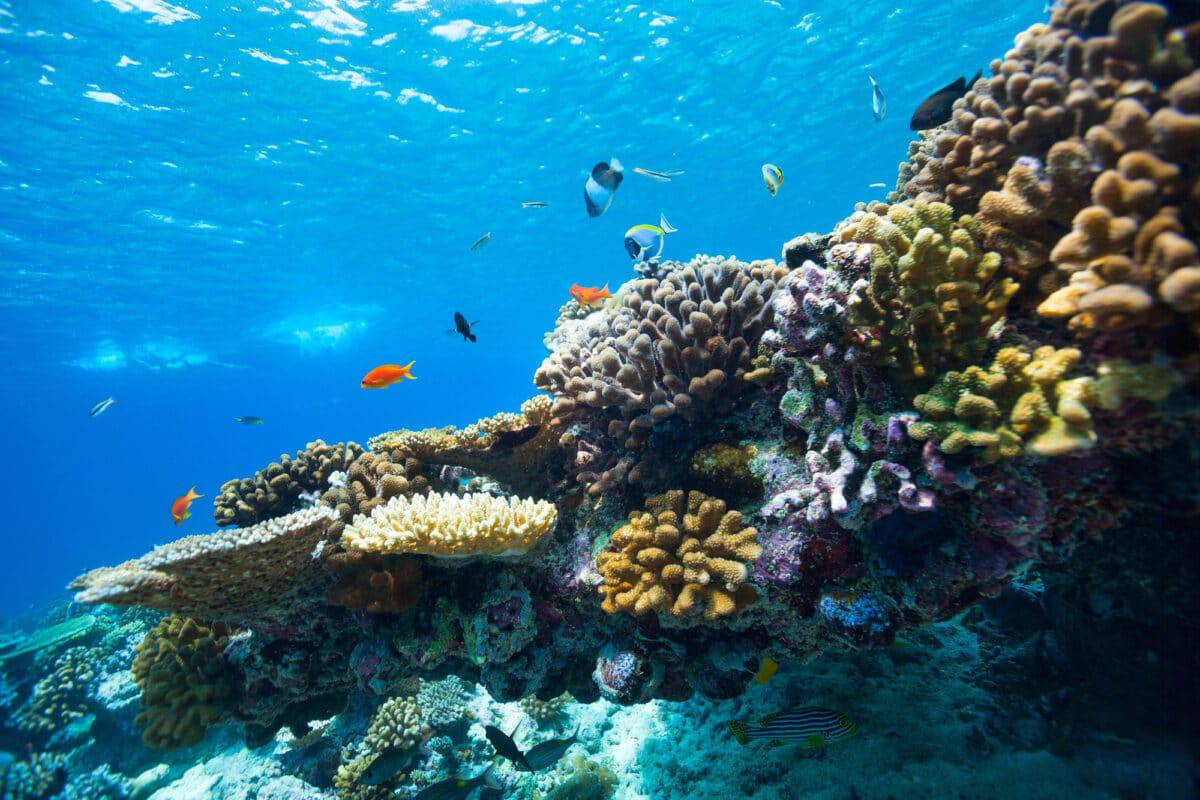
Many animal species create not just individual homes but entire communities with sophisticated organization. Prairie dog towns feature distinct neighborhoods with central plazas for social interaction. Ant colonies include specialized chambers for different functions like nurseries, food storage, and waste management. Coral reefs grow as living communities that provide habitats for thousands of species in mutually beneficial relationships. These animal communities demonstrate remarkable efficiency in space utilization and resource sharing. Human urban planning has historically oscillated between rigid grid systems and chaotic unplanned development, often failing to balance density with livability. By studying how animal communities organize space, human planners can develop more organic approaches to urban design that maintain efficiency while fostering social connections and ecosystem integration. Concepts like the 15-minute city, which aims to provide all daily necessities within a short walk, mirror the efficiency seen in animal communities where resources and social spaces are optimally distributed.
Material Innovation and Processing
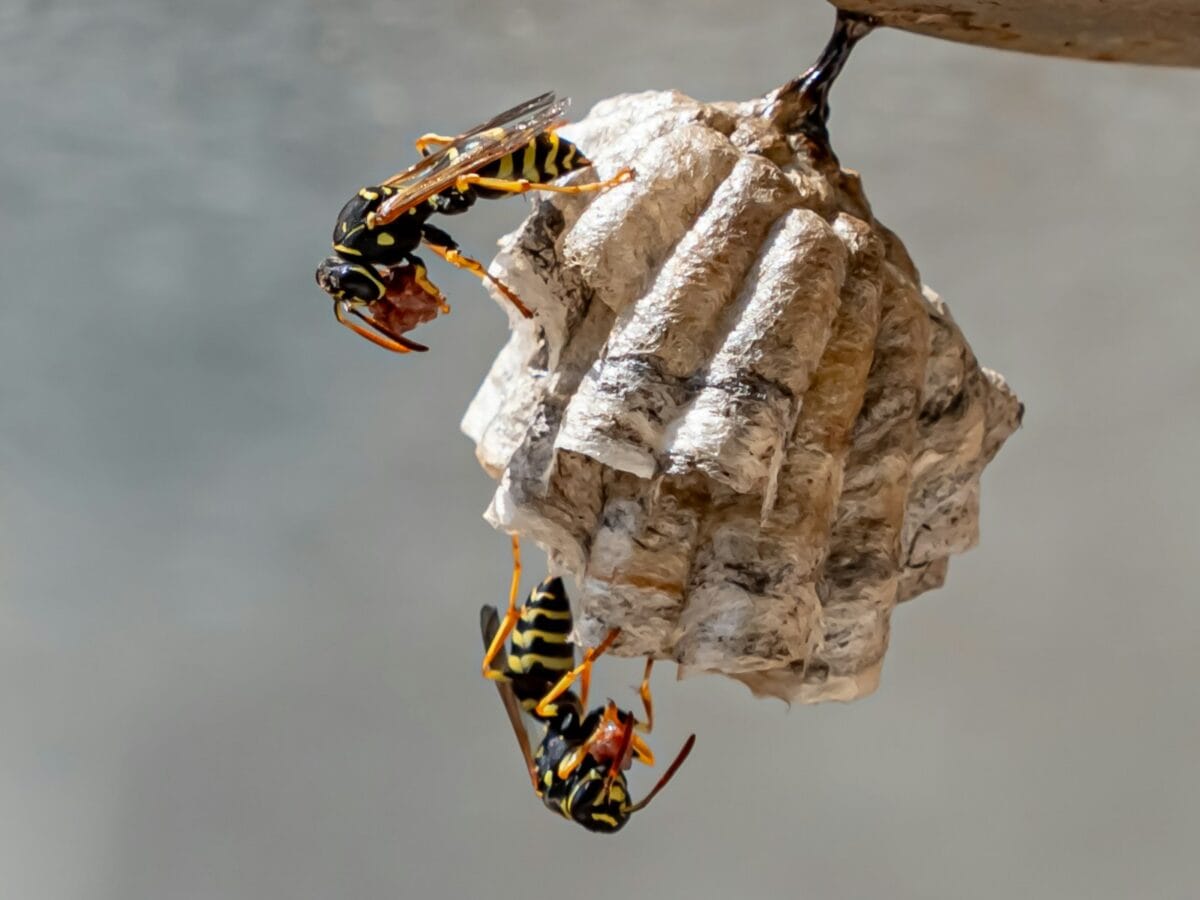
Animals process raw materials in remarkable ways to create specialized building components. Silk-spinning spiders produce fibers with properties that still cannot be fully replicated by synthetic manufacturing. Hornets chew wood into a paper-like material that expands and contracts with humidity changes without losing structural integrity. Mud dauber wasps mix soil with saliva to create a cement-like material that hardens to protect their larvae. These natural manufacturing processes occur at ambient temperatures using renewable resources and biodegradable chemistry. Human construction relies heavily on energy-intensive materials like concrete and steel, which account for nearly 10% of global carbon emissions. The emerging field of engineered living materials seeks to develop building components that share properties with biological systems—self-healing, responsive to environmental conditions, and produced through low-energy processes. By understanding how animals transform raw materials, researchers are developing innovations like bacteria-grown bricks, mycelium-based insulation, and self-healing concrete that could revolutionize sustainable construction.
Life Cycle Considerations and Circular Design

Animal structures typically follow natural cycles of growth, use, decay, and renewal. Abandoned beaver dams evolve into meadows as they collect sediment. Bird nests decompose to nourish the soil or are repurposed by other species. Termite mounds, when abandoned, provide valuable habitat for other creatures and eventually return nutrients to the ecosystem. This natural circular economy ensures that resources remain in productive use and ultimately return to the environment in beneficial ways. Human construction has historically followed a linear “take-make-waste” model, with buildings demolished and materials sent to landfills at the end of their useful life. The emerging concept of circular construction aims to design buildings with their entire lifecycle in mind—including eventual disassembly and material reuse. By studying how animal structures integrate with natural cycles, human designers can develop buildings that are more easily adapted, disassembled, and recycled, reducing waste and environmental impact while conserving valuable resources.
The animal kingdom offers a vast repository of tested solutions to design and construction challenges that humans continue to struggle with. By studying and adapting the principles behind animal architecture—from material efficiency and passive climate control to collaborative construction and lifecycle integration—we can transform our built environment to be more sustainable, resilient, and harmonious with natural systems. These lessons are not merely academic but increasingly urgent as we face climate change, resource depletion, and environmental degradation linked to conventional construction practices. The field of biomimicry, which explicitly seeks to learn from and emulate natural designs, offers a pathway to this more sustainable future. As we face the need to house a growing global population while dramatically reducing environmental impacts, the humble beaver, the industrious termite, and the meticulous weaver bird may prove to be some of our most valuable teachers in creating a built environment that works with, rather than against, the natural world that sustains us all.

- How Crickets Chirp Using Their Wings - July 20, 2026
- The Largest Sea Turtle Ever Rescued Off North Carolina - July 20, 2026
- The Ocean’s Escape Artist: Why Octopuses Outsmart Us All - July 20, 2026