

Picture a pack of wolves moving through their vast territory, their movements calculated, their presence intentional. Each step they take carries meaning, every scent mark they leave serves a purpose. These magnificent creatures don’t just wander aimlessly through the wilderness. They live by an intricate system of boundaries that governs their survival and success in ways that might surprise you.
While popular culture has painted wolves as ruthless dominators fighting for control, the reality is far more sophisticated. Modern research reveals that wolves are masterful teachers of boundary-setting, cooperation, and sustainable leadership. Their natural approach to establishing limits, maintaining relationships, and protecting what matters most offers profound lessons for anyone looking to create healthier boundaries in their own life.
The Foundation of Family Leadership
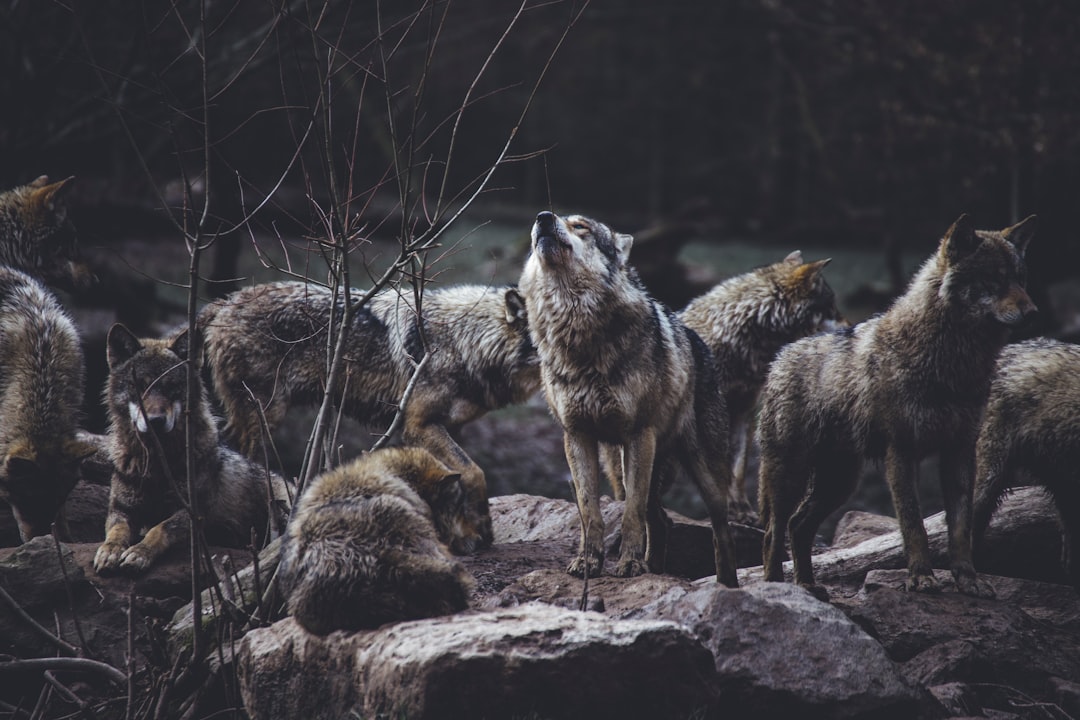
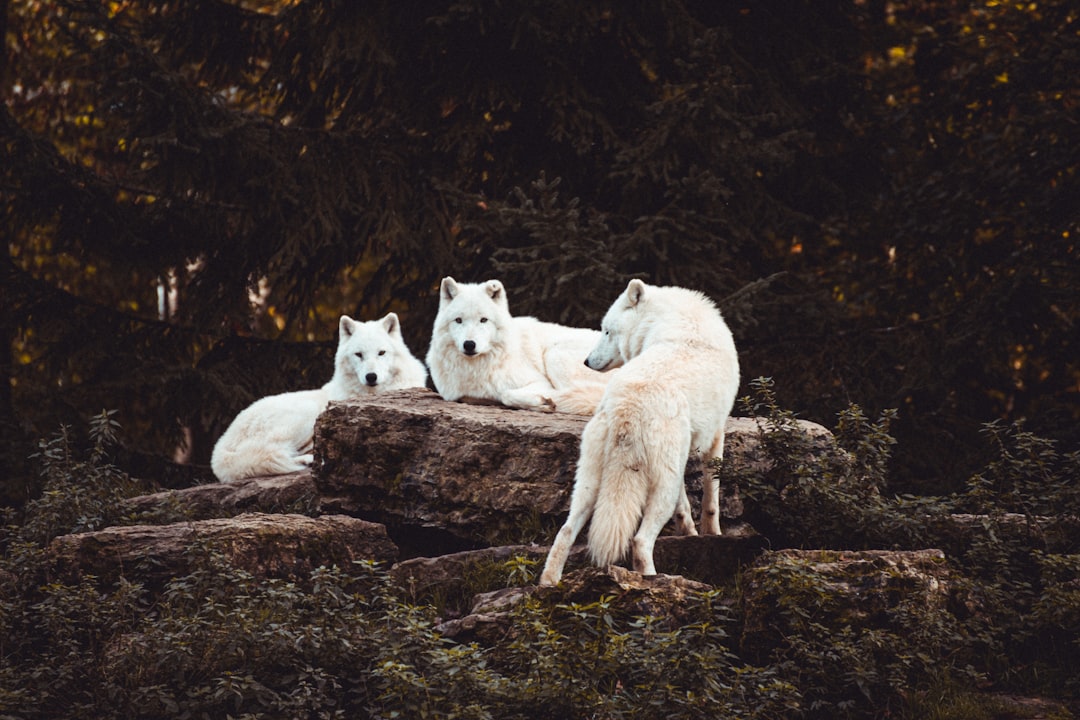
Wolf packs in the wild are family based, with the dominant breeding pair usually being the parents of the other members of the pack, including a breeding pair and their offspring of the previous 1-3 years. This fundamental understanding completely transforms how we view wolf leadership.
Wild wolf packs are typically family units led by a breeding pair, parents who guide their offspring not through fear but through experience, nurturing, and shared goals. The leadership emerges naturally from responsibility, not aggression. Their leadership is not maintained primarily through aggression or dominance displays as once thought, but through parental guidance and experience.
Think about this parallel in human relationships. The healthiest boundaries often come from a place of care and protection, not control or intimidation. Just as wolf parents guide their offspring through the complexities of survival, effective human boundaries stem from wisdom, experience, and genuine concern for well-being.
Territory as Sacred Space
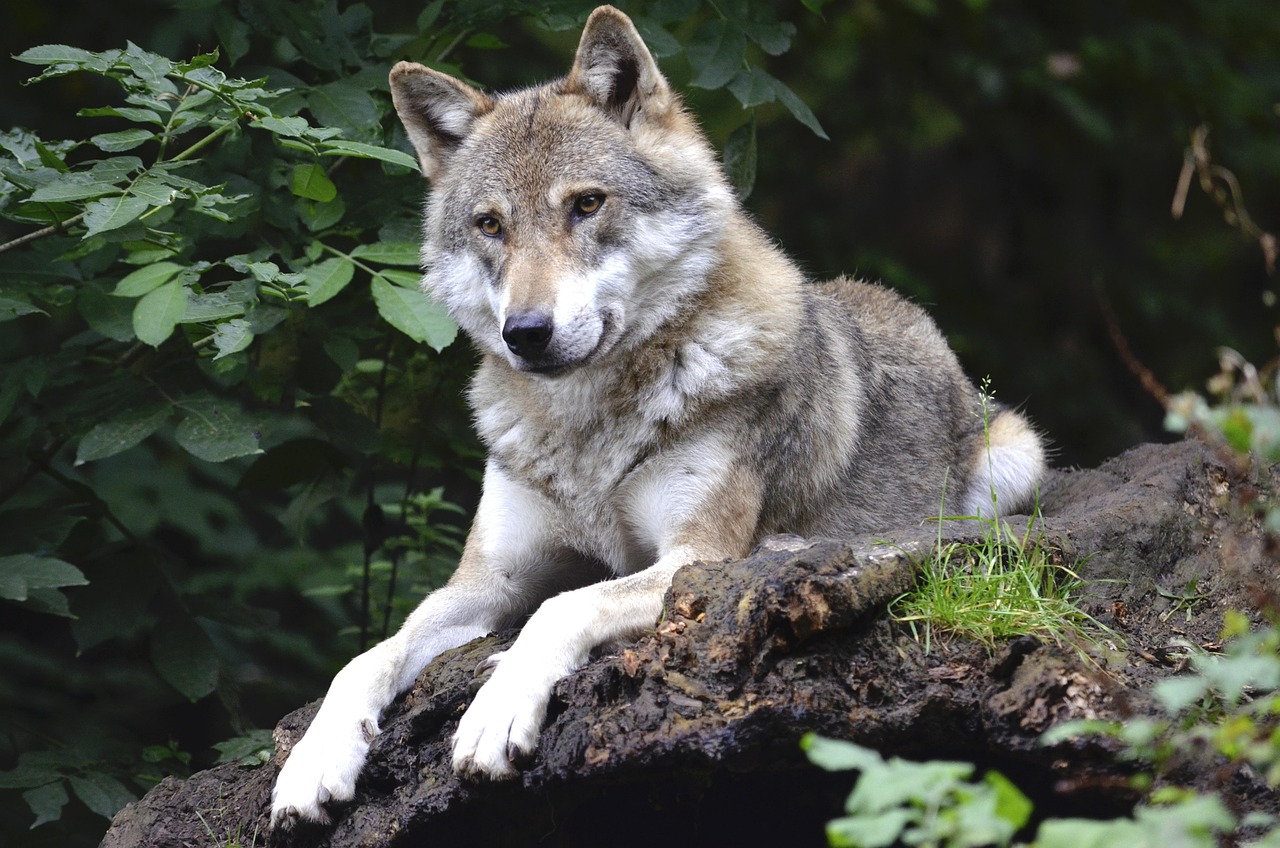
Established wolf packs usually live within a specific territory. Territories range in size depending on how much prey is available and seasonal prey movement. Packs use a traditional area and defend it from other wolves. The concept of territory goes far beyond simple possession.
Wolf territories usually vary in size from 200 to 500 square miles, but may range from as little as 19 square miles to as much as 1,000 square miles. Territory size is typically based on the density of prey but is also influenced by pack size, presence of neighboring packs, and human land use. This flexibility reveals something crucial about healthy boundaries.
Wolves will aggressively defend their territories from other packs. However, this defense isn’t about being hostile for the sake of it. It’s about protecting resources, family safety, and maintaining the space needed for the pack to thrive. Your personal boundaries should serve the same function.
The Art of Clear Communication
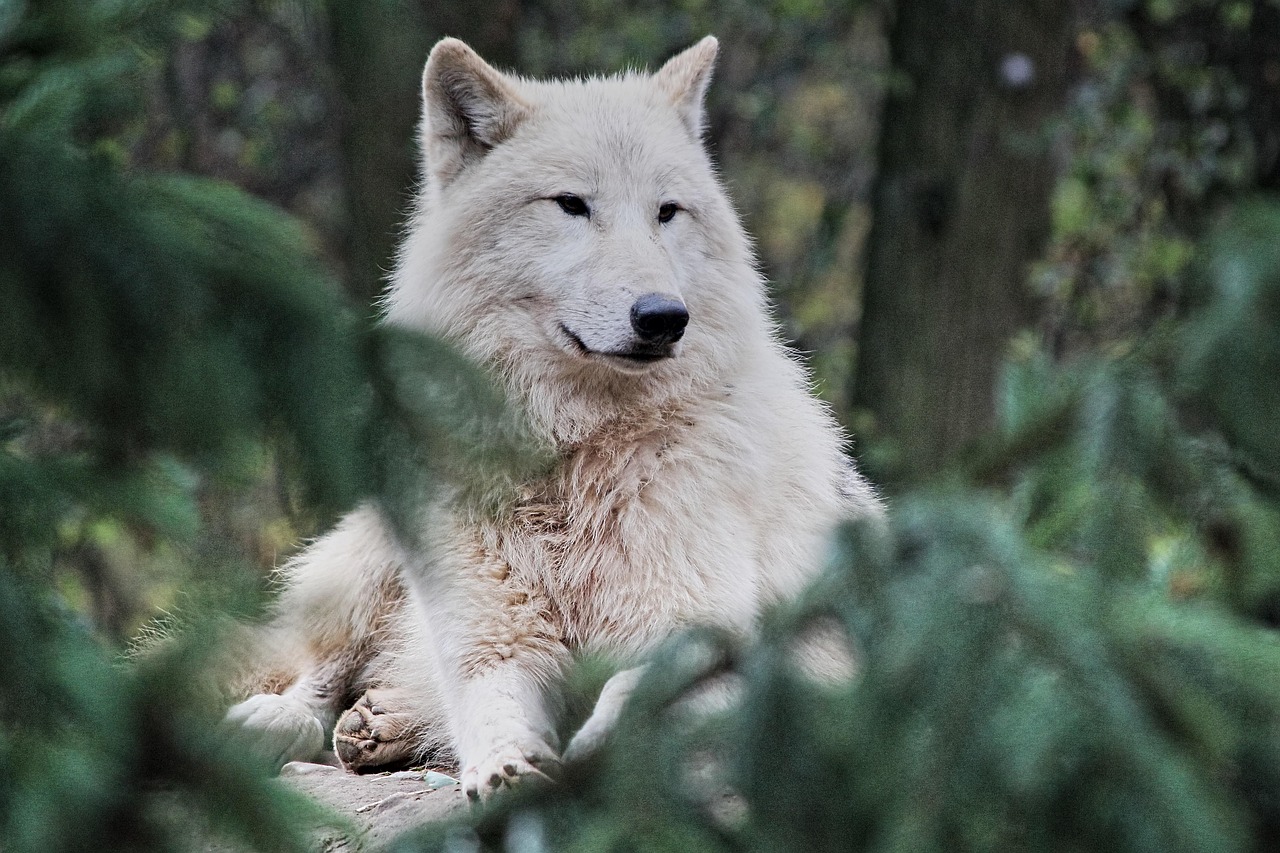
Scent marking is another vital component of wolf communication. Through the use of urine and glandular secretions, wolves delineate territory, convey reproductive status, and signal their presence to other packs. This olfactory messaging system is particularly effective over long distances and can persist for extended periods.
The lead wolves, particularly the male, are often responsible for patrolling and scent-marking the pack’s range, establishing boundaries recognized by rival packs. Studies show that scent-marking is not a task assigned arbitrarily; instead, it is the privilege and responsibility of higher-ranking members.
Wolves don’t leave their boundaries to guesswork or hope that others will figure it out. They make them unmistakably clear through consistent, ongoing communication. Scents are used to clearly mark the boundaries of territories, to claim and defend that territory from other packs, to mark food ownership, and to act as a sort of road map for the pack itself.
Strategic Patrol and Maintenance
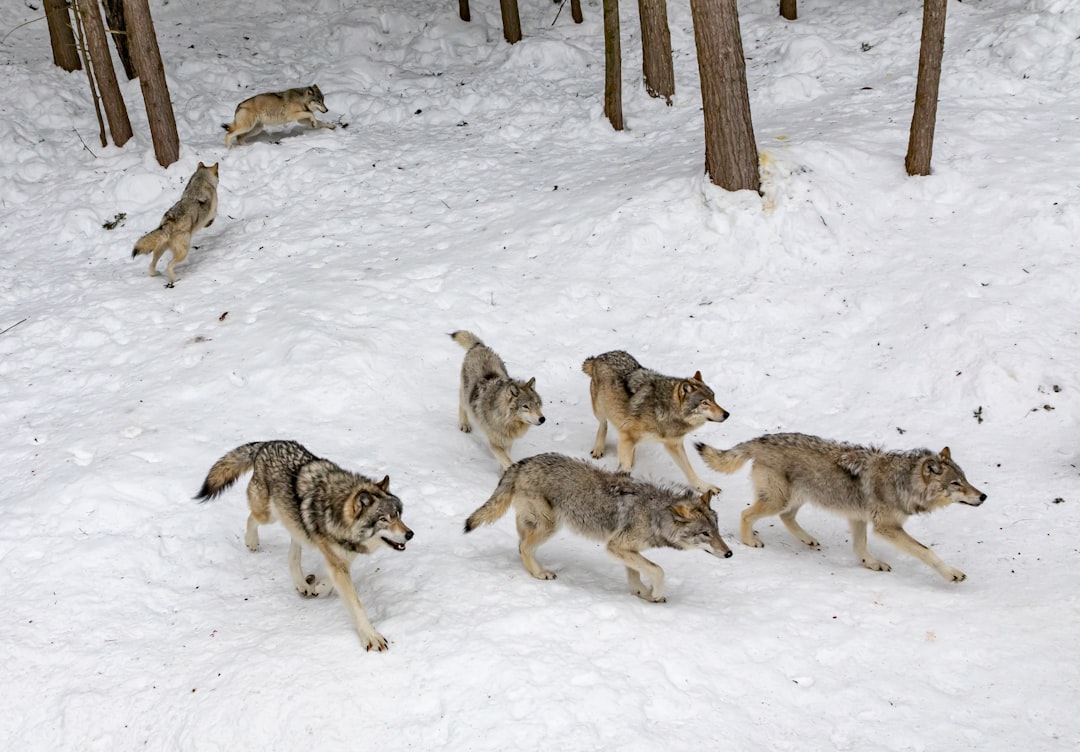
A thriving pack regularly patrols its territory boundaries, checking scent marks and reinforcing their presence. This isn’t a one-time action but an ongoing commitment to maintaining what they’ve established.
Wolves spend about 35% of their time traveling. They often travel 20 to 30 miles per day, but may cover over 100 miles in a day when prey is scarce. This constant vigilance demonstrates that boundaries require active maintenance, not passive hoping.
This constant vigilance and movement demonstrates that the pack has the energy and numbers to maintain their territorial claims effectively, which is essential for protecting their resources and family members. The lesson here is profound: healthy boundaries aren’t set once and forgotten. They require regular attention, reinforcement, and adjustment.
Flexible Yet Firm Boundaries
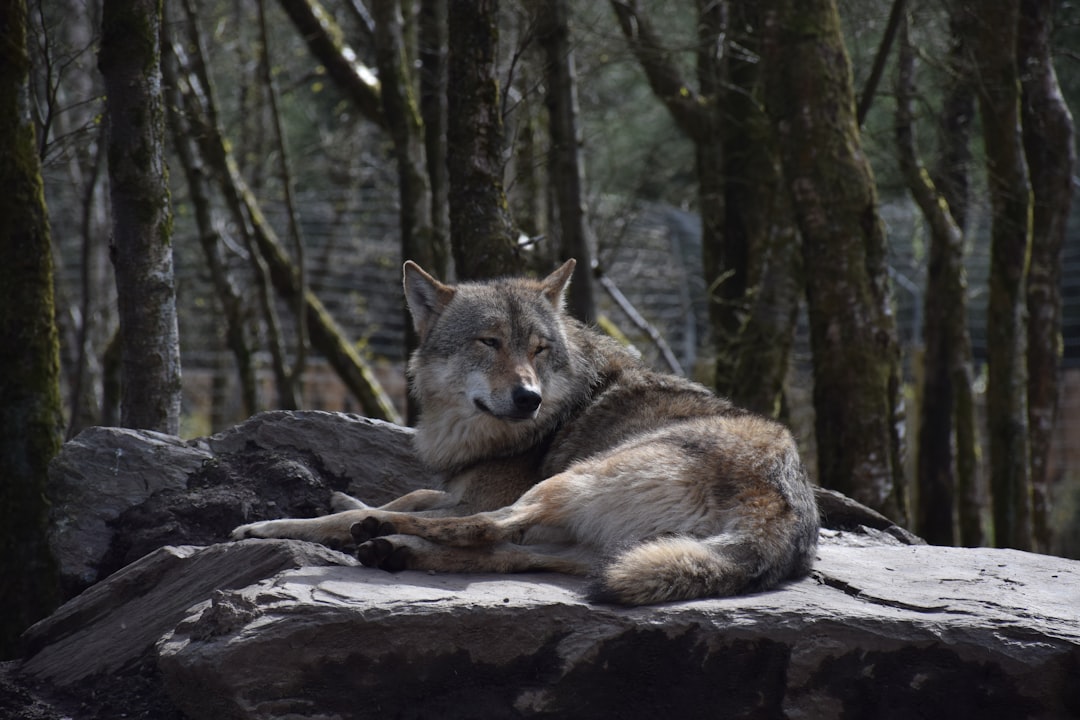
Also notable is that neighboring territories may overlap. However, while the same area may be used by several packs, use will not occur at the same time. This reveals a sophisticated understanding of shared space and timing.
Territory shifts can occur seasonally or year to year. This constantly shifting mosaic of pack territories is seen especially in exploited populations where humans cause wolf mortality, which in turn causes territories to shift as neighboring wolves encroach on territories abandoned or devoid of its former pack.
Wolves teach us that effective boundaries can be both firm and flexible. They adapt to changing circumstances while maintaining their core principles. Territory size seems to be dependent on the density and availability of prey. For example, wolf territories in Minnesota contain a high density of white-tailed deer, so wolves don’t need to travel far to find food. However, prey density in Alaska is relatively low, so wolves may need larger territories.
Conflict Resolution and Relationship Repair
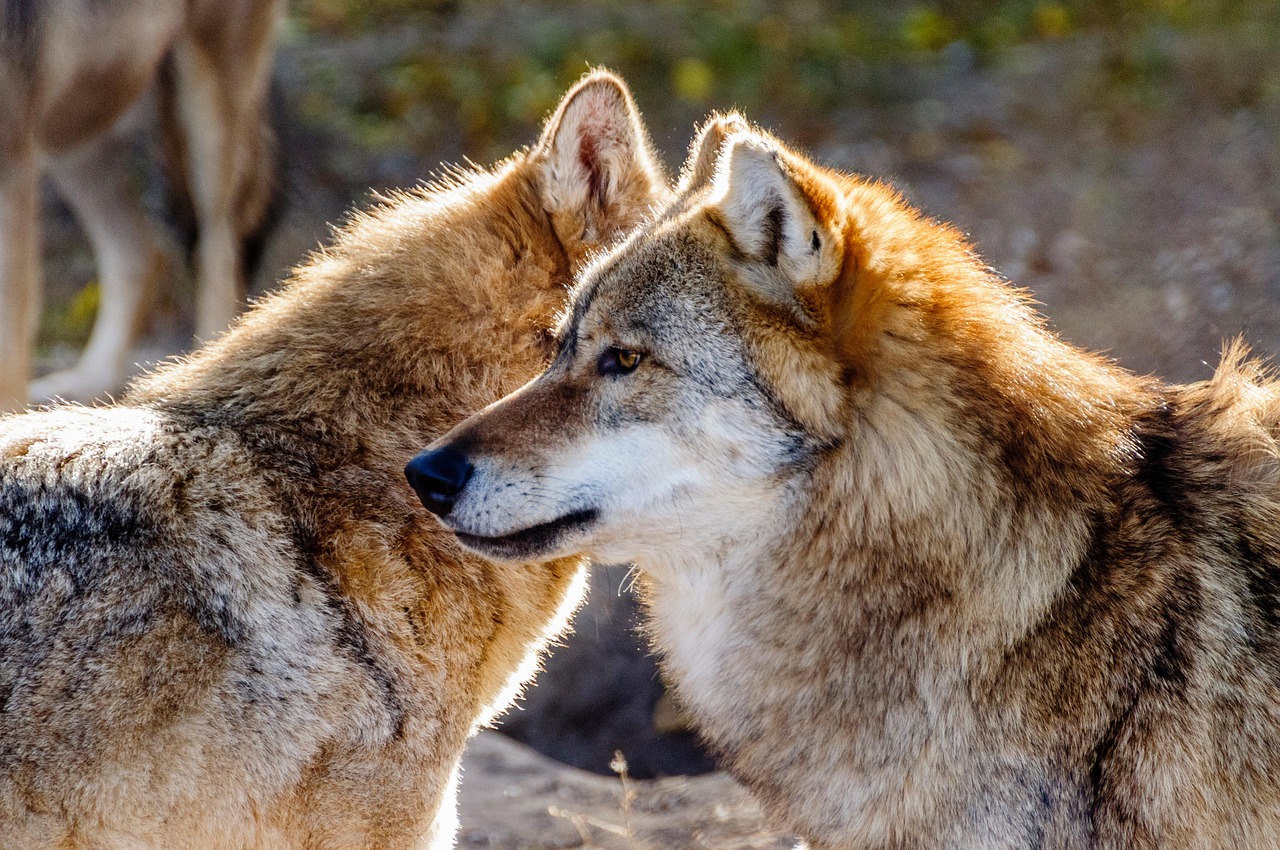
Immediately after a conflict, subordinate wolves will often touch noses and lick their more dominant pack mates. Researchers think that this nose touching behavior is a way of apologizing and asking for forgiveness. It’s their way to resolve a conflict, reduce tension within a group, show respect, and prevent further violence.
It is probably due to the interdependence of the group. Subordinates benefit most by maintaining peaceful relationships with their more dominant pack mates – they need each other in order to survive. Resolving and diffusing the conflict helps to prevent further violence and keeps the group cohesive.
Even the fiercest boundary defenders understand the importance of relationship repair. Wolves demonstrate that maintaining boundaries doesn’t mean burning bridges. The more heated the fight, the greater the number of friendly behaviors that followed, including nose touching, licking, body contact, greeting, inspecting, playing, and sniffing.
Teaching the Next Generation
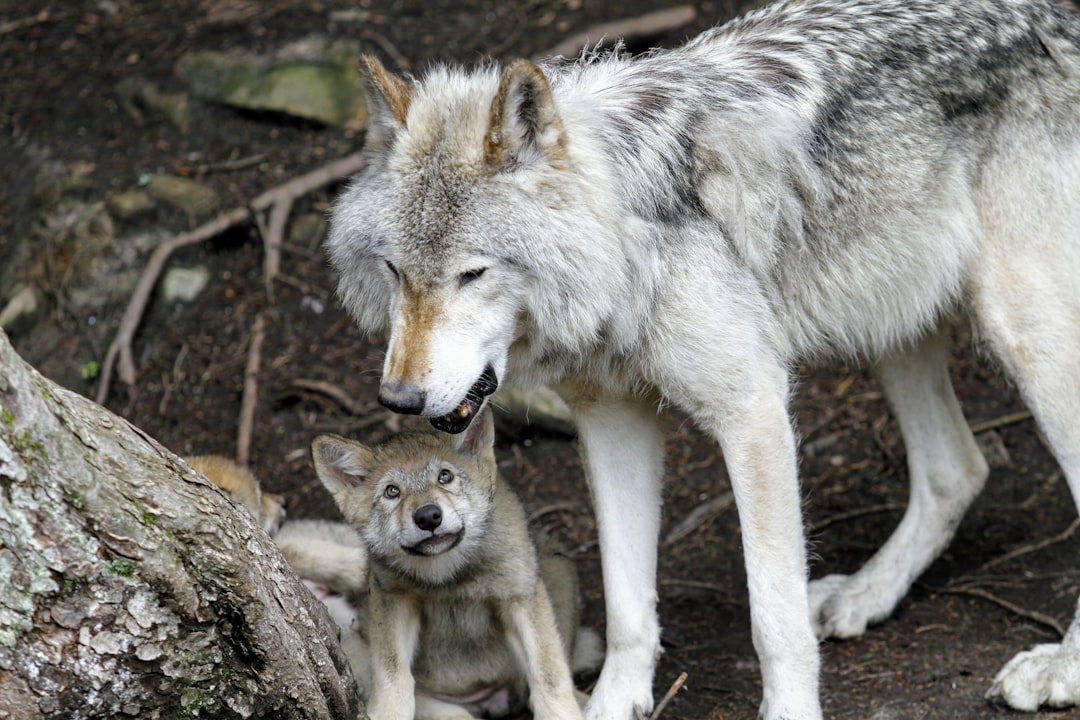
In wolf packs, young wolves learn by observing and assisting older members. Adolescents participate in hunts, practice social behaviors through play, and gradually assume more responsibility. Some eventually disperse to form new packs, becoming leaders themselves. This natural mentorship ensures the pack’s long-term resilience.
There exists a culture within wolf packs, and this is passed on to the offspring by the elders of the group. Pups learn something from each member of the pack and attain the vital social skills required to create powerful bonds. Boundary-setting becomes a learned skill passed down through generations.
Wolves then usually disperse from their family group when they are about 20 months old. Births, dispersals, deaths from disease, fights with neighboring families, and hunting by humans collectively shape the stability and structure of a wolf pack. The ultimate goal isn’t to control forever, but to prepare the next generation for independence.
The Wisdom of Collective Strength
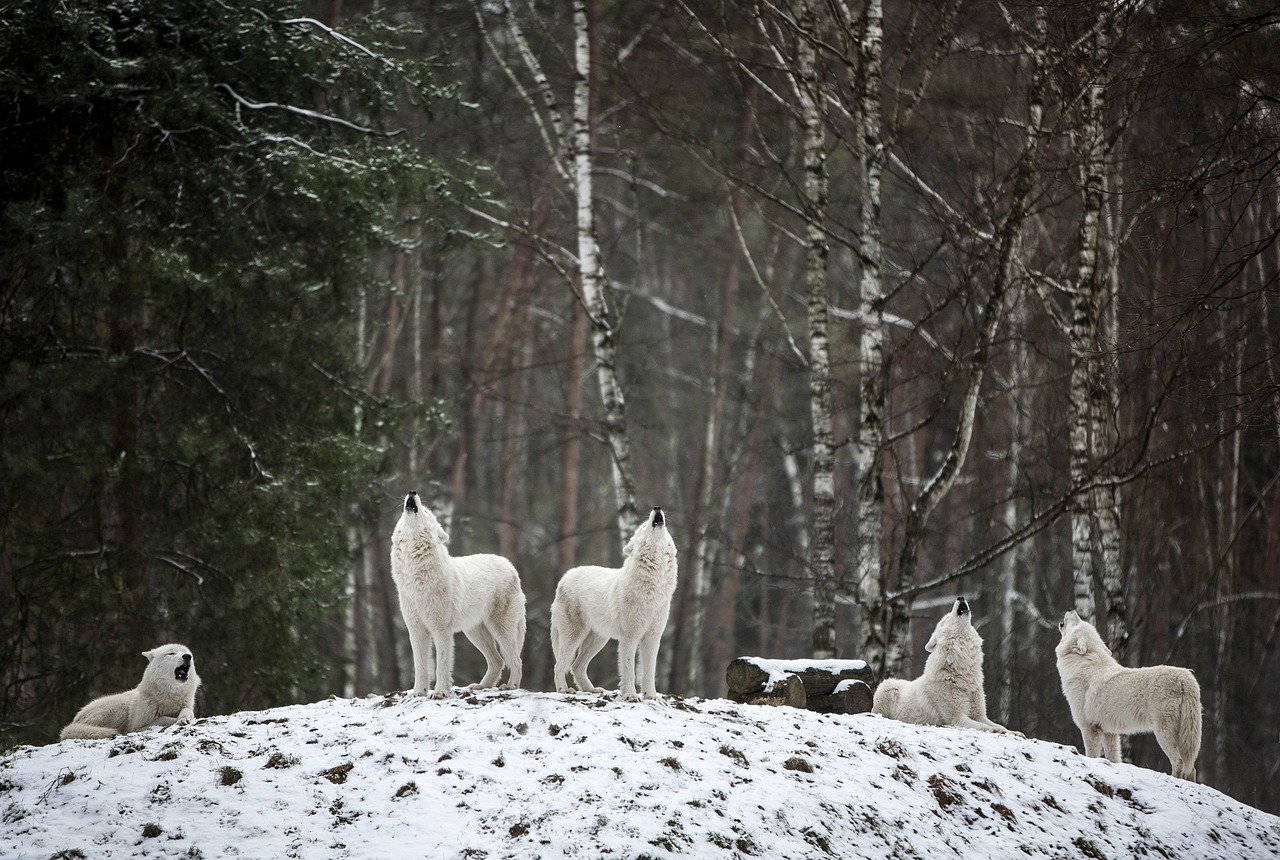
All individuals benefit from being a member of the wolf pack; the weak are supported by the efforts of stronger wolves, and higher-ranking individuals enjoy better and larger kills than could be taken on their own. Protection is granted by sheer number, and larger, more plentiful territory can be won and sustained. Care and protection of the young are shared.
In addition to having more helpers to provision pups, larger family groups have a numerical advantage during inter-pack competition for territory. Taking down large prey can sometimes be easier with more individuals, as can defending kills from scavengers.
Wolves understand that boundaries aren’t about isolation but about creating safe spaces where everyone can thrive. Wolves work together in groups of all sizes and across huge territories. What’s interesting about wolves is that they’re highly social and are closely bonded to their pack mates. Their boundaries serve the collective good, not just individual interests.
Conclusion
Wolves have mastered the delicate balance between protection and connection, strength and flexibility, leadership and collaboration. Their approach to boundaries isn’t about building walls but about creating sustainable spaces where relationships can flourish and everyone can reach their full potential.
The correction of the alpha wolf myth represents more than academic precision – it reflects our growing understanding that nature’s most successful strategies often involve cooperation over competition, that leadership emerges from experience and responsibility rather than aggression and intimidation, and that family bonds provide organizing principles that transcend species boundaries. By recognizing wolf packs as sophisticated family units rather than primitive dominance hierarchies, we gain appreciation for the complex social intelligence required to maintain cooperative relationships.
The next time you struggle with setting boundaries in your own life, remember the wolves. They teach us that the strongest boundaries come from love, not fear; from wisdom, not aggression; and from a commitment to protecting what truly matters. What boundary in your life needs the patient, persistent attention that wolves give to their territory?

- 8 US States With the Most White-Tailed Deer - August 2, 2026
- 10 Fascinating Things About Japan That Will Amaze You - August 2, 2026
- 10 Cool Facts About The Okapi, The Most Mysterious Mammal On Earth - August 2, 2026