

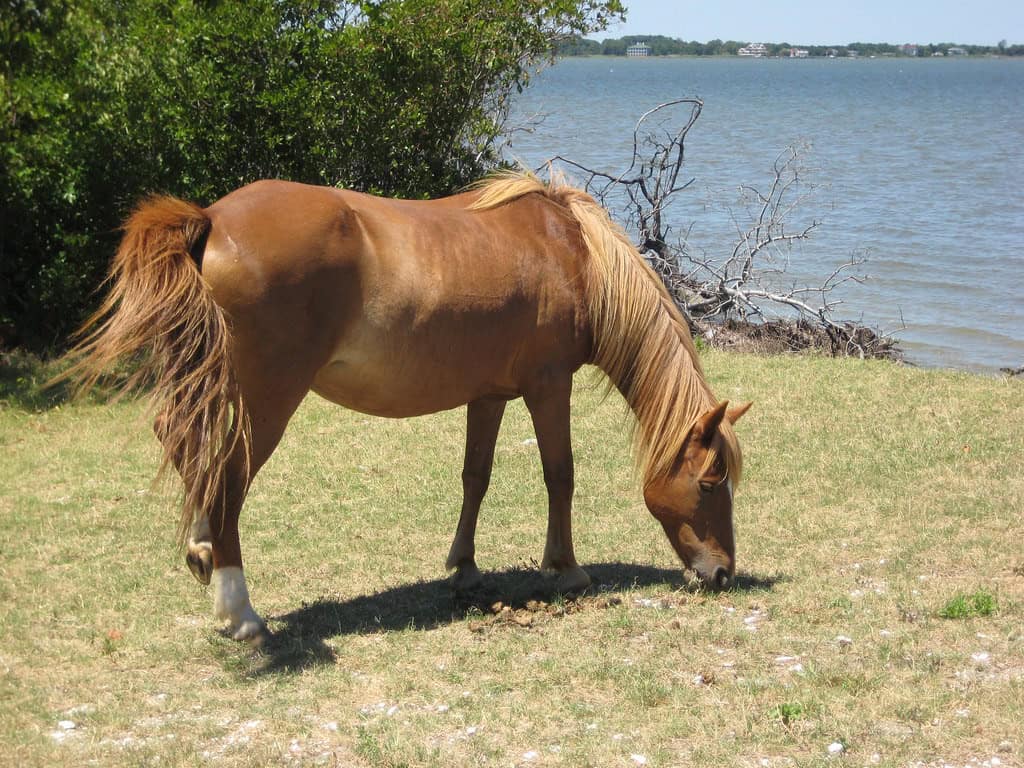
Horses are magnificent creatures known for their strength, speed, and beauty. But beneath their majestic exterior lies an intricate cognitive system that includes remarkable memory capabilities. While many horse owners and trainers intuitively understand that horses remember experiences, the true extent and nature of equine memory often goes unappreciated. From their ability to recognize faces years later to their capacity to solve complex problems based on past experiences, horses possess memory functions that are both fascinating and vital to their survival. This article explores the surprising aspects of horse memory that many people, even experienced equestrians, might not know—revealing how these intelligent animals process, store, and utilize memories in ways that challenge our understanding of animal cognition.
The Surprising Longevity of Equine Memory

Horses possess remarkable long-term memory capabilities that often surprise even experienced handlers. Research has demonstrated that horses can remember specific people, places, and experiences for years or even decades. In one documented case, a horse recognized its former owner after 7 years of separation, displaying clear signs of excitement and recognition. This exceptional memory longevity serves important evolutionary purposes, allowing horses to remember water sources, safe grazing areas, and potential dangers in their environment.
The neural mechanisms behind this long-term memory appear to be particularly developed in horses compared to many other mammals, suggesting that memory retention played a crucial role in their evolutionary success as prey animals who needed to remember both safe havens and dangerous locations across vast territories.
Facial Recognition Abilities

Horses possess sophisticated facial recognition abilities that rival those of some primates. Research from the University of Sussex revealed that horses can remember human faces for extended periods and can distinguish between familiar and unfamiliar individuals with remarkable accuracy. This study demonstrated that horses showed different emotional responses when viewing photographs of familiar versus unfamiliar human faces, indicating complex visual memory processing.
What makes this even more impressive is that horses can recognize individuals even when they change their appearance, such as wearing different clothes or hairstyles. This ability extends beyond humans to other horses as well—they can remember and recognize herd members they haven’t seen for years. The specialized brain structures involved in this recognition appear to process facial features differently than other visual stimuli, allowing for rapid identification of friend or foe—a critical survival skill in both wild and domestic settings.
Spatial Memory and Navigation
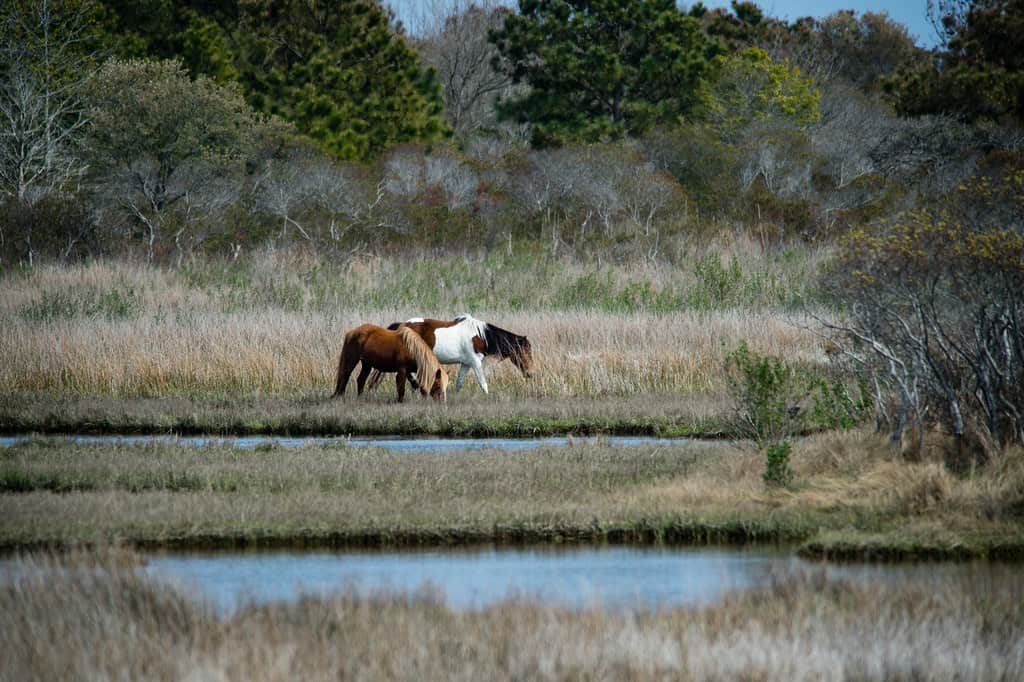
One of the most impressive aspects of equine memory is their exceptional spatial awareness and navigational skills. Horses can memorize complex routes spanning dozens of miles and recall them years later with minimal error. This spatial memory allows horses to create detailed mental maps of their surroundings, including the location of resources like water, food, and shelter. Studies have shown that horses use both visual landmarks and internal compass-like mechanisms to navigate.
When researchers altered familiar paths, horses often displayed confusion or hesitation, indicating they were comparing their current observations against stored spatial memories. Remarkably, horses transferred to new environments can quickly create new mental maps while retaining old ones—some horses have demonstrated the ability to remember the layouts of different stables they visited only briefly years earlier. This spatial memory capability explains why horses can find their way home over long distances and why they often anticipate turns on familiar trails before their riders signal for them.
Emotional Memory and Trauma
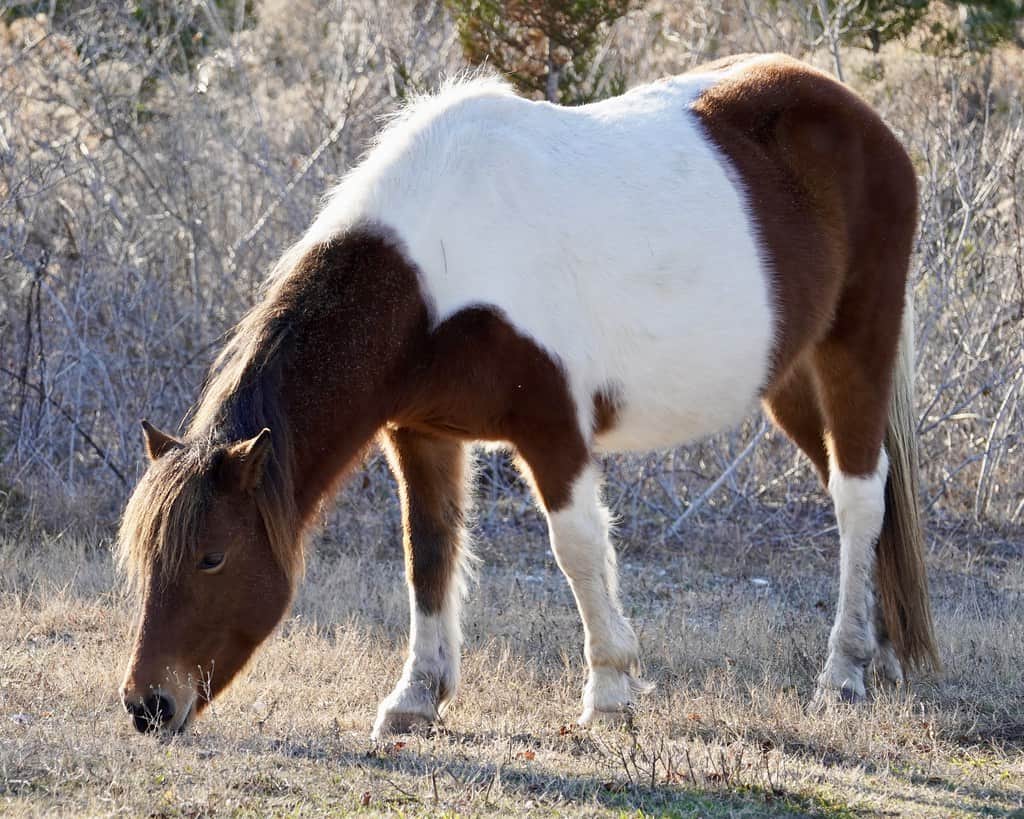
Horses possess powerful emotional memory systems that significantly influence their behavior and responses. Traumatic experiences can create lasting emotional memories that may manifest as specific fears or behavioral changes for years afterward. For instance, a horse that experienced a frightening trailer loading incident may develop a persistent fear of trailers that remains even after extensive retraining. Research in equine cognition suggests that these emotional memories are processed and stored differently than other types of memories, with the amygdala (the brain’s emotional processing center) playing a central role.
What many people don’t realize is that positive emotional memories are equally powerful and persistent. Horses form strong positive associations with people who have consistently treated them well, places where they felt safe, and routines that brought comfort or pleasure. This dual emotional memory system—storing both positive and negative associations—helps explain why consistency in handling and training is so crucial for horses, as they remember both kindness and mistreatment with remarkable clarity for years.
Procedural Memory and Training Retention
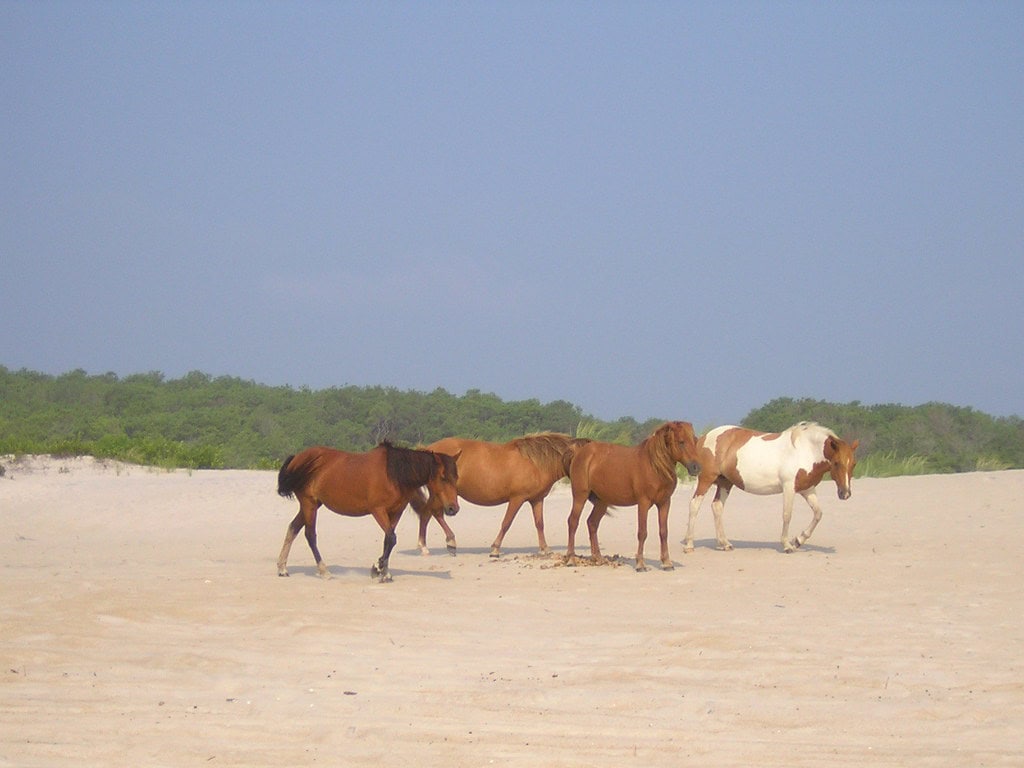
The equine brain excels at procedural memory—the retention of learned physical skills and routines. Once a horse has thoroughly learned a skill, such as responding to specific aids or performing complex movements, this knowledge becomes deeply ingrained and remarkably persistent. Studies have shown that horses can remember trained behaviors after years without practice, often requiring only minimal refreshing to perform at previous levels. This explains the common phenomenon where a retired show horse can be brought back into work and quickly regain previous performance abilities.
The procedural memory system in horses involves multiple brain regions, including the cerebellum and basal ganglia, creating robust neural pathways for movement patterns and responses. What many handlers don’t realize is that this same powerful procedural memory can work against training goals when horses learn undesirable behaviors, which become equally ingrained and difficult to modify. This is why trainers emphasize the importance of teaching desired behaviors correctly from the beginning, as horses will remember both good and bad habits with the same tenacity.
Context-Specific Memory

Horses display remarkable context-specific memory capabilities, allowing them to adapt their behavior based on different environments and situations. Research has shown that horses can associate specific behaviors with particular locations, people, or equipment. For example, a horse might display entirely different behavior patterns when in a competition arena versus a training ring, or when handled by different riders. This contextual memory helps explain why some horses appear to “transform” when moved between environments—they’re recalling and applying different sets of learned behaviors appropriate to each context.
Studies using brain imaging have revealed that horses process and store these contextual memories using neural networks that link sensory information with behavioral responses. The practical implication of this ability is significant: a horse that behaves perfectly at home might display anxiety at a competition venue because it associates that environment with pressure or past negative experiences. Understanding this aspect of equine memory can help handlers create more consistent training experiences across different environments, gradually building positive contextual memories that promote reliable performance regardless of setting.
Social Memory and Herd Dynamics

Horses possess sophisticated social memory systems that allow them to remember and recognize dozens of individual horses and humans, along with their relative social positions. Research has demonstrated that horses can recall the identities and status of herd members they haven’t seen for years, immediately resuming appropriate social behaviors when reunited. This social memory extends to understanding complex relationships within the herd—horses remember which individuals are related, which are dominant or submissive, and which have been reliable allies in the past.
Studies tracking feral horse herds have documented horses recognizing and preferentially associating with former herd members even after separations of up to four years. The neural mechanisms supporting this social memory appear to be highly developed in horses, suggesting its critical importance to their evolution as herd animals. What makes this capability even more remarkable is that horses extend this social memory system to humans, remembering not just individual people but also their relative status and past interactions. This explains why horses often behave differently around different handlers—they’re accessing stored memories about each person’s typical behavior, skill level, and past interactions.
Memory for Positive and Negative Reinforcement

Horses possess a remarkably nuanced memory system for learning experiences, particularly distinguishing between positive and negative reinforcement patterns. Research in equine cognition has revealed that horses can remember specific reward schedules and punishment patterns from particular handlers for years. This memory capability helps explain why horses often respond differently to various handlers—they recall not just who each person is, but specifically how that person has reinforced their behavior in the past.
Studies have shown that horses form stronger memories for extreme experiences, whether highly positive or negative, but also retain detailed memories of consistent patterns of interaction. What many handlers don’t realize is that horses also remember the timing and consistency of reinforcement—a handler who delivers rewards or releases pressure inconsistently creates a confusing memory pattern that can lead to anxiety or resistant behaviors. The most effective training leverages this sophisticated memory system by creating clear, consistent patterns of reinforcement that horses can easily remember and anticipate, leading to confident performance. This aspect of equine memory highlights why switching between training methods can create confusion, as horses must reconcile conflicting memory patterns.
Food-Related Memory

Horses display exceptionally detailed and persistent memory when it comes to food—a capability that served their survival as grazing animals. Research has shown that horses can remember the locations of preferred food sources for years, even when these sources are seasonal or temporarily unavailable. They also retain detailed memories of foods that caused illness or discomfort, often avoiding such items permanently after just one negative experience. This food memory extends to recognizing specific sounds associated with feeding time, such as the distinctive noise of a particular feed bucket or the engine sound of a hay delivery vehicle.
Studies examining foraging behavior in both wild and domestic horses have revealed that they remember not just where food sources are located, but also their relative quality and when they are likely to be most nutritious. What’s particularly interesting is that horses can transfer this food memory knowledge to new environments—a horse moved to a new pasture will systematically explore it, applying previous learning about what plants are likely to be palatable and nutritious. This sophisticated food memory system explains why horses quickly learn feeding routines and why disruptions to these routines can cause significant stress.
Memory Differences Between Horse Breeds

Research has uncovered fascinating variations in memory capabilities across different horse breeds, reflecting their diverse evolutionary and selective breeding histories. Studies comparing cognitive abilities have found that breeds historically selected for independent work, such as Icelandic horses or certain mountain breeds, often display stronger spatial memory and problem-solving abilities compared to breeds selected primarily for reactivity or speed. For example, research at the University of Vienna found that cold-blooded draft breeds typically demonstrated better long-term memory for solutions to food puzzles than hot-blooded racing breeds.
These differences appear to stem from both genetic factors and typical early learning experiences within breed traditions. Arabian horses, with their desert heritage, often excel at remembering water sources and navigation, while breeds developed for specific working roles like cattle management tend to have enhanced memory for tracking moving objects. What’s particularly noteworthy is that these memory differences don’t indicate overall intelligence advantages but rather specialized cognitive adaptations suited to each breed’s traditional purpose. Understanding these breed-specific memory tendencies can help handlers tailor training approaches to work with, rather than against, a horse’s natural cognitive strengths.
How Aging Affects Equine Memory
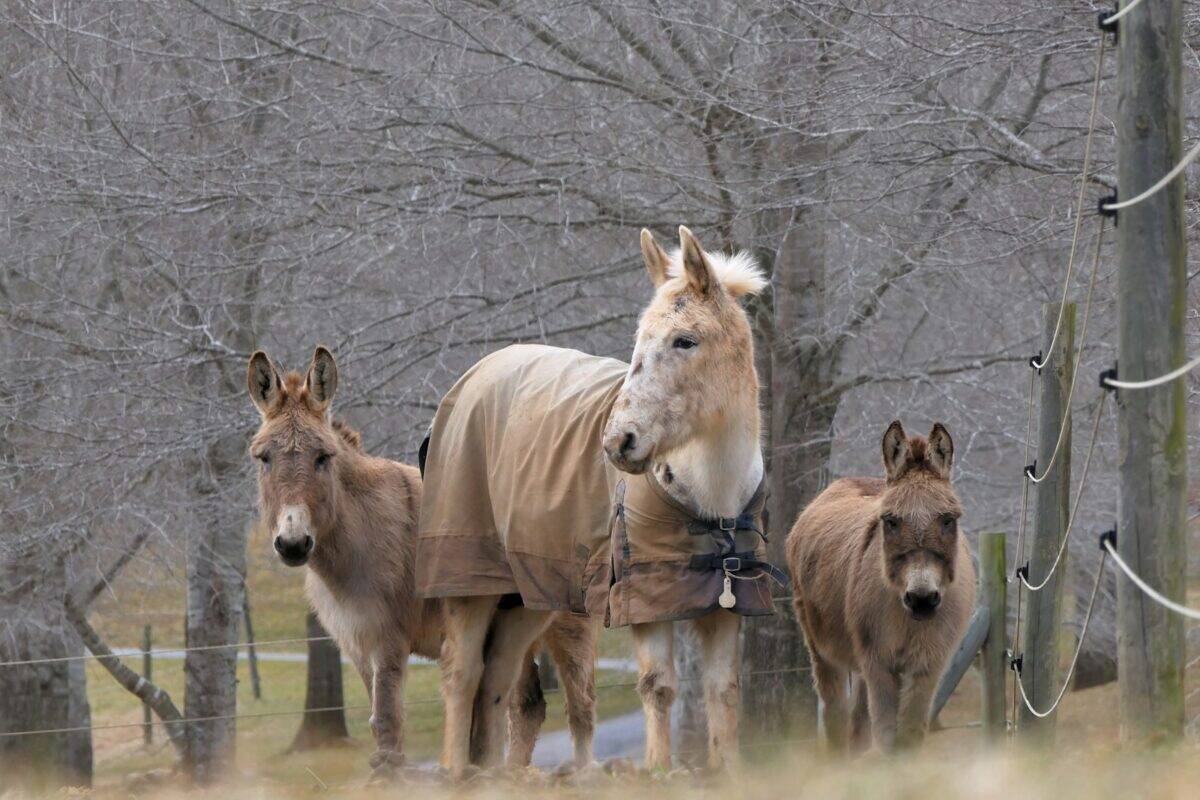
Like humans, horses experience changes in memory function as they age, though many aspects of their memory remain remarkably resilient throughout their lives. Research on equine cognitive aging has shown that procedural memory—the memory for learned skills and routines—tends to remain intact well into a horse’s senior years. Horses in their late 20s or even 30s often perfectly remember training from their youth. However, studies have identified that older horses typically show some decline in working memory, which affects their ability to learn new, complex tasks quickly. What many handlers don’t realize is that these memory changes vary significantly between individuals, with some older horses showing minimal cognitive decline while others experience more noticeable changes.
Environmental factors play a crucial role in maintaining equine cognitive health—horses kept in stimulating environments with continued mental challenges show significantly better memory preservation than those in isolated, unstimulating conditions. Diet also influences cognitive aging, with research indicating that antioxidant-rich feeds and omega-3 fatty acid supplementation may help protect brain function in aging horses. Understanding these normal age-related changes can help owners adjust expectations and training approaches for senior equines, maintaining their quality of life while respecting their cognitive capabilities.
Improving Your Horse’s Memory Capabilities
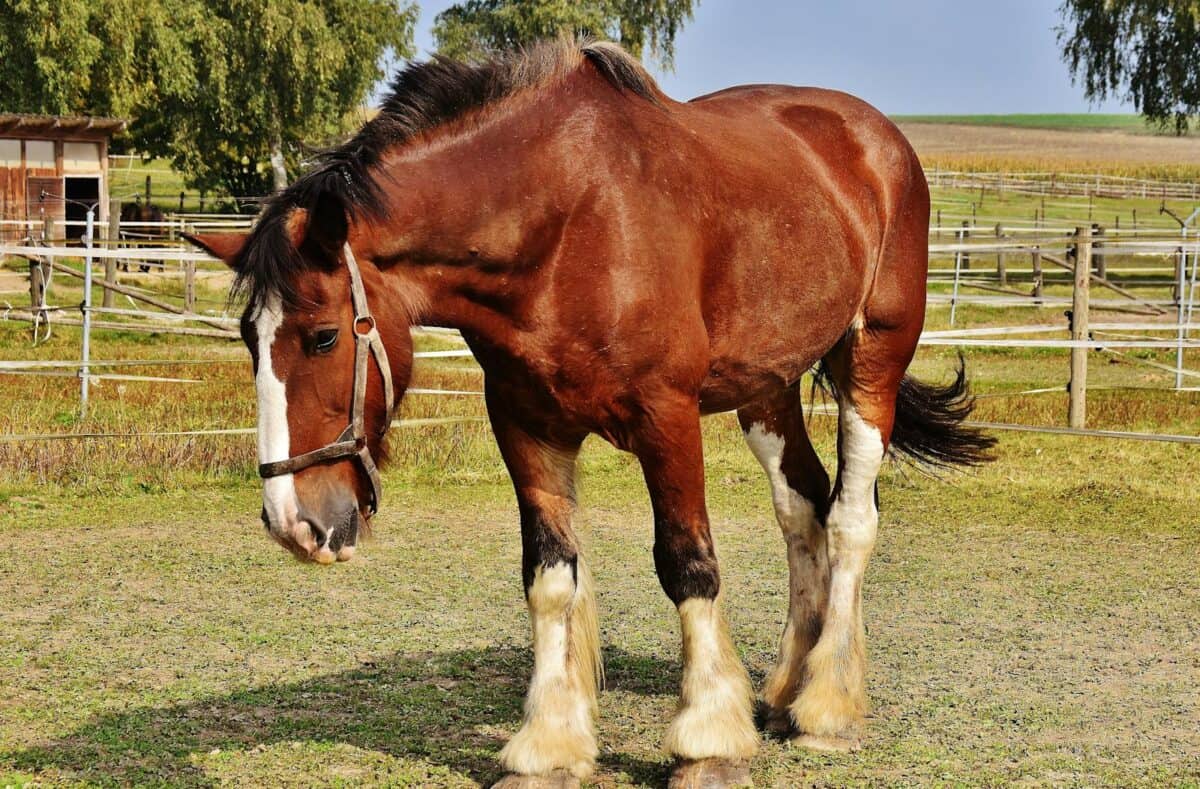
Equine cognitive research has revealed several evidence-based approaches to enhance and preserve horses’ memory capabilities. Regular mental stimulation through varied training exercises, novel environments, and problem-solving opportunities has been shown to strengthen neural pathways and improve memory formation. Studies have demonstrated that horses given regular “brain games,” such as navigating obstacle courses or finding hidden treats, display better learning retention than those with monotonous routines. The timing of training sessions also significantly impacts memory formation—multiple short sessions spaced throughout the week create stronger memory consolidation than fewer, longer sessions.
Nutritional support plays a crucial role, with omega-3 fatty acids, antioxidants, and certain herbs like ginkgo biloba showing promise for supporting equine cognitive health. Perhaps most importantly, stress management dramatically affects memory function—horses under chronic stress show impaired learning and memory, while those in positive emotional states demonstrate enhanced cognitive capabilities. Creating training environments where horses feel safe and engaged optimizes their natural memory abilities. Progressive training that builds on previously learned skills takes advantage of horses’ strong associative memory, allowing them to connect new information with existing knowledge for better retention.
Conclusion: The Remarkable Memory of Equines
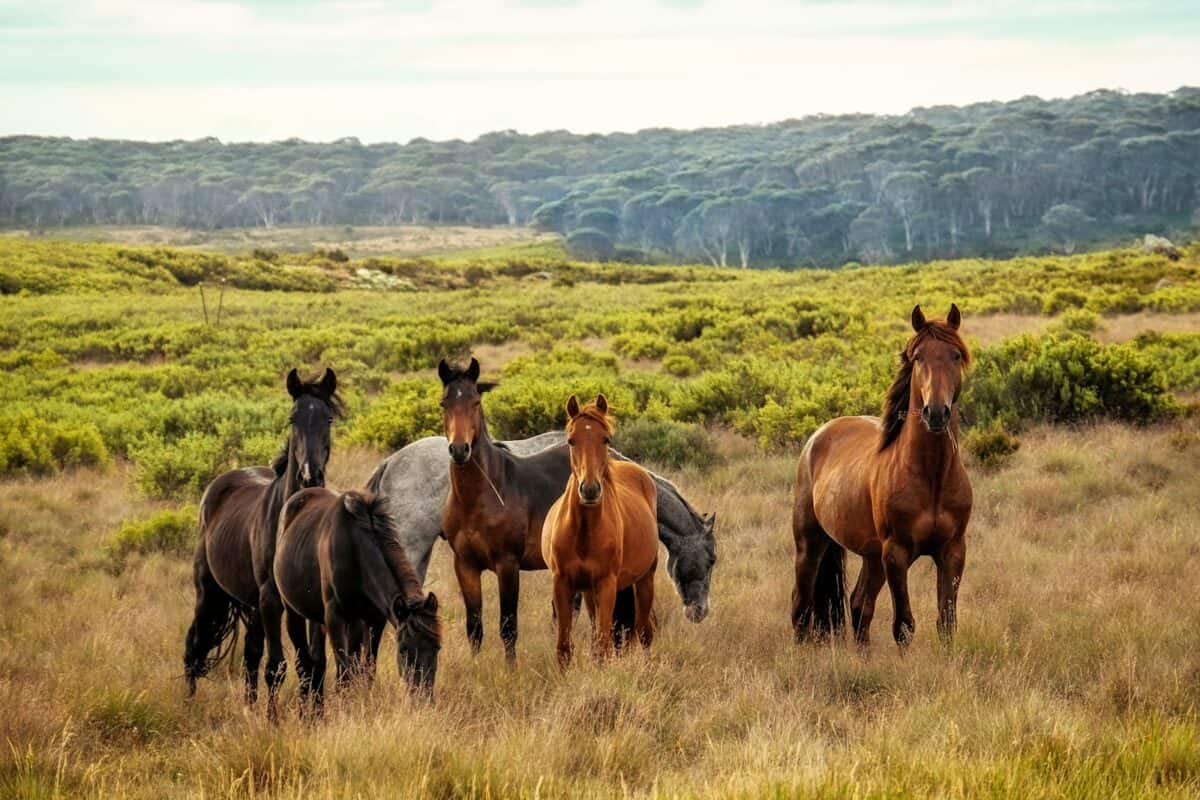
The equine memory system represents one of the most sophisticated cognitive adaptations in the animal kingdom, combining exceptional longevity with remarkable specificity across multiple memory types. From their ability to recognize individuals after years of separation to their capacity to navigate complex landscapes from memory, horses demonstrate cognitive capabilities that evolved to support their survival as prey animals dependent on both herd dynamics and environmental awareness.
Understanding these memory systems isn’t merely academic—it fundamentally shapes how we should approach horse training, care, and management. When we recognize that horses remember their experiences with remarkable clarity and duration, it places greater responsibility on handlers to ensure those experiences build positive associations rather than fear or confusion. As research continues to uncover new aspects of equine cognition, we gain not only a deeper appreciation for these magnificent animals but also better tools to communicate with them effectively, creating partnerships based on mutual understanding rather than domination.

From exploring the marine wonders in the Azores and witnessing the vast savannas of Kenya, to delving deep into the rich biodiversity of South Africa and traversing iconic landscapes in Australia and the US like Yellowstone, Chris's experiences are vast.
With a penchant for diving alongside sharks, the ocean holds a special place in his heart.
Through his academic insights, he champions wildlife conservation, striving with 'Animals Around The Globe' to cultivate a profound connection between humans and animals, enhancing our mutual appreciation.
Connect with him at Feedback@animalsaroundtheglobe.com.
- This “Zombie Deer” Disease Is Spreading—What to Know - July 23, 2026
- The Secret Lives of Wolves in Yellowstone at Night - July 23, 2026
- What Happens If We Stop Tagging Wild Animals? - July 23, 2026