


Canine parvovirus, commonly known as parvo, is a highly contagious and dangerous viral disease that affects dogs, particularly puppies. It can spread rapidly and result in severe illness or even death if left untreated. Parvo targets the gastrointestinal tract, causing symptoms such as vomiting, diarrhea, and dehydration. Early detection and immediate treatment are crucial in giving infected dogs the best chance of survival. In this article, we’ll cover everything you need to know about parvo in dogs, from what it is, to its symptoms, causes, treatment, and prevention.
What is Parvo?

Parvo, short for canine parvovirus type 2 CPV, is a highly contagious virus that attacks a dog’s gastrointestinal system. It can also affect a dog’s heart and immune system. The disease is highly contagious and can survive in the environment for months, making it easy for dogs to contract through contact with contaminated surfaces, feces, or even other infected dogs. It can also be transmitted through contact with contaminated objects such as food bowls, toys, and clothing. Puppies under six months of age, unvaccinated dogs, and those with weakened immune systems are especially vulnerable.
Symptoms to Look Out For
The symptoms of parvo in dogs can vary depending on the severity of the infection. In most cases, symptoms will appear within 3-7 days after exposure to the virus. Common signs of parvo include:
- Severe vomiting – Dogs may begin vomiting frequently and uncontrollably.
- Foul-smelling diarrhea, often bloody – One of the hallmark signs of parvo is profuse diarrhea, often with a strong odor and visible blood.
- Lethargy and weakness – Infected dogs will appear extremely tired, weak, and uninterested in their surroundings.
- Fever – Dogs may develop a fever as their body tries to fight off the virus.
- Dehydration – Due to the vomiting and diarrhea, dogs quickly become dehydrated.
- Loss of appetite – Parvo-infected dogs will often refuse food and water.
- Abdominal pain – They may show signs of discomfort and pain, often by whining, crying, or reluctance to move.
If your dog is showing any of these symptoms, it’s important to seek veterinary care immediately. Parvo can be fatal if left untreated.
Causes of Parvo
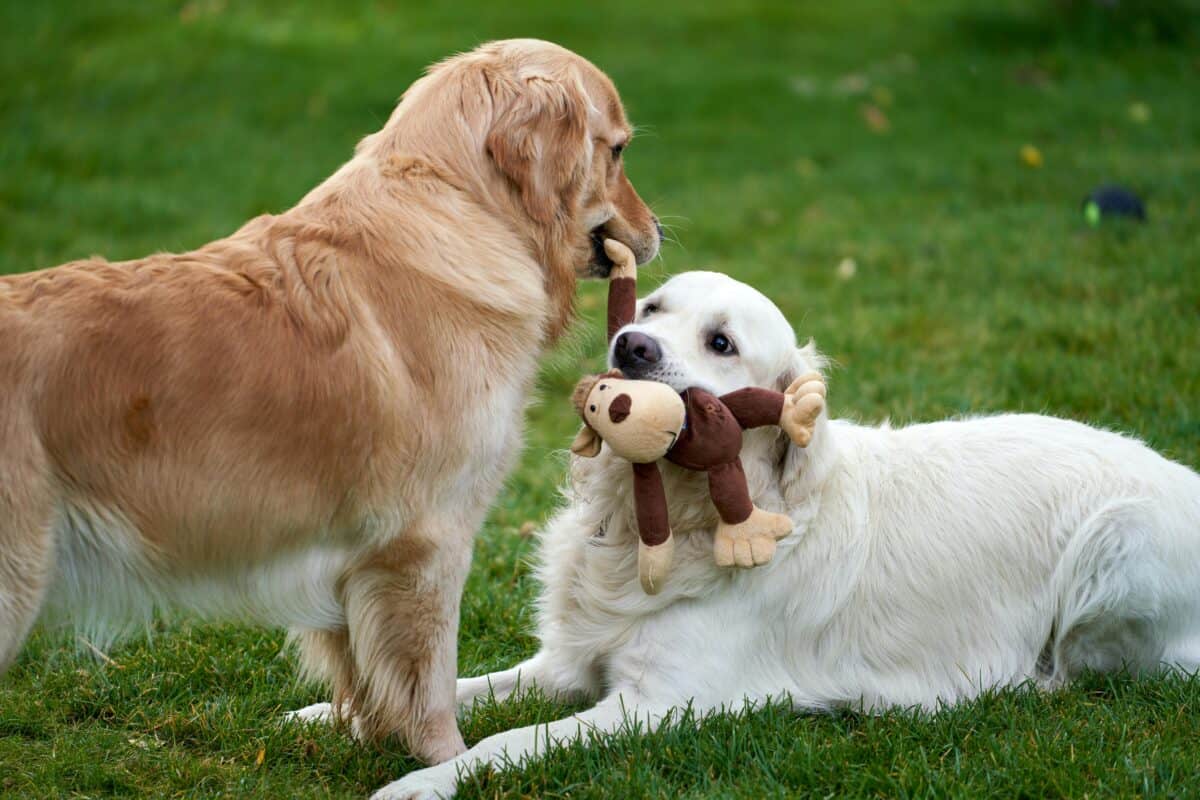
Parvo is caused by exposure to the canine parvovirus. The virus spreads in several ways:
- Direct contact with infected dogs – If your dog interacts with an infected dog, the virus can easily spread.
- Contact with contaminated feces – Dogs can contract parvo by sniffing or licking infected fecal matter.
- Contaminated environments – The virus can live on surfaces like grass, floors, kennels, food and water bowls, and clothing for months.
- Unvaccinated puppies – Puppies who have not completed their vaccination series are at high risk of contracting the virus.
- Weakened immune systems – Dogs with compromised immune systems, including elderly dogs or those undergoing treatments like chemotherapy, are more susceptible to infection.
Treatment Options
There is no specific cure for parvo, but with early detection and proper treatment, most dogs can recover from the infection. Treatment for parvo typically involves hospitalization and supportive care, which may include:
- Intravenous fluids to prevent dehydration
- Antibiotics to prevent secondary infections
- Anti-nausea medication
- Medication to control diarrhea
- Plasma transfusions to replace lost protein and antibodies
It’s important to note that treatment for parvo can be expensive, ranging from $500 to $2,000 or more depending on the severity of the case. This is why prevention is key.
How to Prevent Parvo

The best way to protect your dog from parvo is to make sure they are up-to-date on their vaccinations. Puppies should receive a series of vaccinations starting at 6-8 weeks of age and continuing every 3-4 weeks until they are 16 weeks old. Adult dogs should receive a booster shot annually. Until your puppy has completed its vaccination series, avoid contact with other dogs, especially in public places like dog parks.
It’s also important to keep your dog away from areas where infected dogs may have been, and to properly clean and disinfect any objects or areas that may have been contaminated. Additionally, it’s important to practice good hygiene habits when handling your dog, such as washing your hands after petting other dogs or touching potentially contaminated objects.
What to Do If Your Dog Has Parvo
If your dog has been diagnosed with parvo, it’s important to take extra precautions to prevent the spread of the virus. These include:
- Isolating your dog from other dogs
- Properly disposing of any bodily fluids
- Thoroughly cleaning and disinfecting your home and any objects your dog has come into contact with
- Not bringing any new dogs into your home until it has been properly disinfected
It’s also important to closely monitor your dog’s recovery and follow any instructions given by your veterinarian. With proper treatment and care, most dogs can make a full recovery from parvo. Ensure your dog stays up to date with vaccinations and general health checks to maintain a strong immune system.
Parvo in dogs is a serious and potentially deadly disease, but with proper prevention methods and prompt treatment, you can help keep your furry friend safe and healthy. Remember to keep up with your dog’s vaccinations and practice good hygiene habits to prevent the spread of this virus.

- 15 Dog Breeds Known for Stubborn Housebreaking Habits - June 26, 2026
- 15 Calmest Dog Breeds Perfect for Senior People - June 26, 2026
- 10 Land Animals That Can Fly - June 24, 2026