

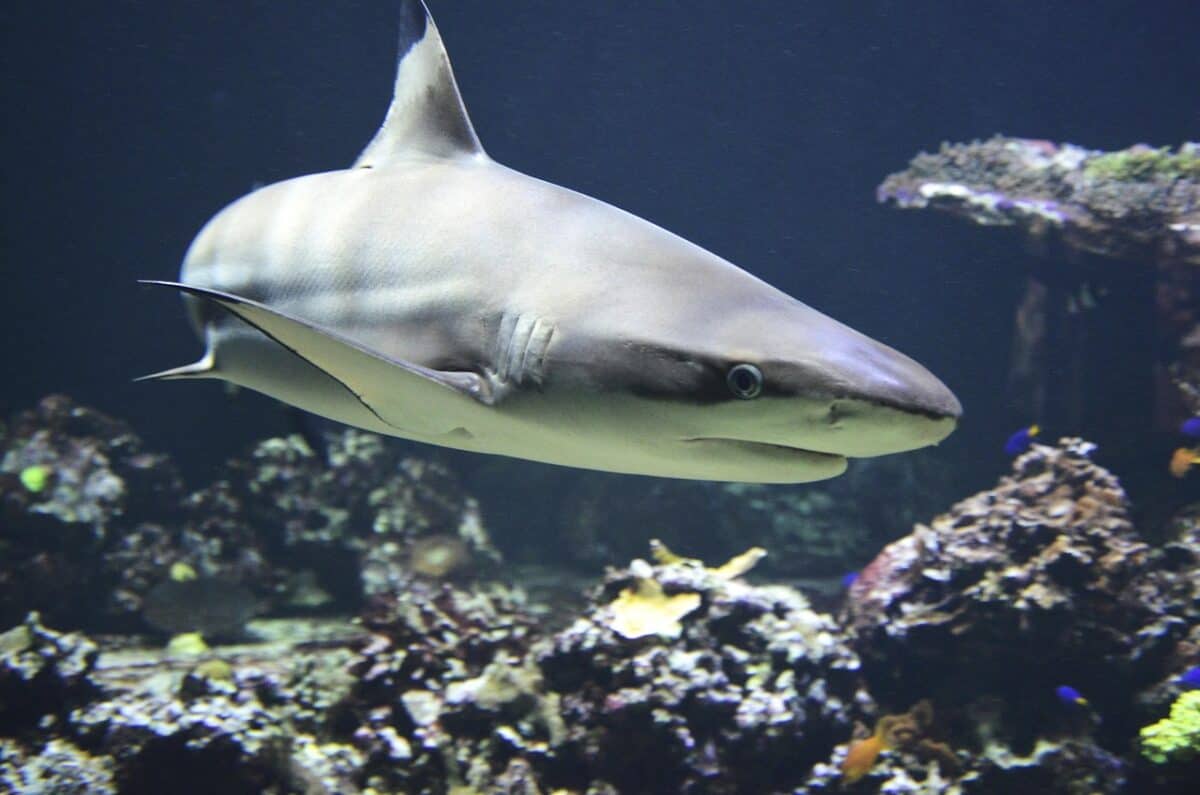
In the vast expanse of our oceans, few creatures command as much respect and fascination as sharks. These magnificent predators have evolved over 400 million years to become some of the most efficient hunters on the planet. Their reputation as apex predators is well-earned, but despite their fearsome capabilities, sharks face vulnerabilities that threaten their existence in today’s changing world. This article explores eleven remarkable adaptations that make sharks dominate their ecosystems, as well as three critical vulnerabilities that put their survival at risk. From their extraordinary sensory systems to their perfect hydrodynamic design, sharks represent the pinnacle of evolutionary success in marine environments—yet human activities and biological limitations create unexpected challenges for these ocean monarchs.
Unmatched Sensory Systems

Sharks possess sensory capabilities that far exceed those of most other marine creatures. Perhaps most remarkable is their ability to detect electrical fields through specialized organs called ampullae of Lorenzini—jelly-filled pores that dot their snouts. These remarkable structures can detect electrical currents as weak as half a billionth of a volt, allowing sharks to locate prey hidden beneath sand or buried in murky waters. Even a flatfish’s beating heart generates enough electricity for a shark to detect it from considerable distances.
Beyond electroreception, sharks boast an array of other heightened senses. Their sense of smell is legendary, with some species capable of detecting a single drop of blood in an Olympic-sized swimming pool. Great white sharks can detect blood at concentrations as low as one part per million. Additionally, sharks possess specialized lateral line systems running along their bodies that detect subtle water movements and pressure changes, essentially allowing them to “feel” their surroundings in ways humans can scarcely imagine. This sensory superiority gives sharks an almost supernatural ability to hunt in diverse conditions, from crystal clear waters to the pitch-black depths of the ocean.
Evolutionary Perfection

Sharks represent one of evolution’s greatest success stories, having survived for over 400 million years with relatively minimal changes to their basic design. To put this in perspective, sharks predate dinosaurs by about 200 million years and have survived through five mass extinction events. Their fundamental body plan has proven so effective that it has required only minor modifications across geologic time scales. This evolutionary staying power speaks volumes about their adaptability and the effectiveness of their predatory design.
Modern sharks still bear remarkable similarities to their ancient ancestors, with fossils revealing that their streamlined bodies, powerful jaws, and replaceable teeth were established early in their evolutionary history. While mammalian predators like wolves and lions have undergone significant evolutionary changes, sharks demonstrate a principle sometimes called “evolutionary perfection”—when a design works so well that natural selection maintains it with minimal alterations over vast periods. This extraordinary evolutionary stability has allowed sharks to remain apex predators across changing oceans and shifting ecosystems for hundreds of millions of years.
Hydrodynamic Excellence

Sharks epitomize hydrodynamic efficiency with bodies perfectly engineered for aquatic locomotion. Their fusiform (tapered at both ends) shape minimizes drag while maximizing thrust, allowing them to move through water with remarkable energy efficiency. This streamlined design has been so successful that engineers study shark morphology to improve the design of watercraft, submarines, and even swimwear. The shortfin mako shark, capable of bursts up to 45 mph (72 km/h), stands as one of the fastest creatures in the ocean thanks to this optimized body plan.
Complementing their streamlined shape is their unique skin texture. Shark skin is covered in tiny tooth-like structures called dermal denticles that reduce drag and turbulence around their bodies. These microscopic structures create tiny vortices that decrease the water resistance against the shark’s body, allowing them to swim faster while using less energy. This remarkable adaptation has inspired biomimetic materials in competitive swimming and boat hull design. The combination of perfect body shape and specialized skin creates a hydrodynamic system so effective that sharks can cruise tirelessly through the water, covering vast distances in search of prey with minimal energy expenditure.
Perpetual Tooth Replacement

Unlike most vertebrates, sharks never have to worry about tooth decay or permanent tooth loss. They possess one of nature’s most efficient dental systems with continuous tooth replacement throughout their lives. Depending on the species, sharks may grow and shed between 20,000 to 50,000 teeth during their lifetime. Their teeth are arranged in multiple rows, with new teeth constantly developing in the back of the jaw and moving forward to replace lost or worn teeth. This conveyor belt system ensures that sharks always have sharp, functional teeth available for hunting.
The rate of replacement varies dramatically by species and can be astonishingly rapid. Some sharks, like the tiger shark, may replace a single tooth in as little as a week. The great white shark typically replaces each tooth every 8-10 days. This remarkable adaptation means that sharks never suffer the disadvantage of diminished hunting ability due to dental problems. Even more impressive, shark teeth have evolved into specialized shapes for different hunting strategies—serrated teeth for cutting through flesh, pointed teeth for gripping slippery prey, or flat teeth for crushing shellfish. This specialized dentition, coupled with continuous replacement, gives sharks an unmatched advantage as ocean predators.
Apex Metabolism and Energy Efficiency
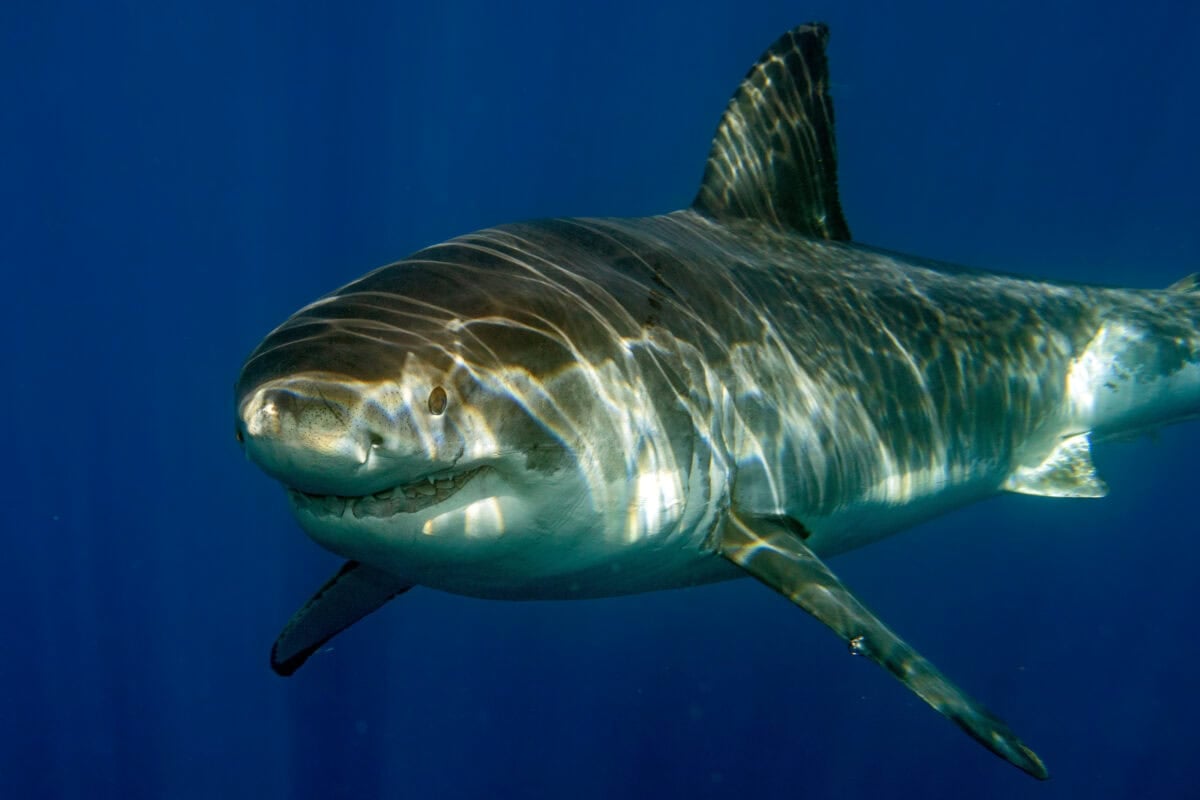
Sharks have evolved sophisticated metabolic adaptations that maximize their hunting efficiency. Most shark species are “cold-blooded” or ectothermic, meaning their body temperature matches their environment. This typically requires less energy than maintaining a constant internal temperature. However, several apex predator sharks like great whites, makos, and porbeagles have developed regional endothermy—the ability to maintain certain body parts, particularly muscles and eyes, at temperatures warmer than the surrounding water. This partial warm-bloodedness allows them to hunt in colder waters and move with explosive speed when necessary.
Beyond temperature regulation, sharks excel at energy conservation. Many species can slow their metabolism dramatically when food is scarce, with some capable of surviving months between substantial meals. The Greenland shark exemplifies this efficiency with an extremely slow metabolism that contributes to its remarkable longevity of up to 400+ years. Sharks also store energy efficiently in their large, oil-rich livers, which can constitute up to 30% of their body weight. This efficient energy storage and usage system allows sharks to thrive in environments where food availability fluctuates, giving them an edge over prey species that require more consistent feeding opportunities.
Unparalleled Hunting Strategies

Sharks have evolved diverse and sophisticated hunting strategies tailored to their ecological niches. Great white sharks employ the ambush technique of breach hunting—approaching seals from below at speeds up to 25 mph and launching their massive bodies entirely out of the water in explosive attacks. Tiger sharks use stealth and patience, approaching prey carefully before unleashing short bursts of speed. Hammerheads sweep their uniquely shaped heads across the ocean floor to detect the electrical signals of stingrays hiding beneath the sand. Each strategy represents a refined approach to securing prey in different environments.
Perhaps most impressive is the cooperative hunting observed in some shark species. Blacktip reef sharks have been documented working together to herd and trap schools of fish in shallow waters. Great whites sometimes hunt in loose social groups, with individuals playing different roles during a hunt. Some sharks even demonstrate problem-solving abilities, figuring out novel approaches to access difficult prey. The thresher shark, for instance, uses its extraordinarily long tail as a whip to stun schooling fish. These diverse and adaptable hunting strategies, coupled with their physical prowess, cement sharks’ position at the top of marine food webs across virtually every ocean habitat.
Extraordinary Size and Power

The sheer physical presence of many shark species contributes significantly to their apex status. The whale shark, reaching lengths of up to 40 feet (12 meters), claims the title of largest fish in the sea, while the great white shark can weigh over 4,000 pounds (1,800 kg) with jaws capable of generating bite forces exceeding 4,000 pounds per square inch. This raw power allows them to tackle prey that few other predators would dare approach. Bull sharks, despite their more modest size, have pound-for-pound one of the strongest bites in the animal kingdom, enabling them to crush turtle shells and large fish with ease.
This impressive size and strength is supported by specialized musculature and skeletal systems. Unlike bony fish, sharks have skeletons made of cartilage—lighter than bone but reinforced with calcium deposits in high-stress areas. This provides both structural support and the flexibility needed for powerful swimming movements. Their muscular systems are equally impressive, with the swimming muscles of fast-moving species like makos containing higher concentrations of red muscle fibers that resist fatigue. Some larger sharks even have specialized muscles dedicated solely to generating the explosive force needed during hunting strikes. This combination of size, strength, and specialized anatomy makes sharks nearly unstoppable when pursuing prey.
Diverse Habitat Adaptation

Unlike many specialized predators, sharks have successfully colonized virtually every marine environment on Earth. From the freezing waters of the Arctic where Greenland sharks thrive in near-freezing temperatures, to tropical coral reefs where reef sharks patrol in crystal clear shallows, to the crushing depths of the ocean where sixgill sharks hunt at depths exceeding 8,200 feet (2,500 meters). This extraordinary habitat flexibility speaks to the adaptability that has kept sharks at the top of marine food chains across diverse ecosystems for millions of years.
Some shark species even demonstrate remarkable tolerance for fresh water—a rarity among marine predators. Bull sharks can travel thousands of miles up rivers, having been spotted as far inland as Illinois in the Mississippi River and 2,500 miles up the Amazon. The river sharks (Glyphis species) live exclusively in freshwater river systems in Asia and Australia. Equally impressive is the ability of some species to undertake vast oceanic migrations, with great whites and whale sharks regularly traveling thousands of miles across open ocean. This unparalleled habitat flexibility means that sharks face fewer geographical limitations than most other predators, allowing them to exploit food resources across a tremendous range of environments.
Longevity and Growth Potential

Many shark species possess extraordinary lifespans that contribute to their apex status by allowing them to accumulate years of hunting experience and continue growing throughout much of their lives. The Greenland shark holds the record as the longest-lived vertebrate, with some individuals estimated to be over 400 years old. These ancient predators may not reach sexual maturity until around 150 years of age, demonstrating a life history strategy dramatically different from most other animals. Even more common shark species like great whites can live 70+ years, while tiger sharks typically live 50-60 years in the wild.
This longevity is paired with indeterminate growth in many species—meaning they continue growing, albeit more slowly, throughout their lives rather than stopping at a fixed adult size. This allows dominant individuals to attain truly impressive dimensions, further cementing their position at the top of the food chain. The combination of long life and continuous growth means that the largest sharks in a population are often the most experienced hunters with decades of learned behavior. This accumulated hunting knowledge, combined with maximum physical size, creates apex predators of unparalleled effectiveness that improve their hunting skills over a lifespan measured in decades rather than years.
Physiological Resilience

Sharks possess remarkable physical resilience that contributes significantly to their dominance. Their immune systems are extraordinarily robust, with research showing they have natural resistance to many diseases and even some forms of cancer. Scientists are studying shark immune proteins for potential medical applications in human disease treatment. This physiological hardiness means sharks rarely succumb to the diseases and infections that might weaken or kill other marine predators, allowing them to maintain peak hunting performance throughout their lives.
Their healing abilities are equally impressive. Sharks can recover from severe injuries that would be fatal to most other animals. There are documented cases of sharks surviving massive wounds, including partial decapitations, lost fins, and large bites from other sharks or predators. They possess specialized stem cells and rapid tissue regeneration capabilities that allow them to heal without significant infection. Some species show evidence of healing from wounds that removed over 30% of their body mass. This ability to survive and recover from serious injuries means that even after territorial fights or unsuccessful hunting attempts, sharks can continue to thrive where other predators might perish, further solidifying their position at the ecosystem’s apex.
Minimal Natural Predation

Adult sharks of most species face remarkably few natural threats, with their only significant predators being larger sharks and, occasionally, orcas. This near absence of natural predation stands in stark contrast to other marine predators like seals, dolphins, or large fish, which must constantly remain vigilant against multiple threats. Even apex predators on land, such as lions or wolves, face potential danger from other predators or competing groups. The scarcity of natural enemies allows sharks to focus their energy almost exclusively on hunting rather than defense or evasion.
This freedom from predation pressure has significant ecological implications. Without the need to develop elaborate defense mechanisms or evasive behaviors, sharks can optimize their physiology and behavior entirely around hunting efficiency. They can patrol open waters without the constant vigilance required by animals frequently targeted by predators. They can also approach hunting with bold, direct tactics that might otherwise leave them vulnerable. This liberation from the constant predator-prey dynamics that govern most animals’ lives represents perhaps the purest expression of what it means to be an apex predator—to hunt without fear of being hunted.
Vulnerability Slow Reproductive Rates

Despite their many advantages, sharks have a critical vulnerability in their reproductive strategy. Most shark species are K-selected reproducers, meaning they produce relatively few, well-developed offspring rather than numerous simple ones. Gestation periods are typically long, ranging from several months to over two years in some species like the spiny dogfish. The frilled shark may have the longest gestation period of any vertebrate at 3.5 years. After such lengthy pregnancies, many species produce just a handful of pups—sometimes as few as two or three. This represents an enormous parental investment compared to most fish, which might release millions of eggs.
Compounding this slow reproduction is the delayed sexual maturity of many shark species. Great whites may not reproduce until 26 years of age, while whale sharks reach sexual maturity between 25-30 years. Even smaller species often require 10+ years before they can reproduce. This combination of late maturity, long gestation, and few offspring means that shark populations grow extremely slowly and cannot quickly recover from population declines. When faced with modern fishing pressure, this reproductive vulnerability becomes catastrophic, as sharks simply cannot reproduce fast enough to offset human-caused mortality. Population models suggest that even modest fishing pressure can cause rapid population collapses in many shark species precisely because of this reproductive limitation.
Vulnerability Limited Adaptation to Human Threats

Sharks evolved their perfect predatory adaptations over hundreds of millions of years, but these adaptations offer little protection against modern human technologies and activities. Their keen senses and hunting prowess provide no defense against fishing gear, with an estimated 100 million sharks killed annually by commercial fishing operations. Particularly devastating is the practice of shark finning, where sharks are caught, their fins removed, and their still-living bodies discarded back into the ocean. Lacking evolutionary experience with such threats, sharks have no behavioral adaptations to avoid fishing gear or areas of intense human activity.
Beyond direct fishing, sharks face unprecedented threats from habitat destruction, plastic pollution, and climate change. Their reliance on coastal nursery areas makes many species vulnerable to development and pollution in these critical habitats. Ocean acidification threatens the foundation of marine food webs upon which sharks depend. Their slow evolutionary rate means sharks cannot adapt quickly enough to these rapid environmental changes. The very qualities that made sharks successful for 400 million years—specialized hunting adaptations, slow reproductive rates, and methodical evolutionary development—now leave them particularly vulnerable to the unprecedented pace of human-driven environmental change.
Vulnerability Susceptibility to Bioaccumulation
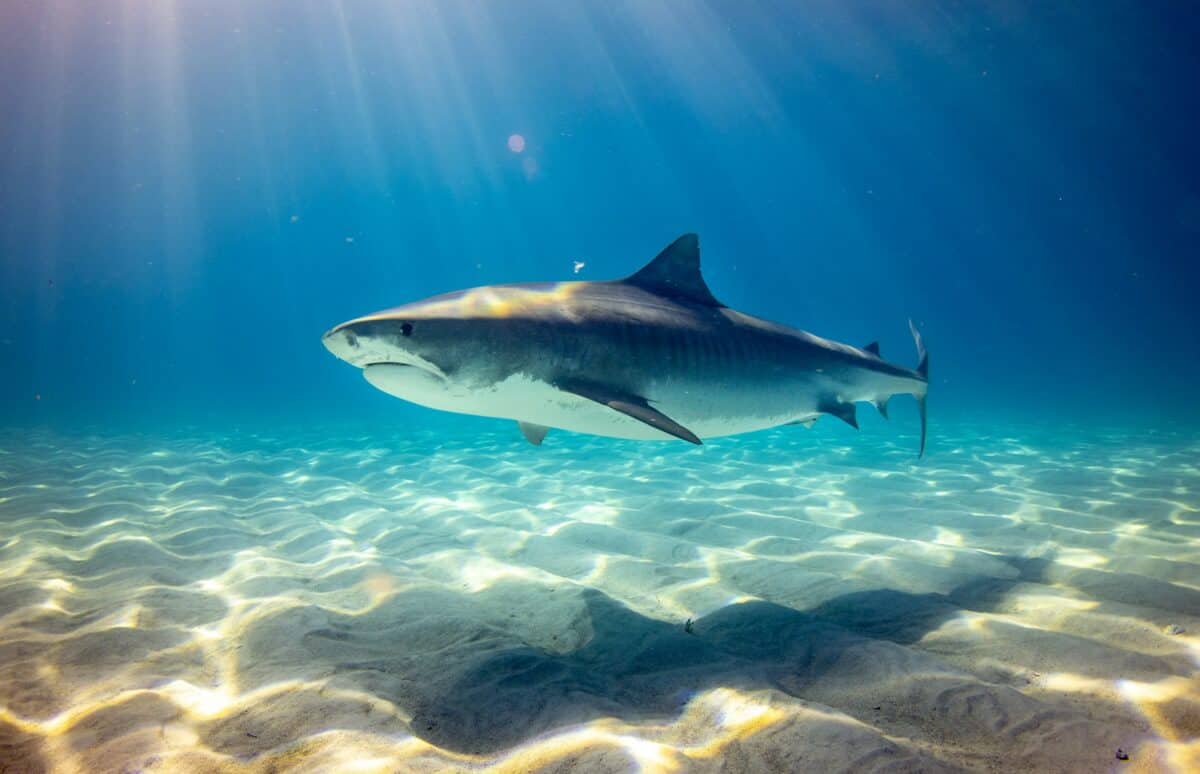
Sharks have ruled the oceans for millions of years, and it’s no accident—they’re built to be apex predators. With razor-sharp teeth, powerful jaws, exceptional sensory systems, and the ability to detect even the faintest electrical signals from prey, sharks are finely tuned hunting machines. Their speed, stealth, and adaptability allow them to dominate a wide range of marine environments, keeping ocean ecosystems in balance. These evolutionary traits, combined with their top-of-the-food-chain status, are what make sharks some of the most formidable creatures in the sea.
But even apex predators aren’t invincible. Despite their strengths, sharks face vulnerabilities that threaten their survival—many of which are driven by human activity. Overfishing, pollution, and habitat loss have made several shark species increasingly susceptible to population decline. Their slow reproductive cycles mean they can’t bounce back quickly from these pressures. As we continue to learn more about sharks, it’s clear that their apex status doesn’t make them immune to the growing challenges of a changing ocean.
Conclusion:

Sharks have ruled the oceans for hundreds of millions of years, and it’s easy to see why. Their superior senses, powerful jaws, sleek bodies, and unmatched hunting strategies make them apex predators in nearly every marine ecosystem. From their ability to detect the faintest electrical signals to their highly evolved immune systems, sharks are built for survival at the top of the food chain.
Yet despite their dominance, sharks aren’t invincible. Human activity, environmental changes, and their own slow reproductive rates have made many species vulnerable. Overfishing, habitat degradation, and the demand for shark fins have placed immense pressure on populations worldwide. Recognizing both their strengths and their fragility is key to protecting these ancient predators—and ensuring they remain a vital part of ocean ecosystems for generations to come.

As a little kid, I fell in love with nature, wildlife, and animals. Living in the USA, South Africa, Italy, China and Germany gave me the opportunity to discover the world's Wildlife. My favorite animals are Mountain Gorillas, Siberian Tigers, and Great White Sharks.
I'm a certified PADI Open Water Diver, went to Everest Base Camp and Trekked Gorillas in Uganda. I hold a Master of Science in Economics and Finance.
Please send any feedback to feedback@animalsaroundtheglobe.com
- Oceanography Says a Layer of Water Exists in the Pacific That Has Not Mixed With the Surface in Over a Thousand Years and What Lives There Defies Current Classification - June 26, 2026
- 13 Flight Patterns That Defy Gravity - June 26, 2026
- 11 Surprising Sounds Foxes Make and What They Mean - June 26, 2026