
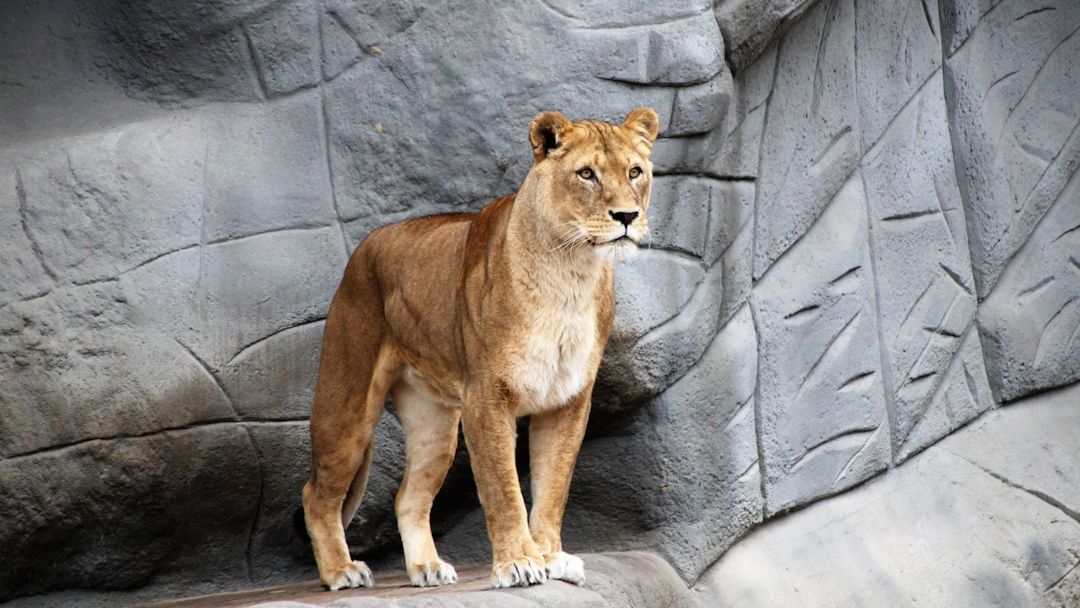
Picture this: You’re on a serene mountain trail, breathing in the crisp air, when suddenly you lock eyes with a tawny predator staring right back at you. Your heart races. Your instincts scream. In that split second, what you do next could mean the difference between walking away unharmed and becoming a tragic statistic. The thing is, most people’s natural reactions are exactly what they shouldn’t do.
Mountain lion attacks are exceptionally rare, yet thousands of hikers, trail runners, and outdoor enthusiasts share their habitat every single day. When these encounters do happen, survival often comes down to understanding what not to do. Let’s be real, your gut instincts in a face-to-face meeting with one of North America’s apex predators might actually work against you. So let’s dive in.
Never Run Away From the Animal

This is probably the hardest instinct to fight. Every fiber of your being wants you to bolt when you see a mountain lion. Running can trigger their instinct to chase, turning you from a non-threatening human into something that resembles fleeing prey.
Think about it like this: mountain lions are hardwired predators. A cougar can chase at about 40 mph, so you’re not going to outrun one anyway. When something runs, their predatory switch flips on automatically.
Cougars tend to look for shape and movement, so they will usually attack a jogger before someone strolling along. Quick movements signal vulnerability. Even if you’re terrified, you need to stay put or back away slowly while maintaining visual contact with the animal.
Honestly, I know it sounds crazy, but standing your ground is your best bet. Cyclists in Washington did everything right – they faced the cougar and made noise – but when the fight-or-flight response kicked in and they ran away, it likely drew the starving cougar in for the fatal attack. That single decision can change everything.
Running and rapid movements may trigger an attack. Your legs might be screaming to move, but you’ve got to override that primal urge. Stay calm, stay visible, and whatever you do, don’t turn this into a chase.
The bottom line? Running transforms you from a potential threat into dinner. Keep that thought front and center when panic sets in.
Never Turn Your Back or Crouch Down

Bending over or crouching down causes humans to resemble four-legged prey animals and makes the neck and back of the head vulnerable. This is a critical mistake that can instantly change how the mountain lion perceives you.
When you bend down to pick up a rock, tie your shoe, or grab your kid, you’re essentially reshaping yourself into the silhouette of a deer or other prey animal. Biologists speculate that a hunkered-over person can be mistaken as four-legged prey, triggering a cougar’s hunting instinct.
Lions know from their own hunting behavior that predators attack from behind. Turning your back signals that you’re not a threat, which might seem like a good thing until you realize it also signals you’re vulnerable prey. Mountain lions are ambush predators by nature, and they’re designed to attack from the rear.
If you need to pick up small children – which you absolutely should – try to do it without bending all the way over. Experts advise that you first pick up small children while avoiding bending over or crouching down as much as possible. It’s awkward, sure, but it keeps your human shape intact.
The same goes for reaching for a stick or rock to defend yourself. Don’t crouch to grab it. Stay upright, keep your eyes on the animal, and move deliberately. Your posture is part of your defense strategy.
Here’s the thing: maintaining your upright stance tells the cougar you’re not easy prey. You’re something bigger, something potentially dangerous. That perception might just save your life.
Never Break Eye Contact or Look Away
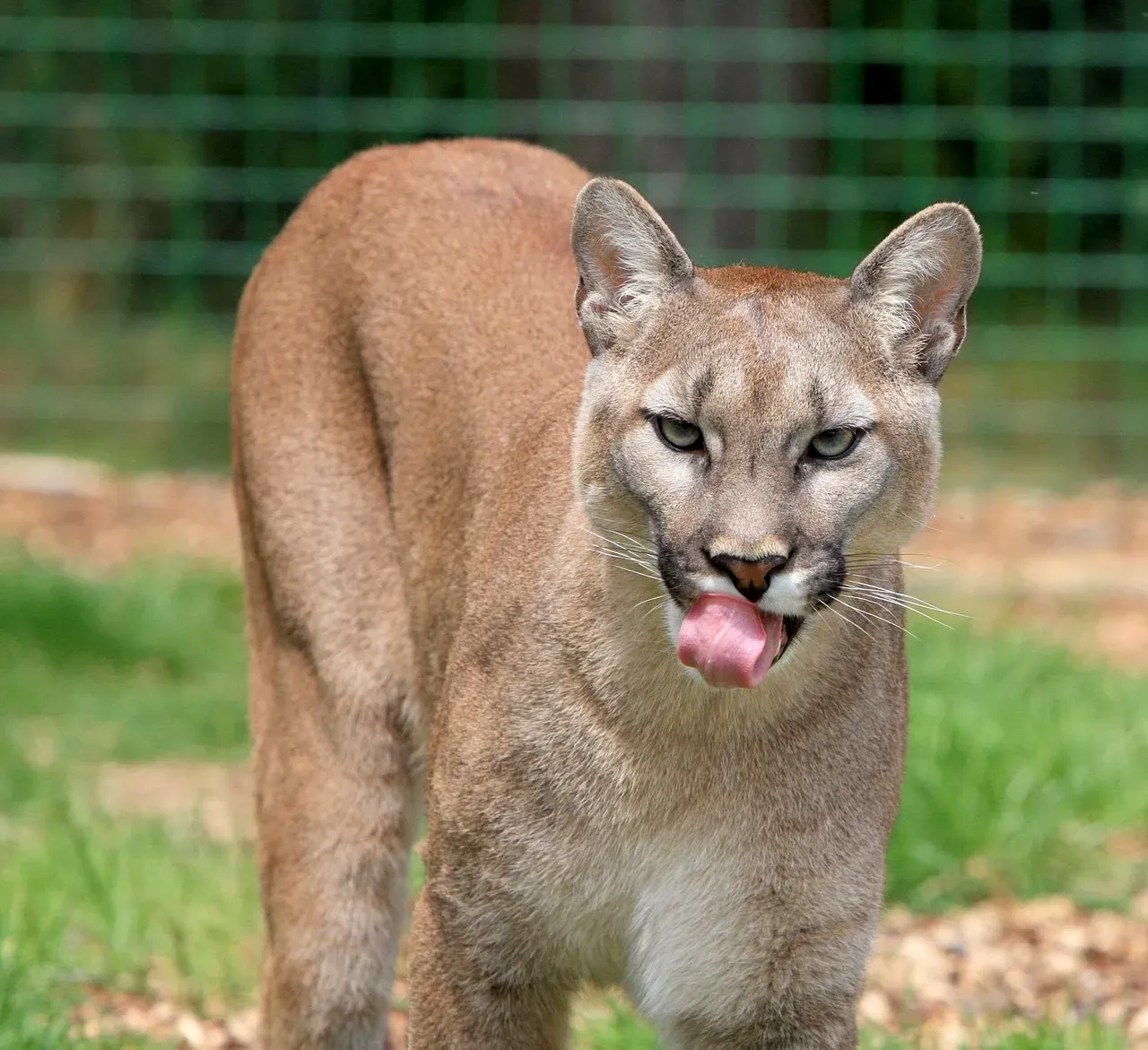
Eye contact presents a challenge to the mountain lion, showing that you are aware of its presence and helps you know where it is. This is one of those situations where staring is not only acceptable, it’s essential.
Think of eye contact as your way of communicating dominance. Animals in the wild understand this language. When you lock eyes with a mountain lion, you’re essentially saying, “I see you, and I’m not afraid.” Even if you’re terrified inside, you can’t let the animal know that.
Do not take your eyes off the cougar or turn your back, and do not crouch down or try to hide. The moment you look away, you’ve broken that invisible thread of communication. The cougar might interpret that as weakness or an opportunity to advance.
Still, there’s a nuance here. Look at the cougar’s feet, not directly into their eyes, to avoid appearing aggressive. Some experts suggest this approach prevents you from seeming like a direct threat while still maintaining awareness. It’s hard to say for sure, but the key is keeping the animal in your field of vision constantly.
A lion not backing down is often a sign that you already have the advantage. They won’t turn their back on something they view as dangerous. So if the cougar is holding its ground and watching you, that’s actually a good sign – it means you’re being perceived as a potential threat.
Whatever you do, don’t blink first. Keep watching, keep aware, and keep that visual connection strong until the animal moves away or you can slowly back out of the situation.
Never Approach or Corner the Mountain Lion
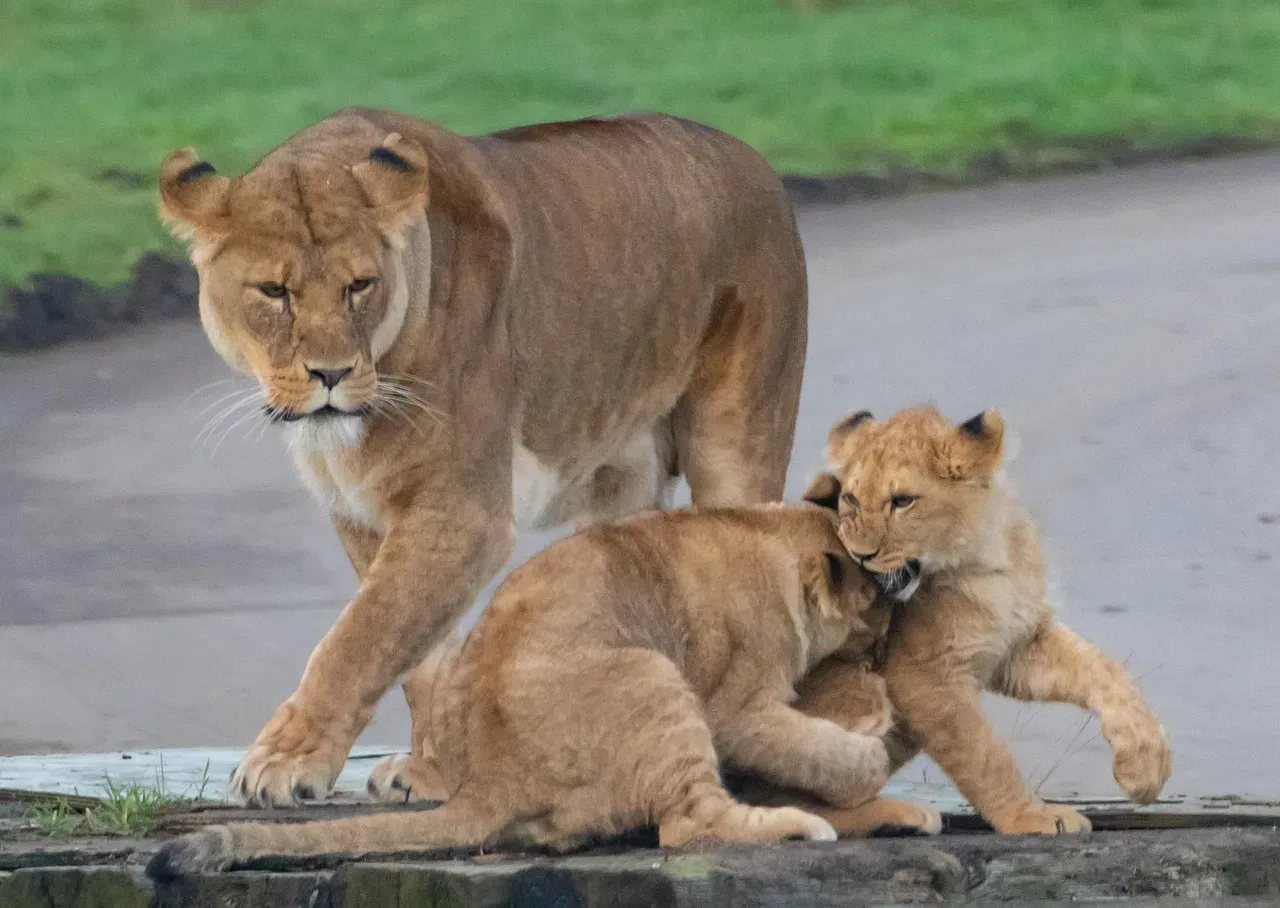
Never approach a feeding mountain lion or one with kittens, and give them an escape route. This might seem obvious, but in the moment, curiosity or the desire to grab a photo can override common sense.
It’s important that a lion not feel cornered, or separated from its kittens or a cached kill – it will fight to reach and protect either. When an animal feels trapped, its fight response kicks into overdrive. You’ve essentially eliminated all other options for the cougar except to come through you.
Let’s be real: if you see a mountain lion with cubs or near what looks like a food cache, you need to give that animal a wide berth. Do not approach the cougar, give them ample space to run away and don’t corner them; if there are cubs, be careful not to get between them and their mother.
The best way to ensure that both you and the lion may leave safely is for you to back away slowly while continuing to look as big and intimidating as possible, leaving the lion avenues of escape. You want the cougar to feel like it has options – specifically, options that don’t involve fighting you.
Approaching out of curiosity is just asking for trouble. These aren’t domesticated animals, and they don’t want selfies with you. Even from a distance, getting closer eliminates the buffer zone that keeps both of you safe.
Creating an exit route isn’t just about being polite to wildlife. It’s about survival. A cornered predator is a desperate predator, and desperate animals are unpredictable and dangerous.
Never Scream or Make High-Pitched Noises
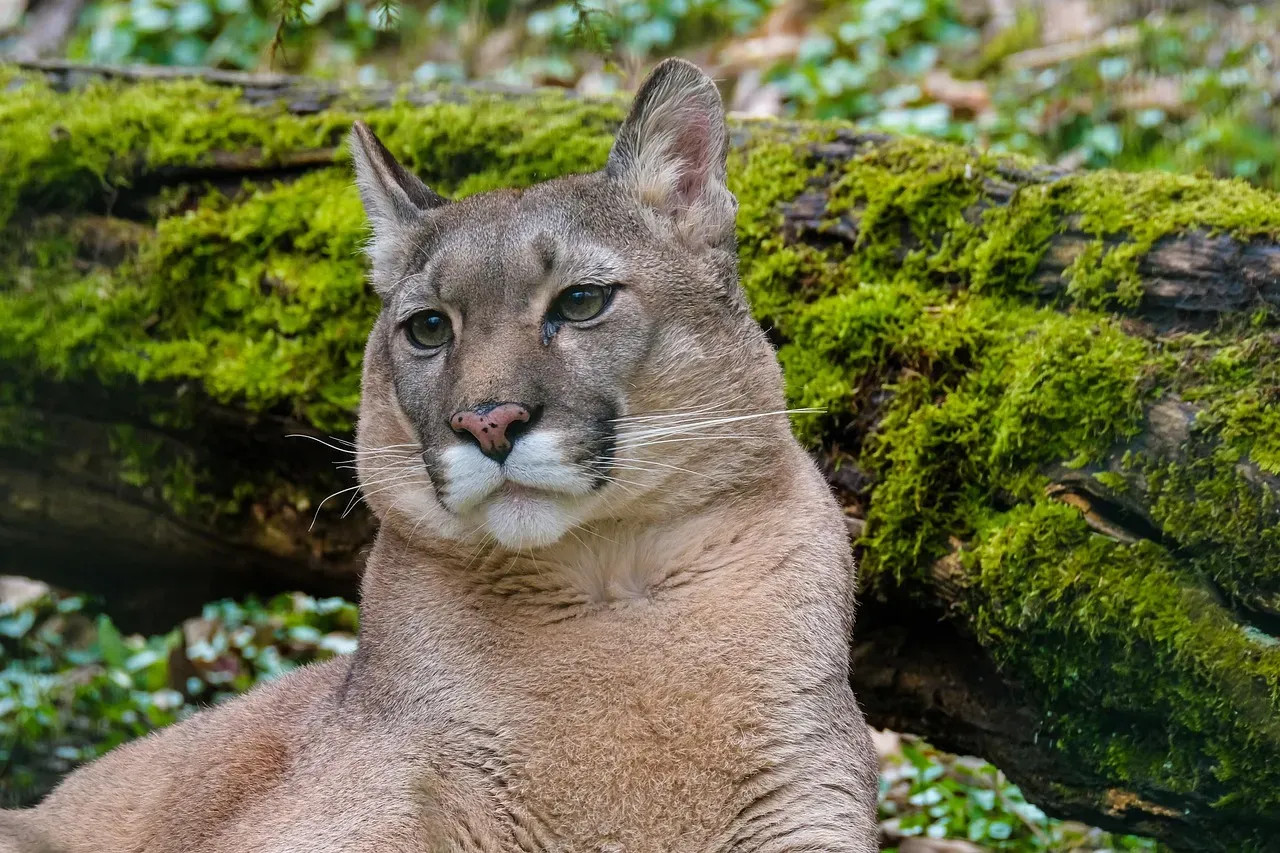
Here’s something most people don’t realize: You should yell loudly, but don’t scream – a high-pitched scream may mimic the sound of a wounded animal. This distinction matters more than you might think.
When you scream in a high-pitched tone, you’re inadvertently sending signals that you’re injured or distressed prey. To a predator, that’s like ringing a dinner bell. Your voice should be loud, yes, but firm and low. Wave your arms slowly and speak firmly in a loud voice to assert dominance.
Make noise – shout, wave your arms, throw things at the animal, but don’t scream. Think of your voice as a weapon. You want to sound threatening, not vulnerable. Channel your inner authority figure and project strength.
I think this is one of the trickiest things to control when you’re face-to-face with a mountain lion. Panic naturally raises the pitch of your voice. You’ve got to consciously bring it down, speak in low tones, and sound like you mean business.
Use words if it helps you stay calm. Some people find that talking to the animal in a firm, steady voice helps them maintain composure. Say things like “Get back” or “Go away” in a commanding tone. The content doesn’t matter as much as the delivery.
Your goal is to disrupt any predatory behavior and make it abundantly clear that you’re not a wounded deer stumbling through the woods. You’re a formidable presence that’s best left alone.
Conclusion

Surviving a mountain lion encounter isn’t about being the fastest runner or the bravest hiker. It’s about understanding animal behavior and resisting every natural impulse your body throws at you. Cougar attacks are more rare than being struck by lightning – about 4 to 6 attacks happen across the U.S. and Canada each year, so chances are you’ll never face this situation.
Still, knowledge is your best defense. Don’t run, don’t crouch, don’t look away, don’t corner the animal, and don’t scream like prey. Do the opposite of what fear tells you to do. Stand tall, make yourself big, maintain eye contact, speak firmly, and slowly back away while giving the cougar an escape route.
In the unlikely event that the cougar attacks, fight back with everything you have – people have used rocks, jackets, garden tools, tree branches, walking sticks, and even bare hands to turn away mountain lions. These animals are looking for easy meals, not battles.
Remember, you’re in their home. Respect that space, stay alert, and trust the science over your instincts. What do you think – would you be able to stay calm if you came face-to-face with a mountain lion? Share your thoughts in the comments.

- 8 Ways Glaciers Carved New York's Finger Lakes - August 10, 2026
- 8 Ways Bobcats Move Through Suburbs Without Being Seen - August 9, 2026
- 7 Reasons Black Bears Return to the Same Food Source - August 9, 2026