

You’ve lived with your dog for months or years. You know their favorite spot on the couch, the toy they carry to the door when you come home, and the particular look they give you right before dinner. Yet most of us, even the most devoted dog owners, are still missing a huge portion of what our dogs are actually saying.
Unlike people, dogs rely far more heavily on body postures and physical cues than vocal signals to communicate. People are listeners; dogs are watchers. That gap between the two communication styles is where most misunderstandings happen. The good news? Once you know what to look for, the signals are everywhere.
#1 The Tail Wag That Isn’t What You Think
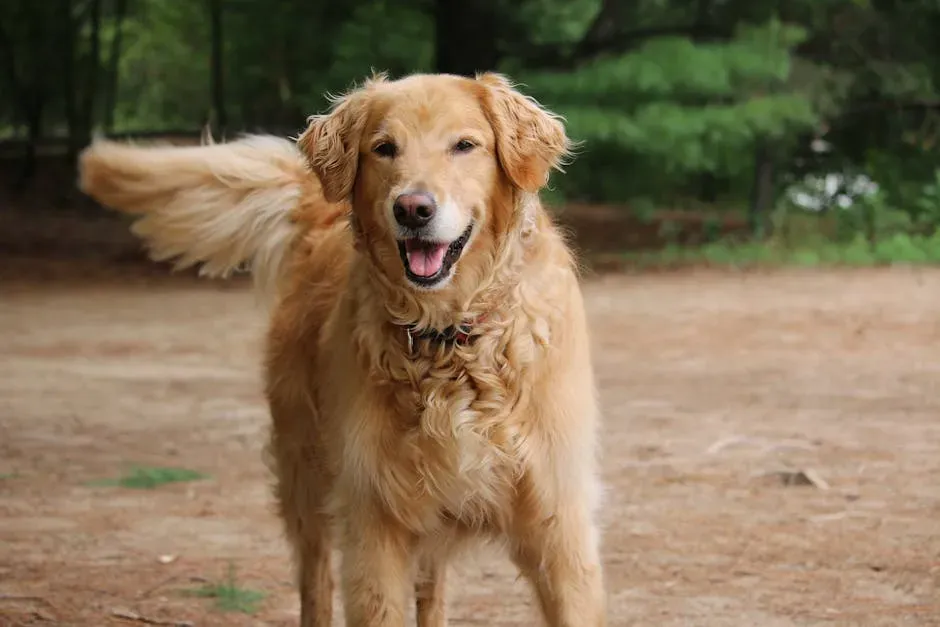
Most people treat a wagging tail like a green light. It means the dog is happy, friendly, relaxed. Safe to approach. That assumption, while understandable, is one of the most common misreadings in the whole world of canine communication.
All a wagging tail really means is that the dog is emotionally aroused. It could be excitement, but it could also be frustration or worse. The important details are in how the tail moves, not just that it’s moving at all.
To interpret a dog’s emotions and intentions, look at the speed and direction of the wag, as well as the position of the tail. The faster the wag, the more aroused the dog. Those long, slow, side-to-side sweeps that wag the dog’s whole body when greeting you? That’s a relaxed dog.
A faster, twitch-like wag indicates a higher level of arousal, possibly in a negative way. The direction of the wag may hold clues as well. Research on tail-wagging has shown that dogs tend to wag more to the right when feeling positive about something, such as interacting with their owner. Reading the tail means reading the whole picture, not just noting that it’s in motion.
#2 The Yawn, the Lip Lick, and the Look Away
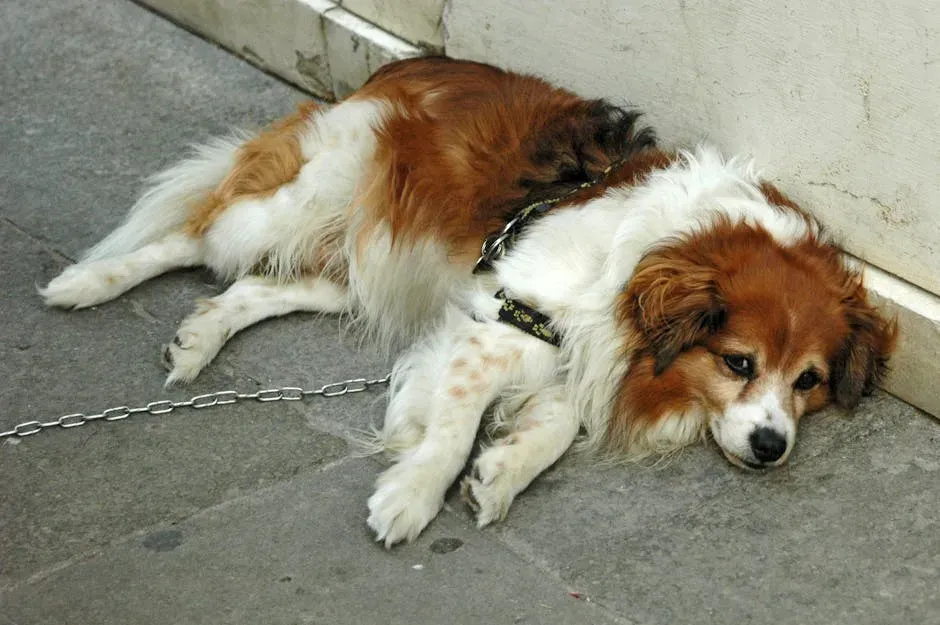
If your dog yawns while you’re scolding them, you might assume they’re bored or tired. They are almost certainly neither. People yawn when they’re tired or bored, but dogs yawn when they’re stressed. Dogs use yawning to calm themselves in tense situations and to calm others, including their owners.
A wide-awake dog who yawns may be experiencing stress. This is a common signal that they’re feeling nervous or worried. The same goes for lip licking. If you notice your pup licking their lips but know they’ve recently eaten and probably aren’t hungry, this behavior may indicate your dog is worried about something, maybe a loud noise, strangers, or other stressors in the area.
Looking away has its own nuanced meaning too. While humans often see steady eye contact as honesty and interest, direct eye contact in dogs can be a sign of challenge, threat, or aggression. When a dog avoids your gaze or looks away, especially when being corrected, it isn’t expressing guilt but rather showing respect or trying to defuse tension.
One important thing to keep in mind is that dog body signals should always be read in the context of whatever other body or vocal language the dog is communicating. Similar signals have different meanings in different situations, so the position of the body and other vocal signals will help you understand a dog’s intent and emotional state. These three behaviors, the yawn, the lip lick, and the averted gaze, are often the earliest warnings that a dog is hitting its limit.
#3 Rolling Over: It’s Not Always About the Belly Rub
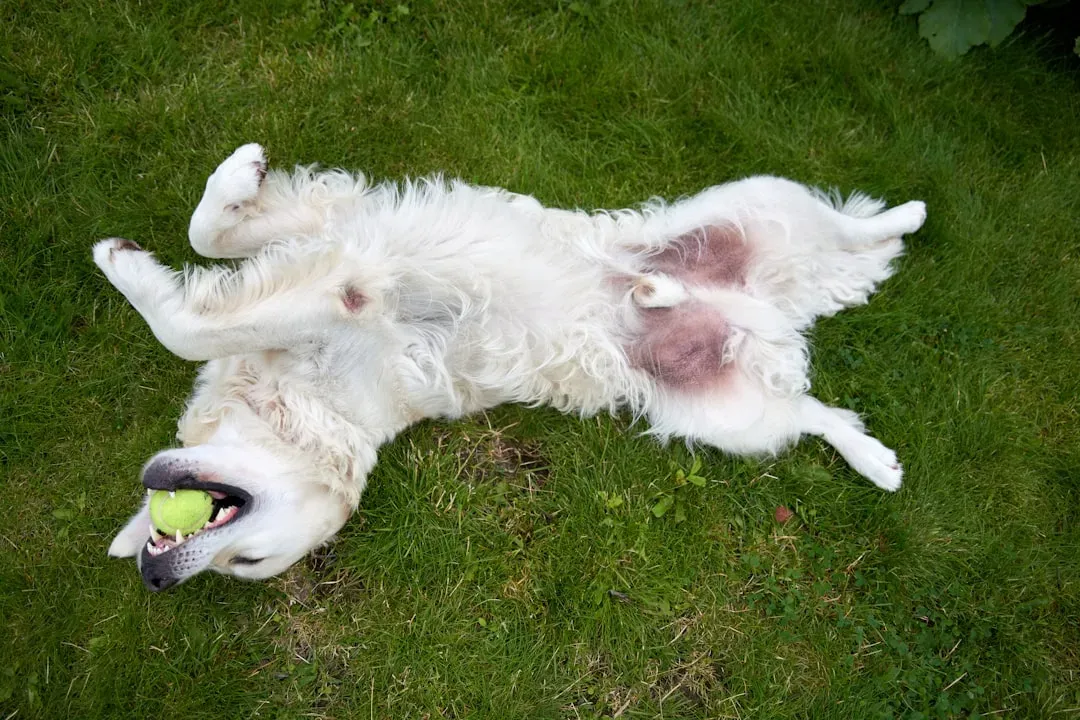
Few things feel more inviting than a dog flopping onto their back and offering their belly. It looks like pure trust. And sometimes it absolutely is. Turning over and inviting a belly rub can be a sign of showing trust and enjoying social contact. The trick is knowing which version you’re looking at.
Rolling on the back and showing the belly is also called a “tap out.” The dog flips over quickly, exposing their stomach with ears back and tail tucked between their legs or hugging their body. In this case, the dog is not asking for a belly rub, but signaling that they are withdrawing from and nervous about interaction.
A relaxed, wiggly dog with a loose body and soft eyes is probably genuinely asking for attention. Their mouth might be slightly open in what looks like a smile, and their tail will be wagging in a loose, sweeping motion. These dogs often approach you first, then flop over dramatically, maintaining that relaxed posture throughout.
Contrast that with a dog showing a tense belly display. Their body might be stiff, their tail tucked or still, and their eyes might be darting around or avoiding direct contact. Some dogs will even lift a paw in what looks like a wave but is actually a calming signal meant to create distance. Reading that difference matters more than people realize.
#4 Leaning, Pawing, and Physical Contact Signals
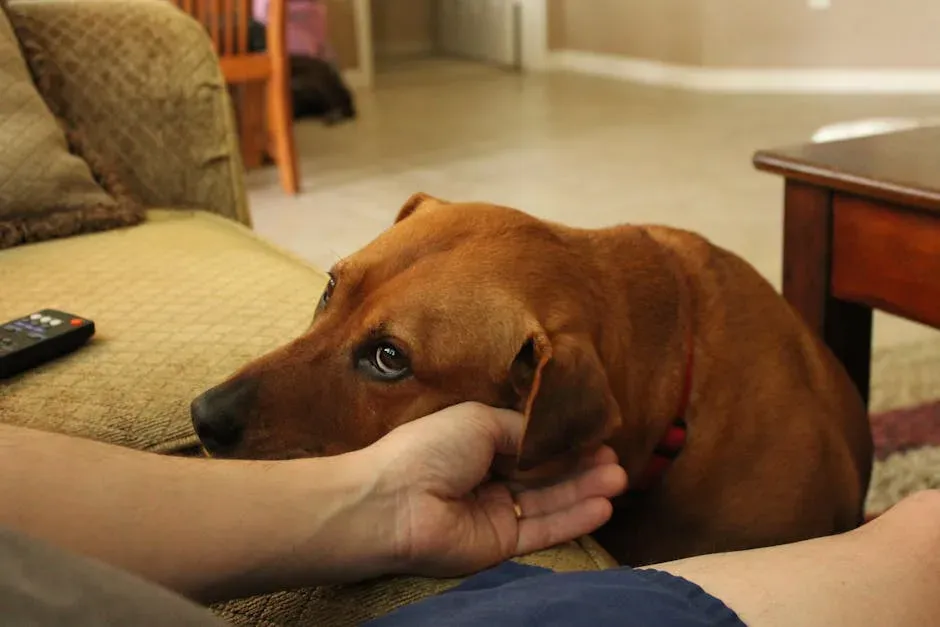
Pressing their body against you, or leaning, is a common way dogs show affection and seek closeness, which benefits both parties emotionally. It fosters feelings of comfort and connection. Most dog owners find this endearing, and rightfully so. It’s one of the more openly affectionate things a dog can do.
Leaning can also be a subtle way for your dog to signal attachment and a kind of ownership, telling other dogs, or in their mind, people too, that you are their main companion. This is a normal part of dog social behavior and should be seen as reaffirming your special relationship.
One useful trick for understanding how dogs use touch to communicate is to consider what it might feel like in human terms. The common element between most instances of dogs making physical contact with us is because it feels safe. It’s their version of reaching out.
A less easily understood signal is the paw raise. In pointing breeds like the English Setter, the paw raise is part of pointing behavior, where the dog indicates nearby prey. Outside of that context, a raised paw often indicates that a dog is uncertain about a situation or perhaps feels a bit insecure. So when your dog lifts a paw toward you, it may not be a “shake” request at all. It might be a quiet ask for reassurance.
#5 The Play Bow, the Freeze, and the Hard Stare
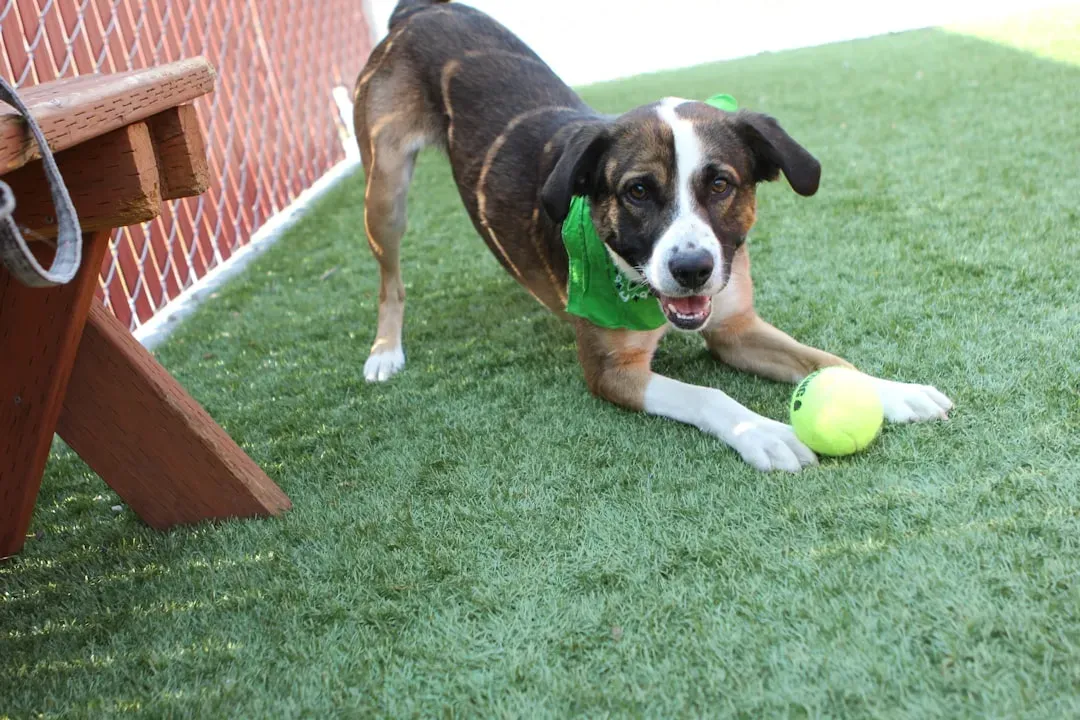
One of the easiest aspects of dog body language to read is the play bow. This is when dogs place their chest on the ground with their rump in the air. As the name implies, it’s used to initiate play with other dogs and even with people. It’s one of the clearest, most unambiguous messages a dog can send.
On the other end of the spectrum is the freeze, and it deserves far more attention than it typically gets. A brief body freeze, where the dog is still for one or two seconds before reacting or moving, signals heightened alertness. A full body freeze means the dog is still until the perceived threat either goes away or they decide to defend themselves or run.
Beyond the obvious growl, one of the clearest indicators that a dog wants increased distance is the hard stare: a fixed, unblinking gaze that represents a challenge or threat, completely different from a soft, loving look. If you’ve ever seen a dog go very, very still and lock eyes with something, that stillness is a message.
Problems emerge when the natural communication sequence gets disrupted. Punishing a dog for growling, for example, teaches them to suppress their warning system, potentially causing them to skip straight to biting. This represents a dangerous alteration in normal canine communication patterns. The growl isn’t the problem. Missing everything that came before it usually is.
Why Learning This Changes Everything
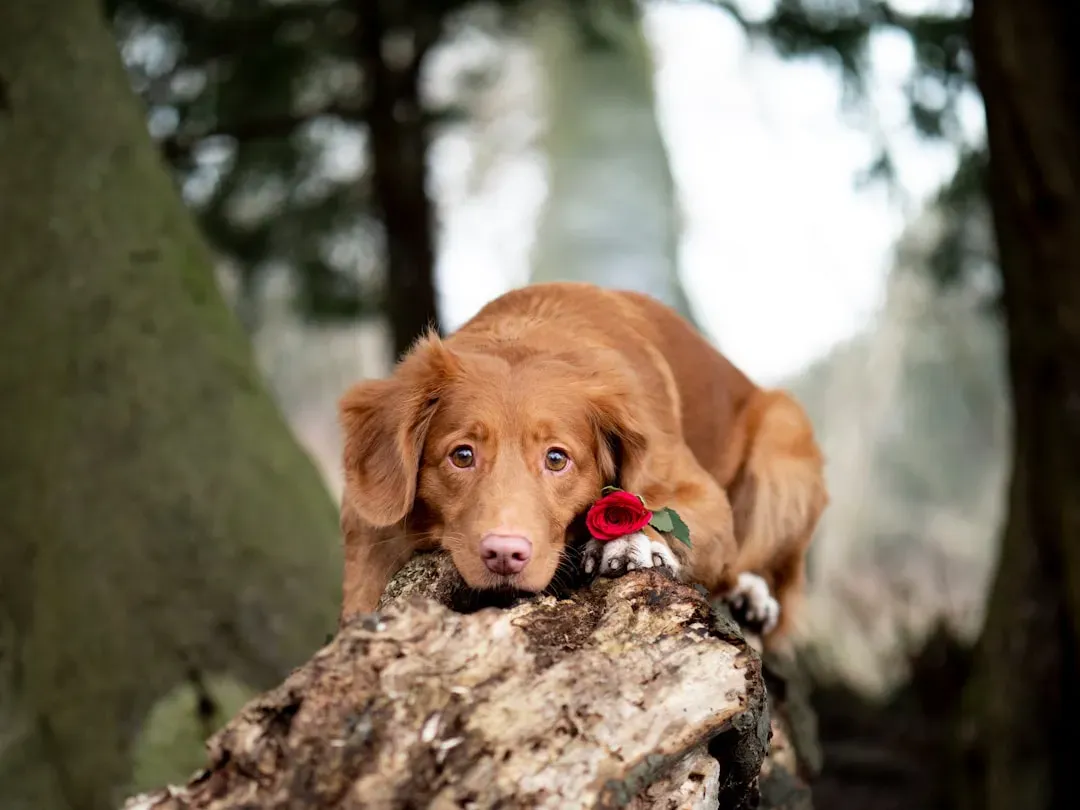
Reading, understanding, and responding to your dog’s body language is a key part of the companion-to-owner relationship. By understanding their cues and appropriately advocating for your dog, owners can continue to ensure their dogs remain happy, comfortable, and safe while also guaranteeing the safety and well-being of those around them.
The challenge is that humans often misread these signals, or focus on just one cue, like a wagging tail, instead of the whole picture. Learning how to read dog body language helps you recognize when your dog is relaxed, stressed, fearful, or ready to react, allowing you to respond appropriately and keep everyone safe.
No dog body language signals act alone. They’re all part of a package. When you read a dog’s communication, look at every signal the dog is using, from the tail height to the eye shape. That whole-body approach is what separates a guessing game from genuine understanding.
Dogs have been living alongside humans for thousands of years, refining the ways they reach out to us. The least we can do is learn to listen, not with our ears, but with our eyes. When you start to truly see what your dog is saying, the relationship quietly shifts. Less guessing, more trust, and a bond that feels less like ownership and more like a genuine conversation between two very different species who chose each other anyway.

- The 13 Small Signs a Rescue Cat Uses to Tell You It Finally Feels Safe - July 20, 2026
- Why Veterinarians Say If Your Cat Sleeps With Their Back to You, It's the Highest Form of Trust in Feline Behavior - July 20, 2026
- The Zodiac Signs That Owls Avoid Completely (And What Folklore Says It Means About Your Energy) - July 20, 2026