
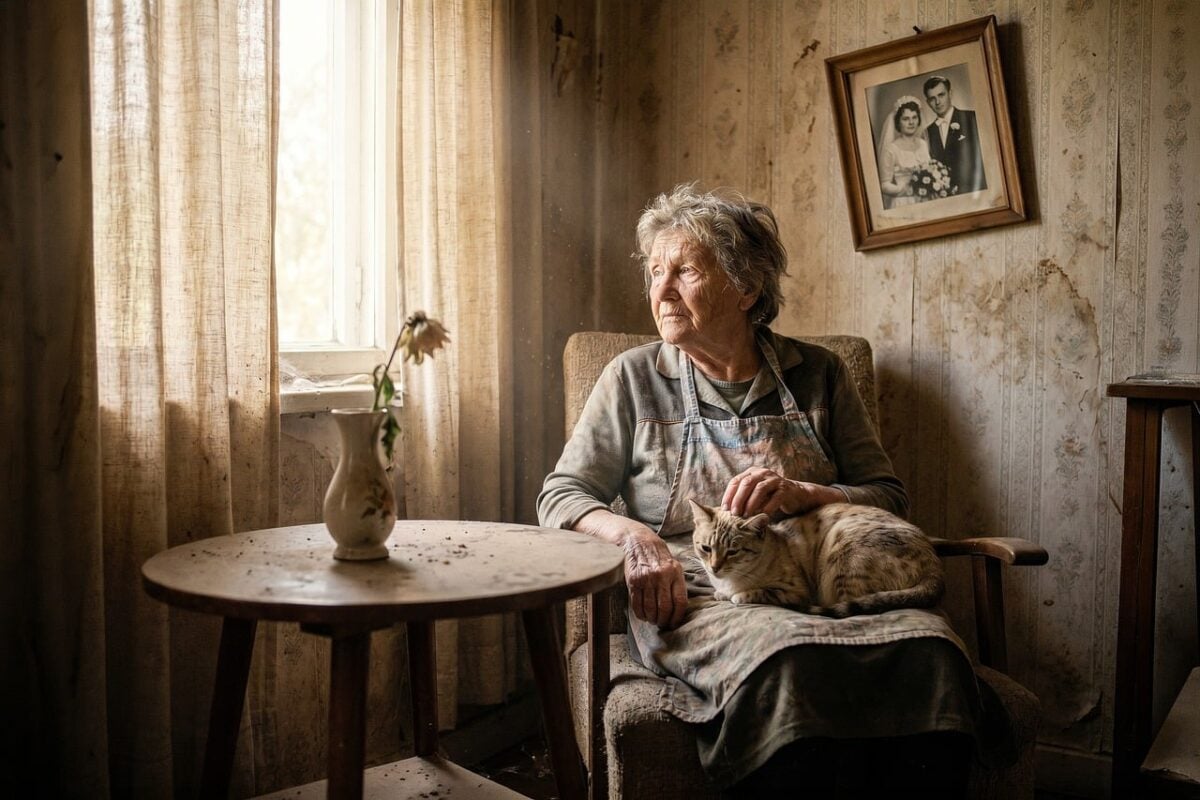
Most people assume senior cats get sick out of nowhere – fine one week, at the emergency vet the next. But the truth is quieter and far more unsettling: their bodies have usually been waving red flags for months, sometimes years, before anyone catches on. The earliest warnings almost never look like emergencies. They look like ordinary habits that simply… fade.
That’s exactly how kidney disease, arthritis, hyperthyroidism, and even cancer slip past loving, attentive owners every single day. Veterinarians say they hear the same haunting sentence over and over: “I wish I’d brought her in sooner.” Below are the 19 quiet things senior cats stop doing first – the real tells vets watch for, long before anyone else notices anything is wrong.
#1 – Stopping Those High Jumps They Used To Love
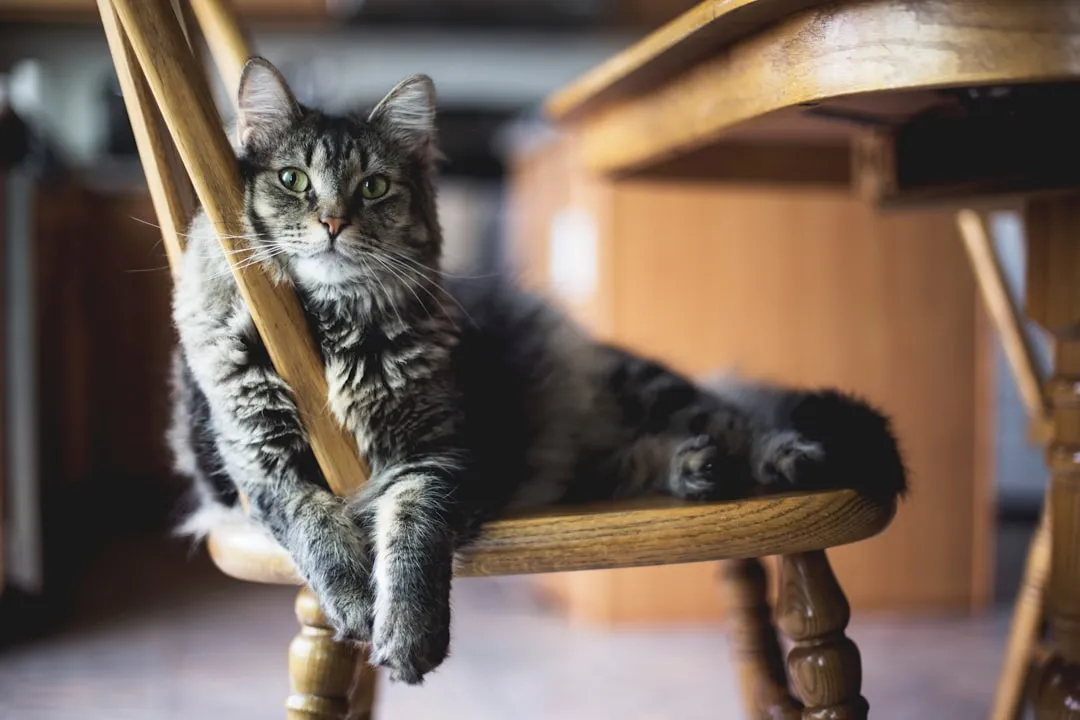
Your cat doesn’t just “grow out of” jumping on the counter one day. Most of the time, they stop because it hurts. One of the earliest, quietest signs of arthritis is a senior cat gradually abandoning the high places they used to own – window ledges, fridge tops, tall cat trees.
If your cat suddenly chooses the chair instead of the back of the couch, that’s not a personality shift; it’s often joint pain talking. Most owners shrug and say, “Guess he’s calming down.” Vets hear that line constantly and quietly translate it in their heads to: his joints have probably been screaming for a year.
- Hesitating before jumping
- Climbing in stages instead of one clean leap
Owners miss this because the cat isn’t limping or crying out. Cats are experts at hiding pain – avoiding movement is often their only “tell,” and it’s the one most people talk themselves out of.
#2 – Grooming Less, Especially In Hard-To-Reach Spots
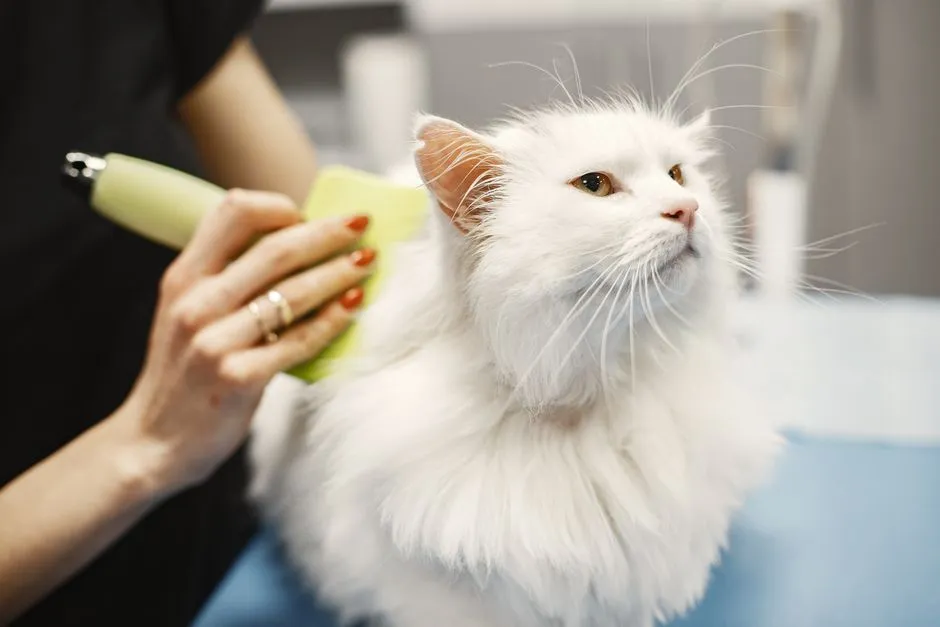
A cat’s coat is basically a health report card, and most people never learn to read it. When a senior cat quietly stops grooming certain areas – lower back, flanks, tail base – it’s often because twisting that far simply hurts.
A dull, greasy, or slightly matted coat in an older cat is very often arthritis, not “just old age.” Sometimes the first change looks almost cosmetic: less shine, a little dandruff, tiny tangles where the fur used to lie perfectly sleek.
- Unkempt fur along the spine
- Greasy fur near the tail base
- A sour or “stale” smell developing
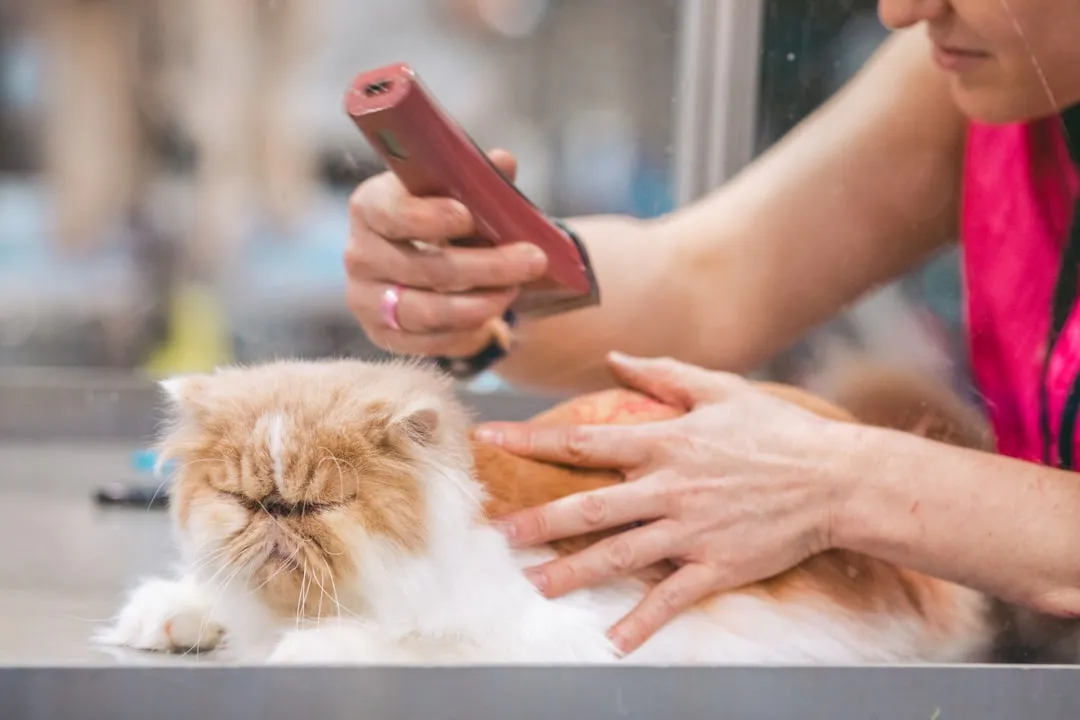
Social media loves fluffy “chonky” cats with adorable bedhead, but plenty of those seniors are actually uncomfortable and physically unable to groom like they used to. Pain, obesity, dental disease, and even kidney trouble can all show up first as a messy coat.
#3 – Quietly Drinking More, Or Abandoning Their Usual Fountain Habit
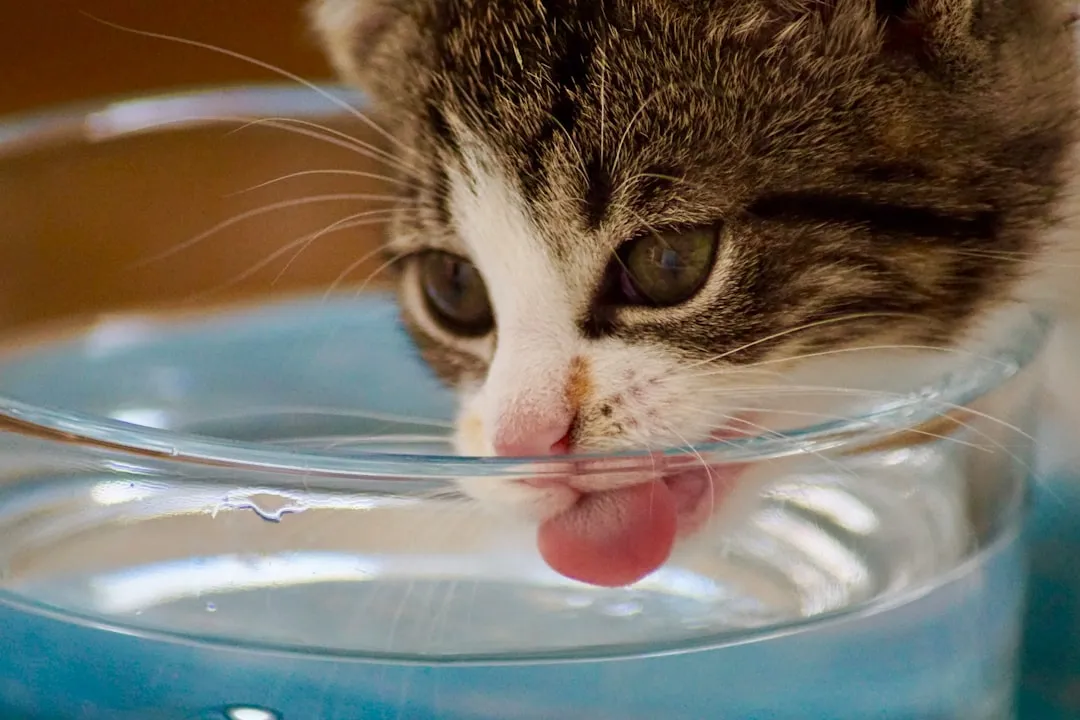
By the time a cat looks visibly sick from kidney disease or diabetes, the body has been whispering warnings for ages. One of the earliest whispers is deceptively simple: your senior cat starts drinking just a bit more water than usual, or suddenly camps near the bowl like it’s a lifeline.
Because the change is so gradual, most owners don’t notice until the cat is outright guzzling. Some cats never drink “a lot” – they just visit the water bowl more often, or suddenly become obsessed with a fountain they used to ignore.
- Bigger, heavier clumps in the litter box
- Refilling the water bowl more often than you remember
- A cat who never cared about running water suddenly fixated on it
On the flip side, some cats with nausea or advanced disease actually drink less and just lick the rim of the bowl. Most people only react once a cat stops eating, but vets consider subtle thirst changes one of the biggest early clues there is.
Fast Facts
- Chronic kidney disease mainly affects mature and senior cats, striking 30% to 40% of cats over 10 and 81% of cats over 15.
- At least two-thirds of kidney function must be lost before any clinical signs appear.
- CKD often develops silently over months or years before a cat shows outward signs.
- Early signs are frequently dismissed as normal aging changes.
#4 – Giving Up Their Favorite Playtime Rituals
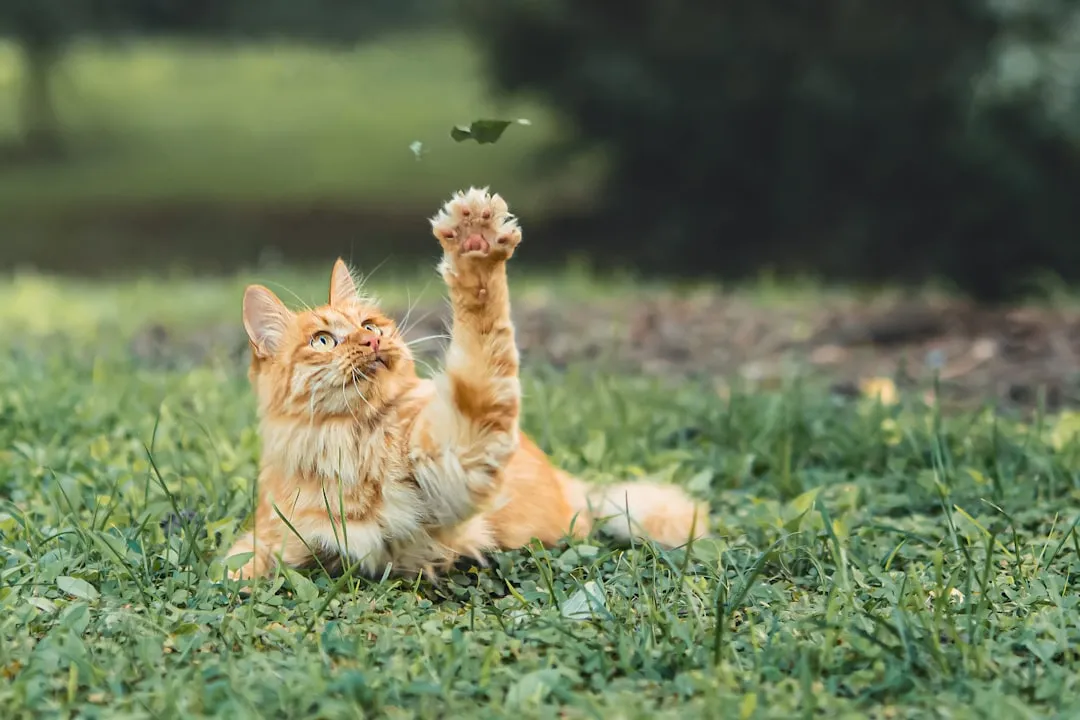
Play isn’t just “cute” – it’s a vital sign. When a senior cat quietly retires their favorite chase-the-string game or stops sprinting at night, owners usually assume they’re just “maturing.”
In reality, a noticeable drop in play drive is one of the earliest signs of pain, heart disease, or even depression in older cats. The ball is still there. The feather wand still moves. But your cat just watches now, instead of pouncing.
- Shorter play sessions before they lie back down
- Batting at toys lazily instead of full-body leaps
- Ignoring toys that once triggered instant zoomies
Yes, cats naturally slow down with age – but healthy seniors still play, just a little differently. When they stop initiating play altogether, something is usually off physically or mentally, and it often shows up long before any weight loss does.
#5 – No Longer Sleeping In Their Old “Favorite” Spots
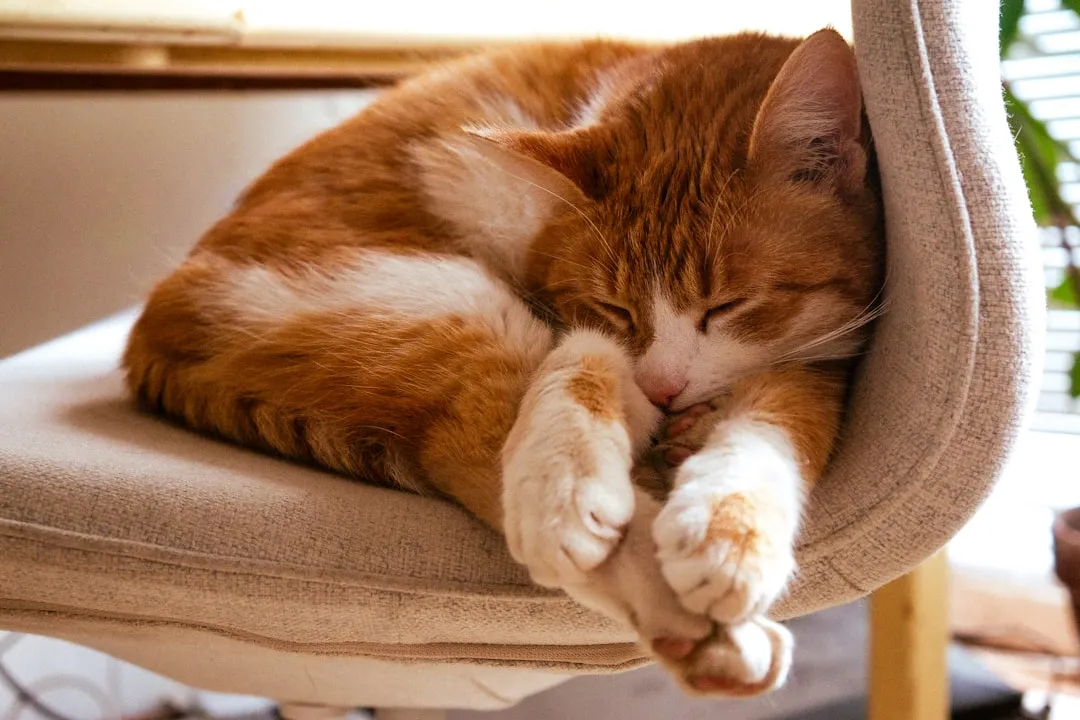
Cats are comfort connoisseurs, and where they choose to sleep is rarely random. When a senior cat abandons a once-beloved sunny sill, high shelf, or specific bed, they’re often quietly trading routine for pain relief or temperature control.
Arthritis makes jumping painful. Kidney disease and hyperthyroidism can push a cat to seek cooler or warmer spots. Heart or lung issues can make certain sleeping positions feel like they’re compressing the chest.
- Suddenly choosing the floor over soft raised beds
- Hiding under the bed or in the closet more often
- Lying near litter boxes or water bowls instead of their old spot
Most people romanticize this as their older cat “developing quirks.” Long-time vet techs are more blunt: a persistent change in sleeping spot, with no obvious environmental reason, is a clinical clue worth paying attention to.
#6 – Quietly Cutting Back On Social Time With You
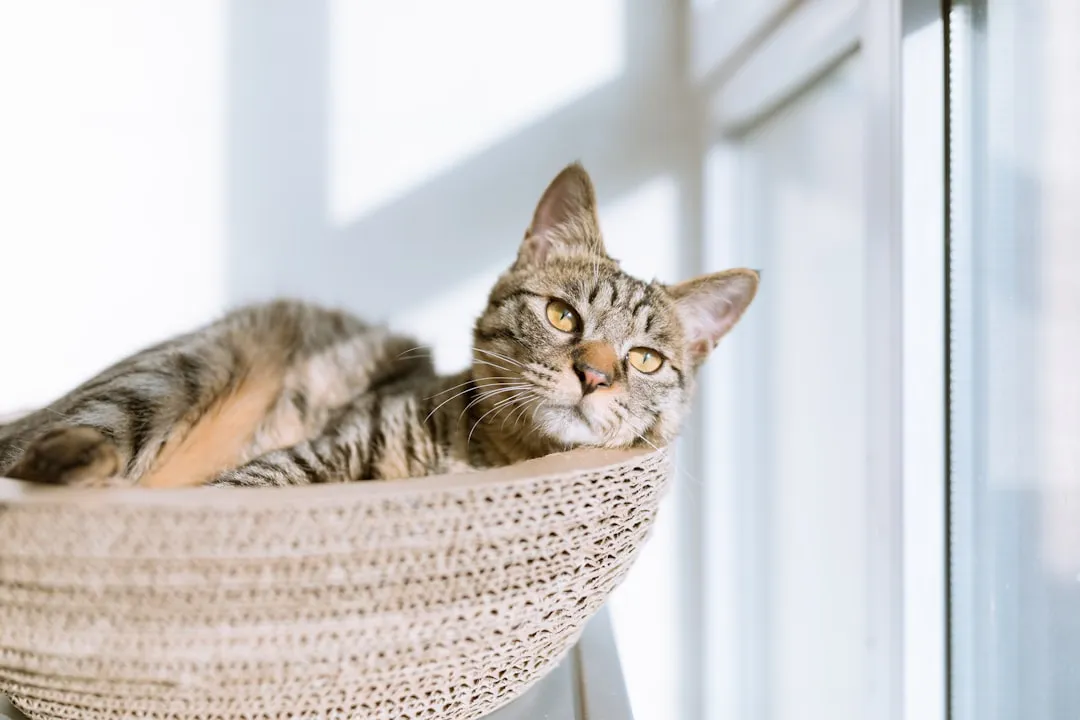
Everyone talks about clingy senior cats, but it’s the quiet withdrawers who slip through the cracks unnoticed. When a normally social cat starts opting out of couch time, avoiding laps, or hiding in another room during family time, it’s rarely a random “personality shift.”
Painful joints can make cuddling and being picked up feel dreadful. Failing senses can make a busy, noisy room genuinely confusing and stressful to sit through. So the cat simply removes itself from the equation.
- Sitting nearby but just out of reach, instead of on your lap
- Leaving the room when visitors arrive, when they never did before
- No longer greeting you at the door or following you room to room
It’s trendy online to write off every behavior change as “cats being cats.” Long-time vet techs will tell you plainly: gradual social withdrawal in a senior is one of the most underappreciated red flags they see.
#7 – Losing The “Zoom To The Bowl” At Mealtimes
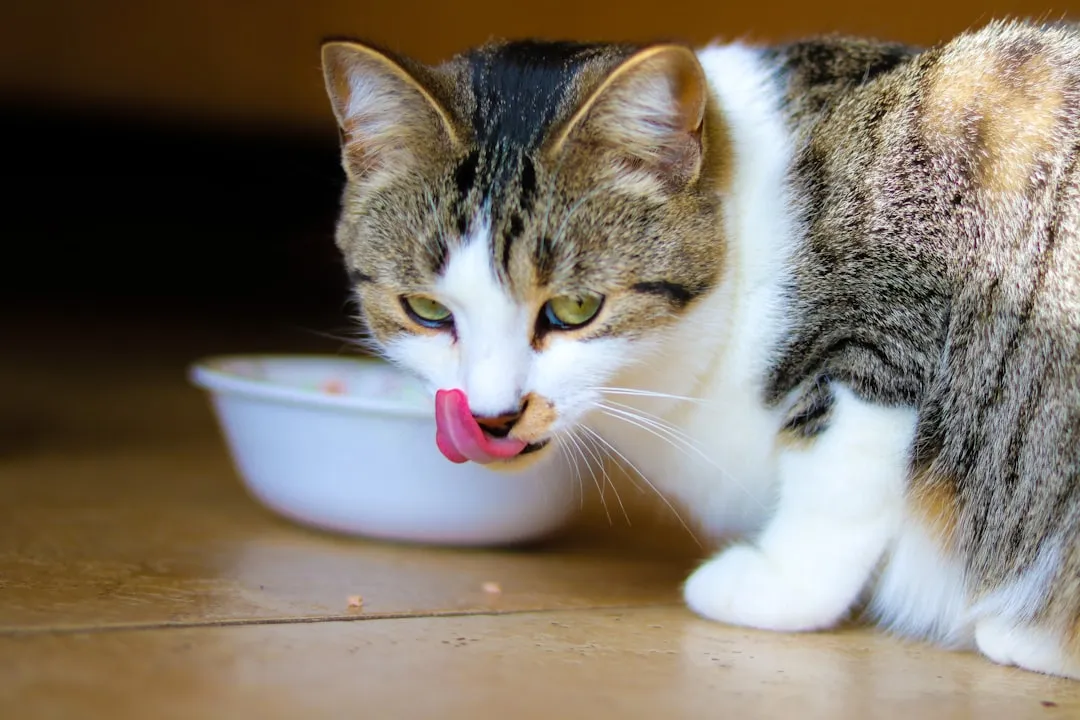
Food enthusiasm is one of the clearest early markers of health in older cats. A senior who used to sprint at the sound of the can opener but now strolls over – or waits a few minutes first – is telling you something important.
Tiny decreases in food excitement often show up weeks before an obvious loss of appetite. Dental disease, nausea, kidney issues, and chronic pain can all make food less appealing long before the bowl is ever left full.
- Sniffing, then walking away, only returning later
- Eating more slowly, with pauses, or chewing on one side
- Leaving small amounts behind when they always cleaned the dish
This is where the timeline trips people up. Owners tell vets the cat “suddenly stopped eating,” but looking back, the quiet step-down in enthusiasm started long before. Those “just being picky” days were often the first alarm bell.
Quick Compare
- Normal aging: Eats a little slower but still finishes meals within a few minutes.
- Possible red flag: Sniffs food, walks away, and only returns after repeated coaxing.
- Normal aging: Occasional pickiness with a new food or flavor.
- Possible red flag: A steady decline in enthusiasm across multiple meals and food types.
#8 – No Longer Covering Their Waste In The Litter Box
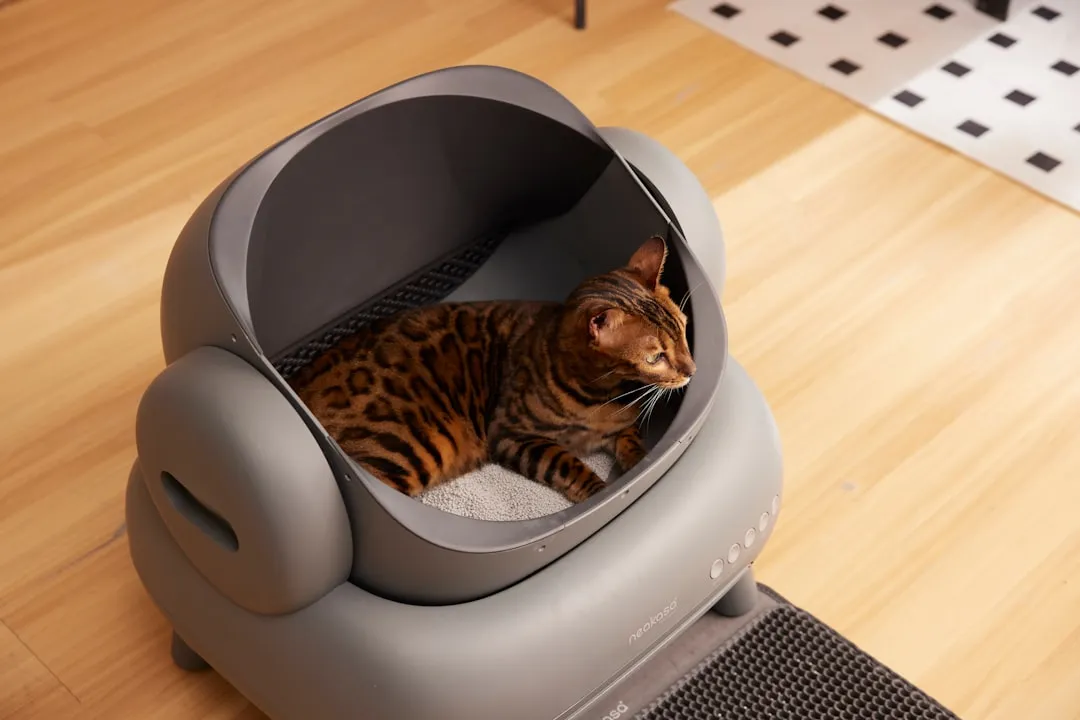
Most people chalk this up to laziness or bad manners, but cats are hardwired to bury their waste. When a senior cat stops covering urine or stool, it can point to arthritis, cognitive dysfunction, or even vision trouble.
Squatting, turning, and kicking litter all require coordination and flexibility most people take for granted. A painful back, hips, or knees can turn that simple routine into something closer to torture – so the cat just skips it.
- Perfectly formed stool left uncovered in an otherwise clean box
- Half-hearted scratching at the box’s edge instead of the litter
- A once-meticulous cat suddenly seeming like they “can’t be bothered”
Stress or litter aversion can play a role too, but in seniors, physical discomfort should be the first suspect. It’s the kind of “small annoyance” owners complain about online that quietly screams “medical” to any vet who hears it.
#9 – Quietly Stopping The Grooming They Give To You Or Other Pets
Cats don’t just groom themselves – they groom their social circle too. When a senior cat stops grooming a bonded companion, a housemate dog, or even your hair and hands, that fading social grooming can be an early sign of pain, fatigue, or brain changes.
Allogrooming – grooming others – is actual work. It means moving, twisting, and sustaining a behavior that takes energy and comfort most people never think twice about.
- A bonded pair where one used to lick the other’s head but no longer does
- A cat who used to lick your fingers or hair, now losing all interest
- The other pet still trying to cuddle, while the senior tolerates less contact
Many owners find this “sad but sweet,” chalking it up to a cat being “too old for that now.” In reality, it may be your very first window into how hard even simple movements have quietly become for them.
#10 – Hesitating At The Litter Box Before They Ever Go Outside It
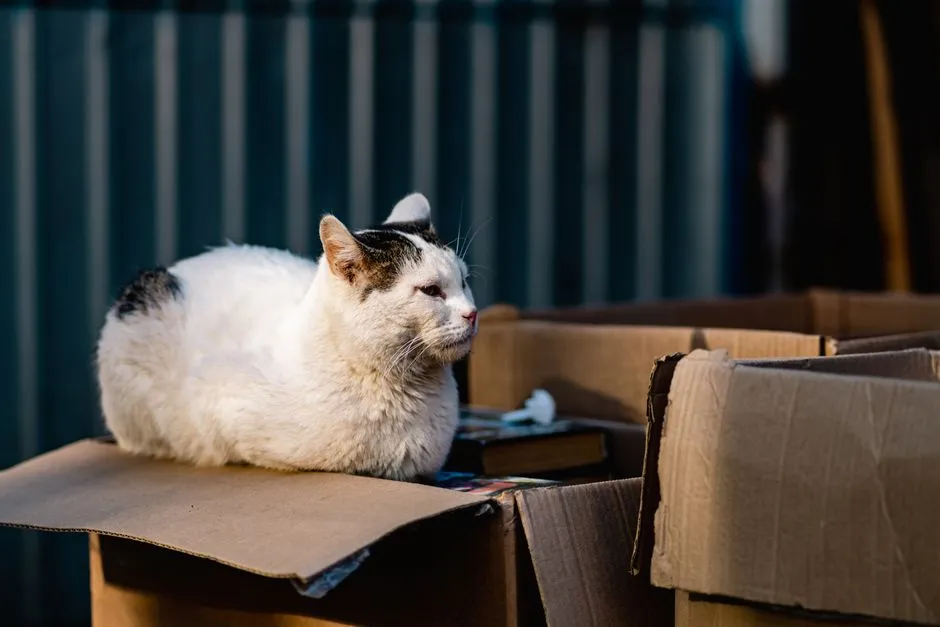
Before you ever see a puddle outside the box, there’s a quieter stage most owners never catch: the hesitation. Senior cats dealing with arthritis, kidney disease, bladder issues, or constipation often start pausing at the box entrance long before any actual accident happens.
High-sided or top-entry litter boxes look sleek on social media, but they can be brutal on sore, aging joints. They became trendy with humans – not with cats.
- Standing at the box, waiting, walking away, then returning later
- Choosing only one easy-access box and avoiding the higher-sided ones
- No longer digging deeply, just a quick “drop and go”
Enclosed litter furniture gets praised online for looking tidy, but plenty of senior cats are quietly struggling just to climb inside. If your older cat suddenly avoids a certain box design, don’t blame attitude first – blame ergonomics.
#11 – Reacting Less To Sounds, Voices, Or Even The Treat Bag
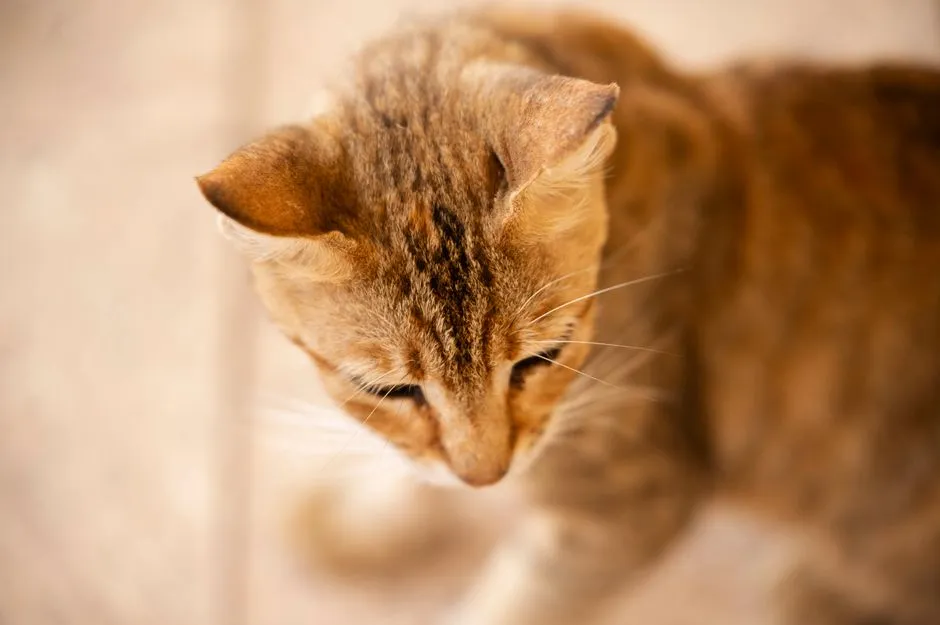
Owners love to joke that their cat “selectively hears” only the treat jar, but true hearing loss in seniors is far sneakier than that. When a cat stops reacting to sounds they always noticed before – your keys, cabinet doors, soft footsteps – that’s often early hearing decline.
At first, you might only notice they didn’t come running for their favorite treat sound. It grows from there, quietly, until it’s undeniable.
- Not waking up when you enter the room until you’re right beside them
- Startling more easily when touched from behind
- No longer responding to names or phrases they’ve known for years
Hearing loss itself usually isn’t painful, but it completely changes how a cat experiences the world. Many “grumpy” seniors are actually confused or startled because they simply don’t hear you coming – and most owners blame temperament long before they consider deafness.
At A Glance
- Hearing loss in cats usually develops gradually, often starting with higher-pitched sounds first.
- Deaf or hard-of-hearing cats sometimes vocalize louder without realizing it.
- Many “aloof” senior cats are simply startled because they didn’t hear you approach.
- Combined vision and hearing decline can make indoor spaces feel more disorienting.
#12 – Giving Up Their Beloved “Window Patrol” Duties
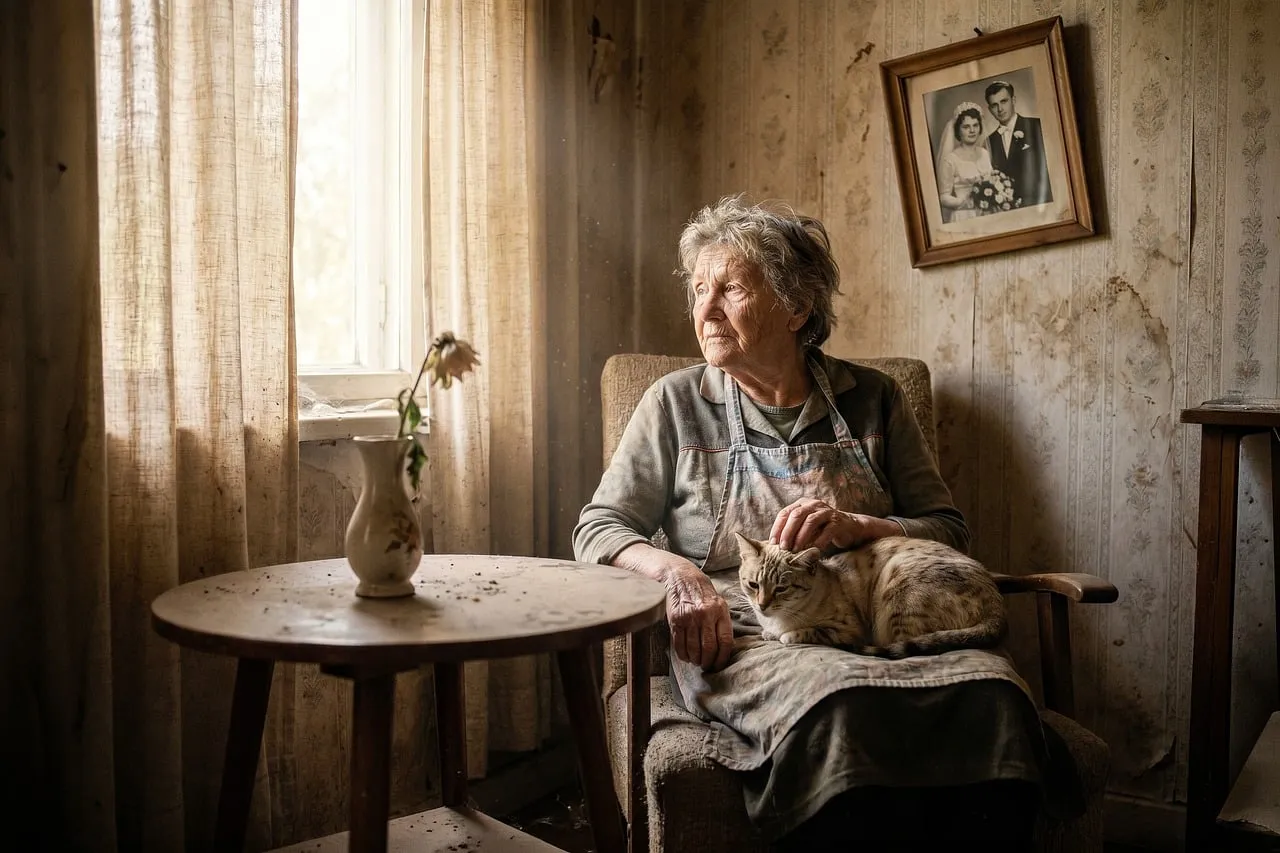
A healthy senior cat is still nosy. When a cat who once spent hours bird-watching or monitoring the neighborhood suddenly loses all interest in the window, it’s rarely simple boredom.
Early vision changes – retinal disease, hypertension-related damage, even cataracts – can make the outside world less compelling or harder to track. The birds are still there; your cat just can’t follow them the way they used to.
- Sitting near the window without actively tracking birds or movement
- Jumping at reflections but missing obvious motion
- Choosing darker, enclosed spots over bright perches
People assume their cat has “seen it all” and simply outgrew the novelty. Insiders are blunter about it: cats are predators, and losing interest in surveillance is not normal aging – it’s usually a health change hiding in plain sight.
#13 – Slowing Down On Their Dramatic Self-Stretching Routine
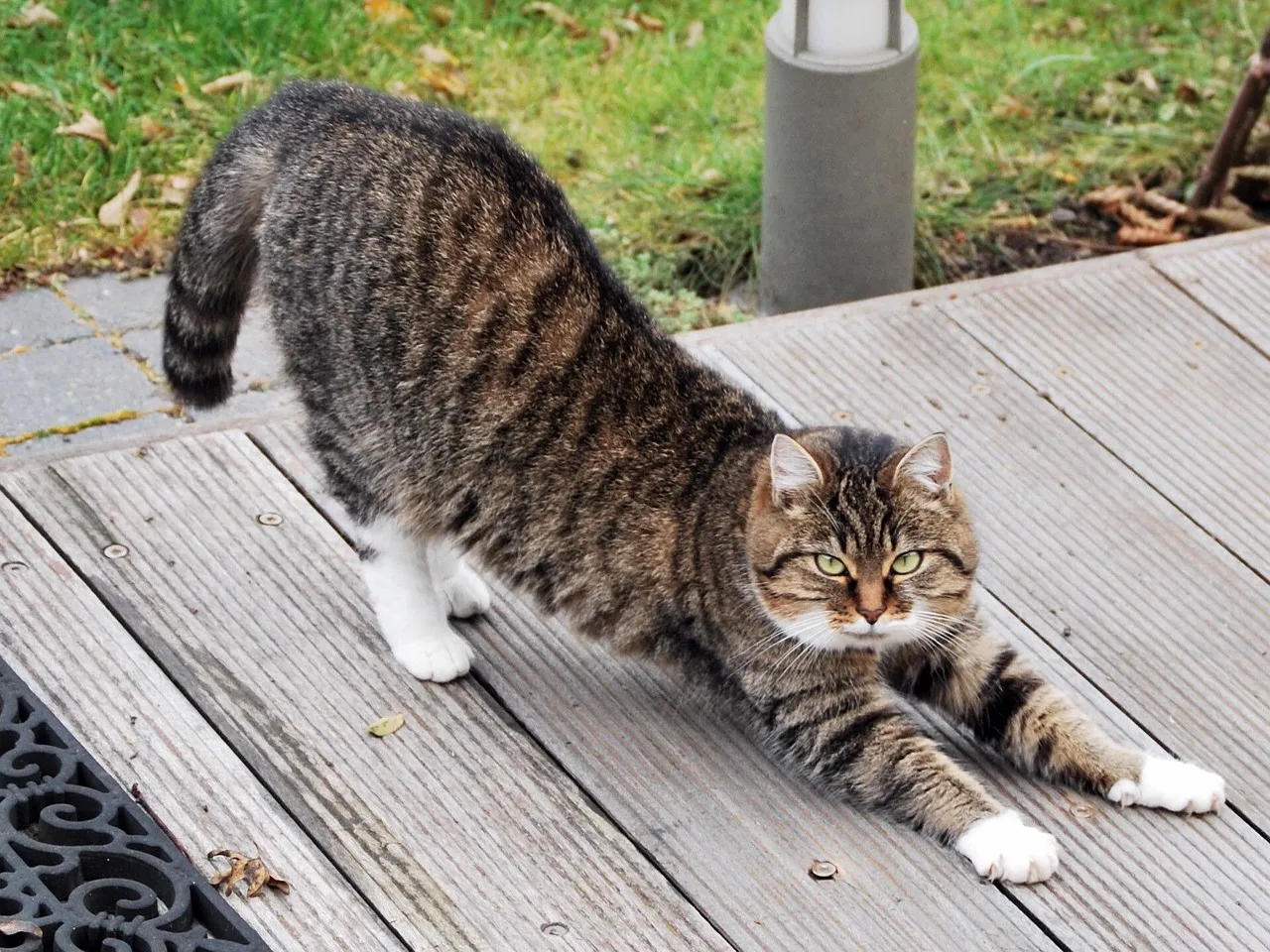
You know the stretch – front legs out, back arched, tail high like a flag. When seniors quietly stop doing it, owners often just assume they’re “stiffer now,” and move on.
In reality, a reduction in full-body stretches is one of the quietest but clearest markers of chronic pain. Cats naturally stretch dozens of times a day; it’s built into their biology, not a habit they simply grow out of.
- Half-stretches instead of long, luxurious full-body ones
- Skipping the classic “rear-end up” move after naps
- Getting up from sleep more rigidly, with no warmup stretch at all
We glorify flexible young cats online but rarely talk about the heartbreaking opposite: the senior who simply stops stretching because it hurts too much to bother. That’s not “old and dignified” – it’s discomfort, and vets see it every single day.
#14 – Quietly Cutting Back On Scratching Posts
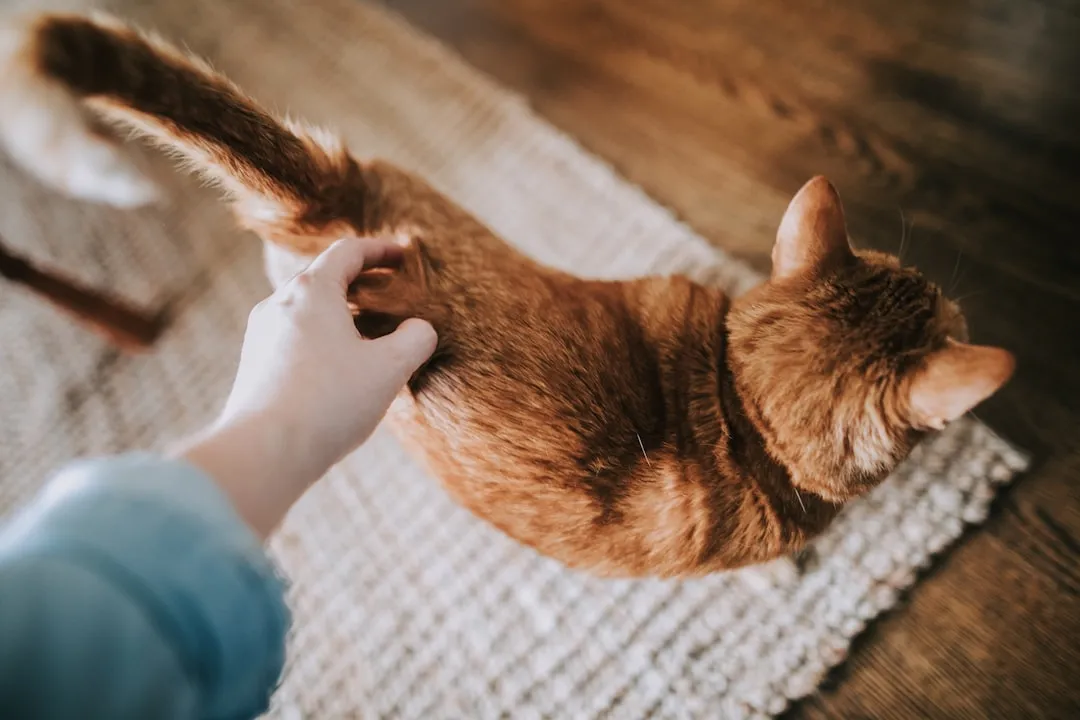
Scratching isn’t just about claws – it’s a full-body stretch, a scent-marking ritual, and an emotional release all at once. When an older cat gradually abandons their scratch post, it can mean arthritis, shoulder pain, or nail problems are getting in the way.
Many seniors quietly switch from vertical posts to softer, flatter surfaces like carpet, simply because it’s easier on aching joints.
- Choosing to scratch only very low surfaces
- Scratching noticeably less often overall
- Overgrown or curling nails from lack of natural wear
Most people only react once the nails become dangerously long or catch on blankets. The earlier clue – the fading joy in scratching itself – usually gets dismissed as the cat “just being calmer now,” when it may actually be a satisfying behavior your cat is quietly giving up because it no longer feels good.
#15 – Losing Weight Slowly Even While Eating “Fine”
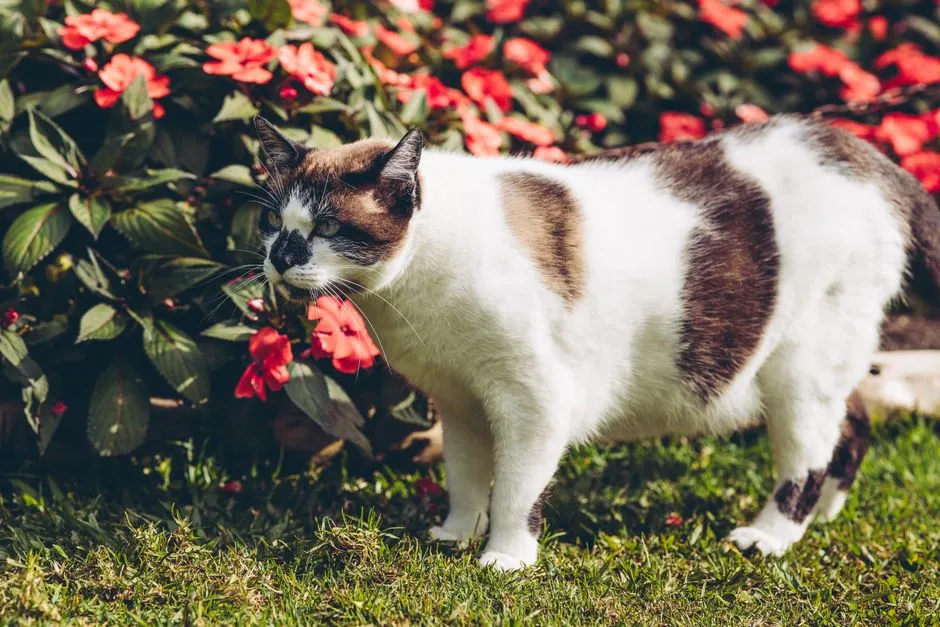
One of the most dangerous illusions with senior cats is the scale. Owners will insist, “She eats great!” while the cat is steadily shrinking underneath a coat of fur that hides it well.
Subtle weight loss over months – even with a seemingly healthy appetite – is a classic early sign of hyperthyroidism, kidney disease, cancer, or inflammatory bowel disease. The catch is that you usually only notice once the change has become dramatic.
- Feeling more bones along the spine or hips when petting
- Looser skin or an “old lady neck” appearance
- Collars suddenly loose, or harnesses needing retightening
Because the change happens slowly, your eyes adjust right along with it. Many vets have seen cats who’d lost 20 to 30 percent of their body weight before an owner realized anything was wrong – a long, quietly missed window where treatment could have already started.
#16 – Giving Up Their Old Rituals And “Weird Little Habits”
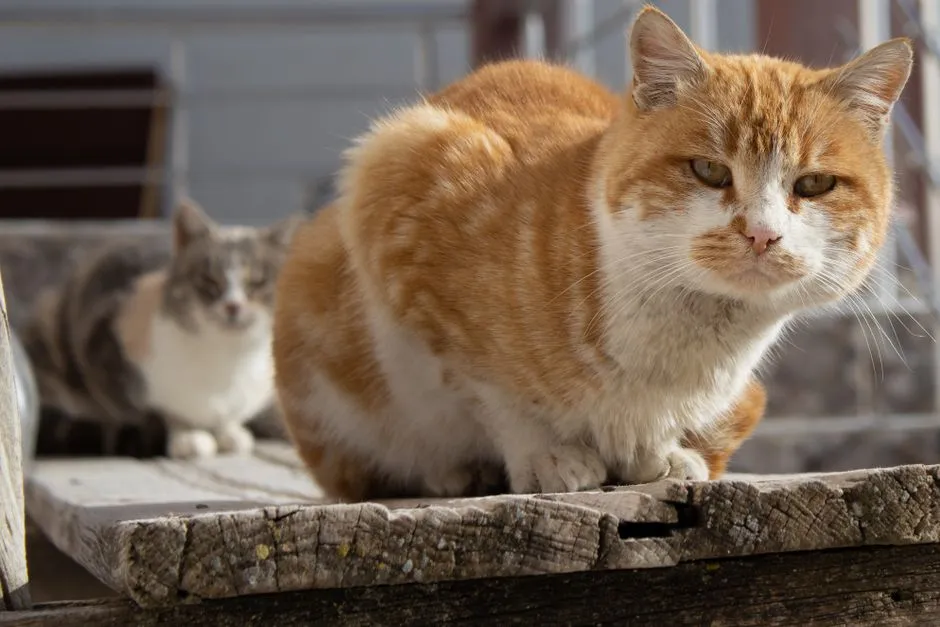
Senior cats are creatures of ritual. They do the same odd little things for years – waiting outside the bathroom door, circling the bed before sleep, checking one specific room at the same time every evening.
When those rituals quietly vanish, it can be an early sign of cognitive dysfunction (feline dementia), chronic pain, or simply feeling unwell. The cat isn’t “over it” – their brain or body has changed underneath the routine.
- They stop doing a familiar nightly “lap” of the house
- They no longer come to bed with you, or start pacing at odd hours instead
- A long-time quirk, like meowing at one specific cabinet, disappears suddenly
Some owners feel relieved when an “annoying” habit finally stops. Behaviorists see it differently – a lost routine is often the first sign of brain aging, not the last.
Worth Knowing
- About 28% of cats aged 11 to 14 and 50% of cats aged 15 or older show behavior changes attributed to cognitive dysfunction syndrome.
- These subtle changes often go unreported because they’re mistaken for a normal part of aging.
- Cognitive decline can make cats forget previously learned habits, like the location of the litter box.
#17 – Ignoring Toys That Move Fast Or Make Noise
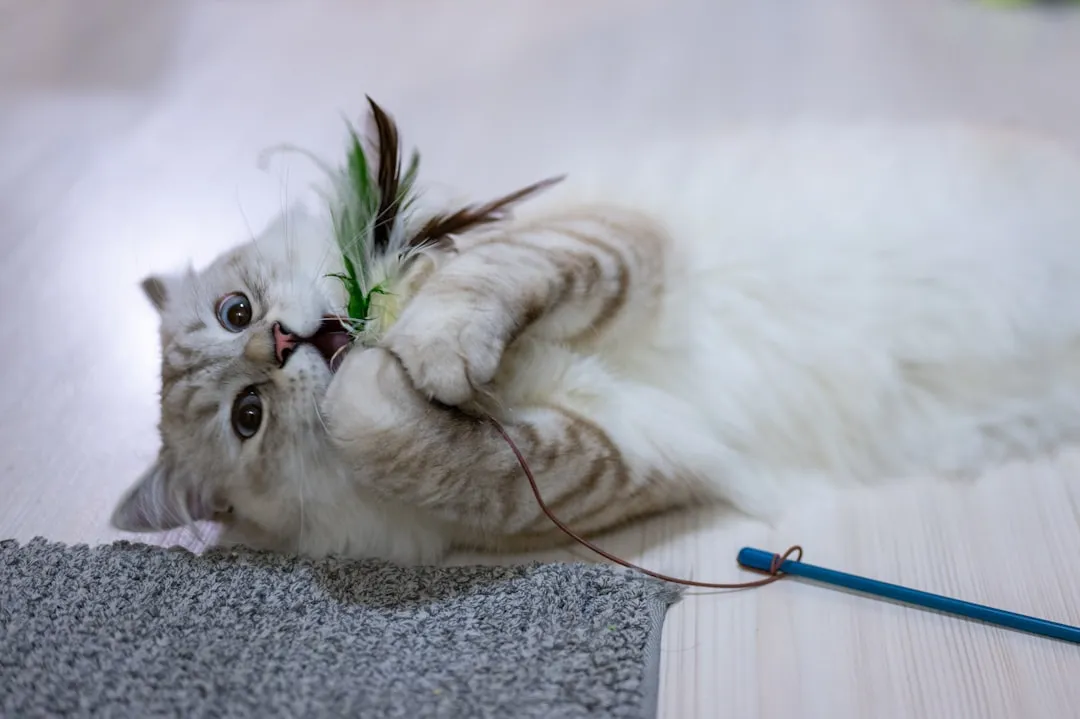
Toys are basically a covert health test. Most senior cats don’t stop playing entirely – they stop engaging with toys that demand fast reaction time, tracking, or jumping.
Laser pointers, quick feather wands, and crinkly or jingly toys are often the first casualties. This can point to joint pain, vision issues, or early cognitive changes that quietly affect hand-eye coordination.
- Preferring slow-moving toys over fast-chasing games
- Watching the laser dot intently but no longer chasing it
- Swatting once or twice, then giving up and lying back down
People often mislabel this as “getting lazy” or being “too mature for kitten games.” In reality, a cat whose brain and body feel good still gets the urge to hunt, even in old age – and how they modify their play style is one of the most honest windows into how they’re really feeling.
#18 – Falling Silent After A Lifetime Of Talking Back
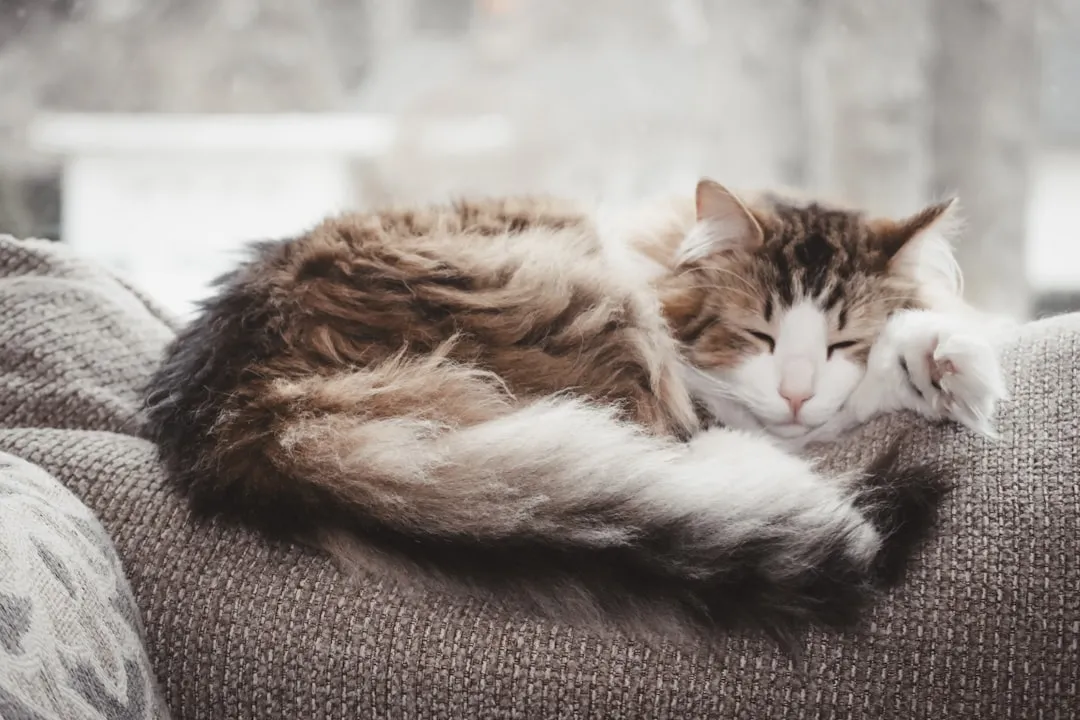
Some cats are talkers, others are mostly silent – but what matters isn’t how much a cat vocalizes, it’s when that lifelong pattern noticeably changes. A cat who has always “answered back” but slowly stops, or one who no longer greets you with their usual meow, may be dealing with pain, hearing loss, or cognitive decline.
It’s not only about meowing more, which can also signal dementia – the loss of expected chatter matters just as much, and it’s far easier to miss.
- No response when you speak, even from close range
- Fewer “complaint meows” at meal times or when doors are closed
- A long-time conversationalist becoming eerily quiet over months
People complain plenty about yowling senior cats online, but nobody talks enough about the opposite. Silence after a lifetime of commentary is almost never nothing.
#19 – Losing The Automatic Purr They Always Gave During Cuddles
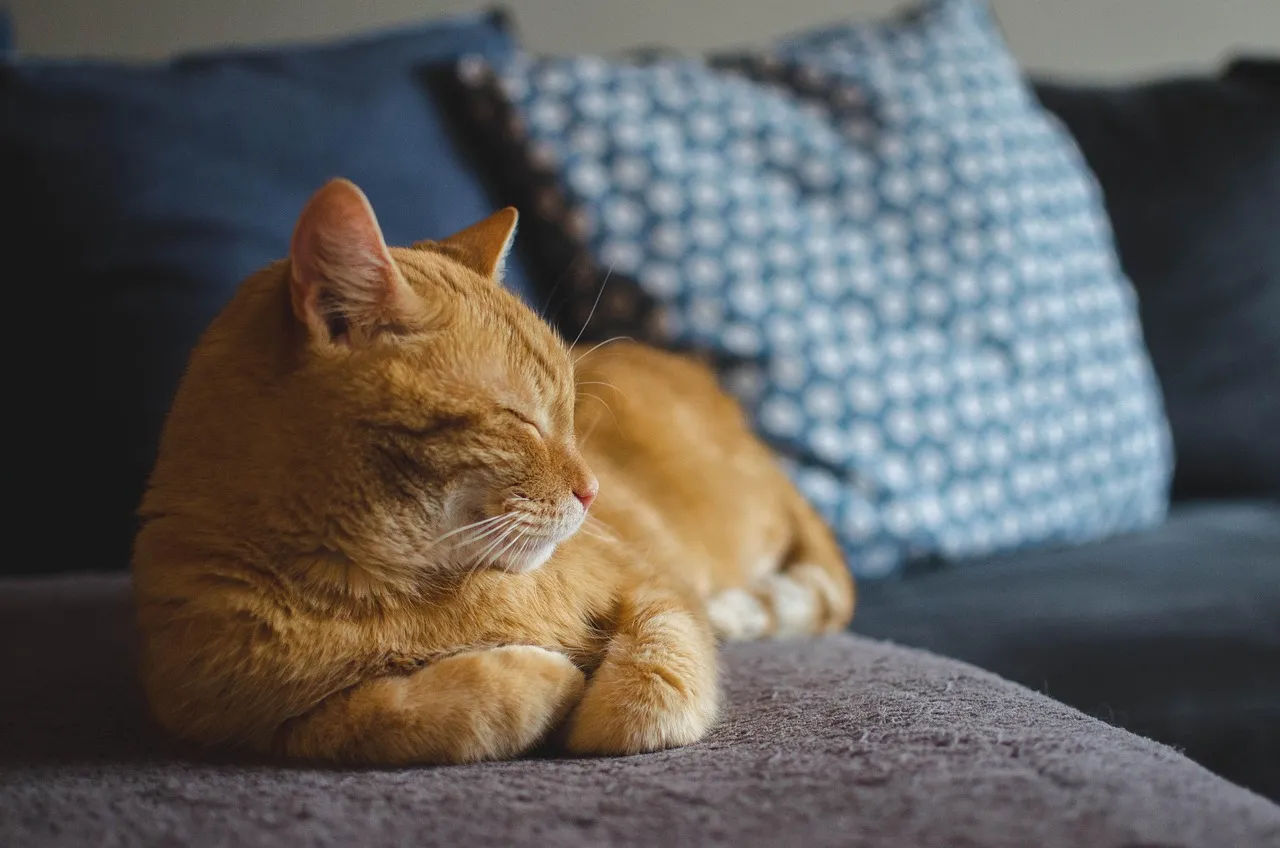
This one hits hardest because it feels so easy to dismiss. Purring isn’t just happiness – it’s also a self-soothing tool your cat uses on themselves. When a senior cat gradually stops purring during the usual cuddles, brushing, or gentle petting sessions, it can reflect pain, anxiety, or simply feeling unwell.
Some cats will still purr in very specific situations, but that easy, automatic purr – the one that used to start the second you touched them – quietly fades first.
- Petting them in their favorite spot and getting silence instead of a purr
- Purring briefly, then stopping, almost like it costs too much energy
- Purring only at night or in one particular spot, instead of routinely
Yes, some cats are naturally quieter, and purring can be subtle to begin with. But a real change in purr behavior, in a cat who was once a purr-machine, is significant – and most owners don’t notice until the purr is completely gone, long after the underlying problem took hold.
The Bottom Line
The hardest truth here is simple: most senior cats don’t suddenly get sick. They stop doing things, quietly, long before we’re willing to admit something is wrong.
The missed jumps. The shorter stretches. The skipped grooming, the quiet evenings without play or purring – none of these are “quirks of aging.” They’re pain and disease speaking in a language most of us have been trained to ignore.
Modern pet culture loves a cute senior-cat photo but still normalizes an unsettling amount of silent suffering as “just old.” Here’s the uncomfortable but necessary stance: if your older cat has clearly stopped doing something they used to do without hesitation, you owe them a vet visit – not “when it gets worse,” but now. Aging is inevitable. Silent misery isn’t, and it’s on us to notice before they have to suffer through it alone.
Which of these quiet signs have you already seen in your own cat – and do you think we’re too quick to write off suffering as “normal old age”?

- What Your Senior Cat Stops Doing Long Before Anyone Notices Anything Is Wrong 19 Quiet Signs - August 8, 2026
- If Your Cat Is Over 12 These 18 Quiet Changes Are the Ones Vets Never Ignore - August 8, 2026
- 16 Wild Animals Sanctuary Workers Say Choose One Human Early and Never Once Change Their Mind - August 8, 2026