
Your cat turns 12, and suddenly everyone treats it like a soft, sleepy milestone. More naps. A little gray around the muzzle. Nothing dramatic, nothing scary – just “getting older,” the way people say it about themselves too.
Here’s the part most owners never hear until it’s an emergency: geriatric vets say the real warning signs rarely look dramatic at all. They look like a slightly fuller water bowl, a coat that’s a touch less shiny, a jump your cat quietly stops attempting. Miss them, and you miss the window where these problems are still easy to treat. Catch them, and you can hand your cat years of genuinely good life instead of just more time. Here are the 18 quiet shifts vets are trained to never wave off.
#18 – Drinking Just a Little More Than Usual
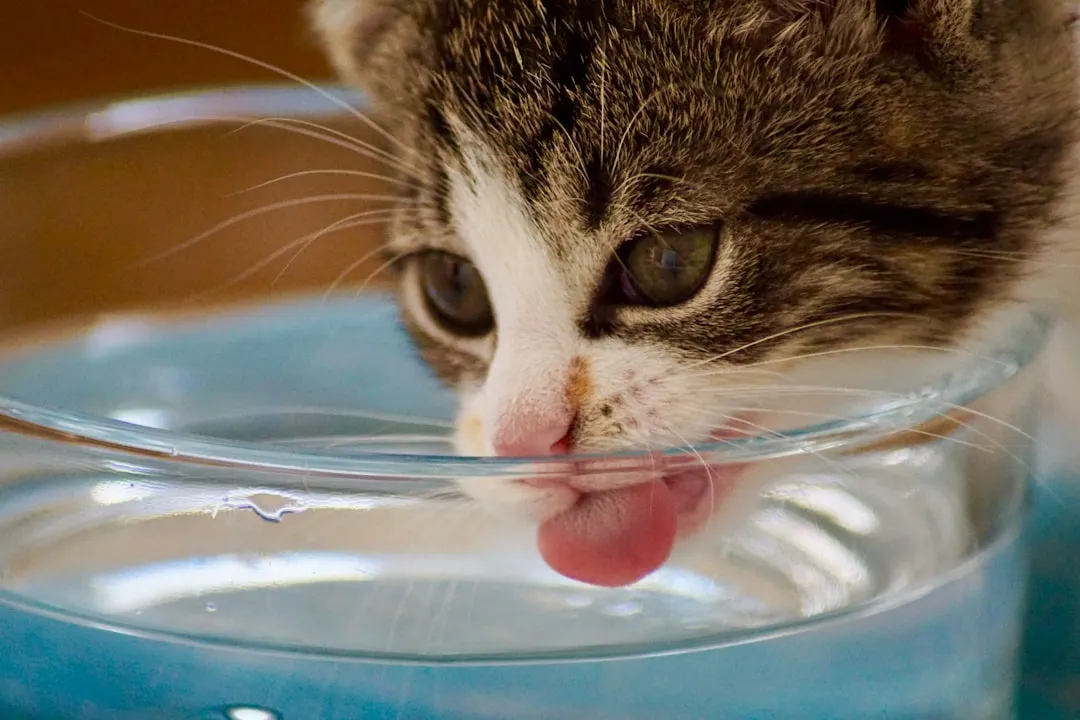
A lot of owners feel relieved when their older cat “finally drinks more water.” Vets don’t. A slow, steady increase in water intake is one of the earliest red flags for kidney disease, diabetes, or an overactive thyroid.
You won’t see dramatic chugging at the bowl. It’s more like the water dish empties sooner than it used to, or you’re refilling the fountain more often than you remember doing before.
Clinically, this is called polydipsia, and it almost never shows up without a reason in senior cats. Kidney function naturally declines with age, and the body tries to compensate by flushing more fluid through the system.
Diabetes and hyperthyroidism create thirst through different mechanisms, but the result looks the same from the outside. If your 12+ year-old suddenly seems a little thirstier, vets quietly reach for bloodwork, and fast.
#17 – Subtle Weight Loss… Even With a Good Appetite
Most people cheer when their slightly chubby cat “finally sheds a pound.” Vets get nervous. Unplanned weight loss in senior cats is one of the most important quiet changes you can track.
The tricky part is that it usually starts so gradually you only notice when the spine or hip bones feel pointier, or the cat bed seems less “full” than it used to.
Here’s the catch: many serious diseases cause weight loss while your cat is still eating normally, or even more than before. Hyperthyroidism revs the metabolism like a stuck accelerator, while early kidney disease, diabetes, GI issues, and some cancers can quietly steal calories behind the scenes.
That’s why many internal-medicine vets say any weight loss in a senior is significant until proven otherwise. A cheap home scale and a monthly weigh-in can catch problems six months earlier than your eyes alone ever will.
Fast Facts
- Losing around 5% of body weight is generally viewed as clinically meaningful in a senior cat
- On a 10-pound cat, that’s roughly half a pound – easy to miss without a scale
- Hyperthyroidism, diabetes, and kidney disease are the usual suspects behind quiet senior weight loss
- Monthly weigh-ins can flag a trend months before it’s visible to the eye
#16 – Sleeping Differently, Not Just “More”
Everyone knows cats sleep a lot, so when an older cat snoozes all day, most people shrug. What vets actually watch for is sleep pattern changes, not just longer naps.
Is your cat suddenly wide awake and vocal at 3 a.m.? Is she skipping her usual morning window patrol and hiding under the bed instead?
A shift in when and where your cat sleeps can hint at pain, cognitive decline, or systemic illness. Painful joints often push cats toward flatter, easier-to-reach surfaces instead of their beloved high perches.
Cognitive dysfunction, sometimes called feline dementia, can flip the day-night cycle entirely, so cats wander and cry at night and crash during the day. Even heart and lung problems can change sleep posture, showing up as more “meatloaf” positioning with elbows tucked and head down to make breathing easier.
#15 – A Slightly Greasier, Messier Coat
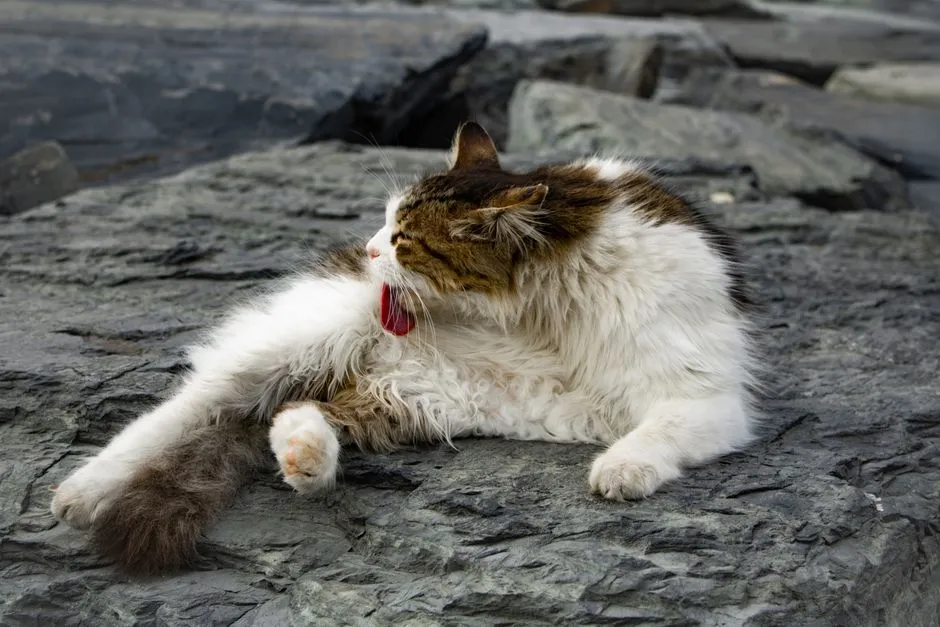
Most people only notice “bad fur” when a cat looks outright matted. Vets start worrying much sooner, because a subtle drop in grooming quality is one of the earliest signs of arthritis, dental pain, or general malaise.
Look closely at the lower back, flanks, and behind the ears. Is the fur just a bit greasier? Are there tiny tangles where it used to be smooth?
Healthy cats are obsessive self-groomers. When it hurts to twist or lift a leg, grooming the back half quietly becomes optional, and dental disease or nausea can make licking uncomfortable in ways owners never see directly.
Systemic illness also steals the time and energy a cat would normally spend on upkeep. Many geriatric workups actually start with an owner casually saying, “Her fur just isn’t the same lately.”
#14 – Tiny Litter Box “Accidents” Near the Box
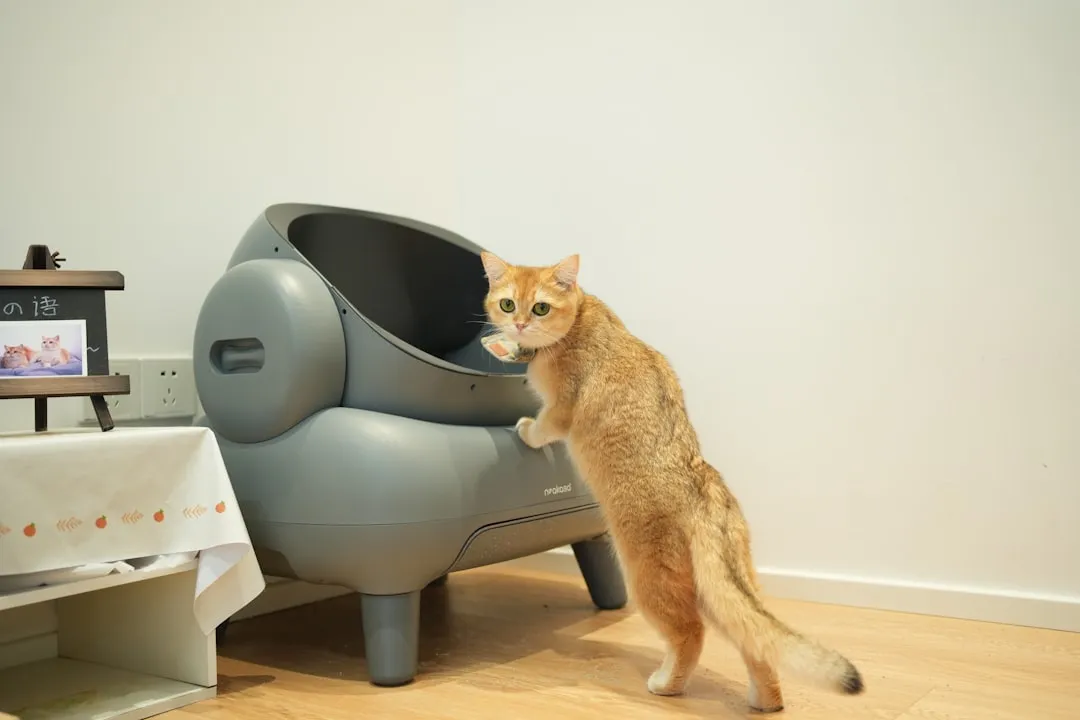
Most owners only call the vet when a cat is blatantly peeing on the bed. Geriatric vets pay attention to a much quieter pattern first: sneaky puddles just outside the litter box.
Maybe there’s a wet spot on the bathmat, or a little stool right beside, not inside, the box. It’s easy to blame “stubbornness” or “senility,” but that’s almost never the full story.
For older cats, this often screams pain or urgency, not bad behavior. Arthritis can make high-sided boxes or deep steps a genuine obstacle, while kidney disease, diabetes, and urinary issues create a “gotta go now” urgency that doesn’t tolerate climbing or searching.
The quiet fix vets love: lower-entry boxes, more boxes in easier spots, and a medical workup to rule out infections, crystals, or organ disease. Most people call this “being naughty.” Vets call it a red alarm.
#13 – Louder Meowing or Odd Nighttime Calls
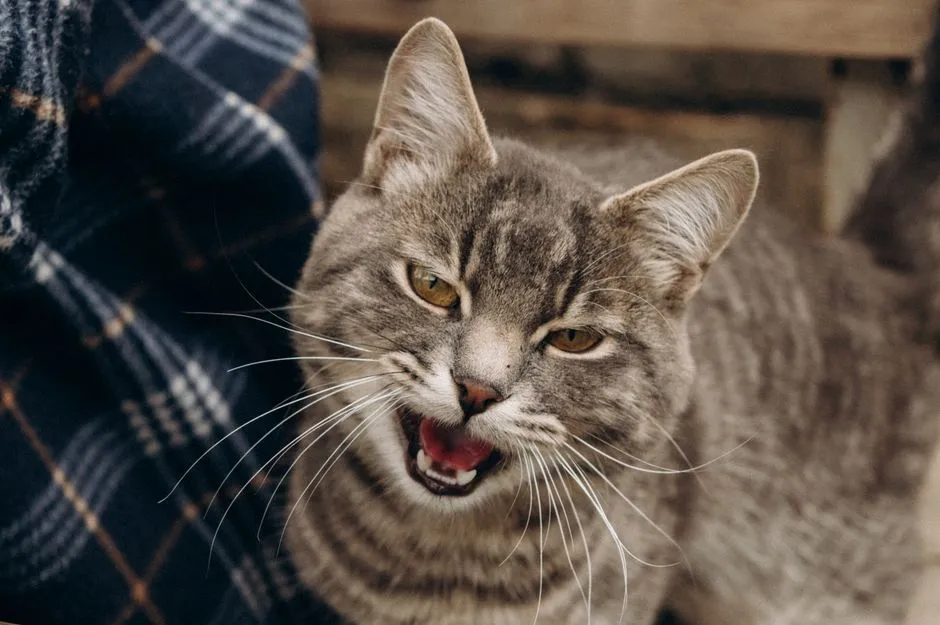
If your formerly chill cat suddenly sounds like they’re auditioning for an opera at 2 a.m., you’re not alone. Increased vocalization, especially at night, is a classic senior cat change vets never shrug off.
Owners often assume it’s “just being needy.” In truth, it can signal pain, high blood pressure, thyroid disease, or cognitive decline.
Hyperthyroid cats can become restless, anxious, and loudly talkative, pacing and yowling at odd hours. High blood pressure can cause headaches and even visual changes that leave cats disoriented and calling out into empty rooms.
Yes, some seniors simply get more chatty with age. But vets still want blood pressure checks, thyroid tests, and a neuro exam before anyone writes it off as personality.
#12 – Jumping “Almost” as High… But Choosing Not To
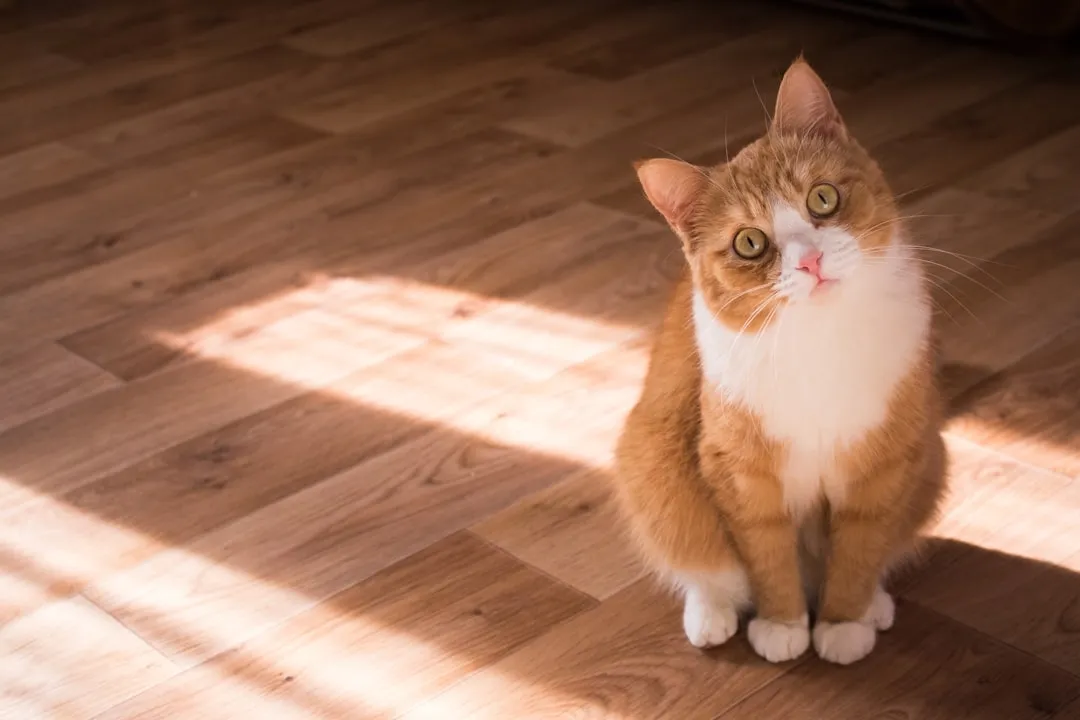
Here’s one cat truth vets repeat constantly: cats hide pain better than almost any pet. An arthritic cat rarely limps. Instead, they quietly change what they do.
For seniors, that often means stopping jumps they used to do without thinking, using a chair as a step ladder to the counter, or sleeping on the couch instead of the windowsill even though they technically still can get up there.
Owners famously misread this as “getting lazy” or “finally calming down.” Vets see it as classic osteoarthritis compensation, and studies show the majority of cats over 12 have some degree of joint degeneration, yet most never receive pain relief for it.
Tiny changes, hesitating before a jump, pulling with the front legs, sliding a little on landing, are the red flags pros watch like hawks. Modern pain meds, joint supplements, and simple ramps can transform these cats almost overnight.
#11 – Mild, On-Off Vomiting You’ve “Always Ignored”
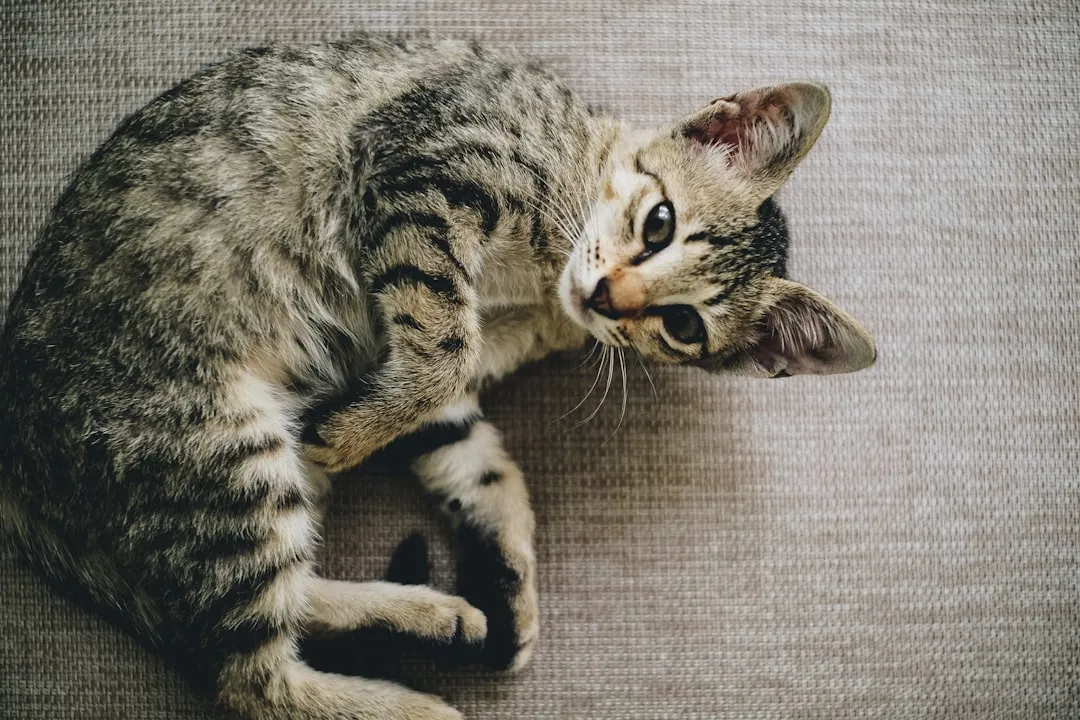
This one sparks arguments in every cat group: “Cats just puke sometimes.” Actually, many internal-medicine vets now say regular vomiting is not normal, especially in seniors.
That once-a-week hairball, the random foam in the morning, the occasional chunk of kibble on the floor, these patterns can point to chronic gut disease, kidney trouble, hyperthyroidism, or even GI lymphoma.
Hairballs are often a symptom, not a diagnosis. Overgrooming from itch or pain, slowed gut motility, or underlying inflammation can all hide behind a “quirky stomach” label.
Vets start asking whether the vomiting has changed frequency, and whether there’s weight loss or appetite swings alongside it. Many people only act once it becomes daily or dramatic, but by then, disease is often already advanced.
#10 – Slight Bad Breath That Wasn’t There Before
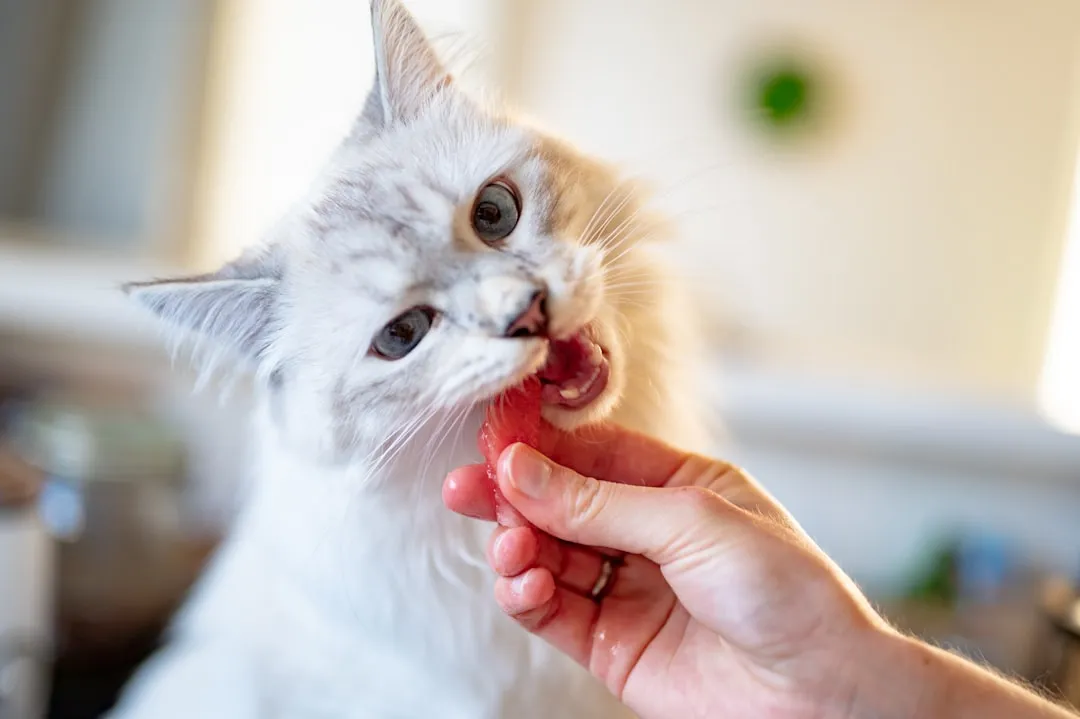
We associate “dog breath” with dental issues, but senior cat mouths can be just as scary, and quieter about it. Even a mild new odor from your cat’s mouth can signal periodontal disease, resorptive lesions, or kidney problems.
You might notice it when they yawn in your face or meow up close. Many owners just joke about “fish breath” and move on.
Here’s the uncomfortable truth: by age 3, most cats already have some dental disease. By 12 and up, unchecked mouth problems can become severe, causing chronic pain and making it hard to chew.
Bacteria from infected gums can also stress the kidneys and heart over time, while kidney disease itself can create a uremic, metallic odor on the breath. Seniors almost always need more frequent dental checks, not fewer.
Worth Knowing
- Adult cats have 30 permanent teeth, and periodontal disease is one of the most common feline health issues
- Tooth resorption is especially common in older cats and can be intensely painful even without visible tartar
- Cats are experts at masking dental pain, still eating and purring through significant mouth disease
- A yearly dental exam can catch problems long before bad breath ever becomes noticeable
#9 – Tiny Pupils, Big Pupils, or “Different” Eyes
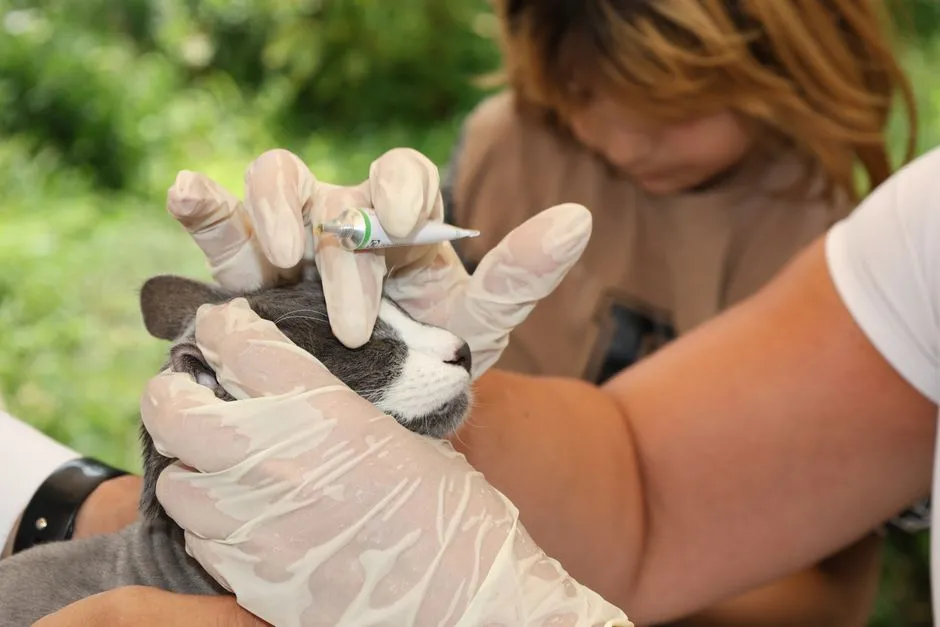
Cat eyes are subtle storytellers. Vets zero in on small, quiet changes in pupil size, eye color, and clarity that most owners scroll right past.
If your older cat’s pupils suddenly look very large most of the time, or one eye seems different from the other, that’s a red flag worth a phone call.
One of the big things vets watch for in seniors is hypertension, which can cause persistently dilated pupils and even sudden blindness from retinal detachment. Hyperthyroidism and kidney disease can both drive blood pressure up in the background.
While some age-related haziness can be benign, you should never write off new eye changes as “just old age” without a vet actually looking. Catching hypertension early can literally save your cat’s sight.
#8 – Using New Hiding Spots or Avoiding Family Time
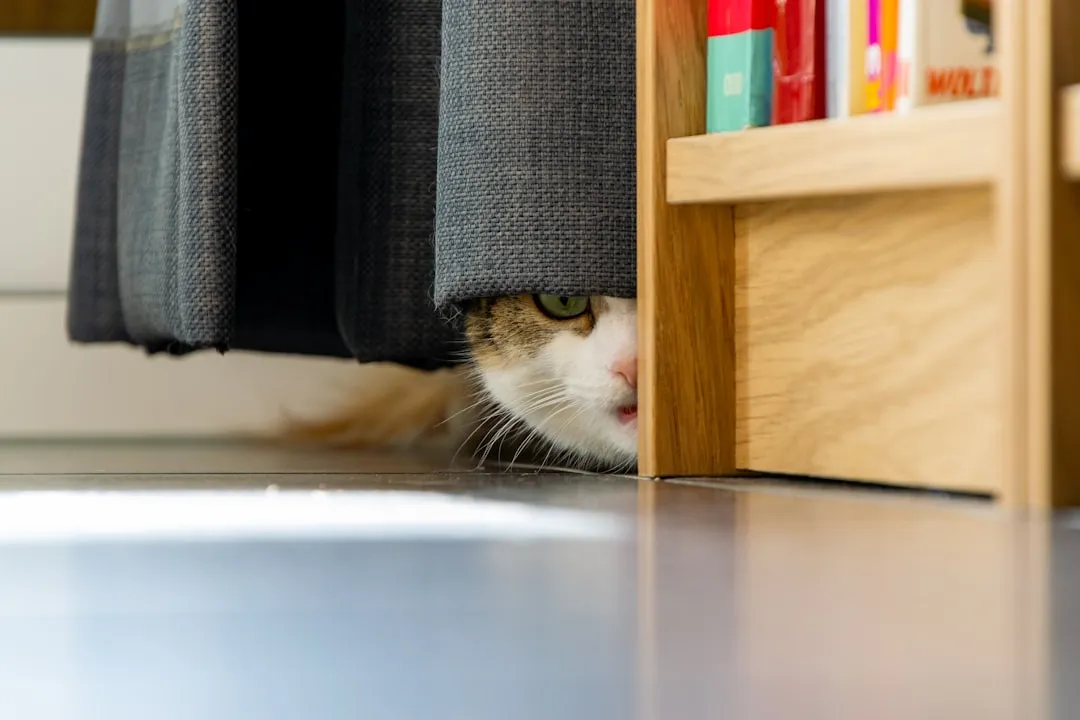
Everyone knows cats hide when they’re terrified of the vacuum. What many miss is how subtle “sickness hiding” looks in seniors.
Instead of dramatic disappearing acts, you’ll see quiet behavior shifts: your lap cat stops joining you on the couch every night, or chooses a closet shelf instead of the family room.
To vets, “He’s just more independent lately” is a dangerous story owners tell themselves. Cats instinctively conceal vulnerability, so withdrawing from favorite people or routines is often one of the earliest signs of pain, nausea, anemia, or cognitive issues.
The cat may still come for food and some affection, but the baseline togetherness quietly changes. Senior-focused vets ask on purpose: “Where does she spend most of her day now?” Tracking that answer over months can reveal slow-burning problems a quick exam might miss.
#7 – Walking “Fine” But With a New Gait
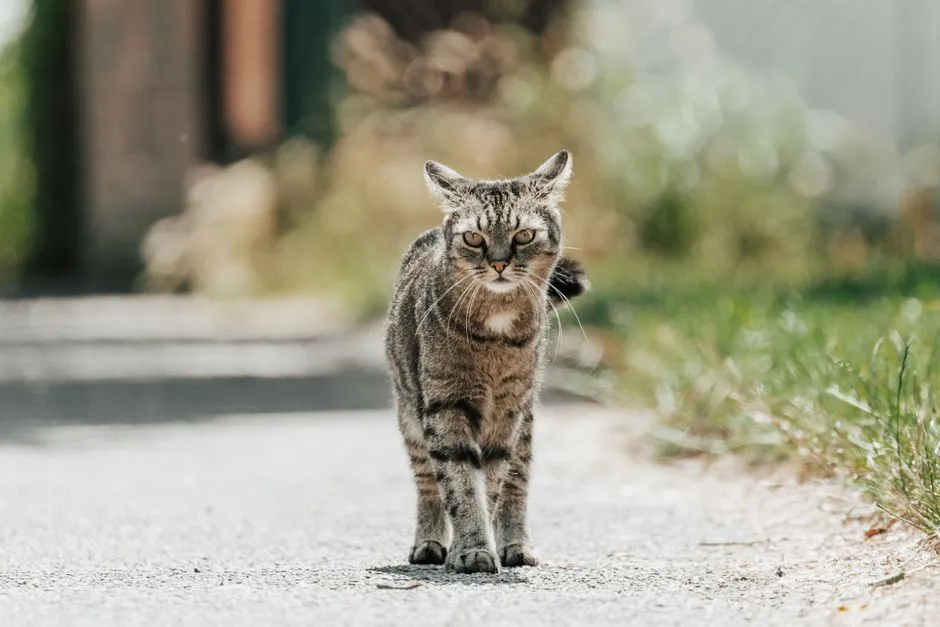
Ask most owners if their older cat is limping and they’ll say no. Ask a good vet, and they’ll say watch the gait, not just the limp.
Seniors often start shortening their stride, swinging one leg a little oddly, or shifting weight subtly off the back end. You might notice stiffer first steps after naps, or a cat that sits more squarely to avoid certain positions.
This is feline arthritis again, but it’s also where neurological issues, spinal disease, or even heart problems can quietly peek through. Weakness from anemia or heart disease can make a cat sit or lie down more during play.
Vets will often watch a cat walk into the exam room in silence, noting every tiny detail before ever touching them. If your 12+ cat moves differently than they did at 8, even without a single cry, pain is almost always part of the story.
#6 – Eating Slower, Messier, or Switching Food Preferences
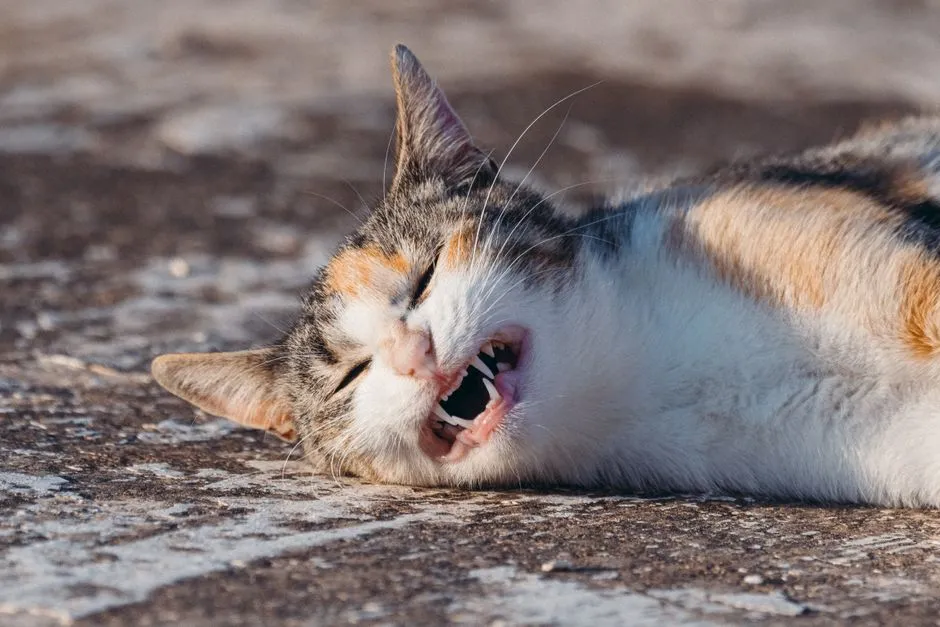
Many people treat food fussiness as typical cat drama. In seniors, vets consider any change in how a cat eats a big deal.
Are they taking longer to finish meals? Dropping kibble from their mouth? Tilting their head oddly while chewing, or suddenly preferring only wet or only dry?
These can all point to mouth pain, nausea, or systemic illness, even if your cat still shows up enthusiastically at the bowl. Dental disease, oral tumors, and gum resorption hurt with every single bite.
Seniors should get credit for trying to eat, not punishment for being “picky.” Vets know that small changes at the bowl often predate obvious weight loss by months.
At a Glance
- Turning away from kibble but still eating wet food often points to mouth pain, not preference
- A head tilt while chewing can signal a sore tooth on one specific side
- Dropping food mid-bite is an easy-to-miss but classic dental pain sign
- Sudden interest in only soft foods can quietly mask weeks of discomfort
#5 – Slightly More Clingy… or Unexpectedly Cranky
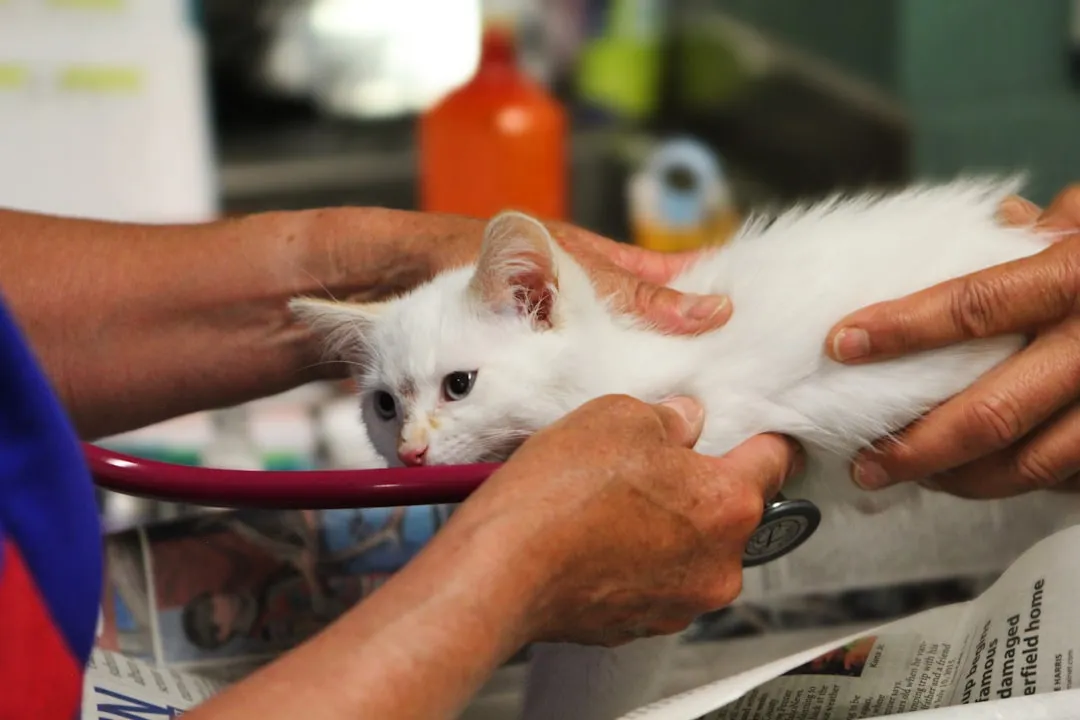
Personality changes are one of the most underrated warning signs in cats over 12. Vets listen hard when owners say, “He’s just not himself lately.”
That might mean your formerly aloof cat is suddenly velcroed to you, crying if you leave the room. Or your sweet lap cat snaps or growls when touched in certain spots, especially the back or belly.
Clinginess can signal anxiety, confusion, vision loss, or feeling unwell in general. A cat in pain might seek comfort while also reacting defensively when the sore area gets bumped by accident.
On the flip side, a cat that used to demand affection but now slinks away is also flashing warning lights. Many people chalk this up to “grumpier with age,” but vet behaviorists increasingly argue pain and medical issues are guilty until proven innocent when personality shifts after 12.
#4 – Missing the Jump or Slipping More Often
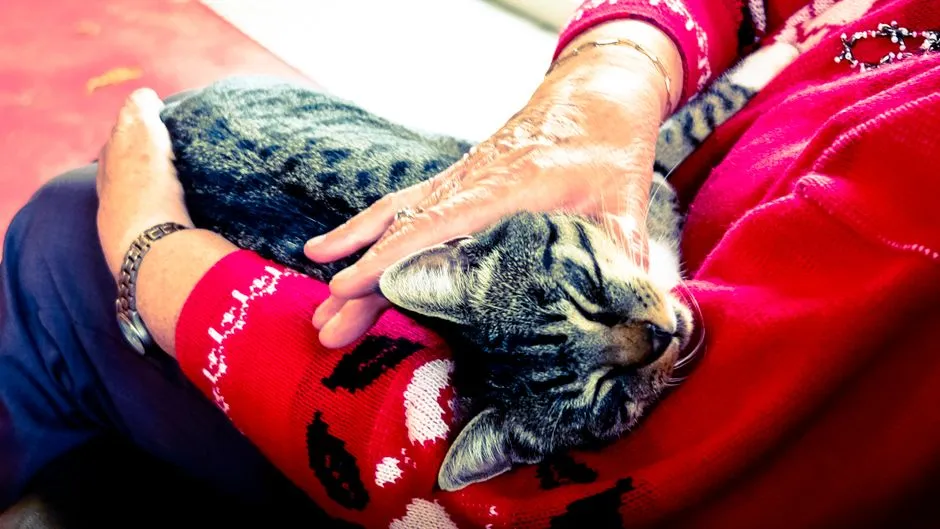
Most of us laugh the first time our cat misjudges a jump and scrambles. Vets don’t. Increased clumsiness, slipping off the bed, needing a second try at the counter, bumping into doorframes, isn’t a cute senior moment.
It can be an early sign of joint pain, muscle loss, vision changes, or even heart or neurological disease. Older cats often lose muscle mass along the spine and thighs, making powerful jumps genuinely harder.
Vision changes from hypertension or retinal disease make distance judgment trickier, while subtle hind-end weakness from spinal or nerve issues can show up first as slipping on smooth floors.
We normalize way too much clumsiness in older cats instead of recognizing it as a medical symptom.
Common sentiment among feline internal medicine vets
Rugs, ramps, and vet exams can make those “oops” moments much less frequent, and much less dangerous, than they look.
#3 – Stronger or “Different” Urine Smell
Almost nobody talks about this, but senior cat vets do. The smell of your cat’s urine can genuinely change with disease.
You might notice the litter box has a sharper, more ammonia-like odor than before, or the pee clumps seem wetter and larger. Diabetic cats’ urine can sometimes smell oddly sweet, or just “off” in a way that’s hard to describe but very real.
Kidney disease often leads to cats producing larger volumes of more dilute urine, which can make the box smell different even when it’s technically not worse. Infections, crystals, or stones can also alter odor and cause a cat to strain or visit the box more often.
Many owners only get worried when they see blood in the urine. Vets are already on alert the moment someone says, “The pee just smells stronger lately.”
#2 – Getting “Lost” in Familiar Rooms
One of the most heartbreaking quiet changes: mild disorientation in familiar spaces. Your older cat may suddenly stand in a corner and meow, stare at a wall, or seem unsure how to get from the living room back to the kitchen.
Some pace aimlessly at night, walking the same loop over and over like they’re stuck on repeat. Many owners insist it’s just “quirky” behavior, but vets increasingly see this as feline cognitive dysfunction, essentially cat dementia.
Cognitive decline can cause changes in sleep-wake cycles, forgetting long-established litter or feeding routines, and startling more easily at normal household sounds. It often overlaps with sensory losses like diminished hearing or vision, which makes the confusion worse.
We can’t cure aging brains, but vets may use diets, supplements, environmental enrichment, and sometimes medication to slow progression and ease anxiety. Waiting until your cat is completely confused and vocalizing all night is far too late to start.
Quick Compare
- Normal aging: moves a bit slower, sleeps more, occasional brief confusion in a new space
- Cognitive decline: gets lost in familiar rooms, stares blankly at walls, paces the same loop repeatedly
- Normal aging: mild changes that stay fairly stable month to month
- Cognitive decline: symptoms that steadily worsen and often overlap with hearing or vision loss
#1 – You Blaming Everything on “Just Getting Old”
The quietest, most dangerous change of all isn’t in your cat, it’s in your expectations. Once a cat crosses that 12-year mark, many people mentally file every new issue under normal aging: slower, thinner, quieter, grumpier, weirder nights.
Vets see something very different: treatable diseases hiding behind the myth of old age. A shocking number of “old cat problems” are actually pain, high blood pressure, hyperthyroidism, early kidney disease, dental disease, or arthritis, all of which can be managed, sometimes brilliantly, if we stop writing them off.
That’s why proactive vets push for at least annual, often twice-yearly, senior labs, blood pressure checks, and honest behavior discussions once a cat hits 11 or 12. The cats who get that level of attention often don’t just live longer, they live noticeably better.
“Just old” is rarely an acceptable diagnosis. It’s a placeholder people use while a treatable problem quietly gets worse.
The Bottom Line
By the time your cat is over 12, “normal aging” becomes a dangerously convenient excuse. Tiny shifts in thirst, weight, grooming, personality, jumping, or bathroom habits are exactly the things vets refuse to ignore, because they’ve watched too many seniors crash from problems that whispered for months before anyone listened.
Some people will still shrug and say, “That’s just what happens.” I think that’s the laziest sentence you can say about an animal who can’t tell you where it hurts.
The real secret isn’t some miracle treatment. It’s nosey, early attention to the boring-looking stuff, the water bowl, the coat, the missed jump. Catch it there, and you’re not just buying your cat more time. You’re buying better time, with less suffering hiding underneath it.
Did we call out a change you’ve seen in your own older cat, or do you think one of these is overblown? Drop your take in the comments.

- If Your Cat Is Over 12 These 18 Quiet Changes Are the Ones Vets Never Ignore - August 8, 2026
- 16 Wild Animals Sanctuary Workers Say Choose One Human Early and Never Once Change Their Mind - August 8, 2026
- 18 Animals That Bond So Completely With One Person They Never Truly Settle With Anyone Else Again - August 8, 2026