


Amphibians have thrived on Earth for over 350 million years, surviving multiple mass extinction events including the one that wiped out the dinosaurs. Yet today, these remarkable creatures are disappearing at an alarming rate. Scientists estimate that amphibian populations are declining faster than those of birds or mammals, with over 40% of known amphibian species now threatened with extinction. This unprecedented crisis represents one of the most significant conservation challenges of our time.
From mysterious fungal pathogens to climate change, habitat destruction, and pollution, amphibians face a perfect storm of threats. Their unique biology—including permeable skin and complex life cycles that often bridge aquatic and terrestrial environments—makes them particularly vulnerable to environmental changes. This article explores the multifaceted causes behind the global amphibian decline crisis, its ecological implications, and what scientists and conservationists are doing to address this urgent threat to biodiversity.
The Alarming Statistics of Amphibian Decline

The numbers paint a sobering picture of the amphibian crisis. According to the International Union for Conservation of Nature (IUCN), amphibians are the most threatened vertebrate group on the planet. Of the approximately 8,000 known amphibian species, around 41% are classified as threatened with extinction. This rate far exceeds that of birds (13%) and mammals (25%). Perhaps most alarming is that approximately 168 amphibian species are believed to have gone extinct in recent decades, with another 2,100 species experiencing population declines. Scientists have documented catastrophic population crashes occurring within as little as a few months in some regions, with entire communities of amphibians virtually disappearing from previously thriving habitats. This rapid decline is unprecedented in recorded history and suggests that amphibians are facing pressures beyond their evolutionary capacity to adapt.
Chytrid Fungus: The Deadly Amphibian Pandemic

One of the most significant threats to amphibian populations worldwide is chytridiomycosis, a deadly disease caused by the fungal pathogen Batrachochytrium dendrobatidis (Bd) and its relative Batrachochytrium salamandrivorans (Bsal). First identified in the late 1990s, Bd has been implicated in the catastrophic decline or extinction of at least 200 species of frogs and salamanders. The fungus attacks amphibians’ skin, which they use for respiration and water regulation, ultimately causing cardiac arrest.
What makes this pathogen particularly devastating is its wide host range, affecting over 700 amphibian species across all three orders: frogs, salamanders, and caecilians. Research suggests that global trade of amphibians for pets, food, and laboratory specimens has facilitated the spread of this fungus to new regions. Climate change may further exacerbate its impacts, as changing temperature and precipitation patterns create conditions favorable for fungal growth in previously unsuitable habitats. The emergence of this pandemic disease represents one of the greatest threats to biodiversity in recorded history.
Habitat Destruction and Fragmentation

Habitat loss remains one of the most pervasive threats to amphibian populations globally. As human development expands, critical amphibian habitats—including wetlands, forests, and streams—are being destroyed or altered at unprecedented rates. Wetlands, which serve as essential breeding grounds for many amphibian species, are being drained for agriculture, urban development, and flood control. The United Nations estimates that approximately 87% of the world’s wetlands have been lost since 1700, with the rate of loss accelerating in recent decades.
Beyond outright destruction, habitat fragmentation isolates amphibian populations, limiting gene flow and reducing genetic diversity. Roads, which fragment landscapes and create barriers to movement, directly impact amphibians through roadkill mortality while isolating populations on either side. Without connected habitats, many amphibian species cannot maintain viable populations or recolonize areas following local extinctions. The destruction of forest canopy can also alter microhabitats, increasing temperature and reducing humidity in ways that prove lethal to moisture-dependent amphibians.
Climate Change Effects on Amphibian Survival

Climate change represents a particularly insidious threat to amphibians worldwide. As ectothermic organisms reliant on environmental temperature regulation, amphibians are exceptionally vulnerable to warming temperatures. Rising global temperatures can affect everything from breeding timing and development rates to immune function and disease susceptibility. Altered precipitation patterns—including more severe droughts in some regions—threaten breeding sites and can lead to reproductive failure or desiccation.
For montane species, warming temperatures shrink suitable habitat as optimal climate conditions shift upslope, creating what scientists call “escalator to extinction” scenarios where species literally run out of mountain as they attempt to track their climate niche. Climate change also interacts with other threats, potentially making conditions more favorable for pathogens like the chytrid fungus or increasing the toxicity of certain pollutants. Research published in Nature Climate Change suggests that for many amphibian species, climate change is occurring too rapidly for evolutionary adaptation, leaving them increasingly vulnerable to extinction as conditions continue to shift.
Water Pollution and Chemical Contaminants

Amphibians’ permeable skin and aquatic reproductive habits make them particularly susceptible to water pollution. Agricultural runoff containing pesticides, herbicides, and fertilizers can have devastating effects on amphibian development and survival. Even at concentrations well below regulatory limits, certain pesticides can cause developmental abnormalities, immune suppression, and endocrine disruption in amphibians. The herbicide atrazine, for example, has been shown to feminize male frogs at concentrations as low as 0.1 parts per billion. Nitrogen-based fertilizers contribute to eutrophication of water bodies, reducing oxygen levels and promoting harmful algal blooms that can impact amphibian survival.
Industrial pollutants, including heavy metals and polychlorinated biphenyls (PCBs), can bioaccumulate in amphibian tissues and cause long-term physiological damage. Pharmaceutical compounds, including hormones from birth control pills and antibiotics, are increasingly detected in water systems and may disrupt amphibian endocrine systems. The mixture of multiple contaminants may create synergistic effects more harmful than any single pollutant alone, presenting a complex challenge for both scientists studying amphibian declines and regulators attempting to establish safety thresholds.
Increased UV-B Radiation Exposure

Stratospheric ozone depletion has increased the amount of ultraviolet-B (UV-B) radiation reaching Earth’s surface, presenting yet another environmental stressor for amphibians. Unlike many other vertebrates, amphibian eggs lack protective shells and are often laid in shallow water where they receive direct sunlight exposure. Research has demonstrated that increased UV-B radiation can damage amphibian DNA, impair immune function, and reduce hatching success. Some studies have found that UV-B exposure can interact synergistically with other environmental stressors, such as pollution or pathogens, magnifying their harmful effects.
For instance, UV-B radiation can increase the toxicity of certain pesticides by creating more harmful breakdown products, while simultaneously weakening amphibians’ natural defenses. Though international efforts to address ozone depletion through the Montreal Protocol have shown success in reducing atmospheric concentrations of ozone-depleting substances, recovery of the ozone layer is a slow process. Meanwhile, many amphibian populations continue to face elevated UV-B exposure, particularly in high-altitude regions where natural UV-B levels are already higher and ozone depletion has been most severe.
Invasive Species and Predators
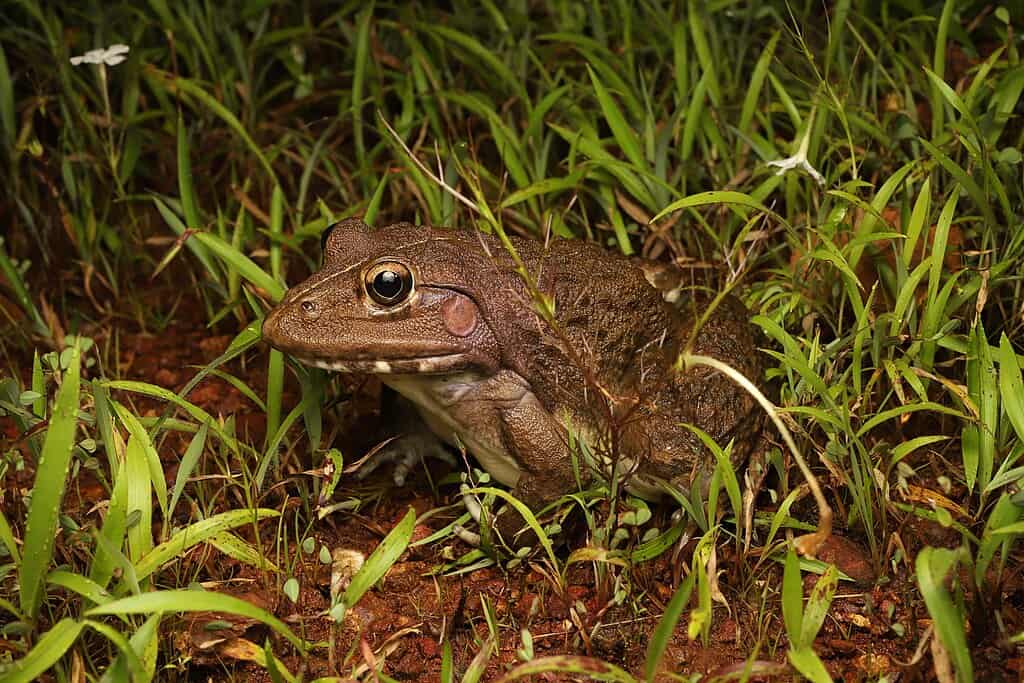
The introduction of non-native species represents a significant threat to amphibian populations around the world. Invasive predators like bullfrogs, certain fish species, and crayfish can decimate local amphibian populations through direct predation on eggs, larvae, and adults. The American bullfrog, for example, has been introduced to ecosystems worldwide and has contributed to native amphibian declines through both predation and competition for resources. In California, the introduction of non-native fish for sport fishing has eliminated native amphibians from thousands of naturally fishless mountain lakes.
Non-native plants can also transform amphibian habitats by altering water chemistry, light penetration, and physical structure. Beyond direct ecological impacts, invasive species may serve as vectors for diseases and parasites to which native amphibians have no evolutionary resistance. The global pet trade continues to facilitate the introduction of non-native amphibians into new ecosystems, while climate change may expand the range of some invasive species into previously unsuitable habitats. Once established, invasive species can be extremely difficult and costly to eradicate, making prevention the most effective management strategy.
Overexploitation for Food, Medicine, and Pet Trade

Harvesting of amphibians for human consumption, traditional medicine, and the international pet trade places additional pressure on many species already struggling with environmental threats. Each year, billions of frogs are harvested from wild populations for the food industry, with the global trade in frog legs estimated to involve up to 3.2 billion frogs annually. This massive harvest has decimated populations of species like the Indian bullfrog and Chinese edible frog.
The traditional medicine market also drives collection of certain species, such as Chinese giant salamanders, which are critically endangered largely due to overexploitation. The international pet trade targets colorful or unusual species, often leading to unsustainable collection rates, particularly for rare or endemic species with naturally small populations. Beyond direct population impacts, the movement of animals for these trades facilitates the spread of diseases like chytrid fungus to new regions. While captive breeding programs exist for some species, wild collection remains the primary source for many amphibians in trade. Improved regulation and enforcement of wildlife trade laws, combined with consumer education about sustainable alternatives, are essential to addressing this driver of amphibian declines.
Synergistic Effects of Multiple Threats

Perhaps the most challenging aspect of the amphibian extinction crisis is that these various threats rarely operate in isolation. Instead, multiple stressors often interact in ways that amplify their individual impacts, creating what scientists call “synergistic effects.” For example, climate change may stress amphibian immune systems, making individuals more susceptible to disease; habitat fragmentation may prevent populations from shifting their ranges in response to climate change; and pollution may exacerbate the effects of both climate stress and disease.
Research published in Proceedings of the National Academy of Sciences demonstrated that the combination of pesticide exposure and predator presence caused mortality rates 46% higher than would be predicted from the sum of these stressors acting individually. These complex interactions make both studying amphibian declines and implementing effective conservation strategies particularly challenging. Traditional single-threat approaches to conservation may prove inadequate when dealing with such multifaceted pressures. Indeed, the rapid global decline of amphibians likely stems not from any single cause but from this perfect storm of interacting threats that overwhelms species’ natural resilience and adaptive capacities.
Why Amphibian Conservation Matters

The loss of amphibian biodiversity represents far more than just the disappearance of fascinating creatures. Amphibians play crucial ecological roles in both aquatic and terrestrial ecosystems. As mid-level predators, they help regulate invertebrate populations, including disease-carrying insects like mosquitoes. One study estimated that a single leopard frog can consume up to 10,000 insects in a single summer season. As prey, amphibians transfer energy between aquatic and terrestrial food webs, supporting diverse predator communities from fish to birds and mammals.
Their tadpoles play important roles in maintaining water quality by consuming algae and preventing eutrophication in aquatic systems. Beyond these ecological functions, amphibians represent a vast untapped resource for biomedicine. Their skin secretions contain compounds with potential applications as painkillers, antibiotics, and even cancer treatments. The Australian red-eyed tree frog, for instance, produces peptides with potent activity against multi-drug resistant bacteria. When amphibian species disappear before being studied, we lose these potential medical breakthroughs forever. Finally, amphibians serve as sensitive environmental indicators—their declines often provide early warnings of ecosystem degradation that may eventually affect human health and wellbeing.
Conservation Success Stories and Hope
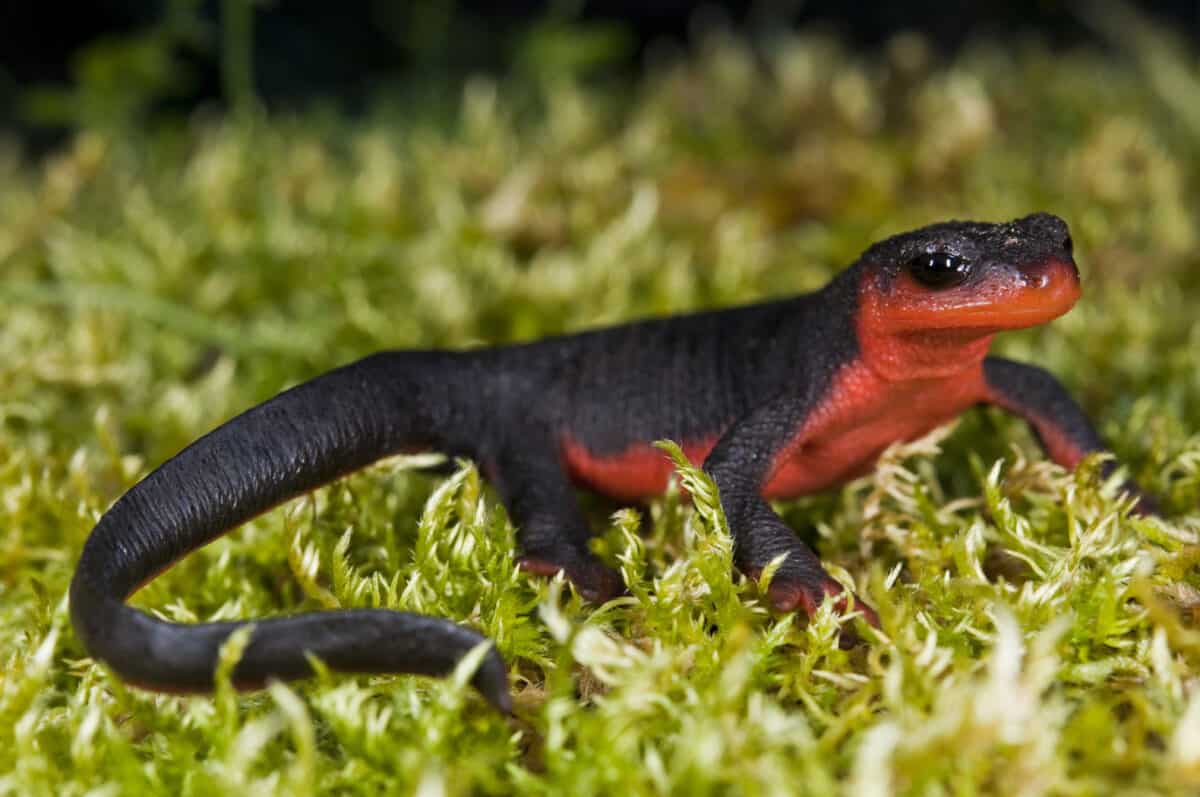
Despite the sobering statistics, conservation efforts have achieved notable successes that provide hope for amphibian preservation. The Amphibian Ark project has established “assurance colonies” of over 160 threatened amphibian species in captivity, preventing their immediate extinction while habitat protection and restoration efforts progress. In Panama, the Panama Amphibian Rescue and Conservation Project maintains breeding populations of several critically endangered species devastated by chytrid fungus, including the Panamanian golden frog, a cultural symbol now extinct in the wild.
Some species once thought extinct have been rediscovered, like the Wyoming toad and the Australian gastric-brooding frog, offering second chances for conservation. Habitat protection initiatives have shown particular promise, with the creation of amphibian-focused reserves in biodiversity hotspots like Madagascar and Ecuador. Research into chytrid resistance has identified naturally resistant populations and bacterial skin symbionts that might be harnessed for disease management. Innovative approaches like environmental DNA (eDNA) sampling allow for more efficient monitoring of rare species, while citizen science projects engage the public in amphibian conservation through initiatives like FrogWatch USA. These successes demonstrate that with adequate resources, scientific knowledge, and public support, the tide of amphibian extinctions can be stemmed.
What Individuals Can Do to Help

While the amphibian extinction crisis may seem overwhelming, individual actions can contribute significantly to conservation efforts. Creating amphibian-friendly habitats in backyards and community spaces by installing small ponds, reducing pesticide use, and maintaining native vegetation provides crucial microhabitats for local species. Participating in citizen science programs like FrogWatch USA, which monitors amphibian calls as indicators of population health, generates valuable data while connecting people with local biodiversity. Supporting wetland conservation through organizations like the Wetlands Conservancy helps protect critical amphibian breeding grounds.
Responsible pet ownership is essential—never releasing captive amphibians into the wild, as this can spread disease and introduce invasive species that harm native populations. When purchasing amphibians as pets, choosing captive-bred individuals from reputable sources reduces pressure on wild populations. Reducing personal carbon footprints through energy conservation, reduced consumption, and sustainable transportation helps address climate change impacts on amphibians. Educational outreach in schools and communities raises awareness about amphibian conservation challenges and inspires the next generation of conservation-minded citizens. By combining these individual actions with support for policy changes and conservation funding, everyday citizens can make meaningful contributions to amphibian conservation efforts worldwide.
Conclusion: The Race Against Extinction

The global amphibian decline represents one of the most significant biodiversity crises in human history, with implications that extend far beyond the loss of individual species. The complex, interacting threats facing amphibians—from disease and habitat loss to climate change and pollution—require coordinated, multifaceted conservation responses across local, national, and international scales. Scientists, conservation organizations, governments, and individuals all have crucial roles to play in addressing this crisis.
While the challenges are immense, the conservation successes achieved thus far demonstrate that amphibian extinctions are not inevitable when adequate resources and scientific knowledge are applied to the problem. As we face this critical moment for global amphibian diversity, our actions in the coming decades will determine whether these ancient evolutionary lineages—which have survived multiple mass extinctions over hundreds of millions of years—will continue to thrive on Earth or become casualties of the human-driven sixth mass extinction. The preservation of amphibian biodiversity represents not just an ecological imperative but a test of humanity’s commitment to protecting the planet’s living heritage for future generations.

From exploring the marine wonders in the Azores and witnessing the vast savannas of Kenya, to delving deep into the rich biodiversity of South Africa and traversing iconic landscapes in Australia and the US like Yellowstone, Chris's experiences are vast.
With a penchant for diving alongside sharks, the ocean holds a special place in his heart.
Through his academic insights, he champions wildlife conservation, striving with 'Animals Around The Globe' to cultivate a profound connection between humans and animals, enhancing our mutual appreciation.
Connect with him at Feedback@animalsaroundtheglobe.com.
- Could Elephants Really Mourn Their Dead? - July 20, 2026
- How Some Animals Survive on Almost No Food for Months - July 20, 2026
- A Bear Journey Through The USA: 18 Best Bear Photos from 18 US States - July 19, 2026