

The ocean holds mysteries that challenge everything we thought we knew about survival. Picture this: one of nature’s most formidable predators swimming calmly through boiling, acidic waters inside an active volcano. It sounds like something from a science fiction thriller, yet this phenomenon exists right beneath the waves of our planet’s oceans.
Deep in the Pacific Ocean, near the Solomon Islands, scientists made one of the most shocking discoveries in marine biology. They found sharks living inside underwater volcanoes, thriving in conditions that should theoretically kill them. These remarkable creatures have turned our understanding of marine survival upside down, proving that life finds a way even in the most impossible places.
The Discovery That Changed Marine Science
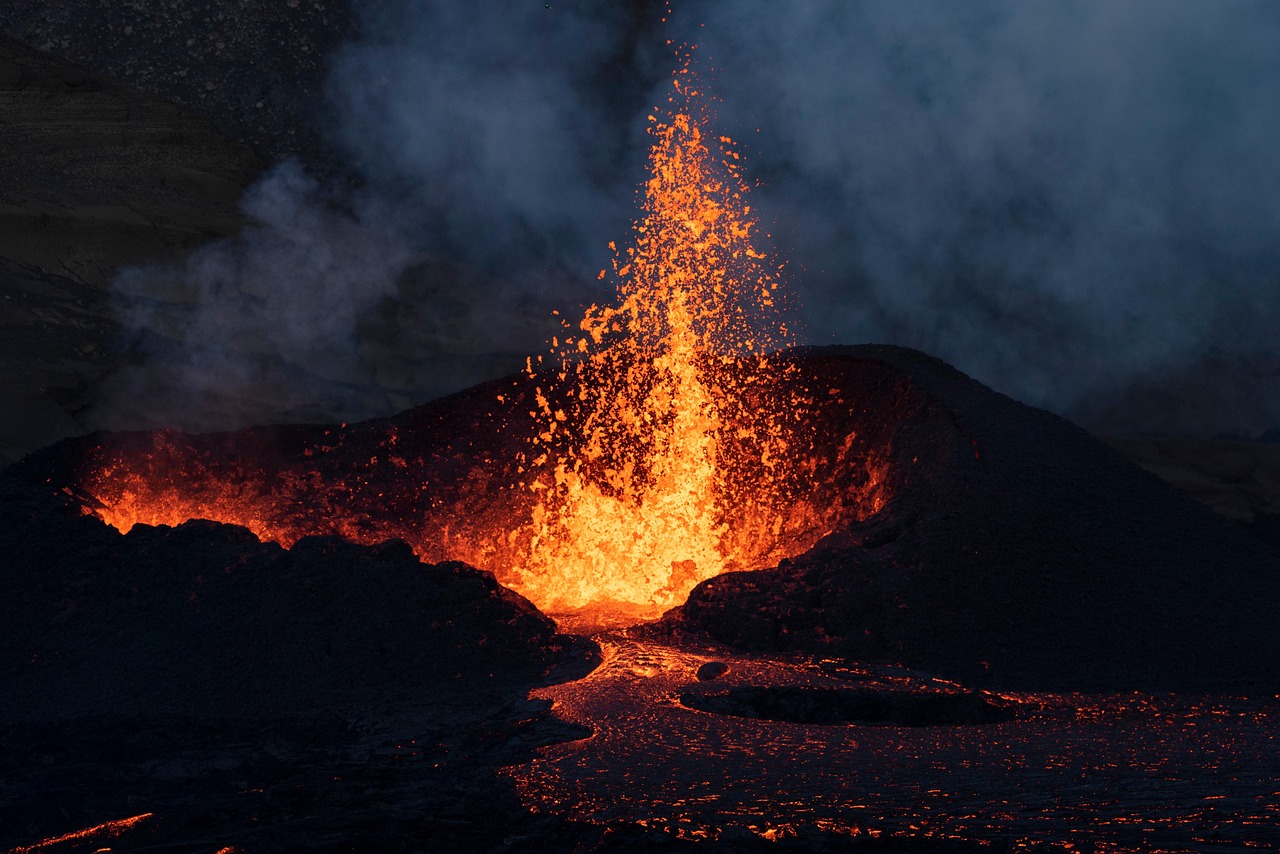
In 2015, Dr. Brennan Phillips loaded an 80-pound baited drop camera straight into the heart of Kavachi volcano. The camera landed inside the crater at about 150 feet deep. The team was completely dumbfounded when they saw a large silky shark swimming straight toward the camera!
This wasn’t just any ordinary research expedition. Scientists had discovered two species of sharks, along with active microbial communities, living within the volcano’s crater. Using a baited drop camera, an international team observed scalloped hammerhead sharks and silky sharks living in the hot, acidic water.
The Volcanic Inferno Beneath the Waves
Kavachi Volcano exists off the coast of the Solomon Islands, in the southwestern Pacific Ocean, as one of the most active underwater volcanoes in the Pacific. Though its peak rises 3,600 feet above the seafloor, it remains submerged, lurking approximately 20-30 meters below the ocean’s surface.
Kavachi’s eruptions are phreatomagmatic, meaning they occur when magma meets seawater, creating violent steam explosions. These eruptions eject a mix of superheated water, volcanic ash, rock fragments, and molten lava bombs. The conditions inside this underwater cauldron should be fatal to any large marine life.
Extreme Conditions That Should Be Deadly
Scientists found a huge drop in the surface pH levels, water temperatures ten degrees higher than normal around the vent. It’s very hot and acidic, and they measured that. The volcano was constantly spewing volcanic particles and fragments into the water, making the environment acidic and superheated, with elevated temperatures significantly above normal ocean levels.
Scientists noted there are a number of reasons why there shouldn’t be anything living in there except maybe bacteria. The water is filled with toxic volcanic particles, deadly gases, and corrosive chemicals that would typically dissolve living tissue.
The Sharks That Defy All Logic
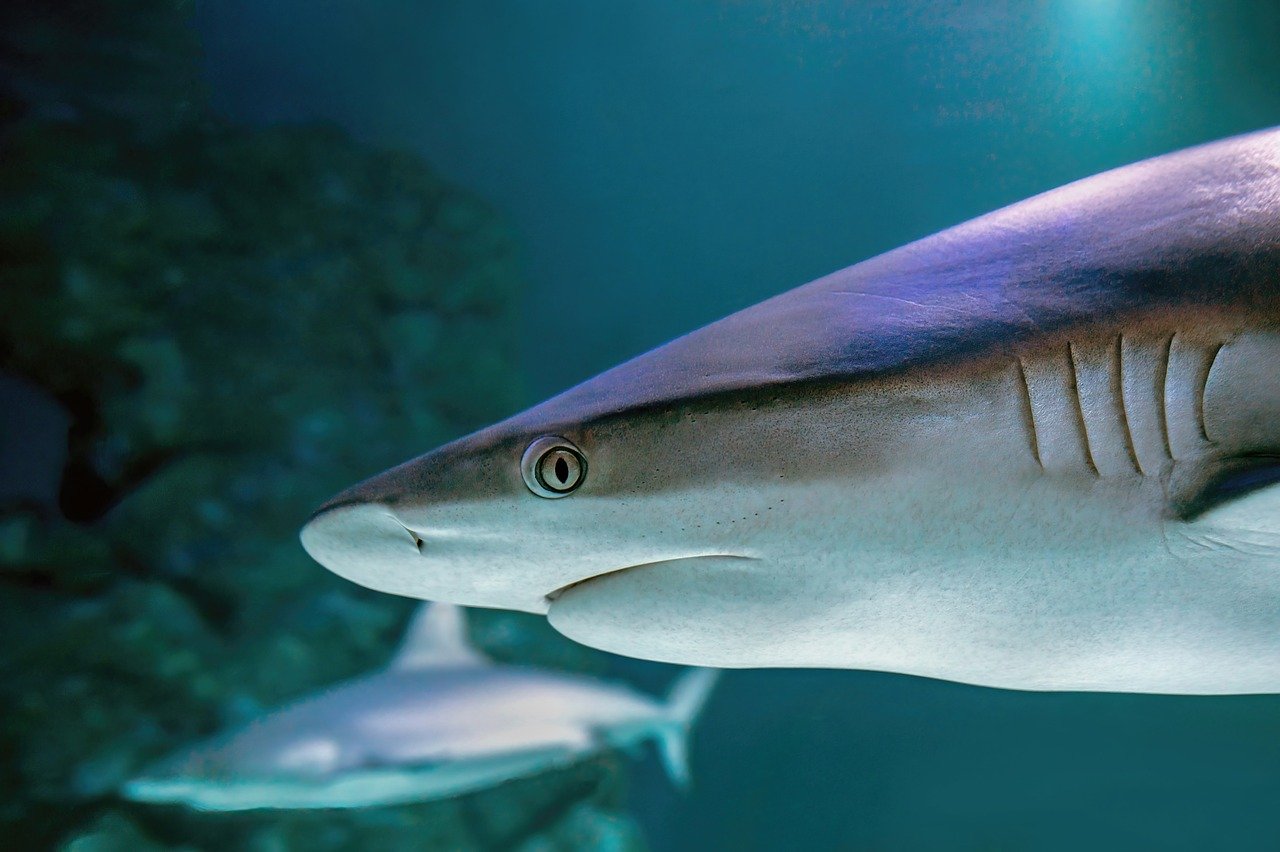
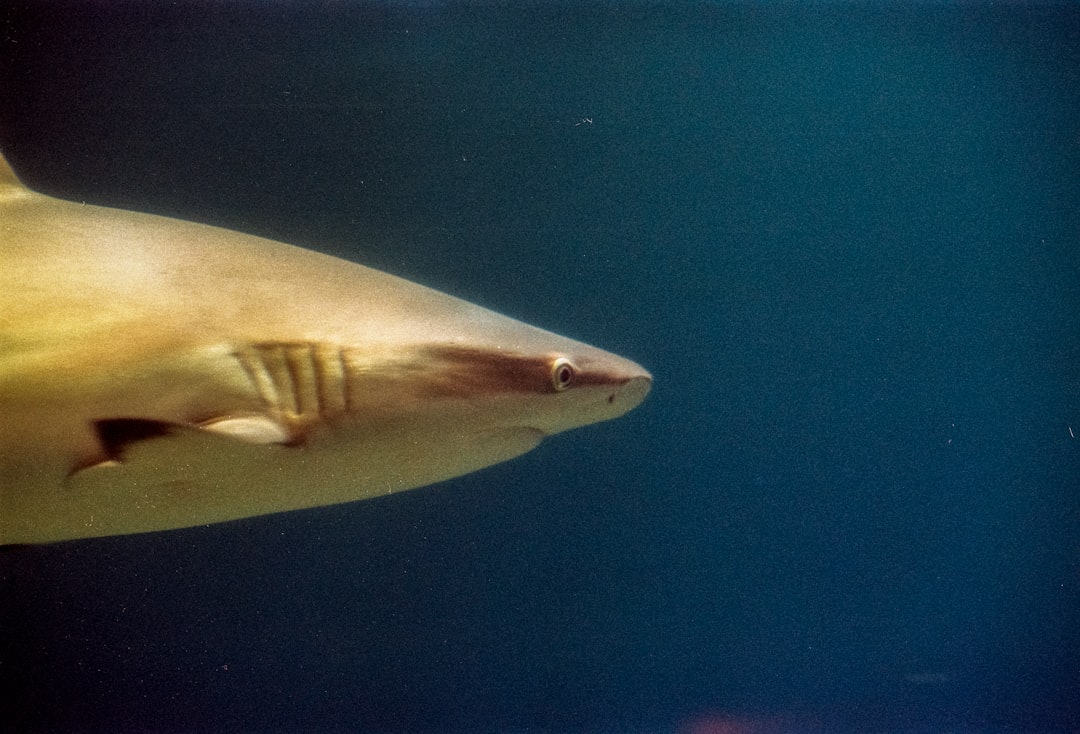
The answer, quite surprisingly, is yes, sharks can survive in underwater volcanoes. Not only do sharks survive in underwater volcanoes, but it seems that they thrive there. A scalloped hammerhead and the silky shark were among multiple fish species spotted living in the active volcano by researchers. Currently, two species of sharks have been confirmed to inhabit active volcanoes: the scalloped hammerhead shark and the silky shark.
These incredible predators seem completely unbothered by conditions that would kill most marine life instantly. They patrol the crater like underwater guardians of this volcanic realm, hunting and behaving as if they were in any normal ocean habitat.
Theories Behind Their Impossible Survival
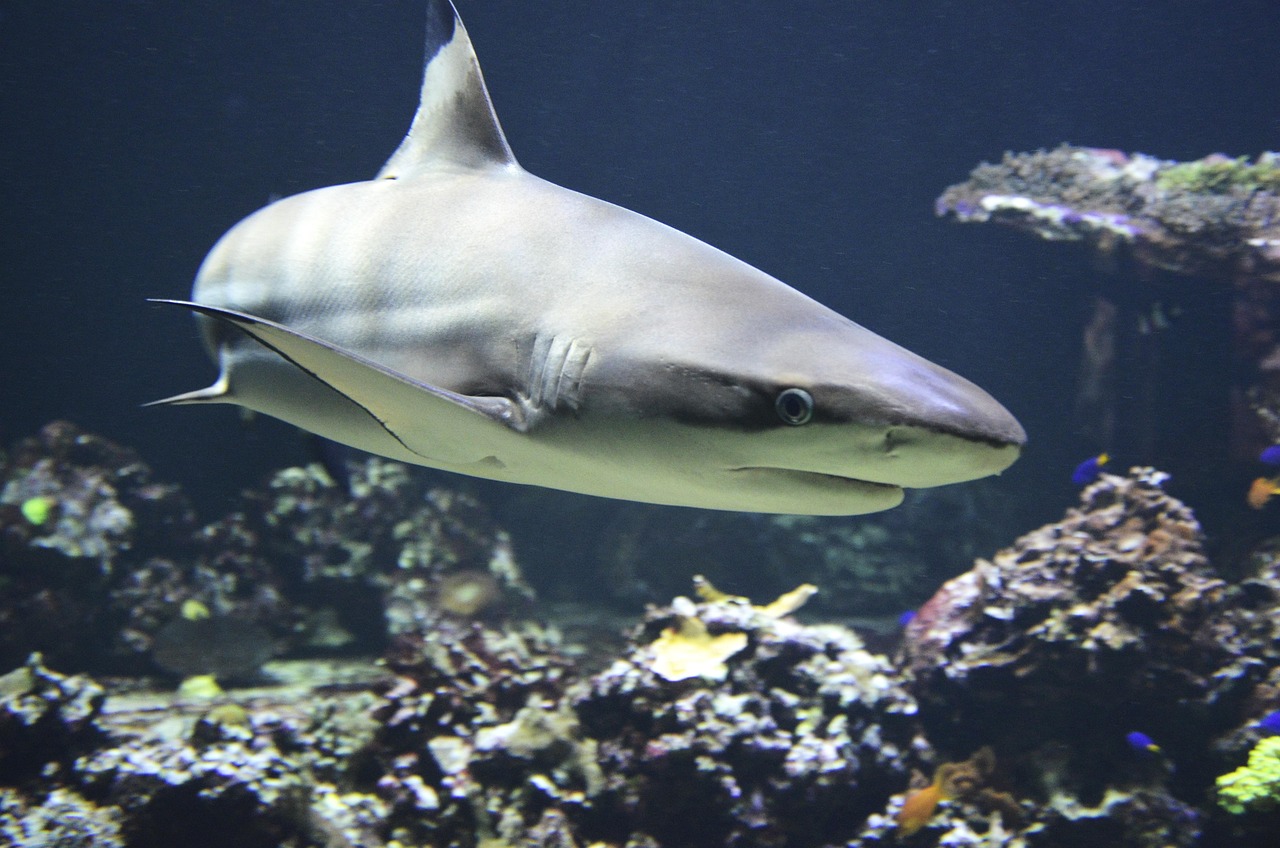
Sharks are sensitive to both the electric fields in the ocean as well as the Earth’s magnetic fields. It is also likely that their superpowered senses can alert them to upcoming volcanic eruptions. After all, many animals can sense impending earthquakes days before they happen, so why not an erupting volcano?
The sharks may possess unique physiological adaptations that allow them to tolerate the acidic water and high concentrations of dissolved metals found within the volcano. Furthermore, the marine community, including these sharks, seem to be acclimated to the acidic and hot conditions, suggesting evolutionary adaptations at play. Scientists believe these adaptations developed over thousands of years.
The Magnetic Highway Theory
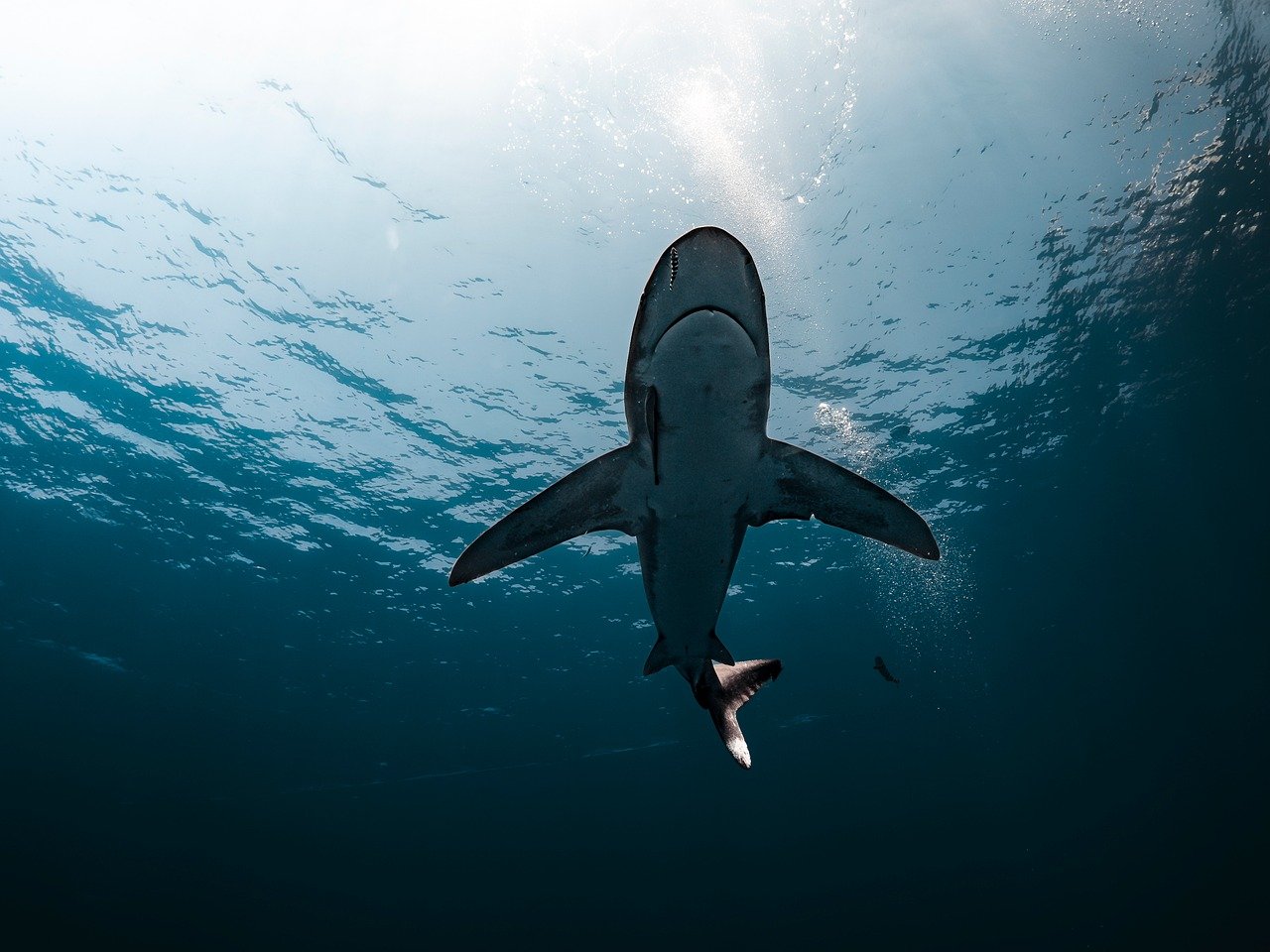
One theory suggests that sharks are attracted to volcanic rocks due to their sensitivity to magnetism. Volcanic rocks often possess strong magnetic properties, which may draw sharks to these locations. Beyond simple attraction, scientists theorize that sharks might use volcanic trenches and corridors around the world to navigate across vast oceans.
These underwater formations could serve as magnetic highways guiding sharks on their migratory journeys. This would explain not just their presence, but also their apparent comfort in these extreme environments. They may have been using these volcanic systems as navigation aids for millennia.
The Ultimate Survival Strategy
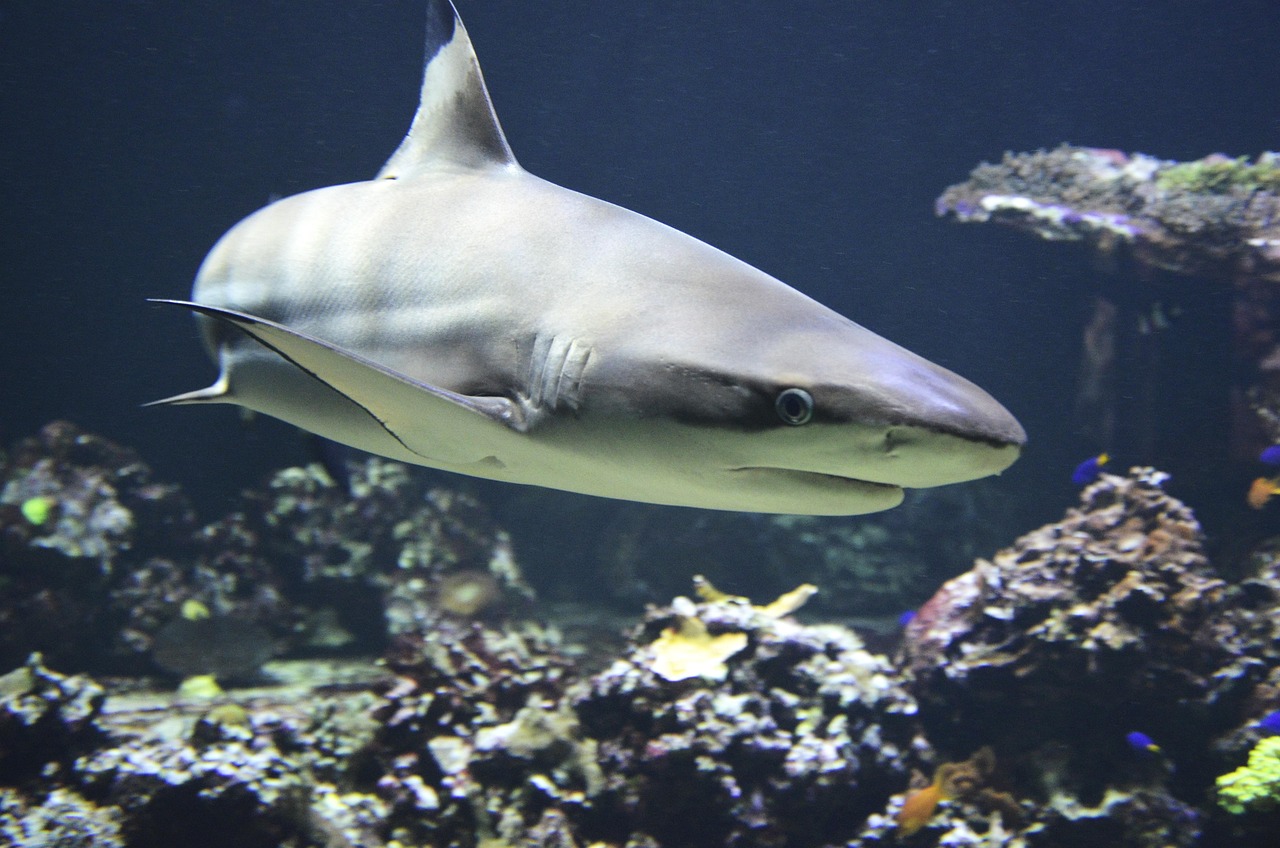
Scientists believe the only explanation is the sharks must have adapted to the tumultuous environment. Scientists believe these sharks may have adapted to detect signs of impending eruptions, allowing them to escape before the volcano unleashes its power.
Ocean waters near volcanic areas often have large underwater communities full of marine life. This makes it an ideal hunting ground for a shark. Volcanoes provide a sort of oasis in the middle of the vast, open water of the ocean. The volcanic activity creates a rich ecosystem that supports diverse marine life, giving sharks abundant food sources.
The Future of Volcanic Shark Research
The presence of these animals in such extreme conditions poses new questions centered on the resiliency of marine animals to rapid changes in their environments and whether these groups have a greater chance of surviving human-induced changes to ocean chemistry. Scientists are still baffled by the specific mechanisms that allow them to do this, but ongoing research aims to provide more insights into their remarkable physiology. Scientists are still working to understand why sharks are drawn to and how they thrive in the extreme conditions of a sharkcano.
This discovery has opened entirely new fields of study. Researchers are now investigating whether these adaptations could help sharks survive climate change and ocean acidification caused by human activities.
Conclusion
The sharks of Kavachi have rewritten our understanding of life’s limits on Earth. These incredible creatures prove that evolution can create solutions to the most extreme challenges our planet has to offer. Their ability to thrive in underwater volcanic environments challenges every assumption we had about marine survival.
As we continue to study these remarkable animals, we’re learning that the ocean’s deepest secrets still have much to teach us. The volcanic sharks of the Pacific remind us that life is far more resilient and adaptable than we ever imagined.
What other impossible survivors might be lurking in the ocean’s most extreme environments? Tell us what you think in the comments.
