

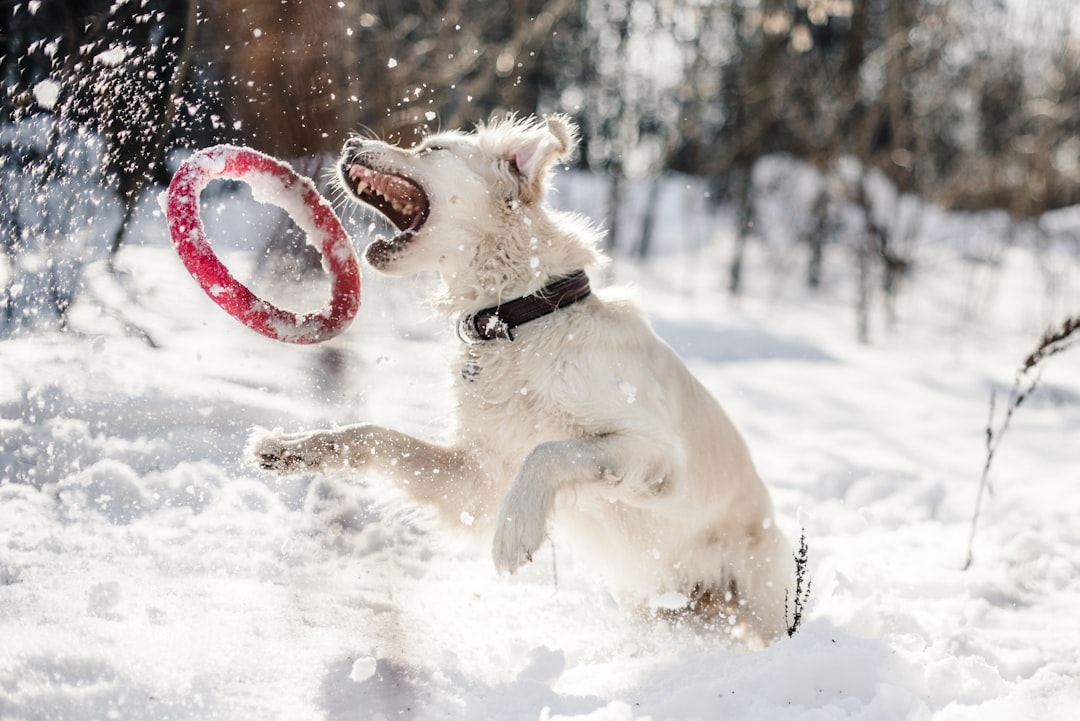

Why Dogs Can’t Resist the Snow (Image Credits: Unsplash)
Winter brings joyful moments for dogs frolicking in fresh powder, but their urge to snap up snow raises questions about safety for pet owners everywhere.
Why Dogs Can’t Resist the Snow
Dogs often devour snow during playtime, drawn by its cool texture and novelty. This behavior stems from instinct; snow provides a refreshing way to quench thirst or simply enjoy the chill on a brisk day. Many owners notice their pets pouncing on flakes with enthusiasm, turning walks into snowy adventures. Experts from pet care organizations like Hill’s Pet explain that this habit mimics natural foraging, where dogs explore their environment through taste.
However, not all snow indulgence poses risks. Healthy adult dogs typically handle small amounts without issue, especially if the snow falls fresh and untouched. Puppies and senior dogs, though, may react differently due to sensitive systems. Owners report that breeds with thick coats, such as Huskies, show less interest in eating snow compared to smaller, short-haired varieties seeking quick hydration.
The Hidden Risks Lurking in Winter Snow
Snow accumulates more than just frozen water; it traps urban pollutants, road salts, and chemical de-icers that seep into the flakes. Veterinary sources, including Diamond Pet Foods, warn that ingesting contaminated snow can lead to gastrointestinal upset or even toxicity from substances like antifreeze residue. Roadside piles, often plowed and mixed with grime, amplify these dangers, exposing dogs to heavy metals or bacteria during winter outings.
Beyond chemicals, excessive snow eating chills the stomach, potentially causing hypothermia in vulnerable pets. Studies referenced in pet health articles highlight how cold ingestion disrupts body temperature regulation, particularly in smaller breeds. Owners in snowy regions have shared experiences of dogs developing mild diarrhea after heavy snow munching, underscoring the need for moderation. Still, clean, freshly fallen snow in rural or park settings carries the lowest risk for most dogs.
Safe Ways to Let Dogs Enjoy Winter Without Worry
Pet experts recommend supervising snow play closely to minimize hazards. Wipe paws and muzzles after outdoor time to remove any irritants, a simple step that prevents ingestion of salts or chemicals tracked indoors. Provide fresh water indoors as an alternative, discouraging the need to lap up snow for hydration during walks.
Consider these practical tips for winter safety:
- Stick to untouched snow in open areas, away from roads or treated paths.
- Limit sessions to short bursts, watching for signs of overexcitement or cold exposure.
- Use booties on paws to shield from ice melt and sharp crystals.
- Opt for leashed walks in urban settings to control access to questionable snow piles.
- Consult a vet for breed-specific advice, especially for dogs with health conditions.
Recognizing Trouble and When to Act
Monitor your dog for symptoms like vomiting, lethargy, or excessive thirst after snow encounters, as these signal possible ingestion issues. In severe cases, such as exposure to toxic de-icers, immediate veterinary attention becomes crucial to flush out harmful substances. Organizations like Dogs Trust emphasize early intervention, noting that most incidents resolve with basic care if caught promptly.
Prevention proves key; educating owners on environmental risks reduces emergency visits. Recent winter advisories from sources like USA Today reinforce checking local weather reports for chemical use in public spaces. By staying vigilant, pet parents ensure snowy fun remains a highlight rather than a health concern.
Key Takeaways
- Clean, fresh snow in small amounts is generally safe for healthy dogs.
- Avoid roadside or treated snow to prevent chemical exposure.
- Always supervise and provide alternatives like water to curb excessive eating.
While snow offers delightful winter play for dogs, balancing enjoyment with caution keeps tails wagging safely through the season – what steps will you take to protect your pet this winter? Share your experiences in the comments.

- Urban Coyotes Show Remarkable Adaptability, Learning to Thrive in City Environments - July 22, 2026
- Beavers Are Nature’s Engineers, Creating Vital Habitats for Other Wildlife Species - July 21, 2026
- The Recovery of the California Condor Offers Hope for Other Critically Endangered Birds - July 21, 2026