

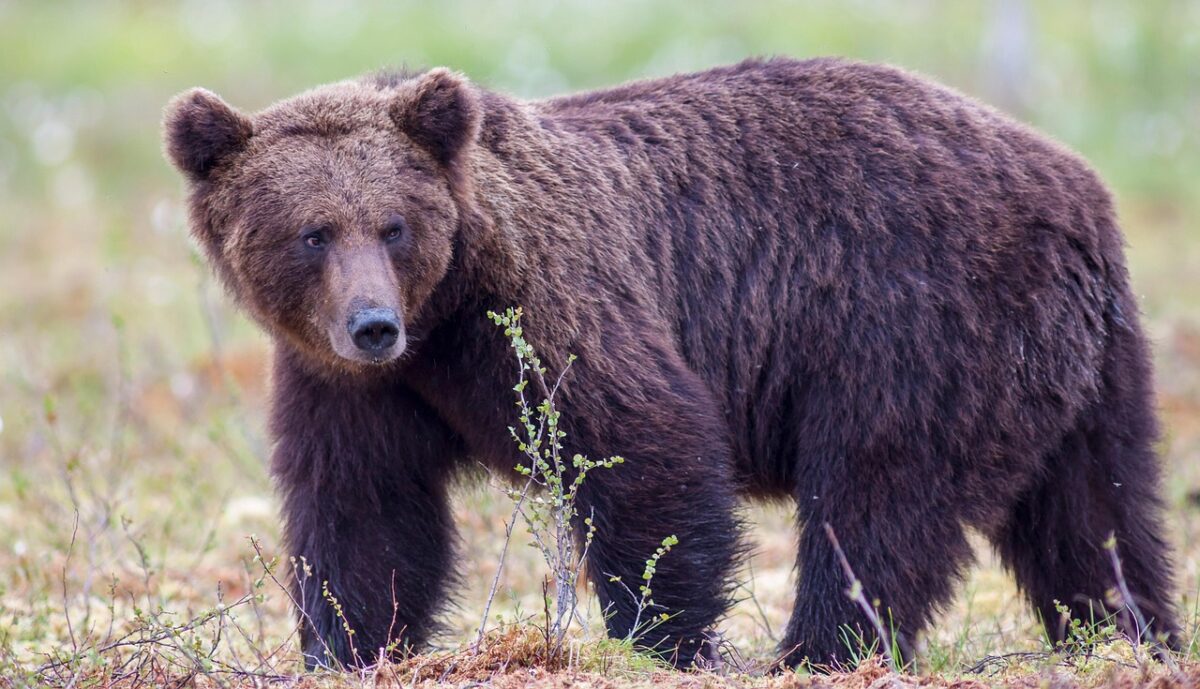
South Korea is poised to bring a decades-old bear bile farming industry to an end at the start of 2026, marking a significant victory for animal welfare advocates and a turning point in the nation’s treatment of captive wildlife. The practice—long condemned for its cruel treatment of Asiatic black bears (moon bears) kept in confinement for bile extraction—will be formally banned beginning January 1, 2026, under revised animal protection laws and a multi-year agreement among government officials, farmers, and activists.
Bear bile, traditionally used in some Asian medicinal treatments, has faced growing scrutiny both domestically and internationally amid concerns about its ethical implications and questionable medicinal value. With the industry shrinking and public awareness rising, South Korea’s government is taking the step of outlawing breeding, possession, and extraction of bile from bears—actions that could result in prison terms of up to five years for violators.
From Expansion to Extinction: The Rise and Fall of a Controversial Industry
Bear bile farming was introduced in South Korea in the early 1980s as a rural economic activity, with bears imported and bred to supply bile for traditional remedies and health products. At its peak, hundreds of bears were kept on farms across the country.
However, over the past two decades, the industry has sharply declined due to dwindling demand, increased availability of medical alternatives, and intensified criticism from animal welfare groups. By late 2025, only about 200 bears remained on 11 farms nationwide.
The Ban: Policy, Penalties, and Timeframes
Under the newly revised Wildlife Protection and Management Act, the breeding and possession of bears for bile extraction is prohibited starting January 1, 2026. Farmers will have a six-month grace period to sell or transfer their animals, and extracting bile after that date carries legal penalties including possible prison sentences of two to five years.
The government has pledged financial support to farmers during this transition period to care for their bears until they are relocated or sold, a move aimed at reducing resistance and ensuring compliance with the new regulations.
Bears in Transition: Sanctuary and Relocation Efforts
As part of the ban’s implementation, animal rights organizations have been collaborating with authorities to purchase and relocate bears to sanctuaries and protection facilities. In 2025, at least 21 bears were relocated to a government-run sanctuary in Jeolla province.
Yet challenges remain: existing sanctuary facilities have limited capacity, and activists warn that expanded or new facilities are needed to care for all the animals once bile farming fully ends. Negotiations continue over compensation and logistics as authorities and welfare groups work to ensure the bears’ future well-being.
Perspectives: Farmers and Advocates
Some farmers, such as Kim KwangSoo—who raises dozens of bears—have expressed concern and disappointment over the ban, citing economic difficulties and the low compensation offered for surrendering their animals. Nevertheless, many say they plan to comply with the law.
Animal rights groups, meanwhile, have applauded the government’s decision, calling it a long-overdue step toward ending cruelty in bear bile farming. They emphasize that ensuring adequate sanctuary space and proper care for the rescued bears should be a top priority as the ban takes effect.
A Global Animal Welfare Watershed
South Korea’s move places it among a growing list of countries taking decisive action against practices that exploit wildlife for traditional remedies. The decision aligns with global trends pushing for better protection of sentient animals and stricter animal welfare standards.
As public awareness grows and ethical concerns take center stage, the end of bear bile farming in South Korea may inspire other nations to reconsider similar industries and shift toward humane, sustainable alternatives.
South Korea’s 2026 ban on bear bile farming marks a major victory for animal welfare advocates and a moral milestone in a country once known for this controversial practice. The law reflects a profound shift in societal values—placing greater emphasis on compassion and scientific alternatives over outdated and cruel traditions. Yet the ban’s success will ultimately be judged by what happens to the bears themselves. It is not enough to outlaw extraction; there must be comprehensive, well-funded sanctuary programs to provide long-term care, rehabilitation, and dignity for these animals whose lives have been shaped by decades of confinement and suffering. This moment should inspire not only celebration but also a renewed commitment to ensuring a future in which animal welfare is upheld not just in law, but in practice.

- Urban Coyotes Show Remarkable Adaptability, Learning to Thrive in City Environments - July 22, 2026
- Beavers Are Nature’s Engineers, Creating Vital Habitats for Other Wildlife Species - July 21, 2026
- The Recovery of the California Condor Offers Hope for Other Critically Endangered Birds - July 21, 2026