
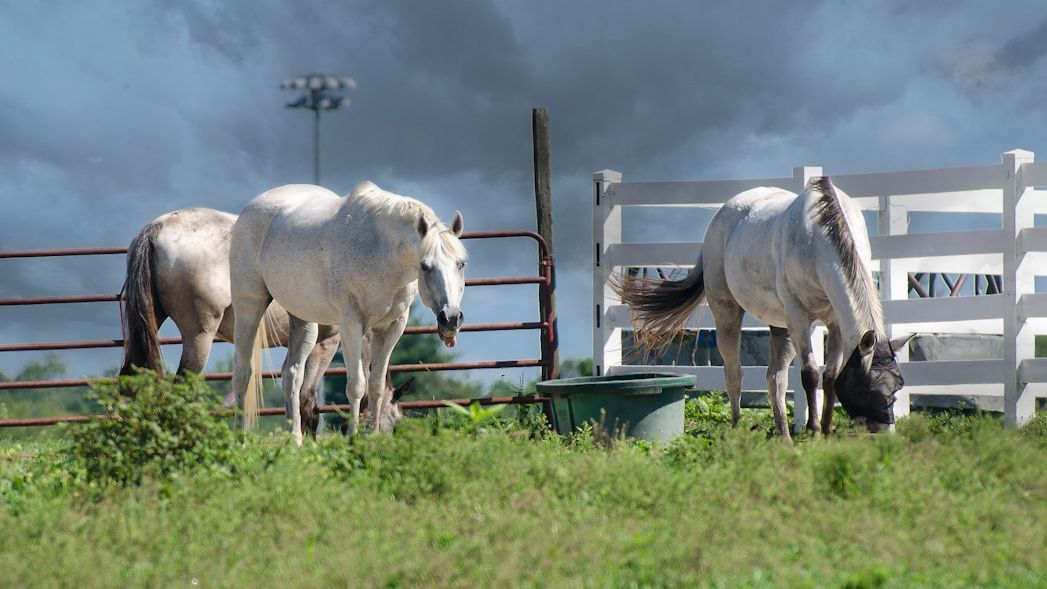
Picture this: the sky suddenly shifts to an unnatural green hue, the air becomes deathly still, and even the birds stop singing. This isn’t the beginning of a science fiction movie – it’s nature’s warning system operating at full throttle. When the sky becomes green, it often signals the most dangerous atmospheric conditions our planet can produce.
Throughout American history, tornado outbreaks have delivered some of nature’s most devastating blows. However, what many people don’t realize is that animals often serve as living barometers, displaying remarkable behavioral changes hours before these atmospheric monsters touch down.
The Science Behind Nature’s Green Warning Light
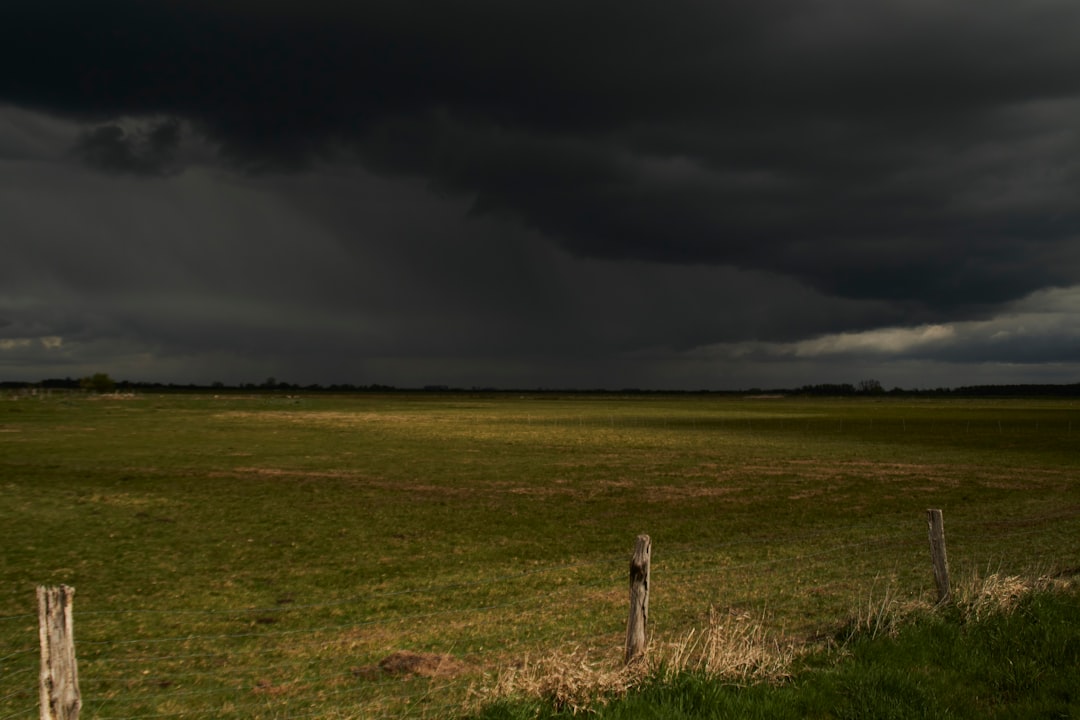
The sheer amount of water in storm clouds is the main reason for that intense green color. Before a tornado hits, thunderstorms often build up massive towers of clouds, filled with rain and hailstones. These dense clouds act like a filter, changing the color of the sunlight that shines through.
VORTEX researchers hypothesized that the eerie hue comes from sunlight beaming through water-filled storm clouds. In the Midwest in particular, tornadoes tend to form later in the day, when the setting sun casts yellow, orange and reddish rays over the sky. The light going through the clouds intersects with water droplets (or potentially hail, a detail the researchers didn’t iron out).
The green sky phenomenon has fascinated meteorologists for decades. Scientists aren’t completely sure why some intense thunderstorms turn the sky green, but research meteorologist Scott Bachmeier at University of Wisconsin-Madison says it could be linked to two factors: the color of the sky late in the day and the amount of rain in the storm.
Though the green coloring captures attention, it’s important to understand that green skies (or lack thereof) don’t mean anything about whether a tornado is coming – and any visual cues that might genuinely suggest an imminent threat are hard to read. Still, when combined with other warning signs, this atmospheric color change becomes part of nature’s complex alert system.
When Silence Speaks Louder Than Thunder
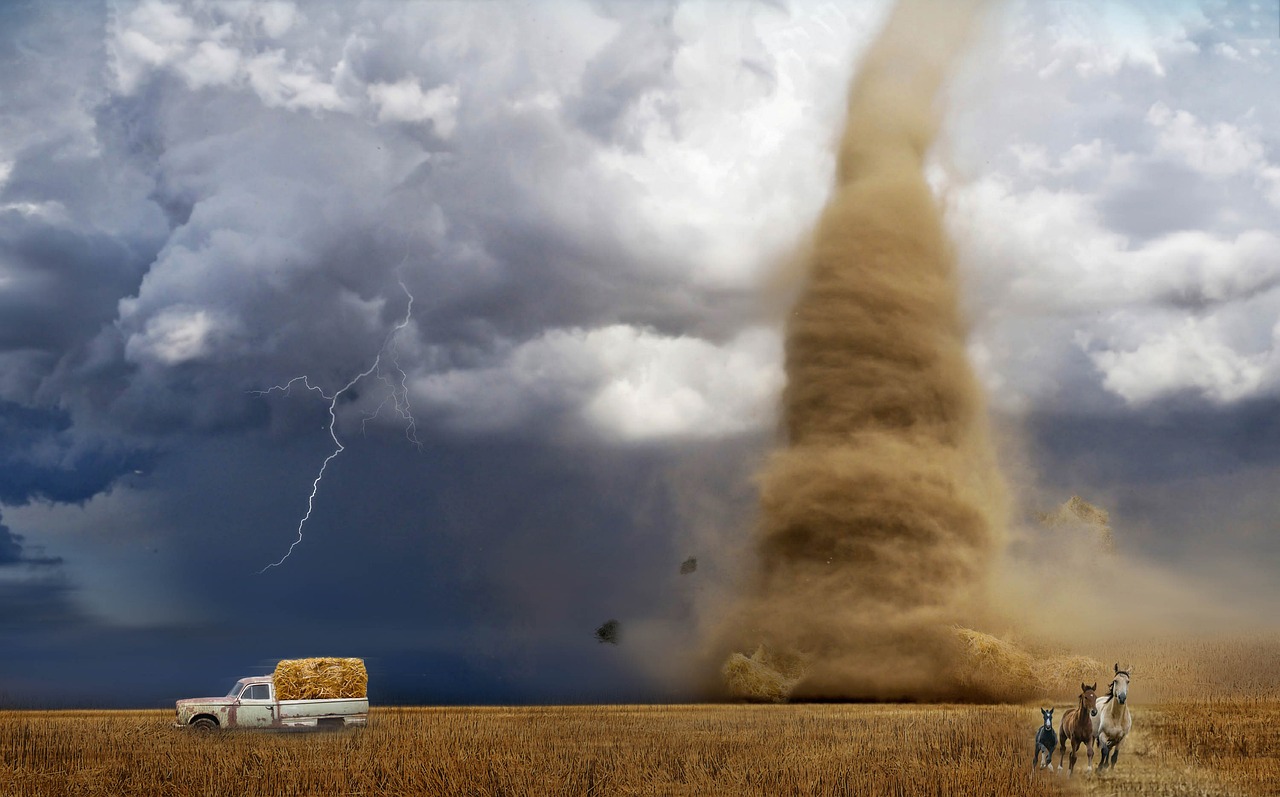
Here’s the ironic twist: right before a tornado, things can get weirdly quiet. No wind. No birds. No rain. Just eerie, unsettling silence. This sudden calm has puzzled both meteorologists and storm survivors alike.
This sudden stillness is due to the storm system’s updraft pulling air upwards, which can stop surface winds. If your surroundings suddenly feel “off,” your instincts might be telling you something: this calm isn’t normal – it’s dangerous.
The air may become strangely still, and birds and animals may act nervous or disappear. This creates an atmosphere of foreboding that many tornado survivors describe as deeply unsettling. The silence before nature’s fury is perhaps more terrifying than the storm itself, because it represents the moment when normal life hangs suspended before chaos erupts.
Dogs: The Four-Legged Weather Stations
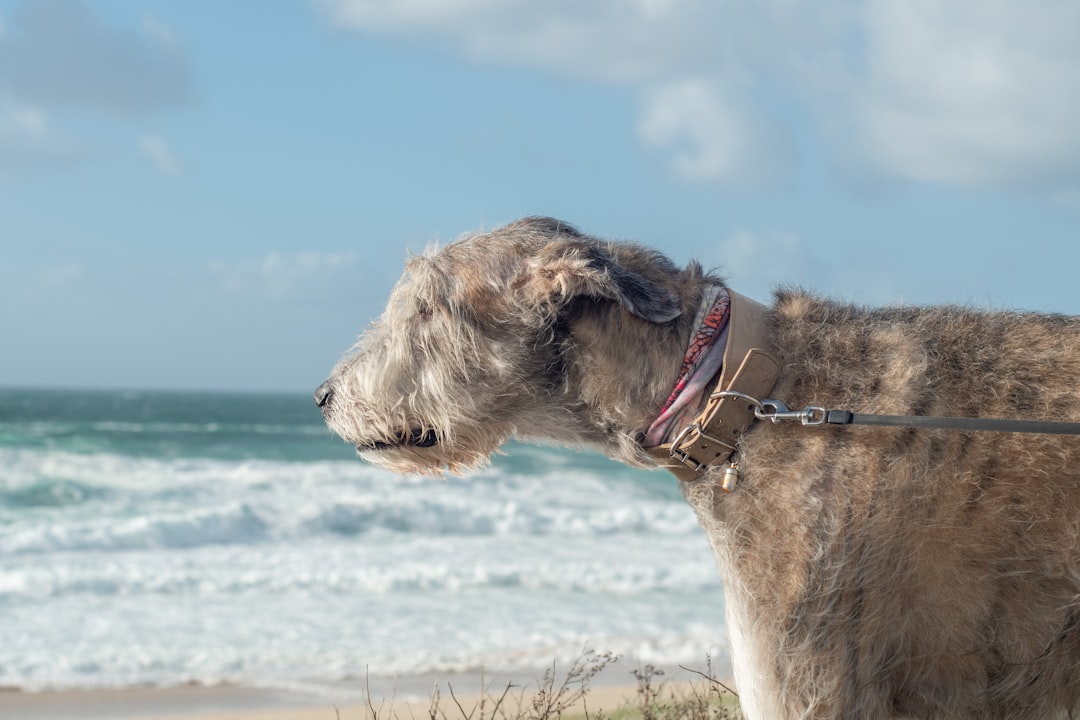
Dogs are able to use all of their senses to predict when a tornado and storm are coming. Your dog can detect small changes in barometric pressure, which changes and charges when a storm is approaching a location – this is what alerts the dog that there is something changing with the pressure in the air.
This could be due to their keen sense of smell and hearing, along with sensitive instincts. Dogs may also sense the change in barometric pressure that comes with storms, causing them to bark, cuddle, or hide in an attempt to seek shelter.
For example, dogs and cats may exhibit anxious or unusual behavior, such as pacing, whining, or hiding, when they sense an approaching storm or tornado. Pet owners often report that their dogs become restless hours before the first weather alerts are issued.
For example, some animals may begin pacing or drooling, become unsettled, and seem uninterested in fun items like toys and treats. Some pets may also start following you around the house but then retreat to a quieter spot once the storm arrives.
Feline Storm Predictors: Cats and Their Mysterious Ways
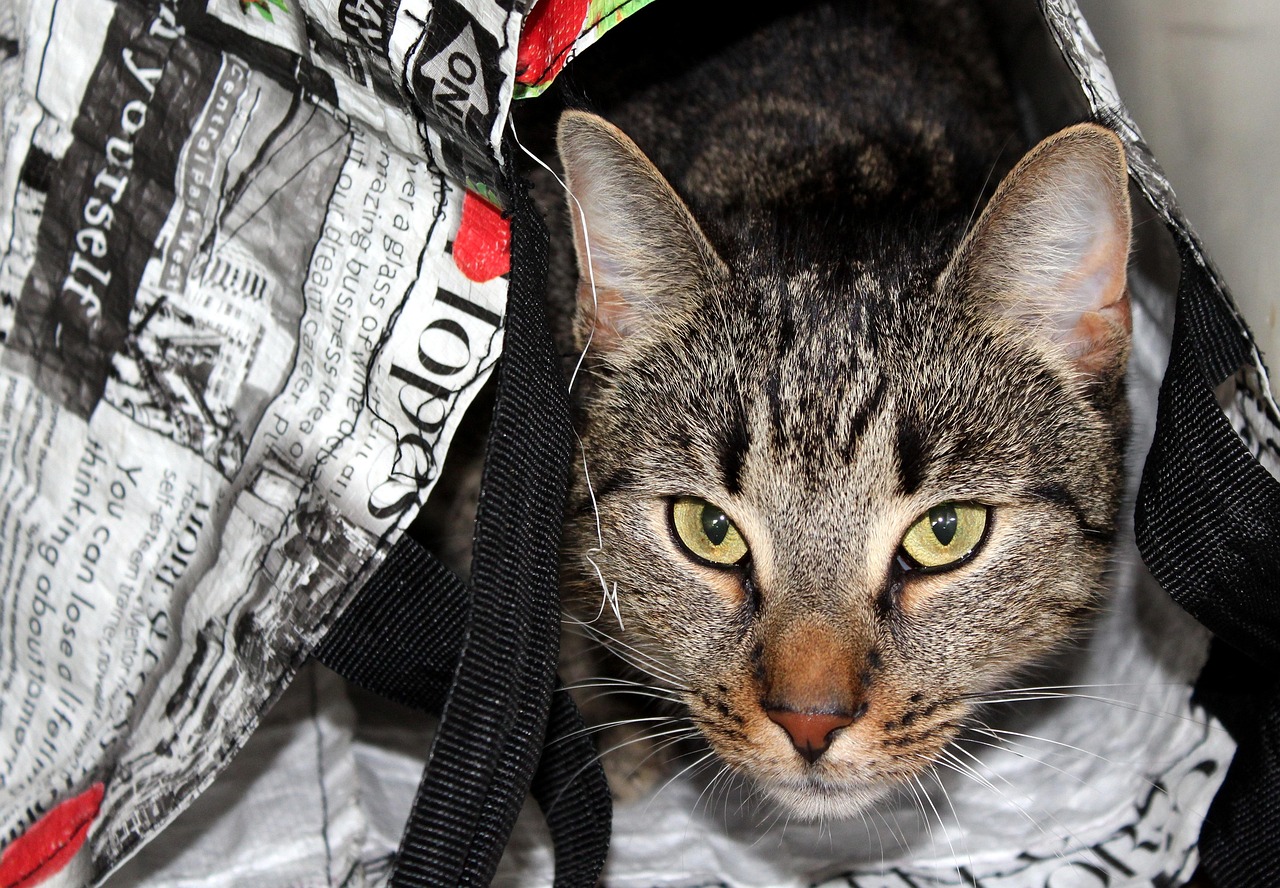
For example, cats and dogs may hide in corners or under furniture and/or become very skittish or nervous. Cats, known for their independence, suddenly become clingy or completely disappear during severe weather events.
Cats are known for behaving unusually before storms, but what is unusual for one cat may not be unusual for another. This makes feline behavior particularly challenging to interpret, yet experienced pet owners often recognize subtle changes in their cats’ routines.
Some dogs become agitated, whining or pacing restlessly, while cats may hide or cling to their owners more than usual. During major tornado outbreaks, veterinarians and animal shelters report increased numbers of missing cats, often because they bolt from homes hours before storms arrive.
If you cannot locate them, they have likely sought shelter nearby because they were able to sense the upcoming storm.
Farm Animals: Nature’s Living Barometers
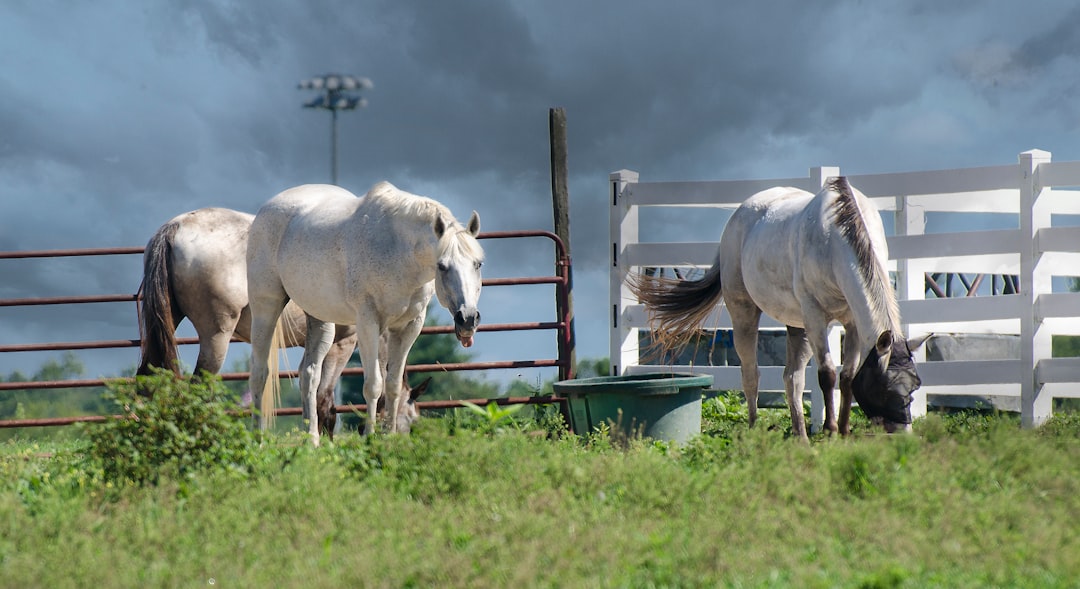
Large mammals, like horses or cattle, may stampede away from the storm while birds may fly away quickly or go quiet before it hits. Farm animals possess an acute sensitivity to atmospheric changes that often amazes their human caretakers.
Our mustangs instinctively head for the pastures during a storm. No one wants to stay inside! This is probably the case with many domestic horses, as well. This behavior contradicts human logic but follows ancient survival instincts.
Cattle will typically head for shelter before a storm, rain, or drastic temperature change. They may also lie down before a rain. Farmers have learned to trust these behavioral cues as reliable weather predictors, sometimes more accurate than meteorological instruments.
Livestock can become injured, displaced or die during tornado situations. This vulnerability makes their pre-storm behaviors even more crucial for farmers to recognize and act upon.
Wildlife’s Survival Symphony
Birds tend to get very quiet before a big storm. If you’ve ever been walking in the woods before a storm, the natural world is eerily silent! This phenomenon extends far beyond domesticated animals.
Birds typically gather in large groups and feed more aggressively before a storm hits. Roosters will often crow before a rainstorm. These behaviors represent millions of years of evolutionary adaptation to severe weather patterns.
There have also been reports of wild animals seeking shelter in caves and other safe havens. Wildlife biologists have documented unusual animal movements hours before major tornado outbreaks, suggesting that entire ecosystems respond to atmospheric pressure changes.
Birds will instinctively hunker down during poor weather, tucking their bills into their feathers, crouching low, and otherwise minimizing their exposure to dangerous conditions. This can help them keep from getting waterlogged or feeling too much blowing wind.
America’s Most Devastating Tornado Outbreaks
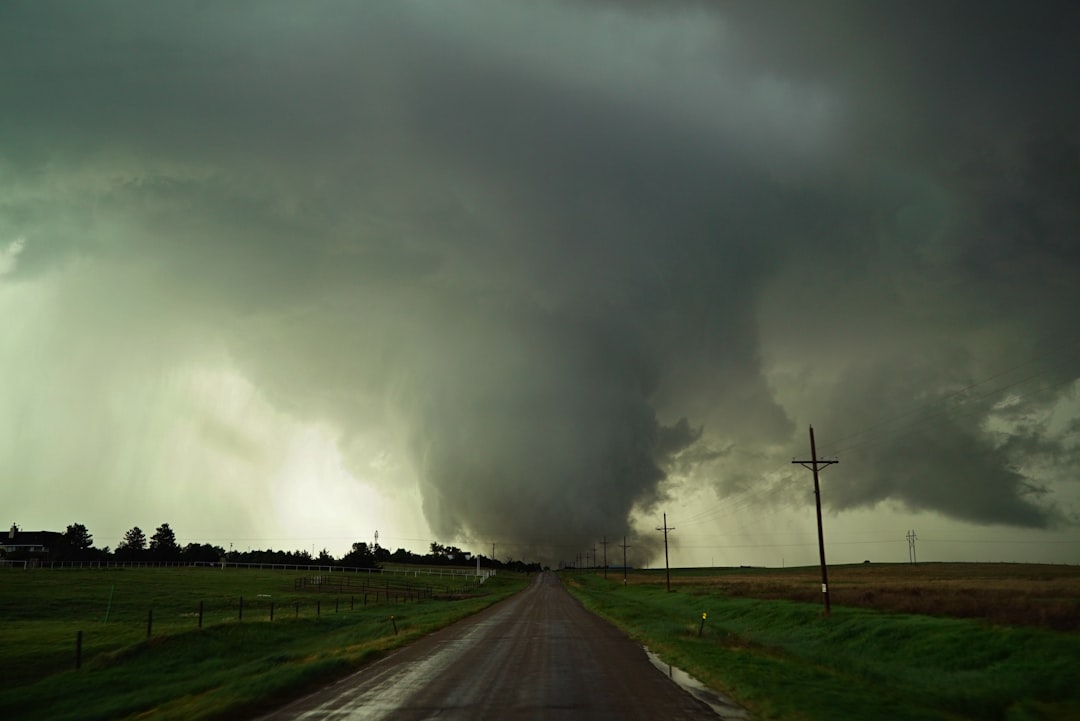
The largest tornado outbreak on record was the 2011 Super Outbreak, with 362 tornadoes and about $11 billion in direct damages. This catastrophic event demonstrated the full spectrum of animal behavioral changes that occur during extreme weather.
It is still known as the “worst tornado outbreak in United States history,” according to the NWS. In just 16 hours, at least 148 tornadoes ravaged 13 states from the Great Lakes to the Gulf of Mexico. The event holds the record for the greatest number of F5 tornadoes in a single day. The violent twisters killed 335 people and injured more than 6,000.
The 1974 Super Outbreak, while surpassed by 2011’s devastation, remains a benchmark for understanding how animals react during massive weather events. Many of the tornadoes moved at speeds exceeding 50 mph, and two in particular followed identical paths, causing more than half of the recorded deaths from the outbreak and striking many communities twice in under an hour.
On March 18, 1925, the deadliest tornado in US history touched down in Missouri and traveled through Illinois and Indiana, leaving a path of destruction over 219 miles long. The Tri-State Tornado, as it became known, killed 695 people and injured over 2,000 others.
The Atmospheric Pressure Connection
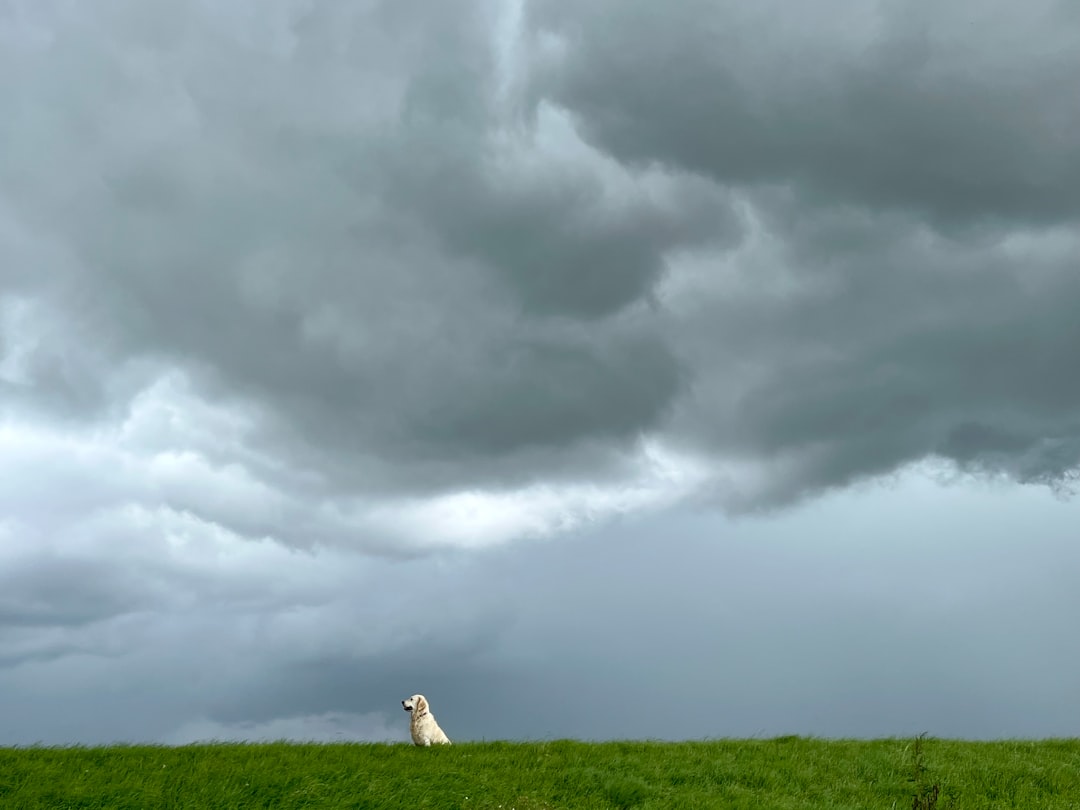
Animals behave erratically; this is due to changes in atmospheric pressure. This scientific understanding helps explain why creatures across all species demonstrate unusual behaviors before severe storms.
Many other species ranging from livestock to wildlife may exhibit certain behaviors when the weather is about to take a turn. These fine-tuned senses are a survival instinct seen across the animal kingdom.
The barometric pressure changes that precede tornado formation create physical sensations that humans typically cannot detect. Animals, however, possess sensory capabilities that allow them to feel these atmospheric shifts long before weather instruments register significant changes.
Ultimately, it’s impossible to know for sure if animals can detect an impending tornado with 100% accuracy, but it’s clear that they can often sense changes in the weather and take steps to protect themselves. By paying attention to their behavior, we may be able to get an early warning of a storm and better prepare ourselves for its arrival.
Lessons from Nature’s Early Warning System
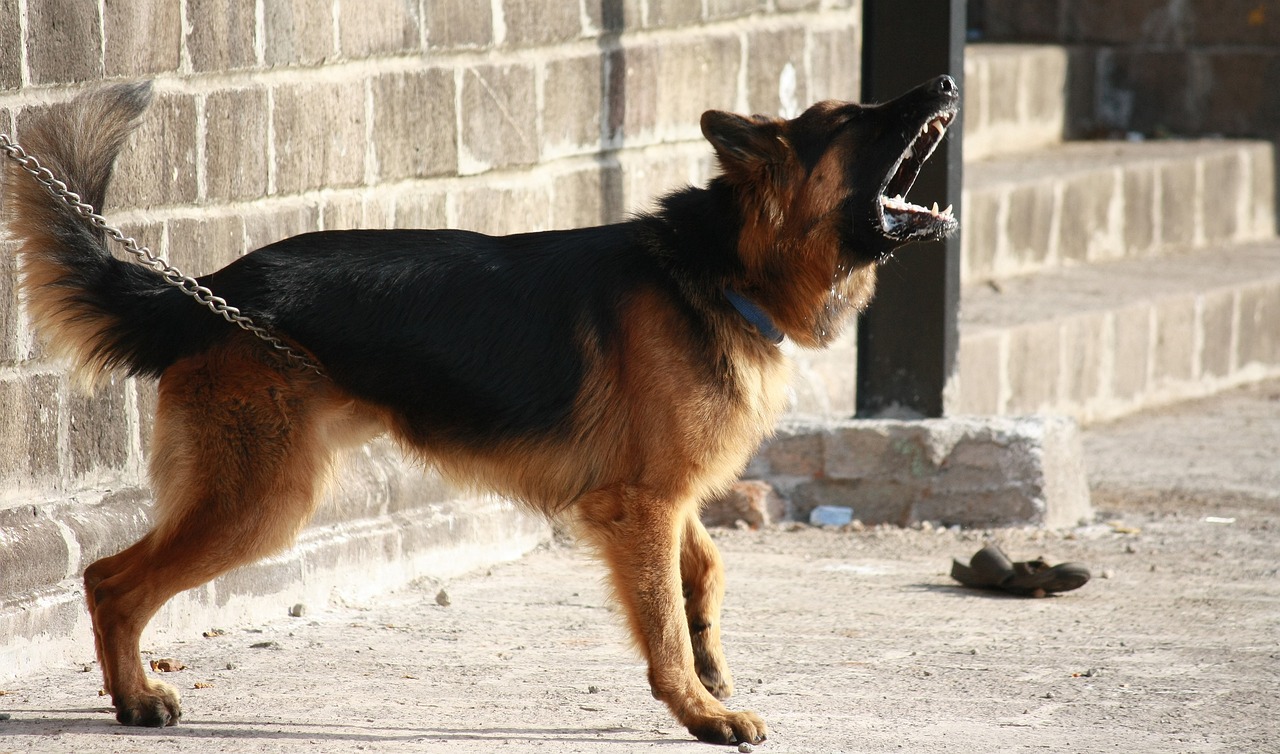
Understanding animal behavior during tornado outbreaks isn’t just fascinating – it could save lives. Right now, the average gap between when meteorologists issue a warning and when the tornado hits is 14 minutes. Animals often display warning behaviors hours before official alerts are issued.
Animals often become frightened and hide during extreme weather. Every few months, practice leashing dogs and crating cats and bringing them calmly to the basement or other location you have identified for tornado safety.
Modern meteorology has made tremendous advances, yet nature’s own warning system – manifested through animal behavior – remains remarkably reliable. Despite worsening weather and more severe storms, in addition to the population in “tornado alley” growing, there are fewer deaths from tornadoes on average. Experts believe this is due to the development of early warning technologies, faster official communication, and people receiving education on what to do in a tornado.
The combination of traditional animal behavior observation with modern meteorological technology creates the most comprehensive early warning system possible. When Mother Nature might not speak English, but she definitely speaks in signs. The next time the sky turns weird or the air goes quiet, don’t ignore it.
The relationship between America’s worst tornado outbreaks and animal behavior reveals nature’s incredible interconnectedness. While we’ve developed sophisticated weather prediction technology, the humble dog hiding under a bed or the cat refusing to leave its carrier might be our most reliable early warning system. Next time you notice your pets acting strangely while storm clouds gather, remember – they might be trying to tell you something important. What would you have guessed about nature’s own meteorologists living right in your home?

- 8 Ways Bobcats Move Through Suburbs Without Being Seen - August 9, 2026
- 7 Reasons Black Bears Return to the Same Food Source - August 9, 2026
- Animal Cognition Says Horses Remember People Who Treated Them Well and Those Who Did Not - August 9, 2026