

For wildlife enthusiasts and nature lovers, witnessing alligators in their natural habitat can be an exhilarating experience. These prehistoric predators, having survived for millions of years, continue to captivate our imagination with their powerful presence and primordial mystique. While spotting wildlife is never completely guaranteed, certain locations have such robust alligator populations that sightings are virtually assured during the right seasons. From the swampy wilderness of Florida’s Everglades to the bayous of Louisiana, there are numerous destinations across the United States and beyond where visitors can safely observe these magnificent reptiles in their natural environments. This guide explores the most reliable locations for alligator encounters, providing essential information on the best times to visit, viewing opportunities, safety considerations, and the ecological significance of these apex predators in their respective ecosystems.
The Everglades National Park: Florida’s Alligator Haven
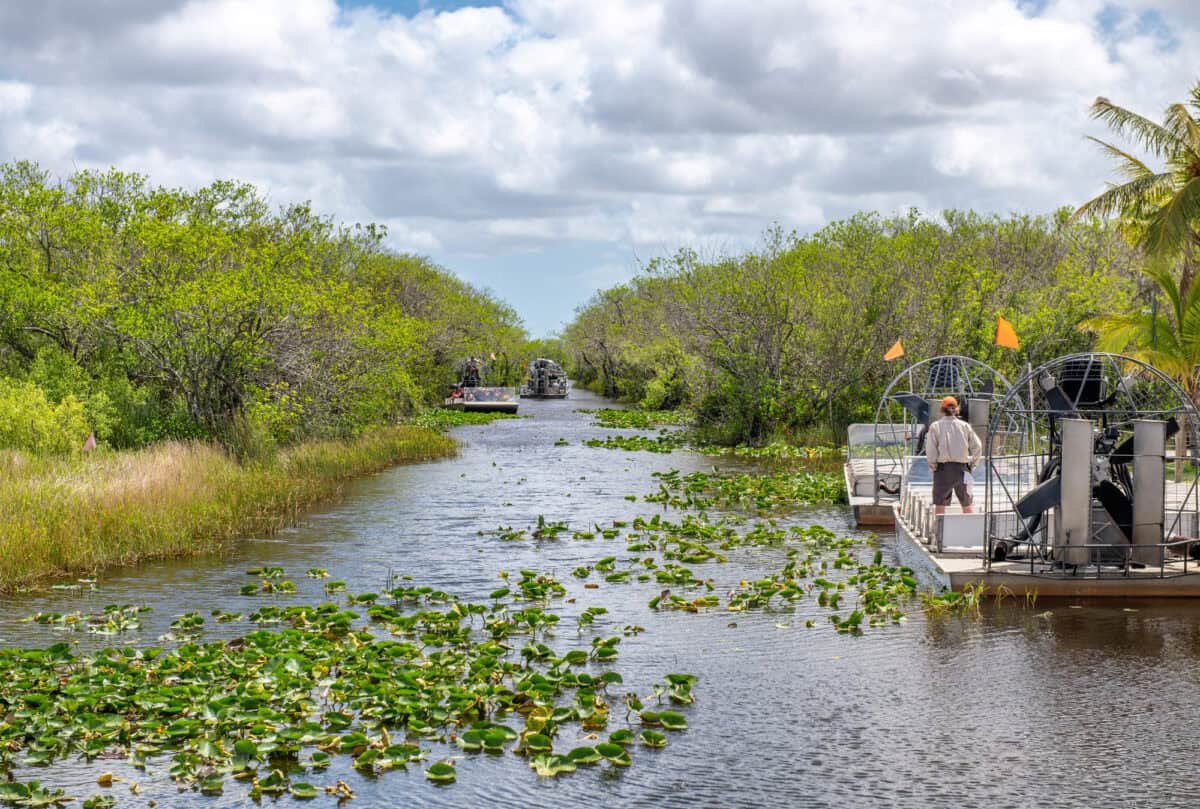
The Everglades National Park in southern Florida stands as perhaps the most renowned alligator-viewing destination in the United States. This vast subtropical wilderness spanning 1.5 million acres serves as home to one of the largest alligator populations in the world, with estimates suggesting over 200,000 alligators inhabit this unique ecosystem. The park’s freshwater sloughs, sawgrass marshes, and mangrove forests provide ideal habitats for these reptiles, making sightings almost guaranteed, particularly during the dry season from December through April when alligators concentrate around remaining water sources.
Visitors can explore the park through various means, including airboat tours, tram tours at Shark Valley, or walking along the Anhinga Trail, which consistently ranks as one of the most reliable spots for alligator sightings. The raised boardwalks allow safe viewing of alligators sunning themselves along the banks or floating in the water with just their eyes and snouts visible. For an even more immersive experience, the 15-mile Shark Valley bicycle loop offers numerous opportunities to spot these prehistoric creatures at remarkably close range from the safety of the paved path.
St. Augustine Alligator Farm: Florida’s Historic Reptile Attraction

For those seeking guaranteed alligator sightings in a more controlled environment, the St. Augustine Alligator Farm Zoological Park offers an exceptional experience. Established in 1893, it’s one of Florida’s oldest continuously operating attractions and the only facility in the world exhibiting all 24 recognized species of crocodilians. The park houses thousands of alligators, including Maximo, a massive 15-foot, 1,250-pound saltwater crocodile that draws visitors from around the globe. What makes this destination particularly special is its natural rookery, where wild birds nest above alligator exhibits – a remarkable example of natural bird behavior in a zoo setting.
Beyond simple viewing, the Alligator Farm offers educational shows, feeding demonstrations, and the thrilling “Crocodile Crossing” zipline course that allows visitors to soar above the alligator habitats. For photographers, the boardwalks through the rookery provide unparalleled opportunities to capture images of alligators in settings that closely mimic their natural environment. The park’s conservation efforts and educational programs also provide valuable context about alligator biology, behavior, and their ecological importance.
Okefenokee Swamp: Georgia’s Prehistoric Wilderness

Straddling the Georgia-Florida border, the Okefenokee Swamp encompasses approximately 438,000 acres of pristine wetland wilderness and hosts a thriving alligator population. As one of the oldest and most well-preserved freshwater ecosystems in America, this “Land of the Trembling Earth” (the meaning of its Native American name) provides sanctuary for thousands of alligators amid its blackwater channels, cypress forests, and floating peat islands. The swamp’s relatively untouched nature makes it an exceptional location for witnessing alligator behavior in truly wild settings.
Visitors can access the swamp through three main entrances: the Suwannee Canal Recreation Area (east), Stephen C. Foster State Park (west), and the Okefenokee Swamp Park (north). Guided boat tours are available at all three entrances, while canoe and kayak rentals allow more adventurous travelers to explore the water trails independently. The best viewing opportunities typically occur during spring and fall when moderate temperatures bring alligators out to bask in the sun. The western entrance at Stephen C. Foster State Park is particularly noted for its abundant alligator population and has been designated as a Gold-Tier International Dark Sky Park, combining exceptional wildlife viewing with outstanding stargazing opportunities.
Alligator River National Wildlife Refuge: North Carolina’s Alligator Frontier

Representing the northernmost range of the American alligator, the Alligator River National Wildlife Refuge in eastern North Carolina offers visitors a chance to see these reptiles at the edge of their natural distribution. This 152,000-acre refuge contains a diverse mix of wetland habitats, including pocosin (shrub bog), Atlantic white cedar swamps, freshwater marshes, and hardwood forests. While alligators are less numerous here than in southern locations, their presence is significant as they have adapted to survive in an environment that occasionally experiences freezing temperatures – a testament to the species’ remarkable adaptability.
The refuge offers several wildlife drive routes and paddling trails where alligators can be observed. The Buffalo City Road and Sandy Ridge Wildlife Trails are particularly promising for alligator sightings, especially on sunny days when they emerge to bask. The best viewing times are typically late spring through early fall, with May and September offering optimal combinations of alligator activity and comfortable temperatures for visitors. The refuge also provides guided canoe tours during summer months, where knowledgeable naturalists help spot wildlife and explain the unique ecology of this transitional habitat between temperate and subtropical regions.
Honey Island Swamp: Louisiana’s Pristine Wetland

Located in the eastern part of Louisiana near the Mississippi border, Honey Island Swamp represents one of the most pristine river swamps in the United States. This 70,000-acre wildlife area within the Pearl River Wildlife Management Area harbors a healthy alligator population amid its cypress-tupelo swamps, bottomland hardwoods, and marsh. The swamp’s relatively untouched condition (it has never been logged or significantly altered by human activity) creates an exceptional habitat for wildlife viewing in settings that have remained largely unchanged for centuries.
Guided boat tours provide the primary means of exploring Honey Island Swamp and offer excellent opportunities for alligator sightings. Local guides are skilled at locating alligators and often maintain relationships with certain individuals through responsible feeding practices during tours. The intimate scale of the swamp’s waterways means visitors often get closer views of alligators than at larger destinations. Beyond alligators, the swamp is home to numerous other wildlife species, including river otters, wild boars, various waterfowl, and according to local legend, the “Honey Island Swamp Monster” – adding an element of mystery to an already atmospheric destination. Peak viewing seasons run from April through October, with early morning tours typically offering the best wildlife activity.
Brazos Bend State Park: Texas’ Alligator Paradise

Located just 45 minutes from downtown Houston, Brazos Bend State Park offers some of the most accessible and reliable alligator viewing opportunities in Texas. This 5,000-acre park encompasses a diverse landscape of bottomland hardwood forests, wetlands, and prairie, with oxbow lakes and the Brazos River providing ideal alligator habitat. The park’s population of American alligators is estimated at several hundred individuals, with concentrations high enough that multiple sightings during a single visit are virtually guaranteed during warm months.
The park features well-maintained trails circling Elm Lake, 40-Acre Lake, and Creekfield Lake, all of which are prime alligator viewing areas. The Creekfield Lake Nature Trail includes an accessible boardwalk with interpretive exhibits about the park’s ecosystem. Rangers regularly lead informative alligator talks and walking tours, providing insight into these fascinating reptiles. Unlike more remote destinations, Brazos Bend combines exceptional wildlife viewing with amenities like camping facilities, picnic areas, and a nature center with exhibits and live animal displays. For photographers, the juxtaposition of alligators against seasonal wildflowers and migratory birds creates stunning visual opportunities, particularly in spring and fall.
Jean Lafitte National Historical Park and Preserve: Louisiana’s Cultural Wetland
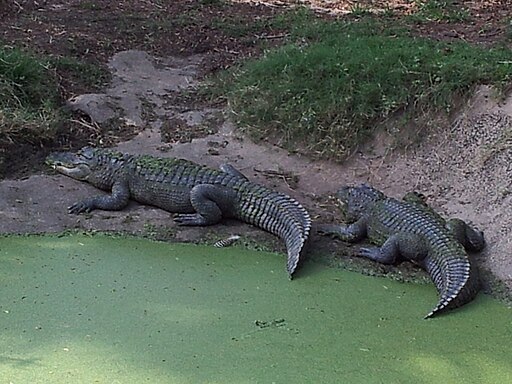
The Barataria Preserve section of Jean Lafitte National Historical Park and Preserve, located just south of New Orleans, offers visitors a combination of natural and cultural history alongside excellent alligator viewing opportunities. This 23,000-acre wetland preserve contains flotant (floating marsh), baldcypress swamp, and bottomland hardwood forest that support a robust alligator population. The proximity to New Orleans (just 30 minutes from the French Quarter) makes it an accessible option for tourists looking to incorporate wildlife viewing into an urban vacation.
The preserve features over 8 miles of boardwalks and hard-surfaced trails that wind through various wetland habitats, with the Bayou Coquille Trail and Marsh Overlook Trail being particularly productive for alligator sightings. Ranger-led walks provide fascinating context about the region’s natural and cultural history, including the influence of Cajun and Creole cultures on the landscape. Unlike many swamp destinations that are primarily accessible by boat, Jean Lafitte allows visitors to explore independently on foot, moving at their own pace and lingering at wildlife viewing areas. The preserve is particularly beautiful in late fall when temperatures moderate and fall colors briefly appear in the hardwood forests alongside the ever-present alligators.
Big Cypress National Preserve: Florida’s Expansive Wetland
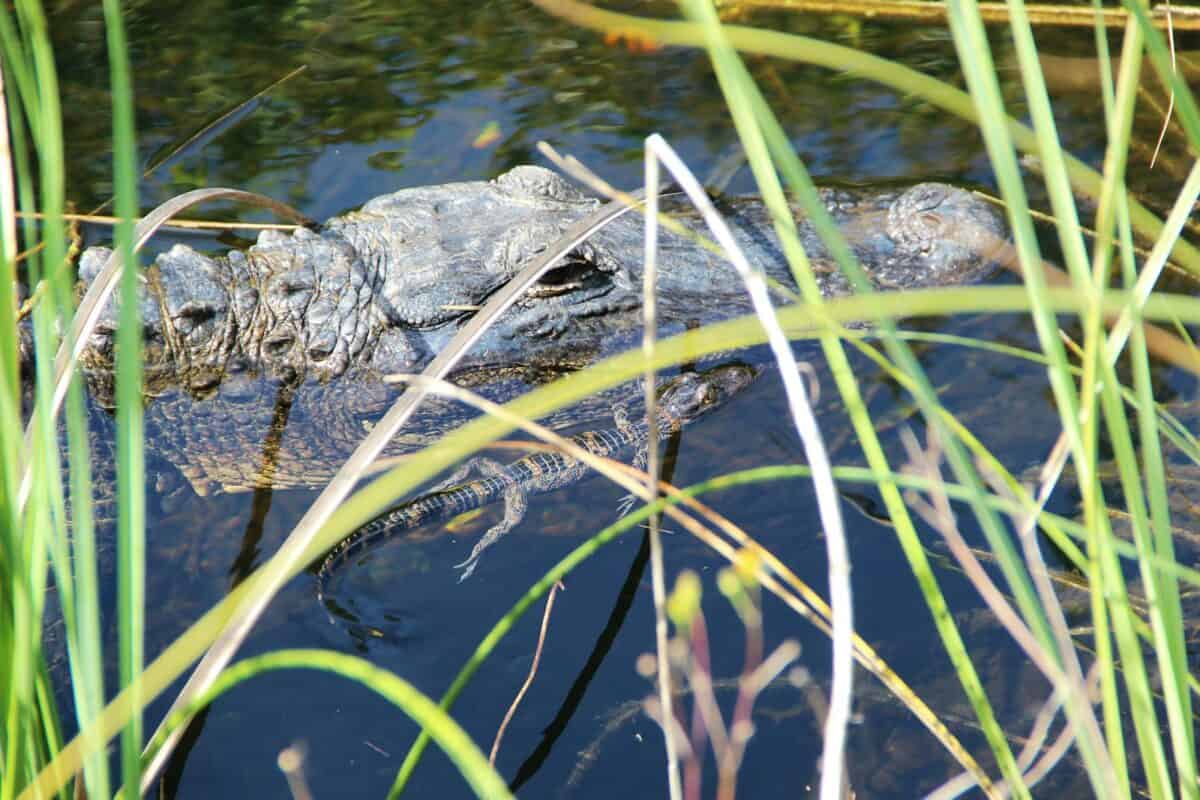
Adjacent to the northern boundary of Everglades National Park, Big Cypress National Preserve protects 729,000 acres of crucial freshwater swamp that helps sustain the larger Everglades ecosystem. While receiving fewer visitors than its famous neighbor, Big Cypress offers equally impressive alligator viewing opportunities in a less crowded setting. The preserve’s varied landscape of cypress swamps, wet prairies, and pinelands supports a thriving alligator population year-round, with particularly high concentrations during the dry season (December through April) when animals gather at permanent water sources.
The Loop Road, an unpaved scenic drive through the heart of the preserve, ranks among South Florida’s premier wildlife viewing routes, with alligators frequently observed in roadside canals and ponds. The H.P. Williams Roadside Park along US-41 (Tamiami Trail) offers a reliable alligator viewing platform overlooking a scenic canal. For those seeking a more immersive experience, guided swamp walks led by park rangers allow visitors to wade into the shallow waters of the cypress domes – a unique perspective on this ancient ecosystem. The preserve also contains portions of the Florida National Scenic Trail, providing hikers with opportunities to spot alligators from the elevated dry ground of the trail.
Myakka River State Park: Florida’s Wild River Ecosystem
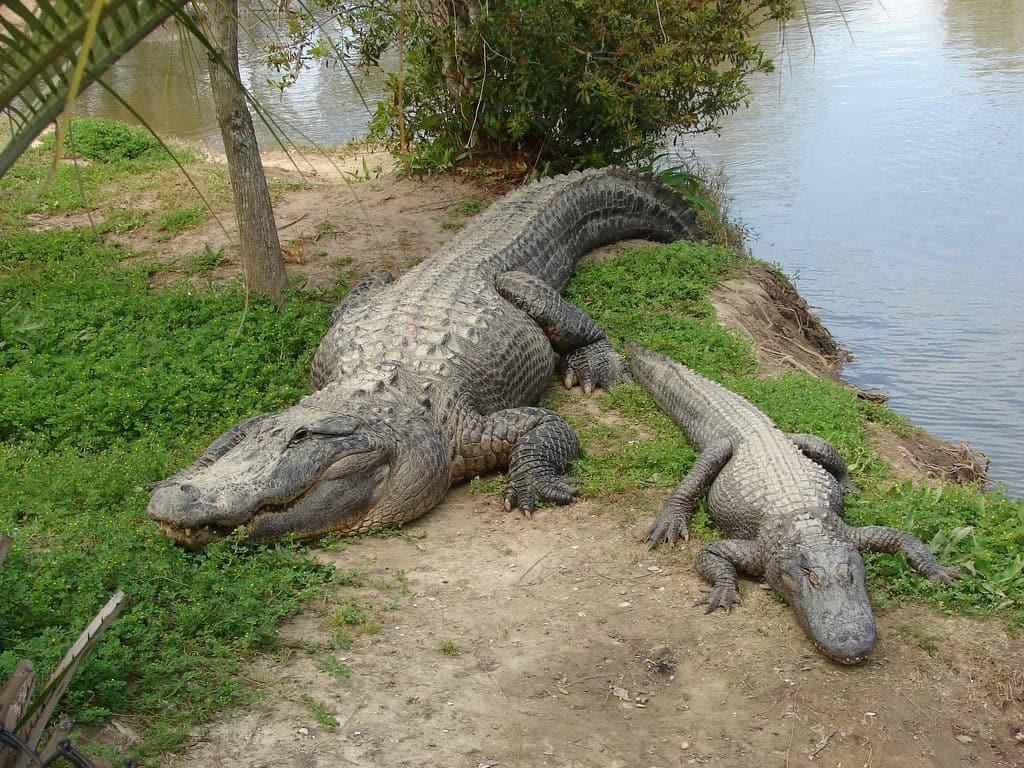
One of Florida’s oldest and largest state parks, Myakka River State Park protects 37,000 acres of diverse wetlands, prairies, and woodlands about 30 minutes southeast of Sarasota. The park’s centerpiece is the wild and scenic Myakka River, which winds through the property for 12 miles, creating ideal alligator habitat in its slow-moving waters and adjacent wetlands. During winter dry seasons, hundreds of alligators concentrate in the park’s lakes, making for spectacular viewing from safe distances.
The park offers multiple ways to observe alligators, including the “Gator Gal” airboat tours on Upper Myakka Lake and guided tram tours through the backcountry. A particular highlight is the park’s canopy walkway, which suspends visitors 25 feet above the ground and includes a 74-foot observation tower providing panoramic views of wetlands where alligators can often be spotted from above. The concession rents canoes and kayaks for independent exploration, though paddlers should maintain appropriate distances from wildlife. The best viewing typically occurs from December through May when lower water levels concentrate wildlife and comfortable temperatures draw visitors and alligators alike into the open.
Anahuac National Wildlife Refuge: Texas Coastal Alligator Habitat

Located along the upper Texas coast near the Louisiana border, Anahuac National Wildlife Refuge encompasses 34,000 acres of coastal marsh and prairie that provide habitat for a substantial alligator population. The refuge’s mixture of fresh, intermediate, and brackish marshes supports hundreds of American alligators that can be observed year-round, with particularly high concentrations during spring breeding season. The relatively open landscape of the refuge often allows for unobstructed viewing of these impressive reptiles basking along water edges or swimming through the marsh channels.
The Shoveler Pond Boardwalk and the adjacent auto tour route offer excellent opportunities for safe alligator observation, often with minimal crowds compared to more famous destinations. Spring brings the added bonus of alligator courtship behaviors, including their distinctive bellowing calls that can be heard across the marsh. Birders appreciate the combination of alligator sightings with exceptional birding opportunities, as the refuge hosts over 300 bird species throughout the year. The visitor center provides orientation and informative displays about the ecology of coastal wetlands and their inhabitants, while staff can direct visitors to recent alligator sightings.
Corkscrew Swamp Sanctuary: Florida’s Ancient Cypress Preserve
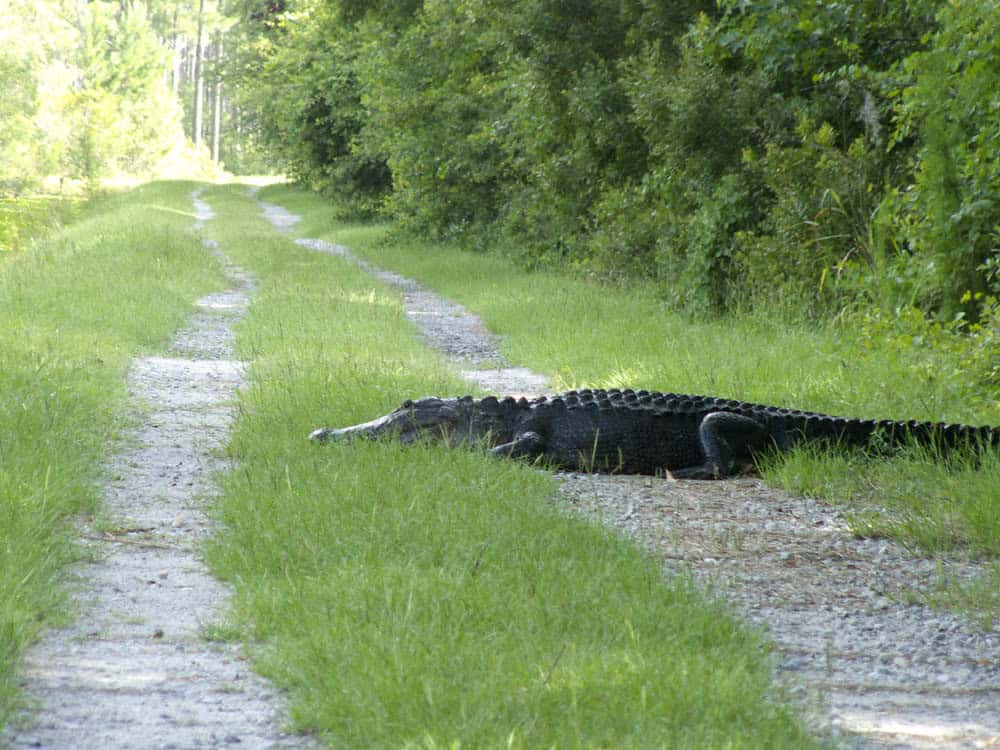
Administered by the National Audubon Society, Corkscrew Swamp Sanctuary protects the largest remaining stand of old-growth bald cypress forest in North America, creating a primeval setting for wildlife observation just 30 minutes east of Naples, Florida. The sanctuary’s 13,000 acres include diverse wetland habitats ranging from wet prairie to marsh and cypress forest, supporting a healthy alligator population that can be viewed safely from the sanctuary’s 2.25-mile boardwalk. The elevated wooden path winds through multiple habitats, allowing visitors to spot alligators in various environments, from open water to densely vegetated swamp.
What makes Corkscrew particularly special is the combination of alligator viewing with the awe-inspiring experience of walking among ancient cypress trees, some over 500 years old and 130 feet tall. The sanctuary’s emphasis on conservation and education provides context for understanding alligators’ role in this complex ecosystem. Unlike many wildlife viewing destinations, Corkscrew maintains a serene atmosphere with strict visitor protocols that prioritize the natural experience. Early morning visits offer the best wildlife activity and magical lighting conditions as sunbeams filter through the cypress canopy, occasionally illuminating alligators resting below in dappled patterns of light and shadow.
International Destinations: Beyond U.S. Borders

While American alligators are limited to the southeastern United States, travelers seeking similar reptile encounters can find remarkable opportunities abroad. The Pantanal region of Brazil, the world’s largest tropical wetland, offers exceptional viewing of yacare caimans, close relatives of alligators that gather by the thousands along riverbanks during the dry season (July to October). Specialized lodges throughout the region provide boat safaris and walking tours with experienced guides who can safely navigate this caiman-rich environment while also pointing out jaguars, giant otters, and extraordinary birdlife.
In Australia’s Northern Territory, Yellow Water in Kakadu National Park provides reliable sightings of saltwater crocodiles, the world’s largest reptile. These massive predators, which can exceed 20 feet in length, are observed from the safety of guided cruise boats that ply the Yellow Water Billabong, particularly during the dry season from May to October. For an even more accessible international option, Mexico’s Sumidero Canyon National Park, just outside the colonial city of Chiapas, features boat tours along the Grijalva River where American crocodiles bask on sandbars beneath towering 3,000-foot canyon walls, combining spectacular geology with remarkable reptile viewing.
Planning Your Alligator Adventure: Essential Tips and Considerations

Successfully viewing alligators in the wild requires understanding their behavior and habitat preferences. These cold-blooded reptiles are most active and visible during moderate temperatures – typically spring and fall in southern regions – when they need to bask to regulate their body temperature. Early mornings often provide the best viewing opportunities as alligators emerge to soak up the sun after a cooler night. Look for them along the edges of swamps, rivers, and marshes, where they often rest on logs or float just beneath the water’s surface with only their eyes and snouts visible. For safety, always maintain a respectful distance—at least 30 feet—and never attempt to feed or provoke them. Whether you’re exploring by kayak, guided tour, or boardwalk, being prepared with binoculars, insect repellent, and knowledge of local regulations can make your alligator adventure both thrilling and safe.

- The Oldest Living Mammal Ever Recorded - August 2, 2026
- The World’s Most Infamous Shark-Infested Beaches - August 1, 2026
- The Leafy Sea Dragon: Nature’s Master of Underwater Camouflage - August 1, 2026