


Witnessing sea turtles nesting or tiny hatchlings making their first journey to the ocean is one of nature’s most magical experiences. These ancient mariners have been following the same ritualistic patterns for over 100 million years, yet today all seven species of sea turtles are classified as either threatened or endangered. America’s coastlines provide crucial nesting habitat for several species, including loggerheads, green turtles, leatherbacks, and the critically endangered Kemp’s ridley. From Florida’s extensive coastline to Hawaii’s tropical beaches, these remarkable reptiles return to their natal shores each year, creating unforgettable opportunities for wildlife enthusiasts to observe one of nature’s most remarkable spectacles. This guide explores the best locations across America to witness sea turtles nesting and hatching, complete with seasonal information, viewing guidelines, and conservation initiatives that protect these magnificent creatures.
Understanding Sea Turtle Nesting Season in America

Sea turtle nesting in the United States follows seasonal patterns that vary by region and species. Along the Atlantic and Gulf coasts, nesting season typically begins in May and extends through October. Loggerhead turtles, the most common nesters on the U.S. mainland, generally lay eggs between May and August, with hatchings occurring approximately 45-70 days later. Green turtles and leatherbacks also nest during this period, though less frequently. The rare Kemp’s ridley turtles primarily nest during daylight hours between April and June, most commonly in Texas.
In Hawaii and other Pacific territories, green sea turtles (honu) and hawksbills (honu’ea) nest year-round, though peak season runs from June through September. Understanding these seasonal patterns is crucial for planning a successful turtle viewing experience. Conservation organizations and state wildlife agencies often provide updated information on nesting activity, allowing visitors to time their trips accordingly. Remember that sea turtle nesting is weather-dependent and can vary slightly from year to year based on ocean temperatures and other environmental factors.
Florida’s Atlantic Coast: A Premier Nesting Destination

Florida’s Atlantic coastline hosts one of the largest concentrations of nesting sea turtles in the United States, with approximately 90% of all loggerhead nesting in the U.S. occurring here. Beaches from Melbourne to Jupiter are particularly productive, comprising the 20-mile stretch known as the Archie Carr National Wildlife Refuge. This protected area hosts approximately 1,000 to 13,000 loggerhead nests annually, along with hundreds of green turtle nests and dozens of leatherback nests, making it the most important nesting habitat for loggerhead turtles in the Western Hemisphere.
Several coastal communities offer guided turtle walks during peak nesting season (June and July), including Melbourne Beach, Cocoa Beach, and Juno Beach. The Loggerhead Marinelife Center in Juno Beach provides educational programs and guided experiences that allow visitors to witness nesting females under the supervision of trained naturalists. In Sebastian Inlet State Park, the Florida Department of Environmental Protection conducts nighttime turtle walks where participants may observe massive loggerheads laying eggs. These programs typically require advance registration and fill up quickly, so planning ahead is essential.
Gulf Coast Nesting Sites: Texas to Florida
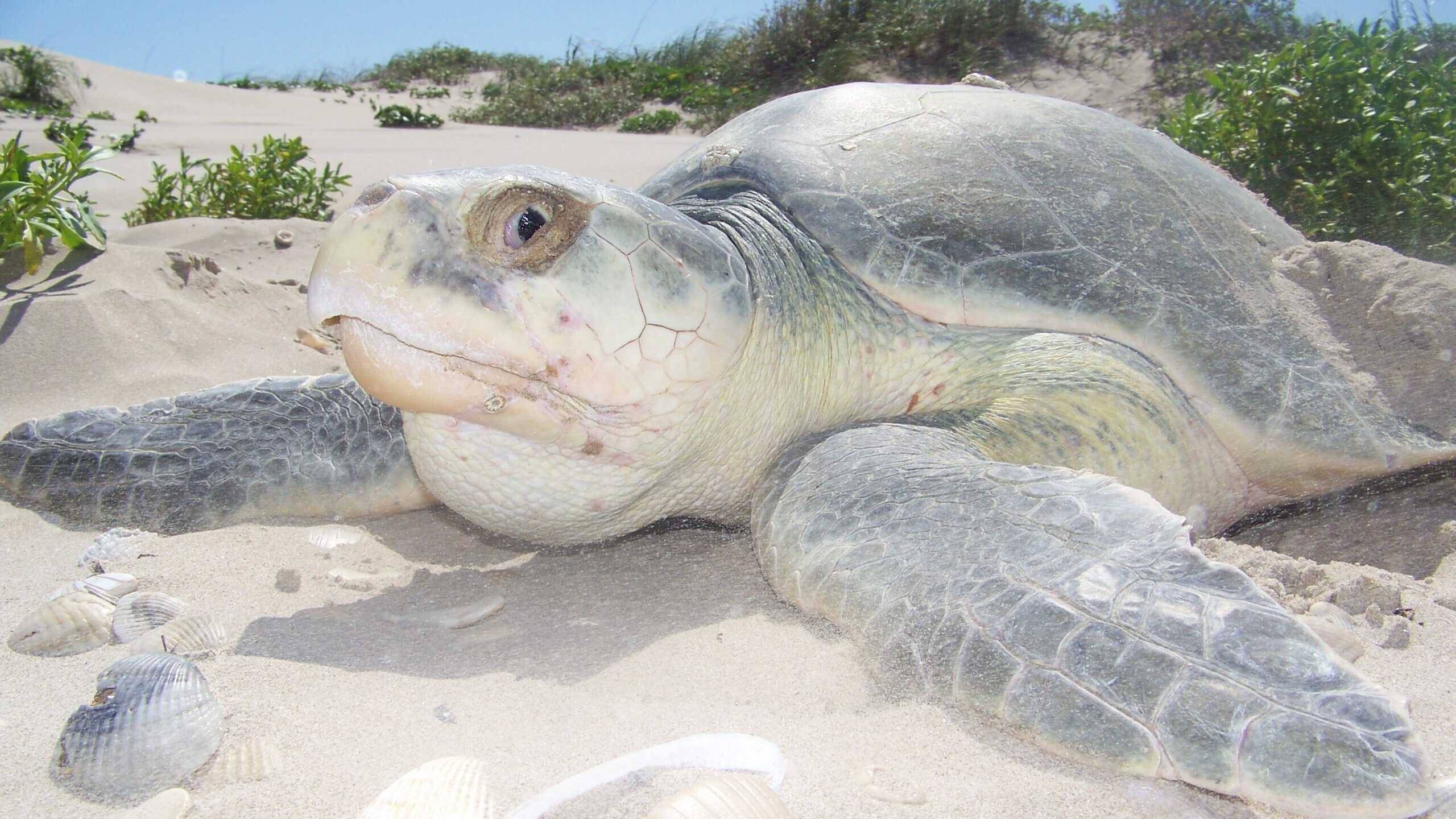
The Gulf of Mexico coastline provides crucial nesting habitat for several sea turtle species, most notably the critically endangered Kemp’s ridley. Padre Island National Seashore in Texas serves as the primary U.S. nesting site for these smallest of sea turtles, which uniquely nest during daylight hours in mass events called “arribadas.” The National Park Service conducts public hatchling releases during summer months, typically announced just 24-48 hours beforehand, where visitors can witness dozens of tiny turtles scrambling toward the surf.
Further east along the Gulf Coast, Florida’s panhandle beaches host primarily loggerhead nests, with occasional green and leatherback turtles. St. Joseph Peninsula State Park near Port St. Joe and Gulf Islands National Seashore near Pensacola both support significant nesting populations. In Alabama, the Bon Secour National Wildlife Refuge protects nesting habitat, while Mississippi’s barrier islands occasionally host nests. Throughout the Gulf Coast, turtle patrols monitor beaches during nesting season, and many organizations offer educational programs allowing the public to learn about these remarkable reptiles while occasionally witnessing nesting or hatching events.
Hawaii’s Tropical Turtle Beaches
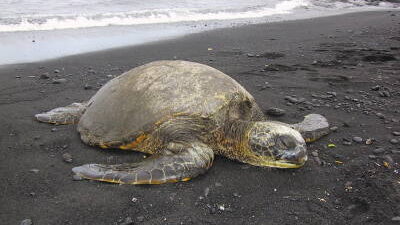
Hawaii provides nesting grounds primarily for green sea turtles (honu) and, less commonly, hawksbill turtles (honu’ea). While Hawaiian green turtles nest predominantly on the remote Northwestern Hawaiian Islands at French Frigate Shoals, some nesting does occur on the main islands. On the Big Island, Punalu’u Beach (Black Sand Beach) occasionally hosts nesting females, while beaches near Kiholo Bay have documented nesting activity. On Maui, Kealia Pond National Wildlife Refuge includes protected nesting areas, and Oahu’s Laniakea Beach (also known as “Turtle Beach”) is famous for green turtles that regularly haul out to bask, though actual nesting is less common.
The most accessible and reliable location to witness Hawaiian sea turtle hatching is at Ho’okipa Beach on Maui’s north shore, where conservation organizations sometimes conduct controlled public viewings of hatchling releases. Due to the sensitive nature of Hawaiian sea turtle populations, viewing opportunities are highly regulated, with strict distance requirements (minimum of 10 feet) enforced year-round. The Hawaiian Islands Humpback Whale National Marine Sanctuary and various local conservation groups offer educational programs about sea turtle conservation, providing visitors with information about responsible viewing practices.
Georgia’s Barrier Islands: Pristine Nesting Habitat
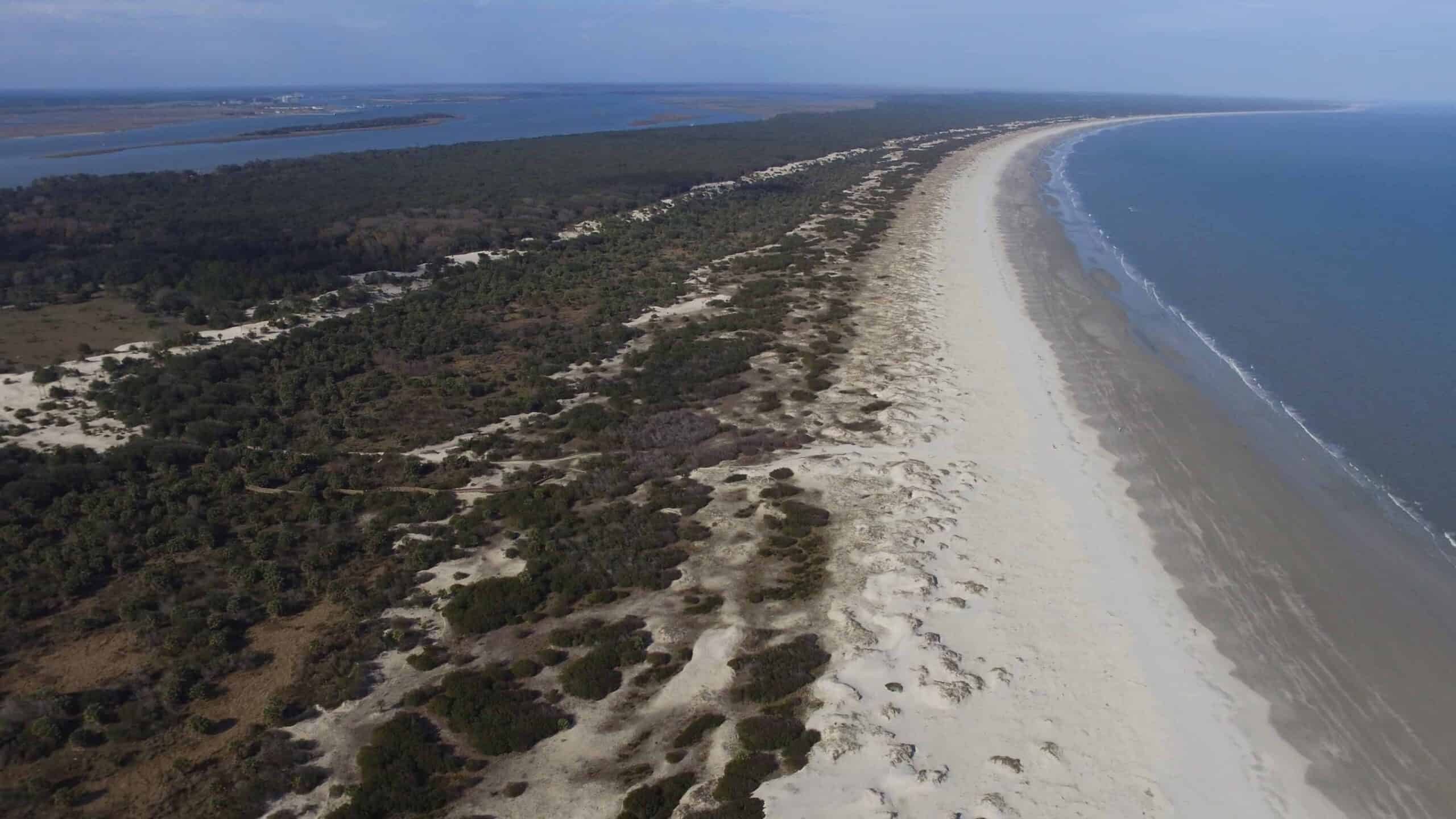
Georgia’s coast features a string of barrier islands that provide relatively undisturbed habitat for nesting sea turtles, primarily loggerheads. Jekyll Island stands out as a premier destination for turtle enthusiasts, home to the Georgia Sea Turtle Center which conducts nighttime turtle walks during peak nesting season (June and July). These guided experiences offer the chance to witness nesting females under expert supervision. The center also operates a rehabilitation facility where visitors can learn about turtle conservation and view recovering patients year-round.
Cumberland Island National Seashore, accessible only by ferry, hosts approximately 25% of Georgia’s loggerhead nests annually. While its remote nature makes viewing more challenging, the island’s park rangers conduct occasional turtle programs during summer months. Ossabaw, Sapelo, and Little St. Simons islands also support significant nesting populations, though access is limited. Throughout Georgia’s coast, the Department of Natural Resources coordinates the Georgia Sea Turtle Cooperative, which monitors nests and sometimes conducts controlled public viewings of hatchling releases, typically announced on short notice based on hatching predictions.
South Carolina’s Turtle Protection Programs
South Carolina’s coastline hosts around 5,000 loggerhead nests annually, with the highest concentrations found on Cape Island within Cape Romain National Wildlife Refuge, which accounts for approximately 15-20% of all loggerhead nesting in the United States. While Cape Island itself has limited public access, nearby beaches offer excellent viewing opportunities. Kiawah Island, Edisto Beach, and Folly Beach all support significant nesting populations and feature active turtle protection programs that occasionally conduct public education events during hatching season.
The South Carolina Aquarium in Charleston operates a Sea Turtle Care Center that rehabilitates injured turtles, providing visitors with an opportunity to learn about conservation efforts year-round. Huntington Beach State Park near Murrells Inlet offers ranger-led programs during summer months, sometimes including guided hatching observations. Throughout the state, the South Carolina Department of Natural Resources coordinates with local volunteer groups that patrol beaches daily during nesting season, marking and protecting nests. These “turtle teams” sometimes invite public participation in inventory events after hatches, where remaining nest contents are documented and any late-emerging hatchlings are released.
North Carolina’s Outer Banks

The Outer Banks of North Carolina represent the northernmost regular nesting grounds for loggerhead sea turtles on the U.S. Atlantic coast. Cape Hatteras National Seashore provides protected habitat for approximately 100-400 nests annually, primarily loggerheads with occasional green and leatherback nests. The National Park Service conducts “turtle talks” throughout the summer, educating visitors about these remarkable reptiles. While formal turtle walks are not offered, park rangers occasionally conduct public viewings of nest excavations after hatching, where biologists inventory nest contents and release any remaining live hatchlings.
Further south, Cape Lookout National Seashore on isolated barrier islands hosts a significant number of nests, though access requires boat transportation. The Karen Beasley Sea Turtle Rescue and Rehabilitation Center in Surf City offers educational programs and the opportunity to view recuperating turtles. Throughout the Outer Banks, the Network for Endangered Sea Turtles (N.E.S.T.) coordinates volunteer activities and public education. Visitors to North Carolina during nesting season (May through August) and hatching season (July through October) should watch for notices of public hatchling releases, which are typically announced just 1-2 days in advance based on hatching indicators.
Virgin Islands and Puerto Rico
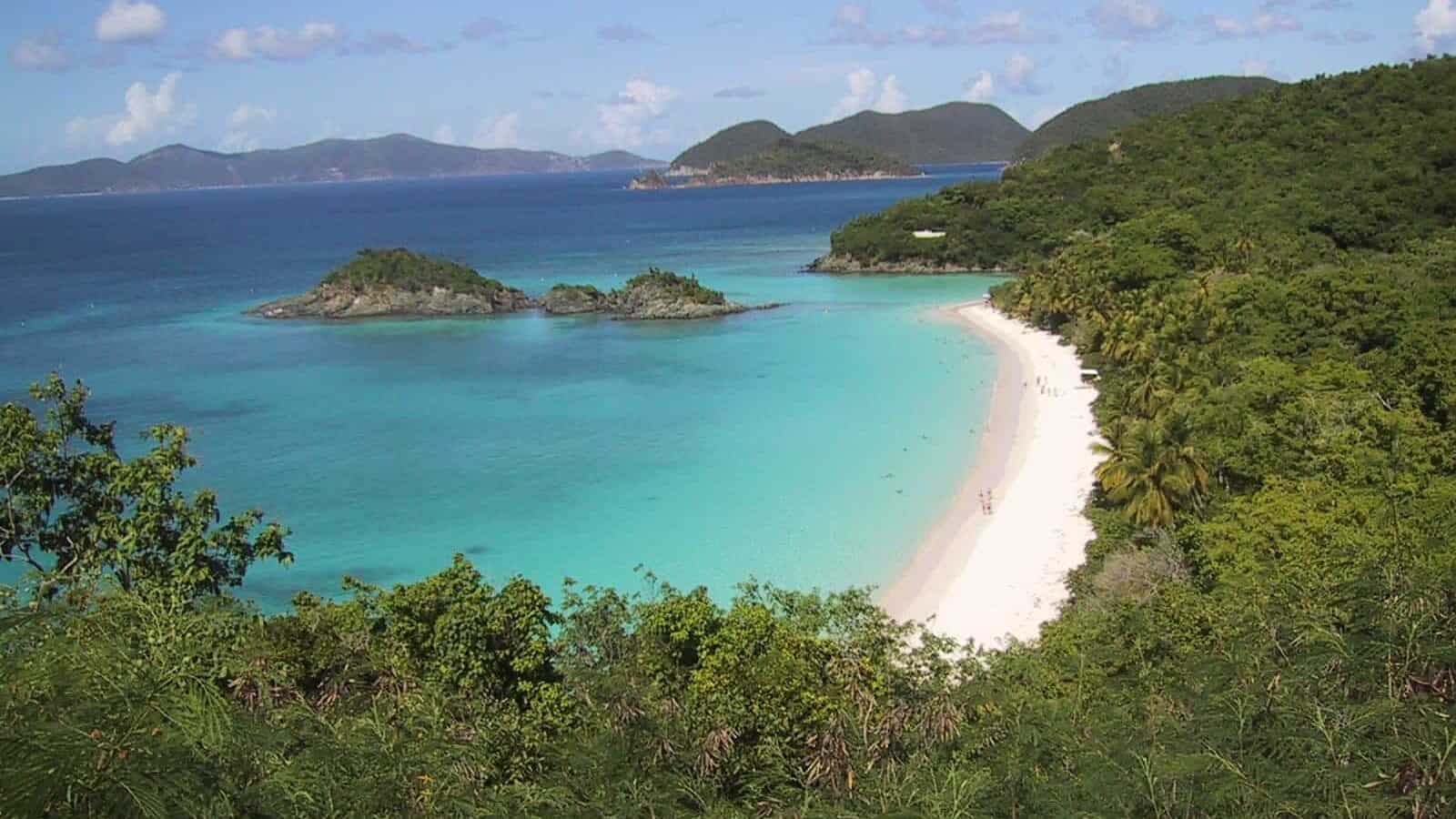
The U.S. territories in the Caribbean provide crucial nesting habitat for multiple sea turtle species. St. Croix in the U.S. Virgin Islands hosts one of the most important leatherback nesting populations in the United States at Sandy Point National Wildlife Refuge. From April through June, the refuge conducts nighttime turtle watch programs where visitors can observe massive leatherbacks (which can exceed 1,500 pounds) laying eggs. During hatching season (June through August), the refuge occasionally offers public hatchling releases. St. John and St. Thomas also support nesting populations, primarily hawksbills and greens.
In Puerto Rico, several beaches provide important nesting habitat, most notably Vieques Island where the bioluminescent Mosquito Bay is bordered by turtle nesting beaches. The Puerto Rico Department of Natural and Environmental Resources coordinates conservation efforts across the island, while Culebra’s Playa Brava hosts primarily leatherback and hawksbill nests. Several eco-tour operators and conservation organizations including the Ocean Foundation offer guided turtle watching experiences during peak nesting season. Throughout these territories, sea turtle viewing is strictly regulated to minimize disturbance, with red lights (or no lights) required during nighttime observations.
California’s Rare Sea Turtle Visitors

Unlike the Atlantic and Gulf coasts, California rarely hosts nesting sea turtles due to cooler ocean temperatures. However, the southernmost beaches in San Diego County occasionally receive visits from olive ridley turtles, and there have been rare documented cases of green turtle nesting. While actual nesting viewing is unlikely, Southern California offers excellent opportunities to observe sea turtles in their marine habitat. San Diego Bay hosts a resident population of Eastern Pacific green turtles, particularly in the warm water outflows of power plants near South Bay.
For those interested in learning about sea turtle conservation, the Aquarium of the Pacific in Long Beach and the Sea Turtle Conservancy visitor center in San Diego provide educational exhibits. Boat tours in San Diego Bay sometimes encounter basking or swimming turtles, particularly during summer months. Conservation organizations including the NOAA Southwest Fisheries Science Center in La Jolla conduct research on the region’s sea turtles and occasionally offer public lectures or events. While California may not offer reliable nesting observations, understanding the challenges facing these occasional visitors provides important context for nationwide conservation efforts.
Responsible Viewing Guidelines
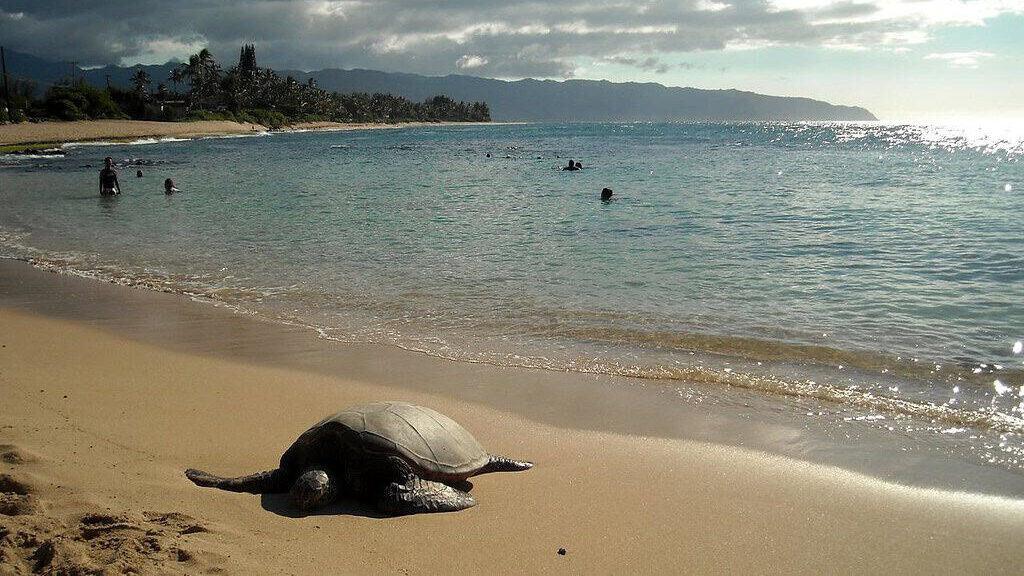
Witnessing sea turtles nesting or hatching is a privilege that comes with significant responsibility. To ensure these endangered animals remain protected, viewers should always participate in organized, permitted programs led by trained guides rather than attempting independent nighttime beach walks. During such programs, it’s essential to follow all guidelines: maintain silence, avoid sudden movements, never approach turtles from the front (blocking their path to the ocean), and absolutely never touch turtles or hatchlings. Flash photography and white lights are strictly prohibited as they disorient both nesting females and hatchlings—red-filtered flashlights are sometimes permitted under specific circumstances.
Even during daylight hours, responsible viewing requires maintaining a respectful distance (at least 50 feet from nesting females), keeping beaches clean, filling in any holes in the sand that might trap hatchlings, and removing all obstacles from potential paths to the ocean. When observing hatchlings, never interfere with their journey to the sea, regardless of how tempting it might be to “help”—this critical journey imprints their natal beach and builds crucial strength. Lastly, support conservation by reporting any turtles in distress, suspected nests, or violations to local authorities, and consider volunteering with or donating to sea turtle conservation organizations that protect these magnificent creatures.
Conservation Challenges and Success Stories
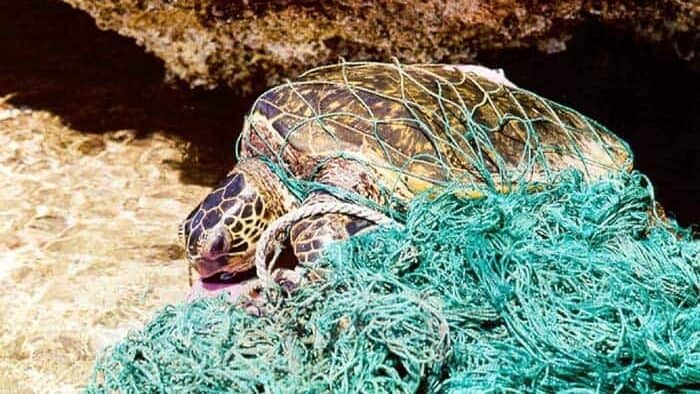
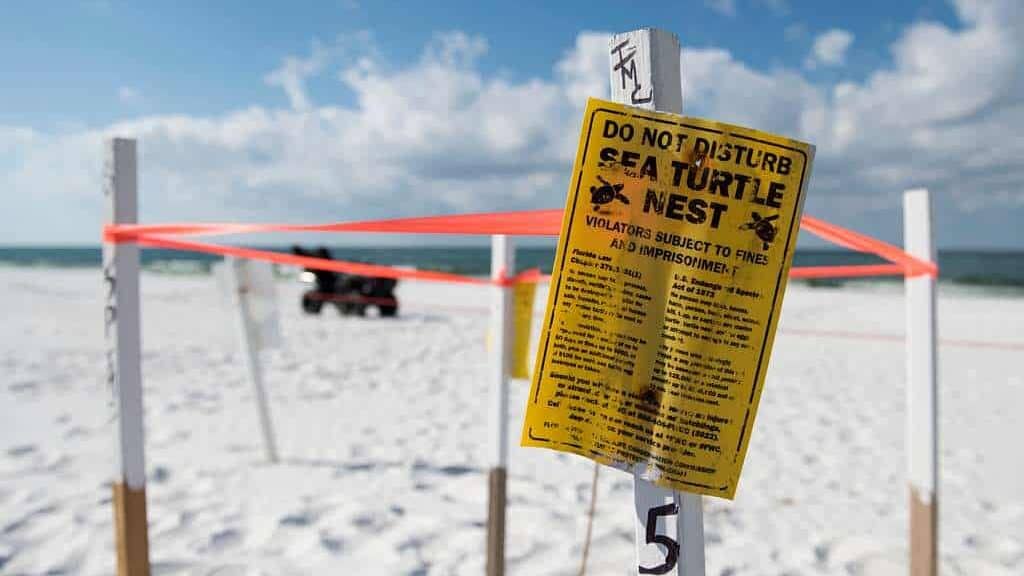
Sea turtles face numerous threats throughout their lifecycle, including habitat destruction, plastic pollution, fishing gear entanglement, boat strikes, climate change, and poaching. On nesting beaches specifically, challenges include coastal development, artificial lighting that disorients hatchlings, beach furniture obstacles, and predation of eggs by raccoons, foxes, and other animals. Conservation efforts have focused on addressing these threats through beach protection, lighting ordinances, nest monitoring, predator control, and public education. The installation of turtle-friendly lighting along coastal developments has significantly reduced hatchling disorientation in many communities.
Among the most remarkable success stories is the recovery of Kemp’s ridley turtles in Texas. After declining to fewer than 300 nesting females worldwide in the 1980s, conservation efforts including the protection of nesting beaches in Mexico and the establishment of a secondary nesting colony at Padre Island National Seashore have helped the population begin to recover. Similarly, green turtle nesting in Florida has increased dramatically over the past two decades thanks to habitat protection and fishing gear modifications. These successes demonstrate that with concentrated conservation efforts, sea turtle populations can rebound, offering hope for these ancient mariners that have navigated Earth’s oceans for millions of years.
Witnessing sea turtles nesting or hatchlings emerging represents one of nature’s most profound and moving experiences. From Florida’s dense loggerhead nesting beaches to Hawaii’s tropical shores and the remote barriers islands of Georgia and the Carolinas, America offers numerous opportunities to observe these prehistoric creatures continuing their ancient rituals. These encounters not only create lasting memories but foster a deeper connection to marine conservation, as visitors gain firsthand understanding of the challenges these remarkable animals face. By participating in organized, responsible viewing programs, visitors contribute directly to sea turtle protection while experiencing a wildlife spectacle that has remained largely unchanged for 100 million years.
The effort required to witness sea turtles—late nights, unpredictable timing, and advance planning—makes these experiences all the more special. Whether watching a massive leatherback heave herself ashore under moonlight or seeing tiny hatchlings determinedly scramble toward breaking waves, these moments inspire wonder and commitment to protecting our natural world. As climate change and habitat loss increasingly threaten sea turtle populations worldwide, responsible ecotourism plays a vital role in building public support for conservation initiatives. By experiencing the magic of sea turtle nesting and hatching firsthand, visitors become ambassadors for these magnificent creatures, helping ensure their survival for generations to come.

- What We Can Learn From the Way Animals Build Homes - August 9, 2026
- Mini Pigs Are Becoming America’s Fastest-Growing Pet Trend - August 9, 2026
- Beginner’s Guide to Spotting Wolves in the Wild - August 9, 2026