


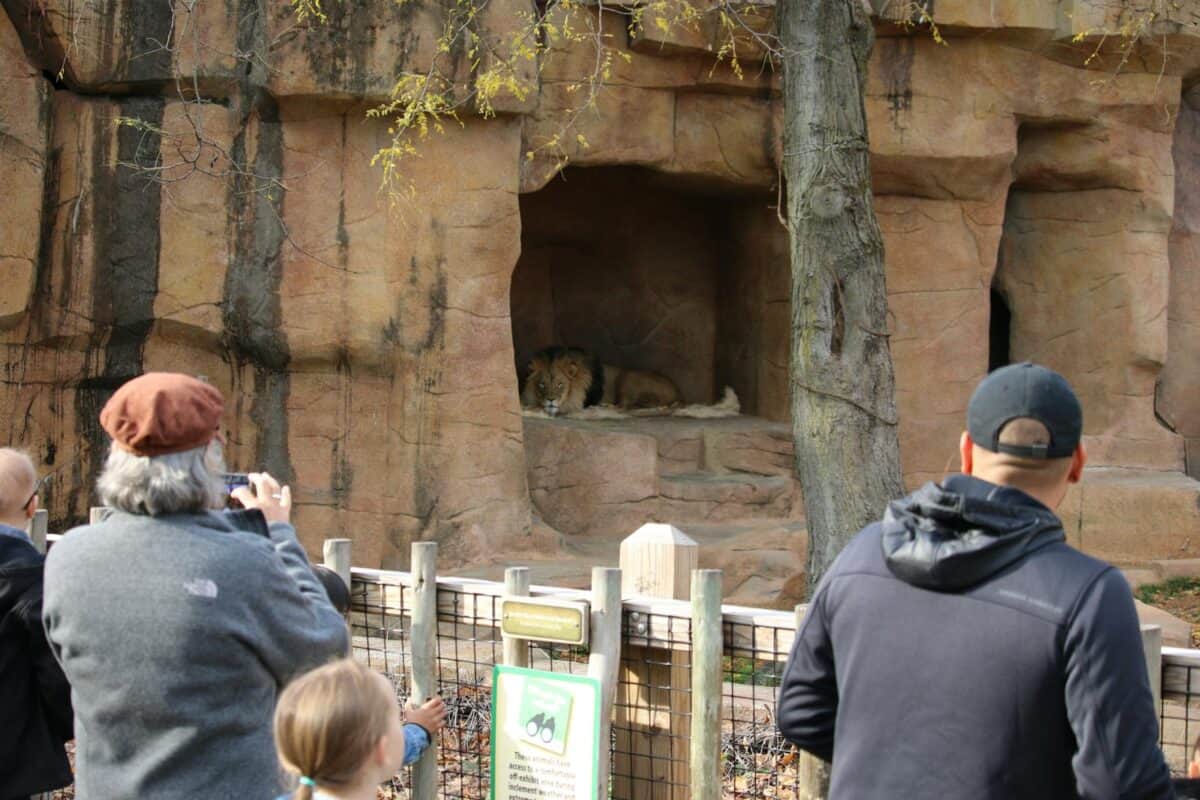
There’s something profoundly moving about witnessing lions in their natural habitat—the raw power of a male’s thunderous roar echoing across the savanna, a pride expertly coordinating a hunt at dawn, or cubs playfully tumbling in the golden grass. For wildlife enthusiasts, seeing these magnificent big cats in the wild represents one of nature’s most thrilling encounters. Unlike the confined viewing experience of zoos, observing lions in their natural ecosystems offers an authentic glimpse into their complex social structures, hunting behaviors, and territorial dynamics. This article guides you through the world’s premier lion-watching destinations, essential preparation tips, and ethical viewing practices that will transform your safari from a typical tourist experience into a genuine explorer’s adventure.
The King’s Domain: Understanding Lion Habitats

Lions once roamed across Africa, parts of Europe, the Middle East, and India. Today, their range has drastically contracted, with wild populations primarily found in sub-Saharan Africa and one small population in India’s Gir Forest. African lions (Panthera leo) inhabit grasslands, savannas, dense brush, and woodlands. They’re social cats living in prides consisting of related females, their cubs, and a coalition of males who defend the territory. Understanding their habitat preferences increases your chances of meaningful sightings. Lions typically favor open grasslands with scattered acacia trees and water sources, where prey animals concentrate. They’re most active during cooler periods—early morning and late afternoon into evening—making these the optimal times for viewing. Climate change and habitat fragmentation continue to impact lion territories, making conservation-focused tourism increasingly important for their survival.
East Africa’s Lion Kingdoms: Kenya and Tanzania
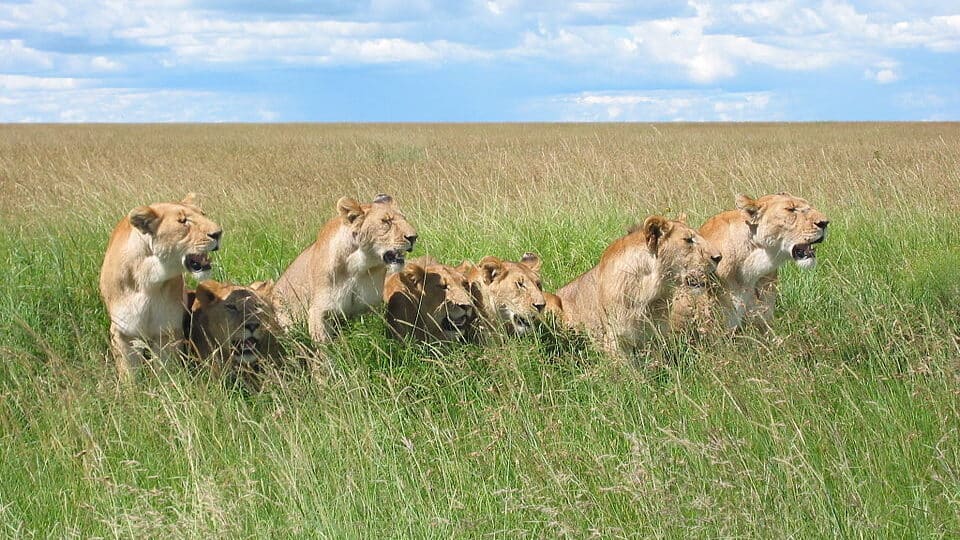
East Africa offers some of the world’s most spectacular lion-watching opportunities. Kenya’s Masai Mara National Reserve, contiguous with Tanzania’s Serengeti National Park, hosts an estimated 3,500 lions across this ecosystem. The Mara’s open plains make lion spotting relatively easy, with prides often seen lounging on kopjes (rocky outcrops). Between July and October, the Great Migration brings over 1.5 million wildebeest and zebra into these territories, creating prime hunting conditions and dramatic river crossings where lions wait in ambush. Tanzania’s Ngorongoro Crater, a 100-square-mile volcanic caldera, contains one of Africa’s most dense lion populations, with approximately 25 lions per 100 square kilometers. The crater’s enclosed nature and stunning backdrop make it an exceptional location for photography. Other Tanzanian hotspots include Ruaha National Park and Selous Game Reserve (now partly renamed Nyerere National Park), where lions have adapted to slightly different habitats and show fascinating behavioral adaptations, including tree-climbing in some regions.
Southern Africa’s Lion Treasures: Botswana, Namibia, and South Africa
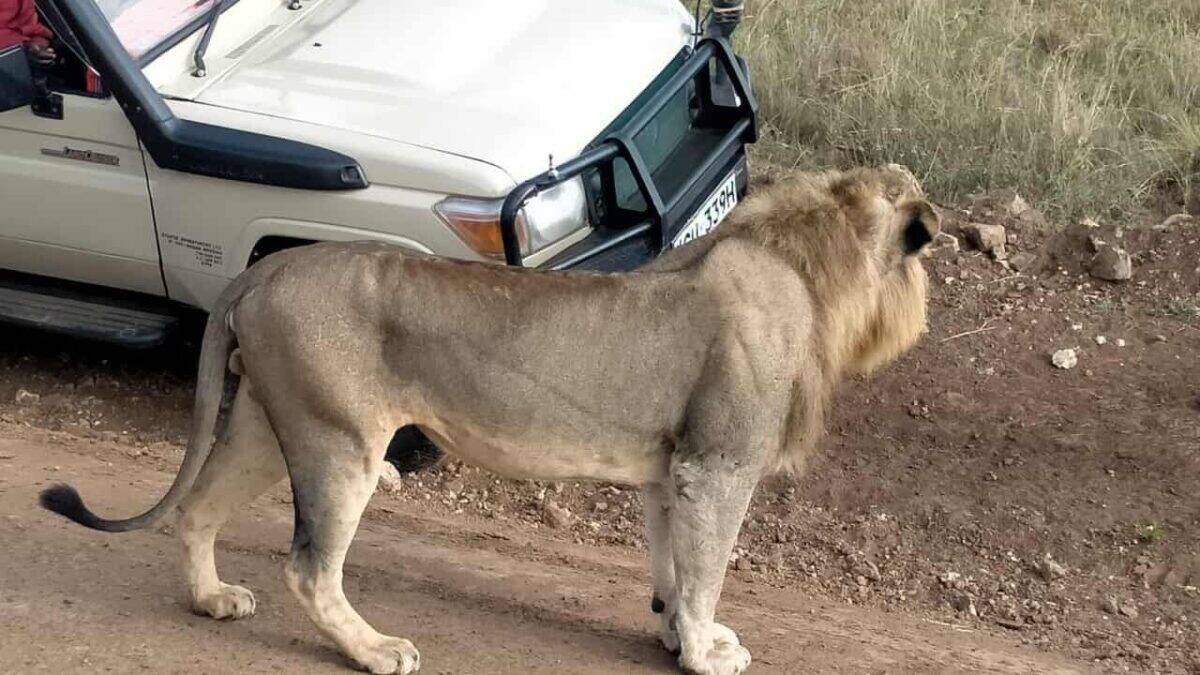
Southern Africa presents distinctly different lion-watching environments. Botswana’s Okavango Delta offers a unique perspective as you can observe lions adapting to seasonally flooded plains. The contrast of these powerful predators against lush waterways creates unforgettable viewing opportunities. During dry seasons, lions concentrate around permanent water sources in the delta and in Chobe National Park. Namibia showcases desert-adapted lions in Etosha National Park and the more remote Damaraland region, where researchers have documented remarkable adaptations to extreme conditions. These lions travel greater distances between water sources and take down larger prey to sustain themselves in harsh environments. South Africa’s Kruger National Park and adjacent private reserves like Sabi Sands offer some of the continent’s most reliable lion sightings due to well-developed road networks and high lion densities. Private reserves typically allow off-road driving, bringing you closer to lion activity while maintaining respectful distances. The lions in these areas are generally more habituated to vehicles, often allowing for intimate viewing experiences without displaying stress behaviors.
The Asiatic Lion’s Last Stronghold: Gir Forest, India
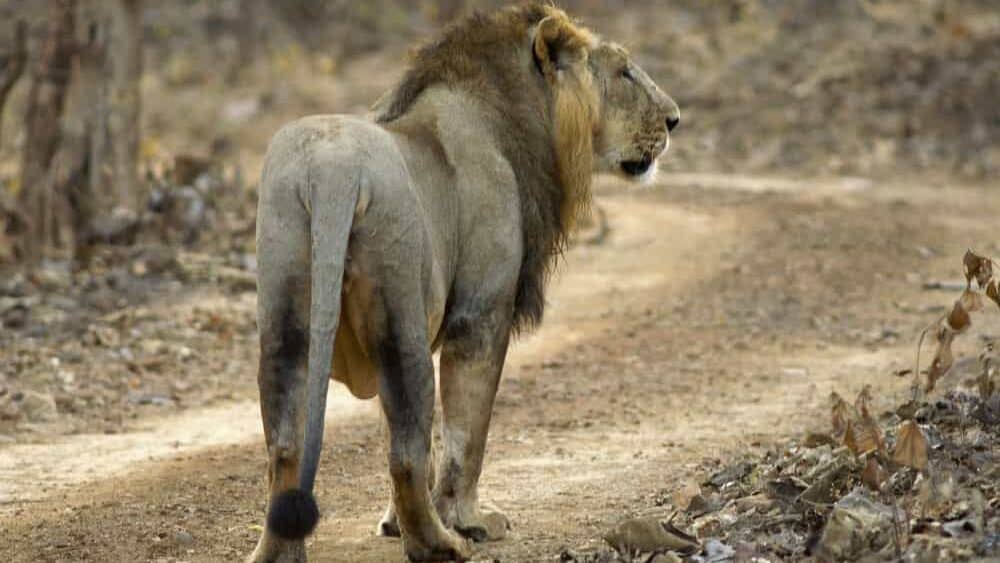
For those seeking to observe the rare Asiatic lion (Panthera leo persica), India’s Gir Forest National Park in Gujarat state offers the only opportunity worldwide. Approximately 674 Asiatic lions inhabit this deciduous forest ecosystem as of the 2020 census, representing a conservation success story from fewer than 20 individuals in the early 20th century. Physically distinct from their African cousins with less prominent manes and a fold of skin running along their bellies, Asiatic lions also differ in social structure, with males and females often living separately outside of breeding season. Gir’s safari experiences typically involve morning and evening game drives along designated routes. Sightings are less guaranteed than in Africa’s open savannas due to the denser forest habitat, but the opportunity to see this distinct subspecies makes the effort worthwhile. The best viewing months span December through March when reduced foliage improves visibility. The Gujarat Forest Department strictly regulates tourism to minimize disturbance to this genetically vulnerable population.
Timing Your Lion Safari: Seasonal Considerations
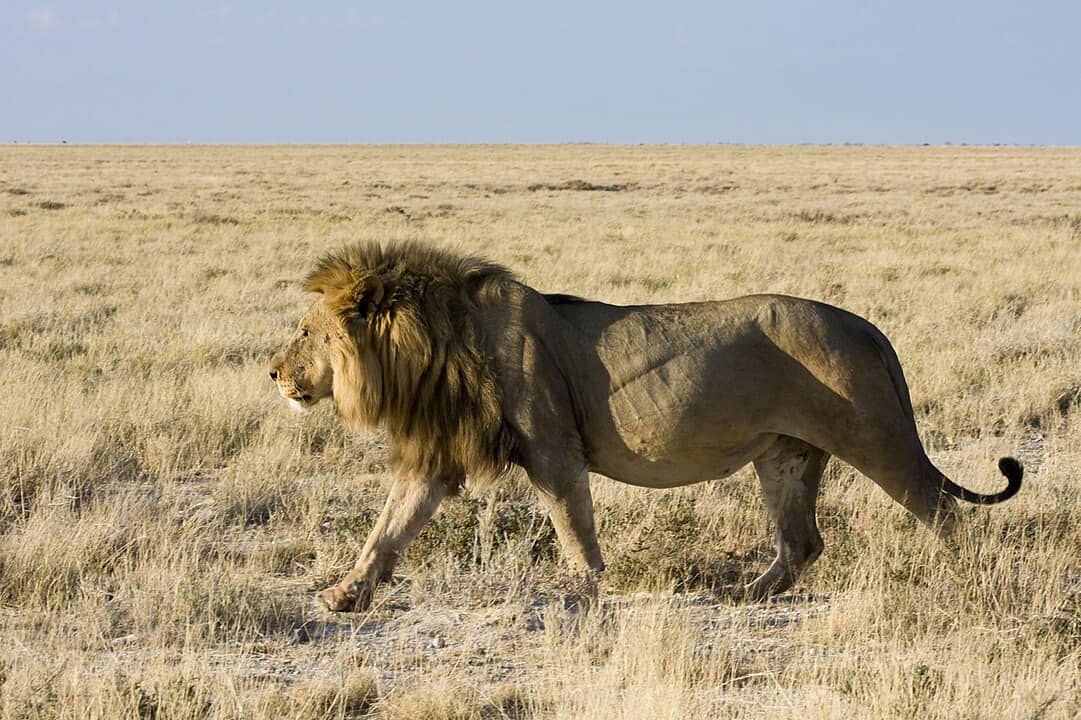
Strategic timing dramatically affects lion-watching success. In East Africa, the dry seasons (January-March and June-October) concentrate wildlife around water sources and reduce vegetation, improving visibility. The Masai Mara and Serengeti are especially productive during the Great Migration (July-October), when abundant prey attracts lion activity. Southern Africa’s dry winter months (May-October) similarly enhance viewing as vegetation thins and animals gather at remaining water sources. Zambia’s South Luangwa National Park, for instance, offers exceptional walking safaris during this period, with opportunities to track lions on foot (with professional guides). The green seasons (November-April in much of Africa) present challenges with thicker vegetation and dispersed wildlife but compensate with fewer tourists, lower rates, and dramatic backgrounds for photography as lions contrast against lush green landscapes. Cubs are often more visible during this period too, as many prides time births to coincide with the abundance of the rainy season. Weather patterns continue to shift due to climate change, so consulting with local operators about current conditions is advisable.
Beyond the Vehicle: Alternative Lion-Watching Experiences
While game drives remain the most common method for lion viewing, alternative approaches can deepen your connection with these apex predators. Walking safaris, pioneered in Zambia’s Luangwa Valley and now offered in selected reserves across Africa, provide a heightened sensory experience as you track lions with expert guides. The absence of engine noise allows you to hear distant roars and other subtle sounds of the savanna. Hot air balloon safaris over Kenya’s Masai Mara or Tanzania’s Serengeti offer breathtaking aerial perspectives of prides and their territories, particularly magical during dawn flights. Nocturnal game drives with spotlight viewing, permitted in private concessions and some national parks, reveal lions during their most active hunting periods. Specialized photographic hides positioned near waterholes in places like Mashatu in Botswana allow patient observers to witness natural behaviors from ground level. For the ultimate immersion, conservation programs like those in Zimbabwe’s Hwange National Park occasionally permit visitors to join researchers during lion monitoring activities, offering unparalleled insights into scientific fieldwork while contributing to conservation efforts.
Preparing for Your Lion Safari: Essential Equipment
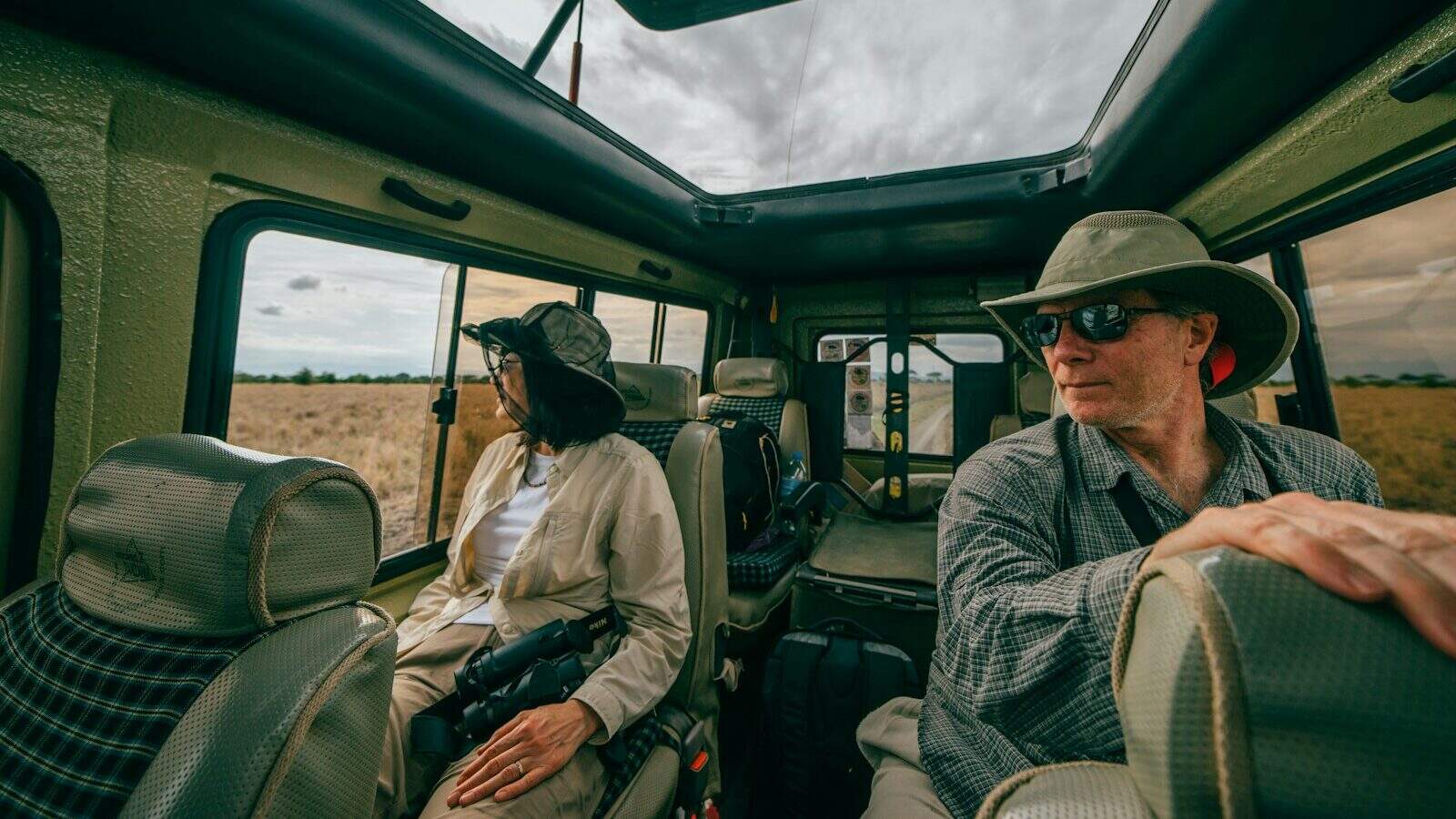
Proper preparation enhances both enjoyment and safety during lion-watching expeditions. Optics represent your most crucial investment: bring quality binoculars with 8×42 or 10×42 magnification, offering the ideal balance between light-gathering capability and stability. For photography, a DSLR or mirrorless camera with a versatile zoom lens (at least 200-300mm reach) captures detailed behavior and portraits. Consider renting specialized equipment locally rather than purchasing expensive gear for a single trip. Pack neutral-colored clothing (khaki, olive, brown) that blends with natural surroundings and doesn’t distract wildlife. Layering is essential for temperature fluctuations between cool mornings and hot afternoons. A wide-brimmed hat, sunscreen (SPF 50+), insect repellent containing DEET, and anti-malaria medication (where recommended) protect your health. A small daypack containing water, snacks, extra camera batteries, and memory cards ensures you’re prepared for extended game drives. For serious wildlife watchers, field guides focusing on big cat behavior help identify and interpret observed activities, transforming basic sightings into meaningful learning experiences.
Ethical Lion Tourism: Supporting Conservation Through Your Visit
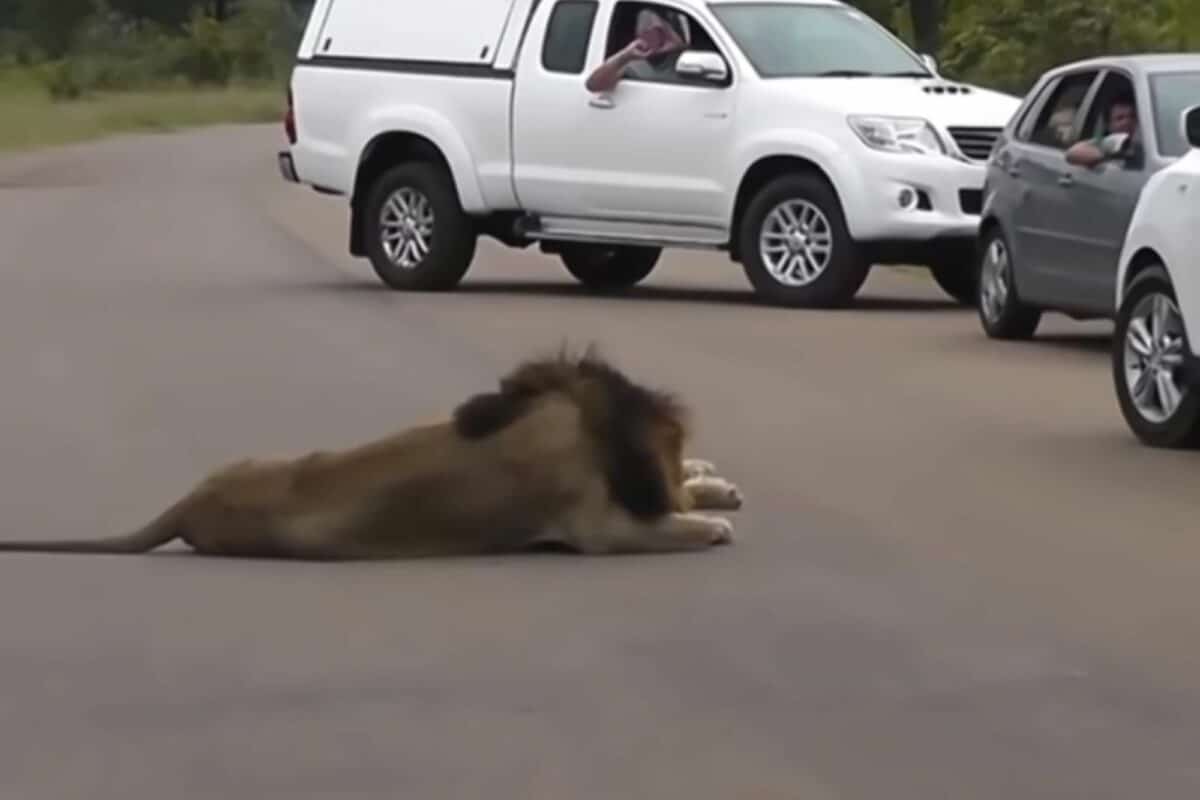
Responsible tourism plays a vital role in lion conservation by creating economic incentives for habitat preservation. Select operators with demonstrated commitments to conservation and community development—research their environmental policies and whether they contribute to local anti-poaching efforts or research initiatives. Reputable organizations include members of the African Travel and Tourism Association (ATTA) and those certified by bodies like Fair Trade Tourism. During game drives, maintain respectful distances from lions, particularly during sensitive periods like hunting or caring for young cubs. Never pressure guides to approach too closely or pursue stressed animals. Excessive vehicle crowding around predator sightings disturbs natural behavior; considerate operators limit vehicle numbers and viewing time. Avoid attractions offering “walking with lions” or cub petting, as these often involve questionable breeding practices and animals that cannot be released into the wild. Instead, consider contributing directly to established conservation organizations like the Lion Recovery Fund or visiting community-owned conservancies where tourism revenues directly benefit local stakeholders who live alongside lions. By prioritizing ethical experiences, your tourism dollars become a powerful conservation tool.
Understanding Lion Behavior: Enhancing Your Viewing Experience
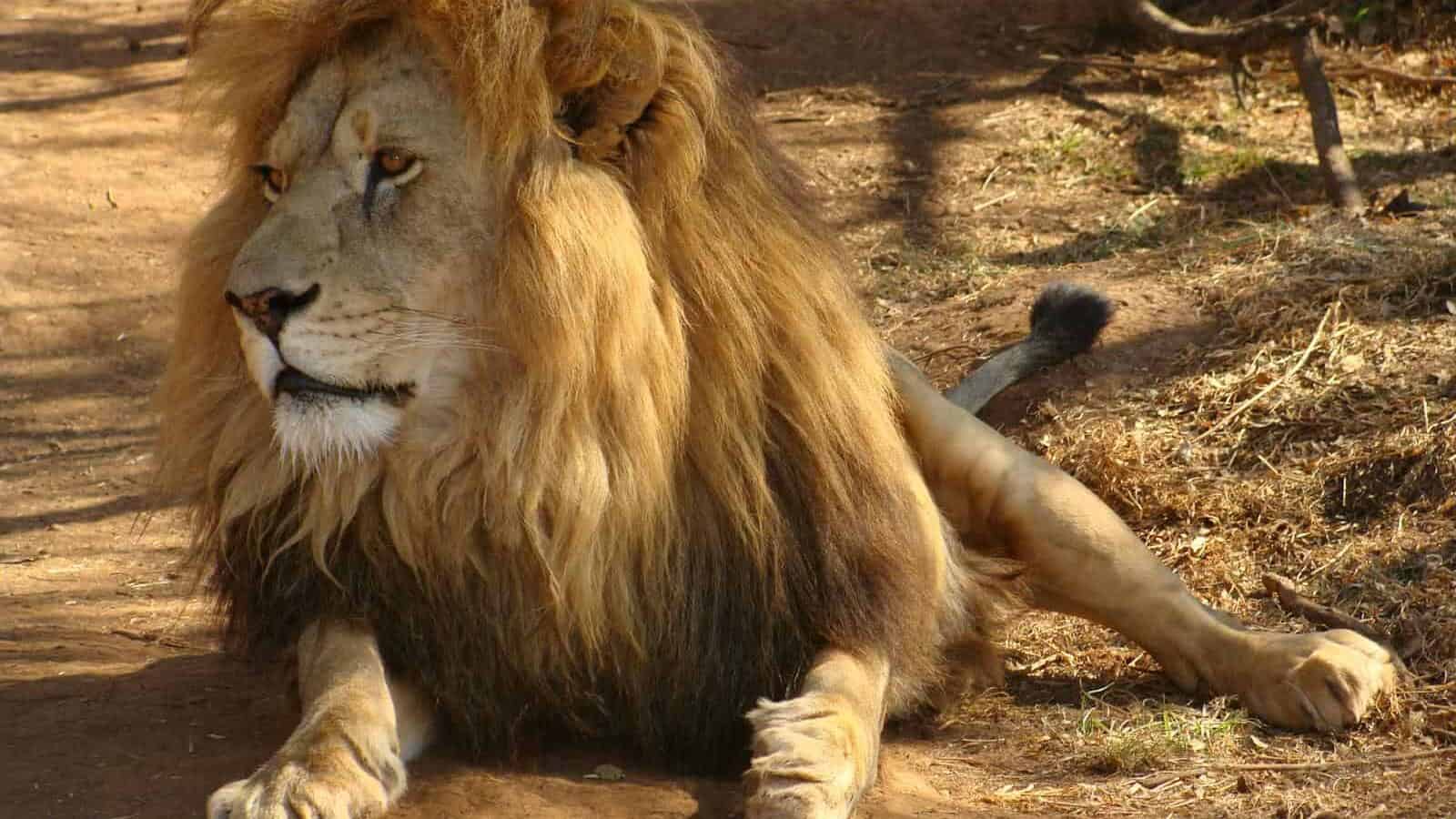
A fundamental understanding of lion behavior transforms casual observation into meaningful interpretation. Lions are crepuscular, most active during dawn and dusk, though they may hunt at night in hotter regions. During daylight hours, they typically rest in shade, making early morning game drives optimal for witnessing active behavior. Recognizing hunting indicators—alert postures, intentional spacing between pride members, fixed gazes on potential prey—helps anticipate dramatic interactions. Social behaviors reveal fascinating dynamics: females form the core of pride structure, with affectionate greeting ceremonies (head rubbing) reinforcing bonds. Males display distinctive territorial behaviors including scent-marking, patrolling boundaries, and delivering powerful roars audible up to five miles away. Cubs engage in play that develops crucial hunting skills. Look for interactions between lions and other species: respectful distances maintained from elephants, opportunistic scavenging from other predators’ kills, and harassment from hyenas attempting to steal food. Learning to read these behavioral nuances elevates your experience from simply seeing lions to understanding their complex lives and ecological roles.
Capturing the Perfect Lion Photograph: Tips from the Experts
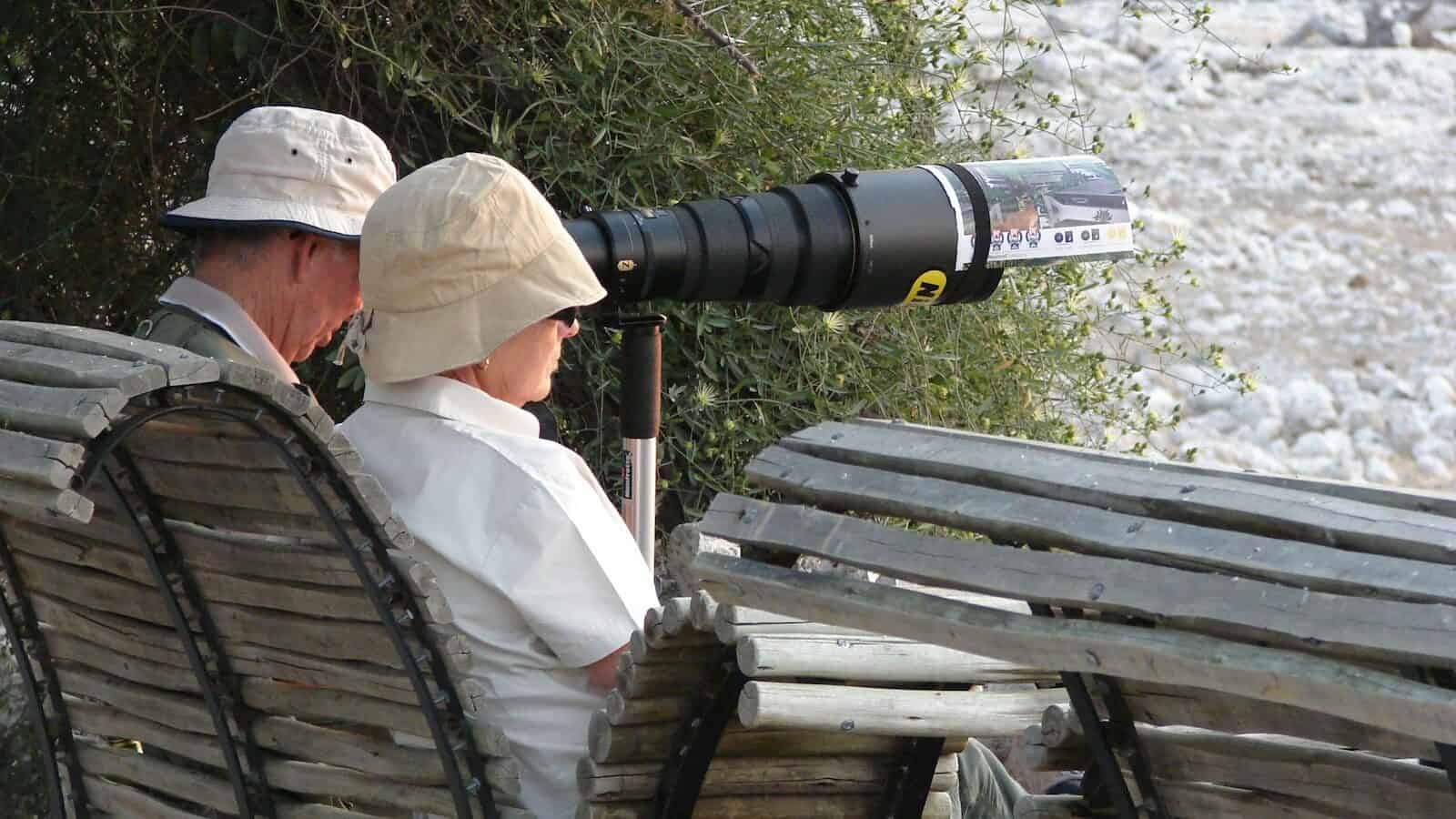
Photographing lions effectively requires technical skill and ethical awareness. Position yourself with consideration for lighting—early morning and late afternoon provide warm, directional light that accentuates lions’ golden coats and creates dramatic shadows. When possible, shoot with the sun behind you or at 45-degree angles to your subject. Anticipate behavior by watching body language; a yawning lion, stretching cubs, or males beginning a roaring sequence offer striking photographic moments. Camera settings for typical safari conditions include aperture priority mode (f/5.6-f/8) for adequate depth of field, ISO adjusted for available light (often 400-800 in good light, higher in dim conditions), and continuous autofocus for moving subjects. Compose images that tell stories: a lioness gazing at distant prey, interactions between pride members, or environmental shots showing lions in their habitat context. Respect for the animals should always supersede photographic ambitions—never request that guides approach too closely or disturb natural behavior for the sake of a better shot. The most compelling images capture authentic moments, not stressed animals responding to human pressure.
Safety Considerations: Respecting the King of Beasts
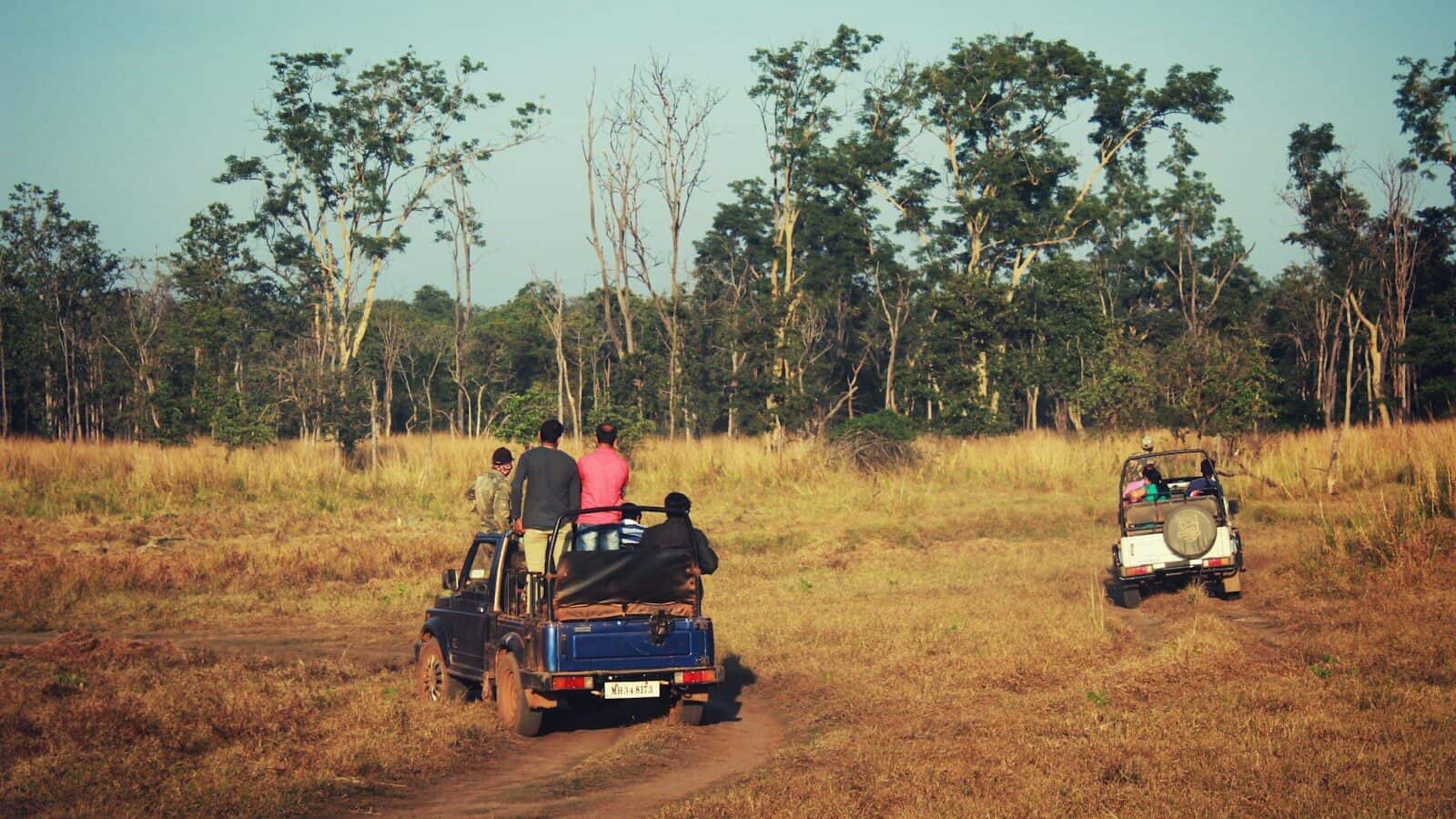
While safari vehicles provide excellent protection during lion viewing, understanding safety protocols remains essential, particularly in parks allowing self-driving or offering walking safaris. Always remain inside vehicles except at designated rest areas, and keep arms and cameras within the vehicle profile. During walking safaris, follow guides’ instructions precisely—they’re trained to read lion behavior and avoid dangerous situations. If encountering lions unexpectedly on foot (an extremely rare occurrence), avoid running, which triggers predatory responses. Instead, back away slowly while facing the animal, making yourself appear larger without making direct eye challenges. In camps and lodges, particularly unfenced ones, follow nighttime safety protocols, using provided escorts when moving between areas after dark. Lions generally avoid humans but may be attracted to food scents—never keep food in tents. Conservation success has led to increasing human-lion conflict in areas bordering reserves; understanding these challenges helps responsible travelers advocate for solutions that protect both lions and local communities whose livestock and livelihoods may be threatened by predator proximity.
Beyond the Safari: Supporting Lion Conservation
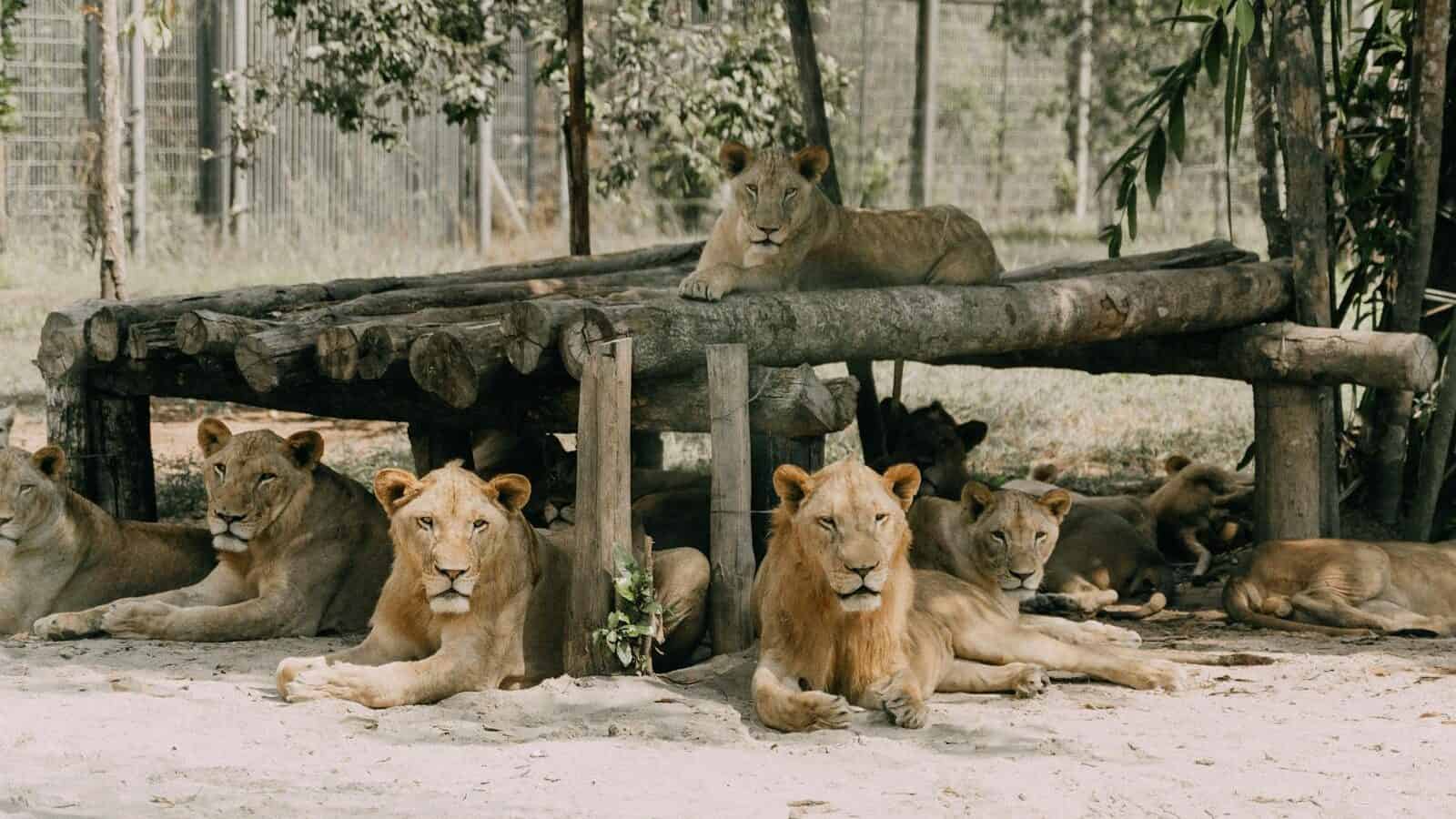
Your involvement with lion conservation can extend well beyond your safari experience. Major organizations leading lion protection efforts include the Lion Recovery Fund, which channels resources to the most effective lion conservation projects; Panthera’s Project Leonardo, implementing science-based solutions across lion ranges; and the African Wildlife Foundation’s predator conservation programs. Consider making direct donations or participating in symbolic lion adoption programs that fund specific conservation initiatives. Technology now enables ongoing engagement—some research projects use citizen science platforms where volunteers help classify camera trap images from home. When purchasing souvenirs, avoid any products potentially made from lion parts or that might stimulate illegal wildlife trade. Share your experiences responsibly on social media, raising awareness without geotagging specific lion locations that might attract poachers. For those seeking deeper involvement, organizations like African Impact and Wildlife ACT offer volunteer opportunities working alongside researchers on lion monitoring projects. Educational initiatives in lion range countries, particularly those targeting communities living near lion populations, represent another valuable focus for support, helping build tolerance for coexistence with these magnificent but sometimes challenging neighbors.
Observing lions in their natural habitats offers far more than spectacular wildlife viewing—it connects us to something primordial and increasingly precious in our rapidly developing world. These encounters foster a deeper understanding of complex ecological relationships and the challenges facing apex predators in fragmented habitats. The knowledge gained through ethical lion tourism translates into informed advocacy, as firsthand witnesses become powerful voices for conservation. By choosing responsible operators, practicing respectful viewing behavior, and supporting conservation initiatives, your lion safari transcends mere tourism to become a meaningful contribution to preservation efforts. The future of the world’s wild lions depends on maintaining the delicate balance between human development and habitat protection—a balance in which thoughtful tourism plays a crucial role in demonstrating the economic value of living lions and intact ecosystems.

- How Crickets Chirp Using Their Wings - July 20, 2026
- The Largest Sea Turtle Ever Rescued Off North Carolina - July 20, 2026
- The Ocean’s Escape Artist: Why Octopuses Outsmart Us All - July 20, 2026