


King Julian, the self-proclaimed lemur king from Madagascar, rules with a mix of narcissism, dance moves, and questionable decision-making. While entertaining, his leadership skills leave much to be desired. In the animal kingdom, many species demonstrate remarkable qualities that would make them more effective rulers. From strategic thinking to compassionate community building, these animals showcase leadership abilities that far surpass Julian’s chaotic reign. Let’s explore which creatures could potentially dethrone the lemur king and establish a more functional monarchy.
African Elephants: The Wise Matriarchs

African elephant herds operate under the guidance of matriarchs, typically the oldest and most experienced females in the group. These remarkable leaders possess extraordinary memory and intelligence, allowing them to guide their herds to water sources during droughts, remember migration routes spanning hundreds of miles, and recognize threats based on past experiences. Unlike King Julian’s impulsive governance, elephant matriarchs make decisions that prioritize the collective welfare of their herd.
Research has shown that elephant groups led by older matriarchs demonstrate better decision-making during times of ecological stress. These leaders can recall specific locations of water from decades earlier and recognize the calls of over 100 different elephants. Their leadership style combines wisdom with compassion, as they mentor younger females and ensure the protection of vulnerable calves. Rather than demanding subjects “move it” for entertainment, elephant matriarchs move their herds with purpose and foresight that would put Julian’s erratic leadership to shame.
Wolves: Masters of Cooperative Leadership

Wolf packs represent one of nature’s most sophisticated social structures, with alpha wolves demonstrating leadership qualities far superior to Julian’s self-centered approach. Alpha wolves maintain order through consistent behavior rather than random proclamations. They coordinate complex hunting strategies, territory defense, and ensure food distribution throughout the pack. Unlike Julian’s focus on personal pleasure, wolf leaders make sacrifices for their group’s welfare.
Recent research has challenged the traditional “alpha dominance” model, revealing that wild wolf packs are typically family units led by breeding pairs who guide their offspring. These leaders earn respect through experience and capability rather than Julian’s approach of simply declaring himself king. Wolf leaders mediate conflicts, determine hunting territories, and make critical decisions about pack movements. Their leadership creates stable, cooperative communities where each member contributes to collective success—a stark contrast to Julian’s kingdom of servitude and dance parties.
Honeybees: The Ultimate Democratic Monarchs

While honeybee colonies have queens, their governance system operates with remarkable democratic principles that would put Julian’s arbitrary rule to shame. Honeybee queens don’t actually make decisions for the colony; instead, they focus on reproduction while worker bees collectively determine critical choices through sophisticated consensus-building processes. When selecting new nest sites, for instance, scout bees evaluate potential locations and communicate their findings through intricate dances.
What makes honeybee governance particularly impressive is their ability to weigh evidence before making decisions affecting thousands of individuals. Studies show that when bees debate between potential home sites, they evaluate factors like size, protection from elements, and proximity to resources. The most persuasive “arguments” (in the form of dances) eventually win majority support. This evidence-based, collective decision-making process creates more stable outcomes than Julian’s impulsive decrees based on whatever “feels nice.” The honeybee’s combination of monarchical structure with democratic processes represents a sophisticated governance model that produces consistently successful results.
Orcas: Matrilineal Leadership Across Generations

Orca pods demonstrate remarkable leadership structures centered around elder females who pass knowledge through generations. These matriarchs can live up to 90 years, accumulating critical survival information about hunting techniques, migration patterns, and potential dangers. Unlike Julian’s solitary decision-making, orca pods rely on the accumulated wisdom of female leaders who maintain cultural traditions and hunting strategies specific to their pod’s needs.
The leadership style of orca matriarchs emphasizes teaching and mentorship rather than dominance. Research has documented specific hunting techniques passed down through generations, with matriarchs actively teaching younger pod members. Some orca groups have developed specialized methods for hunting seals on ice floes, while others have mastered techniques for catching rays or sharks. This knowledge transfer ensures community survival and adaptation to changing conditions—a stark contrast to Julian’s shortsighted leadership focused on immediate gratification. The orca’s commitment to intergenerational wisdom would create a much more stable kingdom than Julian’s impulsive governance.
Meerkats: The Vigilant Protectors
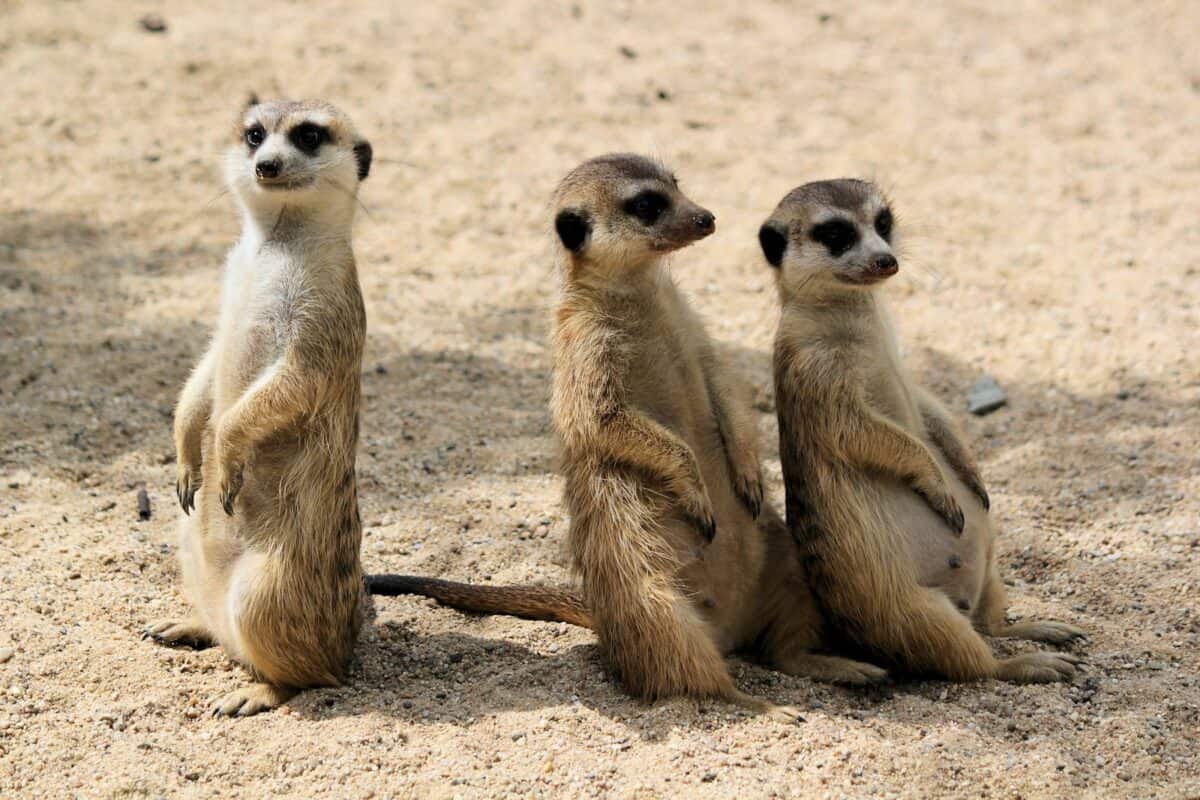
Meerkat clans operate with remarkable coordination and collective responsibility that puts Julian’s self-centered leadership to shame. These desert-dwelling mammals maintain a sophisticated social structure where sentinels take turns standing guard while others forage, ensuring collective safety through shared sacrifice. Unlike Julian, who expects constant entertainment and service, meerkats rotate leadership responsibilities based on the community’s needs rather than individual desire for power.
What makes meerkats particularly impressive potential rulers is their commitment to education and mentorship. Adult meerkats teach young ones essential survival skills, including how to handle dangerous prey like scorpions. They gradually increase challenges for youngsters, first disabling scorpions before presenting them to pups, then providing partially disabled ones, and eventually requiring the young to handle live prey themselves. This structured approach to education prepares the next generation for leadership roles based on competence rather than Julian’s model of inheriting or seizing power through charisma. A meerkat monarchy would prioritize security, education, and shared responsibility—values conspicuously absent from Julian’s “move it” philosophy.
Crows: The Intelligent Problem-Solvers
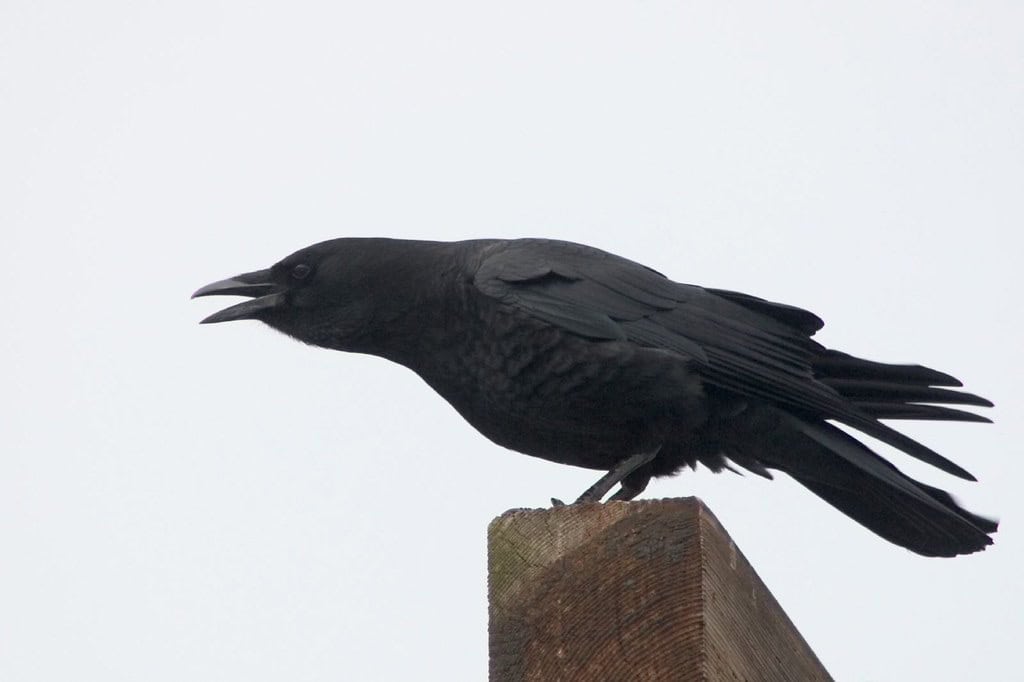
Crows possess intellectual capabilities that would make them far more effective rulers than the impulsive King Julian. These birds demonstrate advanced reasoning, tool creation, facial recognition, and remarkable problem-solving abilities. Crows have been observed crafting tools from raw materials, using sequential multi-step approaches to obtain food, and even understanding water displacement principles. Their ability to adapt to new challenges through intelligence rather than Julian’s random proclamations would create a kingdom of innovation and adaptation.
Beyond their individual intelligence, crows maintain sophisticated social structures and cultural traditions. They engage in information sharing, teaching younger birds specific techniques for finding food and avoiding threats. Studies have shown that crows recognize and remember human faces for years, distinguishing between those who have helped or threatened them. They even hold “funerals” when fellow crows die, gathering to learn about potential dangers. This combination of intelligence with social learning creates communities that adapt to changing conditions through collective knowledge rather than the whims of a self-declared king who prioritizes dancing over substantive governance.
Naked Mole Rats: The Cooperative Specialists

Naked mole rat colonies represent one of nature’s most remarkable examples of eusocial organization, with sophisticated division of labor that creates highly effective communities. Similar to bees or ants, naked mole rats operate around a queen who handles reproduction while other colony members fulfill specialized roles as workers, soldiers, or caregivers. Unlike Julian’s arbitrary assignments based on personal whim, naked mole rat colonies assign roles based on colony needs and individual capabilities, creating extraordinarily efficient systems.
What makes naked mole rats particularly impressive potential monarchs is their commitment to collective survival through specialized adaptation. They’ve developed unique physiological traits including cancer resistance, pain insensitivity, and the ability to survive in extremely low-oxygen environments. Their governance model emphasizes adaptation to harsh conditions through cooperation rather than competition. While Julian’s leadership focuses on maintaining his status and entertainment, naked mole rat queens coordinate sophisticated tunnel systems, food storage, nest maintenance, and defense against predators. Their kingship would prioritize practical solutions, efficient resource use, and specialized skill development—a striking improvement over Julian’s dancing dictatorship.
Ravens: The Strategic Planners

Ravens demonstrate remarkable cognitive abilities that would make them strategic and forward-thinking rulers compared to the impulsive King Julian. These birds can plan for the future, delay gratification for better rewards, and use logic to solve complex problems. Studies have shown ravens can select tools for tasks they’ll need to complete hours later, demonstrating foresight rarely seen in non-human animals. Unlike Julian’s moment-to-moment leadership style, ravens would create kingdoms built on planning and strategic thinking.
Beyond their individual intelligence, ravens maintain sophisticated social networks with complex political dynamics. They form alliances, remember past interactions, and engage in reconciliation behaviors after conflicts. Ravens can even distinguish between fair and unfair exchanges, showing sensitivity to equality that would make them just rulers. They’ve been observed sharing information about food sources with allies while concealing it from competitors, demonstrating sophisticated social strategies. This combination of intelligence, social awareness, and strategic thinking would create a kingdom governed by reason rather than Julian’s emotional impulses and dance-based governance philosophy.
Bonobos: The Peaceful Diplomats

Bonobo communities offer a compelling alternative to Julian’s chaotic leadership through their sophisticated conflict resolution and emphasis on social bonds. Unlike their chimpanzee cousins who rely heavily on male dominance, bonobos maintain peace through female leadership coalitions that prioritize negotiation over aggression. Conflicts are frequently resolved through affiliation rather than violence, with social grooming and sexual behaviors serving as reconciliation tools. This diplomacy-first approach creates more stable societies than Julian’s impulsive rule by decree.
What makes bonobos particularly effective potential rulers is their emphasis on sharing and cooperation. When discovering food sources, bonobos typically alert others and share resources rather than monopolizing them as Julian might. Research has documented their capacity for fairness, with individuals rejecting unequal distributions that disadvantage others. Bonobos also demonstrate remarkable empathy, offering comfort to distressed community members and assisting those in need. Their governance model emphasizes relationship maintenance, equitable resource distribution, and conflict prevention—creating communities where cooperation rather than submission defines social interactions. This stands in stark contrast to Julian’s expectation that subjects serve his whims and entertain his royal person.
Octopuses: The Innovative Thinkers
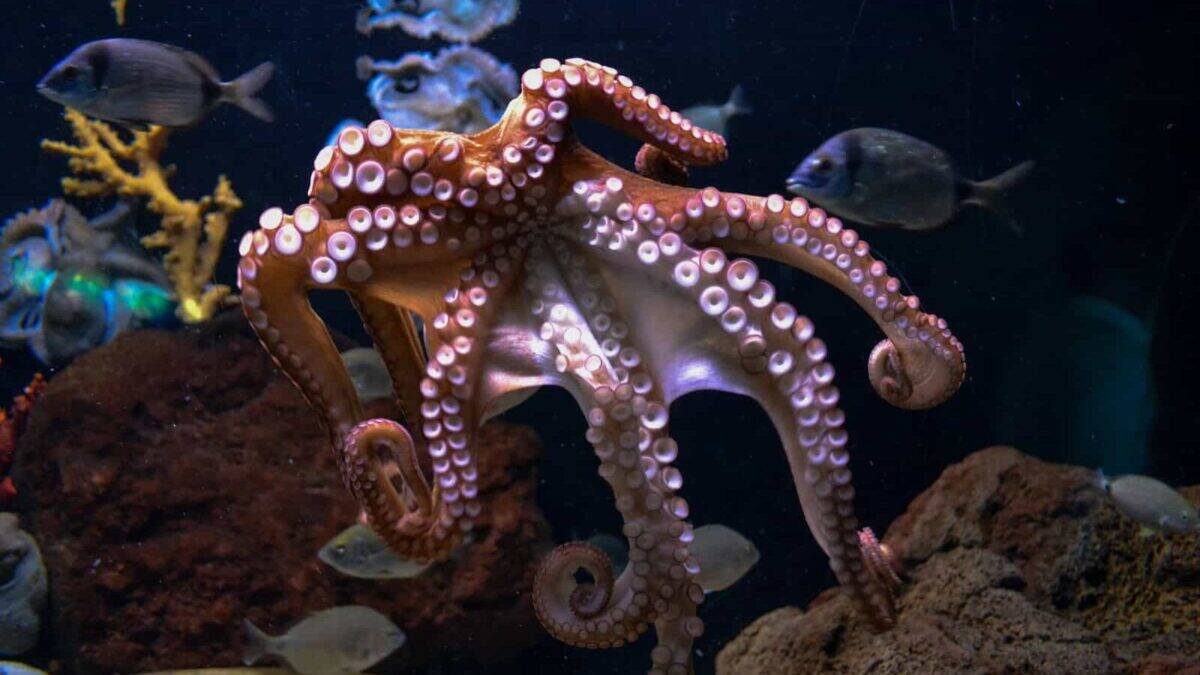
Octopuses possess extraordinary problem-solving abilities and adaptability that would make them innovative rulers compared to the predictable King Julian. These remarkable invertebrates have demonstrated the ability to open jars, navigate mazes, use tools, and even escape from secured tanks by squeezing through tiny openings. Each of their eight arms contains its own neural network, creating a distributed intelligence system capable of multitasking and creative solutions. Unlike Julian’s one-dimensional approach to challenges, octopuses would bring multiple perspectives and approaches to governance.
Perhaps most impressive is the octopus’s capacity for learning and adaptation. They can observe other octopuses solving problems and apply those lessons to new situations. Researchers have documented octopuses using coconut shells as portable shelters, jets of water to move objects at a distance, and complex camouflage techniques to avoid detection. This combination of intelligence, creativity, and adaptability would create leadership capable of responding to changing conditions with innovative solutions rather than Julian’s tendency to apply the same dance-based approach to every situation. While octopuses are primarily solitary creatures, their problem-solving capabilities would translate to governance focused on practical solutions rather than maintaining social hierarchies.
Orangutans: The Thoughtful Conservationists

Orangutans demonstrate remarkable intelligence and foresight that would make them thoughtful rulers compared to King Julian’s impulsive governance. These great apes are known for their tool use, problem-solving abilities, and capacity to plan for future needs. They create and use tools for specific purposes, construct elaborate nests each night, and navigate complex forest environments using mental maps. Unlike Julian’s haphazard approach to resources, orangutans demonstrate sophisticated understanding of sustainable resource use, harvesting fruits without destroying future productivity.
What makes orangutans particularly compelling potential monarchs is their combination of self-reliance with careful teaching. Mother orangutans spend years teaching offspring essential skills like identifying safe foods, constructing shelters, and navigating territories. They demonstrate remarkable patience, allowing young orangutans to observe and gradually master complex tasks. This approach to knowledge transfer ensures cultural traditions and survival skills persist across generations. While Julian’s leadership emphasizes immediate gratification and entertainment, orangutan governance would prioritize sustainable resource management, careful planning, and investment in future generations—creating kingdoms designed to last rather than parties designed to please.
Conclusion: Beyond the Dance Party Kingdom

King Julian’s leadership model—built on self-promotion, impulsive decision-making, and entertainment value—falls dramatically short when compared to the sophisticated governance systems found throughout the animal kingdom. From the democratic processes of honeybees to the wisdom-based leadership of elephant matriarchs, nature provides numerous examples of more effective approaches to community organization and decision-making. These animal models demonstrate that successful leadership requires more than self-declared authority and charismatic dancing.
The most effective animal leaders share common traits notably absent in Julian’s approach: they prioritize collective welfare over personal gain, make decisions based on evidence rather than impulse, invest in teaching future generations, and adapt strategies to changing conditions. Whether through the strategic thinking of ravens, the peaceful diplomacy of bonobos, or the sustainable resource management of orangutans, these alternative models emphasize leadership as service rather than privilege.
While Julian’s entertaining antics make for amusing stories, his leadership philosophy of “I like to move it, move it” creates unstable kingdoms built on personality rather than principle. The animal kingdom offers rich alternatives that combine authority with responsibility, creating communities that thrive through cooperation rather than coercion. Perhaps the lemur king could benefit from observing these natural leaders—though given his character, he’d likely just incorporate their moves into his next dance party rather than their wisdom into his governance.
In comparing these potential animal monarchs to King Julian, we’re reminded that true leadership isn’t about wearing a crown or commanding subjects—it’s about creating communities where all members can flourish through systems that prioritize collective well-being, sustainable practices, and shared knowledge. These animal kings and queens demonstrate leadership worthy not just of a fictional Madagascar, but of admiration and study by humans seeking to understand the foundations of effective governance.

From exploring the marine wonders in the Azores and witnessing the vast savannas of Kenya, to delving deep into the rich biodiversity of South Africa and traversing iconic landscapes in Australia and the US like Yellowstone, Chris's experiences are vast.
With a penchant for diving alongside sharks, the ocean holds a special place in his heart.
Through his academic insights, he champions wildlife conservation, striving with 'Animals Around The Globe' to cultivate a profound connection between humans and animals, enhancing our mutual appreciation.
Connect with him at Feedback@animalsaroundtheglobe.com.
- Why Flamingos Are Flocking to New Jersey’s Salt Marshes - July 20, 2026
- How a Giant Sloth Skeleton Changed Evolution Theories - July 20, 2026
- The Wildlife Cost of Your Chocolate Bar—and How to Make Ethical Choices - July 20, 2026