

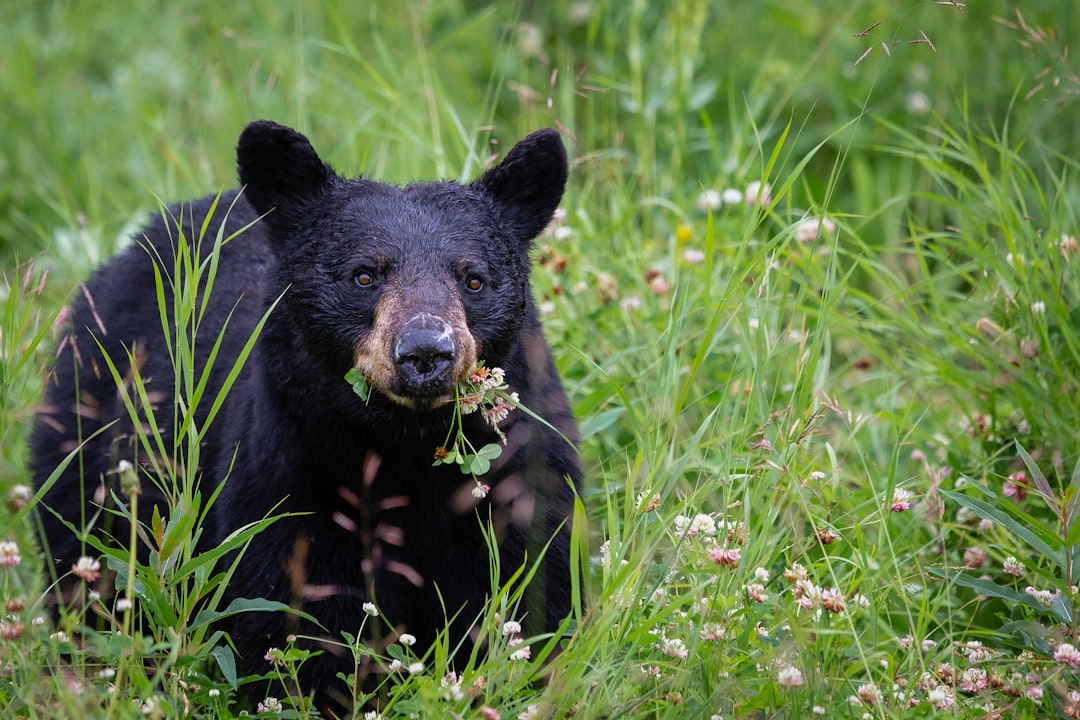
What if understanding your personality could be as simple as looking at our furry, powerful friends from the animal kingdom? Bears have long captured human imagination with their complex behaviors and diverse characteristics that mirror our own inner drives and motivations.
The Enneagram system offers profound insights into human personality through nine distinct types, each with unique patterns of thinking, feeling, and acting. When we match these personality traits with different bear species, something magical happens. We discover that each bear embodies the core essence of an Enneagram type in ways that feel surprisingly authentic and revealing. Let’s explore which magnificent bear species aligns with your Enneagram number and what this connection reveals about your deepest nature.
Type One – The North American Black Bear
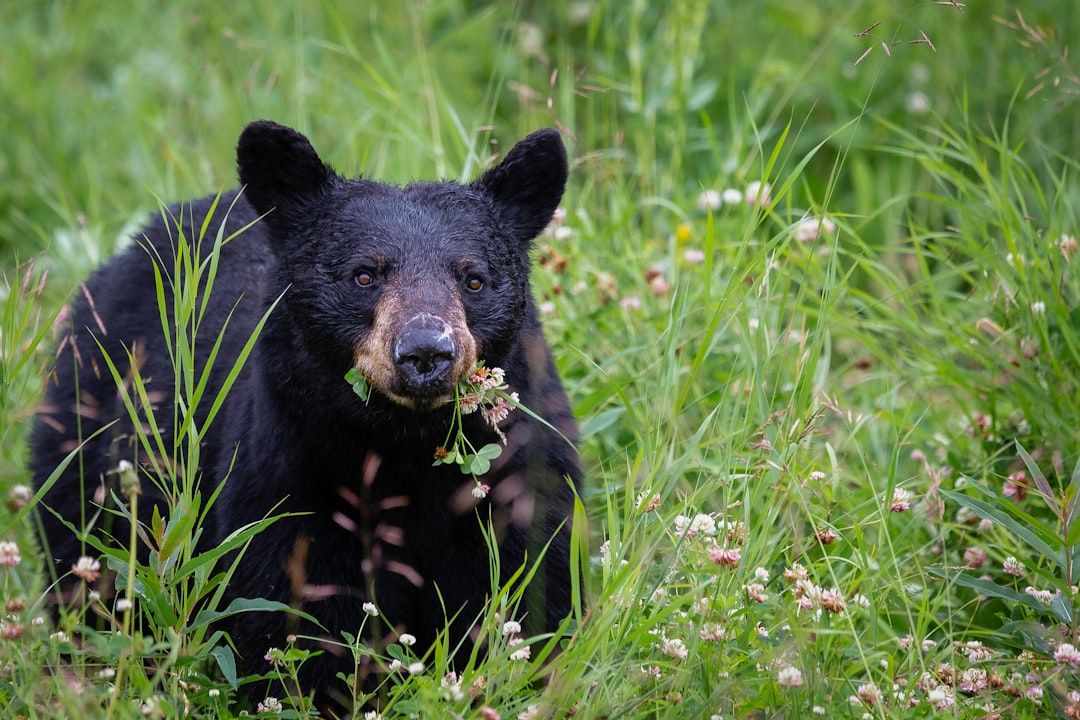
The perfectionist Type One finds its perfect match in the methodical North American black bear. These bears are incredibly hardworking and productive, keeping their heads down and rarely looking up to reassess. However, just like their human Type 1 counterparts, they will sting when angry. Black bears demonstrate the same attention to detail that defines Enneagram Ones.
They’re typically solitary, except for mothers with cubs. They have nonretractable claws, short tails, and excellent sense of smell. This methodical approach to life mirrors how Type Ones organize their world according to strict internal standards. When a black bear prepares for winter, every detail matters for survival, just as Ones believe every detail matters for achieving perfection.
Type Two – The Giant Panda
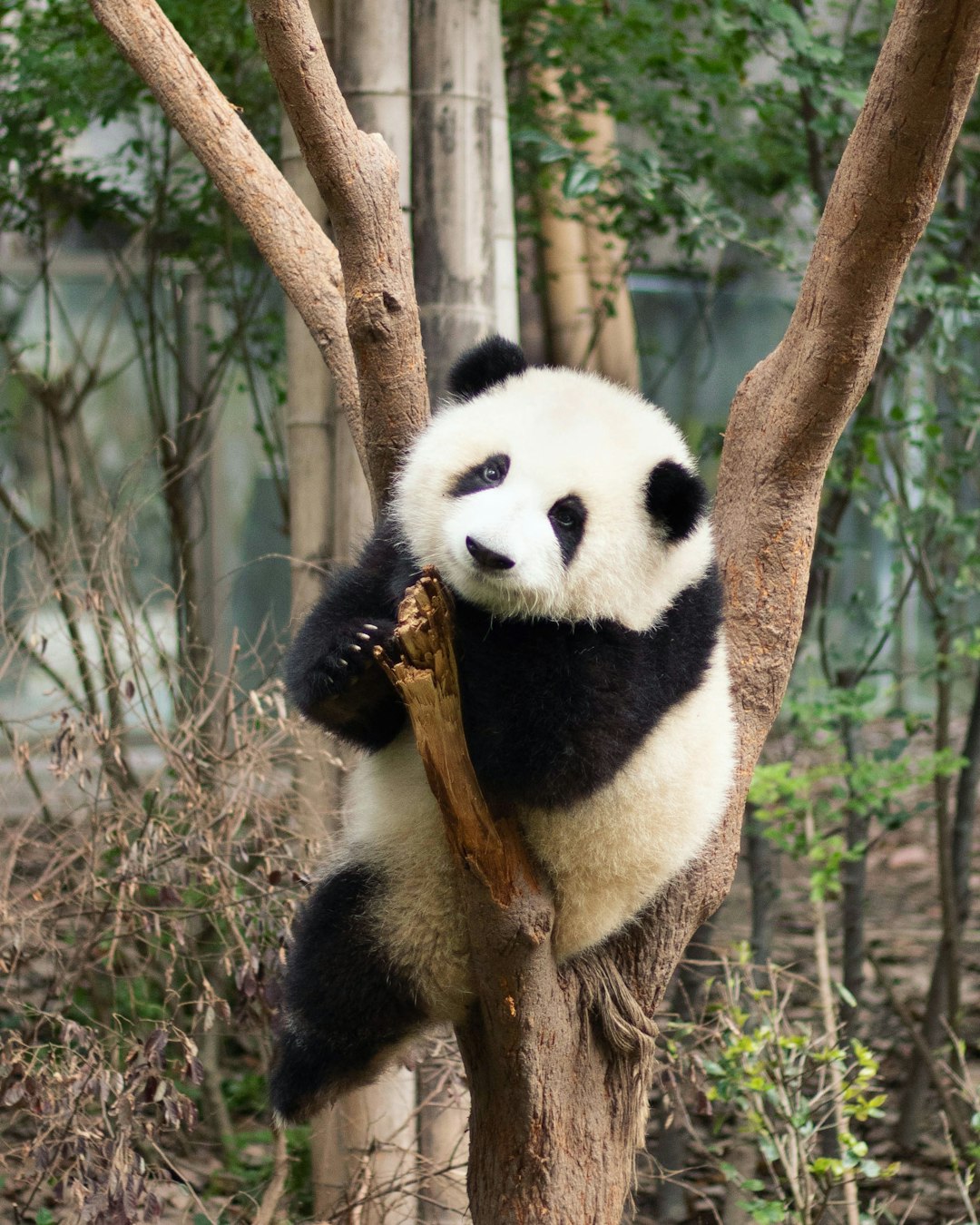
The giant panda is considered to be China’s national treasure and has become a worldwide symbol of conservation. Unfortunately, it has also become an endangered species and is severely threatened due to habitat loss and poaching. Like Type Twos, pandas naturally draw others to care for them while simultaneously caring deeply for their environment and community.
Pandas embody the Two’s gentle, nurturing nature through their peaceful bamboo-eating lifestyle. Their round, soft appearance makes them immediately lovable, much like how Type Twos instinctively know how to make themselves indispensable to others. These bears are instantly recognizable due to their distinctive black and white fur. While they have a stocky build, adult pandas are not particularly large, measuring around 1.2 to 1.5 meters in length and weighing between 75 to 135 kilograms. Their size is well-suited to their bamboo-rich diet.
Type Three – The Brown Bear (Grizzly)
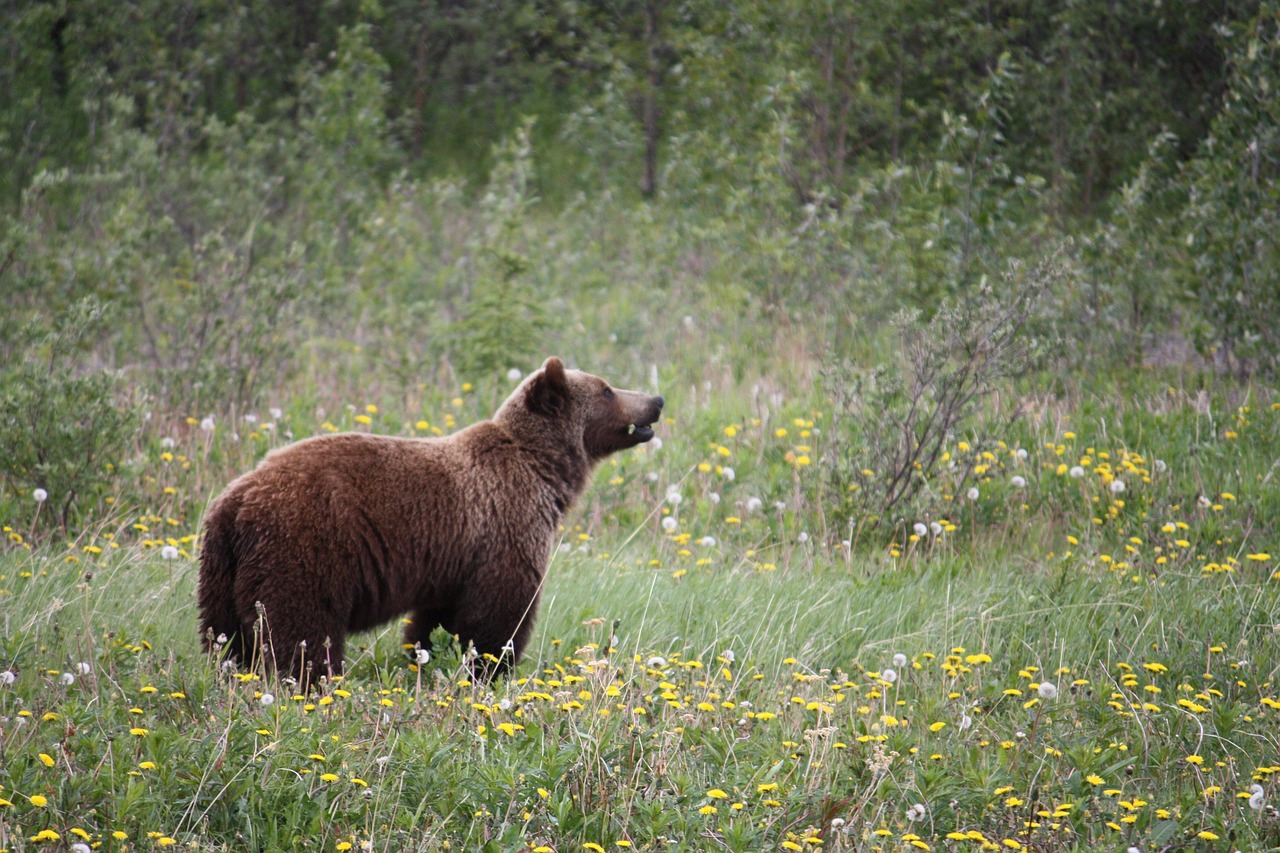
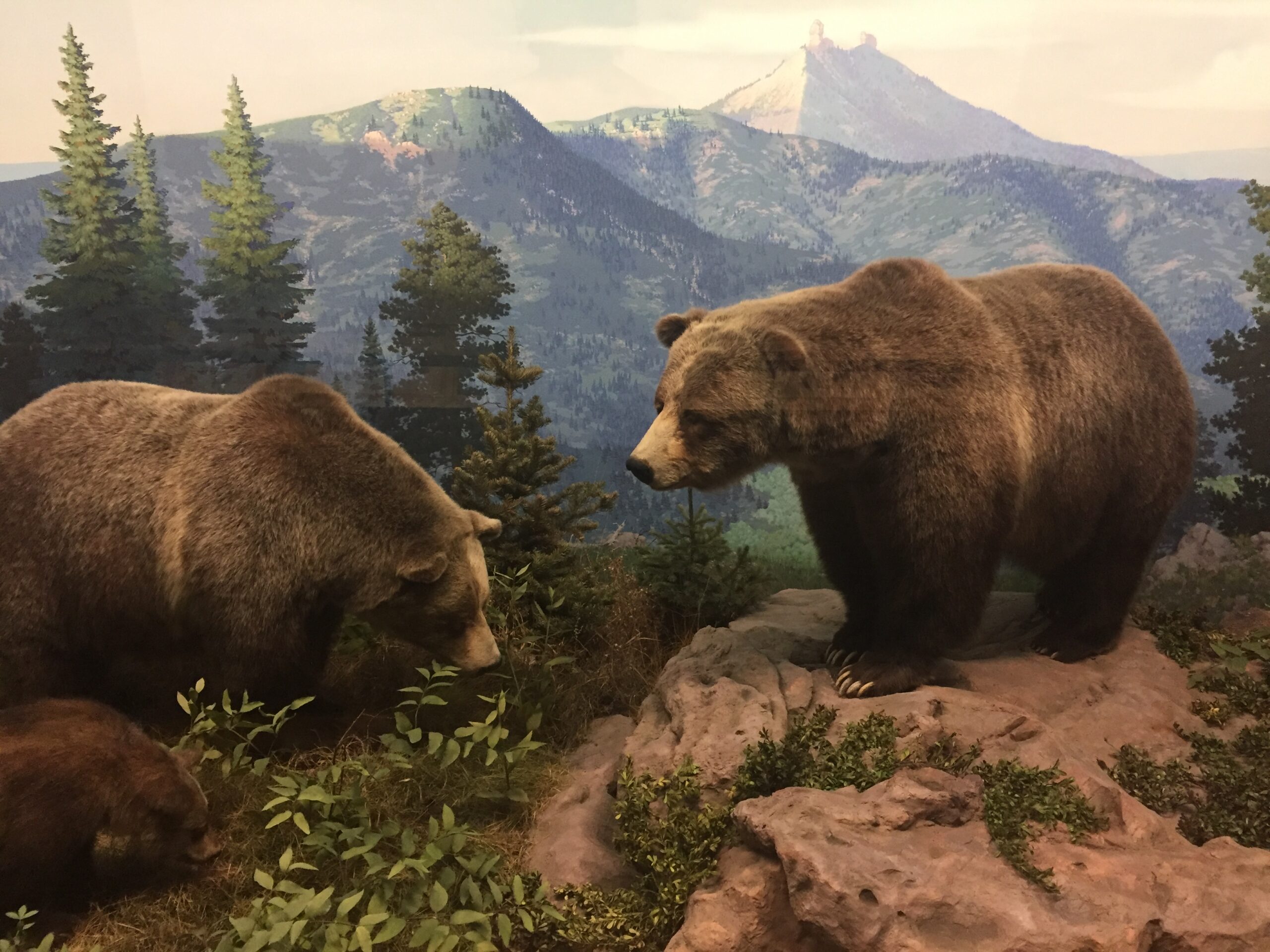
The brown bear is a close runner-up to the polar bear in terms of size. Within the brown bear species, the grizzly bear is particularly notable for its impressive stature. Adult male grizzlies can measure up to 2.4 meters in length and weigh between 180 to 360 kilograms. However, some coastal brown bears, like those found in Alaska, can reach even larger sizes due to their rich salmon diet. This adaptability perfectly captures the Three’s ability to excel in different environments.
Grizzlies are natural achievers who command respect through their impressive presence and capabilities. They successfully adapt to various habitats and food sources, demonstrating the same versatility that makes Type Threes such effective performers. Their powerful build and confident demeanor mirror how Threes project success and competence to the world around them.
Type Four – The Spectacled Bear
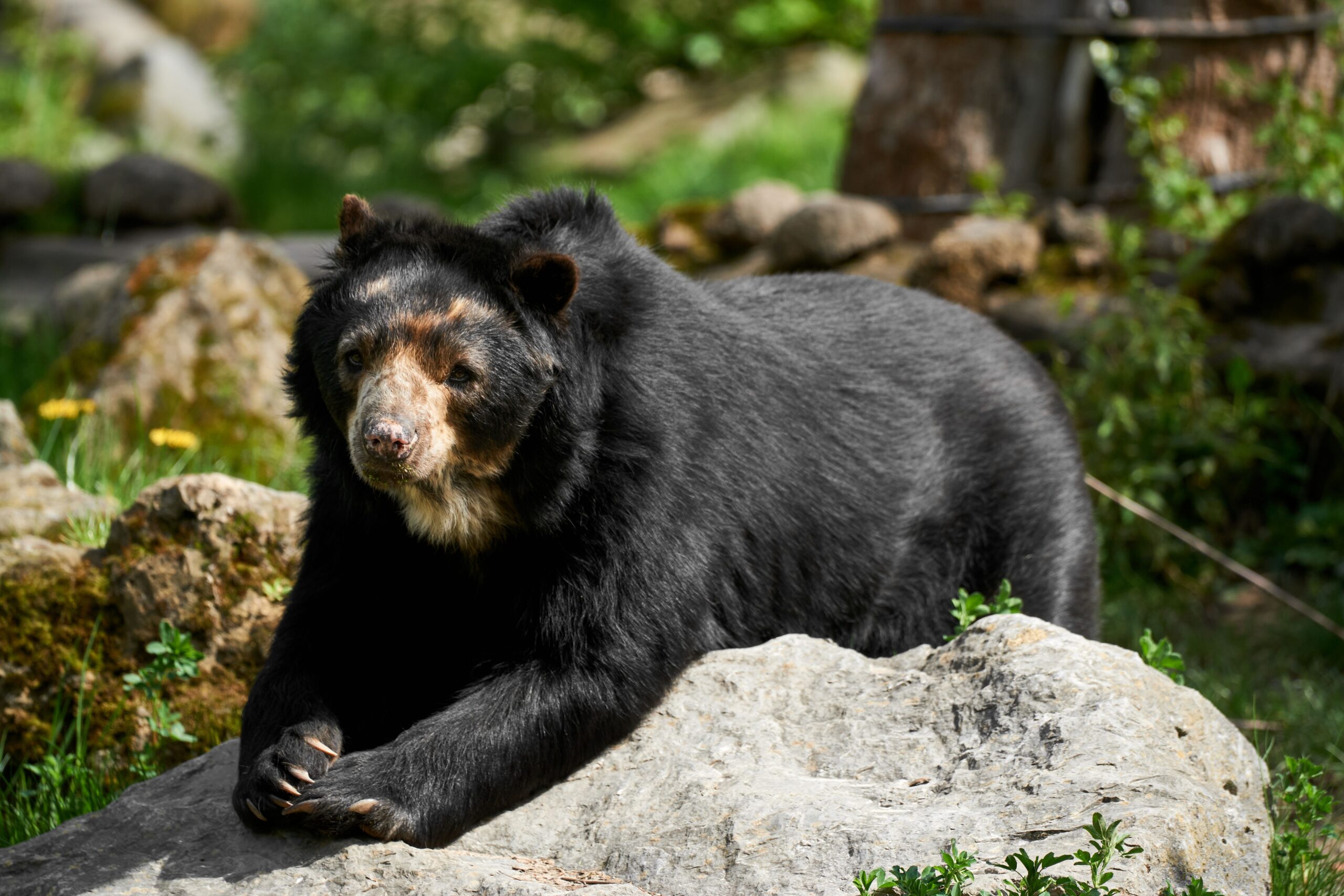
The spectacled bear, also called the Andean bear, is the only bear species native to South America. These bears are medium-sized, with adult males reaching lengths of 1.5 to 2 meters and weighing between 100 to 150 kilograms. They are known for the distinctive cream-colored markings around their eyes, which resemble spectacles. This unique facial marking makes them instantly recognizable, much like how Type Fours naturally stand out from the crowd.
Living in the mysterious cloud forests of the Andes, spectacled bears embody the Four’s search for authenticity and meaning in beautiful, often inaccessible places. Their solitary nature and preference for remote, dramatic landscapes reflect the Four’s tendency toward introspection and their attraction to environments that match their inner emotional intensity.
Type Five – The Sun Bear

The sun bear is the smallest bear species, earning it the nickname “honey bear.” Adult males typically measure around 1.2 to 1.5 meters in length. Despite their small size, sun bears are incredibly resourceful and self-sufficient, perfectly embodying the Five’s minimalist approach to life and their ability to thrive with fewer resources than others might need.
The smallest bear species, Sun Bears have short black coats with an orange or cream crescent-shaped chest patch resembling a rising sun. Found in tropical forests of Southeast Asia including Malaysia, Indonesia, Thailand, and Myanmar. Size: Smallest bear species weighing 60 to 145 pounds. Chest Marking: Bright crescent patch on chest. Tongue Length: Exceptionally long tongue used for extracting honey and insects. Their specialized feeding techniques and solitary lifestyle mirror how Type Fives develop expertise in specific areas while maintaining their independence.
Type Six – The Asiatic Black Bear
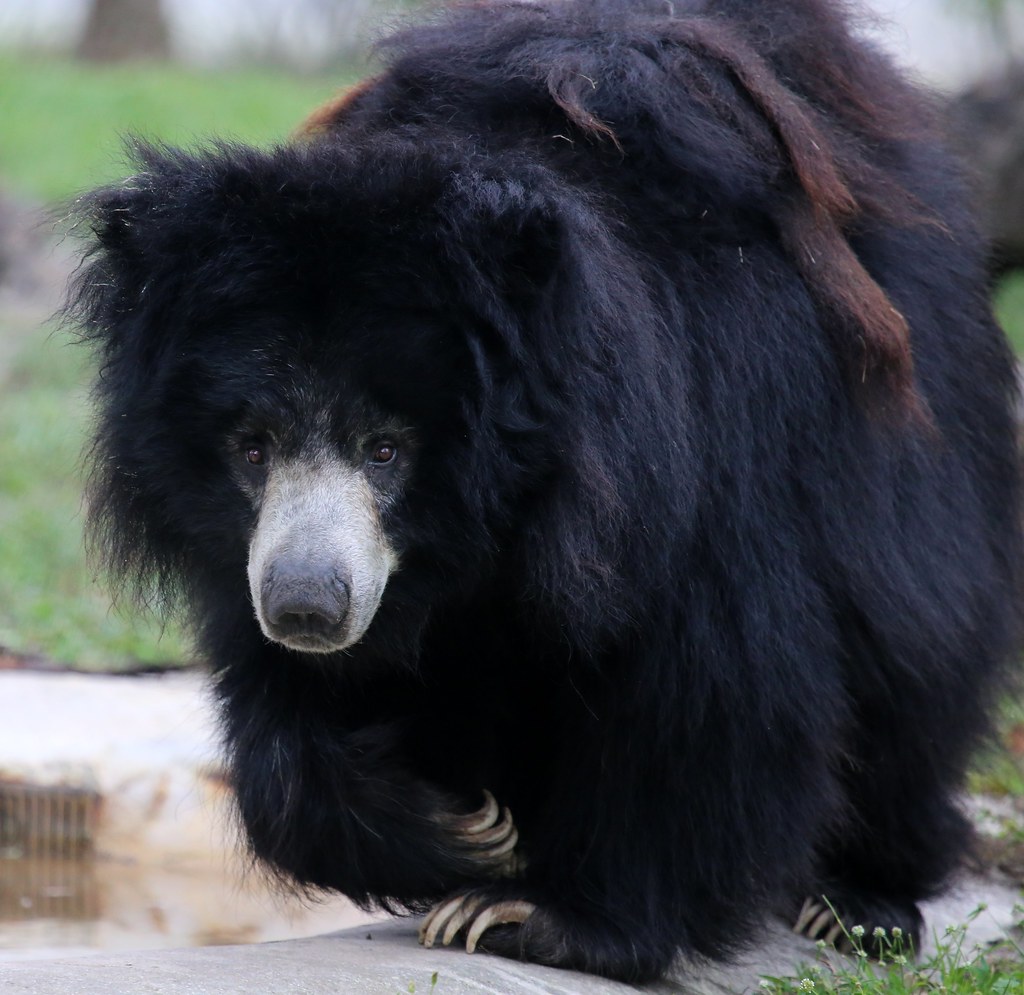
There are eight species: Asiatic black bears (also called moon bears), brown bears (which include grizzly bears), giant pandas, North American black bears, polar bears, sloth bears, spectacled bears (also called Andean bears), and sun bears. Asiatic black bears, also known as moon bears, represent the loyal and vigilant nature of Type Six with their distinctive white chest marking that resembles a crescent moon.
These bears are known for their cautious nature and strong awareness of their surroundings, much like how Sixes constantly scan their environment for potential threats or problems. They live in close-knit family groups when raising cubs, demonstrating the Six’s deep loyalty to their chosen community. Their ability to climb trees quickly when threatened mirrors the Six’s preparedness and their instinct to have multiple escape plans ready.
Type Seven – The Sloth Bear
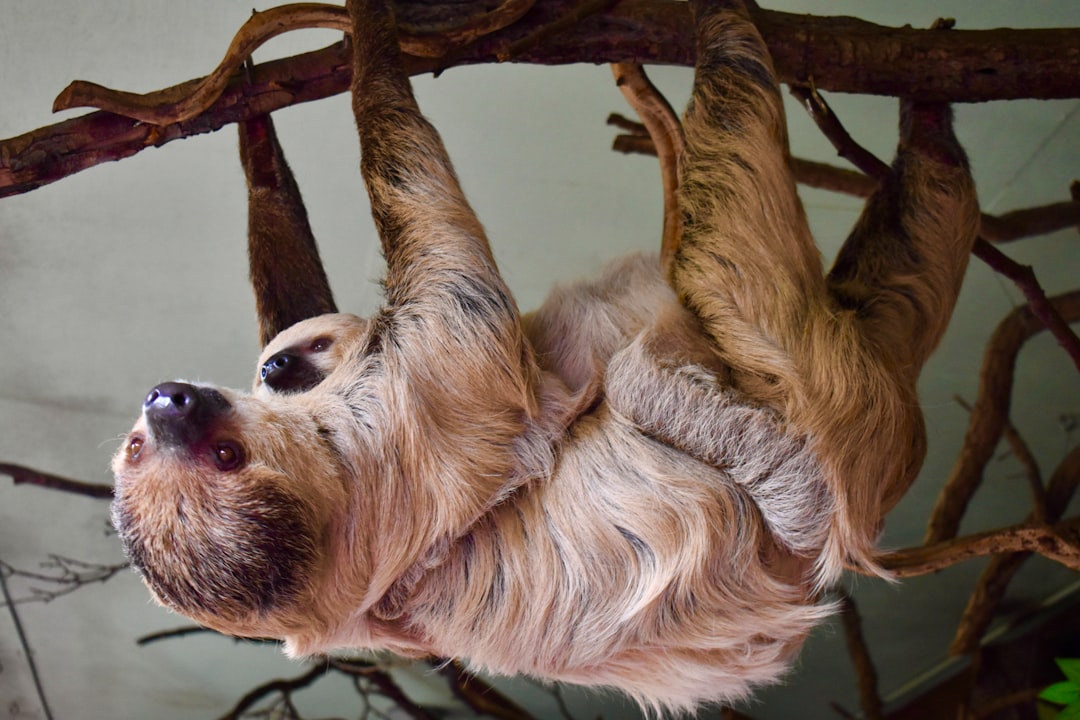
Long, shaggy fur and mane gave them the name sloth bear. Sloth bears are feared by rhinos and elephants. Don’t let their relaxed name fool you – sloth bears are actually energetic, enthusiastic creatures that embody the Seven’s zest for life. In reality, they are very fast and can out-gallop humans. Their diet consists of termites, ants, and fruit. They are noisy, messy eaters tearing up termite mounds with their big curved claws. They blow the dust around with big puffs and suck the ants up so loudly they can be heard 600 feet away.
Their loud, exuberant feeding style perfectly captures the Seven’s approach to experiencing life – with gusto, noise, and complete engagement. These bears are always on the move, seeking new food sources and adventures, just like how Sevens constantly pursue new experiences and opportunities. Their fearless attitude toward much larger animals shows the Seven’s optimistic confidence in facing challenges.
Type Eight – The Polar Bear
Enneagram type 8 wing 9: The Bear is a subtype that results from the encounter of types 8 and 9, which means that Eight’s natural determination meets some of the calm and serenity of the Nines. This combination brings out 8’s protection instinct in a more relaxed way. Enneagram 8w9s are very warm, reliable, and helpful people. They advocate for other people and have a sixth sense that detects threats and helps them protect their loved ones. While all Type Eights can be called “Bears,” the polar bear specifically embodies the raw power and commanding presence of this personality type.
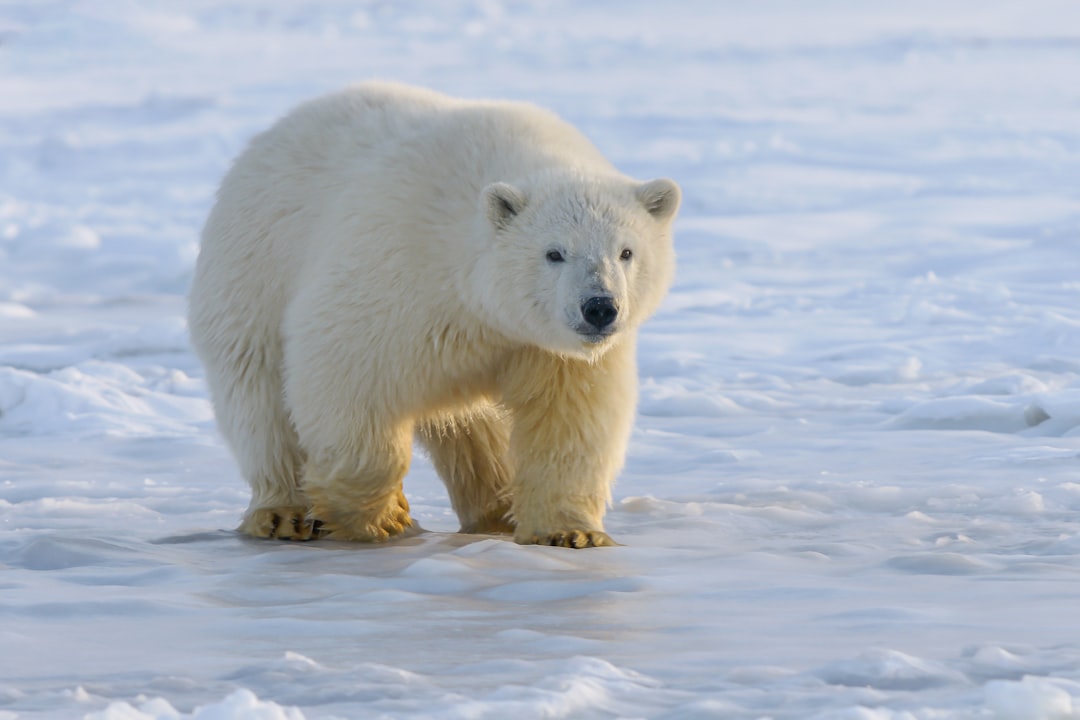
The polar bear reigns supreme in terms of size. Adult males, known as boars, can reach an impressive length of 2.4 to 3 meters from nose to tail. They typically weigh between 350 to 700 kilograms, with some exceptional individuals reaching up to 800 kilograms. Polar bears are the ultimate apex predator, ruling their Arctic domain with unquestioned authority. Their fearless approach to survival in one of Earth’s most hostile environments mirrors the Eight’s willingness to face any challenge head-on while protecting those in their care.
Conclusion
The connection between bear species and Enneagram types reveals something profound about both human nature and the animal kingdom. Each bear embodies the core motivations, fears, and strengths of their corresponding Enneagram type in ways that feel both surprising and inevitable. From the perfectionist precision of the black bear to the commanding presence of the polar bear, these magnificent creatures offer us a mirror to understand our own personalities more deeply.
Perhaps the most beautiful aspect of this connection is how it reminds us that our personality traits aren’t just human quirks – they’re expressions of deeper patterns found throughout nature. Just as bears have evolved different strategies for survival and thriving in their environments, we too have developed distinct approaches to navigating life’s challenges and opportunities.
Which bear resonated most strongly with you? What do you think about this wild way of understanding personality types? Tell us in the comments.
