

Ever notice how people seem to have an almost magnetic pull toward certain types of music? There’s something fascinating about the way our personalities connect to the songs that move us. Scientists have been digging into this for years, uncovering surprising links between musical taste and who we really are underneath all those carefully curated playlists. But what if we took this idea one step further? What if the traits that make someone gravitate toward crushing guitar riffs versus heartfelt country ballads could actually match them up with America’s most powerful predators?
It sounds wild, but when you look at the behavioral patterns, hunting styles, and survival instincts of our continent’s top predators, some pretty interesting parallels emerge. Let’s dive into this unexpected comparison and see which apex predator truly captures the essence of rock fans versus country music lovers.
The Lone Wolf: Rock Music’s Ultimate Match
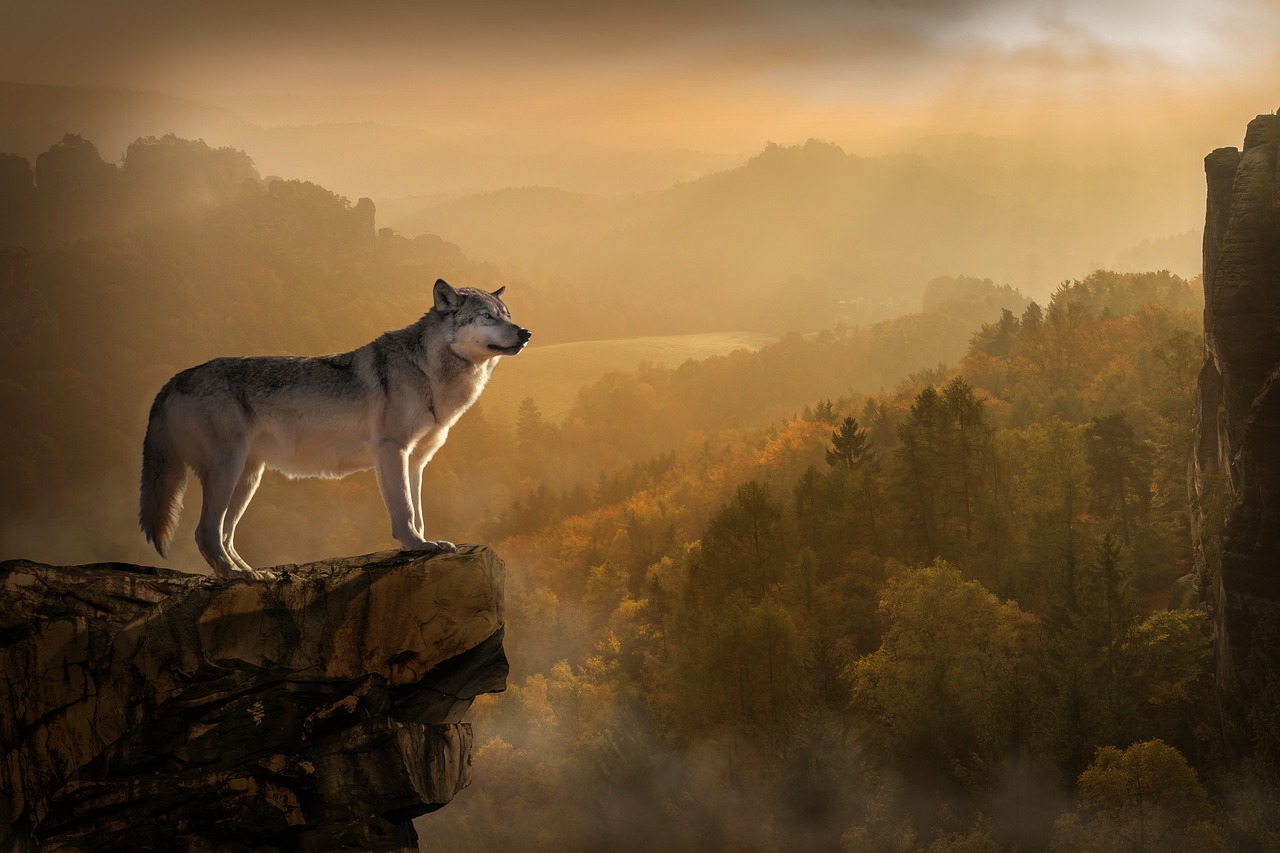
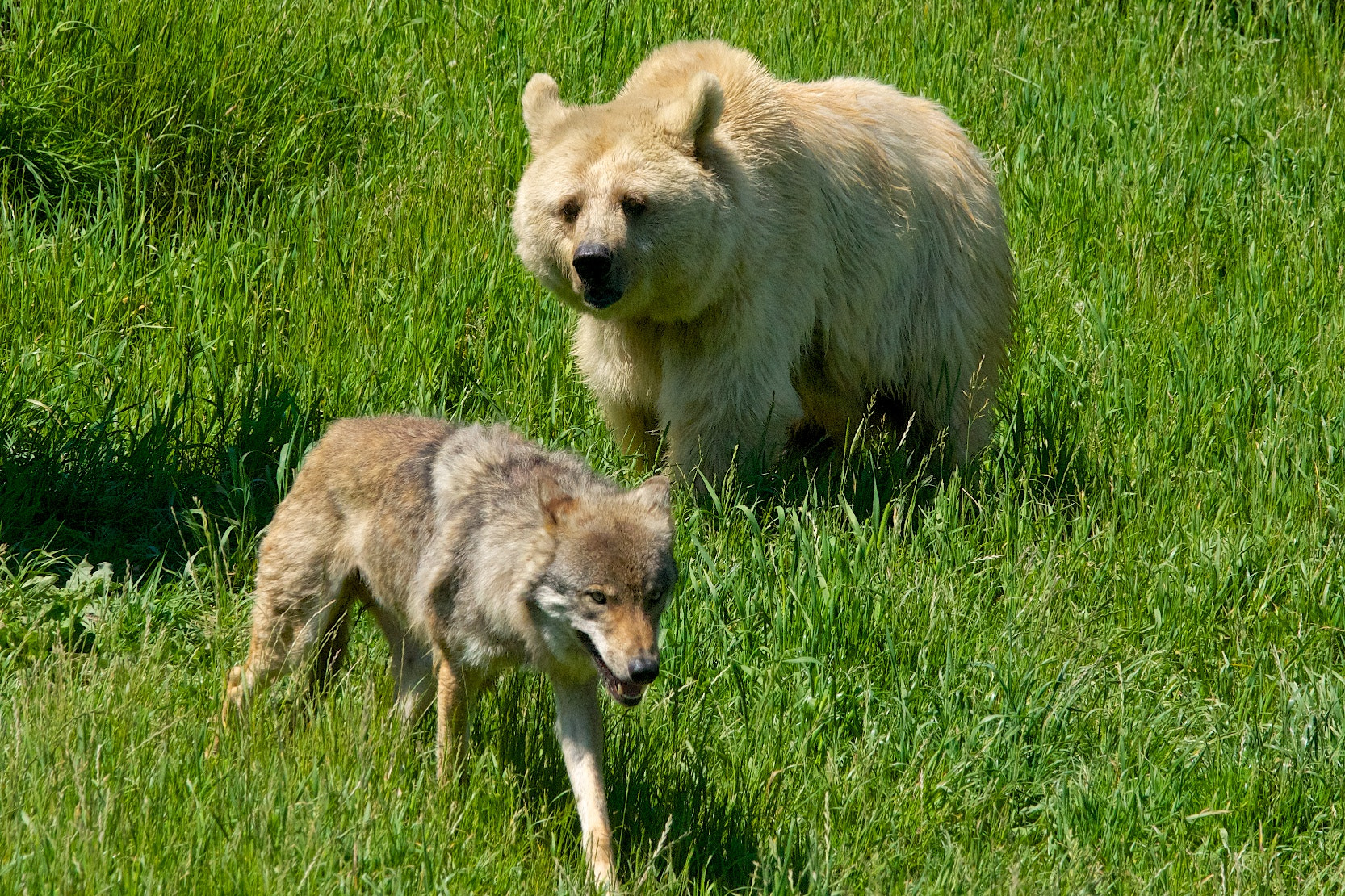
When you think about rock music fans, there’s something unmistakably solitary about their nature. Despite the aggressiveness of rock and heavy metal music, rock and metal fans tend to be overall calm and gentle. Research also suggests that rock and metal fans tend to be more introverted and have low-self esteem. This matches perfectly with the gray wolf, one of America’s most iconic predators.
Most of the world’s top predators are strict loners, preferring to rely on their own individual prowess to bring down prey. But gray wolves run in a pack for a reason — their coordinated efforts make them one of the most successful (and deadly) animals on this list. Just like rock fans who might seem antisocial on the surface but thrive in concert crowds, wolves balance independence with powerful group dynamics when it matters most.
The Grizzly Bear: Country Music’s Perfect Spirit Animal
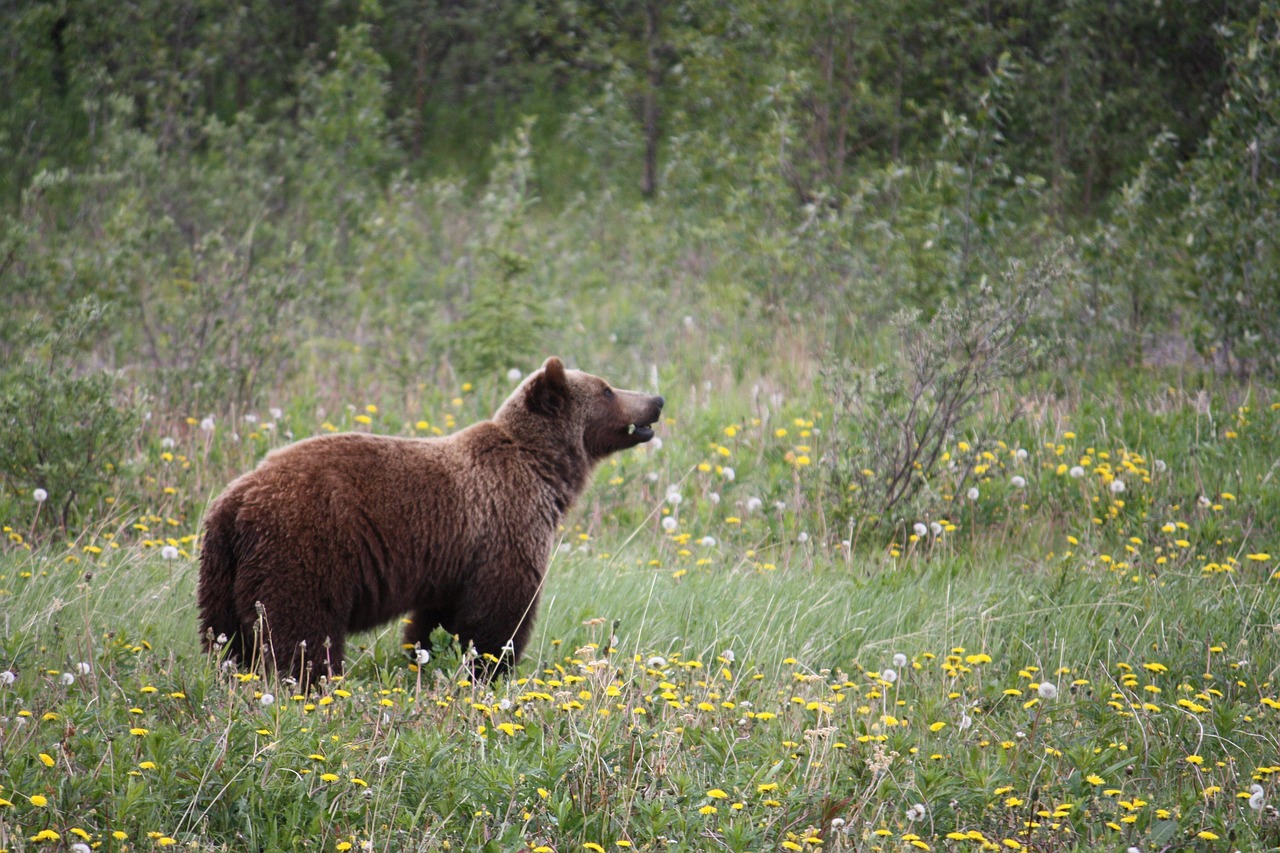
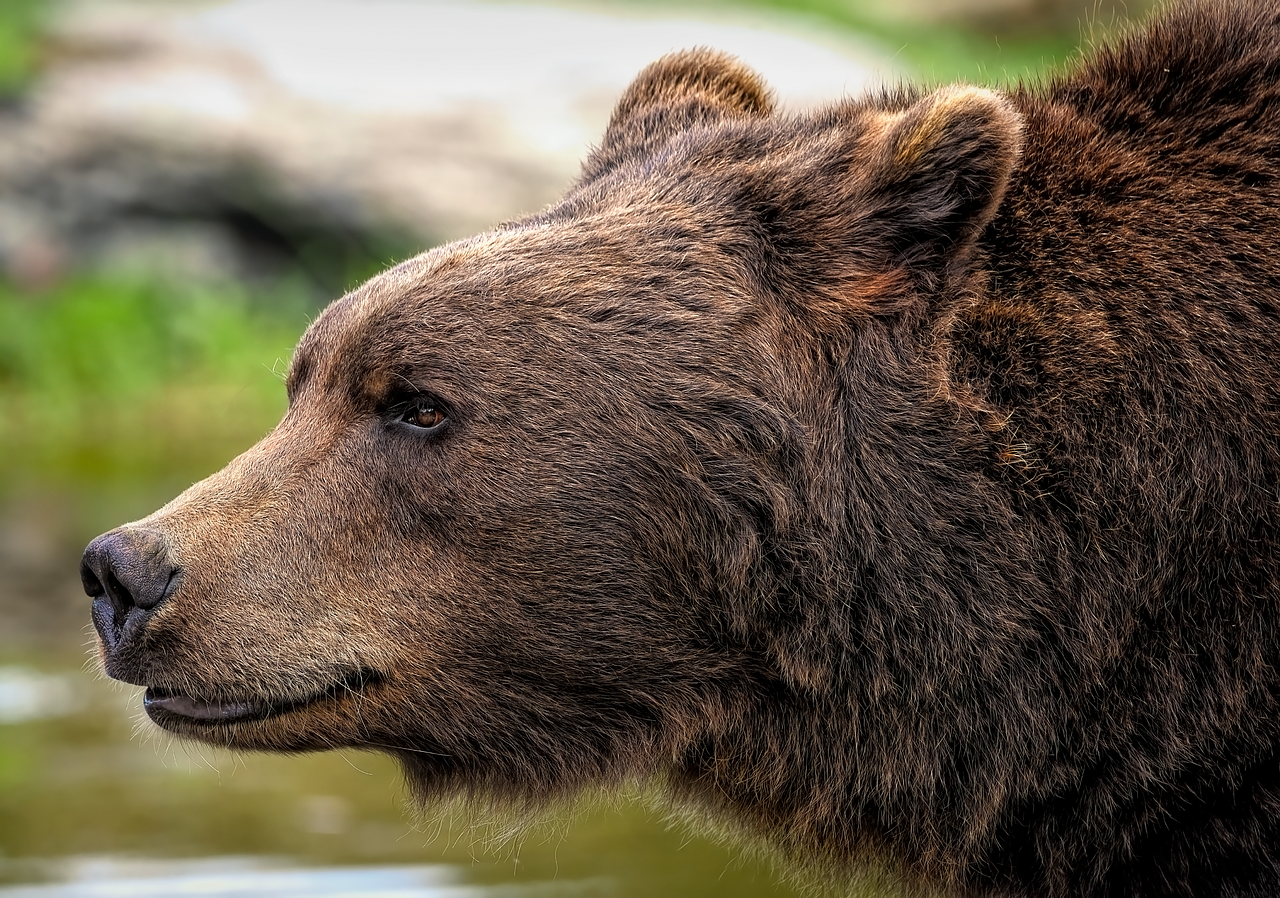
Unsurprisingly, country listeners tend to be unpretentious and empathetic individuals. They are also hardworking, outgoing, and conventional. They also tend to be more conservative and rank low on openness to experience. These traits align beautifully with the grizzly bear, a creature that embodies the down-to-earth, no-nonsense approach to survival.
The grizzly bear, also known as the brown bear, is probably the most feared animal in North America. This powerful predatory genius can rear up to 7-8 feet when standing on its hind legs and weigh more than 800 pounds. Like country music fans who value tradition and straightforward approaches, grizzlies are practical hunters who use their impressive size and strength rather than elaborate tactics. They represent the honest, hardworking ethos that country music celebrates.
Pack Mentality vs. Solo Spirit
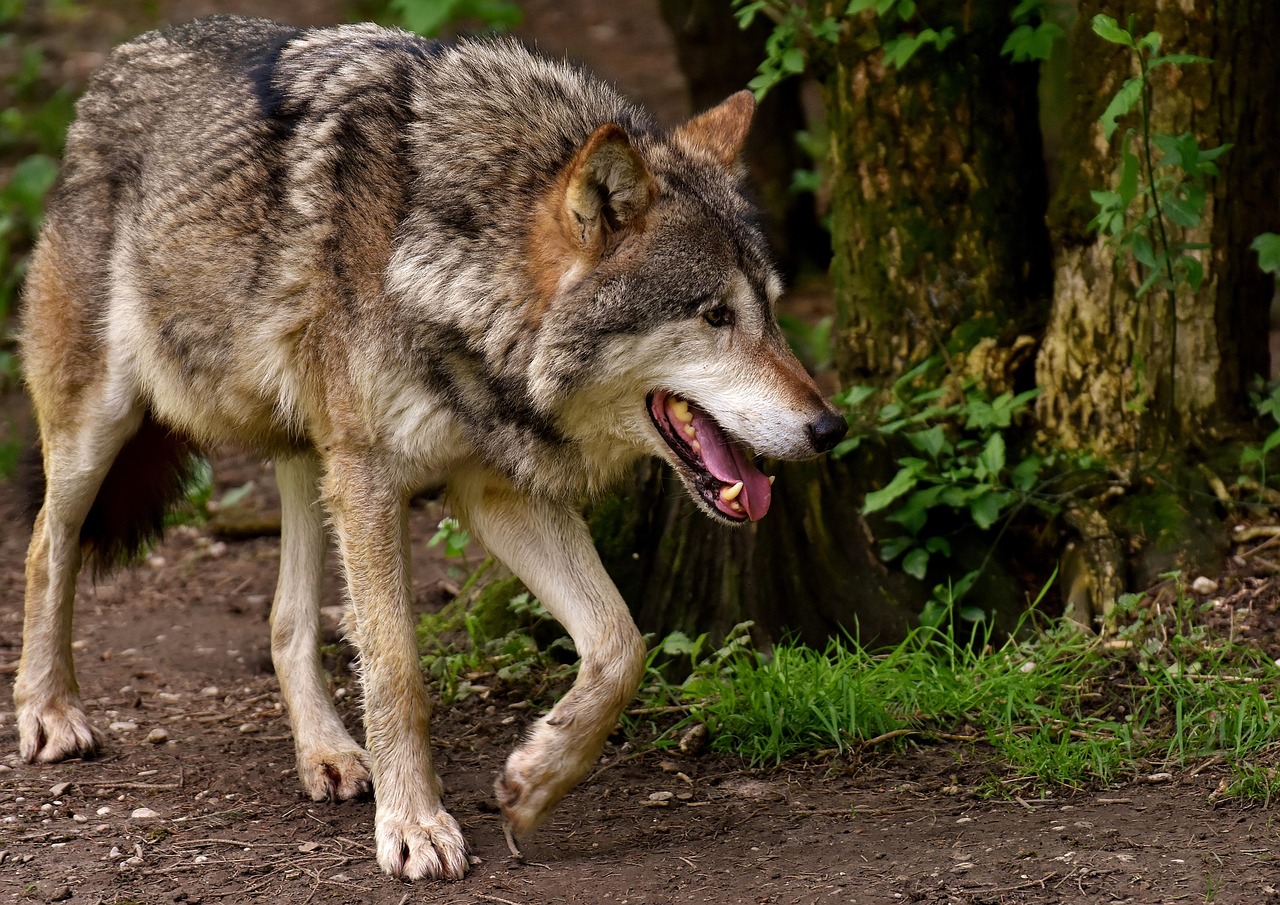
The difference in how these predators approach hunting reveals something profound about music preferences. Gray wolves are considered to be highly social animals that form tight, nuclear packs. Cooperative pack hunting, endurance running, and strategic coordination allow wolves to bring down prey much larger than themselves. This mirrors how rock fans often find their tribe at concerts, forming intense but temporary communities around shared musical experiences.
Grizzly bears, on the other hand, are primarily solitary creatures except during mating season or when mothers are raising cubs. These apex predators, while technically carnivorous, have an impressively varied diet featuring different foods based on their specific range and the season. They’ll eat anything from moose to berries to carrion discarded by other predators. This adaptable yet independent approach reflects the practical, self-reliant nature often found in country music enthusiasts.
Hunting Styles Reflect Musical Personalities
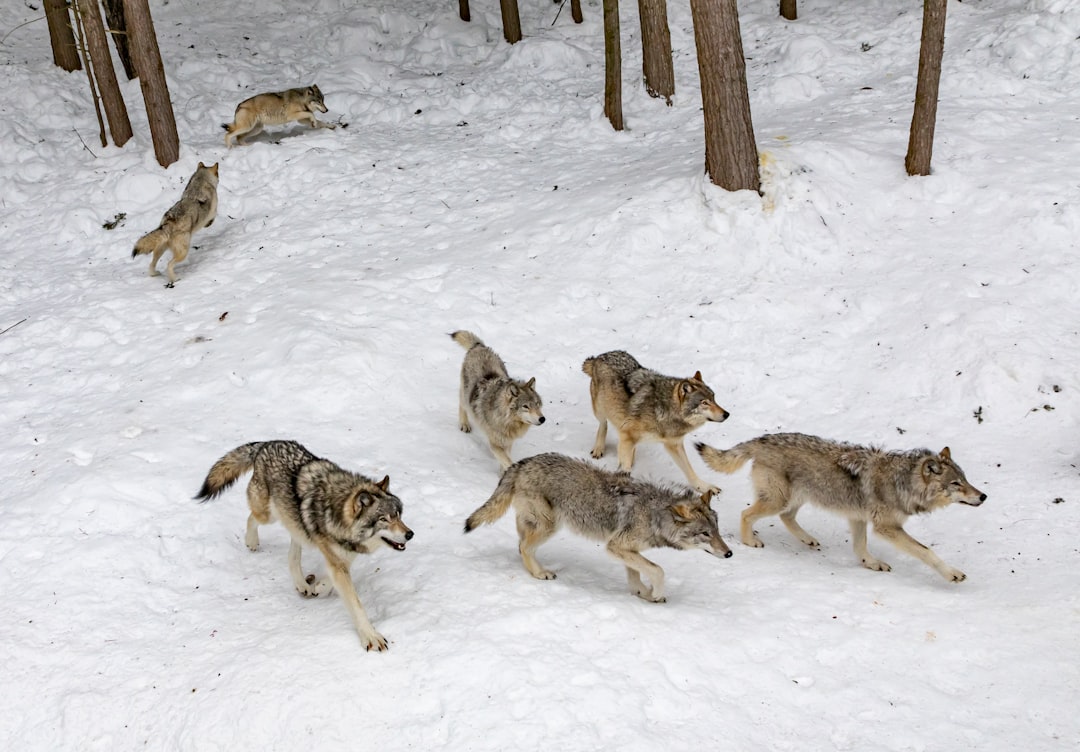
The way these predators hunt tells us everything about their personalities. A typical wolf attack begins with members of the pack working together to encourage their victim to run. Not only is a lone animal easier to bring down than one that is in a herd, but a running animal poses less of a threat than one that is poised to fight. Then, the alpha male takes over to lead the chase, with his alpha female close behind. Once their victim stumbles and falls to the ground, the pack surrounds the animal and goes in for the kill.
This strategic, coordinated approach mirrors the complex layering and collaboration found in rock music. Just as multiple band members work together to create intricate soundscapes, wolves use sophisticated teamwork to achieve their goals. Meanwhile, grizzly bears rely on brute force and opportunity, much like country music’s straightforward storytelling and emotional directness.
The Mountain Lion: An Alternative Rock Wildcard
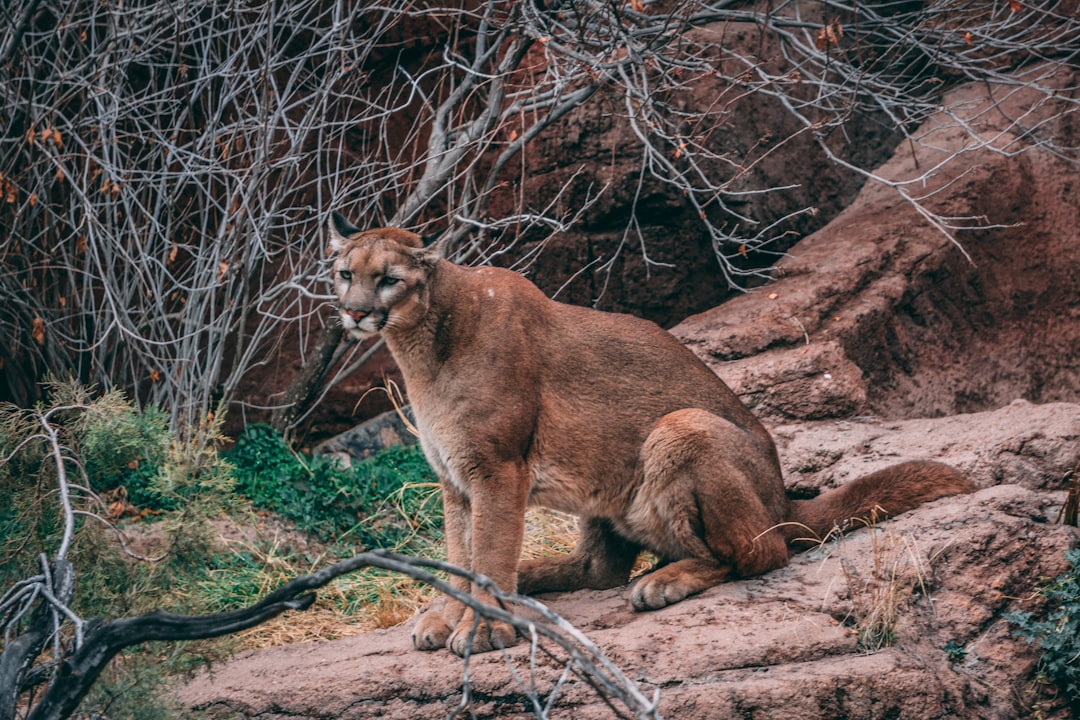
Also known as cougars or pumas, mountain lions are stealthy hunters that primarily inhabit the forests and mountainous regions of western North America. These solitary predators are highly adaptable and can even be found near urban areas. With their powerful limbs and acute sense of sight, mountain lions often hunt at dusk and dawn, preying on deer, coyotes, and other mammals. Though they generally avoid humans, encounters can be perilous if the animal feels cornered.
For those rock fans who lean more toward alternative or indie rock, the mountain lion represents a perfect match. Indie rock fans tend to be more creative and open to new experiences, but have low-self esteem and work ethic. Mountain lions embody this creative, independent spirit while maintaining the stealth and adaptability that alternative music lovers often display in their approach to life.
The American Alligator: Classic Country Comfort

American alligators are considered an apex predator throughout their range. They are opportunists and their diet is determined largely by both their size and age and the size and availability of prey. Most American alligators eat a wide variety of animals, including invertebrates, fish, birds, turtles, snakes, amphibians, and mammals. This opportunistic approach to survival matches perfectly with traditional country music fans who value practicality and making the best of whatever situation they’re in.
In contrast, ambush predation involves patience and surprise. A crocodile may wait motionless for hours at a water’s edge until an animal comes to drink. This patient, methodical approach reflects the steady, enduring qualities that country music fans often possess. They’re not flashy or dramatic – they’re consistent and reliable, just like the alligator that has survived virtually unchanged for millions of years.
Social Structures Mirror Musical Communities

The social dynamics of these predators reveal interesting parallels to how different music fans interact. Highly social animals, killer whales tend to live in pods made up of dozens of individuals working cooperatively to snag prey. While killer whales aren’t exclusively North American, their pack behavior resembles how rock music creates intense community bonds at festivals and concerts.
Country music fans, like grizzly bears, tend to be more individually focused but deeply protective of their family units. Despite the country songs surrounding heartbreak, country listeners tend to be very emotionally-stable individuals. This emotional stability mirrors the grizzly’s calm confidence and protective nature, especially when it comes to defending territory or offspring.
Seasonal Adaptations and Musical Moods

Just as predators adapt to seasonal changes, music preferences can shift with circumstances and moods. Situations have been shown to influence individual’s preferences for certain types of music. Participants in a study from 1996 provided information about what music they would prefer to listen to in given situations, and indicated that the situation greatly determined their musical preferences. For example, melancholic situations called for sad and moody music, while an arousal situation would call for loud, strong rhythm, invigorating music.
Wolves and bears both demonstrate seasonal behavioral changes that reflect how rock and country fans might shift their musical choices. Wolves become more collaborative during harsh winter months, while bears prepare for solitary hibernation periods. This adaptability shows how both predators and music lovers adjust their strategies based on environmental demands.
Territorial Instincts and Musical Identity
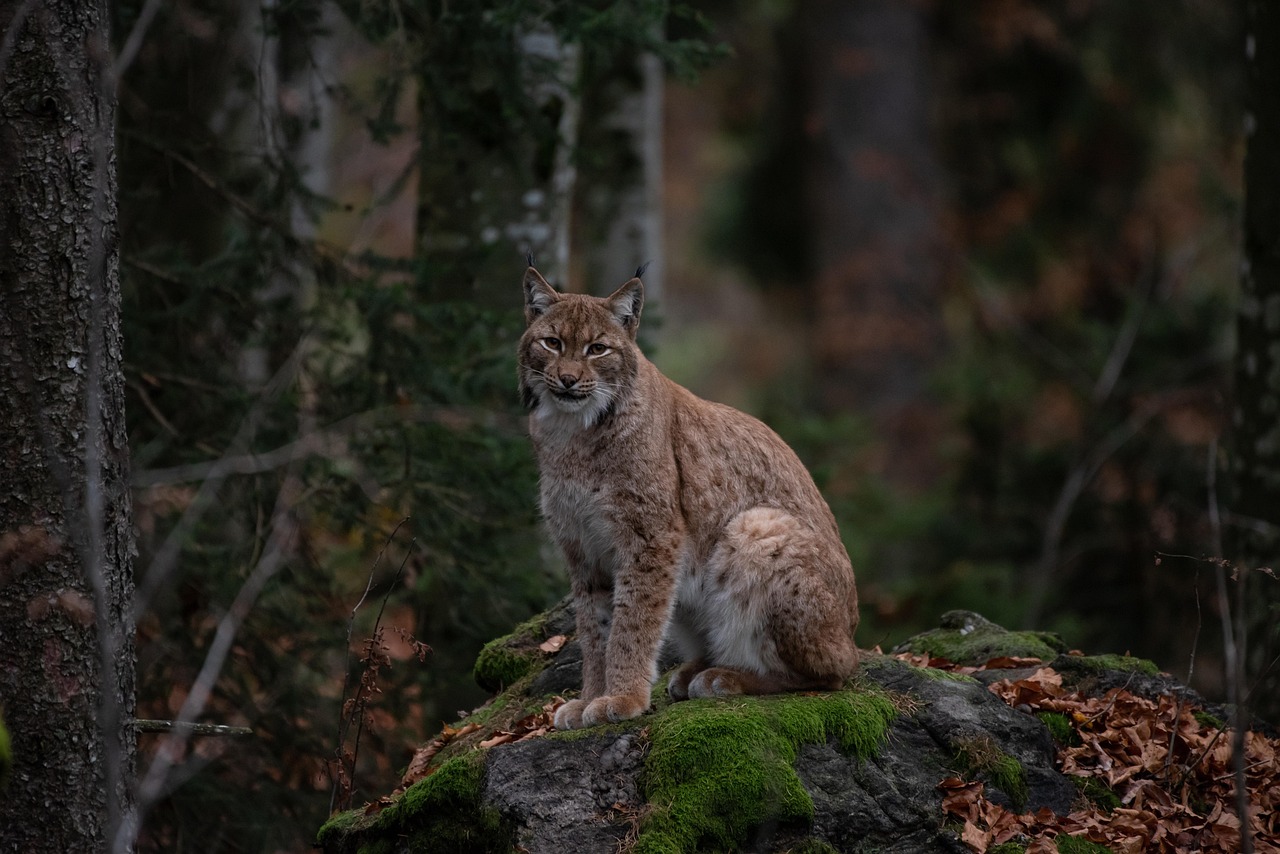
Smaller than some of America’s other big cats, bobcats are nonetheless formidable predators found throughout North America, particularly in wooded areas. These nocturnal hunters are known for their incredible stealth, preying primarily on rabbits, birds, and rodents. Bobcats are solitary and territorial, marking their boundaries with scent markings. While not as dangerous to humans as larger predators, they can pose a threat to domestic animals if their territories overlap with human settlements.
This territorial behavior reflects how both rock and country fans can be fiercely protective of their musical identities. Rock fans might defend their favorite bands with the intensity of a wolf pack, while country fans show the steady, consistent loyalty of a grizzly bear protecting its territory. Both demonstrate that musical preference isn’t just about sound – it’s about identity and belonging.
The Apex Connection: Personality Traits as Survival Strategies
Individuals show consistent differences in behaviour across time and/or across contexts. For example, some individuals are consistently more aggressive, bolder, more explorative, and/or more active than others. Such personality differences are evident in numerous animal taxa, ranging from invertebrates to vertebrates. The personality types of individuals are known to influence their fitness, thus selection can act on them.
This research reveals that personality traits in predators serve survival functions, just like musical preferences serve psychological and social functions for humans. Rock fans’ tendency toward introversion and emotional intensity mirrors the wolf’s need for both independence and pack loyalty. Country fans’ preference for emotional stability and conventionality reflects the grizzly bear’s practical, straightforward approach to survival challenges.
Conclusion
The connection between musical taste and predator personalities runs deeper than simple stereotypes. So it’s not so surprising that personality should be related to musical preference. We really got the sense that people were selecting musical styles to like that match their own personality. Just as wolves and grizzly bears have evolved different survival strategies that match their environments and social needs, rock and country music fans seem to gravitate toward sounds that reflect their core personality traits and life approaches. Whether you’re howling along to a guitar solo like a lone wolf or standing steady through life’s storms like a grizzly bear, your musical preferences might reveal more about your survival instincts than you ever imagined. The next time you hear someone dismiss musical taste as “just preference,” remember that both predators and people choose strategies that help them thrive in their chosen environments. What do you think about this wild comparison? Tell us in the comments which predator personality matches your musical taste the best.

- 7 Signs Your Dog Thinks You're Family - July 21, 2026
- These 6 Animals Have the Most Bizarre Mating Rituals on Earth - July 21, 2026
- 7 U.S. States That Have the Best Sunsets in the Country - July 21, 2026