

America’s diverse ecosystems harbor a fascinating array of wildlife, including numerous venomous species that have evolved remarkable defense mechanisms. From scorching deserts to humid swamplands, these creatures have adapted to their environments with potent toxins that demand our respect and caution. While many people might assume states like Florida or Texas hold the title for most venomous animals, the answer might surprise you. This comprehensive exploration examines which US state truly deserves the crown for harboring the highest concentration of venomous fauna, what factors contribute to these populations, and how humans can safely coexist with these important members of our natural world.
Understanding Venom vs. Poison: An Important Distinction

Before diving into which state holds the title for most venomous animals, it’s essential to understand the difference between venomous and poisonous creatures. Venomous animals actively deliver toxins through specialized structures like fangs, stingers, or spines, typically using venom as a hunting mechanism or defense strategy. Examples include rattlesnakes, which inject venom through hollow fangs, or scorpions that deliver venom via their stingers.
Poisonous animals, by contrast, contain toxins that are harmful when the animal is touched or consumed. Poison dart frogs and certain toads fall into this category. This distinction matters because our discussion focuses specifically on venomous animals—those that can actively deliver toxins through bites or stings. With this clarification in mind, we can properly assess which US state hosts the most creatures capable of delivering venom through specialized anatomical structures.
Arizona: America’s Venomous Animal Capital

When all factors are considered, Arizona emerges as the US state with the highest concentration and diversity of venomous animals. This southwestern state’s varied topography—from the scorching Sonoran Desert to high mountain plateaus—creates ideal habitats for numerous venomous species. Arizona is home to 13 species of rattlesnakes, more than any other state, including the Mojave rattlesnake, whose neurotoxic venom is particularly potent. The Grand Canyon State also hosts the only venomous lizards in the United States: the Gila monster and the Mexican beaded lizard.
Beyond reptiles, Arizona harbors an impressive array of venomous invertebrates. The state is home to around 30 species of scorpions, including the notorious Arizona bark scorpion—the most venomous scorpion in North America, whose sting can cause extreme pain, numbness, and in rare cases, respiratory failure. Additionally, Arizona has numerous venomous spiders, including multiple species of black widows, brown recluses, and tarantulas. This remarkable diversity of venomous fauna makes Arizona the undisputed champion in this category.
Texas: A Close Runner-Up
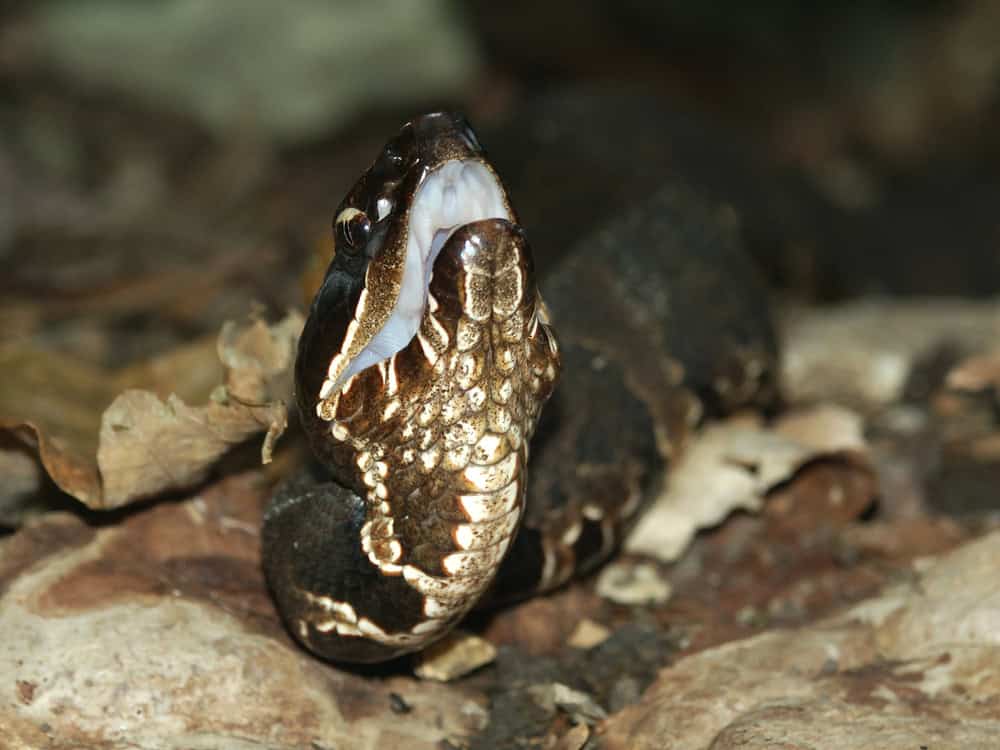
The Lone Star State ranks as a close second in terms of venomous animal diversity. Texas’s vast size and varied ecosystems—from deserts to wetlands to forests—create habitats for numerous venomous creatures. The state is home to 10 species of rattlesnakes, including the western diamondback, as well as the Texas coral snake, whose neurotoxic venom can cause respiratory failure. The cottonmouth (water moccasin) and copperhead snakes also thrive in Texas’s varied environments.
Texas rivals Arizona in its diversity of venomous invertebrates. The state hosts several scorpion species, including the striped bark scorpion, and numerous venomous spiders such as the brown recluse and black widow. Texas waters contain additional threats, including venomous marine animals like the Portuguese man-of-war and several species of stingrays along its Gulf Coast. This impressive range of venomous creatures, spanning terrestrial and aquatic environments, solidifies Texas’s position as a major hotbed of venomous wildlife in the United States.
Florida: The Venomous Melting Pot
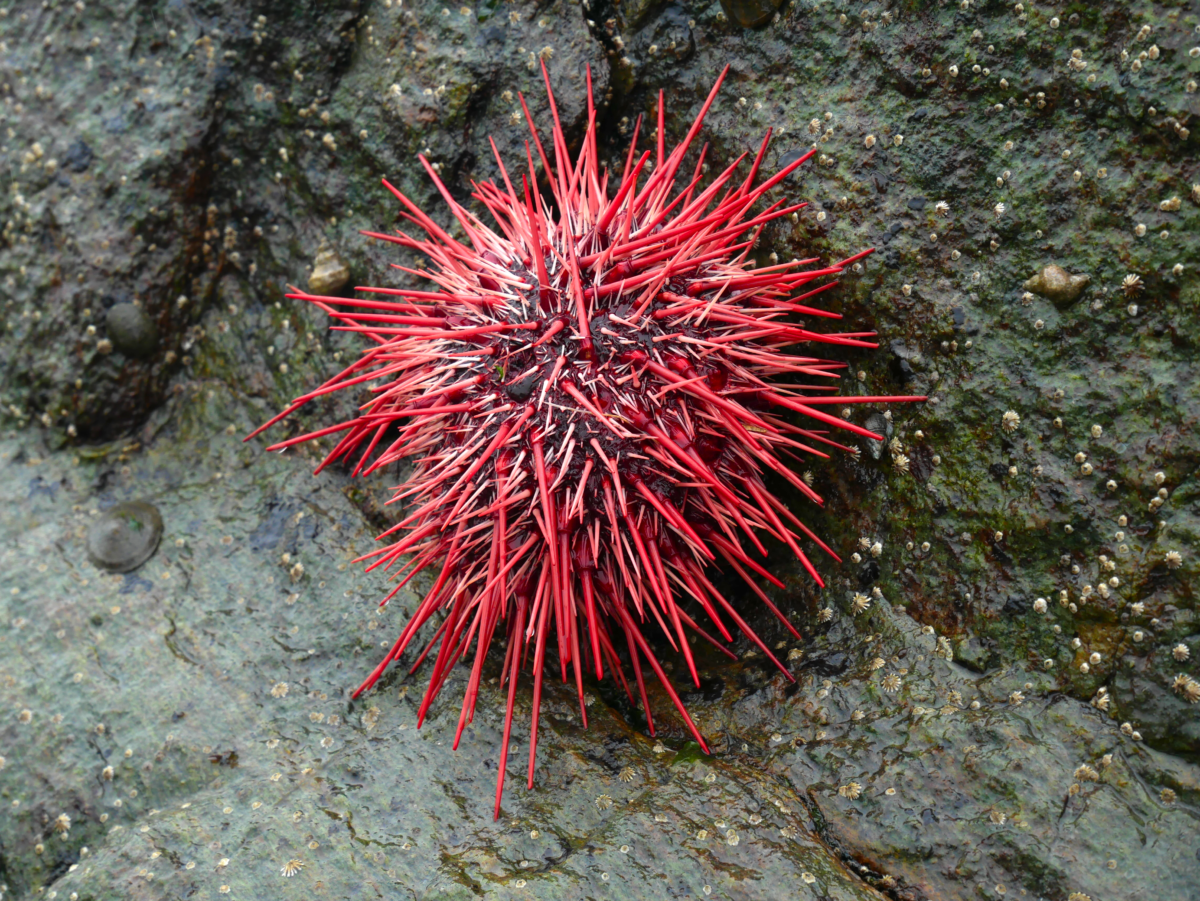
Florida’s unique position as a subtropical peninsula creates conditions for both native venomous species and introduced exotic ones to thrive. The Sunshine State hosts six venomous snake species, including eastern diamondback rattlesnakes (the largest venomous snake in North America), cottonmouths, coral snakes, and copperheads. What sets Florida apart is its marine venomous species—the state’s extensive coastline harbors numerous venomous sea creatures, including several species of jellyfish, sea urchins, and the venomous lionfish, an invasive species that has established itself in Florida’s waters.
Florida’s warm climate has also made it ground zero for exotic venomous species introductions. The state has documented instances of non-native venomous animals, including various species of venomous spiders and scorpions that have established populations after being accidentally imported. Additionally, Florida’s waters contain venomous marine animals like the Portuguese man-of-war, stingrays, and even some species of venomous sea snakes that occasionally venture into its waters. While Florida may not have the highest number of native venomous species, its combination of native and introduced venomous fauna makes it a significant contender.
California: Diverse Landscapes, Diverse Venoms
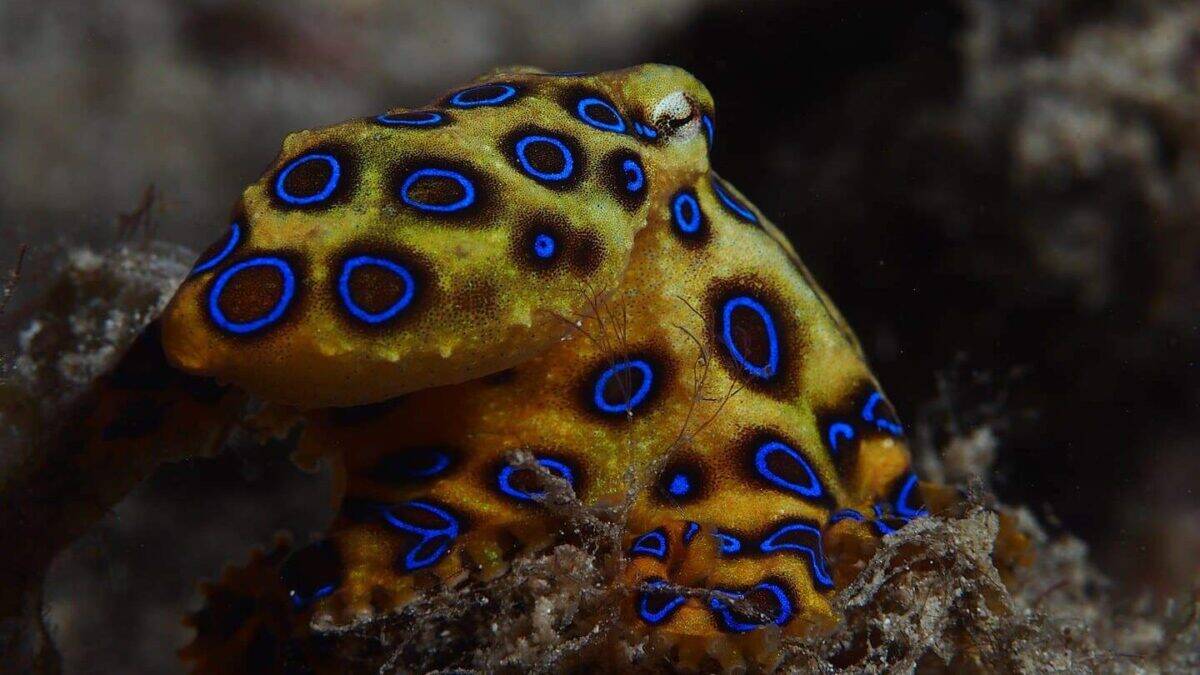
California’s extraordinary geographical diversity—from deserts to mountains to coastal environments—creates habitats for a wide variety of venomous creatures. The Golden State is home to seven species of rattlesnakes, including the Mojave rattlesnake with its potent neurotoxic venom. California’s coastal waters contain numerous venomous marine species, including several types of stingrays, scorpionfish, and the potentially lethal blue-ringed octopus that occasionally appears in southern California waters.
The state also hosts an impressive diversity of venomous arachnids, including black widows, yellow sac spiders, and the aggressive desert recluse spider. California’s varied ecosystems support multiple scorpion species, though none are as dangerous as Arizona’s bark scorpion. What California lacks in having the most dangerous individual species, it makes up for in the sheer ecological diversity that supports venomous animals across multiple classes—reptiles, marine animals, and arachnids—making it a significant state in any discussion of America’s venomous fauna.
New Mexico: Desert Venom Specialists
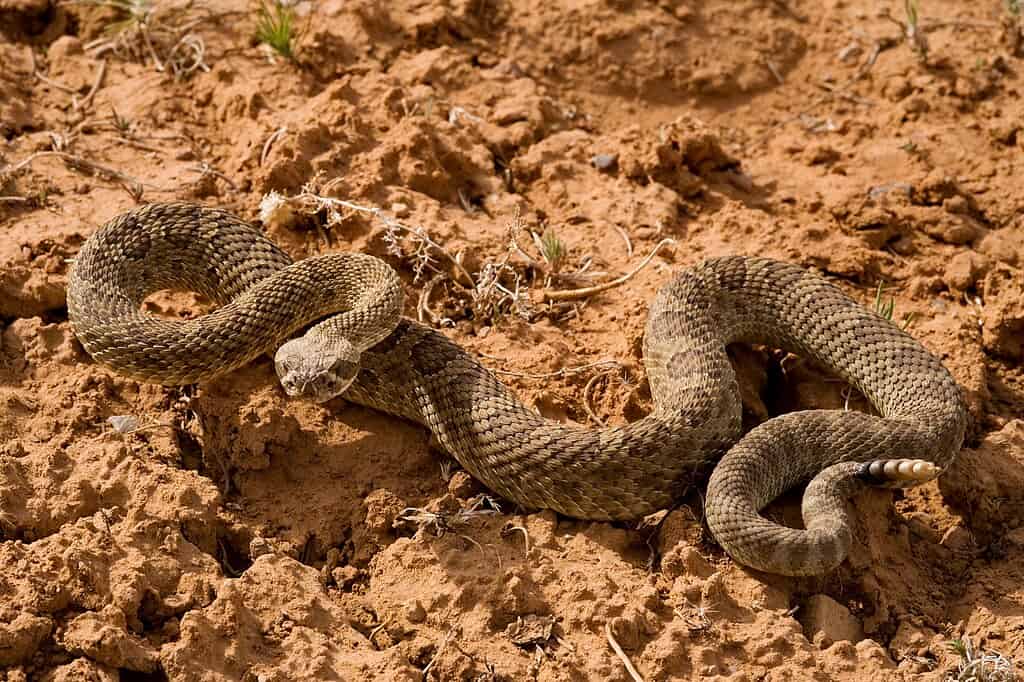
New Mexico’s arid landscapes provide ideal habitat for a specialized collection of desert-adapted venomous animals. The state hosts eight species of rattlesnakes, including the prairie rattlesnake and the western diamondback. The unique environmental conditions of New Mexico have led to interesting adaptations in these venomous reptiles, with some populations developing venom compositions specifically tailored to their local prey.
Beyond snakes, New Mexico is home to numerous venomous invertebrates that thrive in desert conditions. These include several species of scorpions, including the stripeback scorpion, as well as black widow and brown recluse spiders. The state’s combination of high altitude, desert conditions, and varied terrain creates microhabitats where specialized venomous animals have evolved to survive in challenging conditions. While New Mexico may not match Arizona’s venomous diversity, its specialized desert venomous fauna earns it a prominent place in any ranking of states with significant venomous animal populations.
Climate Change Impacts on Venomous Species Distribution

Climate change is already reshaping the distribution of venomous animals across the United States. Rising temperatures are allowing certain venomous species to expand their ranges northward into previously inhospitable territories. For example, the Arizona bark scorpion has been documented expanding its range, while certain rattlesnake species have been observed at higher elevations than their historical ranges. These shifting distributions may eventually alter which states host the most venomous species.
Changing precipitation patterns also impact venomous animal populations. Drought conditions can concentrate venomous animals around remaining water sources, increasing human-animal encounters, while unusually wet periods can cause population booms in certain species like fire ants. Additionally, climate change affects breeding cycles and venom potency in some species. Research suggests that some snake species produce more potent venom during warmer periods, potentially increasing the danger of envenomations even if population numbers remain stable. These dynamic changes mean that the rankings of states with the most venomous animals may shift in coming decades.
Most Dangerous Venomous Animals in the US

While identifying which state has the most venomous animals is important, understanding which species pose the greatest danger to humans provides crucial context. Statistically, the eastern and western diamondback rattlesnakes cause the most venomous snakebite fatalities in the United States, though deaths remain rare with proper medical treatment. The Mojave rattlesnake deserves special mention for having particularly potent venom that contains both hemotoxic components (damaging blood and tissue) and neurotoxic elements (affecting the nervous system).
Among invertebrates, the Arizona bark scorpion stands out as North America’s most dangerous scorpion, with stings that can cause intense pain, numbness, vomiting, and in severe cases, respiratory complications. Black widow spiders and brown recluse spiders cause the most medically significant spider bites in the country. In marine environments, encounters with box jellyfish and Portuguese man-of-war can result in extremely painful stings and, rarely, life-threatening reactions. Despite these dangers, it’s worth noting that deaths from venomous animal encounters in the US are extremely rare, with fewer than 10 fatalities annually on average.
Venomous Marine Animals Along US Coasts

America’s extensive coastlines harbor numerous venomous marine species that contribute significantly to states’ venomous fauna tallies. Florida and Hawaii lead in venomous marine animal diversity, with both states hosting numerous jellyfish species, including the dangerous box jellyfish. The Portuguese man-of-war, technically a colonial organism rather than a true jellyfish, is common along the Atlantic and Gulf coasts, delivering extremely painful stings through its long tentacles. Various species of venomous stingrays inhabit coastal waters around the country, with their barbed stingers capable of delivering painful wounds.
The lionfish, an invasive species from the Indo-Pacific, has established populations along the Atlantic coast from North Carolina to Florida and throughout the Gulf of Mexico. This striking fish has venomous spines that can cause intense pain if handled improperly. In California and Pacific waters, additional venomous species include the California scorpionfish and several species of venomous sea snails like cone snails. Marine venomous species are often overlooked in discussions of state-by-state venomous animal populations, but they represent a significant component, particularly in coastal states where they add considerably to the overall venomous species count.
Venomous Animal Safety and Prevention

Understanding how to safely coexist with venomous animals is essential, particularly in states with high venomous species diversity. Prevention begins with awareness—learning to identify local venomous species and understanding their habits and habitats. When hiking or working outdoors in areas known for venomous snakes, wear appropriate footwear (high boots or snake gaiters in high-risk areas), stick to clear trails, and avoid reaching into rock crevices, dense vegetation, or hollow logs without visual inspection. At home, reduce potential hiding places by keeping yards well-maintained, removing debris piles, and sealing entry points into structures.
For protection against venomous invertebrates, shake out shoes, gloves, and clothing before use, especially if stored in garages or outdoor areas. When in marine environments, heed warning signs about jellyfish and other venomous marine life, wear protective footwear on beaches and while wading, and avoid touching marine animals, even those that appear dead. If envenomation occurs despite precautions, seek medical attention immediately—do not rely on outdated first aid methods like tourniquets or suction devices for snakebites. With proper awareness and preventive measures, the risk of serious injury from venomous animals remains extremely low, even in states with high venomous species diversity.
The Medical Value of Venoms

While venomous animals may inspire fear, their venoms represent one of nature’s most sophisticated chemical libraries with tremendous medical potential. Researchers across the United States, particularly in states with high venomous animal diversity, are at the forefront of venom-based drug development. The FDA-approved medication captopril, derived from pit viper venom, revolutionized the treatment of hypertension and heart failure. Similarly, exenatide, a drug for type 2 diabetes, was developed based on a compound found in Gila monster venom—highlighting Arizona’s contribution to medical advancement through its venomous fauna.
Current research explores venoms for applications including pain management, cancer treatment, and antimicrobial development. Cone snail venom has yielded ziconotide, a non-addictive pain medication 1,000 times more potent than morphine. Tarantula venom contains compounds being studied for treating muscular dystrophy, while scorpion venom components show promise for identifying and treating brain tumors. These medical applications transform our understanding of venomous animals from mere threats to valuable biological resources. States with high venomous animal diversity may therefore be viewed not just as places requiring caution, but as regions harboring potential solutions to significant medical challenges.
Conclusion: America’s Venomous Landscape
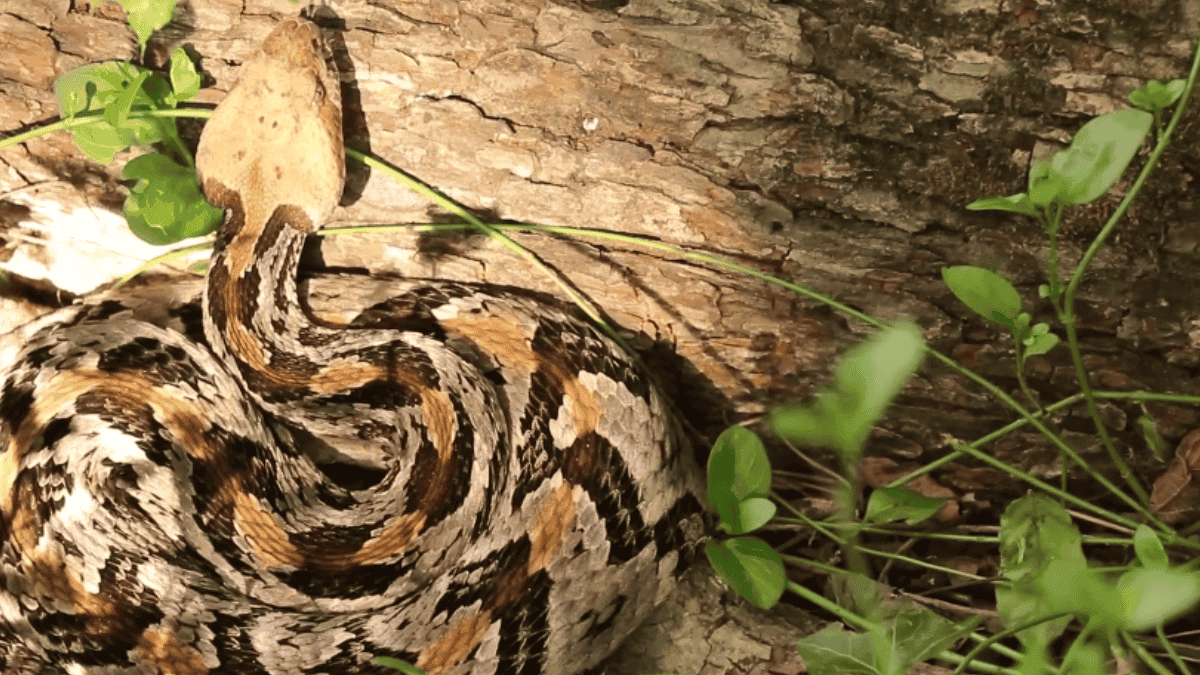
After examining the venomous fauna across America, Arizona emerges as the state with the most venomous animals, boasting the highest diversity of venomous reptiles and invertebrates adapted to its varied landscapes. Texas follows closely in second place with its impressive array of venomous snakes and invertebrates, while Florida’s unique combination of native and introduced species earns it third position in this ranking. What becomes clear through this exploration is that venomous animals represent important components of healthy ecosystems throughout the country, playing vital roles as predators and prey.
The distribution of venomous animals across states reflects broader patterns of biodiversity, climate, and habitat types, with southwestern states generally hosting more terrestrial venomous species while coastal states contribute significant marine venomous diversity. As climate change continues to alter habitats and species distributions, the geographic patterns of venomous animal diversity will likely shift in coming decades. Understanding and respecting these fascinating creatures—rather than fearing them—represents our best approach to coexistence.
Despite their fearsome reputations, venomous animals rarely pose significant threats to humans when basic precautions are taken, and their venoms hold tremendous potential for medical breakthroughs. From pain management to cancer treatment, the biochemical sophistication of animal venoms may hold solutions to some of medicine’s most pressing challenges. This transforms our perspective on states with high venomous animal diversity—they aren’t just homes to creatures requiring caution, but stewards of valuable biological resources with the potential to benefit humanity in remarkable ways.

- The Story of the Arctic Fox’s Incredible Seasonal Transformation - July 18, 2026
- 10 Most Venomous Snakes in US National Parks - July 18, 2026
- The Moth That Drinks Blood - July 18, 2026