
If you ask most cat owners what they worry about, you’ll hear the same list over and over: weight, food, litter box habits, maybe hairballs. Blood pressure almost never makes the top three. Yet quietly, behind the scenes, high blood pressure can cause the kind of damage in a cat’s body that you only notice when it’s already far along – sudden blindness, kidney failure, even strokes.
That’s why, in 2026, many vets are saying something that still surprises a lot of people: in middle‑aged and senior cats, blood pressure often matters more than the number on the scale. Extra weight is definitely not harmless, but uncontrolled high blood pressure is like a silent wrecking ball that swings through the eyes, brain, heart, and kidneys without a sound.
If that sounds dramatic, it’s because the reality often is. I still remember the first time I saw a perfectly “healthy‑looking” cat go blind overnight from untreated high blood pressure. The owner had always been told her cat was “a little chubby, but fine” – nobody had ever mentioned blood pressure. That kind of story isn’t rare anymore, and it’s exactly why your cat’s blood pressure deserves to be front and center in your mind.
#1 The Silent Killer Hiding Behind a Purr
🔥 Would you like to save this?
We'll email this post to you, so you can come back to it later!
High blood pressure in cats is sneaky. Unlike weight gain, which you can see, or coughing, which you can hear, raised blood pressure rarely comes with obvious early signs. Your cat can still be eating, grooming, and purring on your lap while tiny blood vessels in the eyes, kidneys, and brain are being damaged day after day.
This is what makes it so dangerous. By the time you notice something is wrong – like sudden blindness, confusion, or seizures – the damage has often been building for months or years. In many cases, owners blame “old age” when the real problem is uncontrolled hypertension that no one knew was there.
Think of it this way: weight is like a messy room. It can be a problem, it can get worse over time, but at least you can see it and deal with it gradually. High blood pressure is more like a gas leak in the walls. You do not see it, you do not smell it, and sometimes the first clue is when something catastrophic happens.
- You cannot see or feel high blood pressure just by looking at your cat.
- Many hypertensive cats appear bright, affectionate, and “normal” at home.
- Serious consequences (like blindness or kidney damage) can appear suddenly.
#2 Weight vs. Blood Pressure: What Really Shortens a Cat’s Life?
🔥 Would you like to save this?
We'll email this post to you, so you can come back to it later!
Excess weight absolutely matters. Overweight cats are more likely to develop diabetes, arthritis, and breathing problems, and many live with chronic discomfort that we underestimate. But if you compare what usually causes sudden, dramatic crises in older cats, high blood pressure is often closer to the top of the list than fat alone.
Hypertension directly injures vital organs: it damages delicate structures in the eyes, raises the risk of strokes and mini‑strokes, stresses the heart, and worsens kidney disease. An obese cat with normal blood pressure may hobble or struggle to groom, but a cat with severe hypertension can go blind in a day or start having seizures without warning.
Put another way: extra pounds tend to chip away at quality of life slowly, like erosion. High blood pressure can slam the door shut. The ideal, of course, is to manage both weight and blood pressure. But if you had to choose what to check urgently in an older cat who “seems fine,” blood pressure is often the more time‑sensitive number.
- Weight problems usually harm mobility, joints, and metabolism over time.
- High blood pressure can trigger abrupt, life‑changing events (like acute blindness).
- In seniors, untreated hypertension often does more immediate organ damage than mild obesity.
#3 What Feline High Blood Pressure Actually Does Inside the Body
🔥 Would you like to save this?
We'll email this post to you, so you can come back to it later!
To understand why blood pressure matters so much, you have to picture what is happening inside those tiny cat arteries. Blood pressure is basically the force of blood pushing against blood vessel walls. When that pressure stays too high for too long, delicate vessels start to stretch, leak, or rupture, especially in organs with lots of fine capillaries.
In the eyes, this can cause bleeding, retinal detachment, or swelling that leads to sudden vision loss. In the brain, it increases the risk of small bleeds and swelling that can cause confusion, circling, or seizures. In the heart, the muscle has to work harder to push blood forward, thickening over time like a bodybuilder’s bicep, but that thickening is not healthy – it makes the heart stiffer and more vulnerable.
The kidneys are particularly vulnerable. They are full of tiny filtering units, and high pressure batters those filters non‑stop. Over time, this damage can push a cat into chronic kidney disease or make existing kidney problems much worse. That is part of why many senior cats end up with both kidney disease and high blood pressure feeding off each other in a vicious cycle.
#4 How Common Is Hypertension in Cats Compared to Obesity?
🔥 Would you like to save this?
We'll email this post to you, so you can come back to it later!
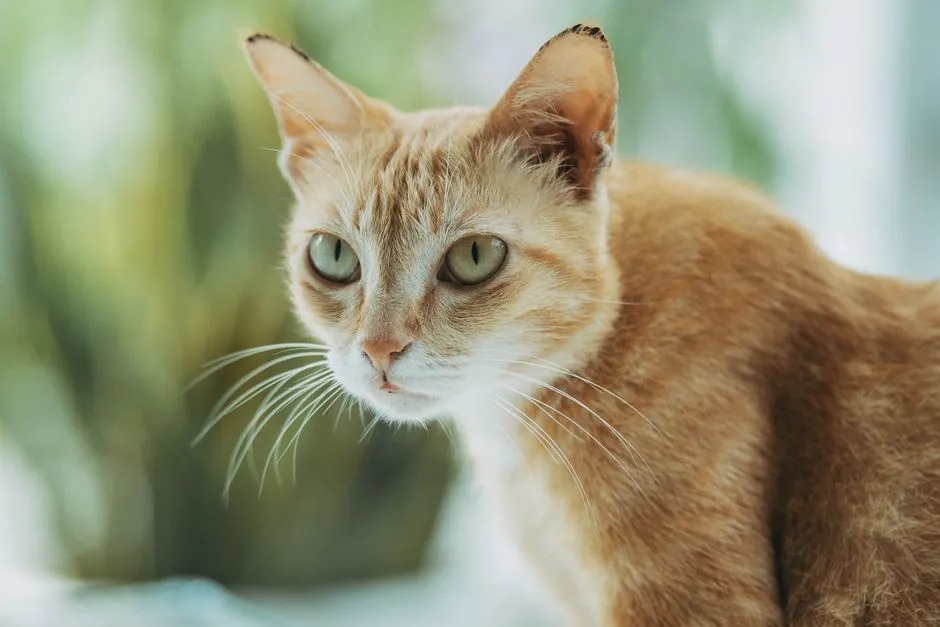
Most cat owners know that obesity is common, and they are right. In many surveys, roughly about one third to nearly half of pet cats are considered overweight. It is easy to spot a round belly or a missing waistline, and vets talk about weight all the time because it is so visible and so widespread.
Hypertension is less obvious but surprisingly common, especially in older cats. In senior cat populations, a notable chunk develop high blood pressure, often along with kidney disease or hyperthyroidism. Because it is not routinely measured in every clinic visit, and because cats often seem normal at home, many cases are missed or found late.
There is also a huge difference in awareness. Most owners can look at their cat and say, “He is a bit chunky.” Almost none can look at their cat and think, “Her blood pressure might be damaging her kidneys right now.” This mismatch is why it feels like weight gets all the attention while blood pressure does more of the hidden harm.
- Obesity is widely recognized and mostly visible to the naked eye.
- High blood pressure is under‑diagnosed and often linked to other diseases.
- Older cats are at the highest risk, even when they look outwardly “fine.”
#5 The Shocking Way Hypertension Steals a Cat’s Sight
🔥 Would you like to save this?
We'll email this post to you, so you can come back to it later!
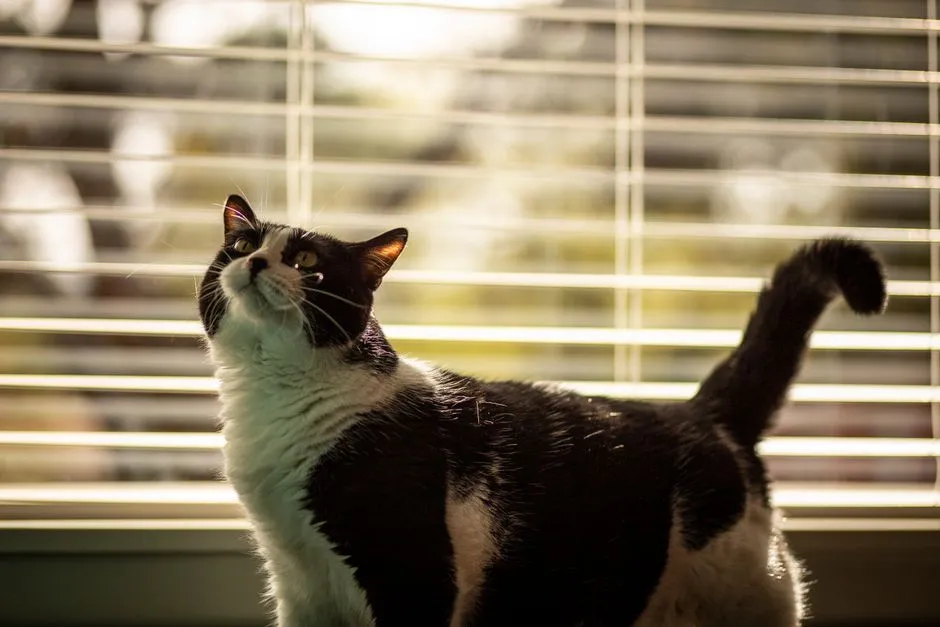
One of the most heartbreaking consequences of untreated high blood pressure is sudden blindness. Many cat owners describe the same chilling scene: the cat seems a little off, maybe bumping into furniture, then within a day or two appears unable to see at all. Sometimes this happens to a cat who was literally chasing toys the week before.
Medically, what often happens is that the increased pressure damages the blood vessels in the retina, the light‑sensitive layer at the back of the eye. The retina can detach, or there can be bleeding and swelling inside the eye. To the cat, the world goes dark very suddenly, even though their eyes may look mostly normal at first glance.
The cruel twist is that many of these cats had no obvious warning signs that an owner could have spotted. They were eating, grooming, jumping – maybe a bit older and quieter, but nothing dramatic. This is where weight and blood pressure separate sharply: a few extra pounds do not usually turn a seeing cat into a blind one overnight, but uncontrolled hypertension can.
#6 The Kidney–Blood Pressure Feedback Loop You Do Not Want
🔥 Would you like to save this?
We'll email this post to you, so you can come back to it later!
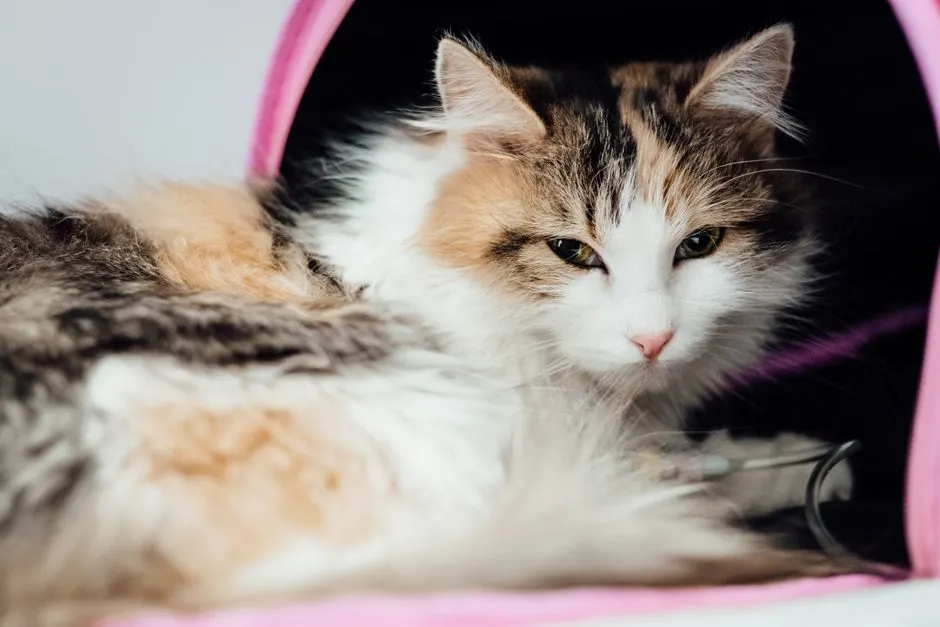
The relationship between kidneys and blood pressure in cats is complicated and, frankly, a little unfair. Kidneys help regulate blood pressure, and blood pressure affects kidney health. When the kidneys start to fail, they often lose the ability to moderate that pressure properly, so blood pressure rises. That higher pressure then damages the remaining kidney tissue even more.
This creates a nasty feedback loop: kidney disease drives hypertension, and hypertension speeds up kidney damage. Many senior cats end up trapped in this cycle, and the symptoms owners notice – drinking more water, peeing more, losing weight – often appear only after a lot of harm has already occurred.
Weight plays into this, but less directly. Obesity can contribute to metabolic stress and inflammation, but a slightly overweight cat with normal kidney values and normal blood pressure is in a much better place than a lean cat with uncontrolled hypertension and early kidney disease. That is another reason why focusing only on the scale misses the bigger picture.
- Kidney disease and high blood pressure often appear together in older cats.
- Each condition tends to worsen the other over time.
- Managing blood pressure can slow down further kidney damage and buy precious time.
#7 Why Blood Pressure Matters Even More in Senior and Indoor Cats
🔥 Would you like to save this?
We'll email this post to you, so you can come back to it later!
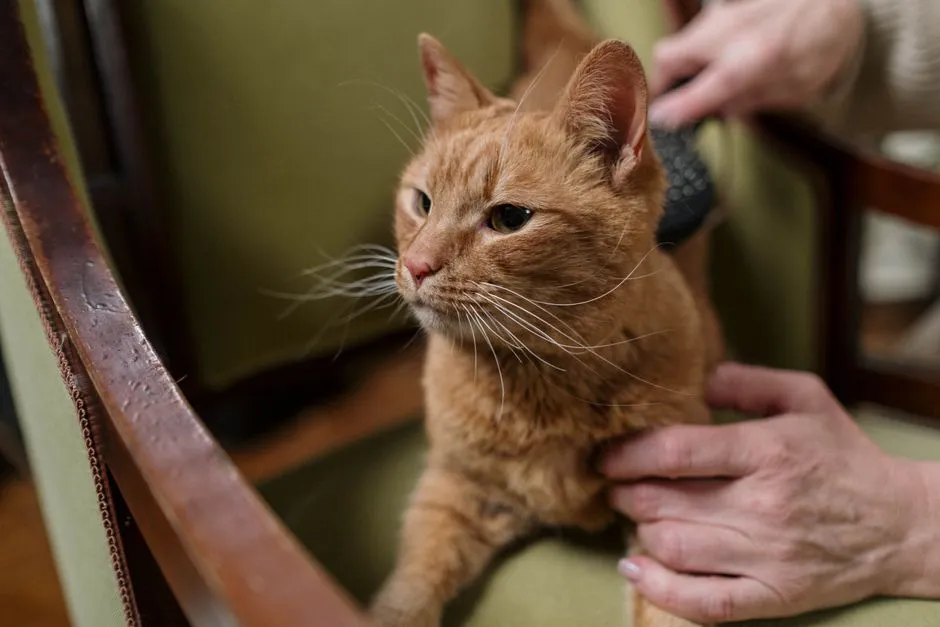
Senior cats are the high‑risk group for hypertension, especially once they pass the age of around ten. At that stage of life, the odds of kidney disease, thyroid disease, and heart issues all start to climb, and those are the exact conditions that frequently go hand in hand with high blood pressure. An older cat that “just seems a little slower” might actually be living with dangerous hypertension.
Indoor cats, ironically, can be some of the most at‑risk for having blood pressure problems go unnoticed. Because they are safe at home, they tend to have fewer obvious injuries or crises, and small changes in behavior can be easy to overlook. When you see your cat all the time, a gradual decline can feel invisible – the way you do not notice a plant growing if you watch it every day.
Owners often focus on diet and weight as their main way of “doing something” for their indoor senior cat. That impulse is good, but incomplete. Diet and weight help in the background; blood pressure is a front‑line number. If an indoor cat is over ten, especially if there are kidney, thyroid, or heart concerns, checking blood pressure regularly is not a luxury – it is basic preventive care.
#8 How Vets Actually Measure a Cat’s Blood Pressure (And Why It’s Not As Scary As It Sounds)
🔥 Would you like to save this?
We'll email this post to you, so you can come back to it later!
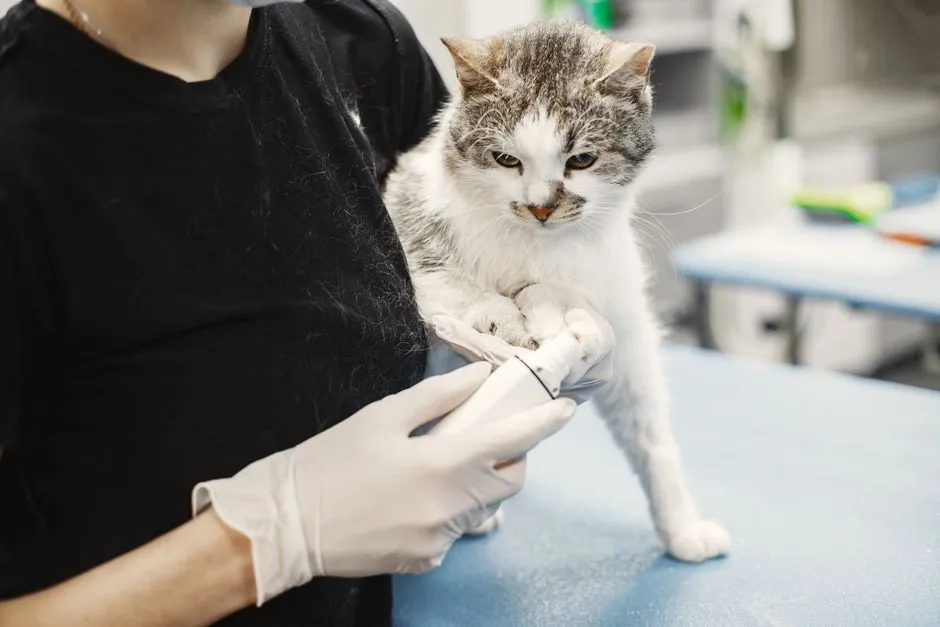
Many people imagine blood pressure measurement in cats as some intense, stressful procedure, when in reality it is often gentler than trimming nails. Vets typically use a small inflatable cuff that goes around a cat’s front leg, tail, or sometimes a hind leg. A machine then measures the pressure as the cuff inflates and deflates, similar to how it works in humans.
The biggest challenge is not the technology, but the cat’s stress level. A nervous, tense cat can have an artificially high reading, a phenomenon sometimes called “white coat hypertension,” just like in humans. Good clinics try to minimize this by letting the cat sit quietly in a calm room, using soft voices, and sometimes taking several readings to get a more accurate picture.
From an owner’s perspective, it helps to know that this is non‑invasive and usually quick. There are no needles involved in the measurement itself. For many cats, the most annoying part is simply being asked to sit still. Compared to what is at stake – eyesight, kidney function, brain health – a few minutes with a tiny cuff is a bargain.
- A small cuff is placed on the leg or tail; no needles are required.
- Multiple readings are often taken to average out stress spikes.
- Calm handling makes the process smoother for everyone, especially the cat.
#9 The Subtle Red Flags: When to Worry About More Than Weight
🔥 Would you like to save this?
We'll email this post to you, so you can come back to it later!
Because hypertension hides so well, the early clues are often small and scattered. You might notice your cat staring at walls, missing jumps they used to land easily, acting disoriented for a moment, or becoming suddenly more withdrawn. Sometimes there are changes in the eyes – pupils that seem oddly dilated, or a strange reflection when light hits them.
Other times, the changes are more general: sleeping even more than usual, a sudden shift in appetite, or new twitchiness and sensitivity around the head or neck. In cats with kidney or thyroid disease, any new behavior change should raise the question of blood pressure in your mind, even if the change seems minor or vague.
These are the moments when it is tempting to blame age or mood. To be blunt, though, writing it off as “just getting old” is one of the main reasons hypertension gets missed. Your vet does not live with your cat; only you see the day‑to‑day changes. If you bring those small things up and ask specifically about blood pressure, you can push the conversation in a life‑saving direction.
#10 Why Weight‑Loss Alone Will Not Fix a Blood Pressure Problem
🔥 Would you like to save this?
We'll email this post to you, so you can come back to it later!
It is natural to assume that if weight and blood pressure are both health issues, then slimming down the cat will automatically fix both. In people, weight loss does often help lower blood pressure. In cats, the picture is much more complicated, because feline hypertension is frequently tied to kidney disease, thyroid disease, or heart problems rather than just body fat.
Helping an overweight cat reach a healthier body condition is still absolutely worthwhile: it can ease joint strain, lower the risk of diabetes, and improve overall comfort. But even a perfectly lean cat can have dangerously high blood pressure if there is an underlying disease driving it. That is why vets sometimes diagnose hypertension in cats who look like slim little athletes.
Focusing only on diet and the scale can give a false sense of control. You might feel like you are “doing everything right” while a silent blood pressure problem is still ticking along in the background. Real protection comes from combining smart weight management with medical monitoring, especially for older cats and those with known kidney or thyroid issues.
- Weight loss helps overall health but does not reliably normalize blood pressure.
- Many hypertensive cats are not extremely overweight; some are thin.
- Blood pressure needs direct monitoring and, if needed, targeted medication.
#11 What Treatment Looks Like When a Cat Has High Blood Pressure
🔥 Would you like to save this?
We'll email this post to you, so you can come back to it later!
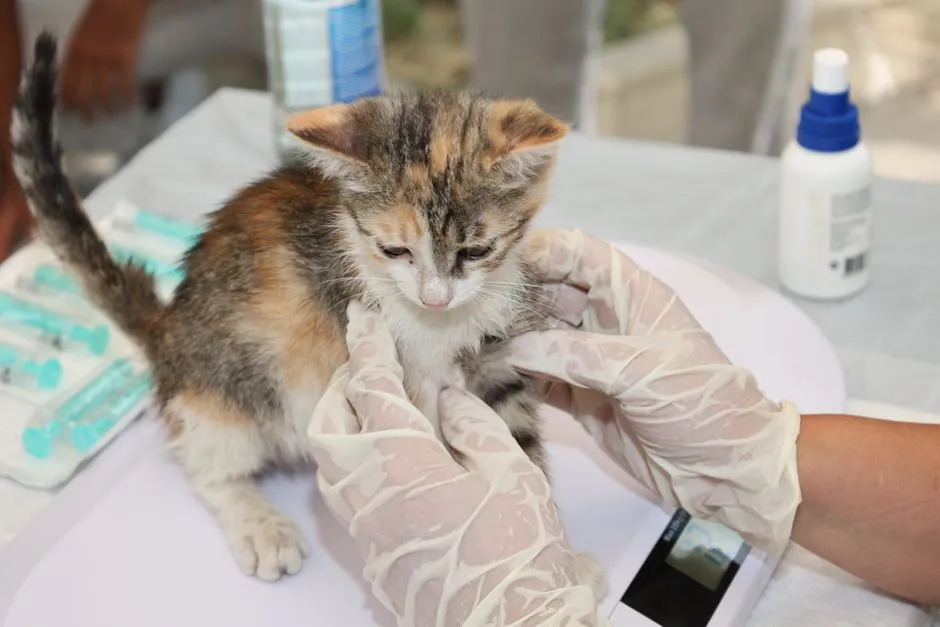
If your cat is diagnosed with hypertension, the plan usually has two main parts: treat the pressure itself and, as much as possible, address the underlying cause. For the blood pressure, vets commonly prescribe specific medications designed to relax blood vessels or reduce the workload on the heart. These medicines are often given once or twice daily at home.
For many cats, getting the hang of medicating is the hardest part at first. Some tolerate liquid better than pills; others do well with tiny tablets hidden in food or given with a pill pocket treat. Once a routine is in place, though, many owners are surprised by how quickly their cat’s numbers improve and how much more comfortable the cat seems – more engaged, more playful, less withdrawn.
Follow‑up is crucial. Blood pressure needs to be rechecked to see if the medication dose is working or needs adjustment. Vets also typically monitor kidney values, thyroid levels, and heart health over time. The goal is not just a good number on a machine, but a cat who genuinely feels better and has a slower, gentler decline instead of a sudden crash.
#12 What You Can Do at Home to Protect Blood Pressure (Beyond the Food Bowl)
🔥 Would you like to save this?
We'll email this post to you, so you can come back to it later!
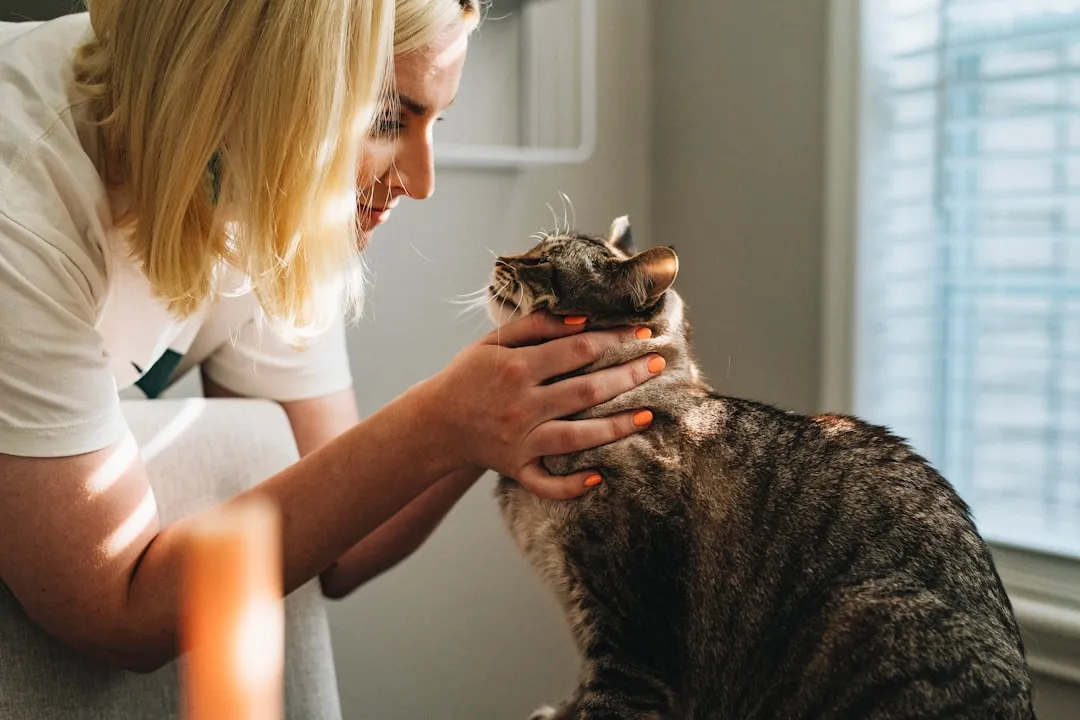
As an owner, you cannot measure blood pressure at home the way you can weigh your cat, but you still have a lot of influence. The basics matter: a stable, low‑stress environment, decent quality food, fresh water always available, and a healthy body condition all support your cat’s overall cardiovascular and kidney health. Reducing chronic stress – loud chaos, constant conflict with other pets – can help more than people realize.
Regular vet visits are your secret weapon. For middle‑aged to senior cats, asking your vet to include blood pressure checks in routine wellness exams is one of the most impactful things you can do. If your cat already has kidney, thyroid, or heart disease, blood pressure checks stop being “optional” and become part of core monitoring, just like blood tests.
You can also become your cat’s early warning system by simply paying attention. Notice if they start missing jumps, acting confused, or staring in ways that feel “off.” Notice if their pupils look different, or if they start drinking and urinating more. Combine those observations with a willingness to say, “Can we check her blood pressure?” and you are doing more for your cat than any fancy gadget ever could.
- Prioritize low stress, stable routines, and good hydration.
- Build blood pressure checks into regular vet appointments for older cats.
- Watch for small changes in vision, balance, and behavior – and speak up.
#13 Why a Cat’s Blood Pressure Deserves More Attention Than Its Waistline
🔥 Would you like to save this?
We'll email this post to you, so you can come back to it later!
If you step back and look at the full picture, the message is pretty clear: weight matters, but blood pressure is often the more urgent, life‑or‑death number in older cats. Excess pounds certainly chip away at mobility, joint health, and comfort, and they should not be ignored. Yet it is high blood pressure that blinds cats overnight, pushes kidneys over the edge, and triggers neurological crises out of nowhere.
In a perfect world, every cat would be slim, fit, and have perfect blood pressure. In the real world, we have to choose where to put our limited energy, attention, and vet budget. If I had to pick a single number to check in a twelve‑year‑old indoor cat who looks “fine but a little chunky,” I would pick blood pressure before the scale every time. You can work on weight slowly; you do not always get that luxury with hypertension.
So the next time you are at the vet and the conversation drifts to diet and calories, do not be afraid to gently steer it. Ask, “Can we also check her blood pressure?” That one question might give your cat more healthy, happy years than any fancy grain‑free food or low‑calorie treat. In the end, what would you rather regret: that your cat was a pound overweight, or that you never knew their blood pressure was quietly destroying the life you thought you were protecting?

- 23 Warm Corners an Elderly Cat Keeps Returning To All Winter - October 29, 2026
- 16 Behaviours Showing a Cat Considers a House Permanent Now - October 29, 2026
- 15 Wildlife Programmes a Lifetime Pass Holder Over 62 Can Join Free - October 29, 2026