

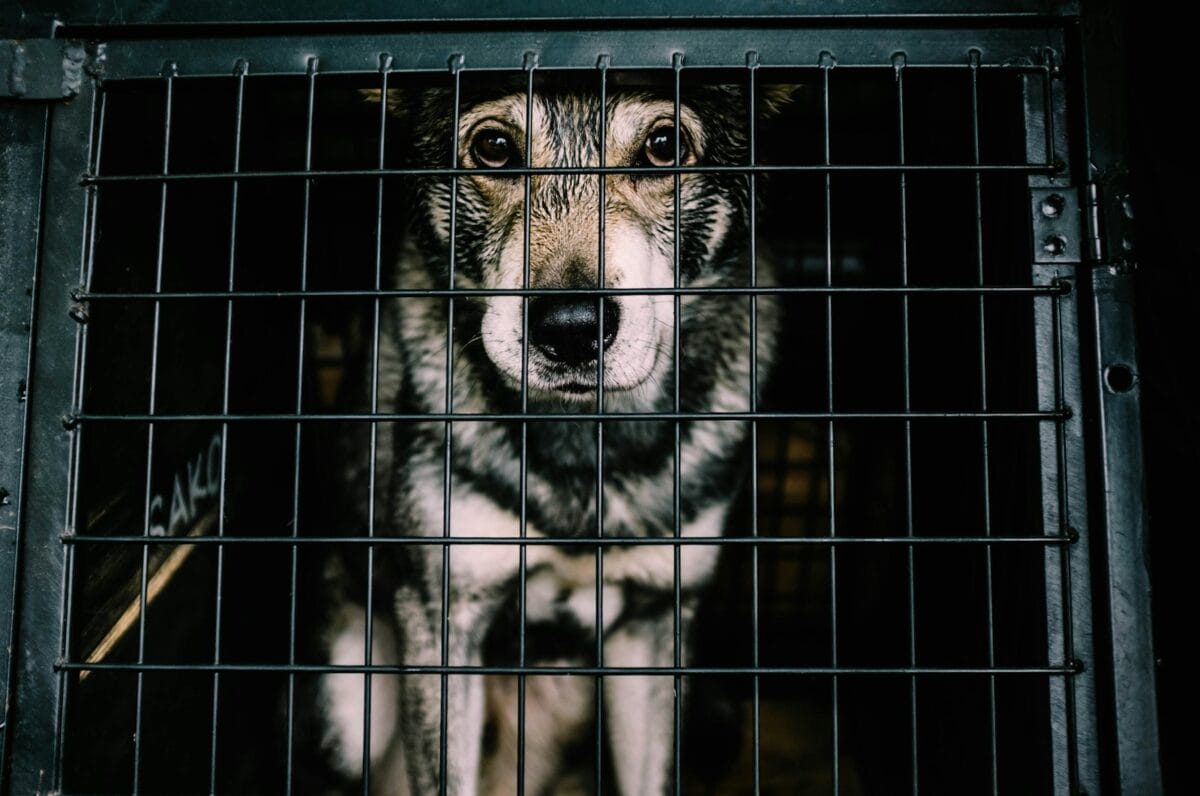
Every year, millions of animals enter shelters across the United States, each with their own story of abandonment, loss, or hope. Behind the bars of every kennel lies a creature whose life hangs in the balance, waiting for someone to see past their circumstances and into their heart. What many people don’t realize is that when you walk into a shelter and choose to adopt, you’re not just saving the life of the animal you take home. You’re creating a ripple effect that touches countless other lives in ways both seen and unseen.
The decision to adopt a shelter pet represents one of the most profound acts of compassion available to us. It’s a choice that extends far beyond the immediate gratification of gaining a new companion. When you open your heart and home to a shelter animal, you become part of a larger movement that challenges the pet overpopulation crisis, supports ethical animal welfare practices, and demonstrates that every life has value regardless of pedigree or past circumstances.
The Immediate Life You Save
When you adopt a shelter pet, the most obvious life you save is the one looking back at you through those kennel bars. This animal may have been surrendered by a family who could no longer care for them, found wandering the streets, or rescued from a situation of neglect or abuse. Each of these animals faces an uncertain future, with many healthy, loving pets being euthanized simply due to lack of space and resources.
The statistics are sobering but real. According to the American Society for the Prevention of Cruelty to Animals, approximately 3.1 million dogs and 3.2 million cats enter U.S. animal shelters every year. Of these, roughly 390,000 dogs and 530,000 cats are euthanized annually, not because they’re sick or aggressive, but because there simply aren’t enough homes to go around.
Your adoption directly removes one animal from these statistics, giving them a second chance at happiness and security. The moment you sign those adoption papers, you’re transforming a life from uncertain to cherished, from temporary to permanent, from forgotten to family.
Creating Space for Another Life in Need

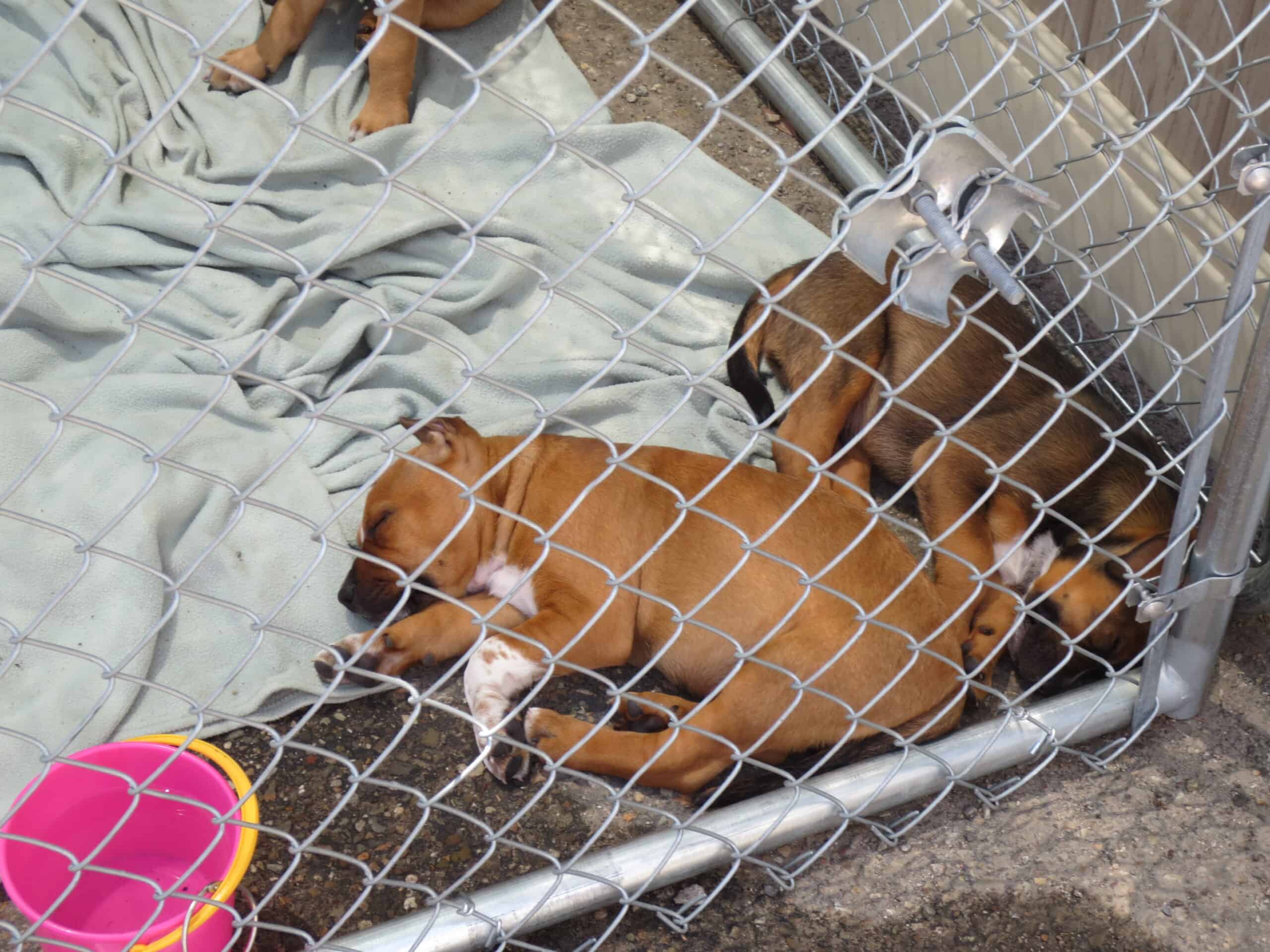
The beautiful mathematics of shelter adoption reveals itself immediately after you take your new pet home. The kennel that once housed your adopted companion doesn’t remain empty for long. Within days, sometimes hours, another animal in desperate need fills that space, benefiting from the same care, medical attention, and chance at adoption that your pet just received.
This domino effect means that every adoption creates a vacancy that can be filled by another animal who might otherwise be turned away or face euthanasia at an overcrowded facility. Shelters operate with limited space, staff, and resources, making every available spot precious real estate in the fight against pet overpopulation.
Think of it as a life-saving musical chairs where your adoption ensures the music keeps playing for another animal. The kennel you’ve freed up becomes a sanctuary for a stray dog picked up by animal control, a litter of kittens found in an abandoned building, or a senior pet whose family can no longer care for them. Your single act of adoption creates a chain reaction of salvation.
Supporting Shelter Operations and Staff

Shelter adoption fees might seem like a simple transaction, but they represent so much more than payment for your new pet. These fees directly fund the daily operations that keep shelters running, from providing food and medical care to maintaining facilities and paying staff salaries. When you adopt, you’re investing in the infrastructure that saves lives every single day.
The dedicated staff and volunteers at animal shelters work tirelessly under emotionally challenging conditions. Your adoption fee helps ensure they can continue their vital work, providing them with the resources needed to care for the constant stream of animals requiring help. Many shelters operate on tight budgets, relying heavily on adoption fees to supplement donations and grants.
Beyond the financial support, successful adoptions provide emotional sustenance to shelter workers who often face the heartbreak of euthanasia and the stress of overcrowding. Every happy ending reminds them why their work matters and gives them strength to continue advocating for the animals in their care.
Reducing Demand for Puppy Mills and Backyard Breeders

Your decision to adopt rather than shop strikes a powerful blow against the commercial breeding industry that prioritizes profit over animal welfare. Puppy mills, which are large-scale commercial dog breeding facilities, often keep animals in deplorable conditions with minimal veterinary care, inadequate food and water, and little to no socialization.
When you choose adoption, you’re refusing to contribute to the demand that fuels these operations. Every shelter adoption represents one less sale for a puppy mill or backyard breeder, directly impacting their bottom line. This economic pressure, multiplied across thousands of adoptions, helps reduce the profitability of these businesses and encourages more ethical breeding practices.
The ripple effect extends to the breeding animals themselves, many of whom live their entire lives in small cages, producing litter after litter without ever experiencing the love of a family. By reducing demand for commercially bred pets, adoption helps decrease the number of breeding animals kept in these conditions. Your choice to adopt sends a clear message that the public values animal welfare over convenience or specific breed preferences.
Breaking the Cycle of Pet Overpopulation

Pet overpopulation represents one of the most significant animal welfare challenges of our time, with millions of healthy animals losing their lives annually due to lack of homes. Every adoption helps address this crisis by reducing the number of animals competing for limited resources and homes. When you adopt a shelter pet, you’re actively participating in the solution rather than contributing to the problem.
Many shelter pets come spayed or neutered as part of their adoption package, which prevents them from reproducing and adding to the overpopulation crisis. This medical procedure, included in your adoption fee, represents another life-saving measure that extends beyond your individual pet to impact the broader animal population.
The mathematics of pet reproduction are staggering. A single unspayed female dog and her offspring can produce 67,000 dogs in six years, while a cat and her offspring can produce 420,000 cats in seven years. By adopting a spayed or neutered pet, you’re preventing potentially thousands of future animals from being born into a world that already has more pets than homes.
Giving Senior Animals a Final Chance

Senior pets in shelters face particularly challenging odds, as most adopters prefer younger animals. These older companions often find themselves overlooked despite having so much love to give and requiring less intensive training than puppies or kittens. When you adopt a senior pet, you’re literally giving them a chance to live out their golden years in comfort and love rather than in a shelter environment.
The impact of adopting a senior pet extends beyond saving that individual animal. It demonstrates to other potential adopters that age doesn’t diminish an animal’s worth or capacity for companionship. Senior pets often make exceptional companions, being calmer, more settled, and incredibly grateful for the love they receive.
Many senior pets in shelters are there through no fault of their own, having lost their families due to housing changes, financial difficulties, or the death of their owners. These animals have already proven they can be wonderful companions, and they deserve the chance to share their remaining years with a loving family rather than spending them in a shelter.
Supporting Special Needs Animals

Shelter animals with special needs, whether due to medical conditions, behavioral challenges, or physical disabilities, face even longer stays and higher risk of euthanasia. When adopters choose these animals, they’re not only saving a life but also demonstrating that every animal deserves love regardless of their imperfections or additional care requirements.
These special needs adoptions often inspire other potential adopters to consider animals they might have previously overlooked. Your willingness to adopt a three-legged dog, a blind cat, or a pet with diabetes shows others that these animals can live full, happy lives with the right family. This can lead to increased adoption rates for other special needs animals in the shelter.
The resources and kennel space that special needs animals typically occupy for extended periods become available for other animals when these pets find homes. Since special needs animals often require additional medical care and attention from shelter staff, their adoption frees up valuable resources that can be redirected to help other animals in need.
Strengthening Community Animal Welfare Programs

Your adoption contributes to the broader network of animal welfare programs that benefit countless animals beyond those in shelters. Many shelters use adoption fees and donations to fund spay/neuter programs, vaccination clinics, and educational initiatives that reach into the community to prevent animals from becoming homeless in the first place.
These preventive programs represent a proactive approach to animal welfare that addresses problems before they require shelter intervention. Low-cost spay/neuter clinics prevent unwanted litters, while educational programs teach responsible pet ownership that reduces surrender rates. Your adoption helps fund these initiatives that save lives before animals ever enter the shelter system.
Community outreach programs funded by shelter operations also provide resources to pet owners facing financial hardship, helping them keep their animals rather than surrendering them. This might include temporary fostering during family emergencies, food banks for pet owners in need, or assistance with veterinary care. These programs keep families together and prevent animals from entering the shelter system in the first place.
Encouraging Responsible Pet Ownership

The adoption process itself promotes responsible pet ownership through education and screening procedures that help ensure good matches between pets and families. Shelter staff provide valuable information about animal care, training, and the long-term commitment required for pet ownership. This education helps create more responsible pet owners who are less likely to abandon their animals.
When you adopt from a shelter, you’re supporting an organization that prioritizes the long-term welfare of animals over quick sales. Unlike commercial pet stores or some breeders, shelters want to ensure their animals go to homes where they’ll be loved and cared for throughout their lives. This commitment to matching animals with appropriate families helps prevent future surrenders and abandonment.
The screening process for shelter adoptions often includes home visits, reference checks, and counseling about the specific needs of the animal being adopted. While this might seem intensive, it helps ensure that adopted pets remain in their new homes permanently, preventing the trauma of multiple abandonments and the strain on shelter resources that results from returned animals.
Saving Transport and Rescue Animals

Many shelters participate in transport programs that move animals from high-kill shelters in overpopulated areas to regions with higher adoption rates and lower euthanasia rates. When you adopt from a shelter that participates in these programs, you’re supporting a network that saves animals from shelters hundreds or thousands of miles away.
These transport programs represent a coordinated effort to address regional differences in pet overpopulation and adoption rates. Animals from shelters in the South, where overpopulation is particularly severe, often find homes in Northern states where adoption rates are higher. Your adoption creates space and resources that enable these life-saving transport programs to continue operating.
The logistics of animal transport require significant coordination and resources, from arranging transportation to ensuring proper health certificates and vaccinations. Shelters that participate in these programs are investing in a network that saves lives far beyond their local community, and your adoption helps fund and justify these efforts.
Protecting Wildlife Through Responsible Pet Ownership
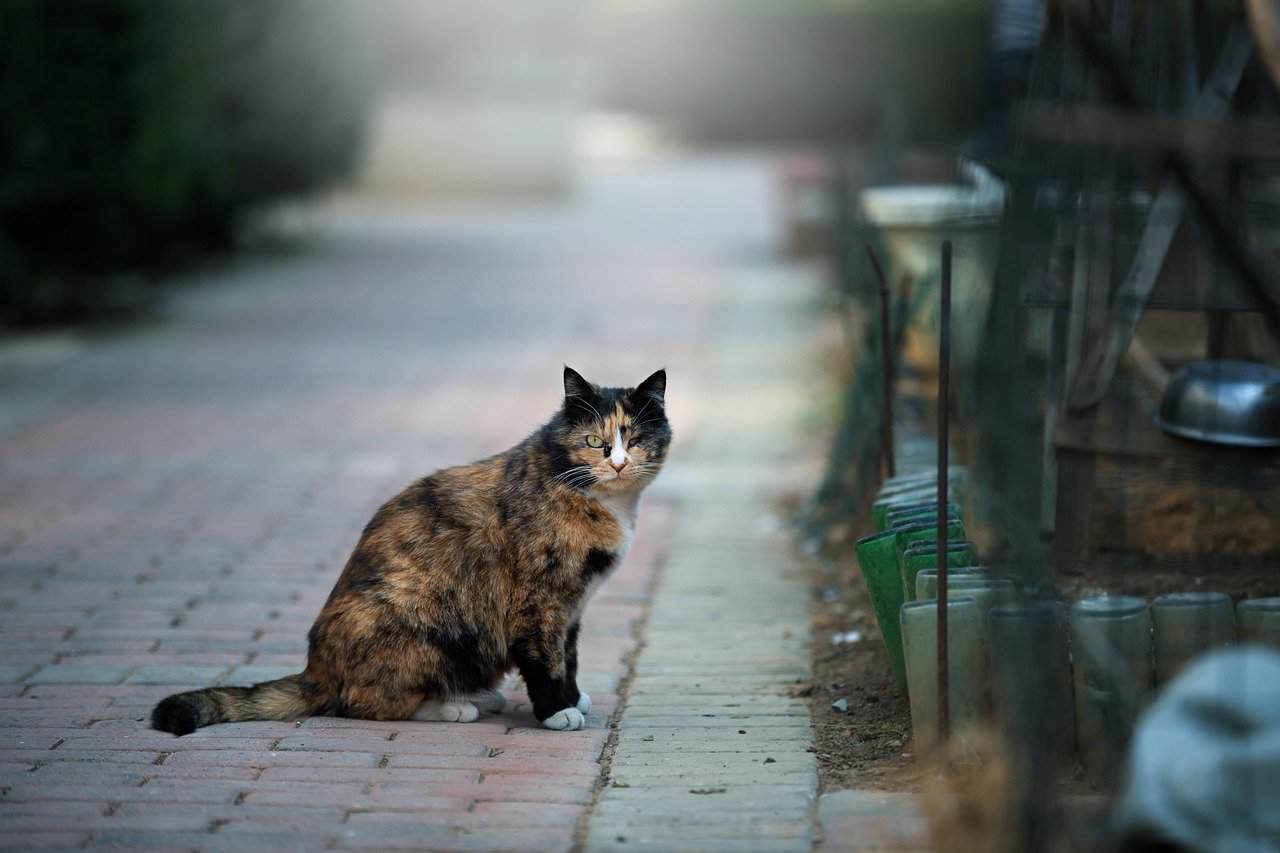
When you adopt a shelter pet, you’re also contributing to wildlife conservation efforts, though this connection might not be immediately obvious. Feral and stray cats, in particular, pose a significant threat to native wildlife populations, killing billions of birds and small mammals annually. By adopting cats from shelters, you’re supporting organizations that work to reduce feral cat populations through spay/neuter programs and colony management.
Many shelters operate trap-neuter-return programs that humanely manage feral cat colonies, preventing reproduction while allowing cats to live out their natural lives. These programs reduce the number of cats born into feral conditions and help decrease the overall impact on wildlife populations. Your adoption fees help fund these wildlife protection efforts.
Additionally, responsible pet ownership promoted by shelters includes education about keeping cats indoors and dogs leashed or in fenced areas. This prevents pets from hunting native wildlife, getting lost and potentially joining feral populations, or being injured by vehicles or predators. The comprehensive approach to pet ownership advocacy that shelters provide benefits both domestic animals and wildlife.
Supporting Disaster Relief and Emergency Response
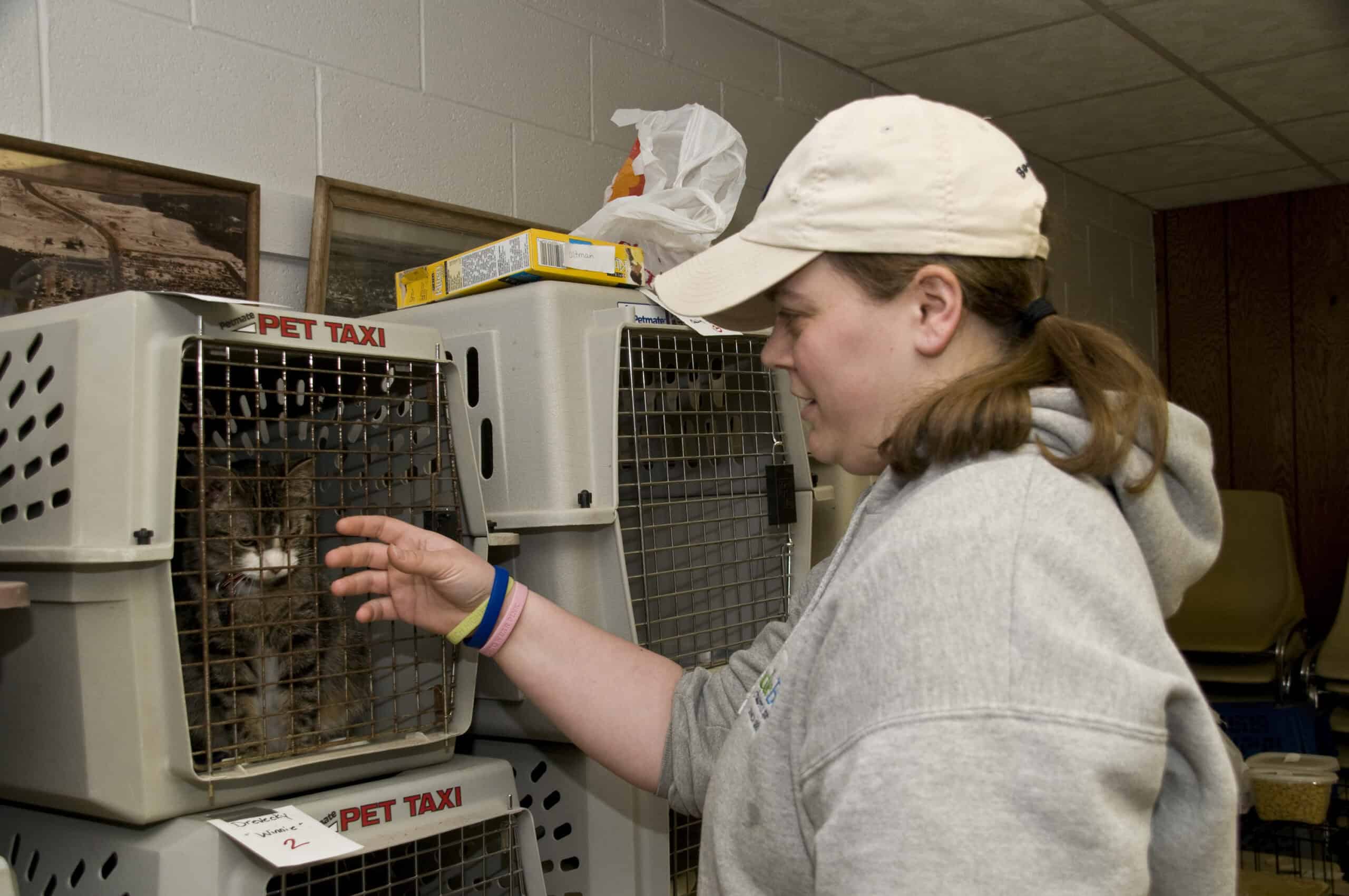
Animal shelters serve as crucial components of disaster relief efforts, providing temporary housing and care for animals displaced by natural disasters, fires, or other emergencies. When you adopt from a shelter, you’re supporting an organization that stands ready to help both animals and families during their most difficult times.
During disasters, shelters often exceed their normal capacity to accommodate animals whose families have been displaced or who have been separated from their owners. The resources and infrastructure you support through adoption enable shelters to respond quickly and effectively to these emergency situations. Your adoption helps maintain the operational capacity that makes this emergency response possible.
The network of shelters, rescue organizations, and volunteers that responds to disasters relies on the ongoing support of the community through adoptions, donations, and volunteer work. Animals rescued from disaster situations often need extensive medical care, rehabilitation, and time to recover before they can be reunited with their families or placed in new homes. Your adoption helps fund these comprehensive emergency response efforts.
Creating a Model for Ethical Animal Treatment

Your decision to adopt demonstrates to friends, family, and community members that shelter animals make wonderful pets and deserve consideration. This personal advocacy can influence others to consider adoption for their next pet, creating a multiplier effect that saves additional lives. When people see how happy and well-adjusted your adopted pet is, it challenges stereotypes about shelter animals and encourages more adoptions.
The visible success of shelter pet adoptions helps combat misconceptions that these animals are damaged, aggressive, or unsuitable as family pets. Many people are surprised to learn that shelter animals often make exceptional companions, and your positive experience can inspire others to look beyond breed preferences or the desire for a puppy or kitten.
Social media and word-of-mouth recommendations from successful adopters represent some of the most powerful marketing tools available to animal shelters. When you share photos and stories of your adopted pet, you’re providing free advertising that reaches people who might never have considered shelter adoption. This organic promotion can lead to additional adoptions and increased support for shelter programs.
Funding Medical Care for Sick and Injured Animals
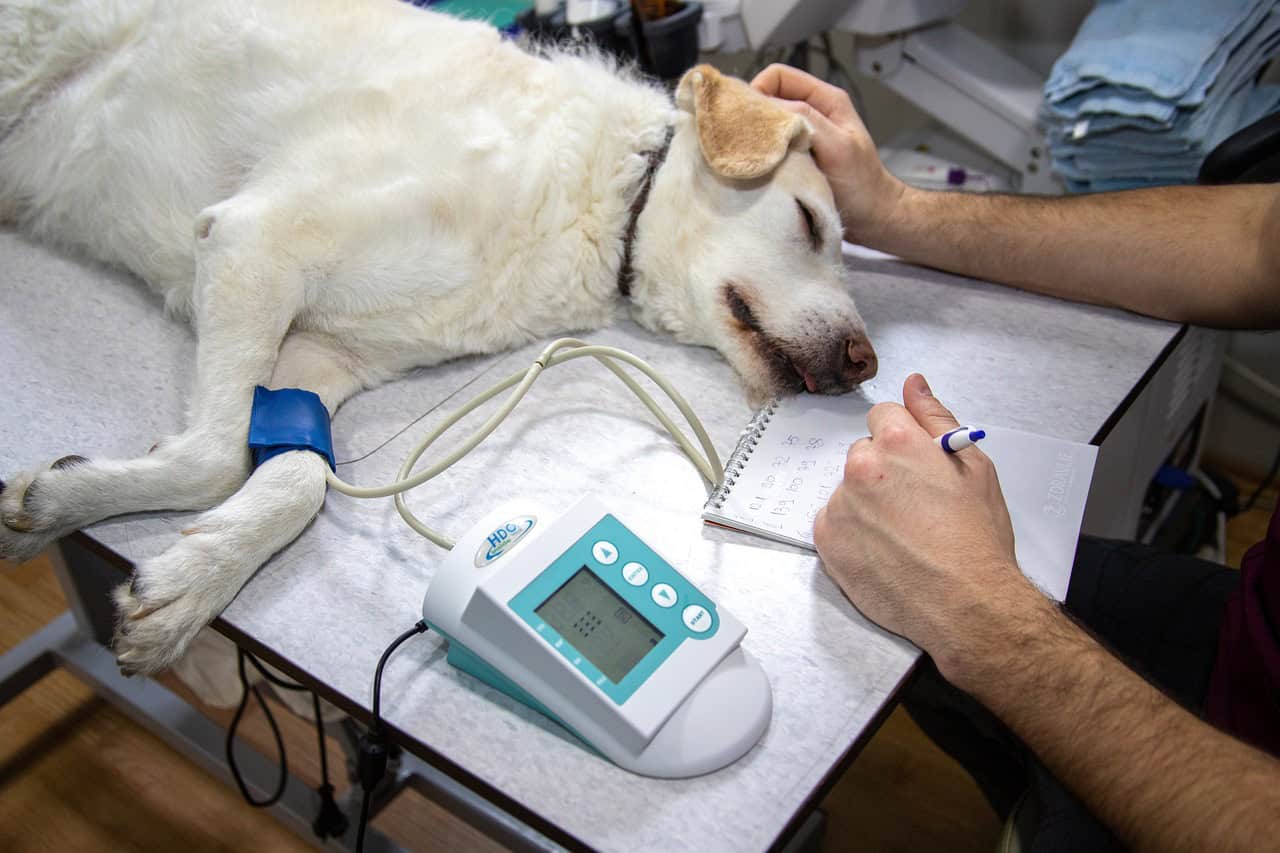
The medical care provided to shelter animals extends far beyond basic vaccinations and spay/neuter procedures. Many animals arrive at shelters requiring extensive medical treatment for injuries, illnesses, or the effects of neglect or abuse. Your adoption fees help fund this medical care, enabling shelters to save animals who might otherwise be euthanized due to treatable conditions.
Veterinary care represents one of the largest expenses for animal shelters, with costs ranging from routine procedures to complex surgeries and long-term treatment for chronic conditions. When you adopt, you’re contributing to a medical fund that provides second chances to animals who arrive at shelters in poor health but have the potential for full recovery with proper treatment.
The medical programs at shelters often include partnerships with veterinary schools, specialty clinics, and volunteer veterinarians who provide advanced care that would be prohibitively expensive for many shelter budgets. Your adoption helps maintain these relationships and ensures that animals receive the best possible medical care regardless of their ability to pay.
Supporting Behavioral Rehabilitation Programs
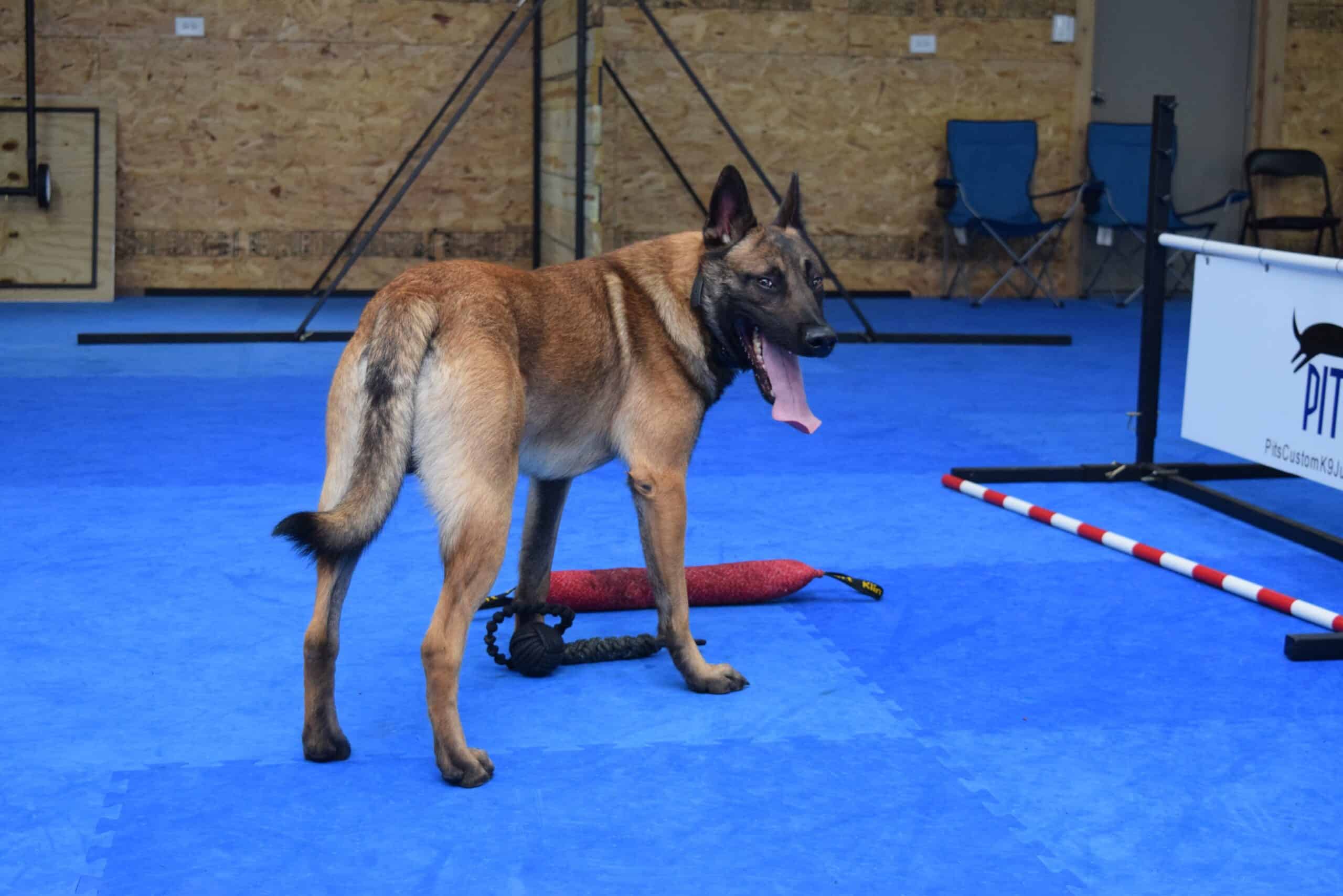
Many shelter animals arrive with behavioral issues resulting from lack of training, abuse, or inadequate socialization. Rather than automatically euthanizing these animals, many shelters invest in behavioral rehabilitation programs that help animals become suitable for adoption. Your adoption fees help fund these programs that give animals with behavioral challenges a second chance at finding homes.
Professional animal behaviorists, trainers, and volunteers work with shelter animals to address issues like fearfulness, aggression, or lack of basic training. These programs require significant time and resources, but they transform animals who might otherwise be considered unadoptable into loving companions. The success of these programs depends on community support through adoptions and donations.
The behavioral work done at shelters often continues after adoption, with many organizations providing ongoing support and training resources to new pet owners. This comprehensive approach helps ensure that adopted pets remain in their new homes permanently, preventing the cycle of surrender and re-adoption that can be traumatic for animals and expensive for shelters.
Preserving Breed Diversity and Genetic Health

Contrary to popular belief, purebred animals make up a significant percentage of shelter populations, with breed-specific rescue organizations working to save purebred animals from shelters and puppy mills. When you adopt a purebred animal from a shelter or rescue, you’re supporting efforts to preserve breed diversity while avoiding the ethical issues associated with commercial breeding.
Many purebred animals in shelters come from puppy mills or backyard breeders where they were no longer profitable as breeding stock. These animals often have better genetic diversity than animals from intensive breeding programs, as they haven’t been subjected to the extreme inbreeding that characterizes some commercial breeding operations.
Mixed breed animals, which make up the majority of shelter populations, often exhibit what biologists call “hybrid vigor” – improved health and longevity resulting from genetic diversity. By adopting mixed breed animals, you’re supporting genetic diversity in the pet population while potentially gaining a healthier, longer-lived companion than you might find from a commercial breeder.
Reducing Euthanasia Rates Through Adoption Success
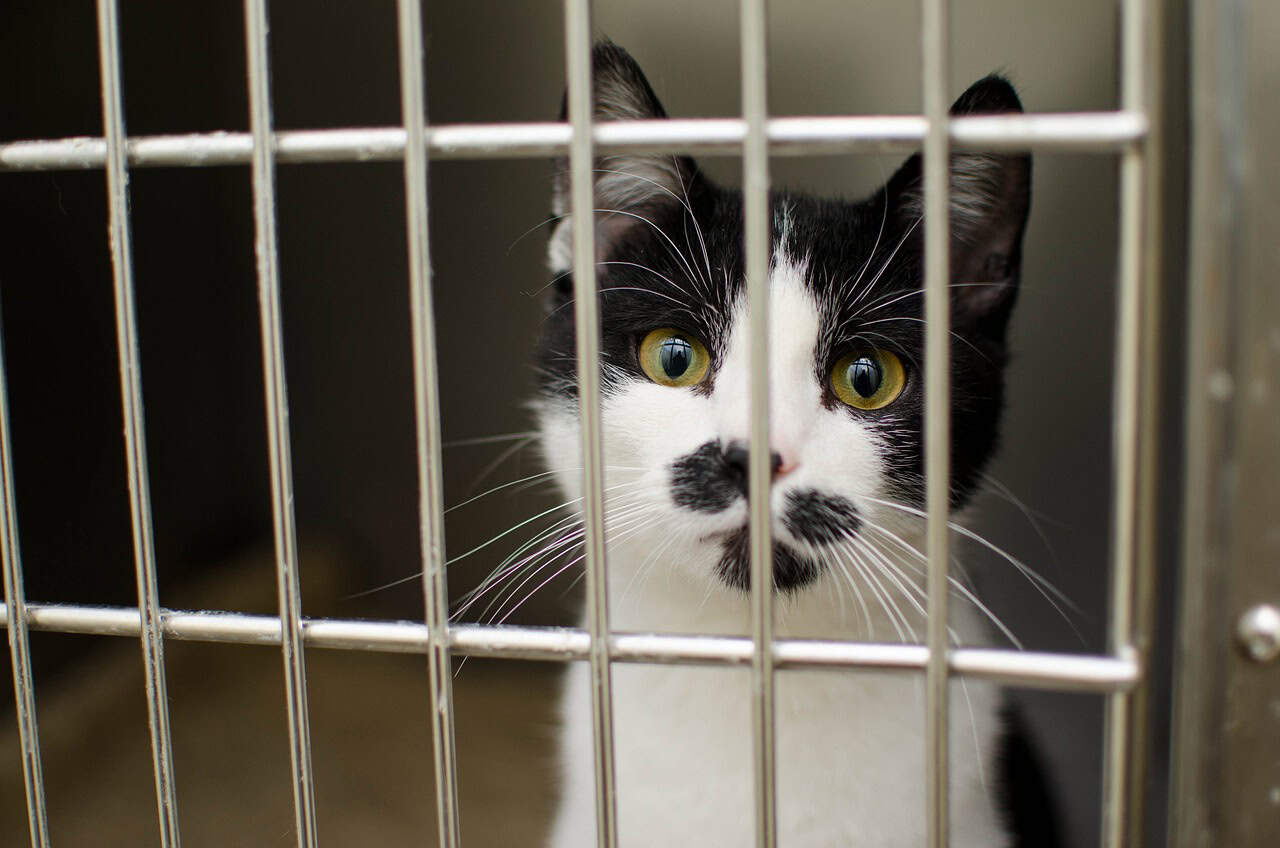
Every successful adoption represents a victory against euthanasia and contributes to the growing movement toward no-kill sheltering. As adoption rates increase and more animals find homes, shelters can reduce their euthanasia rates and work toward the goal of saving every healthy, adoptable animal. Your adoption contributes to statistics that demonstrate the viability of no-kill sheltering.
The success of individual adoptions provides shelters with the data and confidence needed to invest in programs that save more lives. When shelters can demonstrate high adoption rates and low return rates, they’re more likely to receive funding for expanded programs, additional staff, and facility improvements that enable them to save even more animals.
Communities with high adoption rates often see corresponding decreases in euthanasia rates, creating a positive feedback loop that benefits all animals in the shelter system. Your adoption contributes to this community-wide improvement in animal welfare outcomes, helping to create a culture that values and protects animal lives.
Inspiring Future Generations of Animal Advocates

Children who grow up with adopted pets often develop a deeper understanding of animal welfare issues and a lifelong commitment to helping animals in need. When you adopt a shelter pet, you’re potentially inspiring the next generation of animal advocates, veterinarians, and shelter workers who will continue the work of saving animal lives.
The story of your adopted pet becomes part of your family’s narrative, teaching children about compassion, second chances, and the importance of helping those in need. These lessons extend far beyond animal welfare, helping to develop empathy and social responsibility that benefits society as a whole.
Many adult animal advocates trace their passion back to childhood experiences with rescued animals, whether through family pets, volunteer work, or simply exposure to the concept that animals deserve rescue and care. Your adoption helps create these formative experiences that shape future generations of animal welfare supporters.
Building Stronger Communities Through Compassion
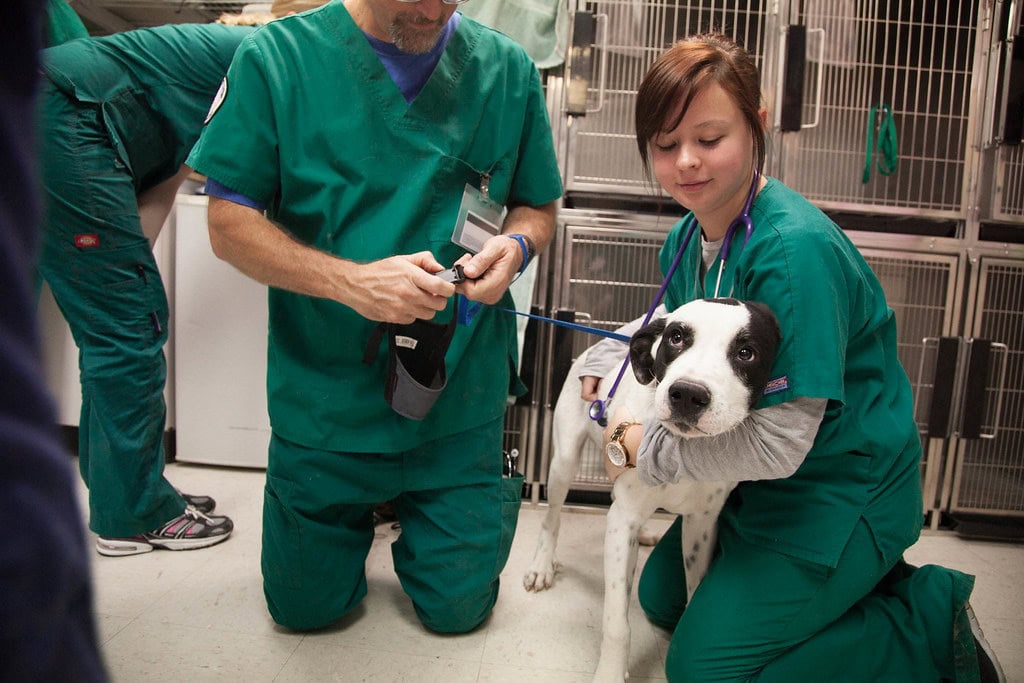
The act of adopting a shelter pet reflects and reinforces community values of compassion, responsibility, and care for the vulnerable. Communities with strong animal welfare programs often demonstrate higher levels of social cohesion and civic engagement, as the skills and attitudes required for animal advocacy translate to other forms of community service.
Animal welfare organizations serve as important community institutions that bring people together around shared values and common goals. When you adopt from a shelter, you’re supporting an organization that likely provides educational programs, volunteer opportunities, and community events that strengthen social bonds and civic engagement.
The volunteer network that supports animal shelters represents a significant community resource that extends beyond animal welfare. Many people who volunteer at shelters also participate in other community service activities, creating a network of engaged citizens who contribute to overall community wellbeing. Your adoption helps sustain these valuable community institutions.
Conclusion

The decision to adopt a shelter pet creates a cascade of positive effects that extend far beyond the single life you bring home. From creating space for another animal in need to supporting the infrastructure that saves thousands of lives annually, your adoption represents an investment in a more compassionate world. The ripple effects touch everything from wildlife conservation to community building, from genetic diversity to disaster relief.
Every shelter pet carries within them the potential to change not just your life, but the lives of countless other animals who will benefit from your choice to adopt rather than shop. The kennel space you free up, the programs you fund, the example you set, and the advocacy you provide all contribute to a movement that has the power to end pet overpopulation and create a world where every animal has a chance at love and security.
Perhaps most importantly, your adoption sends a powerful message that every life has value, regardless of pedigree, age, or past circumstances. In a world that often discards the inconvenient or imperfect, choosing to adopt represents a radical act of compassion that affirms the worth of every living creature. What seems like a simple decision to bring home a new pet actually becomes a profound statement about the kind of world we want to create.
Did you ever imagine that opening your heart to one animal could save so many others?

- The Coldest-Blooded Reptile That Can Survive Snow - June 20, 2026
- These Giant Jellyfish Keep Washing Up on U.S. Beaches - June 20, 2026
- These Fish Change Gender to Survive - June 19, 2026