

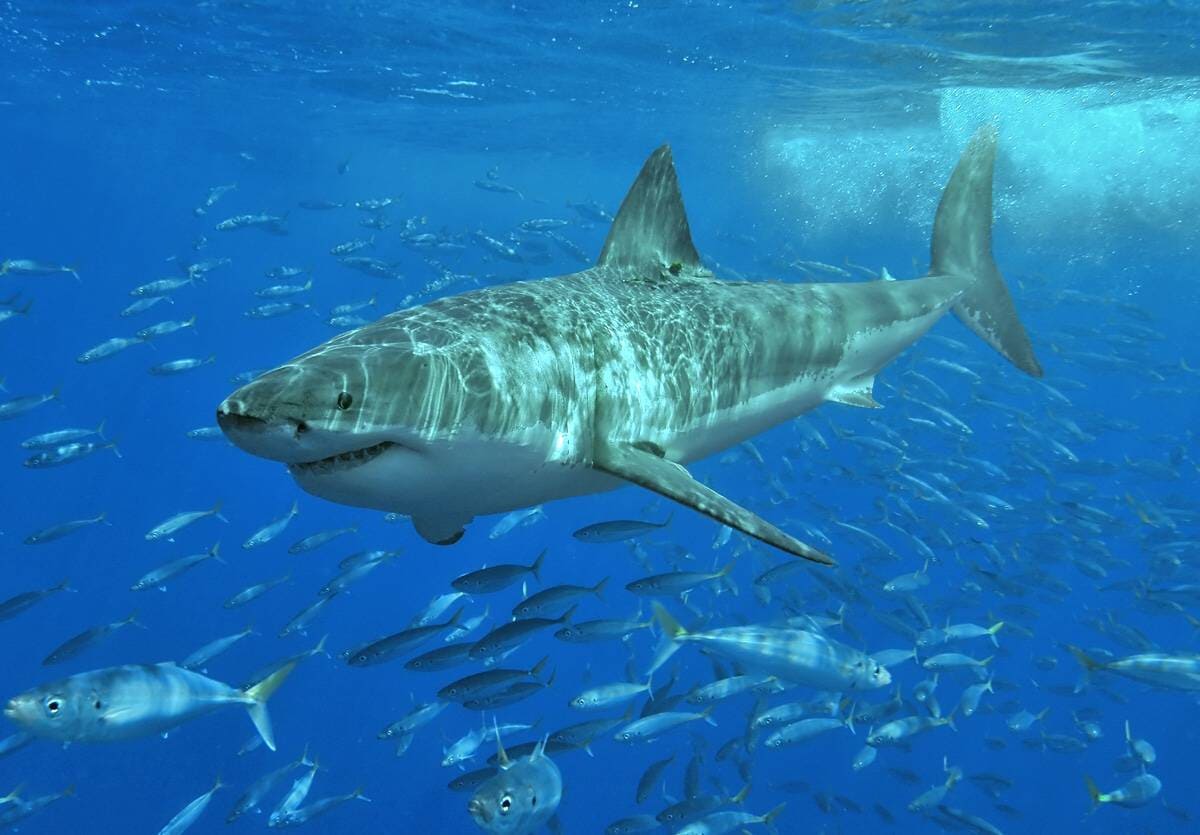
Great white sharks, the awe-inspiring apex predators of the sea, have long fascinated scientists and nature enthusiasts alike. Recently, there has been a noticeable trend of these magnificent creatures migrating closer to the shores of the United States. From increased sightings to more frequent beach encounters, this shift has intrigued both researchers and the public. But what is driving this change? Let’s dive into the factors influencing the migration patterns of great white sharks.
Changing Ocean Temperatures

One of the primary reasons great white sharks are migrating closer to US shores is the rising temperatures in ocean waters. Climate change has caused noticeable shifts in sea temperatures, leading sharks to adapt their migratory patterns in search of suitable habitats. Warmer coastal waters tend to support a diverse array of prey, attracting great whites closer to shore.
Abundance of Prey

The increase in marine prey near coastal areas is another factor enticing great white sharks toward US shores. Seal and sea lion populations, which constitute a significant portion of the shark’s diet, have rebounded in recent decades due to conservation efforts. The presence of abundant food sources near coastlines is a magnet for these predators.
Conservation Success

Conservation measures protecting both sharks and their prey species have also contributed to changing migratory behaviors. The Marine Mammal Protection Act and various shark conservation initiatives have led to healthier ecosystems that support larger predator populations, drawing sharks to areas where their prey is plentiful.
Advanced Tracking Technology
Modern tracking technology has played a crucial role in understanding shark migration patterns. Satellite tags and other innovative techniques allow researchers to monitor and record shark movements with precision. This data has provided insights into their migration routes, revealing patterns that were previously unknown.
Seasonal Migration Patterns

Great white sharks are known to exhibit seasonal migration patterns. They travel thousands of miles in search of optimal breeding and feeding grounds. As water temperatures and prey availability shift with the seasons, sharks adjust their routes accordingly, sometimes bringing them closer to the shore.
Human Activities and Coastal Development

Human activities, such as fishing and coastal development, influence shark migrations. Overfishing can deplete offshore prey stocks, forcing sharks to seek alternative food sources elsewhere. Furthermore, the construction of jetties, piers, and other structures can alter coastal environments, potentially affecting shark behavior and distribution.
Impact of Ocean Currents

Ocean currents play a significant role in the migratory routes of marine species, including great white sharks. Changes in currents caused by global climate shifts can lead sharks to follow different paths. These changes may result in sharks appearing closer to US shores, following the flow of nutrient-rich waters.
Public Awareness and Media Coverage

Increased public awareness and media coverage of great white shark sightings have contributed to the perception of more frequent encounters near shorelines. With the advent of social media and dedicated wildlife apps, reports of shark sightings are easily shared, heightening public interest and awareness.
Ecological Factors

Great white sharks are highly adaptable predators, capable of thriving in a range of ecological conditions. They are drawn to coastlines where diverse marine ecosystems provide ample hunting opportunities. This adaptability allows them to exploit new habitats as environmental and ecological factors evolve.
Climate Change Effects

Beyond warming waters, climate change can affect shark migration. Ocean acidification, changes in salinity, and alterations to marine ecosystems can all impact shark behavior. These multifaceted changes might drive sharks to explore new areas, including coastal habitats, in search of optimal living conditions.
Protection and Fear

While great white sharks inspire fear due to their portrayal in media and movies, it’s essential to protect these crucial apex predators. They play a vital role in maintaining the health of marine ecosystems by regulating prey populations. Understanding these sharks’ behavior and migration is key to promoting coexistence and ensuring their conservation.
Future Research Directions

Continued research is essential to unravel the complexities of shark migration patterns. By expanding our knowledge through further studies, scientists can make informed recommendations for managing shark-human interactions. Understanding these patterns also aids in conservation efforts that ensure the survival of great white sharks in rapidly changing oceans.
In conclusion, the migration of great white sharks closer to US shores is influenced by various factors, including ocean temperature changes, prey availability, and human impacts. As we learn more about these remarkable creatures, it is crucial to balance our curiosity and wonder with responsible measures to protect their ecosystems. By doing so, we can appreciate the beauty and importance of these apex predators while ensuring their place in the ocean’s future.

- Could the Tasmanian Tiger Be Brought Back to Life? - July 21, 2026
- Why You Should Never Approach a Sleeping Hippo - July 21, 2026
- The Truth About Hyena Intelligence and Social Power - July 21, 2026