

In the heart of Appalachia, West Virginia’s lush landscapes are home to a wide variety of wildlife that captivates both residents and tourists alike. Among these creatures, a particular spectacle has stirred curiosity and intrigue: the white deer. Unlike their more common brown counterparts, these rare white deer have sparked various myths, legends, and scientific inquiries, making them one of the region’s most enigmatic animal phenomena. This article explores the mystery of West Virginia’s white deer, discussing their origins, biology, and the cultural and ecological significance they hold.
The Origins of West Virginia’s White Deer

The phenomenon of white deer in West Virginia can be attributed to genetic mutations. Most of these animals are not albino but rather leucistic, meaning they have a recessive genetic condition that results in their white coat. This distinction is important for understanding the deer’s pigmentation and visibility within their environment. Unlike albinism, leucism does not affect the color of the eyes, allowing these deer to retain their typical brown or amber eyes.
Cultural Significance and Folklore
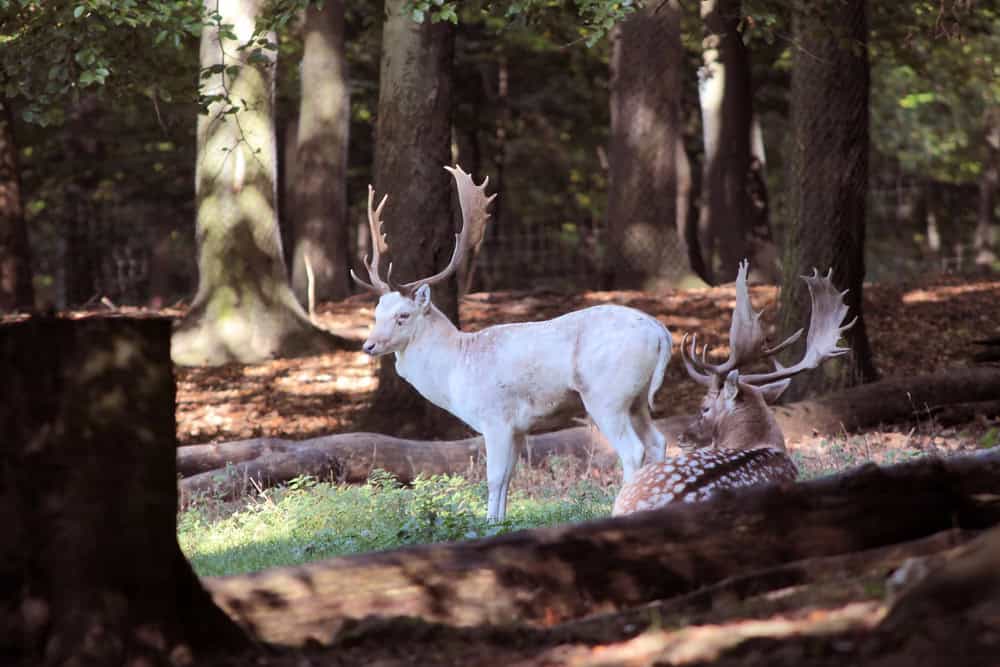
White deer have captured the human imagination for centuries, appearing in local folklore as ethereal messengers or omens. In various cultures, they are seen as symbols of purity, mystery, and otherworldliness. In West Virginia, these deer inspire local legends about forest spirits and mystical occurrences, contributing to their mystique and leaving an indelible mark on the cultural narrative of the region.
The Science Behind Their Unique Coloring
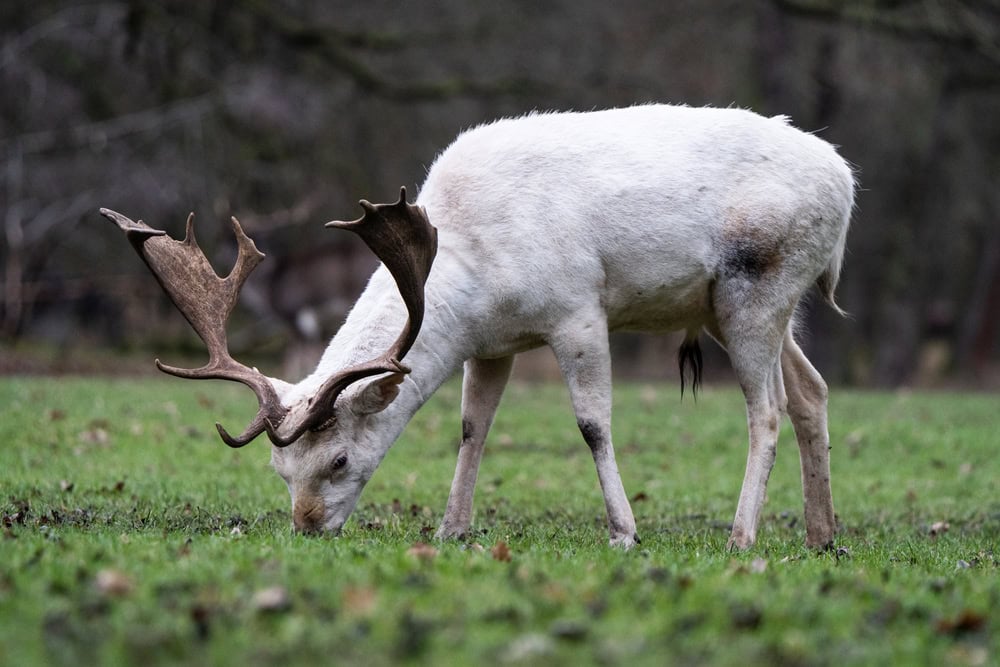
The white coat of these deer is due to a genetic mutation that affects melanin production. This mutation can result in a spectrum of color variations, ranging from completely white to patches of white on an animal that otherwise appears normal. Understanding the genetic basis for this phenomenon is crucial for wildlife biologists who study animal populations and genetics.
The Challenges of Being White in the Wild
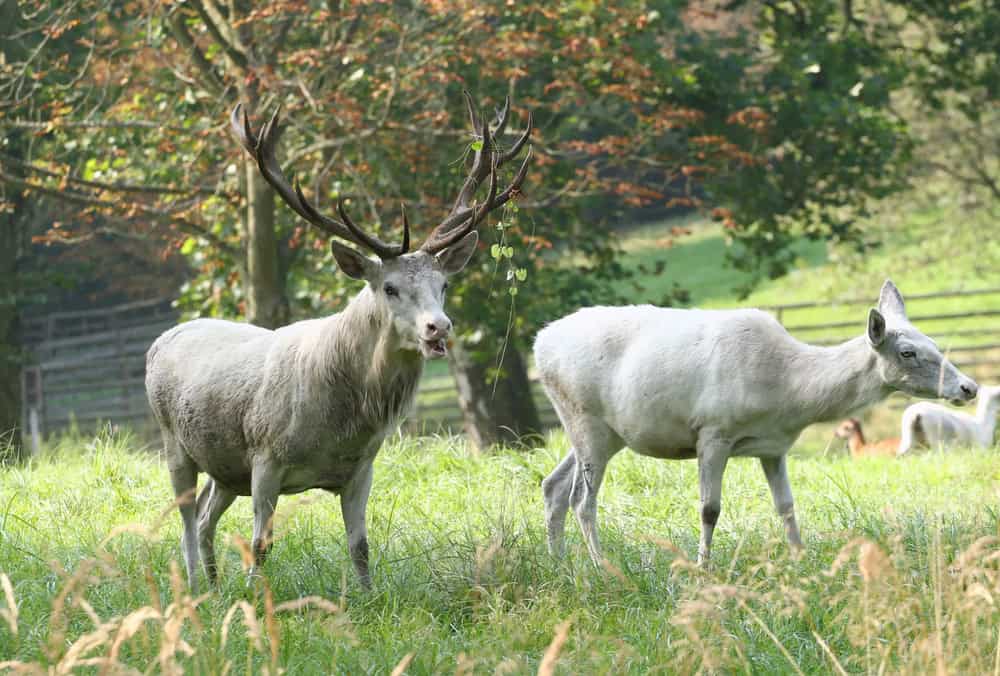
While their striking appearance makes them a fascinating subject, this whiteness also presents several survival challenges. The most obvious is their lack of camouflage, making them more vulnerable to predators. Additionally, their distinctive coloring can make them more susceptible to human threats, such as poaching, due to their increased visibility.
White Deer and Predator Interaction
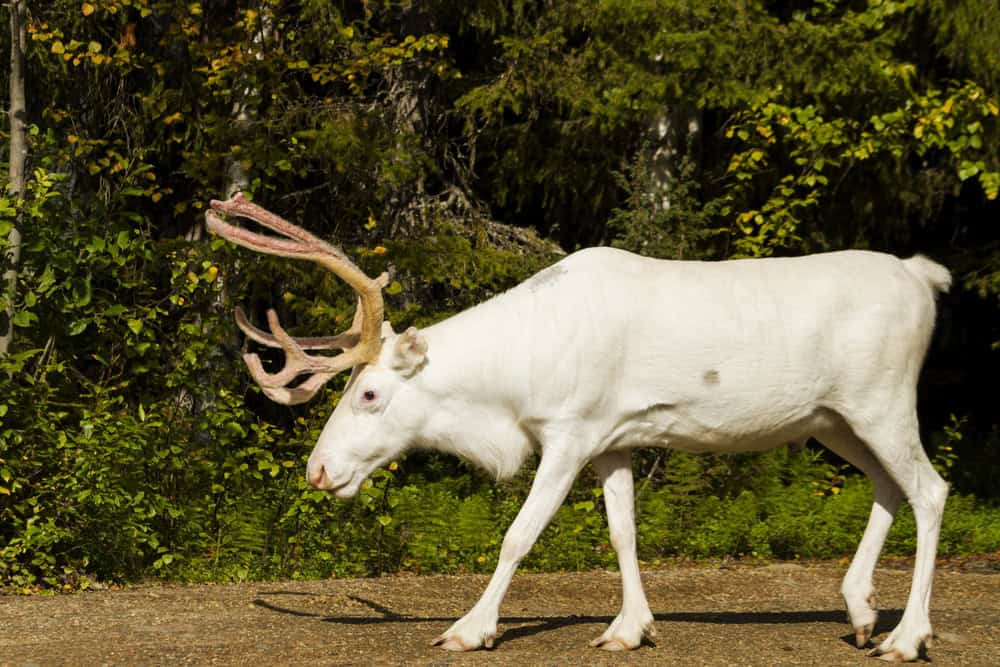
Predators in West Virginia include a variety of species such as coyotes and bobcats, all of which rely on stealth and surprise. For white deer, evading these predators is more challenging due to their conspicuous coloration. This has led scientists to consider how such mutations persist despite apparent survival disadvantages.
The White Deer’s Role in Ecosystem Dynamics
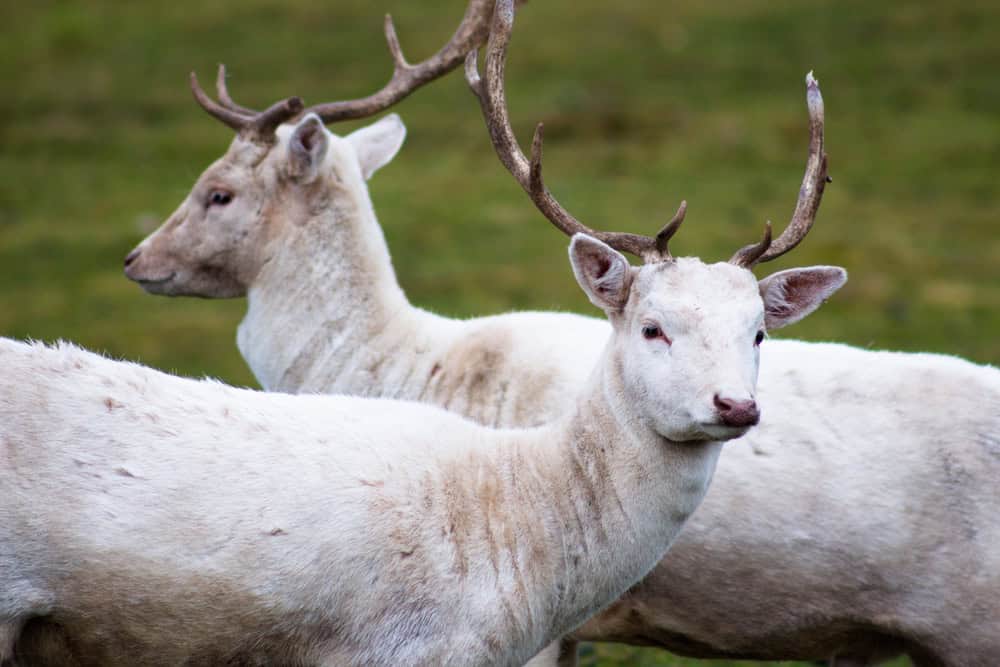
White deer, like all deer, play a crucial role in their ecosystems as herbivores. They help manage forest undergrowth and promote plant diversity by distributing seeds. However, their unusual appearance may inadvertently affect their role within the ecosystem, either by their altered interactions with other wildlife or through human disruption as people seek to view or hunt them.
Efforts to Protect West Virginia’s White Deer

Conservationists and wildlife managers are aware of the threats faced by these majestic creatures. Efforts are being made to educate the public about the importance of protecting this genetic marvel to ensure that these deer continue to grace the forests of West Virginia. Legal protections and public awareness campaigns are part of this strategy.
Public Fascination and Tourism

The allure of seeing a white deer has become a draw for wildlife enthusiasts and photographers, boosting local tourism. Regions where these deer are known to exist often see increased foot traffic, benefiting local economies while also posing additional challenges for wildlife conservationists trying to limit human impact on the deer’s habitat.
Stories and Sightings: Anecdotes from the Locals
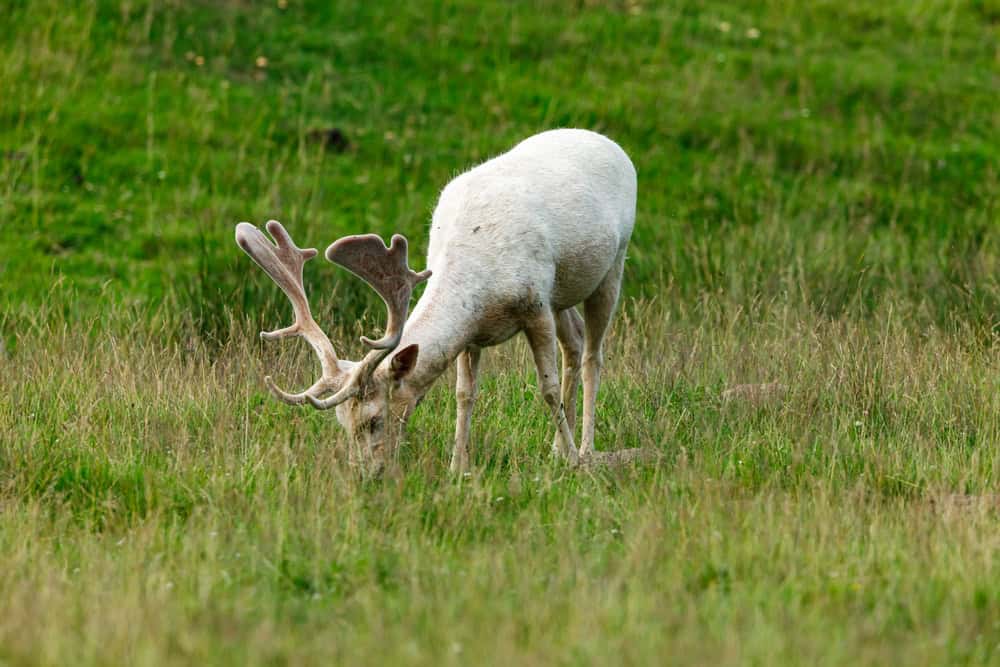
Local residents often share stories about encounters with these ghostly creatures, adding to the allure and mystery surrounding them. From fleeting glimpses to more prolonged observations, these encounters become part of local lore, enriching community stories and sometimes informing legends passed down through generations.
Technological Aids in Studying White Deer
Modern technology, including trail cameras and GPS tracking, provides valuable data that helps scientists study these animals without intruding on their natural habitats. This non-invasive approach is crucial for understanding their behaviors, migration patterns, and population dynamics over time.
How White Deer Compare to Their Traditional Counterparts
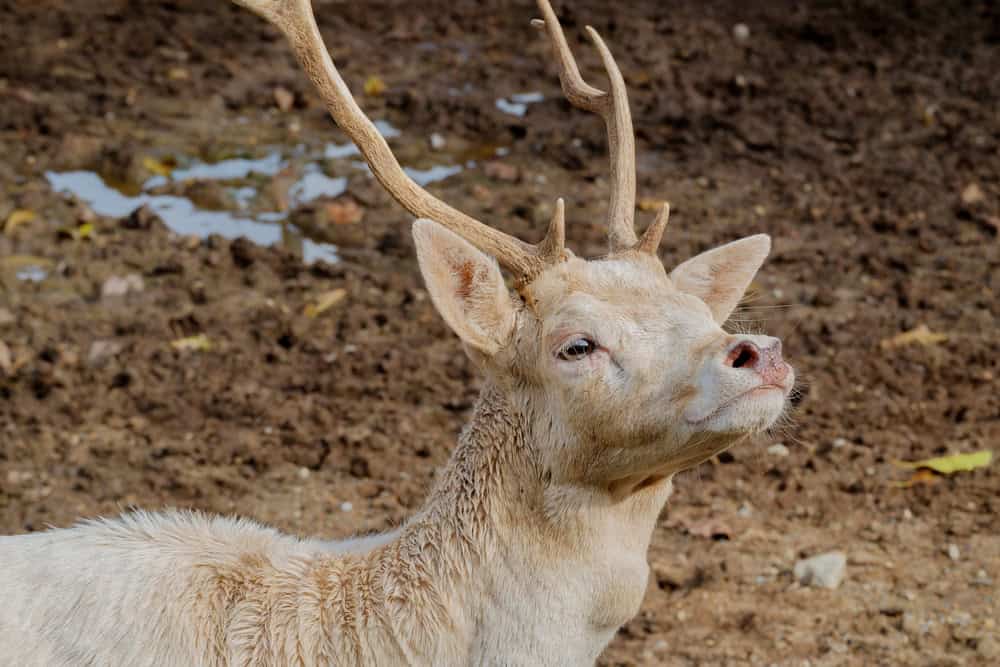
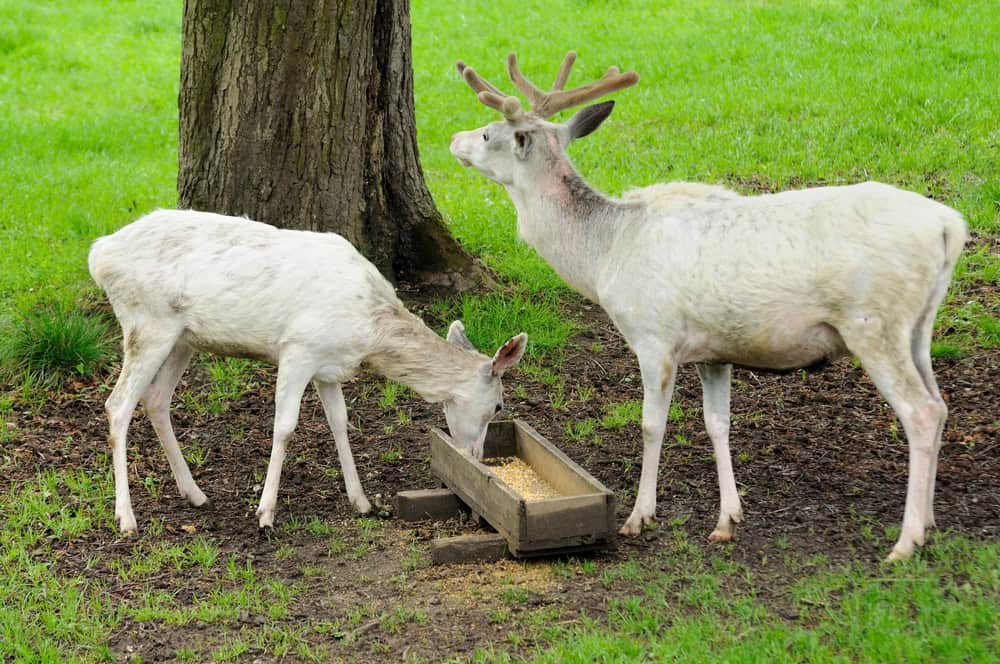
Despite their appearance, white deer behave much like their normal-colored cousins. They share the same diet, habitat preferences, and social structures. However, their visibility and vulnerability to predators and humans are key differences that affect their day-to-day lives.
The Future of White Deer in West Virginia

Looking forward, the fate of West Virginia’s white deer depends on continued conservation efforts and public appreciation for their unique value. Maintaining a balance between conservation and human interest is crucial for ensuring that these mysterious animals continue to roam the Appalachian forests for generations to come.
West Virginia’s white deer remain one of nature’s fascinating puzzles, enshrouded in mystery and beauty. Their presence reminds us of the delicate balance in ecosystems and the profound impact of genetics on wildlife. By valuing and protecting these ethereal creatures, we embrace a rare piece of the natural world that continues to inspire wonder and respect.

- The Glasswing Butterfly: Nature’s Invisible Beauty - July 21, 2026
- What Happens If a Whale Dies in the Ocean? - July 21, 2026
- Why You Should Stop Feeding Ducks at the Park - July 21, 2026