


When one thinks of Australia, the image of kangaroos bouncing across open plains often comes to mind. Kangaroos are synonymous with the Australian outback and have become an iconic symbol of the country’s rich and diverse wildlife. But why is Australia the best place to see these marsupials in their natural habitat? The answer lies in a combination of unique ecological factors, evolutionary history, and effective conservation efforts that have made the land down under a haven for these fascinating creatures.
The Evolutionary Story

Kangaroos, members of the family Macropodidae, are marsupials. They are a distinctive group of mammals known for raising their young in pouches. For millions of years, kangaroos have been hopping around Australia, evolving in isolation on this island continent. Australia’s separation from Gondwana, the ancient supercontinent, allowed native wildlife like kangaroos to develop without competition from placental mammals that dominated other parts of the world. This evolutionary journey has endowed kangaroos with unique adaptations that make Australia their ideal home.
Adapting to Australia’s Natural Landscape

The landforms and climate of Australia are incredibly diverse, creating a wide range of habitats for kangaroos to thrive. From the arid deserts of the outback to the lush coastal regions, kangaroos have adapted to live in various environmental conditions. For example, the Red Kangaroo (Macropus rufus), the largest of them all, dominates the arid interior, well-suited to survive in hot, dry environments. Meanwhile, the Eastern Grey Kangaroo (Macropus giganteus) is commonly found in Australia’s fertile eastern states, where it takes advantage of the abundant grasslands.
Conservation Success Stories
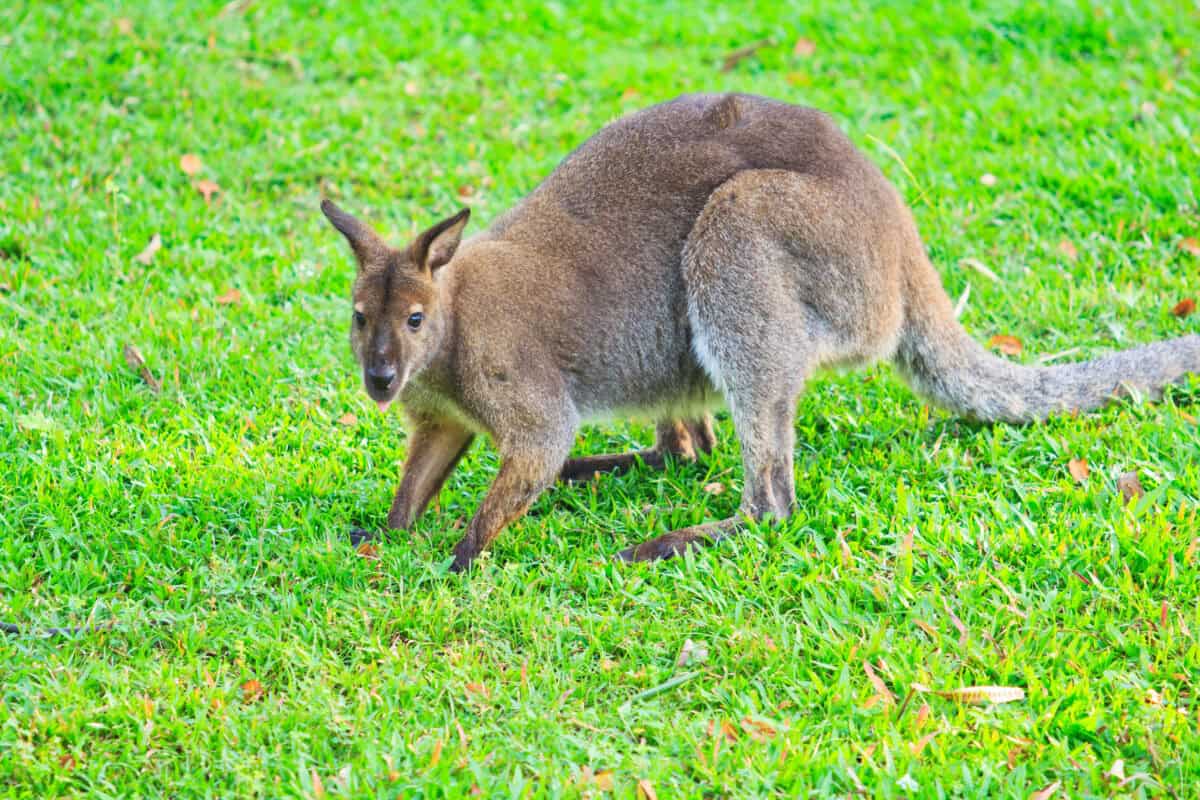
Australia’s commitment to wildlife conservation has also played a significant role in ensuring that kangaroos remain well-populated across the continent. Many kangaroo populations benefit from protected lands, national parks, and conservation programs that focus on preserving their natural habitats. In addition, traditional land management techniques by Indigenous Australians have further contributed to the sustainable coexistence between humans and kangaroos, protecting these animals from over-exploitation and habitat destruction.
Opportunities for Wildlife Enthusiasts
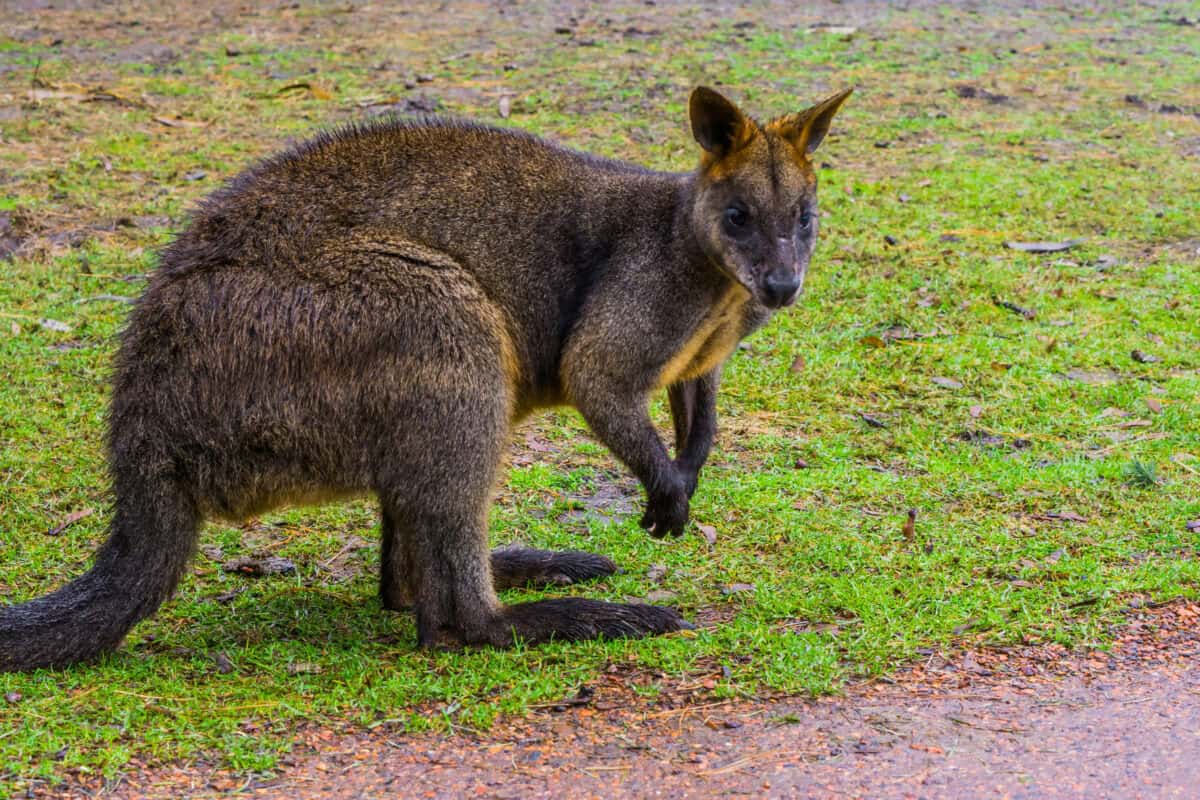
For those interested in observing kangaroos in the wild, Australia offers numerous opportunities to do so, ranging from organized tours to self-guided adventures. Places like Kangaroo Island in South Australia, the Grampians in Victoria, and Murramarang National Park in New South Wales are just a few destinations where wildlife enthusiasts can get up close and personal with these extraordinary creatures. Many of these locations provide sustainable tourism options that prioritize the health and well-being of the animals while enriching the experience for visitors.
Experiencing the Magic of Kangaroo Encounters
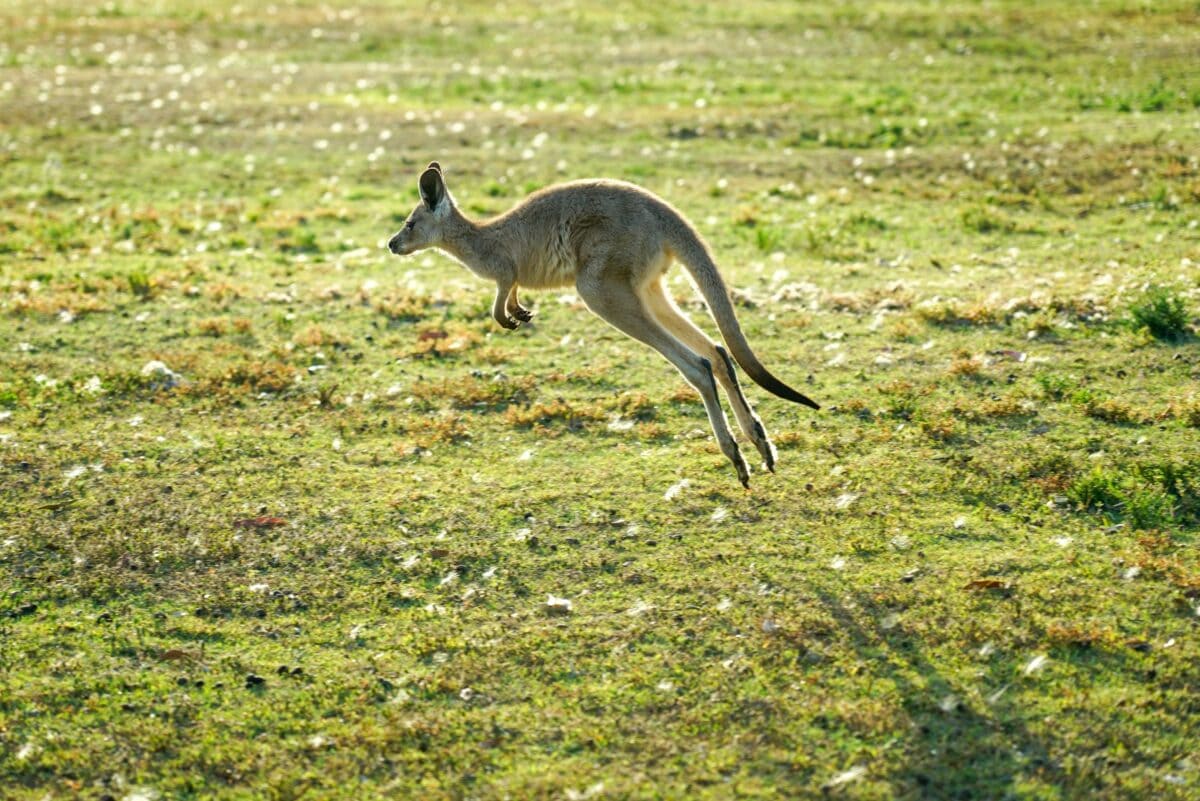
Seeing kangaroos in their natural habitat is not only a thrilling experience but also an educational one. Watching these animals interact with each other, care for their young, and gracefully move across the landscape offers invaluable insight into their behavior and ecology. Whether it’s witnessing a kangaroo joey peeking out of its mother’s pouch or observing a mob grazing peacefully at dusk, these encounters foster a deeper appreciation for Australia’s natural world and highlight the importance of preserving it for future generations.
Conclusion: A Unique Wildlife Experience

In conclusion, Australia’s status as the best place to spot kangaroos in the wild is a result of its unique evolutionary history, diverse ecosystems, and successful conservation efforts. The opportunity to see these iconic marsupials in their natural surroundings offers a special window into the wonders of the animal kingdom and underscores the importance of protecting these habitats. For wildlife enthusiasts and casual tourists alike, a visit to Australia promises a memorable adventure filled with the enchanting presence of kangaroos.

As a little kid, I fell in love with nature, wildlife, and animals. Living in the USA, South Africa, Italy, China and Germany gave me the opportunity to discover the world's Wildlife. My favorite animals are Mountain Gorillas, Siberian Tigers, and Great White Sharks.
I'm a certified PADI Open Water Diver, went to Everest Base Camp and Trekked Gorillas in Uganda. I hold a Master of Science in Economics and Finance.
Please send any feedback to feedback@animalsaroundtheglobe.com
- 14 Most Beautiful Bird Songs You Can Hear in America - July 15, 2026
- The Longest Snake Ever Found Slithering in the U.S. - July 15, 2026
- Why Humpback Whales Are Singing Louder Off U.S. Shores - July 15, 2026