

Most gardeners are well-versed in the art of nurturing plants to bloom and flourish. However, amidst the quest for lush lawns and bountiful vegetable patches, another equally important component of a thriving garden can sometimes be overlooked: the animals that call our gardens home. From birds and butterflies to earthworms and bees, these creatures play crucial roles in maintaining a balanced and healthy ecosystem. Unfortunately, the widespread use of chemical fertilizers and pesticides can pose significant threats to these vital garden inhabitants. By avoiding chemicals, we can create a more hospitable environment for them to thrive, thus enhancing the overall health of our gardens.
Understanding the Role of Garden Animals
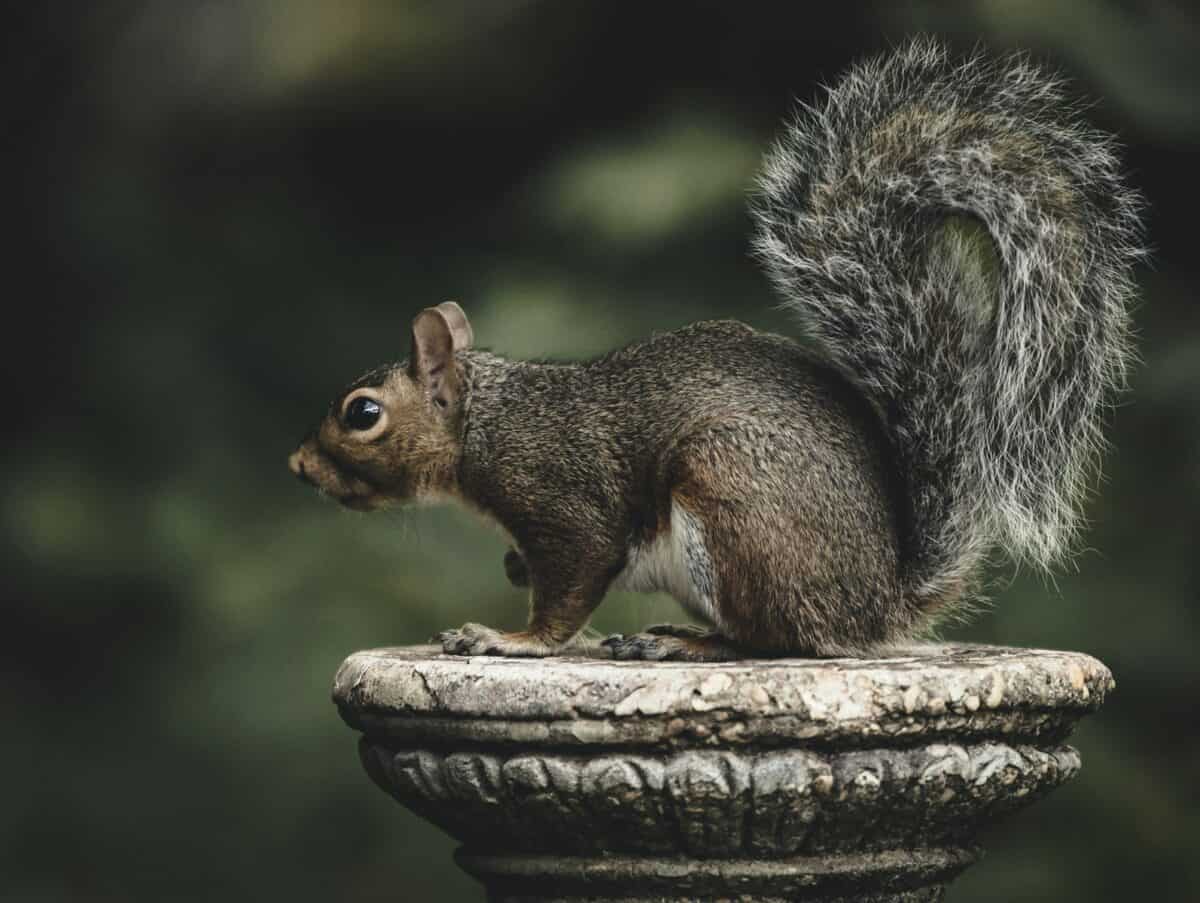
Garden animals contribute to our ecosystems in numerous ways, making them essential partners in maintaining a healthy garden. Pollinators like bees and butterflies are vital for the reproduction of flowering plants. Birds aid in pest control by feeding on insects. Earthworms enhance soil quality by aerating it and breaking down organic material into nutrients. Each creature occupies a unique niche, contributing to the biodiversity and overall equilibrium of the garden environment.
The Impact of Chemicals on Garden Wildlife
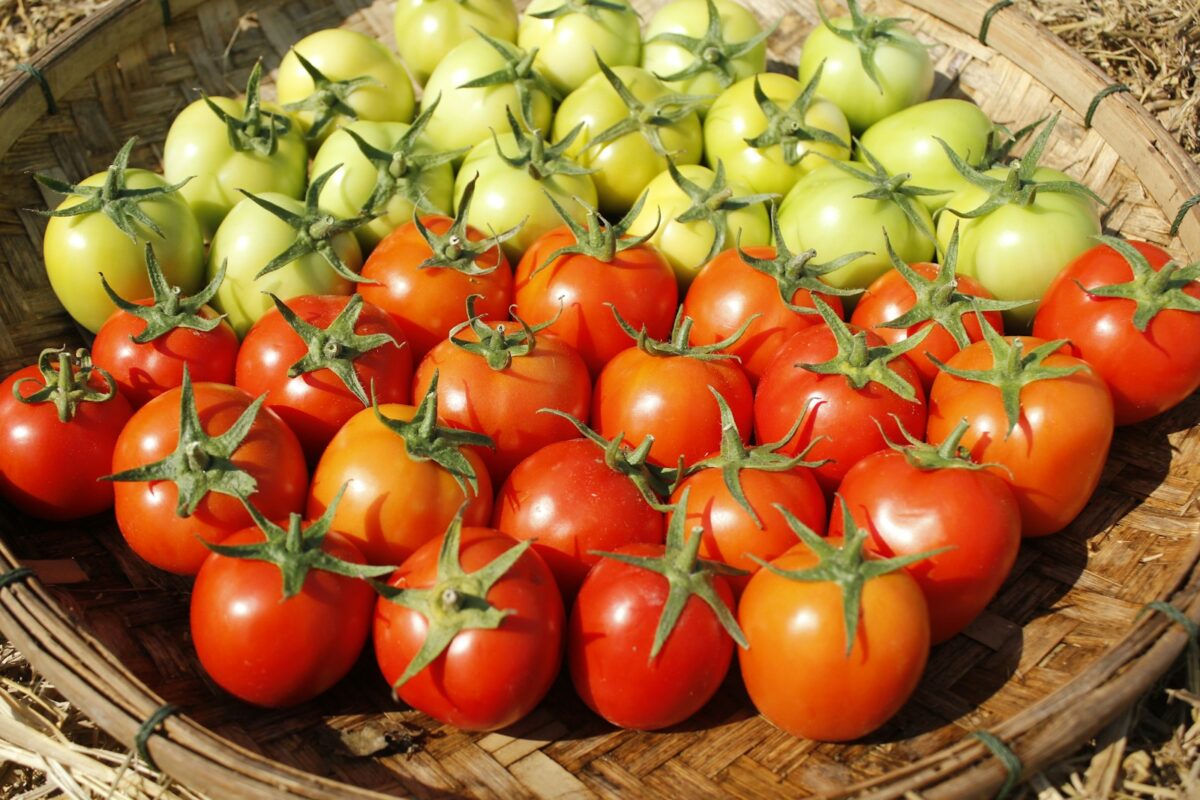
Using synthetic chemicals in gardening can disrupt these natural processes. Pesticides, designed to kill unwanted insects, often do not discriminate between pests and beneficial creatures like pollinators. When bees and butterflies forage in areas treated with these chemicals, they may ingest toxic substances, resulting in declining populations and disrupted pollination cycles.
Moreover, chemical fertilizers can harm the organisms necessary for breaking down organic material in the soil. While these products may facilitate lush plant growth in the short term, they can diminish soil health in the long run, making the soil less hospitable for earthworms and other decomposers essential for nutrient cycling.
Benefits of a Chemical-Free Garden
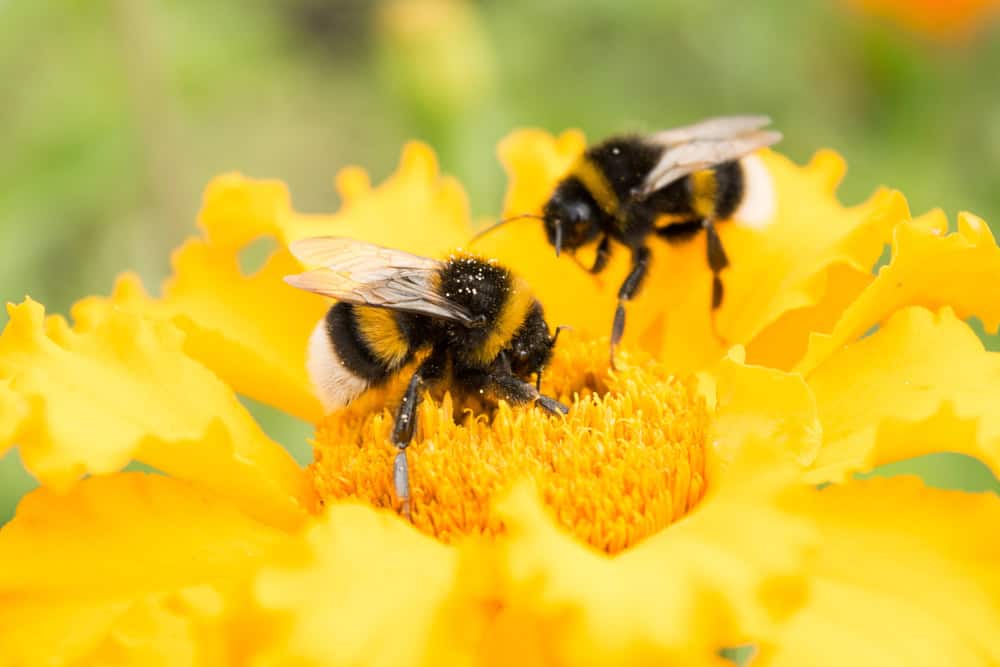
Transitioning to a garden free from synthetic chemicals can foster an environment where animals thrive. With a chemical-free approach, there’s a significant reduction in the likelihood of poisoning pollinators, thus supporting their crucial role in plant reproduction. Additionally, healthier soil will attract and sustain earthworms and beneficial microbes, improving soil fertility over time.
Birds will also benefit from a naturally balanced garden, where their insect prey hasn’t been eradicated by pesticides. Furthermore, attracting a diverse range of creatures can increase biodiversity, making your garden ecosystem more resilient to pests and diseases.
Practical Steps to Creating a Chemical-Free Garden

Transitioning to a chemical-free gardening approach involves a few adjustments that can pay dividends for garden wildlife. First, focus on building healthy soil by incorporating organic matter like compost and manure. This enhances soil fertility and structure, making it an inviting environment for earthworms and microbes.
Plant a variety of native species, which are better adapted to local conditions and more attractive to local wildlife. Companion planting can naturally deter pests and encourage beneficial insects, reducing the need for chemical interventions.
Introduce natural predators, such as ladybugs and birds, to manage pest populations. Providing birdhouses and baths can attract these allies who will help keep pests in check.
Embracing a Natural Gardening Philosophy
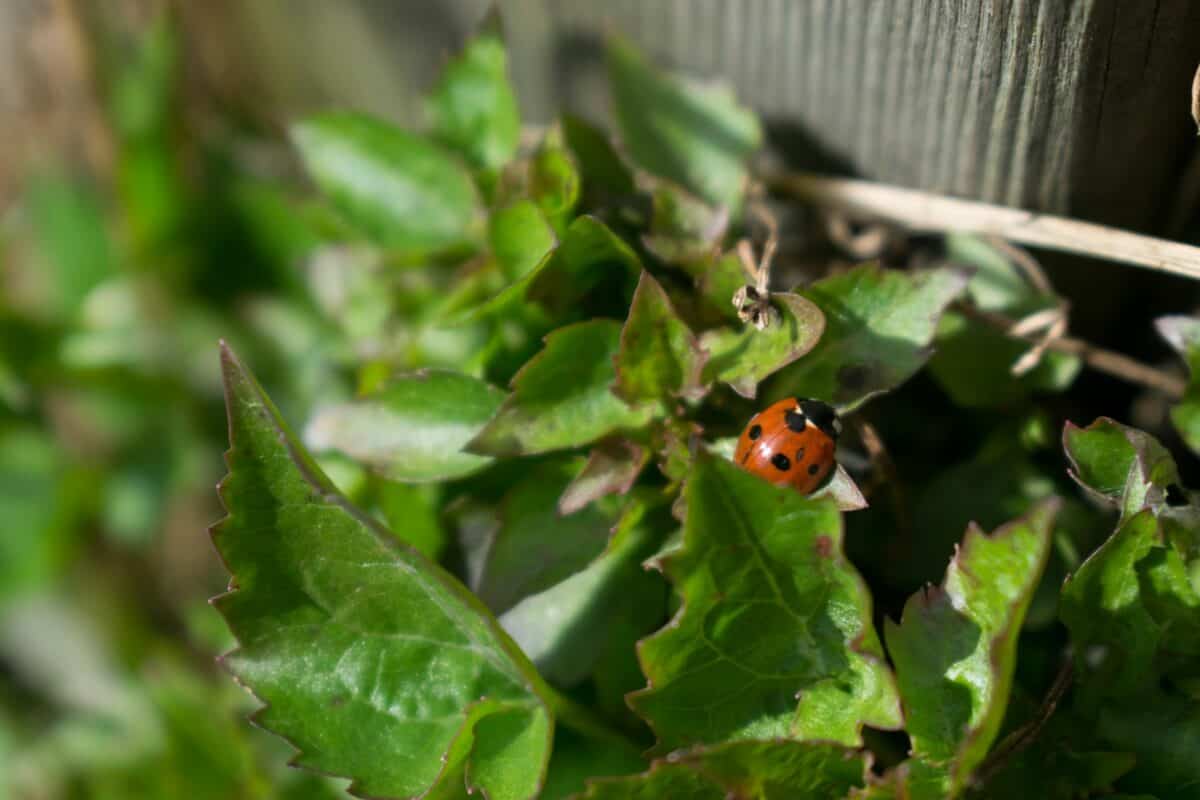
While it might be tempting to reach for chemical solutions for immediate results, the long-term health of our gardens and the animals within them rely on a sustainable, chemical-free approach. By valuing and fostering the natural processes that beings from the tiniest insect to the most colorful bird contribute, we can create an ecosystem that not only survives but thrives. A garden that supports its animal residents is ultimately richer, more dynamic, and infinitely more rewarding for gardeners dedicated to stewarding their green spaces responsibly.

- The Most Powerful Earthquake Ever Felt in the U.S. - July 19, 2026
- How Rhinoceros Males Compete for Mating Rights in the Wild - July 18, 2026
- 13 Spider Species Thriving in Changing Environments - July 18, 2026