

You might think you’re doing your furry friend a favor by tossing them a grape or sharing a little piece of your chocolate bar. Here’s the thing, though. What seems like an innocent treat could actually send your beloved pet straight to the emergency vet.
Dogs are naturally curious creatures who explore the world with their mouths, making them especially vulnerable to accidental poisonings. Many foods that humans enjoy without a second thought can wreak havoc on a dog’s system because their metabolism works completely differently from ours. Let’s dive into some of the most shocking culprits that might be sitting in your kitchen right now.
1. Chocolate: The Classic Culprit Everyone Should Know
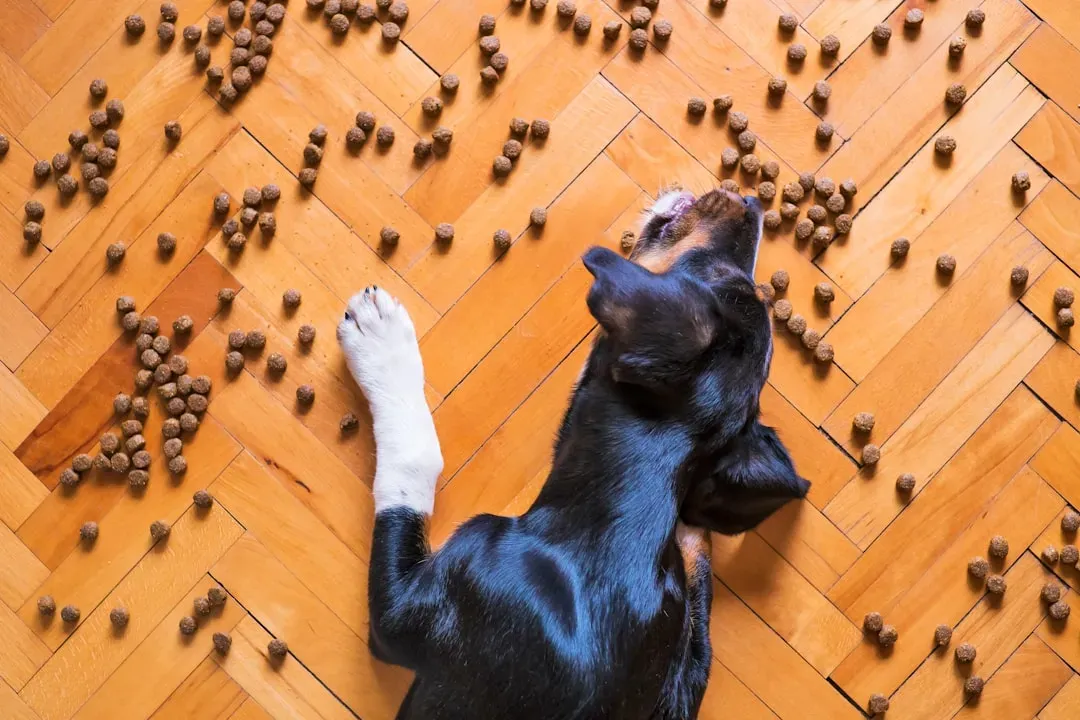
Chocolate contains a lethal component called theobromine, and the darker the chocolate, the more theobromine it contains. Dogs should never eat chocolate because it contains toxic substances called methylxanthines, which are stimulants that stop a dog’s metabolic process. Even a small amount can be dangerous.
What makes this particularly tricky is that the darker the chocolate or the higher the caffeine content, the greater the risk for toxicity, with white chocolate having the lowest methylxanthine content while baking chocolate and cocoa powder have the highest concentrations. Think about it: that innocent brownie you dropped on the floor could contain enough theobromine to cause serious harm.
Symptoms associated with the ingestion of chocolate can include hyperactivity, vomiting, diarrhea, pancreatitis, abnormal heart rhythm and seizures. The severity really depends on how much your dog ate and what type of chocolate it was. Dark chocolate poses a far greater threat than milk chocolate, but honestly, no amount is truly safe.
If you suspect your pup got into your chocolate stash, don’t wait to see if symptoms develop. Contact your veterinarian immediately because time is critical in these situations.
2. Grapes and Raisins: Tiny But Terrifying

Here’s something that surprises most people. Grapes and raisins are dangerous to dogs because their tartaric acid is toxic to your dog’s kidneys. Grapes and their dried forms can cause kidney failure in dogs, and dogs that already have underlying health problems are at the greatest risk, with even tiny amounts being extremely toxic in some cases.
The most unsettling part? Experts agree that there is no “safe” dose of grapes and raisins. Some dogs might eat a few and be fine, while others could suffer kidney failure from just one or two grapes. It’s hard to say for sure which dogs will be affected.
Symptoms of raisin or grape poisoning include vomiting and diarrhea, loss of appetite, changes in the amount of urine passed, or not passing any urine. These signs can appear within a day of ingestion. I think the unpredictability makes this one especially frightening for dog owners.
This includes all forms, by the way. Fresh grapes, raisins, sultanas, even foods containing them like trail mix or baked goods. Better to keep them completely off limits.
3. Onions and Garlic: Flavorful But Fatal

Eating these vegetables can cause stomach and gut irritation and potentially lead to red blood cell damage and anemia, with onions being particularly toxic and signs of poisoning often only occurring a few days after consumption. Garlic is part of the Allium family and is five times more toxic to dogs than the rest of the Allium plants.
The delayed symptoms make this especially dangerous because you might not connect the dots right away. All forms of onion can be a problem including dehydrated onions, raw onions, cooked onions, table scraps containing cooked onions or garlic, leftover pizza, Chinese dishes, and commercial baby food containing onion. That means even a little bit of onion powder in your leftovers could spell trouble.
Garlic can create anemia in dogs, causing side effects such as pale gums, elevated heart rate, weakness, and collapse. The real kicker is that poisoning from garlic and onions may have delayed symptoms, so monitoring your dog for a few days after suspected consumption is essential.
Many people don’t realize just how many prepared foods contain these ingredients. Sauces, gravies, seasoning mixes. Always check before sharing your dinner with your four-legged companion.
4. Xylitol: The Sugar-Free Nightmare

Dogs are extremely sensitive to xylitol, and even small quantities can cause toxicity, with some sugar-free sweets and gums having potentially toxic amounts per piece. Xylitol is used as a sweetener in many products including gum, candy, baked goods and toothpaste, and can cause low blood sugar and potentially liver damage depending on the amount ingested.
This artificial sweetener has become incredibly common in recent years. It’s in sugar-free peanut butter, certain baked goods, candies, even some medications and supplements. Early symptoms of xylitol poisoning include lethargy, vomiting and loss of coordination, with seizures potentially occurring, and xylitol has also been linked to sudden fatal acute liver disease and blood-clotting disorders in dogs.
What makes xylitol particularly scary is how quickly it acts. Ingestion of products containing xylitol has resulted in rapid, severe lowering of blood sugar at lower doses and liver injury or failure at high doses, with signs of hypoglycemia appearing within 30 minutes of ingestion.
Always read ingredient labels carefully before giving your dog anything that might contain this sweetener. When in doubt, leave it out.
5. Macadamia Nuts: The Hawaiian Hazard

Macadamia nuts are one of the most poisonous foods for dogs, causing vomiting, increased body temperature, inability to walk, lethargy, and potentially affecting the nervous system. Interestingly, dogs are the only species in which illness after eating macadamia nuts has been reported.
As few as six nuts can cause severe poisoning in a small dog. Within 12 hours of ingestion, macadamia nuts can cause dogs to experience weakness, depression, tremors, vomiting and increased body temperature, with symptoms tending to last for approximately 12 to 48 hours.
The good news? All field and experimental dogs recovered uneventfully within 1 to 2 days whether treated by a veterinarian or not, with no mortality reported. Still, watching your dog suffer through temporary paralysis and weakness is absolutely heartbreaking.
Keep those fancy macadamia nut cookies to yourself. Your dog will thank you later.
6. Avocado: Not As Healthy As You Think
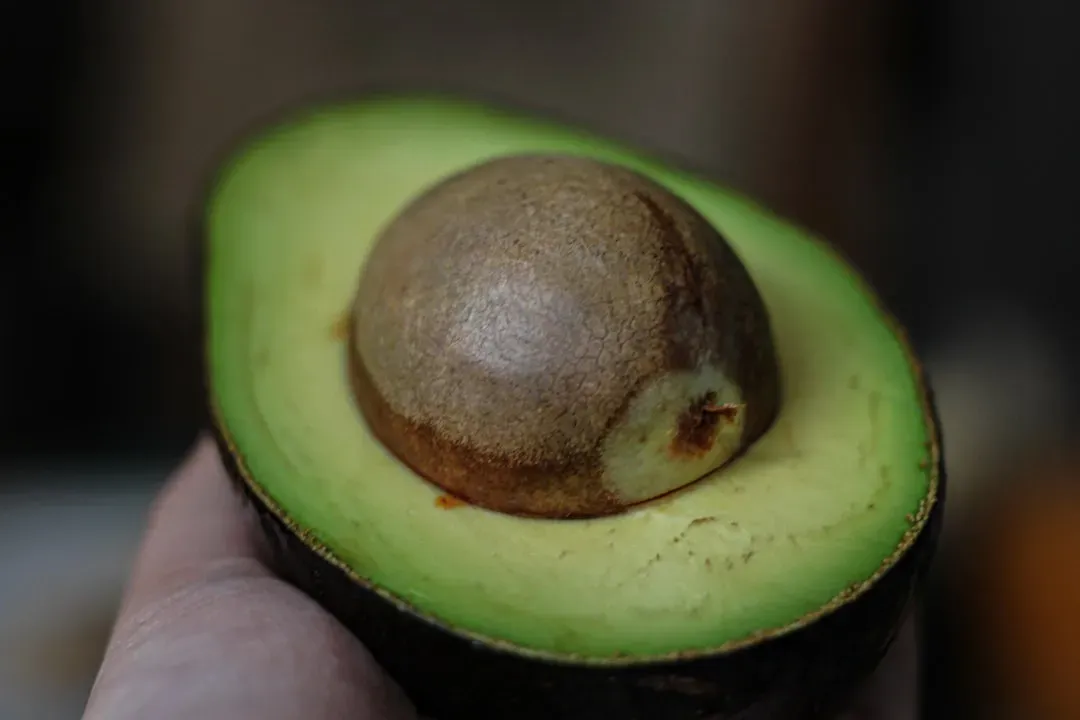
The skin, leaves, and seeds of avocados contain high levels of persin, a toxin that can damage the heart and other organs, while avocado flesh contains less persin but is still high in fat and calories. Two dogs in South Africa died from myocardial damage after eating avocados, and while this result has never been replicated, avocados are known to cause issues in other mammal species.
The pit poses additional dangers beyond persin. Avocado pits, corn cobs, and bones can get stuck in your pet’s esophagus, stomach, or intestines. So even if the flesh doesn’t make your dog seriously ill, the pit could cause a life-threatening blockage.
Honestly, given all the excellent dog-safe treats available, there’s no reason to risk giving your pup avocado in any form. Save the guacamole for your own enjoyment and find something safer to share with your furry friend.
7. Alcohol: No Party For Pups
Alcohol is significantly more toxic to dogs than to humans. Alcoholic beverages and food products containing alcohol can cause vomiting, diarrhea, incoordination, depression, difficulty breathing, tremors, changes in blood pH, coma and even death, with alcohol being rapidly absorbed after ingestion.
People sometimes think it’s funny to give their dog a taste of beer or wine. Let’s be real: it’s not funny at all. Symptoms of alcohol poisoning in dogs are similar to symptoms in people, such as vomiting, breathing problems, coma or even death.
Even foods cooked with alcohol can be problematic. Rum cake, bourbon-soaked desserts, or dishes with wine reductions can all contain enough alcohol to affect a dog’s system. Dogs metabolize alcohol much more slowly than humans do, meaning even small amounts can overwhelm their bodies.
Keep the cocktail hour strictly human-only. Your dog doesn’t need alcohol, and their body certainly can’t handle it.
8. Raw Bread Dough: The Expanding Danger

Yeast dough can rise and cause gas to accumulate in your pet’s digestive system, which can be painful and cause the stomach to bloat and potentially twist, becoming a life-threatening emergency. The warm environment of a dog’s stomach is basically a perfect incubator for yeast.
But wait, it gets worse. The yeast produces alcohol as a by-product in the stomach environment once ingested, so raw bread dough exposures can develop complications of alcohol toxicity as well. Your dog could end up dealing with both bloat and alcohol poisoning from a single incident.
Raw bread dough made with yeast poses hazards including bloated stomach, metabolic abnormalities, and central nervous system depression, with dogs being most commonly involved, and the warm, moist environment of the stomach serving as an efficient incubator causing the distended stomach to reduce blood flow to the stomach wall.
If you’re baking at home, make absolutely sure your dog can’t access any rising dough. This is one of those situations where prevention is infinitely easier than treatment.
9. Certain Fruit Pits: Hidden Cyanide

Fruit pits in the Prunus genus including cherries, nectarines, peaches, and plums contain cyanide, though cyanide poisoning is rare unless your pet eats a lot of pits and chews them up, with the pits needing to be crushed or ground up to release the cyanide. These fruit pits contain cyanide which can cause vomiting, irregular and fast heartbeat, seizures, coma and death.
The bigger immediate risk is actually obstruction. A gastrointestinal obstruction is the bigger risk for dogs and cats that eat these fruit pits. A peach pit lodged in your dog’s intestines could require emergency surgery.
While it’s true that apple seeds contain cyanide and are best avoided altogether, the flesh of apples is generally safe. The same goes for these stone fruits: the flesh is usually fine in moderation, but keep those pits far away.
Summer barbecues with fresh fruit? Make sure those pits go straight into a secure trash can, not onto the ground where curious noses might find them.
10. Dairy Products: The Lactose Problem

Dogs do not have significant amounts of the enzyme lactase that breaks down lactose in milk, so feeding your dog milk and other milk-based products can cause diarrhea or other digestive upset. Because pets do not possess significant amounts of lactase, milk and other dairy-based products can cause diarrhea or other digestive upset.
Many dogs are lactose intolerant to varying degrees. Some might handle a small amount of cheese without issues, while others will experience immediate gastrointestinal distress. Dogs find it difficult to break down cheese, while eating large amounts of higher fat varieties can cause sickness and diarrhea.
Ice cream is particularly tempting to share on a hot day, but it’s really not doing your dog any favors. Ice cream contains lots of sugar, and some dogs have an intolerance to lactose. The combination of high sugar content, fat, and lactose makes it a triple threat.
If you want to give your dog a frozen treat, try freezing plain chicken broth or small pieces of dog-safe fruits instead. They’ll love the cooling effect without the digestive consequences.
Conclusion
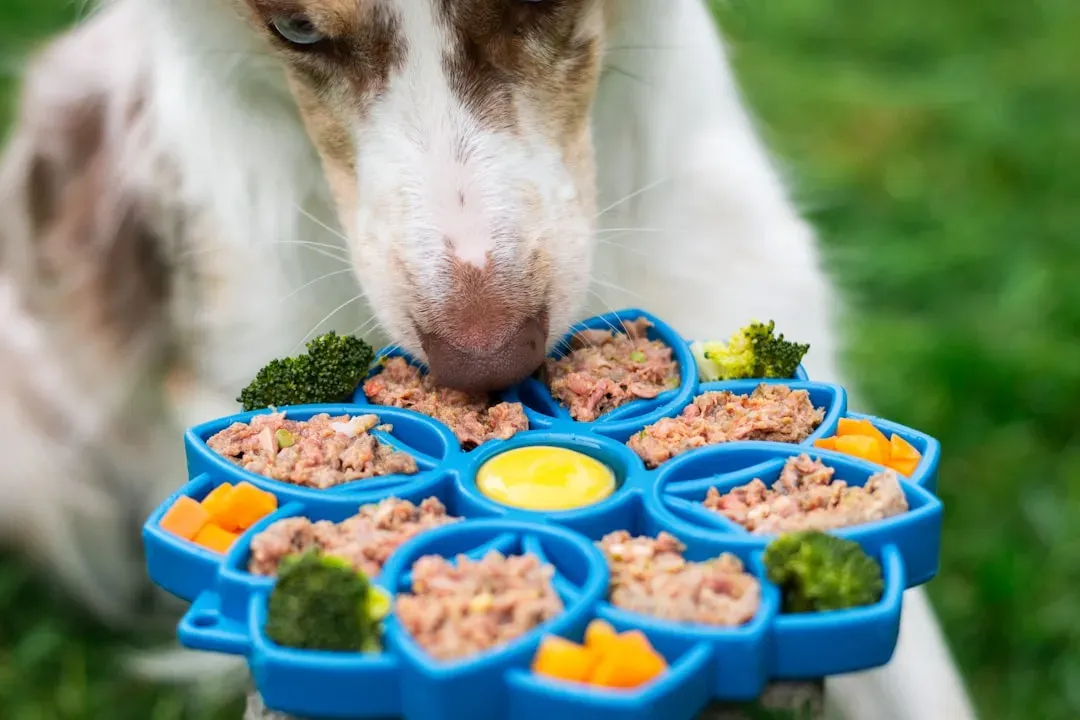
Protecting your dog from food poisoning really comes down to awareness and vigilance. So many of these dangerous foods are sitting in our kitchens right now, seeming perfectly harmless to us while posing serious threats to our pets. The key is remembering that dogs process food fundamentally differently than we do.
If you suspect your dog has eaten something toxic, don’t wait to see what happens. Contact your veterinarian or an animal poison control center immediately. Time is absolutely critical in many of these poisoning cases, and quick action can literally save your dog’s life.
Keep toxic foods stored securely, educate family members and guests about what not to feed your dog, and always err on the side of caution. When in doubt, stick to foods specifically made for dogs or consult your veterinarian first. What do you think about these surprising dangers? Have you had any close calls with your own pup?

- Why Veterinarians Say If Your Cat Sleeps With Their Back to You, It's the Highest Form of Trust in Feline Behavior - July 20, 2026
- The Zodiac Signs That Owls Avoid Completely (And What Folklore Says It Means About Your Energy) - July 20, 2026
- You Won’t Believe What These 5 Animals Eat for Dinner - July 20, 2026