

Worried about unexpected vet bills?
Pet insurance can cover thousands in unexpected vet costs. Get a free quote from Lemonade in under 2 minutes.
Get My Free Quote →Sponsored · Opens Lemonade.com
Axolotls (Ambystoma mexicanum) are fascinating amphibians known for their incredible regenerative abilities, distinctive appearance, and their status as neotenic salamanders that retain juvenile features throughout their lives. Native only to Lake Xochimilco and Lake Chalco in the Valley of Mexico, these remarkable creatures have captured the attention of scientists and pet enthusiasts alike. However, despite their popularity in captivity, axolotls face a dire situation in their natural habitat, where they are critically endangered. Conservation efforts to reintroduce captive-bred axolotls into the wild have proven exceptionally challenging for numerous complex reasons. This article explores the multifaceted obstacles that make axolotl reintroduction one of the most difficult wildlife conservation endeavors.
The Decimation of Axolotls’ Natural Habitat

Perhaps the most significant barrier to axolotl reintroduction is the severe degradation of their native habitat. Originally, axolotls thrived in the interconnected lake system of the Valley of Mexico, but urban development has dramatically altered this ecosystem. Lake Chalco was completely drained in the 1970s to prevent flooding and accommodate Mexico City’s expansion, while Lake Xochimilco has been reduced to a system of canals. Today, less than 10% of the original wetland habitat remains, and what does exist is heavily modified. These dramatic environmental changes mean that even if axolotls were reintroduced, they would be entering an ecosystem drastically different from the one they evolved to inhabit. The shallow, clear waters with abundant aquatic vegetation that once supported thriving axolotl populations have largely disappeared, replaced by turbid, polluted canals that lack the ecological components necessary for axolotl survival.
Severe Water Pollution Issues
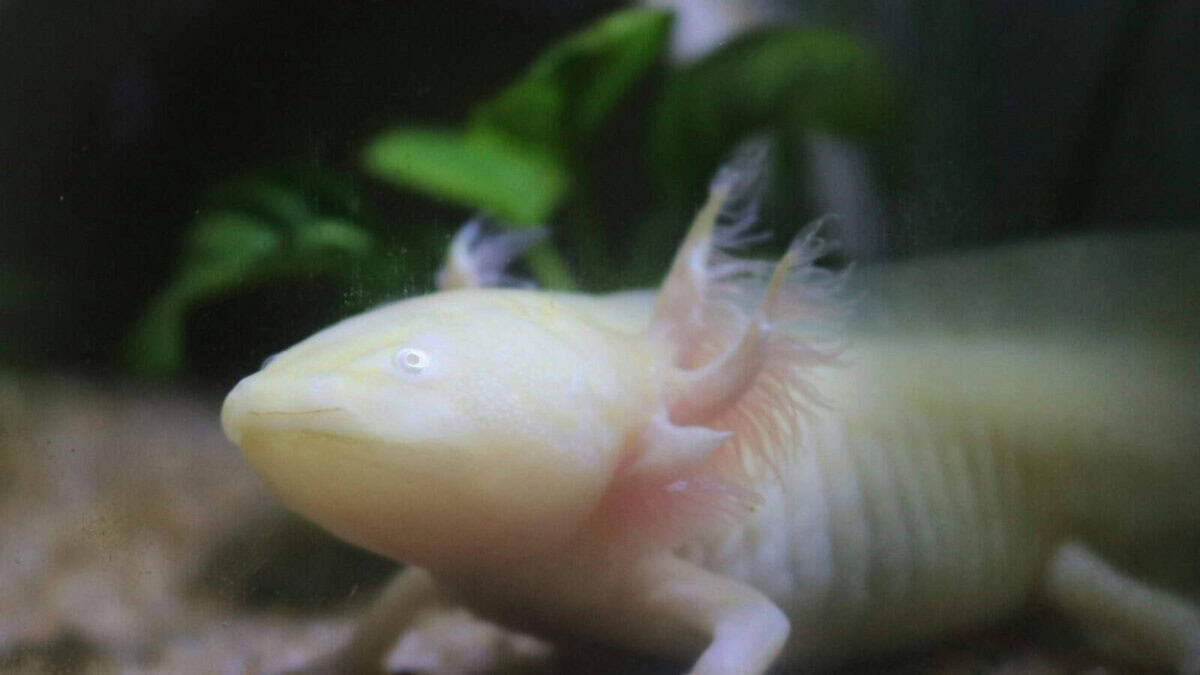
Water quality in the remaining canals of Xochimilco presents another major obstacle to axolotl reintroduction. Mexico City’s rapid urbanization has resulted in significant pollution of these waterways. High levels of heavy metals, agricultural runoff, industrial waste, and untreated sewage contaminate the water. Studies have found concerning levels of lead, mercury, and other toxins in the sediment and water column. These pollutants can cause direct mortality in axolotls, disrupt their reproductive systems, impair their immune function, and cause developmental abnormalities. Captive-bred axolotls, raised in pristine aquarium conditions, have little tolerance for such contaminated environments. Successful reintroduction would require massive water quality improvement initiatives, which despite some government efforts, remain insufficient to create truly hospitable conditions for these sensitive amphibians.
Introduced Predatory Fish Species

The introduction of non-native fish species into the Xochimilco canal system has created a predatory gauntlet that makes axolotl survival extremely difficult. Species such as tilapia and carp were introduced in the 1970s and 1980s as part of fishing initiatives, but these fish have become one of the greatest threats to axolotl populations. These invasive fish prey directly on axolotl eggs, larvae, and even juvenile axolotls. Additionally, they compete with axolotls for food resources and disrupt the native ecological balance. Research has shown that in areas where these invasive fish are abundant, axolotl populations are either severely reduced or entirely absent. Efforts to remove these fish have been limited in scope and effectiveness, creating a persistent barrier to successful reintroduction. Captive-bred axolotls, having never encountered predators, lack the defensive behaviors that might help them survive in predator-rich environments.
Genetic Bottlenecks in Captive Populations

Most axolotls in captivity today descend from a very limited genetic pool, creating significant concerns about genetic diversity. Historical records indicate that most captive axolotls trace back to a small number of specimens collected in the late 19th and early 20th centuries. This limited genetic foundation has been further narrowed by selective breeding for specific traits desirable in laboratory or pet specimens. Researchers estimate that captive axolotl populations have lost significant genetic diversity compared to historical wild populations, with some studies suggesting as much as a 35% reduction in genetic variability. This genetic bottleneck creates reintroduction challenges, as these genetically homogeneous populations may lack the adaptive capacity to respond to environmental challenges, diseases, and changing conditions in the wild. The reduced genetic diversity also raises concerns about inbreeding depression, which can manifest as reduced reproductive success, compromised immune function, and decreased overall fitness—all critical factors for survival in a challenging wild environment.
Loss of Wild Behavioral Adaptations
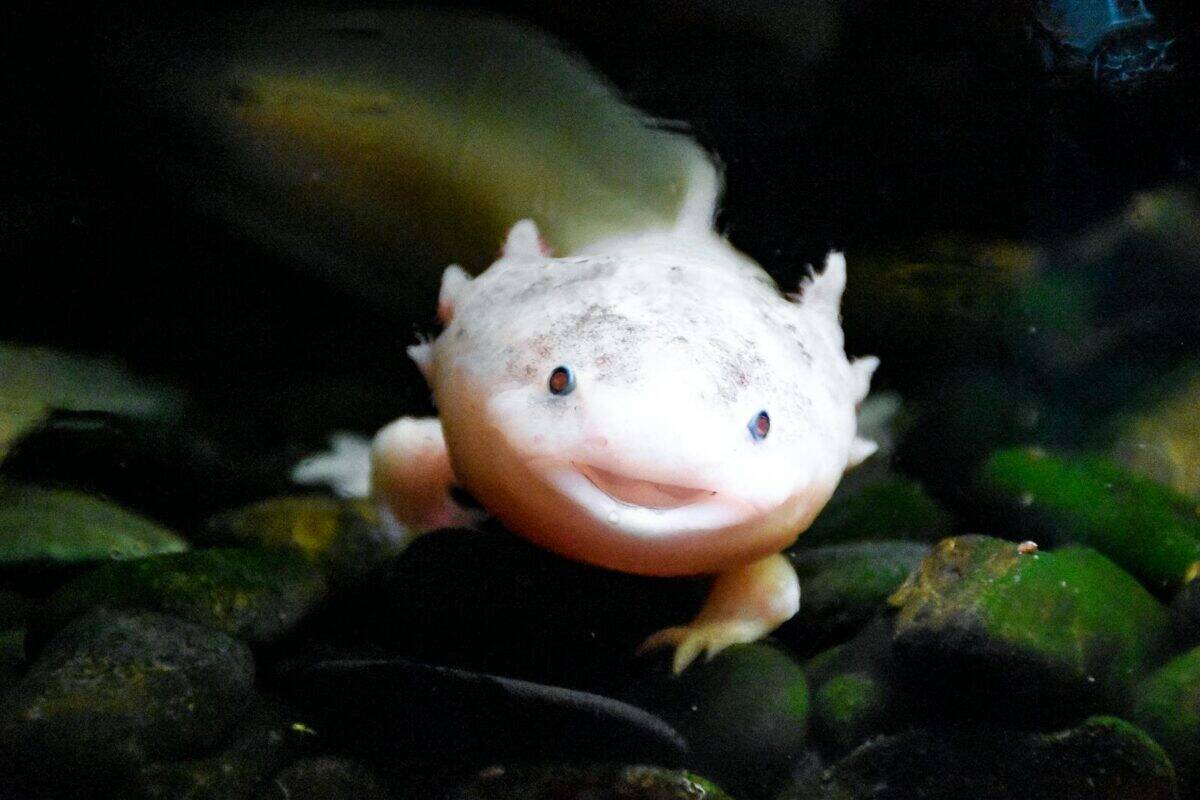
Generations of captive breeding have significantly altered axolotl behavior in ways that compromise their ability to survive in the wild. In captivity, axolotls are typically provided with reliable food sources, protection from predators, and stable environmental conditions. This protected existence has led to the loss of crucial survival behaviors that wild axolotls would naturally develop. Captive axolotls often display reduced predator avoidance behaviors, inefficient hunting strategies, and altered activity patterns. They may not recognize natural threats or know how to respond appropriately when confronted by predators. Studies comparing captive and wild amphibian populations have documented significant behavioral differences that directly impact survival rates upon reintroduction. Additionally, captive axolotls often lack the experience navigating complex physical environments, seeking appropriate shelter, or competing with other organisms for resources. These behavioral deficiencies create a significant survival disadvantage and have been implicated in the failure of many amphibian reintroduction attempts worldwide.
Disease Concerns and Bidirectional Risks

Disease management presents a bidirectional risk in axolotl reintroduction efforts. On one hand, captive axolotls may introduce novel pathogens to wild populations or remnant ecosystems. Captive environments often harbor different microbial communities than natural habitats, and axolotls raised in these settings may carry pathogens that could spread to other wildlife. Conversely, wild environments contain pathogens that captive axolotls have never encountered and thus have no immunity against. This leaves reintroduced individuals vulnerable to local diseases. Of particular concern is the amphibian chytrid fungus (Batrachochytrium dendrobatidis), which has devastated amphibian populations worldwide. While axolotls show some resistance to this pathogen in laboratory settings, their susceptibility in wild conditions—especially when facing multiple environmental stressors simultaneously—remains a significant concern. Effective disease screening, quarantine protocols, and health monitoring are essential but logistically challenging components of any reintroduction effort, adding layers of complexity and cost to an already difficult process.
Physiological Adaptations to Captivity

Beyond behavioral changes, axolotls bred in captivity for many generations have undergone physiological adaptations that may reduce their fitness in the wild. Captive environments typically feature controlled water temperatures, artificial lighting cycles, consistent water chemistry, and optimized nutrition. These conditions differ markedly from the variable and often challenging conditions of natural habitats. Research on various captive-bred species has shown that such environmental consistency can lead to reduced physiological resilience and stress tolerance. Captive axolotls may have altered metabolic rates, reduced immune responses to natural pathogens, and different tolerances to temperature fluctuations or water quality parameters compared to their wild counterparts. These physiological changes can be difficult to reverse and may require multiple generations of conditioning in more naturalistic environments before reintroduction. Without addressing these physiological limitations, reintroduced axolotls may simply lack the physical hardiness required to survive the stresses of wild conditions.
Climate Change Impacts on Habitat Suitability

Climate change introduces additional complexities to axolotl reintroduction efforts. Mexico City’s climate is changing, with increasing average temperatures and altered precipitation patterns affecting the region’s aquatic ecosystems. Axolotls are highly sensitive to water temperature, with optimal ranges between 14-20°C (57-68°F). Rising temperatures can reduce dissolved oxygen levels in water, increase metabolic demands on axolotls, and potentially facilitate the spread of certain diseases. Climate models for central Mexico project continued warming trends and increased frequency of extreme weather events, including droughts that could further stress the canal systems of Xochimilco. These changing conditions may make historical habitats increasingly unsuitable for axolotls, even if other conservation challenges were addressed. The relatively slow reproductive rate and limited dispersal ability of axolotls further restricts their capacity to adapt to rapidly changing climatic conditions, creating another significant barrier to successful reintroduction and long-term population viability.
Social and Economic Challenges in Conservation Areas

The social and economic realities of the Xochimilco region create practical challenges for axolotl reintroduction. The canal system supports significant economic activity, including agriculture and tourism, with the famous trajineras (flat-bottomed boats) carrying visitors through the waterways daily. These activities provide essential livelihoods for local communities but also impact water quality and ecosystem health. Conservation efforts must balance ecological needs with human economic necessities, often creating complex trade-offs. Additionally, effective conservation requires community engagement and support, which can be difficult to achieve when conservation goals appear to conflict with traditional uses of the waterways. While there has been increasing local pride in axolotls as cultural symbols, translating this cultural appreciation into meaningful habitat protection remains challenging. Successful reintroduction would require not just biological interventions but comprehensive socio-economic strategies that align conservation objectives with community development goals—a complex undertaking requiring sustained funding, political will, and multidisciplinary expertise.
Limited Success of Habitat Restoration Efforts

Despite various habitat restoration initiatives in the Xochimilco area, success has been limited and fragmented. Projects have included the creation of canal refuges, water quality improvement efforts, and invasive species management programs. However, these efforts often face challenges of scale, continuity, and integration. Many restoration projects are localized, addressing small portions of the ecosystem without creating the comprehensive habitat improvements needed for self-sustaining axolotl populations. Funding inconsistencies mean that promising initiatives often lack the long-term support needed to achieve lasting results. Technical challenges in restoring degraded urban waterways are substantial, requiring sophisticated engineering solutions and ongoing maintenance. Additionally, restoration efforts sometimes focus on aesthetic or recreational improvements rather than ecological functionality critical for axolotl survival. While some demonstration projects have shown promise, scaling these successes to create viable habitat throughout the canal system remains an unmet challenge. The limited success of restoration efforts to date suggests that creating suitable conditions for widespread axolotl reintroduction will require significantly expanded commitment and resources.
Challenges in Monitoring and Evaluating Reintroduction Success
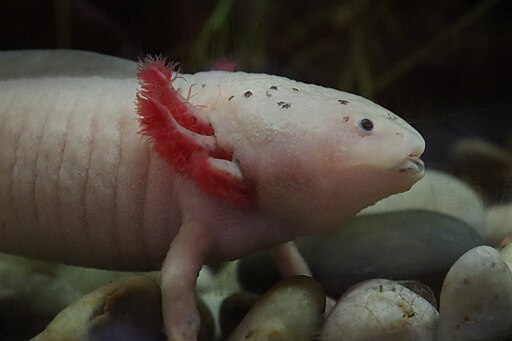
Even if axolotls were reintroduced, assessing the success of such efforts presents significant technical challenges. Axolotls are cryptic, primarily nocturnal animals that can be difficult to detect in turbid water conditions. Traditional monitoring methods like visual surveys are often ineffective, especially in the complex canal environments of Xochimilco. More advanced techniques such as environmental DNA (eDNA) sampling can detect axolotl presence but provide limited information about population health, reproduction success, or individual survival. Long-term monitoring is essential to evaluate whether reintroduced populations are self-sustaining, but such programs require sustained funding and expertise that is often difficult to maintain. Without robust monitoring capabilities, conservation managers cannot effectively adapt their approaches based on outcomes, creating a significant impediment to successful reintroduction. The difficulty in accurately assessing results may also discourage investment in reintroduction efforts, as stakeholders and funders increasingly demand demonstrable outcomes from conservation interventions.
Complexities of Creating Self-Sustaining Populations
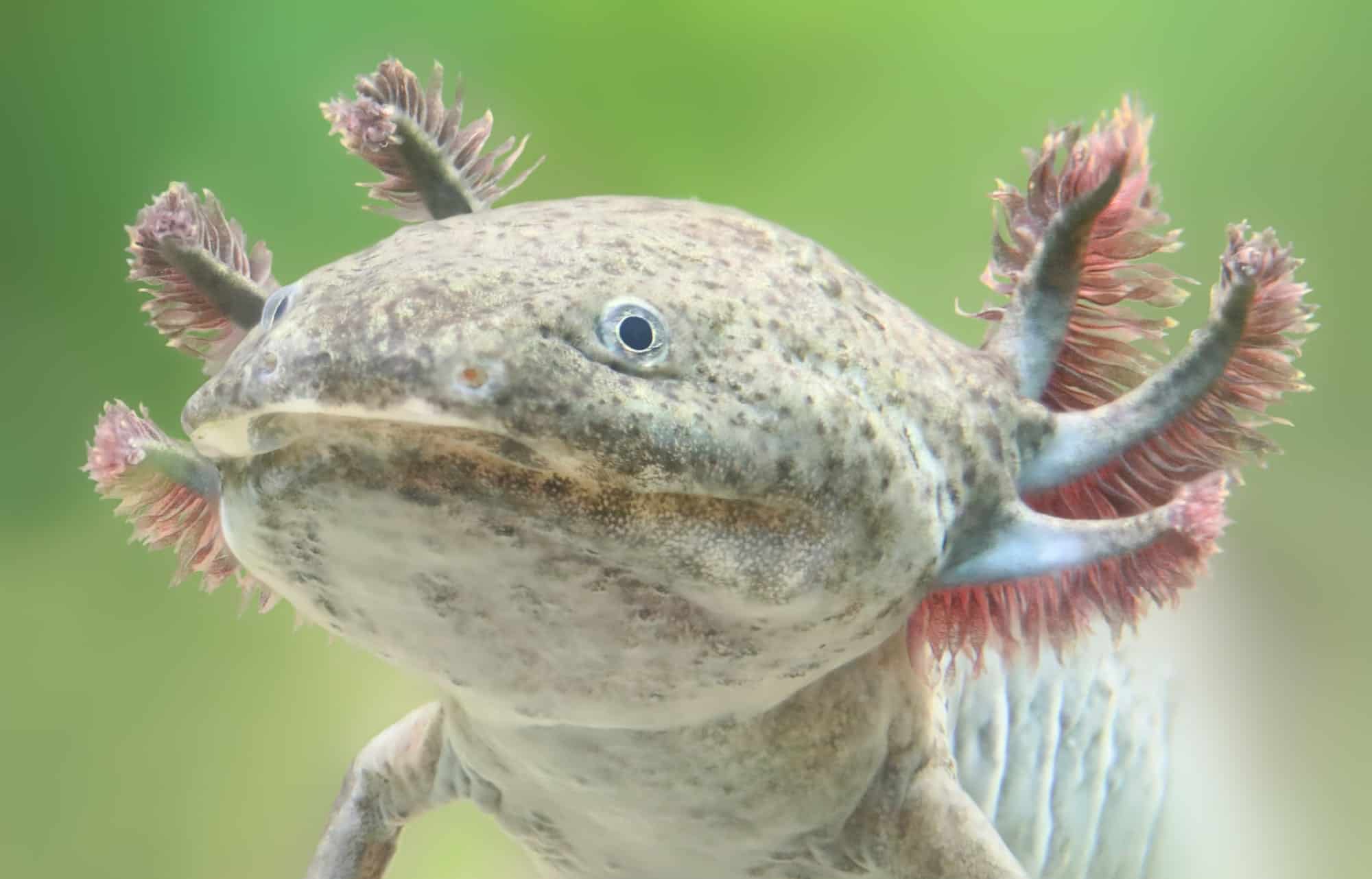
The ultimate goal of reintroduction is to establish self-sustaining wild populations, but this represents perhaps the most challenging aspect of axolotl conservation. Creating viable populations requires not just the physical presence of axolotls but the establishment of functional demographic processes, including successful reproduction, juvenile recruitment, and natural population regulation. Achieving this complex ecological state requires addressing all the previously mentioned challenges simultaneously and sustaining these conditions over multiple axolotl generations. Conservation biologists recognize that successful reintroductions typically require releasing large numbers of individuals over extended periods to overcome initial mortality and establish viable breeding populations. For axolotls, this would mean producing thousands of captive individuals specifically prepared for wild conditions—a resource-intensive undertaking. The interconnected nature of ecological challenges means that progress must occur across multiple fronts simultaneously. Addressing water pollution without managing invasive species, for example, would be insufficient. This need for comprehensive, synchronized progress across diverse conservation challenges makes axolotl reintroduction particularly daunting compared to many other species recovery efforts.
The Future of Axolotl Conservation

Despite the formidable challenges, the conservation community has not abandoned hope for wild axolotls. The path forward likely involves a multi-faceted approach that combines habitat protection, restoration of selected areas to create viable refuges, and innovative conservation techniques. Researchers are exploring the potential of “conservation islands”—carefully managed sections of canals or artificial wetlands where conditions can be optimized for axolotls and protected from the most severe environmental pressures. These controlled environments could serve as stepping stones between captivity and fully wild conditions. Advances in genetic techniques may help address the genetic bottleneck issues in captive populations, potentially allowing for greater diversity in reintroduction stock. Continued education and community engagement efforts are building broader support for conservation initiatives, with axolotls increasingly recognized as flagships for Mexico’s unique biodiversity. While full restoration of historical wild populations may remain an elusive goal, more modest objectives of establishing managed semi-wild populations may be achievable with sustained commitment. The story of axolotl conservation illustrates both the profound challenges of restoring species to degraded habitats and the persistent efforts of those dedicated to preventing the wild extinction of these remarkable amphibians.
Worried about unexpected vet bills?
Pet insurance can cover thousands in unexpected vet costs. Get a free quote from Lemonade in under 2 minutes.
Get My Free Quote →Sponsored · Opens Lemonade.com

- 15 Common Snake Species Found in the US - June 5, 2026
- Ancient DNA Found in Cave Dirt May Rewrite Animal History - June 5, 2026
- What Steve Irwin Taught Us About Crocodiles - June 5, 2026
Leave a comment
You must be logged in to post a comment.