

America’s national bird, the majestic bald eagle, once teetered on the brink of extinction with fewer than 500 nesting pairs remaining in the lower 48 states by the early 1960s. Today, in one of conservation’s greatest success stories, these iconic raptors are making a remarkable comeback—not just in wilderness areas but increasingly in urban and suburban landscapes across America. From Chicago’s lakefront to Seattle’s waterways and Philadelphia’s riverside parks, bald eagles are adapting to human proximity in ways that would have seemed impossible decades ago. This urban renaissance represents both a biological triumph and a shifting relationship between wildlife and urban development. Let’s explore why these magnificent birds of prey are increasingly calling our cities home, what this means for conservation, and how urban residents can coexist with their new neighbors.
The Remarkable Recovery of Bald Eagles

The bald eagle’s journey from endangered species to urban resident begins with one of America’s most successful wildlife recovery stories. In 1963, only 417 nesting pairs remained in the lower 48 states, primarily due to habitat loss, hunting, and the devastating effects of DDT, a pesticide that weakened eagle eggshells. The 1973 Endangered Species Act, combined with the 1972 ban on DDT, marked a turning point. Today, the bald eagle population has surged to an estimated 316,700 individuals in the lower 48 states, according to the U.S. Fish and Wildlife Service. This recovery allowed for the species’ removal from the endangered species list in 2007, though they remain protected under the Bald and Golden Eagle Protection Act and the Migratory Bird Treaty Act.
Adaptation to Urban Environments

Bald eagles have demonstrated remarkable adaptability to human-altered landscapes. Research published in the Journal of Wildlife Management indicates that eagles are becoming increasingly tolerant of human activity, with some pairs nesting within 100 meters of busy roads and residential areas. This behavioral adaptation represents a significant shift from their historically shy nature. Eagles have learned that cities offer advantages: reduced hunting pressure, fewer natural predators for their young, and in some cases, abundant food sources. Urban eagles have been observed modifying their behavior, becoming active during quieter human periods and adjusting their flight patterns to navigate around buildings and infrastructure.
Food Availability in Urban Settings

One primary driver of urban eagle populations is food availability. Cities located near bodies of water provide ideal hunting grounds, as fish constitute approximately 60-90% of the bald eagle’s diet. Urban waterways that have been cleaned up under the Clean Water Act now support healthy fish populations. Additionally, eagles are opportunistic feeders that have adapted to urban food sources. They scavenge from landfills, feed on roadkill, and even steal food from other birds. Some urban eagles have been observed hunting waterfowl in city parks or feeding on fish discarded by commercial fishing operations near harbors. This dietary flexibility has allowed them to thrive in environments previously considered unsuitable.
Nesting Opportunities in Cities

Contrary to popular belief, cities offer attractive nesting sites for bald eagles. Mature trees in parks, protected waterfront areas, and even cell towers and electrical pylons provide suitable platforms for their massive nests, which can weigh up to a ton and measure up to 10 feet wide. Eagles typically prefer tall trees with open canopies near water bodies, a combination often found in urban green spaces and waterfront developments. Some pairs have demonstrated impressive resilience, nesting in locations with considerable human activity nearby. For example, a famous pair has nested at the U.S. National Arboretum in Washington D.C. since 2014, raising multiple eaglets within view of the Capitol building and becoming internet celebrities via nest cameras.
Climate Change Impacts on Eagle Distribution

Climate change is altering bald eagle distribution patterns across North America. Warming temperatures have resulted in earlier ice-out on northern lakes and waterways, allowing eagles to access fishing grounds earlier in the season. This shift has enabled eagles to extend their range northward and alter their migration patterns. Additionally, in some regions, increasingly severe weather events have damaged traditional nesting sites in remote areas, potentially pushing more eagles toward the relative stability of urban environments. Research published in the journal Ecological Applications suggests that eagles’ breeding season is starting earlier in many regions, a phenological shift that may influence their habitat selection and increase their presence in areas with reliable, year-round food sources—including cities.
Reduced Persecution and Human Tolerance

Historical persecution significantly contributed to bald eagle decline, with thousands killed by farmers, fishermen, and hunters who viewed them as competitors or threats. Today, public perception has dramatically shifted. Eagles enjoy legal protection, broad public admiration, and their status as national symbols has fostered respect and tolerance. Urban residents often welcome eagles, creating community watch groups to monitor nests and advocating for habitat protection. This social and legal protection creates safer environments for eagles in and near human settlements. Studies by the Cornell Lab of Ornithology indicate that urban eagles face fewer direct human threats than in previous decades, though indirect hazards like collisions with vehicles and buildings remain concerns.
Urban Ecological Niches
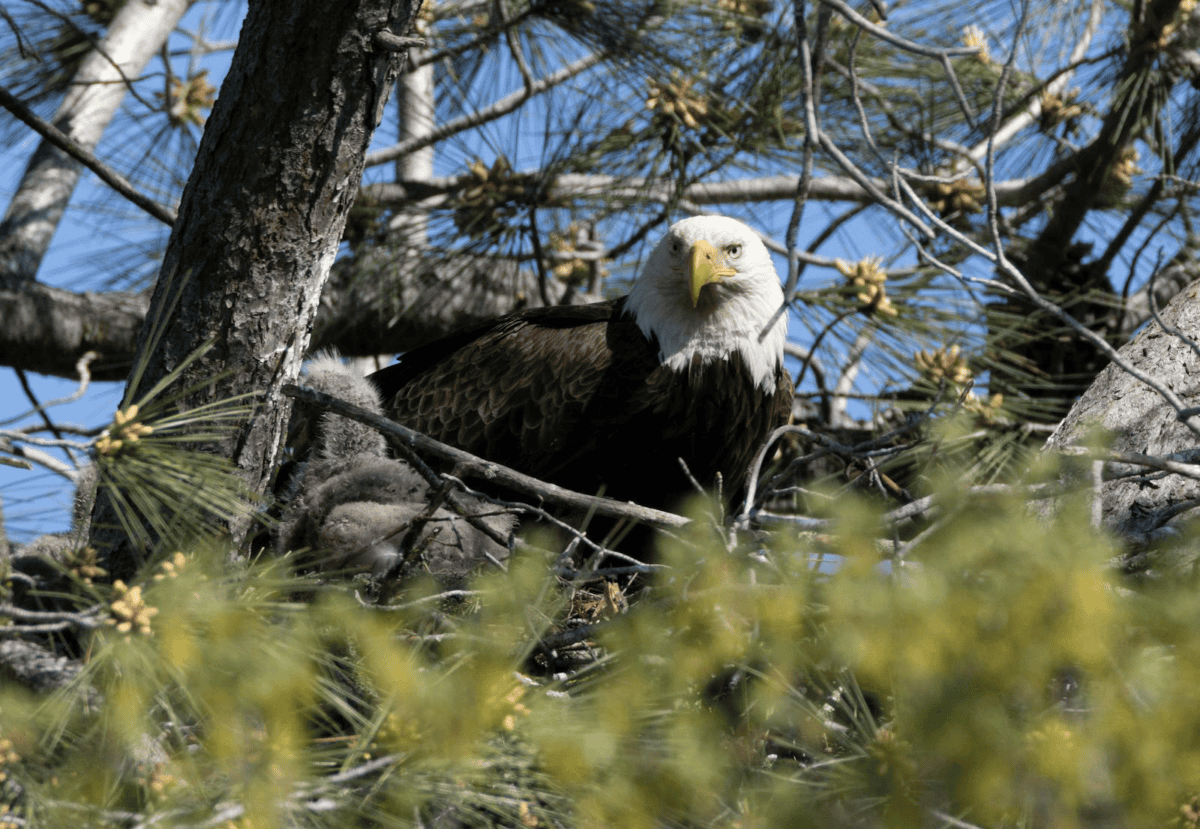
Cities create unique ecological niches that bald eagles have learned to exploit. Urban heat islands can provide warmer winter conditions, reducing energy demands during cold months. The structural diversity of urban landscapes—including tall buildings, bridges, and towers—offers both hunting perches and protection from elements. Research published in the journal Urban Ecosystems suggests that some eagle pairs specifically select urban territories for these advantages. Additionally, the mosaic nature of urban green spaces, waterways, and developed areas creates edge habitats that support diverse prey populations. These ecological advantages, combined with reduced competition from other apex predators that avoid human settlement, have made cities surprisingly suitable eagle habitat.
Successful Urban Breeding Programs

Conservation efforts specifically targeting urban eagle populations have contributed to their increasing presence. Artificial nesting platforms have been installed in suitable urban locations, particularly along waterways in cities like Philadelphia, Minneapolis, and Portland. These structures provide stable nesting sites where natural options are limited. Additionally, habitat restoration projects along urban rivers and lakeshores have improved hunting grounds for eagles. The Chesapeake Bay watershed restoration program, for example, has significantly improved water quality and fish populations around cities like Baltimore and Washington D.C., contributing to an increase from just 100 nesting pairs in the 1970s to over 2,000 pairs today. These targeted conservation efforts demonstrate how urban planning can incorporate wildlife needs.
Technological Monitoring and Public Awareness

Technology has played a crucial role in documenting and promoting urban eagle populations. Live-streaming nest cameras installed at urban eagle nests have garnered millions of viewers, creating passionate communities of eagle watchers. The Decorah Eagles in Iowa and the DC Eagle Cam at the National Arboretum have turned urban nesting eagles into internet celebrities, fostering public investment in their welfare. Additionally, citizen science projects like eBird allow urban residents to document eagle sightings, creating valuable data on urban eagle distribution and behavior. This technological connection has transformed urban eagles from rare curiosities to community assets, with businesses and tourism boards promoting eagle watching opportunities within city limits.
Challenges of Urban Living for Eagles

Despite their increasing presence, urban environments pose unique challenges for bald eagles. Collisions with vehicles, buildings, and power lines represent significant mortality risks. A study by the U.S. Fish and Wildlife Service found that approximately 31% of documented eagle deaths were related to collisions. Lead poisoning from ingesting ammunition in scavenged carcasses remains a serious concern, particularly in urban-adjacent hunting areas. Light pollution can disrupt natural behaviors, while noise pollution may stress nesting pairs. Chemical pollutants in urban waterways can bioaccumulate in fish and transfer to eagles. Urban eagles also face harassment from crows and other birds that mob predators, creating additional stress. These challenges highlight the need for continued management and mitigation efforts to support urban eagle populations.
Regional Variations in Urban Eagle Populations

The phenomenon of urban eagles varies significantly by region. The Pacific Northwest has seen dramatic increases, with Seattle hosting multiple nesting pairs along its waterways. Florida’s urban eagle population has exploded, with some counties reporting over 100 active nests. The Upper Midwest, particularly around the Great Lakes, has become an urban eagle hotspot, with nesting pairs in Chicago, Milwaukee, and Detroit. However, the Southwest has seen fewer urban eagles, likely due to less suitable habitat and water availability. These regional differences reflect variations in habitat quality, food availability, and historical population densities. Cities with protected waterways and substantial green space generally support larger urban eagle populations, while heavily industrialized areas with limited water access remain less attractive despite overall population recovery.
Public Policy and Urban Eagle Management

Managing eagle populations in urban areas requires specialized policy approaches. Many cities have implemented buffer zones around known nests, restricting construction and disruptive activities during breeding season. Federal guidelines recommend maintaining a distance of at least 660 feet from active nests, though enforcement in dense urban areas presents challenges. Some municipalities have developed eagle management plans that identify critical habitat, establish viewing areas that minimize disturbance, and educate residents about proper behavior around nests. These plans often involve collaboration between wildlife agencies, local governments, property owners, and conservation organizations. Successful examples include Minneapolis’ urban raptor working group and Philadelphia’s urban eagle conservation plan, which balance human activities with eagle protection requirements.
Conclusion: Eagles as Urban Ambassadors

The increasing presence of bald eagles in American cities represents more than just a conservation success story—it offers a powerful opportunity to reconnect urban populations with wildlife. As eagles build nests on cell towers overlooking highways and hunt in city parks, they challenge our traditional separation of “wild” and “urban” spaces. Their adaptability provides hope that with proper protection and management, wildlife can coexist with human development. For many urban residents, especially children, eagles may represent their first meaningful connection with wildlife, potentially fostering a conservation ethic that extends beyond city limits. As we continue to navigate the complex relationship between urban development and wildlife conservation, the bald eagle stands as both a symbol of resilience and a reminder of our responsibility to create cities that accommodate the natural world.

- The Story of the Arctic Fox’s Incredible Seasonal Transformation - July 18, 2026
- 10 Most Venomous Snakes in US National Parks - July 18, 2026
- The Moth That Drinks Blood - July 18, 2026