

Ball pythons have long slithered their way into the hearts of snake enthusiasts across the United States. Known for their captivating patterns and relatively docile nature, these snakes offer an intriguing combination of traits that make them the perfect pet for many. To understand their popularity, let’s delve deeper into the various factors that make ball pythons the go-to choice for snake lovers in the U.S.
A Brief Overview of Ball Pythons

Ball pythons, also known scientifically as *Python regius*, are one of the smaller species of African pythons. Native to sub-Saharan Africa, they are primarily found in grasslands, open forests, and near agricultural areas. This adaptability to various environments is one reason they thrive as pets. With their manageable size and attractive appearance, they are often the first choice for those new to keeping snakes.
Docile Nature and Manageable Size

Ball pythons are renowned for their calm temperament. Unlike other snake species that might be overly aggressive or energetic, ball pythons tend to be more relaxed and are relatively easy to handle. They typically grow to an average length of three to five feet, making them manageable for most snake enthusiasts, particularly those with limited space.
The Fascinating Behavior of Ball Pythons

These snakes have a unique defensive behavior where, instead of striking, they curl into a tight ball with their head protected in the center. This behavior, from which they get their name, makes them less intimidating to handle and less likely to strike when startled. Their habits are largely nocturnal, making them more active during the evenings, a trait appreciated by many busy owners.
Variety in Morphs and Color Patterns

One of the most striking features of ball pythons is their incredible variety of morphs. Morphs refer to the different color and pattern variations created through selective breeding. From the classic normal pattern to rare and exotic morphs like the albino, piebald, and spider, there are countless options that appeal to diverse aesthetic preferences. The availability of these unique morphs is a significant factor in their popularity.
Ease of Care and Maintenance

Ball pythons are one of the easiest snake species to care for, which makes them ideal for beginners. They have simple dietary needs, typically feeding on appropriately-sized rodents every week or so. Their enclosures require regular cleaning, but they do not demand excessive attention, making them perfect for those who can’t commit to daily taming or interaction. A consistent temperature gradient in their habitat and a hide are the essentials for their welfare.
The Importance of a Proper Habitat

While they are relatively low maintenance, providing a suitable habitat is crucial for the well-being of a ball python. Keeping its enclosure within the recommended temperature and humidity levels mimics its natural environment and prevents potential health issues. This includes maintaining a warm basking area and a slightly cooler side to allow for proper thermoregulation.
Feeding and Nutritional Needs

Ball pythons primarily consume rodents and can usually be trained to eat frozen-thawed prey, making meal preparation easier and more ethical than feeding live prey. Juvenile pythons generally eat once a week, while adults may do well on a bi-weekly schedule. A proper feeding regimen is essential to prevent obesity and ensure a healthy lifespan.
Longevity as a Pet

Ball pythons are remarkably long-lived snakes, with some individuals in captivity living over 20-30 years with proper care. This longevity makes owning a ball python a long-term commitment, which appeals to many pet owners looking for a steadfast companion over the years.
Understanding Their Health and Common Issues

Like all pets, ball pythons can be prone to certain health issues such as respiratory infections, mites, and scale rot. However, many of these conditions are preventable with good husbandry practices. Regular checks on their health, monitoring for signs of illness, and initiating early treatment are the keys to keeping them thriving.
Impact of Ball Pythons on Popular Culture
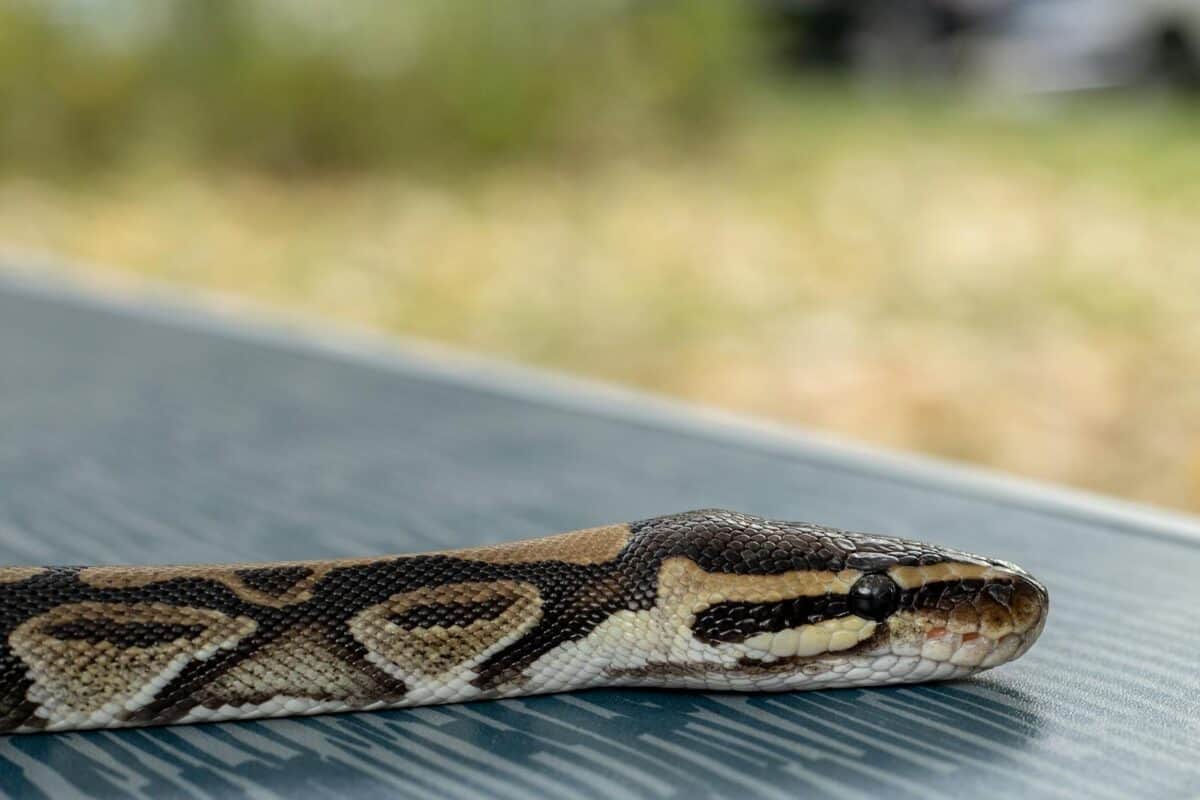
Their unique appearance and manageable nature have made ball pythons a recurring presence in media and popular culture. They often serve as a non-threatening introduction to snakes for audiences, which in turn fuels their popularity and desirability among pet owners.
The Role of Education in Ownership

Education plays a pivotal role in responsible snake ownership. Understanding the biological and ecological needs of ball pythons helps foster a deeper appreciation for these creatures, while reducing the likelihood of novice-related mistakes. Numerous online resources and local reptile clubs provide valuable support and guidance for new pet owners.
Sustainability and Ethical Considerations
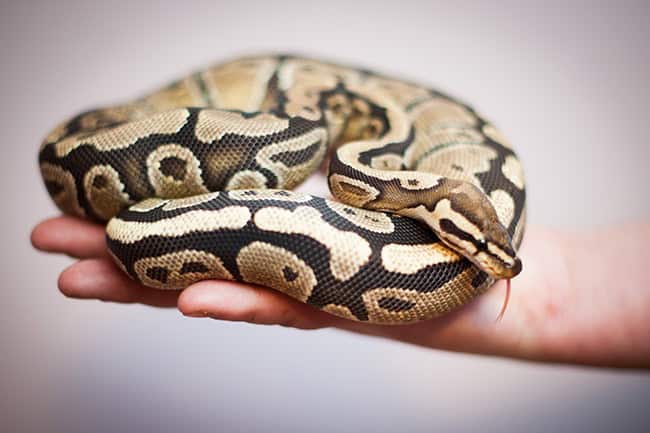
With the popularity of ball pythons, it is important to consider sustainability and ethical breeding practices. Supporting ethical breeders over large-scale commercial operations helps encourage humane practices and better gene pool maintenance. Engaging with reputable sources ensures the health and ethical treatment of these fascinating reptiles.
Ball pythons remain the most popular pet snake in the U.S. due to their manageable size, docile nature, and incredible variety of morphs. Their easy care routine, coupled with the fascinating behaviors and aesthetics of this species, captivates pet owners ranging from beginners to experienced herpetologists. By understanding their needs and practicing responsible pet ownership, ball python enthusiasts can form rewarding and enduring bonds with these remarkable snakes.

- 8 Insects You Should Thank Instead of Squash - August 4, 2026
- What Makes Lionfish an Invasive Species - August 4, 2026
- The Most Social Animal Outside of Humans Lives in the Ocean - August 4, 2026