


Bats, often shrouded in mystery and misunderstood by many, have recently been making their presence known in a surprising new habitat—urban areas across the United States. These nocturnal creatures, traditionally associated with caves and rural environments, are increasingly seen fluttering through city skies. But why are these creatures of the night swarming to urban landscapes? This article aims to delve into the reasons behind this phenomenon and its implications for both the bats and the city dwellers.
Understanding Bat Behavior

Bats are fascinating mammals, uniquely adapted for night-time activity and flight. Unlike most other mammals, bats possess the remarkable ability of echolocation, enabling them to navigate and hunt in complete darkness with precision. However, as cities expand and natural bat habitats dwindle, these creatures are venturing into urban areas, driven by the need for food, shelter, and suitable living conditions.
The Impact of Urbanization
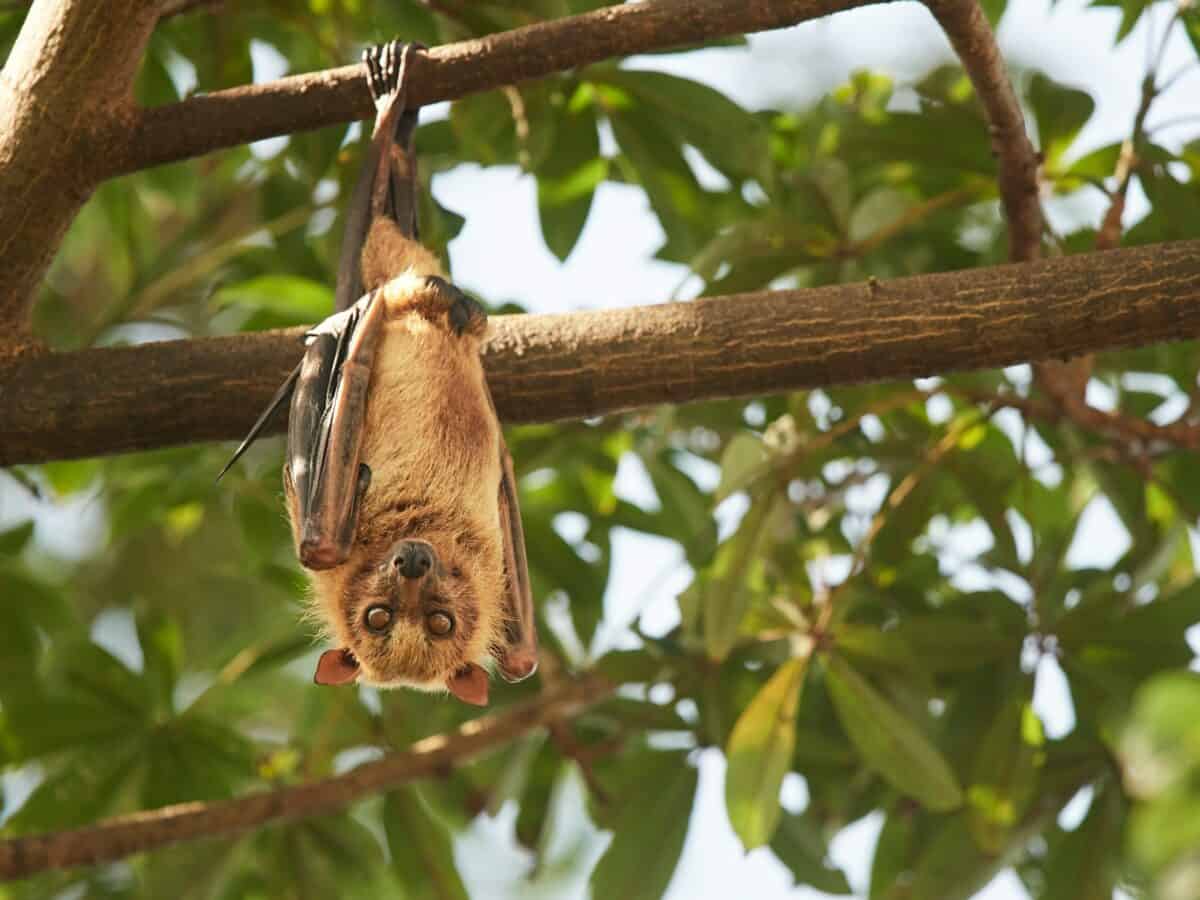
Urbanization is a primary factor contributing to the increase in bat populations in cities. As natural landscapes are transformed into urban areas, the destruction of bat habitats forces these creatures to seek new places to roost. Urban environments, with their myriad of dark spaces and sheltered nooks, provide alternative roosting spots for bats displaced from their traditional homes.
Abundance of Food Sources
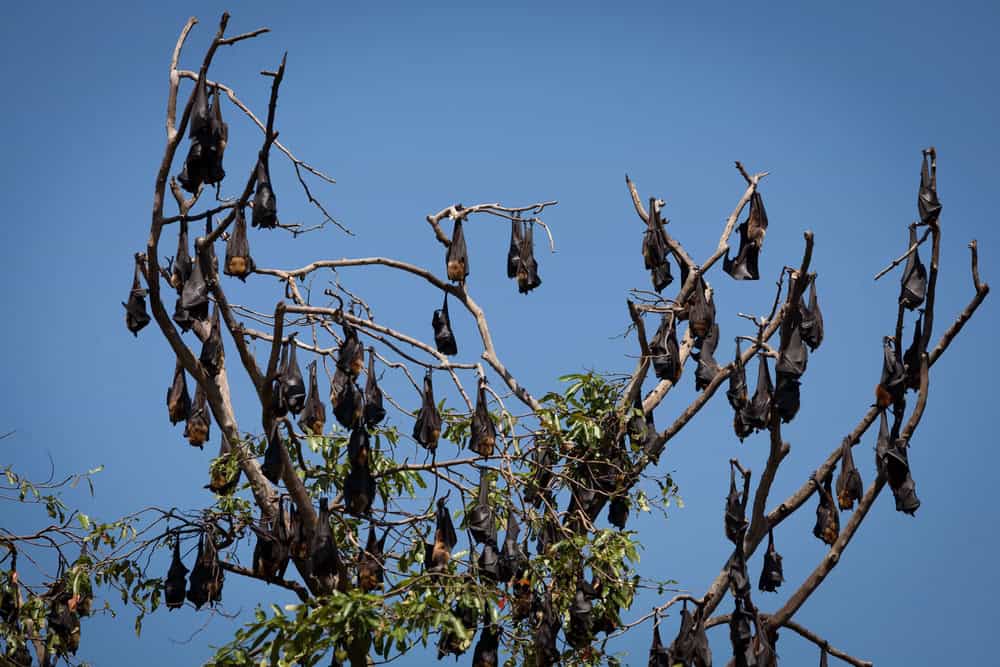
Cities offer a plentiful supply of food for foraging bats. Streetlights and artificial lighting attract insects, one of the primary food sources for bats. This abundance of prey in urban environments draws bats into cities, where they find ample opportunities to feed without having to travel long distances.
Climate Change and Its Effects
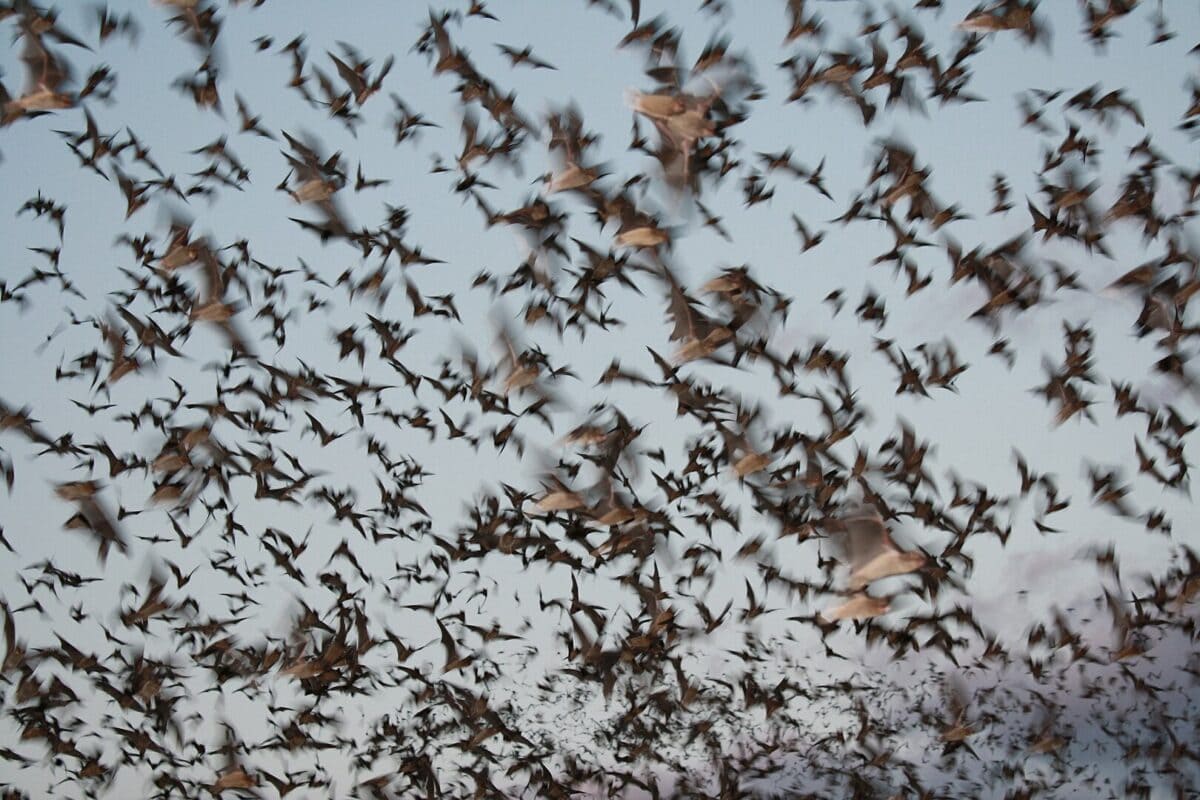
Climate change has disrupted ecosystems worldwide, and bats are not immune to its effects. As temperatures rise and weather patterns shift, bats are forced to adapt their migratory and roosting habits. Urban areas, with their unique microclimates and relatively stable temperatures, provide a refuge in an increasingly unpredictable environment.
Benefits Bats Bring to Urban Areas
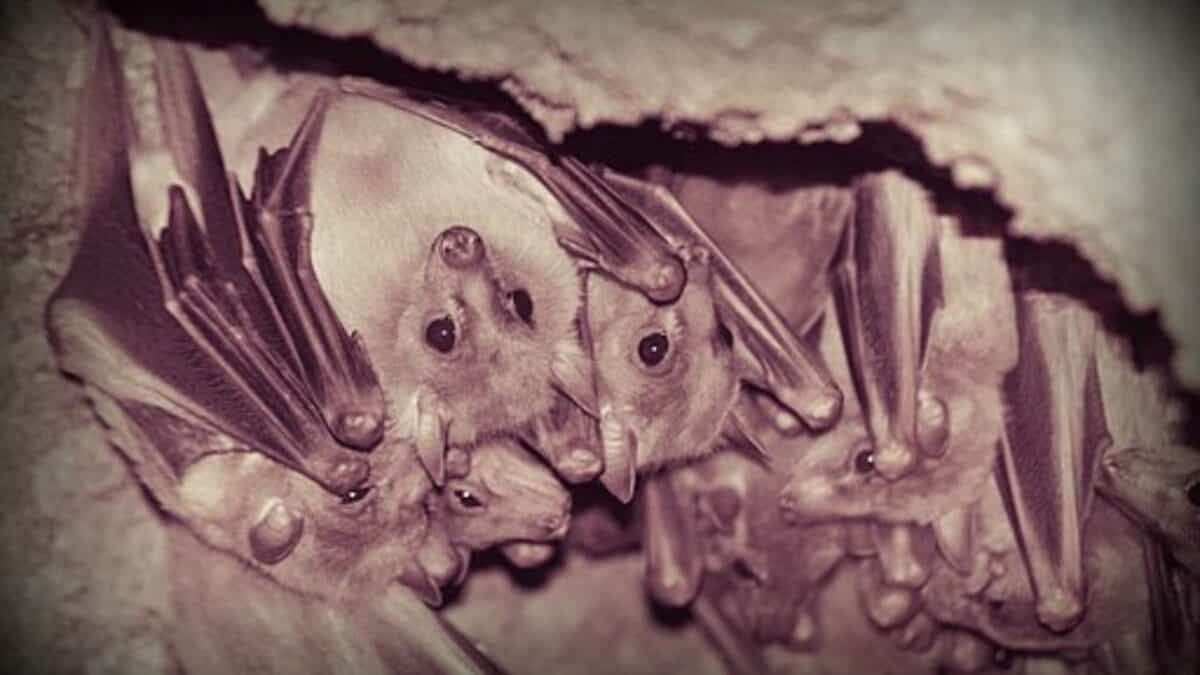
While some may view the influx of bats into cities with apprehension, these creatures offer numerous ecological benefits. Bats play a crucial role in controlling insect populations, thereby reducing the need for chemical pesticides. This natural pest control benefits urban gardens and helps maintain a balanced ecosystem within the city.
Bat Conservation Efforts

Recognizing the ecological importance of bats, conservation efforts are underway to protect and support these urban dwellers. Organizations and city planners are collaborating to ensure bats have safe roosting sites and ample food supplies. Initiatives like bat houses and bat-friendly lighting systems are being implemented to create bat-friendly environments in urban settings.
Common Misconceptions About Bats

Bats have long been misunderstood, often associated with myths and misconceptions. Contrary to popular belief, bats are not blind; they have excellent vision. Furthermore, bats are not aggressive and pose little risk to humans if left undisturbed. Educating the public about bats’ true nature helps dispel fears and fosters coexistence between humans and bats in urban regions.
Challenges Bats Face in Urban Environments

Despite the potential benefits, urban environments present challenges for bats. Artificial lighting can disorient them, while noise pollution may interfere with their echolocation abilities. Pollution and human disturbances also pose significant threats to these sensitive creatures. Addressing these challenges is crucial for the sustainable coexistence of bats and urban populations.
The Role of Urban Planning

Urban planners can play a pivotal role in accommodating bats in city landscapes. Incorporating green spaces and preserving natural habitats within urban development projects can provide necessary resources for bats. Strategies to minimize light and noise pollution also benefit both bats and the broader urban ecosystem.
Bats as Indicators of Urban Health

The presence and health of bat populations in urban areas can serve as indicators of ecological health. A thriving bat population often reflects a balanced urban ecosystem with ample resources and limited pollution. Monitoring bat populations can thus provide valuable insights into the environmental conditions of urban areas.
Involving Communities in Bat Conservation
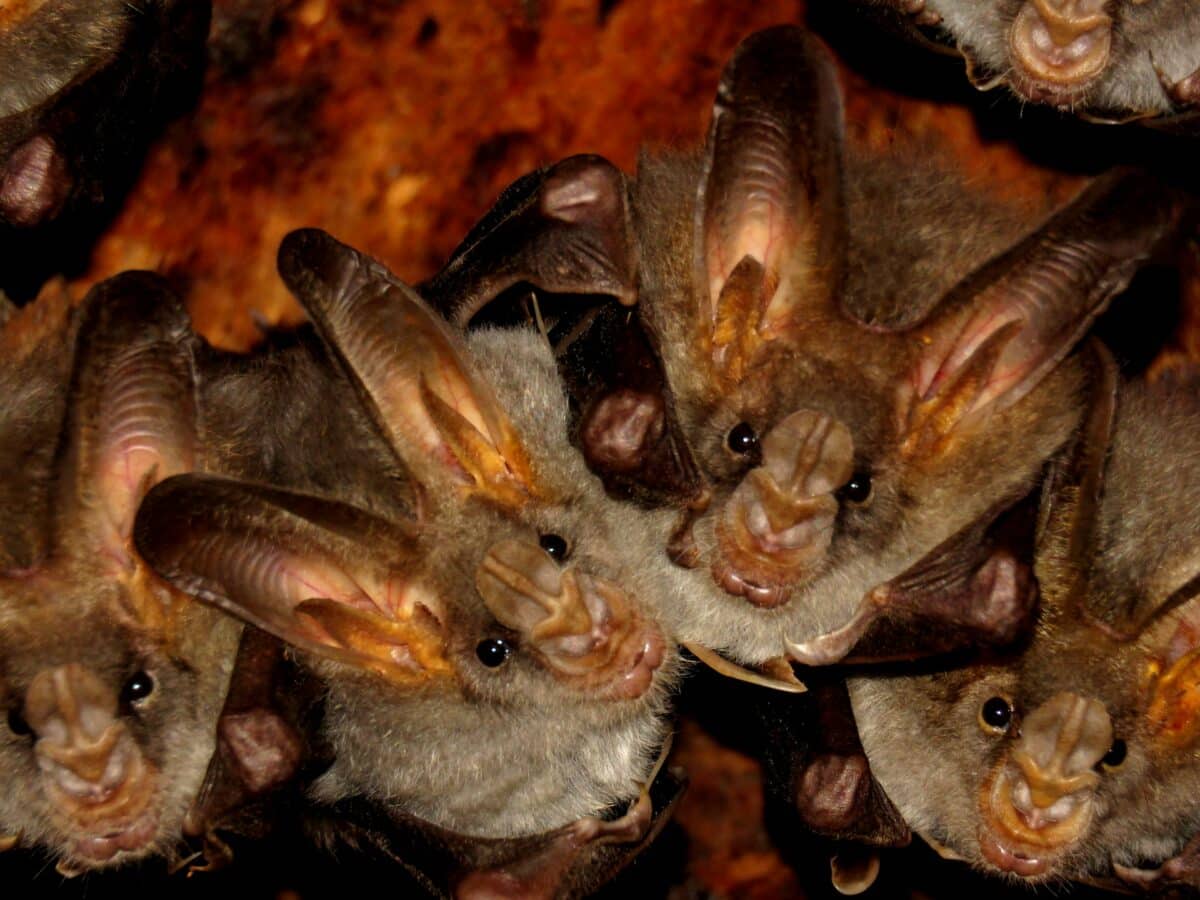
Community involvement is crucial for successful bat conservation. Educating the public about the importance of bats and how to coexist with them can enhance conservation efforts. Citizen science projects, where local residents monitor bat activity, can foster a greater appreciation for these creatures and provide valuable data for conservationists.
The Future of Bats in Urban Areas
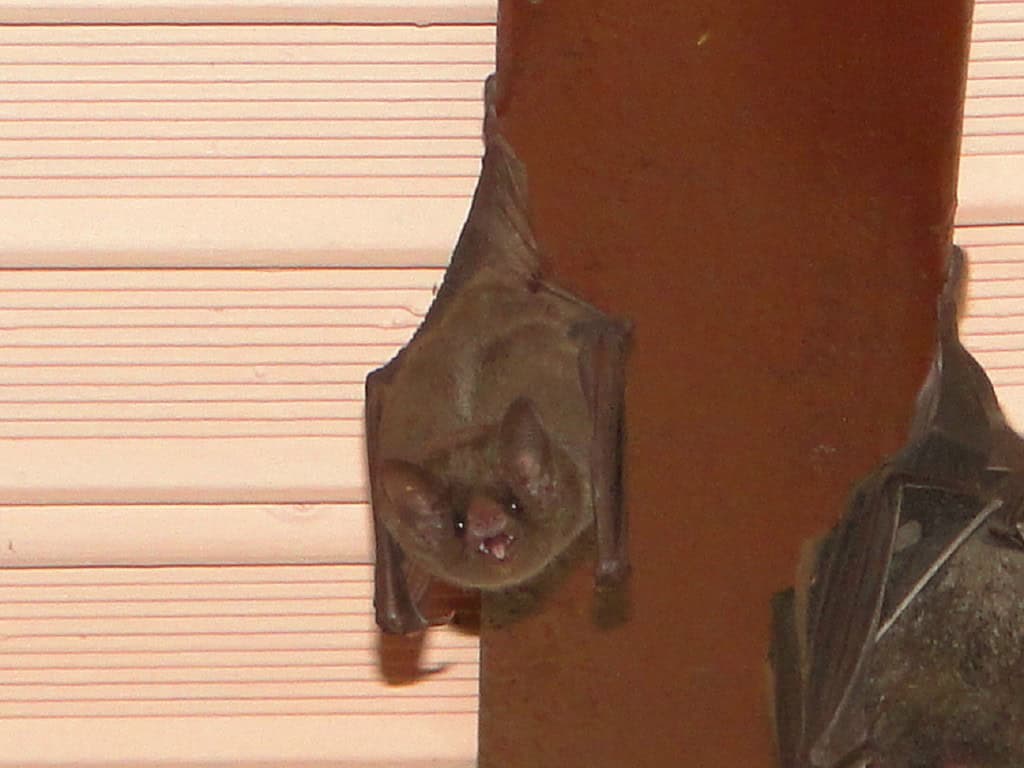
As urban areas continue to expand, it is increasingly essential to ensure that bats are considered in city planning and conservation efforts. By fostering environments that support their needs, cities can benefit from the ecological services bats provide while promoting biodiversity within urban landscapes.
The rise in bat populations within urban areas across the U.S. signals a shift in how these nocturnal creatures adapt to changing environments. With proper understanding, conservation efforts, and urban planning, cities can become sanctuaries for bats, contributing to healthier urban ecosystems and highlighting the remarkable adaptability of wildlife in the face of human development.

From exploring the marine wonders in the Azores and witnessing the vast savannas of Kenya, to delving deep into the rich biodiversity of South Africa and traversing iconic landscapes in Australia and the US like Yellowstone, Chris's experiences are vast.
With a penchant for diving alongside sharks, the ocean holds a special place in his heart.
Through his academic insights, he champions wildlife conservation, striving with 'Animals Around The Globe' to cultivate a profound connection between humans and animals, enhancing our mutual appreciation.
Connect with him at Feedback@animalsaroundtheglobe.com.
- This Abandoned U.S. Mine Is Now a Wildlife Haven - July 18, 2026
- What Happened to Bubbles, Michael Jackson’s Elephant, After Neverland? - July 18, 2026
- Frozen Fish from the Ice Age Still Has Scales - July 18, 2026