


Birdsong is one of nature’s most enchanting phenomena, filling the air with melodies that are both mysterious and delightful. Over recent years, however, researchers and bird enthusiasts have noted a curious development: birds in various parts of America are singing new tunes. This change in avian vocal expressions raises questions about the forces driving this musical evolution. In this article, we will explore the reasons behind these new songs, shedding light on an intriguing aspect of bird behavior.
The Fascination with Birdsong
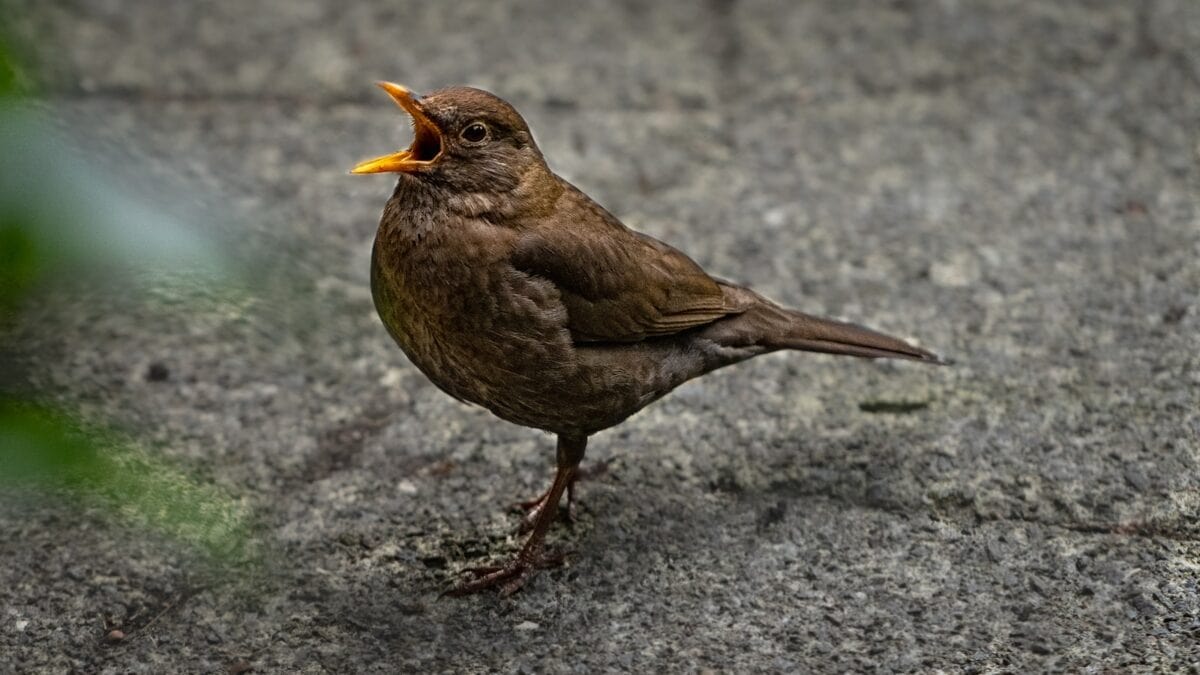
Birdsong has long captivated human interest, offering a glimpse into the communication and social interactions of these feathered creatures. Beyond enchanting us, these songs serve vital functions for birds, including marking territory, attracting mates, and signaling danger. This complex communication system makes any shift in their vocalizations all the more significant.
The Role of Urbanization

One of the primary drivers behind new birdsongs is urbanization. As natural habitats are replaced by sprawling cities and infrastructure, birds are forced to adapt to new environments. Urban areas are noisier, and birds often change their songs to penetrate the soundscape effectively. This means developing newer, sometimes simpler or louder songs to ensure they are heard over the din of city life.
Climatic Changes and Migration Patterns

Climate change is another pivotal factor influencing bird songs. Shifts in temperature and weather patterns affect migration routes and the timing of breeding seasons. As birds encounter new regions and interact with different species, they may adjust their songs to align with local populations, leading to the emergence of new song patterns.
The Influence of Human Presence

Birds living closer to human settlements may adopt new songs as a result of mimicking human-associated sounds. Everything from car alarms to ringtones informs their evolving repertoires. Particularly creative species, like the mockingbird, are known for their ability to imitate such sounds, incorporating them into their daily symphony.
Technological Impact on Birdsong

With advances in recording technology, ornithologists have unprecedented access to study bird vocalizations across vast areas. These recordings reveal patterns and changes that might have gone unnoticed in the past. New analytical tools and algorithms now allow scientists to detect subtle shifts in song characteristics over time.
Genetic Factors in Song Variation

Genetic diversity within bird populations can also contribute to differences in songs. As populations isolate due to habitat fragmentation or other barriers, distinct genetic lines emerge. These genetic differences must not be overlooked when considering why some bird groups sing differently than others.
Learning and Improvisation in Birdsong

Young birds learn to sing by listening to adults around them. During this learning process, there is room for improvisation, leading to unique variations from established songs. Over generations, these improvisations can accumulate, resulting in entirely new song types across regions.
The Significance of Cultural Transmission

Birdsong is also a form of cultural expression, transmitted from one generation to the next. Just as human cultures evolve, so do avian cultures. As young birds learn their songs, they may adopt new elements reflective of changes in their environment, contributing to the evolution of these natural melodies.
Consequences for Bird Mating Dynamics
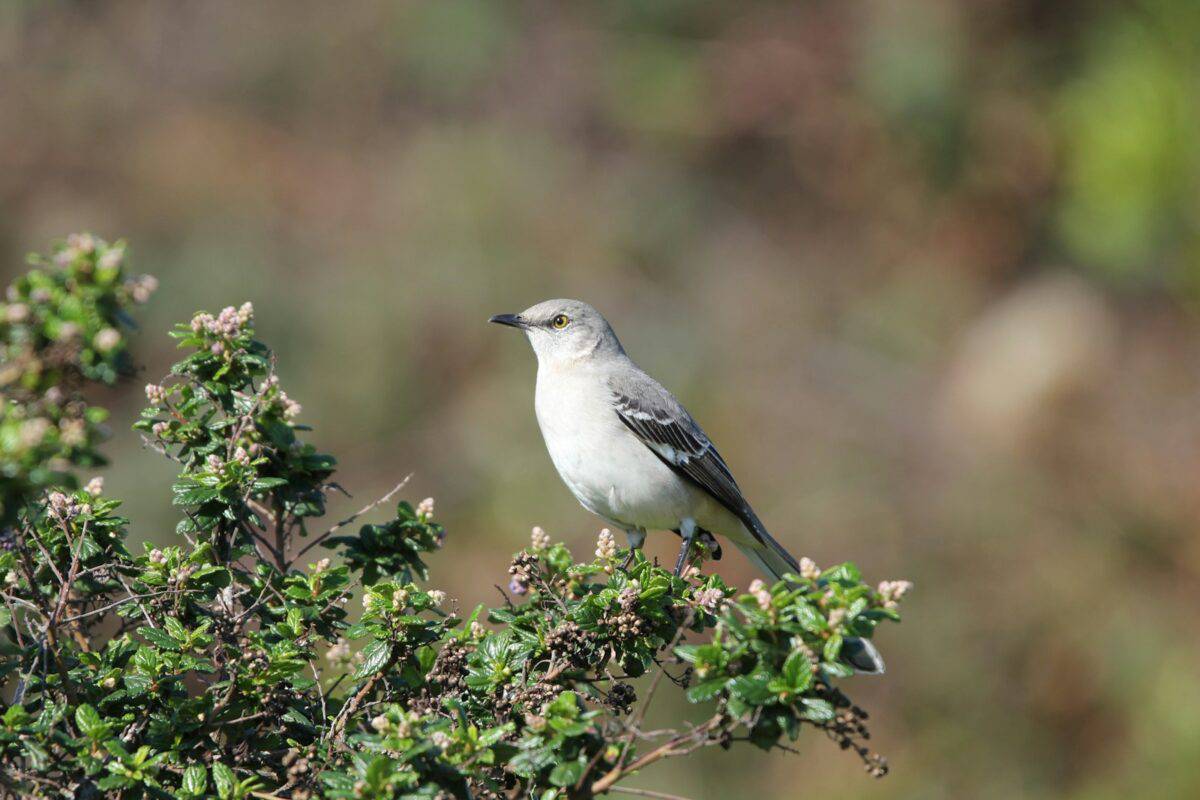
The ability to sing a recognizable song can directly influence a male bird’s ability to attract a mate. When a bird sings a new song, it may affect its success in attracting females familiar with the traditional song. However, novel songs might also intrigue potential mates, adding complexity to avian mating rituals.
Potential Ecological Implications
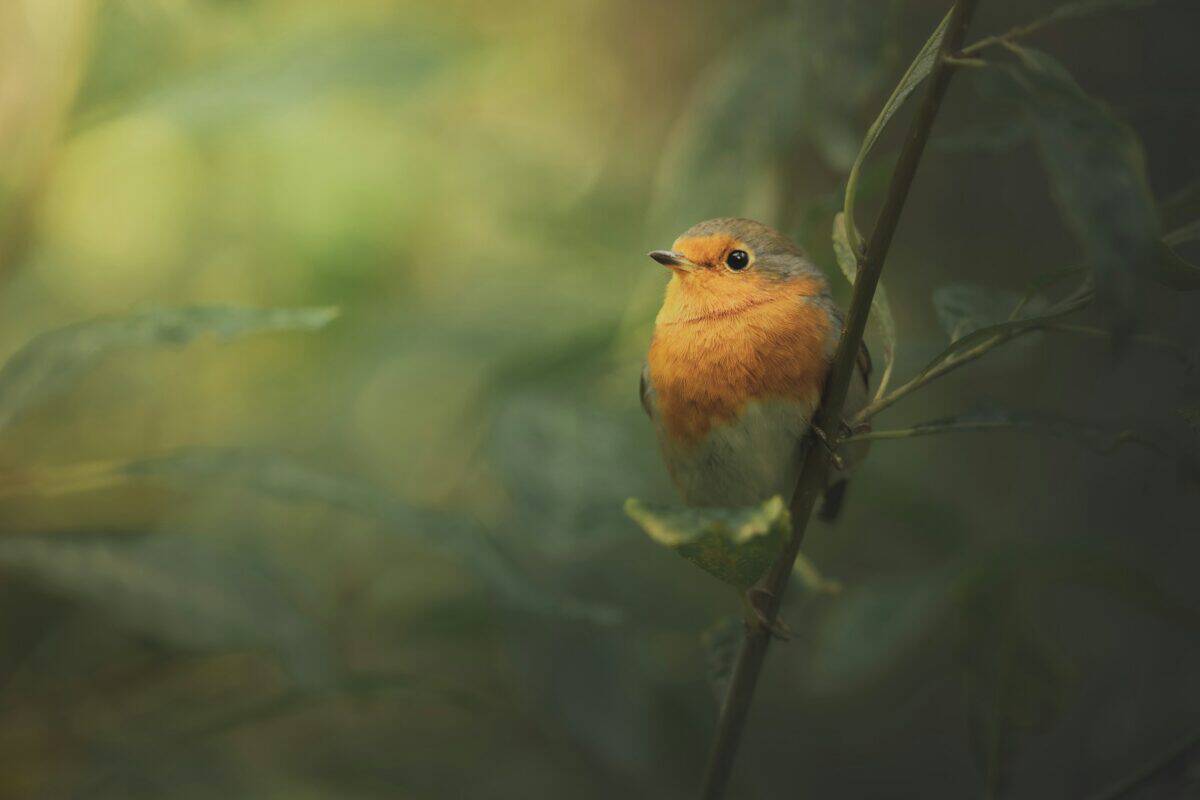
Changes in birdsongs could have broader ecological effects, influencing species interactions. New songs might alter territorial boundaries and affect interspecies relationships. Understanding these implications is essential for predicting ecological shifts within bird populations.
Conservation Strategies and Birdsongs

Comprehending changes in birdsong can inform conservation strategies. By monitoring song variations, conservationists can gain insights into the health of bird populations and ecosystems. Conservation efforts can then be tailored to ensure the preservation of diverse avian habitats.
What the Future Holds for Birdsong
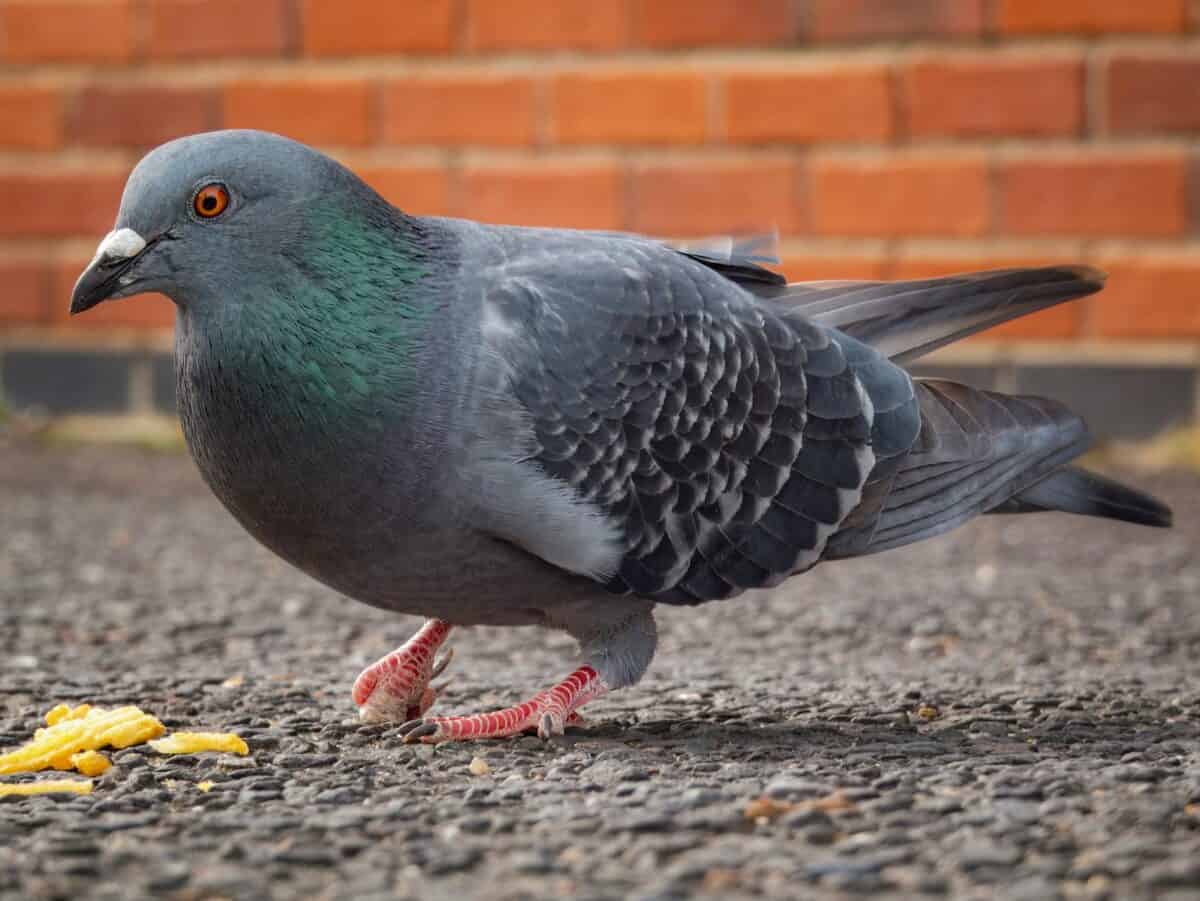
The story of birds singing new songs is emblematic of the broader changes occurring in ecosystems across America. As environmental conditions continue to evolve, birds will likely adapt their vocalizations in rhythm with these shifts. By studying and appreciating these changes, we gain deeper insights into the resilience and adaptability of bird species in a rapidly changing world.
The emergence of new birdsongs across America is a testament to the dynamic nature of avian life. Driven by changes in environment, climate, and human impact, birds demonstrate an extraordinary ability to adapt and communicate. These new songs remind us of the intricate interconnections within ecosystems and the ongoing need for thoughtful conservation efforts. As we continue to listen and learn, birds will no doubt continue to enchant us with their ever-changing symphonies.

From exploring the marine wonders in the Azores and witnessing the vast savannas of Kenya, to delving deep into the rich biodiversity of South Africa and traversing iconic landscapes in Australia and the US like Yellowstone, Chris's experiences are vast.
With a penchant for diving alongside sharks, the ocean holds a special place in his heart.
Through his academic insights, he champions wildlife conservation, striving with 'Animals Around The Globe' to cultivate a profound connection between humans and animals, enhancing our mutual appreciation.
Connect with him at Feedback@animalsaroundtheglobe.com.
- A Bear Journey Through The USA: 18 Best Bear Photos from 18 US States - July 19, 2026
- Elephant Matriarchs Know Every Waterhole for Miles - July 19, 2026
- Top 10 Dinosaur Relatives Still Roaming Earth Today - July 19, 2026