

Canada is known for its freezing winters, but what makes it one of the coldest places on the planet? The country’s climate is shaped by a mix of geography, weather patterns, and atmospheric conditions that keep temperatures low for much of the year. Let’s explore the key reasons behind Canada’s extreme cold.
Northern Latitude: Closer to the Arctic

Canada stretches far into the northern latitudes, even reaching the Arctic Circle. This northern position means less direct sunlight, especially in winter, leading to lower temperatures. The sun’s rays hit at a slant, spreading energy over a larger area and resulting in cooler conditions. Since daylight hours are shorter in winter, there’s less time for the sun to warm the land, leading to prolonged cold. Many Canadian cities, like Whitehorse and Yellowknife, experience long, dark winters where temperatures can plummet to record lows.
Arctic Air Masses: Cold Winds from the North
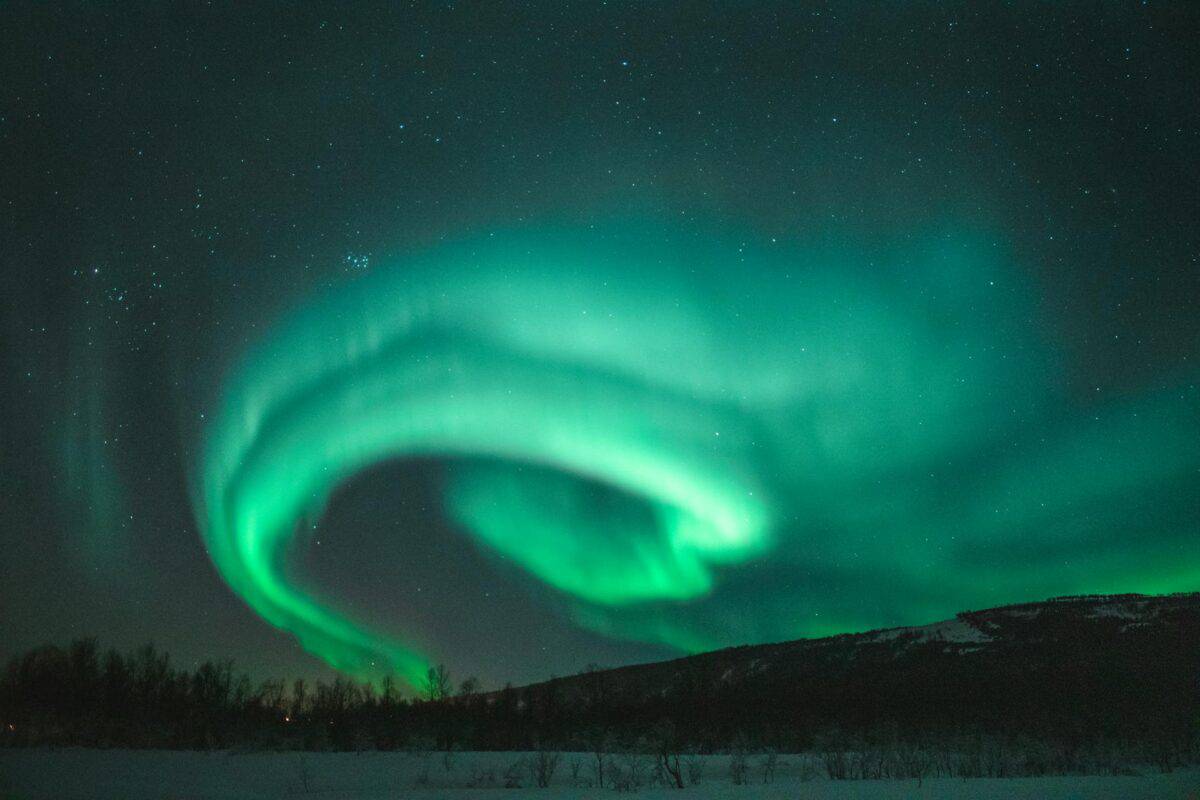
Being close to the Arctic, Canada often experiences cold air masses moving southward. These dense, chilly air masses settle over Canadian regions, bringing frigid temperatures. The Arctic air is extremely dry, which can make the cold feel even more intense due to a lack of moisture to retain heat. When this air meets moisture from other regions, it can also lead to heavy snowfall and icy conditions, making winters even harsher.
Polar Vortex: The Winter Chill Factor

The polar vortex is a large area of low pressure and cold air surrounding the Earth’s poles. In winter, it can expand and push cold air south into Canada. When this happens, Canadian cities can experience extreme cold snaps as Arctic air sweeps in. Some of the coldest recorded temperatures in Canada, such as -51°C (-60°F) in Snag, Yukon, have occurred due to the polar vortex. This phenomenon can last for weeks, bringing dangerously low temperatures and making outdoor conditions life-threatening.
Vast Landscapes: Open Plains and Cold Air Flow

Canada’s expansive flat terrains, especially in the prairies, allow cold air to move freely and cover large areas. Without natural barriers to block the flow, these open landscapes facilitate the spread of cold air, contributing to widespread chilly conditions. Unlike mountainous regions, where valleys can trap warm air, the flat prairies provide no resistance to the movement of Arctic winds. This leads to wind chills that can make already cold temperatures feel even worse, sometimes dropping below -40°C (-40°F).
Continental Climate: Extreme Temperature Swings

Much of Canada has a continental climate, which means there’s a big difference between summer and winter temperatures. Without the moderating effect of nearby oceans, winters can be extremely cold, leading to some of the lowest temperatures recorded in Canadian cities. In contrast, summers can be surprisingly warm, with temperatures rising above 30°C (86°F) in many areas. This drastic shift between seasons makes Canada one of the most climatically diverse countries in the world, with cities like Winnipeg and Regina experiencing both scorching summers and freezing winters.
Great Lakes Influence: Snow Machines

The Great Lakes play a unique role in Canada’s winter weather. As cold air moves over the relatively warmer lake waters, it picks up moisture and dumps it as snow on the downwind shores. This “lake-effect snow” can lead to heavy snowfall in cities like Toronto and Ottawa. Some areas receive over 300 cm (118 inches) of snow each winter due to this effect, making daily life challenging for residents. The lakes also prevent temperatures from dropping as low as in inland areas, meaning cities near the Great Lakes may experience slightly milder winters compared to the prairies or the north.
Prolonged Winters: Extended Cold Seasons
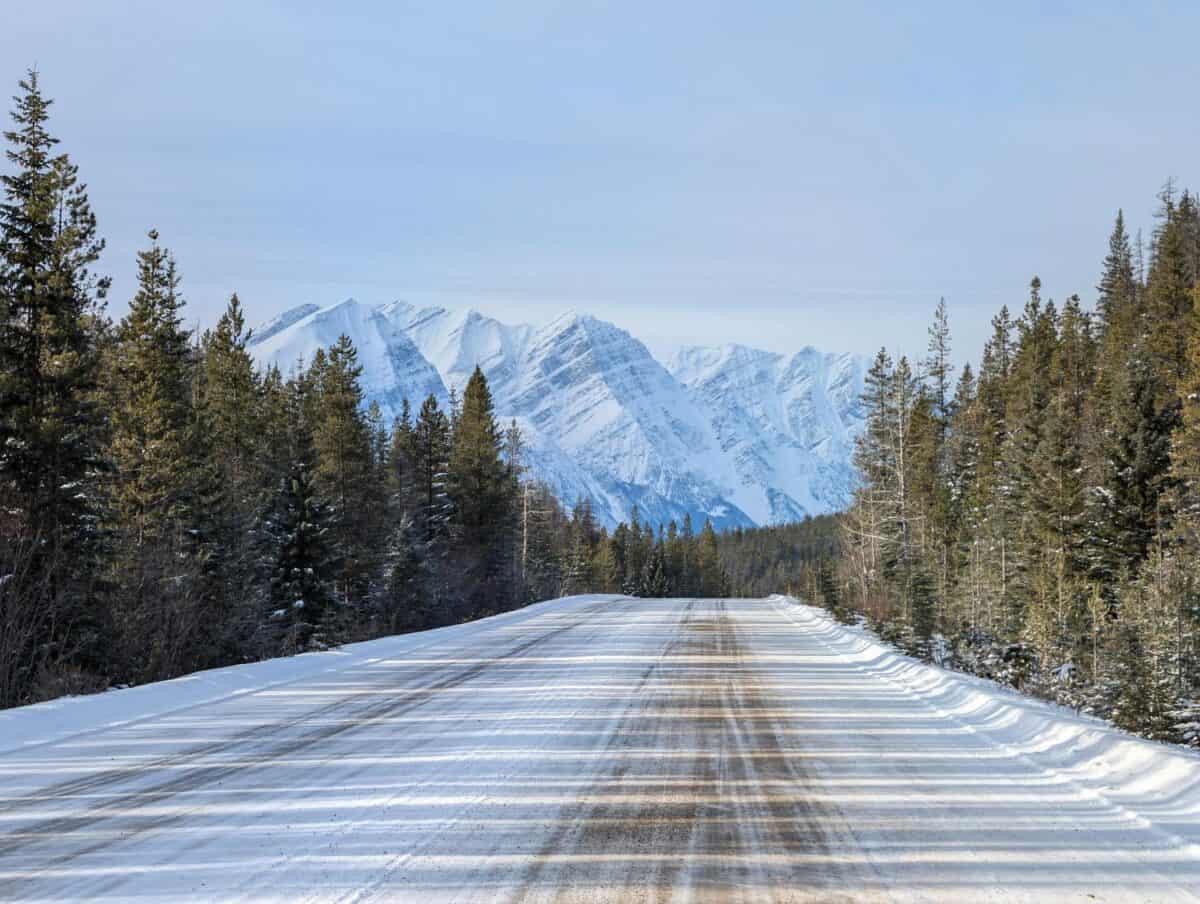
In many parts of Canada, winter stretches from October to April. These extended cold periods mean that cities remain chilly for a significant portion of the year, reinforcing Canada’s reputation for having some of the coldest urban areas. Some regions, particularly in the far north, can experience winter conditions for up to eight months. During this time, ice and snow accumulate, making travel difficult and daily activities more challenging. The long winters also impact wildlife, forcing many animals to hibernate or migrate to survive.
Conclusion: Why Canada Stays So Cold
Understanding these factors helps explain why Canada is home to some of the coldest cities on Earth. Its unique combination of geography and climate patterns creates the perfect recipe for frosty conditions. While the cold can be extreme, it also shapes Canada’s identity, influencing its culture, infrastructure, and way of life.

- 8 Incredible Natural Wonders You Can Find in U.S. National Parks - July 21, 2026
- The Perfect Pet for Each Zodiac Sign - July 7, 2026
- The Wild Animal That Embodies Your Zodiac Sign’s Spirit - July 6, 2026