

Feathers and folklore have gone hand in hand since the very first humans tilted their heads skyward. There is something almost magnetic about birds. They appear out of nowhere, they vanish just as fast, and they occupy a space between heaven and earth that no other creature quite manages. Honestly, it is not hard to see why ancient minds looked at a crow perched on a rooftop or an owl hooting at midnight and felt a chill run down the spine.
Birds have been associated with myths and omens since early mankind, with many ancient people believing our feathered friends to be messengers from the gods or even representations of the gods themselves. Today, most cultures throughout have superstitions centered around birds, some of which are universal while others are deeply regional, and it seems nobody can agree on whether birds bring good or bad luck. From the watchtowers of London to the rice paddies of Japan, these beliefs are far stranger and more captivating than you might expect. Let’s dive in.
1. The Ravens of the Tower of London – England’s Most Guarded Superstition
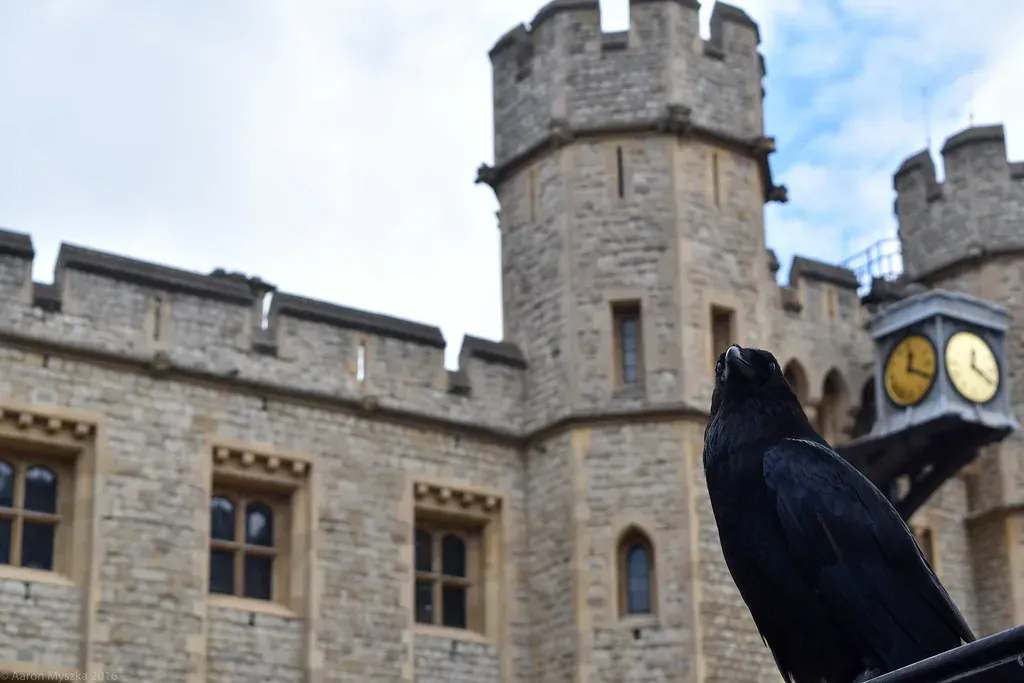
Few bird superstitions carry such dramatic, kingdom-level stakes as the one surrounding the ravens of the Tower of London. In the UK, one of the most iconic superstitions centers around these ravens, and legend has it that if they ever leave the Tower, both the fortress and the kingdom will fall. That is quite a job description for a bird.
This belief is taken so seriously that the birds are cared for by designated Ravenmasters, and their wings are clipped to ensure they do not fly too far from the Tower. Think about that for a moment. The British government effectively clips the wings of birds to prevent the collapse of a kingdom. If that is not an extreme superstition, I genuinely do not know what is.
2. Owls as Omens of Death – A Fear That Spans Continents
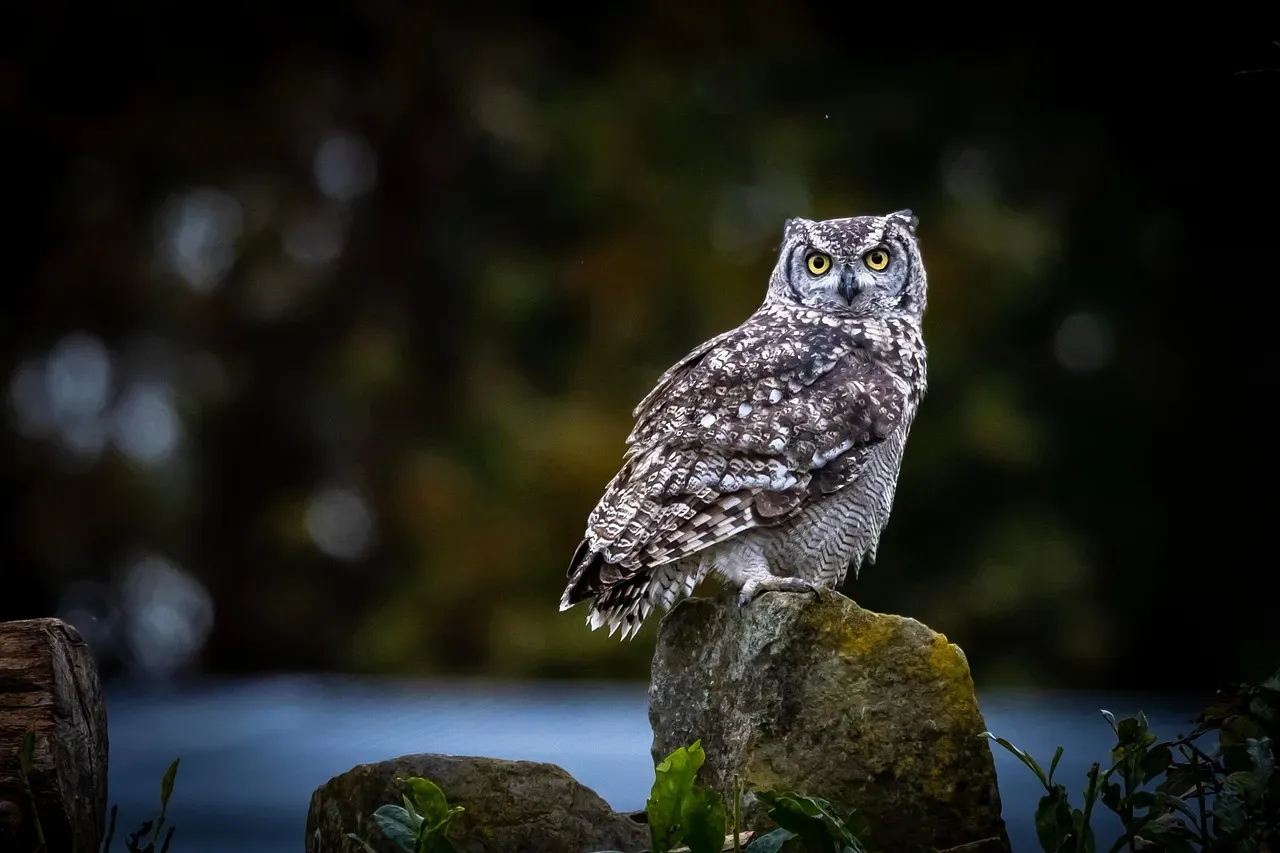
Owls have a mystical reputation and are often linked to death in folklore. Many cultures believe seeing or hearing an owl means a major change or loss is coming. The ancient Romans certainly took this seriously. To hear the hoot of an owl presaged imminent death, and the deaths of Julius Caesar, Augustus, Commodus Aurelius, and Agrippa were apparently all predicted by an owl.
The fear did not stop in Rome. In Cameroon, the owl is thought to be such a strong source of evil that it is not even granted a name. Instead, it is referred to only as “the bird that makes you afraid.” Meanwhile, in Japan, the story flips entirely. Owls are considered lucky in Japan because the word for owl, fukurō, contains the word for luck, fuku, and also carries the double meaning of “without hardship.” For this reason, owls are featured prominently in Japanese art and many Japanese people carry an owl charm for good luck.
3. Crows – The Birds That Cannot Catch a Break
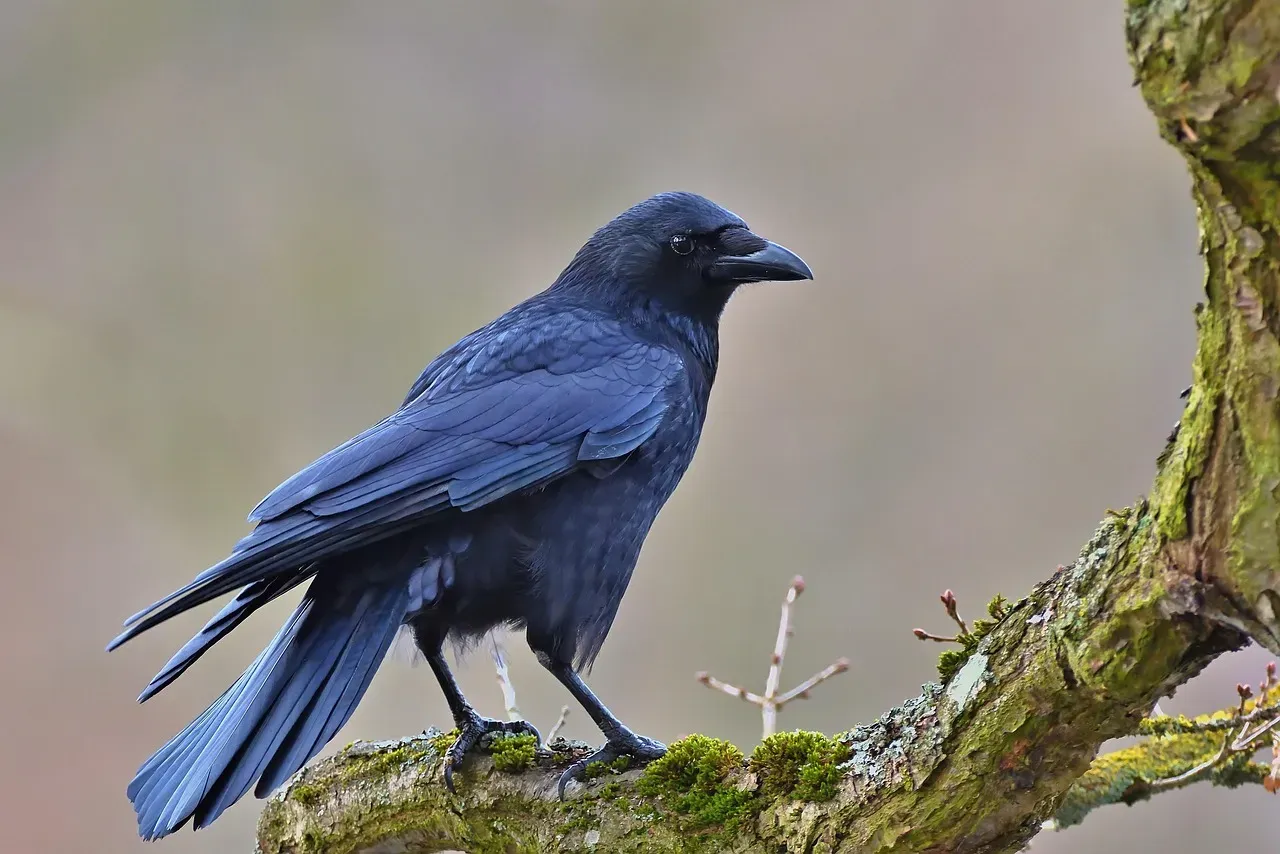
Let’s be real: no bird has a worse public relations problem than the crow. The crow’s bad rap may have started in ancient Greece, where a crow at a wedding meant divorce for the happy couple. Worse, seeing a crow in a churchyard or graveyard portended a quick death. Not exactly great company to keep.
For some societies, the mere sight of a crow translates into a portent of impending doom, since they believe the birds to be the souls of the dead. Some people believe that if you see five crows, you will get sick. If you see six crows, you will die. Yet here is the twist: seeing two or more crows together is actually considered good luck. So if you spot a murder of crows, do not panic – it might be a sign that fortune is on your side. Confusing? Absolutely. Welcome to of bird superstitions.
4. The Magpie Counting Rhyme – One for Sorrow, Two for Joy
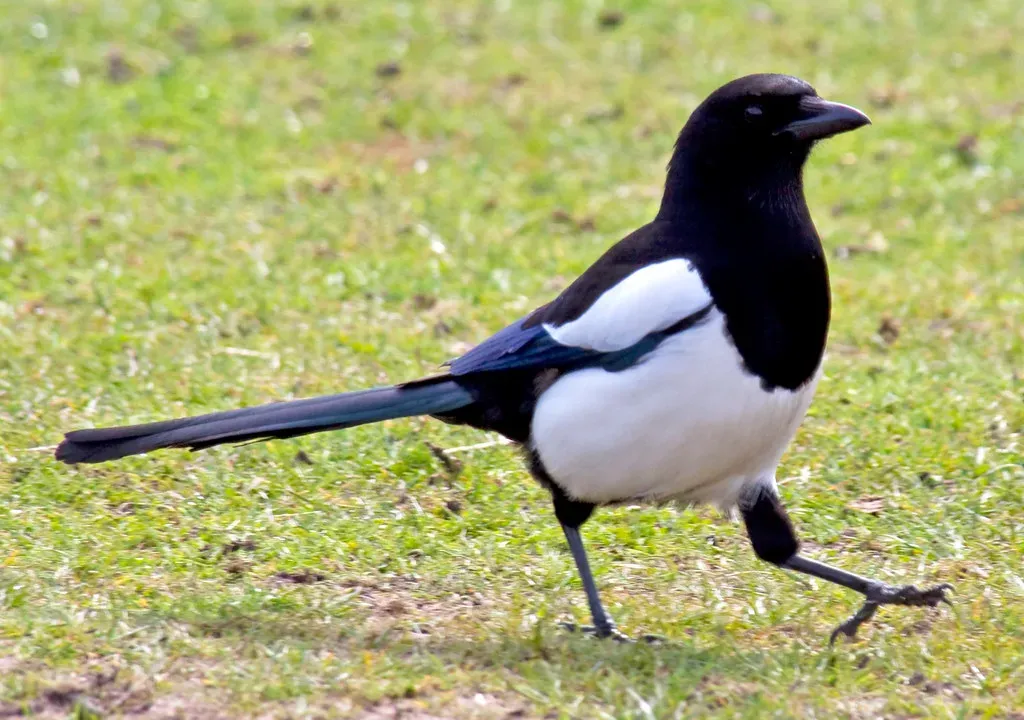
Ask almost anyone in the British Isles about magpies and they will likely recite a counting rhyme before they finish their sentence. In the UK, magpies are often linked to sorrow or joy, depending on how many you see. “One for sorrow, two for joy” is a well-known rhyme that captures this belief. It is one of those superstitions so deeply embedded in culture that people follow it almost without thinking.
As the only bird that reportedly did not partake in the journey of Noah’s Ark, magpies are said to have “a drop of the devil’s blood” beneath their tongues. Another myth claims that the magpie was also the only bird not to go into full mourning at Jesus’s crucifixion because it was actually the devil in disguise. However, the story is not gloomy everywhere. In China, magpies are joyful omens and herald good news – a complete reversal of their European reputation.
5. The Stork and the Baby – Europe’s Favorite Fertility Tale
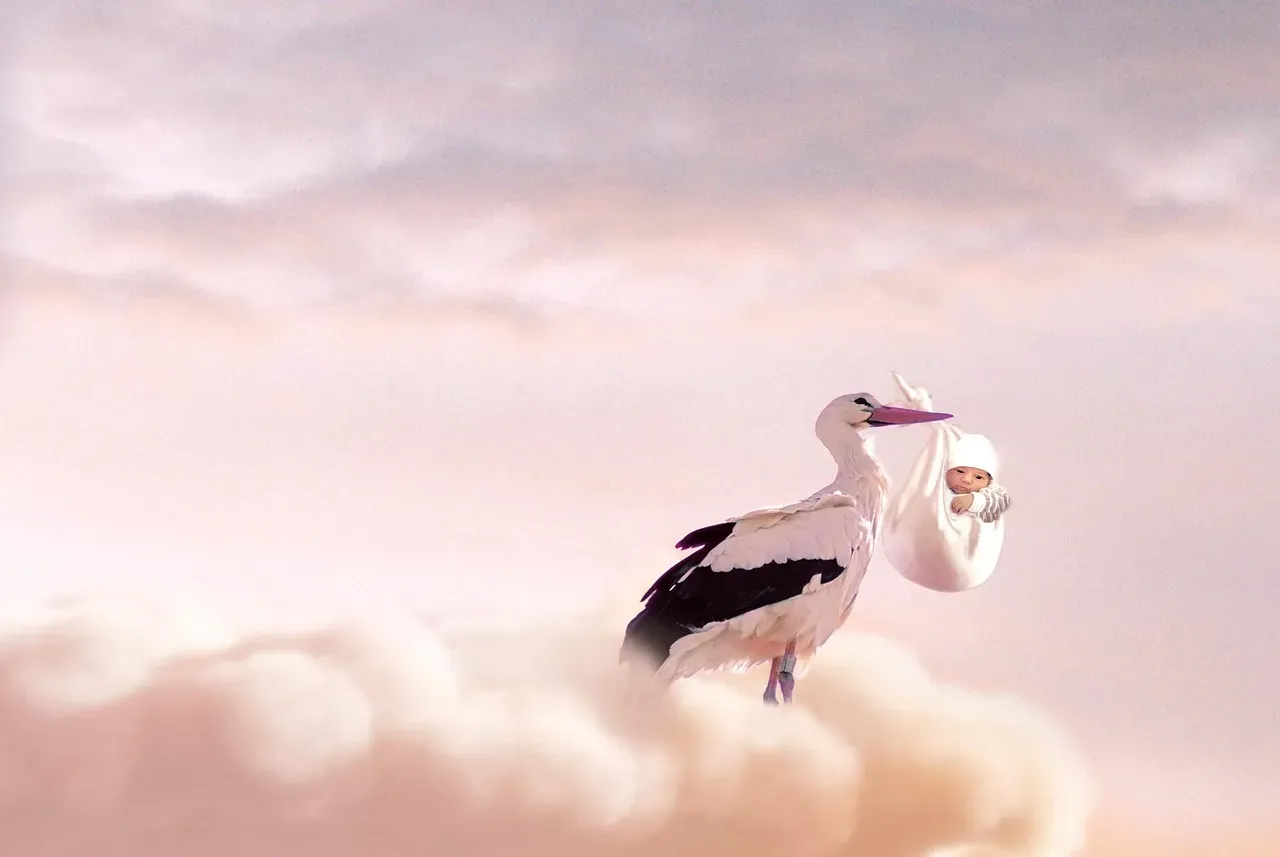
If you grew up hearing that a stork delivered babies, you were raised on one of Europe’s most endearing bird superstitions. In several European countries, including Germany and the Netherlands, the stork is associated with childbirth and is believed to bring babies to new parents. A stork’s nest on your property is considered a blessing and a harbinger of good luck, promoting fertility and family happiness.
It is a remarkably wholesome belief compared to some of the darker entries on this list. Famous for delivering babies in Western folklore, the stork, particularly the White Stork, is intrinsically linked to fertility, family happiness, and fresh starts. It is hard to say for sure exactly when this belief took hold across Europe, but the image stuck – and it is still used in greeting cards and baby shower decorations right up to this day. Sometimes, the most powerful myths are also the warmest ones.
6. The Robin – Touched by Christ, Blessed by Nature
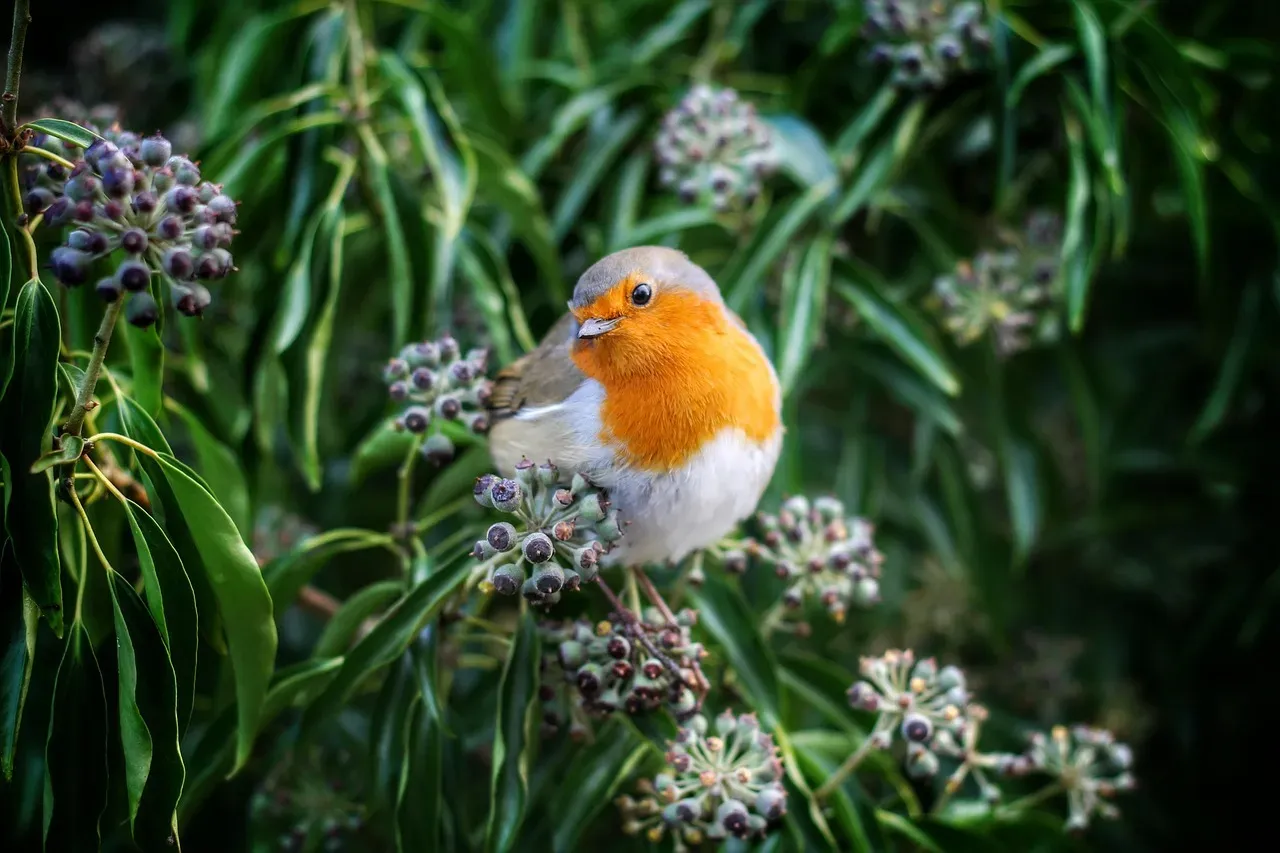
The little robin carries a surprisingly heavy load of symbolism for such a small bird. In Europe, birds with bright red or pink splotches, including robins, were said to have been stained with Christ’s blood as they attempted to pull thorns from his body or nails from his hands and feet. That is a striking origin story for a red breast.
Many superstitions claim that if you were to kill or injure a robin, or damage its nest or steal its eggs, you will receive some form of bad luck. In rural folklore, it is said that if a landowner deliberately kills a robin, then their cows’ milk will be stained with blood, and their home and farm buildings will catch fire. In many cultures, robins are believed to be messengers from the spirit world. If a robin appears near you, especially after you have lost someone, it could mean that a loved one is watching over you and sending comfort. Honestly, that one is rather beautiful.
7. Peacock Feathers – Beautiful Curse or Sacred Blessing?
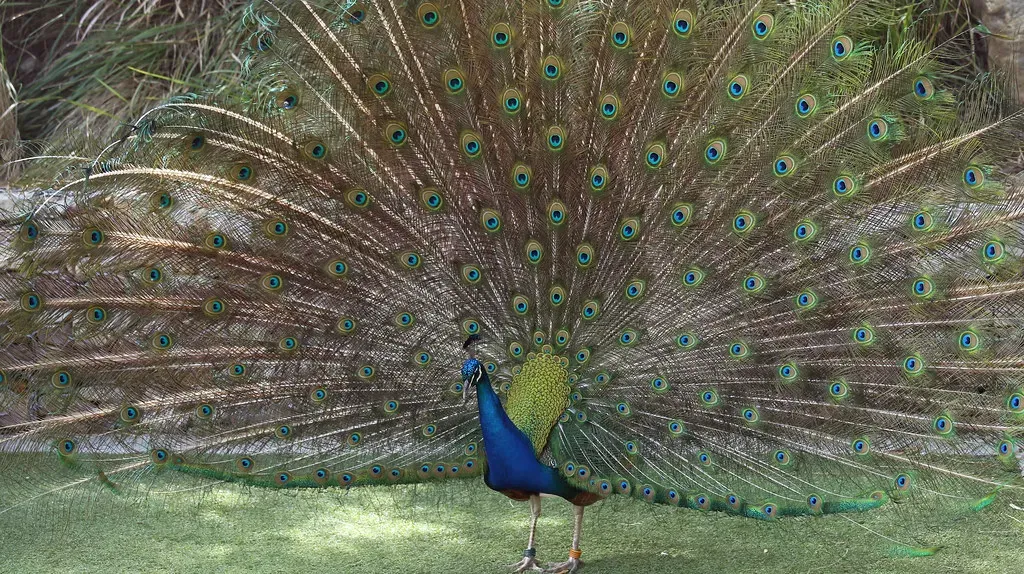
Here is a superstition that genuinely divides in two. In Victorian England, peacock feathers were viewed as unlucky, especially indoors, due to the “evil eye” motif resembling an eye on each feather. It was believed that peacock feathers brought envy and misfortune to the household. The theatre world took it a step further. In the theatre, it is considered bad luck to have peacock feathers on stage or comprising any part of a costume, prop, or scenery, and stories have been told of disasters occurring during a performance when peacock feathers were present.
Flip to the other side of , though, and the tone shifts dramatically. In India, peacock feathers are considered sacred to the god Krishna and are thought to bring prosperity and protection. In India, China, and Japan, peacock feathers are considered symbols of good fortune, and bringing them into the home is believed to offer protection by providing extra eyes to guard against danger. Same feather, completely opposite meaning. It is a perfect example of how geography reshapes belief.
8. The Swallow – Sailor’s Guardian and Home Protector
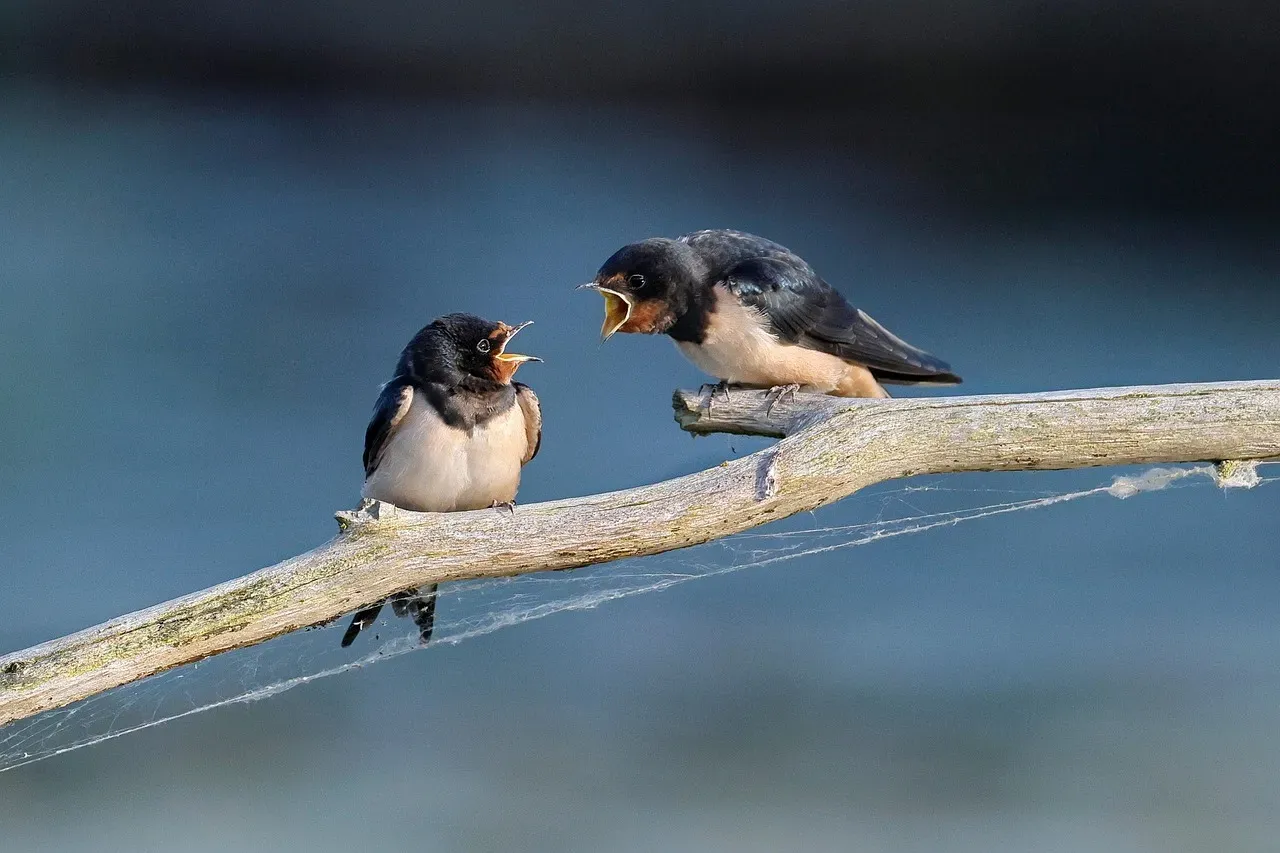
Sailors in centuries past were deeply superstitious people, and the swallow held a special place in their worldview. The superstition that a swallow nesting near your home brings luck has its origins in seafaring folklore. Sailors believed that swallows guided them to safety, and a swallow tattoo was worn as a talisman for protection on the high seas. Think of it as the original good luck charm, etched into skin before the first voyage.
If a swallow builds its nest on your property, it is said to protect against fire and storms. In parts of Eastern Europe, swallows are considered guardians of the family, and it is still believed that harming a swallow or its nest invites bad fortune. Swallows are often seen as symbols of hope, freedom, and new beginnings – a reputation that has stayed remarkably consistent across cultures and centuries. Some birds earn their mythology.
9. Birds Flying Into Your Home – A Message From Beyond?
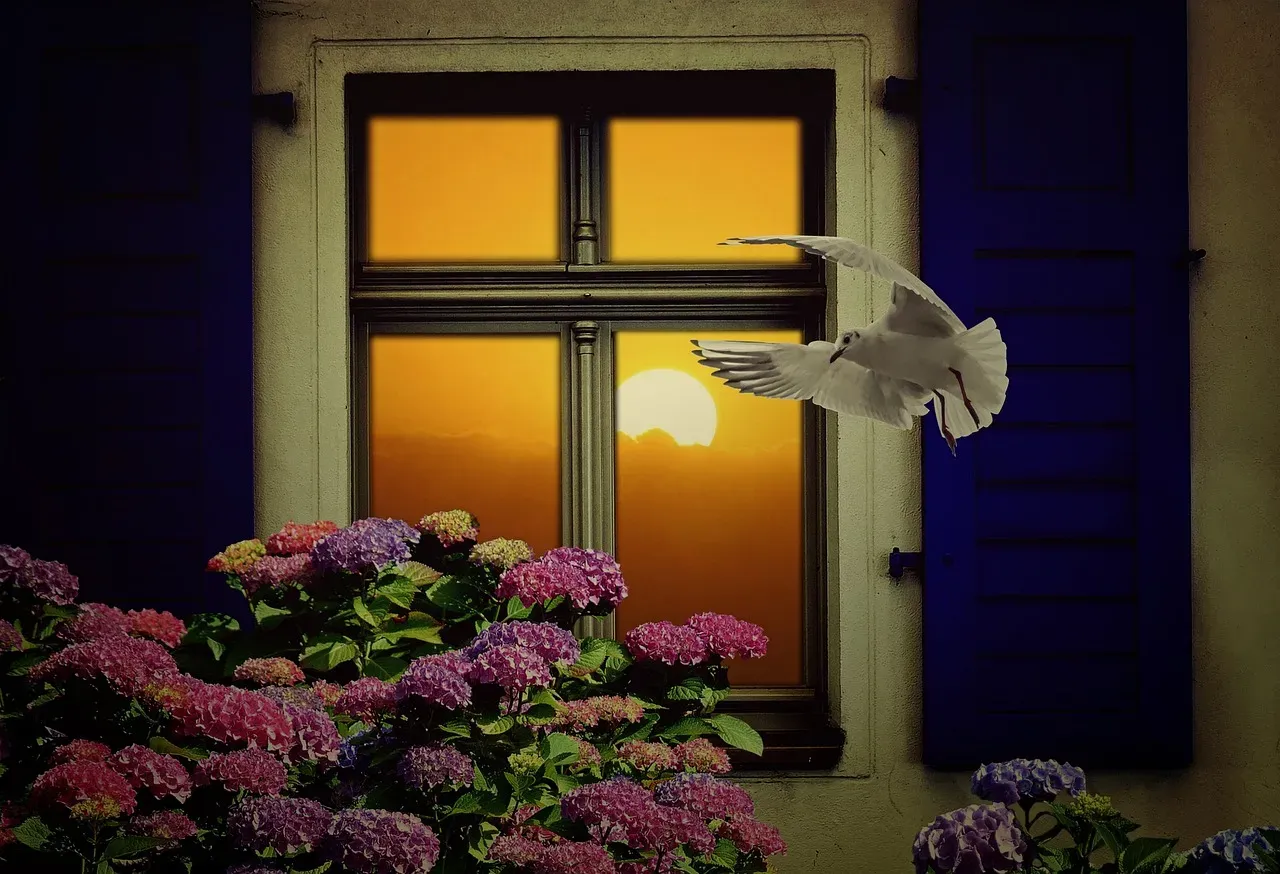
There are few moments more startling than a bird suddenly crashing through an open window and flapping wildly around your living room. Cultures worldwide have attached enormous significance to this event. In early American folklore, a bird flying into a house was carrying a message to the people inside. A bird that accidentally hits your window was believed to be a sign that someone in your house will soon die.
One common superstition holds that if a bird flies into your house, it is a sign of an upcoming important event or a message from the spiritual realm. Depending on the type of bird and the circumstances, this event can be seen as either positive or negative. The bird itself matters enormously in this calculation. A dove appearing at a sick person’s window carries a darker meaning than a robin landing cheerfully on the sill. Context, as with most things in folklore, is everything.
10. The Japanese Crane – A Thousand Origami Folds of Good Fortune
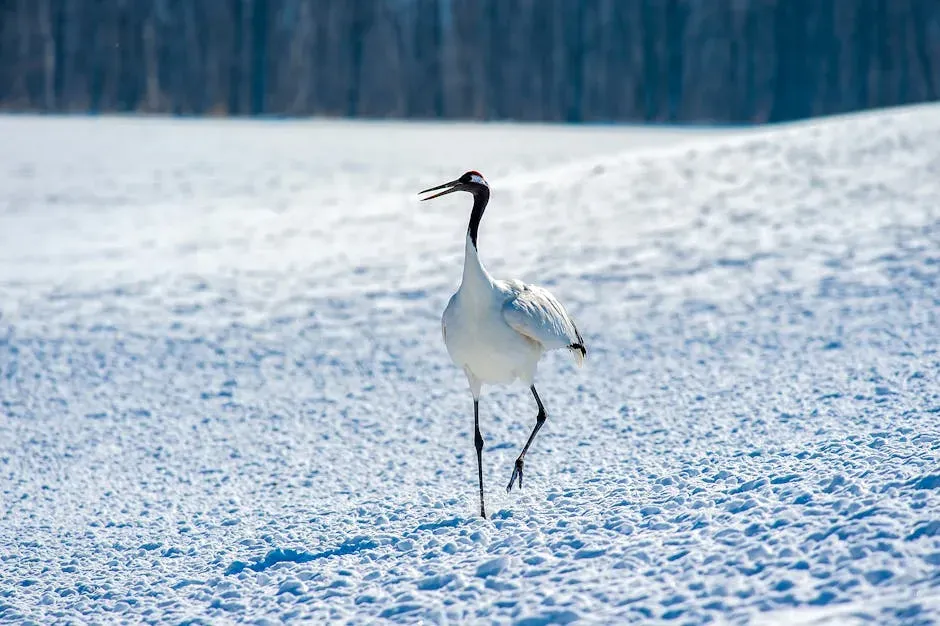
Few bird superstitions feel as genuinely hopeful as Japan’s relationship with the crane. Cranes in Japan symbolize longevity and happiness. The belief runs deep enough to shape art, ceremony, and even the act of paper folding. During weddings and New Year celebrations, crane imagery is used to invoke blessings of health, prosperity, and marital harmony.
Cranes are the sacred bird of Hermes or Mercury in mythology, and also the Celtic bird of the moon, which shows just how far the crane’s sacred status stretches across civilizations. There is a Japanese legend that folding one thousand origami cranes grants a wish. It is a tradition still practiced today, particularly by those facing illness or hardship. In a world full of dark bird omens, the crane stands out as a symbol of something rarer: pure, uncomplicated hope.
Conclusion – The Sky Has Always Been a Story
What strikes me most about all of these superstitions is how much they reveal about us, rather than about the birds. A crow, an owl, a swallow – they are just birds going about their lives, completely indifferent to human fate. Yet we have woven them into our deepest fears and highest hopes across every culture on earth.
What we have learned from birds, via cultures from ancient times until now, is that good or bad, people view our feathered friends as an extension of their lives and livelihoods. For as long as people have put ink to paper, they have utilized birds in their storytelling. That instinct is not going away anytime soon. We still flinch when a bird taps the window. We still notice when a robin appears after a loss.
The sky has always been a place we look to for answers we cannot find on the ground. Maybe that is the real superstition worth keeping. The next time a bird catches your eye, ask yourself: what would your ancestors have made of that moment? Chances are, they had a story ready.
What do you think – are these superstitions harmless tradition, or do they say something deeper about human nature? Share your thoughts in the comments below.
