

You probably think of your fluffy feline as harmless compared to a snarling dog. It’s hard to imagine something so small and cuddly could pose a serious medical threat. Yet when cats bite, their tiny teeth can create surprisingly dangerous wounds that send people to hospitals far more often than you might expect.
Around one out of every three patients bitten by a cat on the hand require hospitalization, which honestly sounds shocking. Most people shrug off cat bites as minor pinpricks while treating dog bites with far more urgency. That’s a dangerous mistake, because those innocent-looking punctures are actually ticking time bombs of infection.
Those Needle-Sharp Teeth Are Worse Than They Look

Cat teeth are sharp and pointed, capable of causing deep wounds. Unlike dog teeth which tend to be blunter and cause more visible crushing injuries, feline fangs work like hypodermic needles. Their sharp canine teeth easily puncture the skin, leaving small but deep wounds that rapidly seal over, trapping bacteria under the skin where they can readily multiply.
Think about the mechanics for a second. Dogs’ teeth are blunter and don’t tend to penetrate as deeply, leaving larger wounds after they bite. A bigger wound might look scarier, yet it actually allows for better drainage and cleaning. Cat bites seal up almost immediately, creating the perfect breeding ground for nasty bacteria.
The Infection Rate Is Alarmingly High
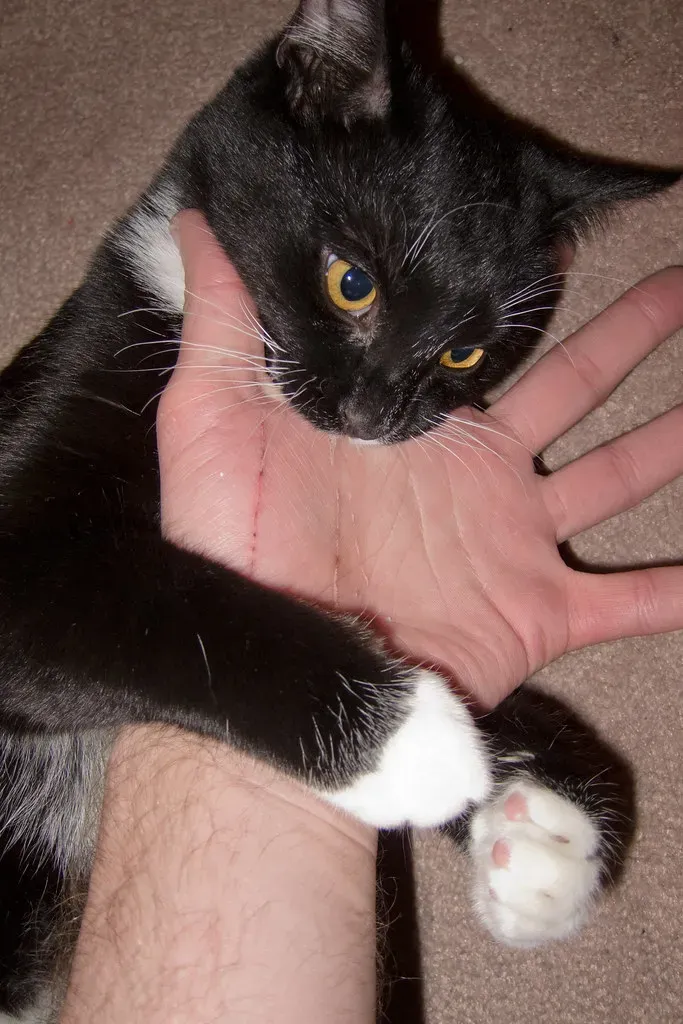
Here’s where things get really concerning. The likelihood of a cat bite becoming infected is double that of a dog bite. Let that sink in for a moment. Research shows infection occurs in about half of cat bites in children, and the numbers aren’t much better for adults.
Between roughly one-fifth and four-fifths of cat bites and scratches have the potential to become infected. That’s a massive range, sure, yet even the low end represents a serious risk. Bites from cats develop infections more frequently than bites from dogs, plain and simple.
Pasteurella Multocida Is the Main Culprit
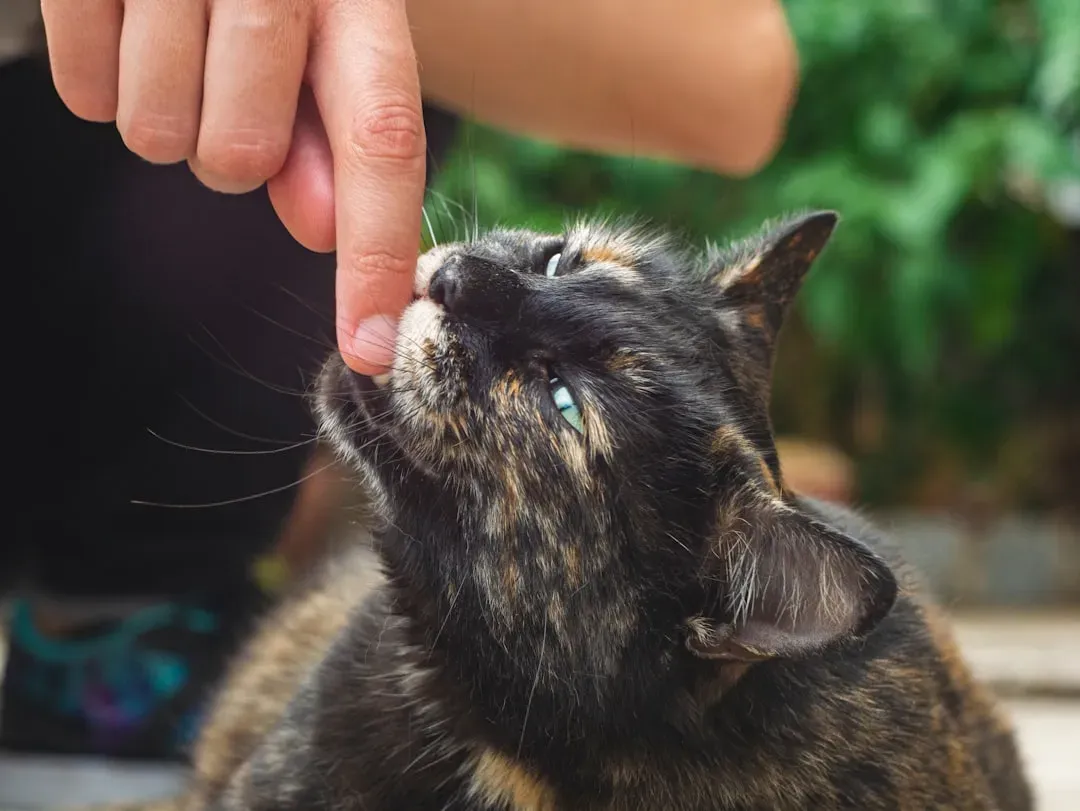
Pasteurella multocida bacteria is present in roughly three-quarters to nine-tenths of cats. This particular bacterium loves to set up shop in bite wounds and acts aggressively. The acute onset of cellulitis, lymphangitis, and drainage from hand wounds occurs within twelve to twenty-four hours after cat or dog bites, suggesting Pasteurella as the predominant culprit.
Cats are involved in a majority of human Pasteurella multocida infections, while the bacterium is isolated in half of dog bites. It’s not just about how many cats carry the bacteria but also how effectively their teeth deliver it deep into your tissues. The bacteria doesn’t just sit on the surface where you can wash it away.
Hand Bites Are Especially Dangerous

Cat bites to the hand are so dangerous that one in three patients with such wounds had to be hospitalized. The hand is a complex structure packed with tendons, joints, and bones all crammed into a small space. Patients with bites directly over the wrist or any joint had a higher risk of hospitalization than those with bites over soft tissue.
When bacteria gets injected near these structures, infections can spread rapidly to cause tenosynovitis, septic arthritis, or even osteomyelitis. Of those hospitalized, thirty-eight patients needed surgical irrigation and infected tissue removal. Some needed multiple operations and reconstructive surgery. All from what initially looked like a harmless little bite.
Symptoms Appear Fast and Furiously

Signs of local infection after a cat bite appear in a few hours, typically three to six hours. That’s incredibly fast for a bacterial infection. One moment you’re fine, the next you’re dealing with painful swelling and redness radiating from the wound site.
Left untreated, a serious infection can develop within twenty-four to forty-eight hours. Cat bite infections can spread to other parts of the body, causing septicemia which requires hospitalization, and in rare cases these infections can be fatal. The rapid progression means you can’t afford to wait and see if it gets better on its own.
The Hidden Wounds Are the Problem

People tend to be more dismissive of cat bites than dog bites because cat bites often look like pinpricks while dog bites look much worse, yet cat bites are not benign and can be very serious. This perception gap is genuinely dangerous. A dog bite that tears the skin looks terrifying and sends people rushing to the emergency room. A cat bite barely bleeds and might not even hurt that much initially.
After a cat bite, the skin usually closes rapidly over the bite and may trap microorganisms. You can’t see what’s happening beneath the surface as bacteria multiply in the warm, dark environment of your tissue. By the time symptoms appear, the infection has already established itself deep in your body.
Immediate Medical Care Makes All the Difference

Approximately one out of every three patients bitten by a cat on the hand needed hospitalization, yet many of those serious complications could potentially be prevented with prompt treatment. The window for action is narrow. Medical professionals recommend seeking treatment within eight hours to significantly reduce infection risk.
The mean time between bite and medical care was twenty-seven hours, which is far too long given how quickly these infections develop. Washing the wound thoroughly with soap and water immediately after the bite is crucial. Resulting infections from cat bites can be prevented by immediately washing wounds with soap and warm water. Still, washing alone isn’t enough. Professional medical evaluation and often prophylactic antibiotics are necessary to prevent serious complications.
So next time Fluffy sinks her teeth into your hand, don’t brush it off as no big deal. Those tiny teeth pack a dangerous punch that demands immediate respect and medical attention. What do you think about it? Tell us in the comments.
